Beat Water Restrictions By Using These Container Garden Tricks In New Jersey
Your water bill and your garden are not supposed to coexist peacefully. New Jersey summers make sure of that.
New Jersey’s humidity fools you early, then August arrives and scorches everything you planted with hope. Restrictions tighten before your plants even peak.
Container gardening changes that state entirely. You get control back, and every pot becomes a precision move.
Smart choices at the soil level cut water use dramatically. Placement matters more than most gardeners realize.
Think about what actually thrives through August heat. Your balcony, patio, or stoop holds more potential than you know.
Can one strategy really save both your water bill and your garden? Yes, and the results look anything but compromised.
Lush, productive, and water-smart plants grow together beautifully in containers. This state is completely achievable without losing an ounce of beauty.
Methods exist that work quietly and efficiently all season. Nothing about this requires guessing or expensive tools. Every smart gardening decision you will ever make starts here.
1. Grouping Pots Together To Slow Evaporation
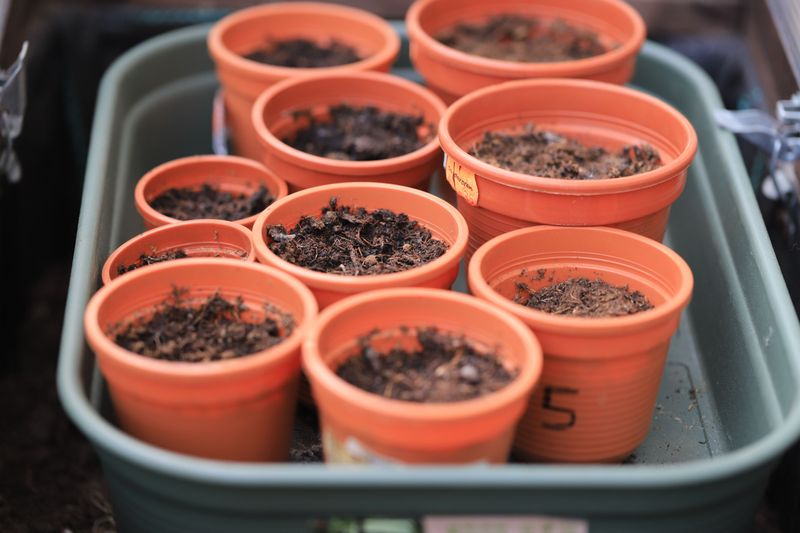
Picture your pots standing alone in the blazing sun, each one losing moisture fast. Grouping them together changes everything about how they survive the heat.
When containers are clustered, they create a shared microclimate around their foliage and soil. That pocket of air between pots stays cooler and more humid than the surrounding space.
Less airflow means less evaporation from the soil surface. Your plants actually help each other stay hydrated without any extra effort from you.
Think of it like a team huddle. Each pot protects its neighbor from drying wind and direct sun exposure.
Broader leaves from taller plants can shade shorter pots nearby. That natural canopy keeps soil temperatures lower, which slows moisture loss significantly.
Aim to group at least three pots together for a noticeable effect. Odd-numbered clusters also look more visually appealing in any outdoor space.
Place thirstier plants in the center of your cluster where shade is most consistent. Drought-tolerant varieties can hold the outer edges without struggling.
This trick works especially well during New Jersey heat waves in July and August. You can meaningfully reduce your watering frequency just by rearranging what you already own.
Try mixing pot sizes within your cluster for added benefit. Larger containers hold more soil mass, which retains moisture longer and stabilizes the whole group.
Grouping is one of the easiest container garden wins you can score. No tools, no products, just smart placement that pays off all season.
2. Installing Self-Watering Containers With Built-In Reservoirs
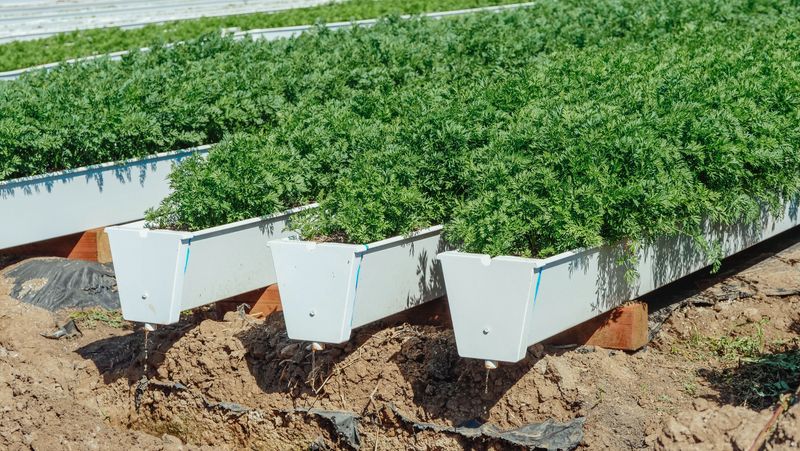
Self-watering containers are the closest thing to a garden that waters itself. They hold water in a bottom reservoir and deliver it upward through the soil as plants need it.
This system is called sub-irrigation, and it is incredibly efficient. Plants draw exactly what they need, when they need it, without any guesswork from you.
Traditional top-watering often sends water straight through the pot and out the drainage hole. A reservoir system eliminates that waste entirely.
Your New Jersey Garden Changes Every Week. Your Plan Should Too.
Gardening in New Jersey changes quickly throughout the season. Every Friday you’ll receive a simple weekly plan showing exactly what to plant, prune, fertilize, harvest, and protect so you never miss the right timing.
You fill the reservoir every few days instead of watering daily. During a New Jersey summer, that can mean checking in just twice a week instead of every morning.
These containers come in every size imaginable, from small herb planters to large raised bed-style boxes. You can find them at garden centers or online for a wide range of budgets.
Some gardeners even convert regular pots into self-watering systems using a simple DIY insert. A plastic bottle with holes poked in it, buried neck-down in soil, works as a basic reservoir.
Tomatoes, peppers, and herbs thrive especially well in self-watering setups. Consistent moisture at the root zone keeps them productive and stress-free.
Water restrictions hit hardest when your plants are mid-season and vulnerable. A reservoir system protects them even when you cannot water as freely as you want.
Investing in even two or three self-watering containers can make a huge difference. Your plants stay healthier, and your water bill stays manageable all summer long.
3. Mulching The Top Of Every Pot To Lock In Moisture
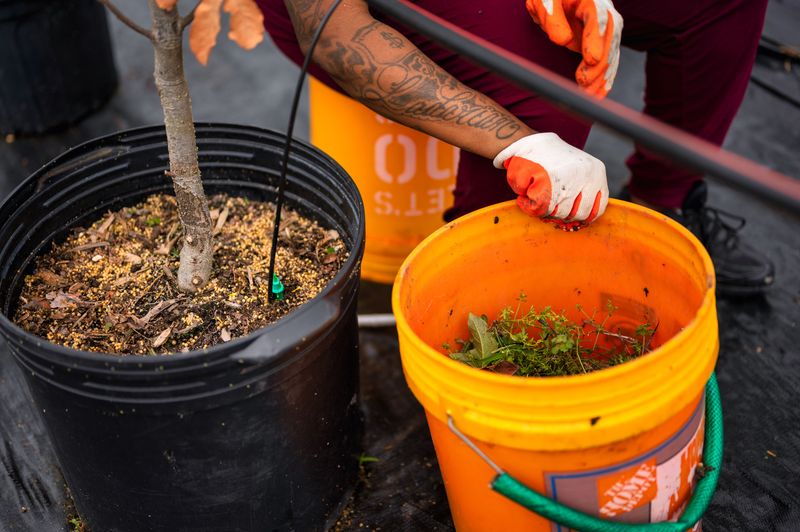
Bare soil in a container pot is basically an open invitation for the sun to steal your water. A simple layer of mulch on top changes that equation fast.
Mulch acts as a physical barrier between the soil surface and the drying air above it. Evaporation slows dramatically, and your watering sessions stretch further.
You do not need fancy materials to make this work. Shredded bark, straw, wood chips, or even dried leaves all do the job beautifully.
Apply about one to two inches of mulch on top of your potting mix. Leave a small gap around the plant stem so air can still circulate at the base.
Beyond moisture retention, mulch also keeps soil temperatures steadier throughout the day. Cooler roots mean less stress on your plants during peak afternoon heat.
Some gardeners use decorative stones or pebbles as mulch in ornamental pots. They work just as well and add a polished, finished look to your container arrangement.
Cocoa shell mulch is another popular option that smells incredible after watering. It breaks down slowly and adds a small amount of nutrients to the soil over time.
Note that cocoa shell mulch contains theobromine, the same compound found in chocolate, which is toxic to dogs if ingested. If you have pets, choose shredded bark, straw, or wood chips instead.
Refresh your mulch layer mid-season if it thins out or compacts. A quick top-up takes about two minutes per pot and extends your moisture savings significantly.
Mulching every single pot is one of the most underused container garden tricks available. It costs almost nothing and delivers noticeable results within the first week of use.
4. Watering At Dawn Before Heat Pulls Moisture Away
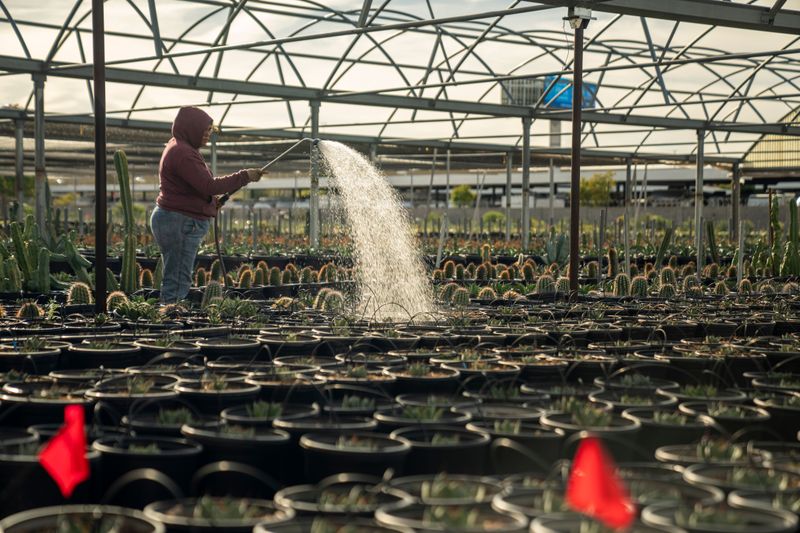
There is a golden window every morning when your New Jersey garden is practically begging for water. That window is dawn, and most gardeners sleep right through it.
Early morning watering gives moisture time to soak deep into the root zone before the sun starts pulling it back out. Roots absorb what they need without competing with evaporation.
Watering in the afternoon or evening is far less efficient. Afternoon sun evaporates surface moisture before roots can use it, wasting every drop you apply.
Overhead evening watering leaves foliage wet overnight, which can invite fungal diseases and mildew. If you water at the base, the risk is much lower, but timing still affects how efficiently roots absorb moisture.
Dawn watering lets leaves dry quickly as temperatures rise, keeping plants healthier overall. Set an alarm if you have to.
Fifteen minutes of early morning watering beats an hour of afternoon watering in terms of actual plant benefit.
During New Jersey water restrictions, efficiency is everything. Getting the most from every gallon you are allowed to use starts with when you choose to apply it.
A drip timer attached to your hose can automate dawn watering entirely. Set it once and let it handle the schedule while you enjoy your coffee indoors.
Container gardens dry out faster than in-ground beds because pots heat up quickly. Dawn watering gives them a full reservoir of moisture before the hardest part of the New Jersey day hits.
Making the time shift from afternoon to dawn watering is genuinely one of the highest-impact changes you can make. Your container garden will look noticeably better within just a few days.
5. Mixing Water-Retention Crystals Into Potting Mix
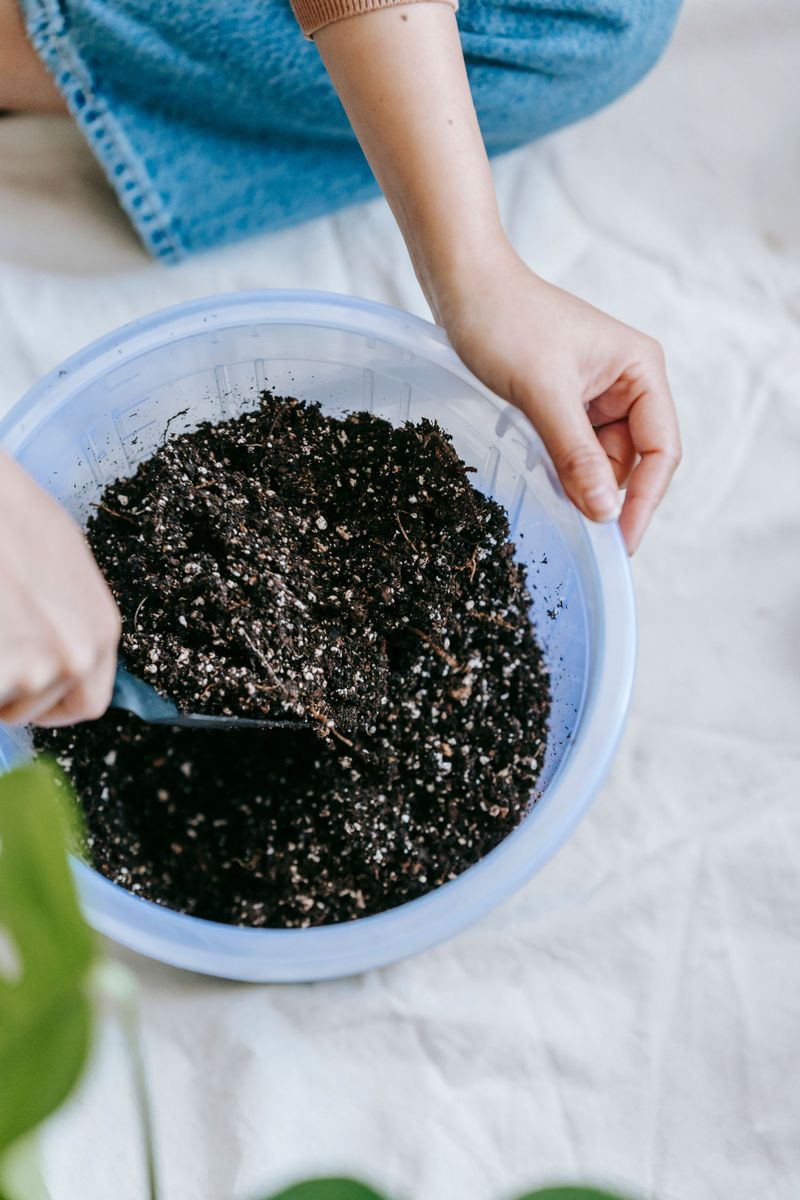
Water-retention crystals sound like something from a science fiction movie, but they are completely real and incredibly useful. These small polymer granules absorb hundreds of times their weight in water.
When mixed into potting soil, they swell into soft gel beads that hold moisture near plant roots. As the soil dries out, the crystals slowly release that stored water back into the mix.
This creates a built-in buffer against dry spells and watering restrictions. Your plants have access to stored moisture even on days when you cannot water at all.
Mix the dry crystals into your potting mix before planting at a rate recommended on the package. Using too many can cause the soil to become overly soggy, so follow directions carefully.
They are especially helpful in small pots, which dry out faster than large containers. Hanging baskets and window boxes benefit enormously from even a small amount added to the mix.
Crystals last for several growing seasons before breaking down completely. You get multiple years of moisture-buffering benefit from a single application.
Brands like Soil Moist and Zeba are commonly available at garden centers or online retailers. They are affordable and work with virtually any type of container planting.
Combine water-retention crystals with mulching and grouping strategies for maximum results. Stacking these techniques together creates a container garden that practically manages its own hydration.
Think of crystals as a reliable buffer against unpredictable summer weather. They give your plants a safety net that keeps them thriving even when conditions turn tough.
6. Choosing Drought-Tolerant Natives Like Black-Eyed Susan And Salvia
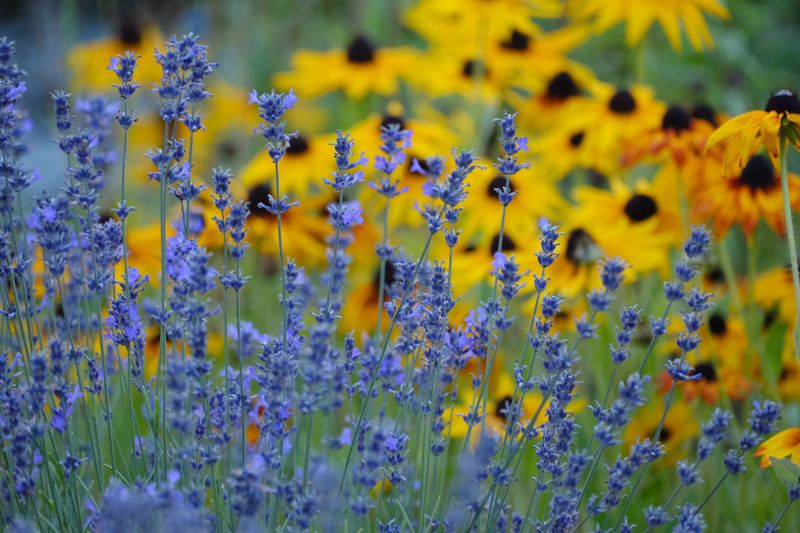
Not all plants demand the same amount of water, and choosing wisely makes a massive difference. Native drought-tolerant species are built for exactly the kind of dry summers the region often delivers.
Black-eyed Susan is a cheerful yellow wildflower native to eastern North America. It thrives in heat, tolerates dry soil, and blooms prolifically with minimal supplemental watering.
Salvia, particularly varieties like May Night or East Friesland, is another powerhouse for dry conditions. Its spiky purple blooms attract pollinators and hold up beautifully even when rainfall is scarce.
Native plants have evolved over centuries to handle local weather patterns. Their root systems are efficient, pulling moisture from deeper soil layers that non-native species cannot reach.
Growing natives in containers does require some adjustment since pot soil dries faster than ground soil. But selecting naturally resilient species means they bounce back quickly between waterings.
Coneflower, lavender, and ornamental grasses are other excellent choices for low-water containers. They add texture, color, and wildlife value without demanding daily attention from you.
Mixing drought-tolerant species together in one large container is a smart strategy. The plants share similar water needs, which means you water once and satisfy the whole pot.
Local nurseries often carry regionally appropriate native plants ready for container planting. Ask staff specifically for drought-tolerant options suited to your sun exposure and pot size.
Building your container garden around tough, water-smart natives is a long-term investment. You spend less time watering and more time actually enjoying what you grew.
7. Elevating Pots Off Hot Pavement To Reduce Heat Stress
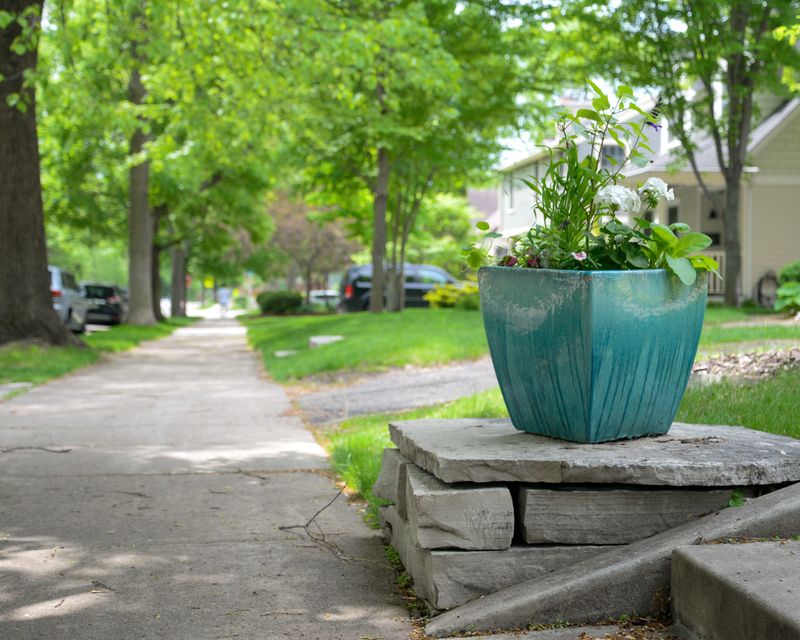
Concrete and asphalt absorb heat all day and radiate it straight into the bottom of your pots. That trapped heat stresses roots and accelerates moisture loss significantly.
Elevating your containers just a few inches off the pavement creates an air gap underneath. That gap allows heat to escape instead of building up inside the pot.
Pot feet, wooden risers, bricks, or even old pallets all work well for elevation. You do not need anything expensive or elaborate to get this benefit.
Research on container gardening shows that pot temperatures on pavement can run significantly hotter than air temperature, sometimes exceeding it by 15 to 20 degrees depending on pot color and material.
That extreme heat stresses roots and forces plants to use water much faster than normal. Lighter-colored pot surfaces also help by reflecting rather than absorbing sunlight.
If you have dark pots sitting on dark pavement, elevating them is especially critical during peak summer months.
Air circulation under the pot also helps prevent root rot by allowing drainage to flow freely. Soggy soil against hot concrete can lead to root rot and drainage problems over time.
Metal pot feet are durable and come in decorative styles that look intentional. They are a small investment that pays off across many growing seasons.
For heavy pots, wheeled plant caddies serve double duty by both elevating and making containers easy to move. Roll them into shade during the hottest afternoon hours for extra protection.
Lifting your pots off the ground is one of those container garden tricks that feels almost too simple. But the impact on plant health and water retention is genuinely significant.
8. Recycling Cooled Pasta Or Vegetable Cooking Water On Plants
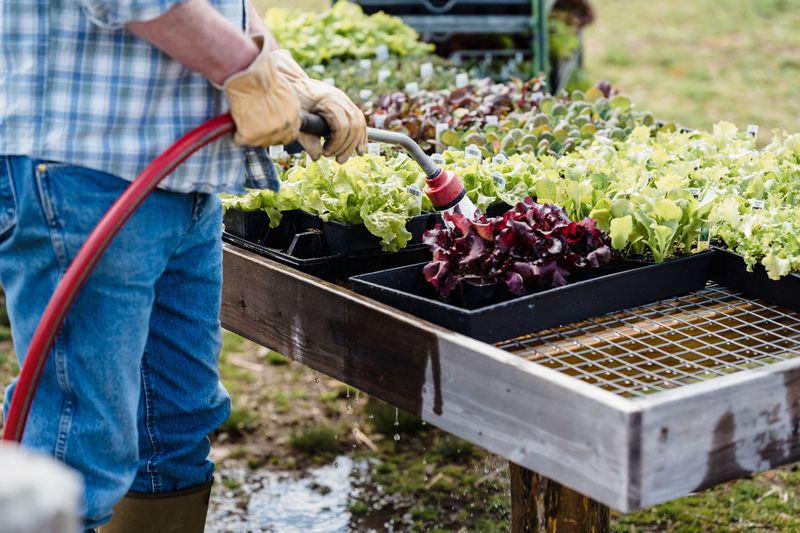
Every time you boil pasta or steam vegetables, you pour nutrients straight down the drain. That leftover cooking water is a practical supplement for your New Jersey container garden.
Starchy pasta water contains trace minerals from cooking. When cooled and applied to pots, it primarily adds hydration with a minor supplemental benefit.
It is useful more for the water itself than for any strong nutritional value. Vegetable cooking water carries even more goodness, including potassium, phosphorus, and trace minerals.
These are the same elements found in commercial liquid fertilizers, just in gentler concentrations.
The critical rule is to let the water cool completely before using it on plants. Hot water damages roots and can shock even the hardiest container plants instantly.
Unsalted cooking water is what you want. Salted water can build up sodium in container soil over time, which harms roots and disrupts nutrient absorption significantly.
Keep a large bowl or pitcher near the stove to collect cooking water as a habit. Once it cools on the counter, carry it outside and apply it directly at the base of your containers.
This practice fits perfectly into a New Jersey water-restriction mindset where every drop counts. You are not using extra water from the tap; you are redirecting water you were already using anyway.
Some New Jersey gardeners also save aquarium water for the same purpose. Fish tank water is rich in nitrogen and beneficial bacteria that container soil absolutely loves.
Beating water restrictions in your container garden sometimes means getting creative with sources. Cooking water is free, effective, and one of the smartest recycling moves a home gardener can make.