7 Native Michigan Plants With Traditional Medicinal Uses Perfect For Beginners
Michigan has a remarkably rich native plant heritage, and tucked within that heritage is a group of herbs that indigenous communities and early settlers relied on for generations before modern medicine made them easy to overlook.
Several of these plants are genuinely beginner-friendly, asking for little more than the right growing conditions and basic seasonal attention to thrive in a Michigan garden.
What makes them interesting is that many of their traditional uses are documented in ethnobotanical sources, and some are still being studied today, giving them a rich history that connects them closely to Michigan’s landscape and cultural heritage.
Growing even a small selection of them connects a Michigan garden to something much older and more rooted in this specific landscape than anything imported from a Mediterranean climate ever could.
1. Wild Bergamot
Few plants bring as much color, fragrance, and history to a garden as wild bergamot.
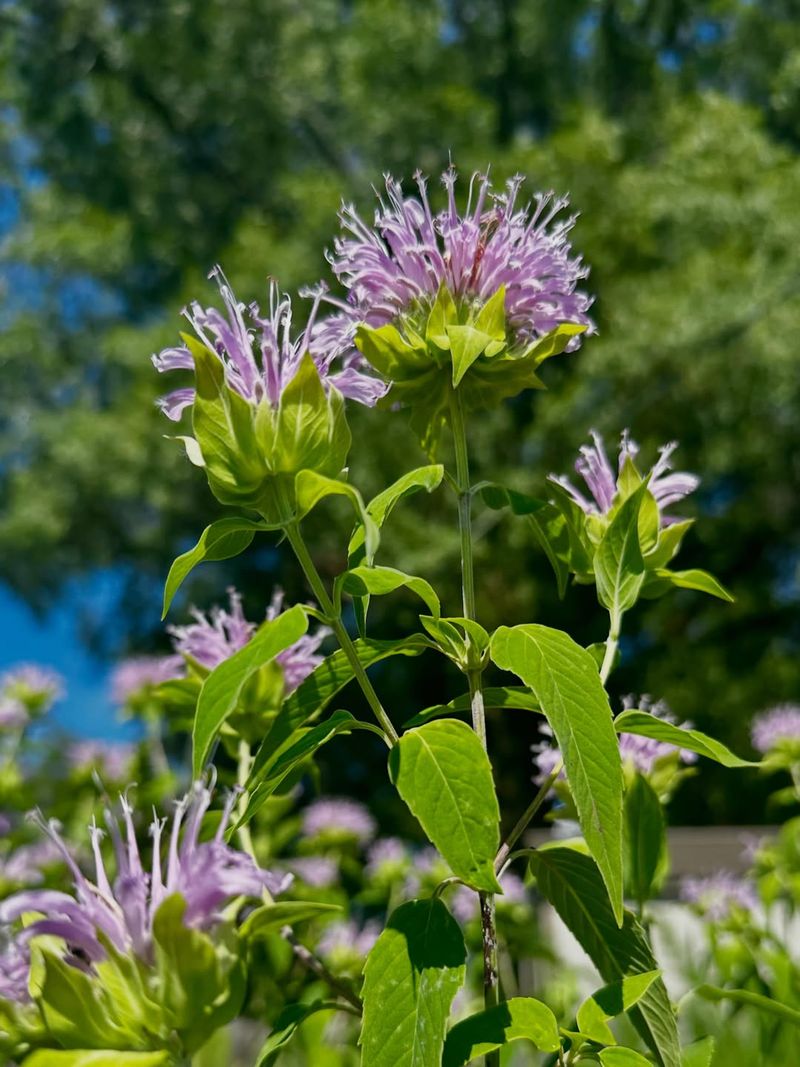
Known scientifically as Monarda fistulosa, this cheerful member of the mint family produces stunning lavender-purple blooms that butterflies and bees simply cannot resist.
It is native throughout Michigan and thrives in sunny spots with well-drained soil, making it one of the most beginner-friendly herbs you can possibly grow.
The leaves carry a strong, spicy aroma similar to oregano with a hint of citrus. Indigenous peoples across North America, including the Ojibwe, used wild bergamot leaves in teas and steam treatments to support respiratory comfort.
Early settlers also adopted the plant into their own herbal traditions, drawn by its pleasant scent and reputation for soothing qualities.
Growing wild bergamot is genuinely easy. Plant it in full sun, water it regularly until it establishes, and then step back.
Once settled in, it handles drought with impressive grace. It can spread quickly through underground rhizomes and seed, so giving it extra space and thinning it when needed pays off over time.
Harvest fresh leaves in midsummer, just before the flowers fully open, when the essential oils are at their peak. Dry small bunches upside down in a warm, airy spot and store them in a sealed jar.
A simple tea made from the dried leaves has a warming, herbal flavor that feels genuinely comforting on a cool Michigan evening.
For a beginner herb gardener, wild bergamot offers beauty, wildlife value, and a rich herbal tradition all wrapped into one stunning native plant.
2. American Wild Mint
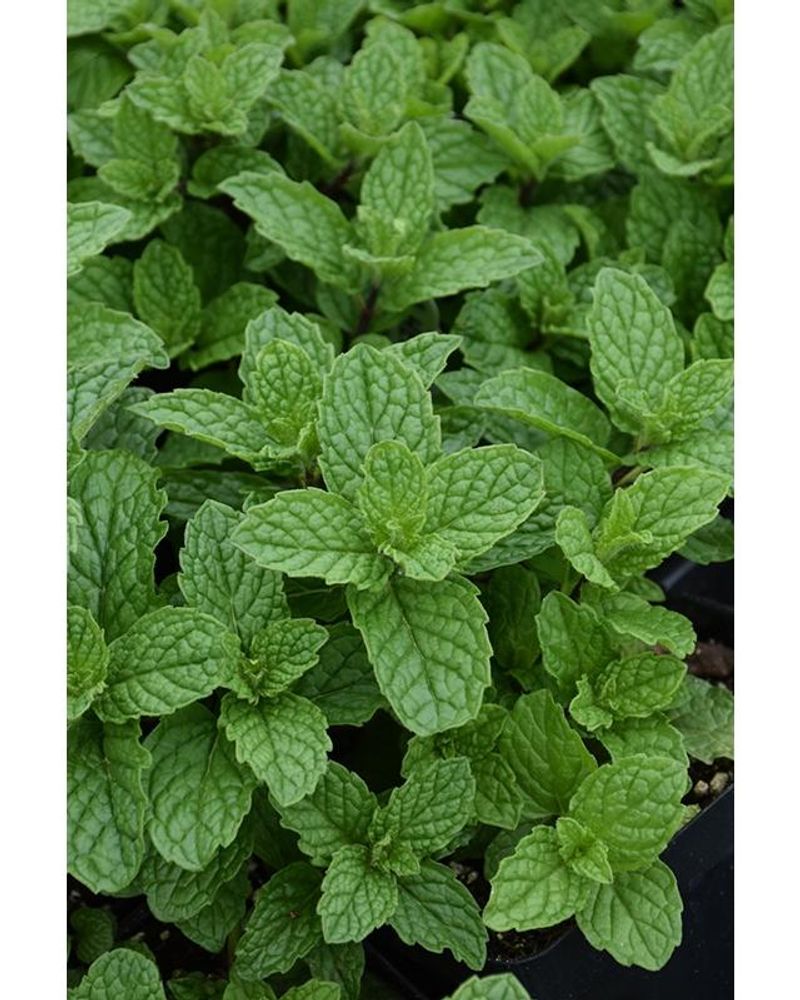
There is something instantly familiar about brushing against a mint plant and catching that sharp, refreshing scent.
American wild mint, or Mentha canadensis, is Michigan’s only native species in the Mentha genus, and it brings all the classic coolness of mint with a genuinely wild character.
It grows naturally along stream edges, wet meadows, and moist forest margins across the state. Traditional uses for this plant run deep.
Ojibwe and other Great Lakes Indigenous communities used wild mint in teas and other traditional preparations, with recorded uses including beverage teas, sweat baths, and remedies connected to fever or general wellness.
The pleasant flavor made it one of the most approachable herbs in folk traditions, and even today, a simple cup of wild mint tea feels like a small act of connection to centuries of herbal wisdom.
Your Michigan Garden Changes Every Week. Your Plan Should Too.
Gardening in Michigan changes quickly throughout the season. Every Friday you’ll receive a simple weekly plan showing exactly what to plant, prune, fertilize, harvest, and protect so you never miss the right timing.
For beginners, wild mint is wonderfully forgiving. It prefers moist, rich soil and partial to full sun, but it adapts surprisingly well to different conditions.
One important growing tip worth knowing early: wild mint spreads aggressively through underground runners. Planting it in a container or using a buried root barrier keeps it from taking over your entire garden bed.
Harvest leaves anytime during the growing season by snipping stems just above a leaf node. Fresh leaves make excellent teas, and dried mint stays flavorful for months when stored properly in a cool, dark place.
The scent alone makes harvesting a genuinely enjoyable experience. Wild mint also attracts native pollinators in good numbers, adding ecological value alongside its herbal appeal.
For anyone starting an herb garden rooted in Michigan’s natural heritage, this plant belongs near the top of the list.
3. Self-Heal
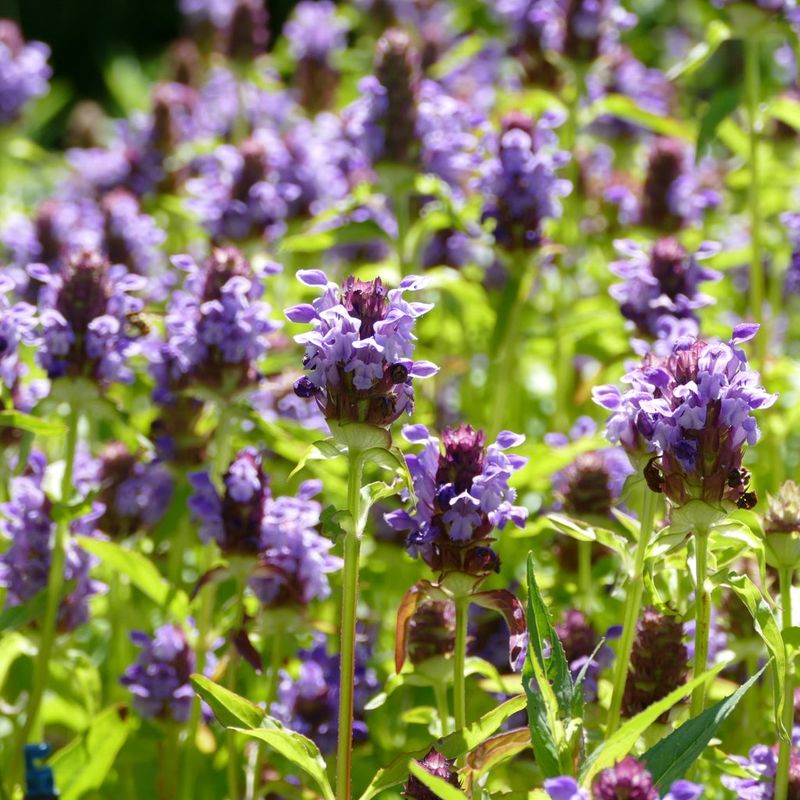
Walk across almost any Michigan lawn or forest path in summer and you will likely step right over self-heal without realizing it. This low-growing perennial, known scientifically as Prunella vulgaris, is one of those plants that hides in plain sight.
Its small purple flower spikes are subtle but beautiful up close, and its reputation in traditional herbal practice is surprisingly impressive for such a modest little plant.
The name self-heal says a lot. Across many cultures and centuries, this herb was considered one of the most useful plants a person could have nearby.
European folk herbalists and Indigenous North American communities alike valued it for its versatility.
Ojibwe ethnobotanical sources record medicinal uses for self-heal, while the plant also has long-standing uses in traditional Chinese medicine and European herbal practice, speaking to its unusually broad herbal history.
In the garden, self-heal behaves as a low creeping groundcover that spreads gently over time. It tolerates shade, mowing, and some foot traffic, and it can handle occasional dryness, though it generally performs best in average to moist conditions.
Plant it along pathways, under trees, or in spots where other plants struggle. It asks for very little and gives back quite a lot in return.
Harvest the flowering tops in summer when blooms are fully open and dry them in small bunches. Many herbalists use dried self-heal in teas and infusions.
The flavor is mild and pleasant, with a slightly earthy quality. For a beginner who wants a native Michigan herb that practically takes care of itself while offering a fascinating history, self-heal is a perfect starting point worth every bit of attention.
4. Common Yarrow
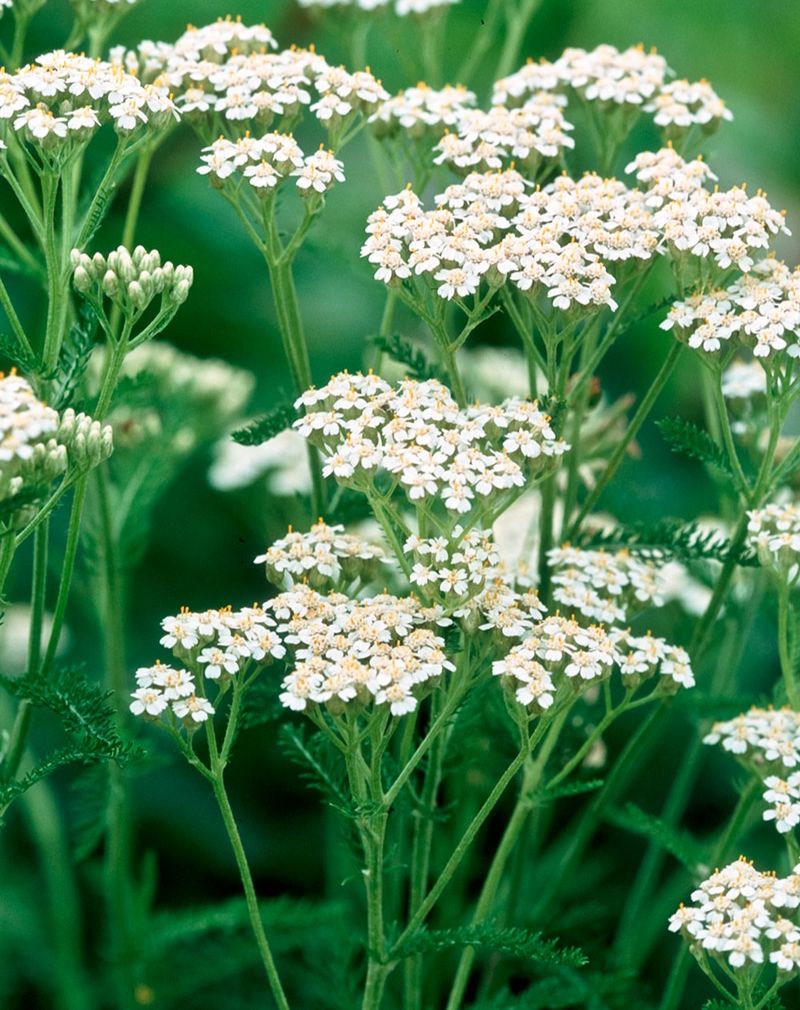
Yarrow has one of the most storied histories in all of Western herbalism, and the fact that it grows wild across Michigan makes it an exciting find for any beginner.
Common yarrow, or Achillea millefolium, takes its genus name from the Greek hero Achilles, who, according to legend, used the plant to treat soldiers wounded in battle.
That ancient reputation has followed yarrow through thousands of years of herbal tradition across dozens of cultures.
Michigan Flora notes that most yarrow plants found in the state are presumed native, though the species includes native, introduced, and hybrid forms.
For the purposes of a beginner herb garden, yarrow is one of the most reliable and rewarding choices available.
It thrives in full sun with well-drained to dry soil, handles drought without complaint, and produces those signature flat-topped white flower clusters that are simply gorgeous in any garden setting.
Beyond beauty, yarrow attracts an incredible variety of beneficial insects. Predatory wasps, native bees, and butterflies all visit the flowers regularly, making yarrow a true pollinator magnet.
The feathery, fern-like leaves are just as distinctive as the flowers and give the plant a soft, textured look even when it is not in bloom.
Harvest yarrow stems when the flowers are fully open and dry them in bunches hung upside down. Dried yarrow has been used in teas and topical preparations throughout herbal history.
The scent is sharp and pleasantly medicinal. Beginners will love how easily yarrow establishes, how little maintenance it needs, and how generously it rewards with blooms season after season.
5. Common Evening Primrose
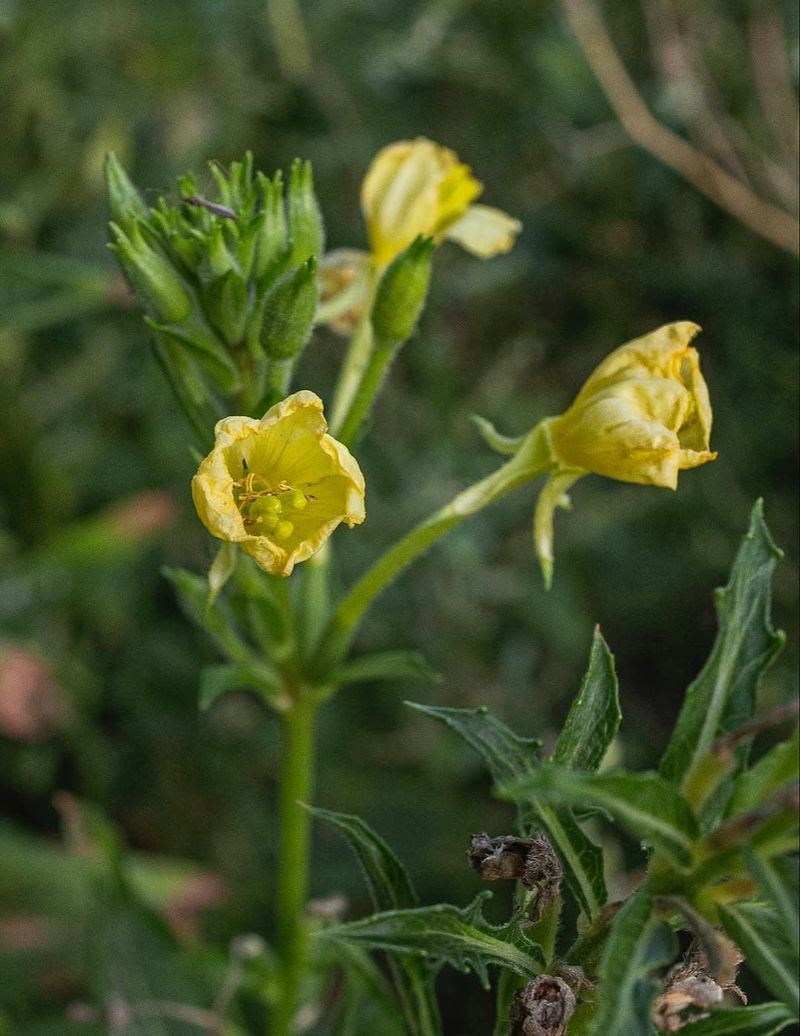
Common evening primrose is one of those plants that teaches you something new just by watching it grow.
The bright yellow flowers open at dusk and stay open through the night, attracting moths and other nocturnal pollinators in a nightly display that feels almost magical.
If you have ever wanted to understand how some plants operate on a completely different schedule than the rest of the garden, evening primrose makes that lesson unforgettable.
Scientifically known as Oenothera biennis, this plant is a native forb listed by Michigan State University as part of Michigan’s natural flora.
It follows a biennial life cycle, meaning it spends its first year as a flat rosette of leaves close to the ground, then shoots up a tall flowering stalk in its second year.
For beginners, this two-year pattern is genuinely educational and helps build a deeper understanding of plant life cycles overall.
Indigenous communities used various parts of the evening primrose plant in traditional practices for generations. The roots, leaves, and seeds all appear in historical herbal records.
Today, evening primrose seed oil is widely sold as a supplement, though clinical evidence for its health benefits remains limited.
Growing evening primrose is refreshingly simple. Scatter seeds in a sunny or partially shaded spot with average soil and let the plant do the rest.
It self-seeds freely, so once established, it tends to return year after year without much help.
The tall stalks add wonderful vertical interest to a native garden, and the evening blooms create a quiet, almost poetic atmosphere that makes spending time outdoors feel genuinely special.
6. Spotted Jewelweed
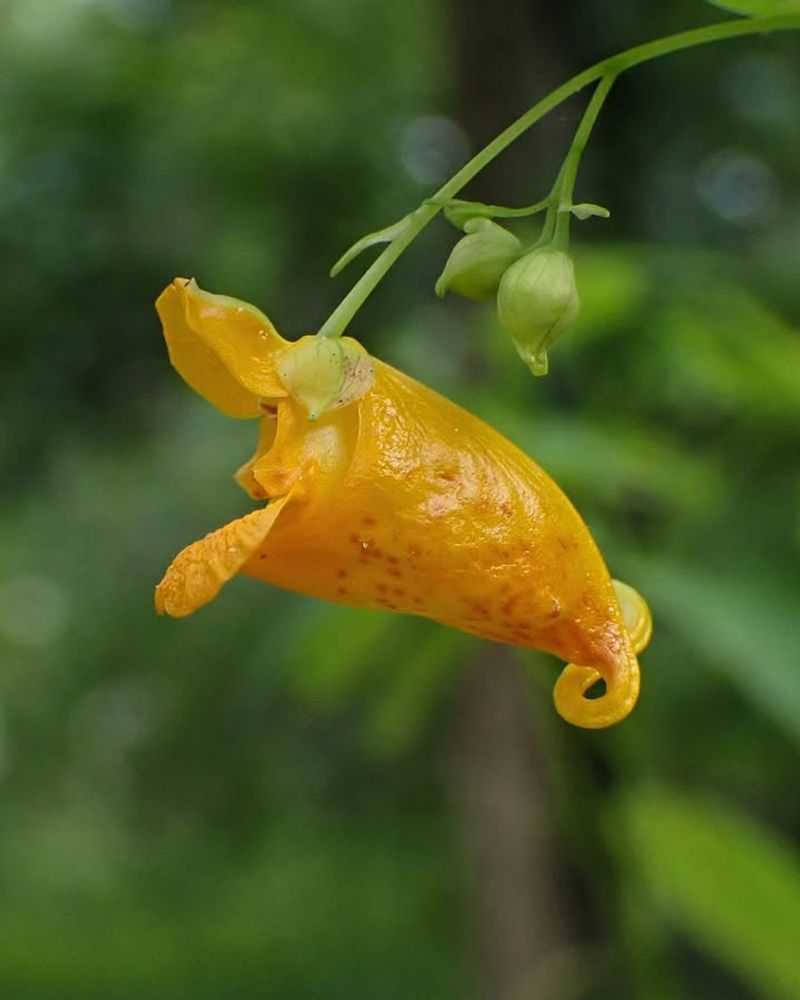
Spotted jewelweed might be the most playful native plant in Michigan. Press a ripe seed pod between your fingers and it explodes open with a satisfying pop, sending seeds flying in every direction.
That fun quirk earned it the nickname touch-me-not, and it is just one of the many reasons this plant sticks in the memory long after you first encounter it. Kids especially love discovering this feature for the first time.
Scientifically called Impatiens capensis, spotted jewelweed is a native annual that thrives in moist stream banks, wet woodland edges, boggy areas, and spots with light shade or partial sun across Michigan.
The bright orange flowers with their distinctive red spots are not only beautiful but also incredibly attractive to hummingbirds and native bees.
Growing it successfully means finding a reliably damp location with partial shade or filtered sun and giving it room to self-seed.
In folk tradition, jewelweed has a long-standing reputation connected to skin comfort, particularly in relation to contact with stinging nettle or poison ivy.
Many people who spend time outdoors in Michigan’s forests know to look for jewelweed growing nearby when they brush up against something irritating.
Research on jewelweed for poison ivy is mixed and preparation-dependent, so it is best described as a plant with a strong folk reputation rather than a proven treatment.
For beginners, jewelweed is a low-maintenance choice that rewards patience. It self-seeds prolifically, so one planting often becomes a reliable colony over time. The lush, pale green foliage adds a soft, cooling texture to shaded garden corners.
Watching hummingbirds hover at the orange blooms on a warm Michigan afternoon is one of those simple garden moments that feels genuinely worth the effort of growing it.
7. Wild Strawberry
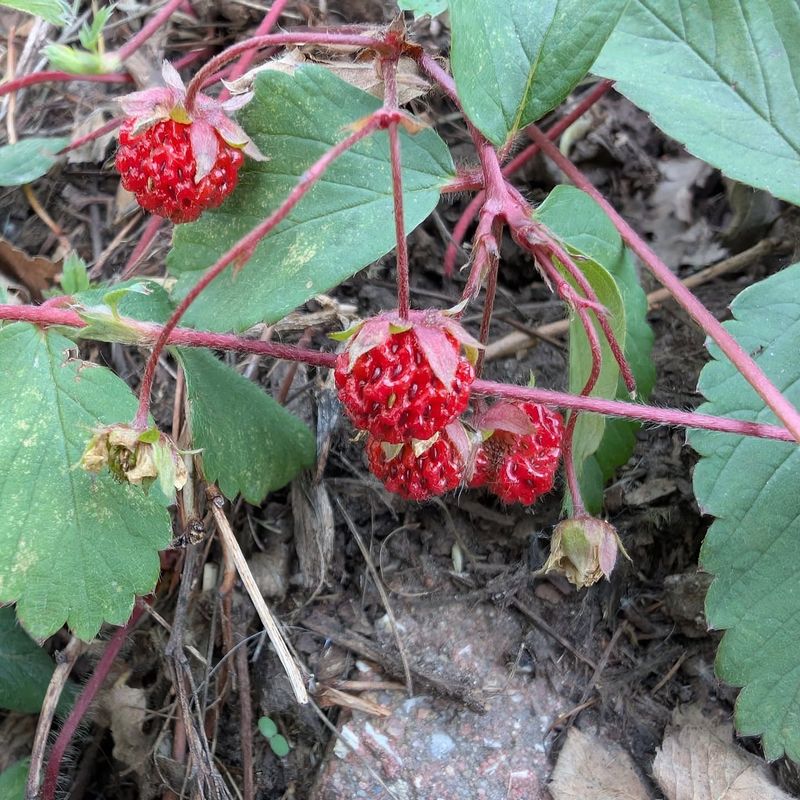
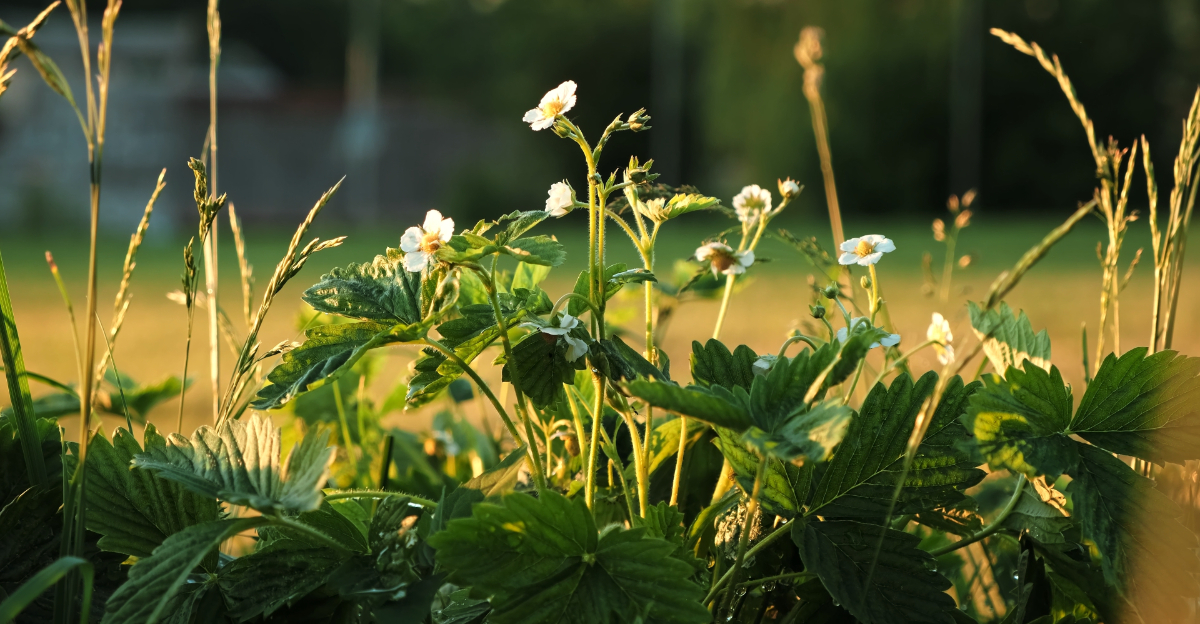
Nothing quite compares to spotting a cluster of tiny, perfectly red wild strawberries nestled among low green leaves on a warm June morning.
Wild strawberry, or Fragaria virginiana, is one of Michigan’s most beloved native groundcovers, and it earns that affection honestly.
The fruit is smaller than store-bought strawberries but packed with a concentrated sweetness that store varieties simply cannot match. Once you taste one, you will completely understand why foragers get so excited about them.
Beyond the fruit, wild strawberry has a long history in traditional herbal use. The leaves have been brewed into teas by Indigenous communities across North America for generations.
Ojibwe tradition includes wild strawberry leaves among plants used for their supportive properties, and the fruit itself has always held a place in seasonal food traditions tied to early summer across the Great Lakes region.
As a garden plant, wild strawberry is genuinely hard to beat for beginners. It spreads through runners just like its cultivated cousins, forming a dense, attractive groundcover that suppresses weeds and holds soil nicely.
It handles full sun to partial shade and grows best in average, well-drained to medium-moisture soils, though it can occur in drier sunny places once established.
Plant wild strawberry along pathways, at garden edges, or in open sunny patches where you want a living carpet that does real ecological work.
The white spring flowers attract early-season pollinators, and the fruit feeds birds and small mammals throughout summer.
For anyone new to native herb gardening, wild strawberry offers edible rewards, pollinator value, traditional herbal history, and genuine beauty all in one cheerful, ground-hugging package.