The New Jersey Lawn Mistakes That Make Drought Damage Worse Each Time You Mow
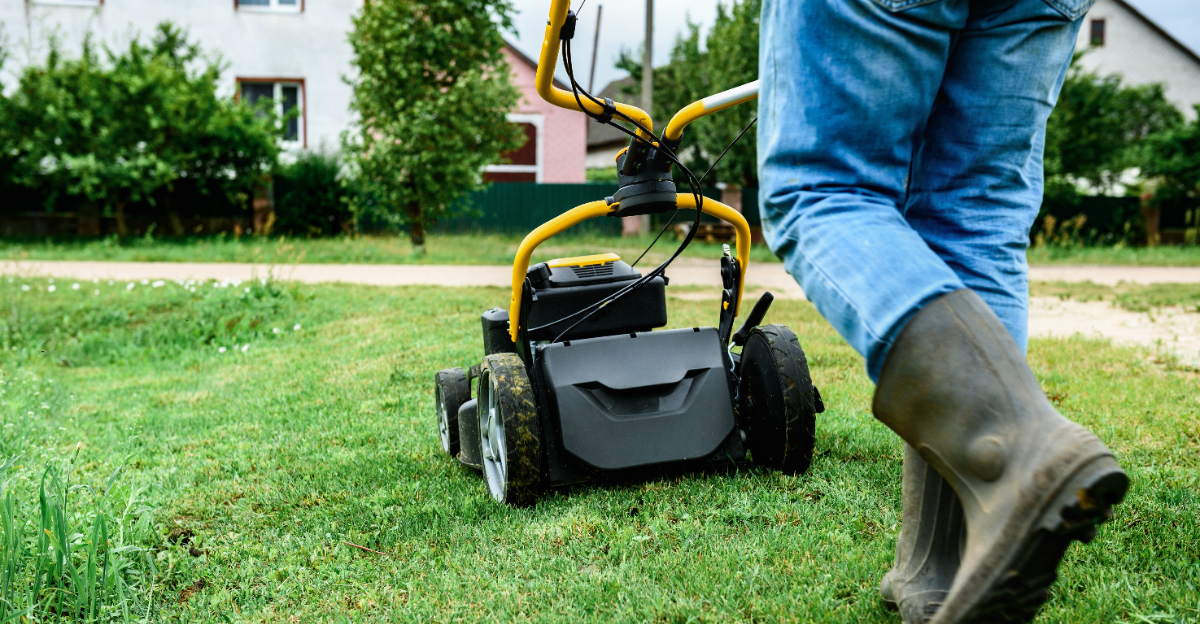
Your lawn survived last summer, but this one is different. The grass looks thin in spots, the color is off, and no matter how much you water, it just does not seem to recover.
Mowing through dry weeks like usual might be doing more damage than the drought itself. New Jersey summers are brutal on turf, and the wrong habits turn manageable stress into lasting harm.
These mistakes do not look like mistakes. They look like a Saturday morning routine.
Drought-stressed grass plays by different rules. These eight habits are why New Jersey lawns struggle to bounce back, and most homeowners never suspect they are the cause.
1. Cutting Your Grass Too Short During A Dry Spell
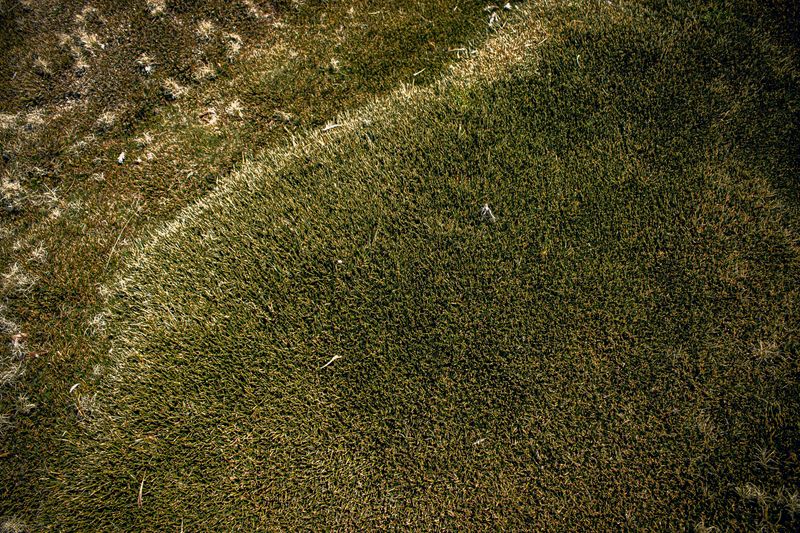
Scalping your lawn feels satisfying, like a fresh haircut. But during a drought, cutting too short is one of the worst things you can do.
Grass blades are not just decoration. They act like tiny solar panels, capturing energy the plant needs to survive dry conditions.
When you mow too low, you remove most of that blade. The grass loses its ability to shade the soil beneath it.
Shaded soil holds moisture longer. Without that cover, the ground dries out faster and your roots cook in the heat.
Most cool-season grasses in New Jersey, like tall fescue and Kentucky bluegrass, should be kept at three to four inches tall. Going shorter than that during summer stress is asking for trouble.
A good rule is to never cut more than one-third of the blade at once. If your grass is four inches tall, cut no more than one inch off.
Taller grass also develops deeper roots over time. Deeper roots reach moisture that shorter grass simply cannot access.
Think of it this way: every inch of extra height is like adding a small water reserve underground. You are giving your lawn a fighting chance.
Many homeowners in the Garden State mow on autopilot, dropping the deck low out of habit. Breaking that habit during a dry stretch can be the single biggest thing you do to protect your yard.
Your lawn will look greener, last longer, and recover faster when the rain finally returns.
2. Mowing With Dull Blades When Your Lawn Is Already Stressed
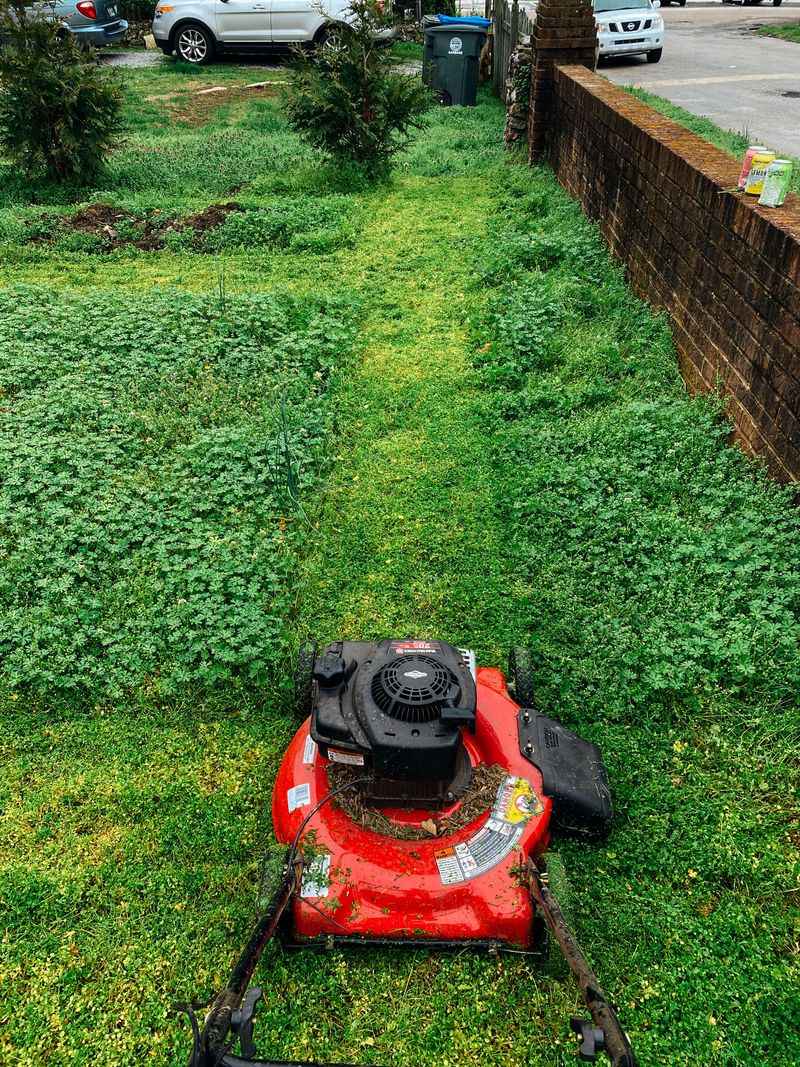
A dull blade does not cut grass. It tears it, leaving behind ragged, frayed tips that look whitish and beaten up.
Under normal conditions, torn tips are mostly a cosmetic problem. During a drought, they become a serious threat to your lawn’s health.
Those jagged edges lose water fast. Each torn blade tip is an open wound that lets precious moisture escape into the dry air.
Stressed grass already struggles to hold water. Add torn cell walls to the mix, and you speed up dehydration dramatically.
Dull blades also create uneven cuts, which means some areas get scalped while others stay too tall. That inconsistency makes drought damage look worse and spread faster.
Sharpening your mower blade at least once a month during active mowing season is a solid habit. During dry spells, check it even more often.
Your New Jersey Garden Changes Every Week. Your Plan Should Too.
Gardening in New Jersey changes quickly throughout the season. Every Friday you’ll receive a simple weekly plan showing exactly what to plant, prune, fertilize, harvest, and protect so you never miss the right timing.
A sharp blade slices cleanly through the grass stem. The cut heals faster and loses less moisture in the process.
You can test your blade by examining a few cut blades of grass after mowing. If the tips look white and shredded, your blade needs sharpening immediately.
Blade sharpening is inexpensive and takes under twenty minutes at most hardware stores. It is one of the easiest lawn care upgrades you can make.
Do not let a ten-dollar fix become a hundred-dollar lawn repair bill. A sharp blade is your lawn’s best defense when conditions turn tough.
3. Watering Too Often And Not Deep Enough
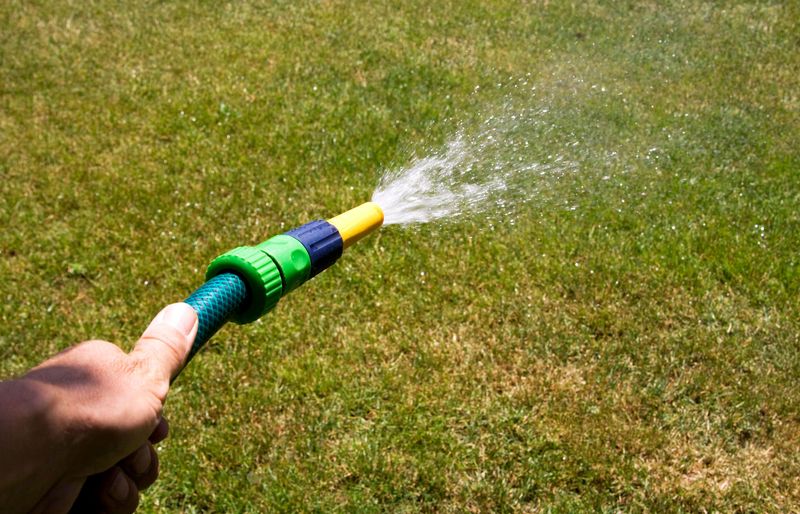
Watering every single day feels responsible, but it is actually training your grass to be weak. Frequent, shallow watering keeps roots near the surface where they dry out first.
When a drought hits, those shallow roots have nowhere to go. The grass wilts quickly because it never learned to reach deeper into the soil.
Deep, infrequent watering is the smarter approach. Soaking your lawn thoroughly two or three times per week encourages roots to grow downward.
Deep roots tap into cooler, moister layers of soil. The surface dries out fast, and the deeper layers are not far behind.
A good target is about one inch of water per session. You can measure this by placing a tuna can on your lawn and watching how long it takes to fill up.
Many New Jersey homeowners run sprinklers for ten minutes every morning and wonder why their lawn still burns out. For most standard sprinkler systems, ten minutes rarely penetrates past the top inch of soil.
Try watering for thirty to forty-five minutes, less frequently, and watch how your lawn responds over a few weeks. The difference is usually dramatic.
Early morning is the best time to water. The grass absorbs moisture before the heat of the day evaporates it off the surface.
Changing your watering schedule is free and takes almost no effort. Yet it is one of the most powerful shifts you can make for a drought-resistant lawn.
Stronger roots mean a stronger lawn when the next dry stretch rolls around.
4. Fertilizing With Nitrogen In The Middle Of A Drought
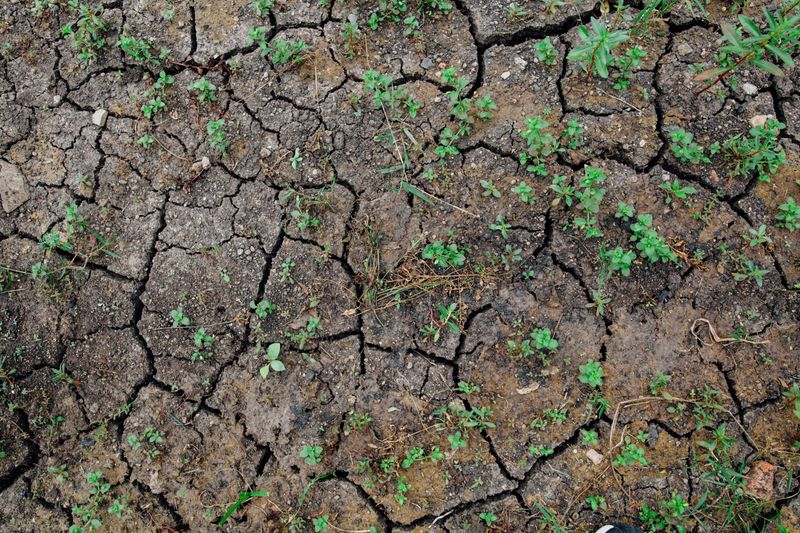
Nitrogen makes grass grow fast and green, which sounds great on paper. During a drought, though, it is one of the worst things you can apply to your lawn.
Fast growth requires water. Lots of it. When you push your grass to grow quickly without enough moisture available, you are setting it up for serious stress.
Think of nitrogen like a stimulant for your lawn. It revs the engine, but if there is no fuel in the tank, the engine burns out fast.
Stressed grass under drought conditions already has a weakened root system. Adding nitrogen forces the plant to put energy into top growth instead of root survival.
That trade-off leaves your lawn more vulnerable, not less. The lush green flush from fertilizer looks promising for a few days, then crashes hard.
Many homeowners in the Garden State follow a calendar-based fertilizing schedule without checking the weather forecast. Applying nitrogen right before or during a dry stretch is a common and costly mistake.
A better approach is to skip nitrogen fertilizer entirely during drought periods. Wait until rainfall returns consistently before feeding your lawn again.
If you want to support your grass during dry conditions, consider a potassium-based product instead. Potassium strengthens cell walls and helps plants manage water stress more effectively.
Always read soil moisture levels before you apply anything to your lawn. Your grass will tell you what it needs if you pay attention.
Patience during a drought is a fertilizing strategy all on its own.
5. Mowing At The Hottest Part Of The Day
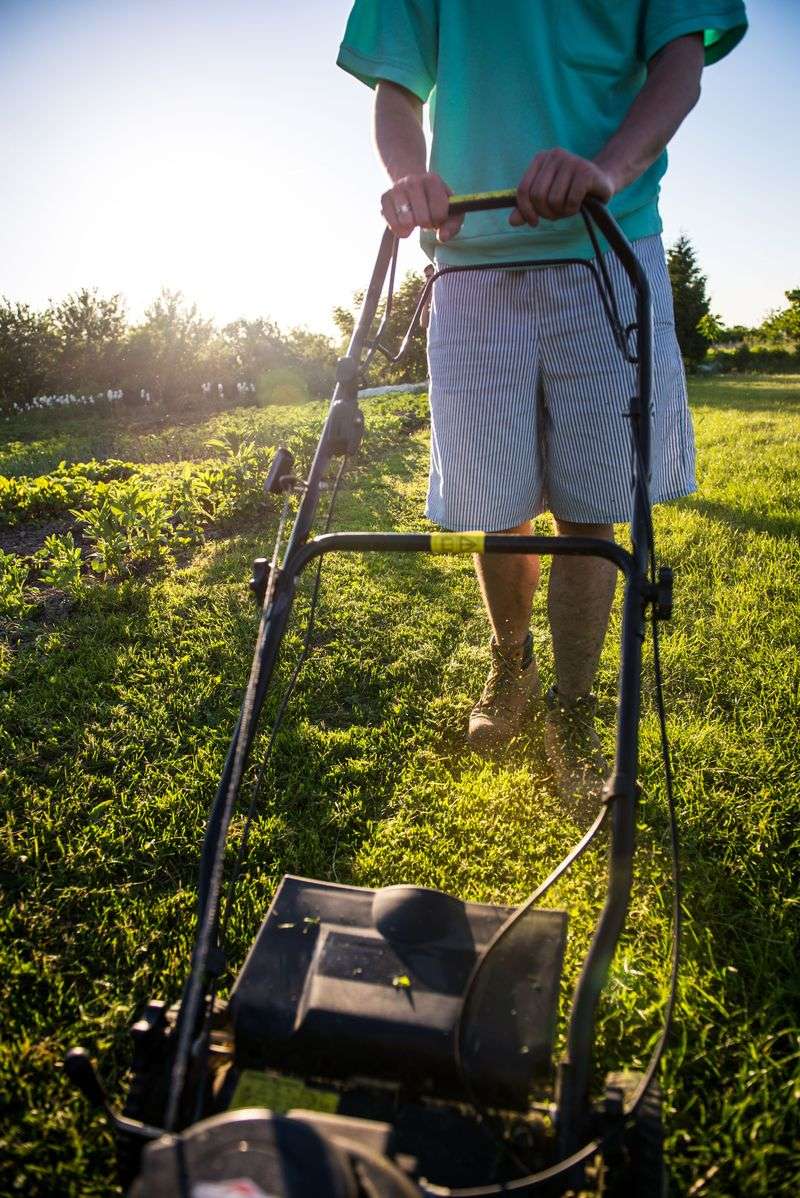
Noon on a July day in New Jersey is brutal for humans. It is even harder on your grass.
Mowing during peak heat hours, usually between ten in the morning and four in the afternoon, adds stress to an already struggling lawn. The combination of heat, sun, and mechanical cutting is a rough triple hit.
Freshly cut grass loses moisture rapidly. In midday heat, that moisture evaporates almost instantly, leaving the plant gasping for hydration it does not have.
The cut ends of each grass blade are exposed to the hottest, driest air of the day. Recovery is slow, and the lawn can look scorched within hours of mowing.
Early morning mowing is the best option during summer. The air is cooler, the sun is lower, and your grass has the whole day ahead to recover before temperatures peak again.
Evening mowing is a decent second choice, though it comes with one risk. Grass cut in the evening stays damp longer, which can invite fungal issues in humid conditions.
Morning mowing between seven and nine gives you the sweet spot. The dew has dried, the heat has not yet built up, and your lawn gets maximum recovery time.
Adjusting your mowing schedule by just a few hours can noticeably reduce drought damage over a full summer season. It costs you nothing but a little planning.
Treat your lawn like you treat yourself on a hot day. Give it a break from the worst of the heat.
6. Ignoring Soil Compaction Before Dry Weather Hits
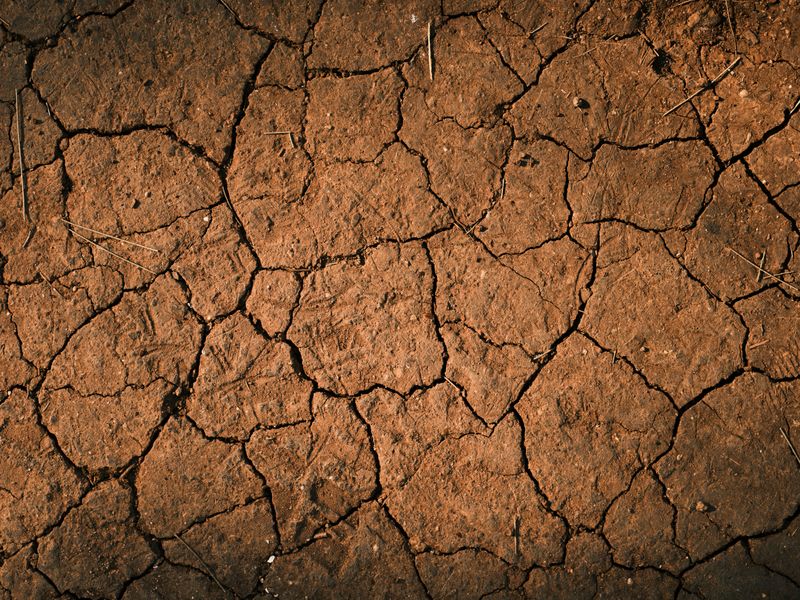
Compacted soil is like concrete under your grass. Water cannot soak in, roots cannot spread out, and nutrients stay locked at the surface where they do little good.
When a drought rolls in, compacted lawns suffer first and recover last. The lack of water penetration means even irrigation does not help much.
Most lawns in high-traffic areas, like backyards with kids and dogs, develop compaction naturally over time. It is not a sign of neglect, just physics.
The fix is aeration, which is the process of pulling small plugs of soil out of the ground. Those holes allow air, water, and nutrients to reach the root zone.
Aerating in the fall before winter is ideal for cool-season grasses common in New Jersey. It sets the lawn up to handle the following summer with much stronger roots.
Spring aeration is also helpful, especially if your lawn went through heavy foot traffic the previous year. Timing it before the heat arrives gives roots time to expand before drought stress begins.
You can rent a core aerator from most hardware stores for a reasonable day rate. One pass across your lawn makes a noticeable difference in how water moves through the soil.
After aerating, top-dress with compost to fill those channels with organic matter. That combination supercharges water retention and root growth at the same time.
Skipping aeration is skipping the foundation. A lawn that breathes well is a lawn that survives drought with far less drama.
7. Skipping The Clippings When Drought Damage Has Already Started
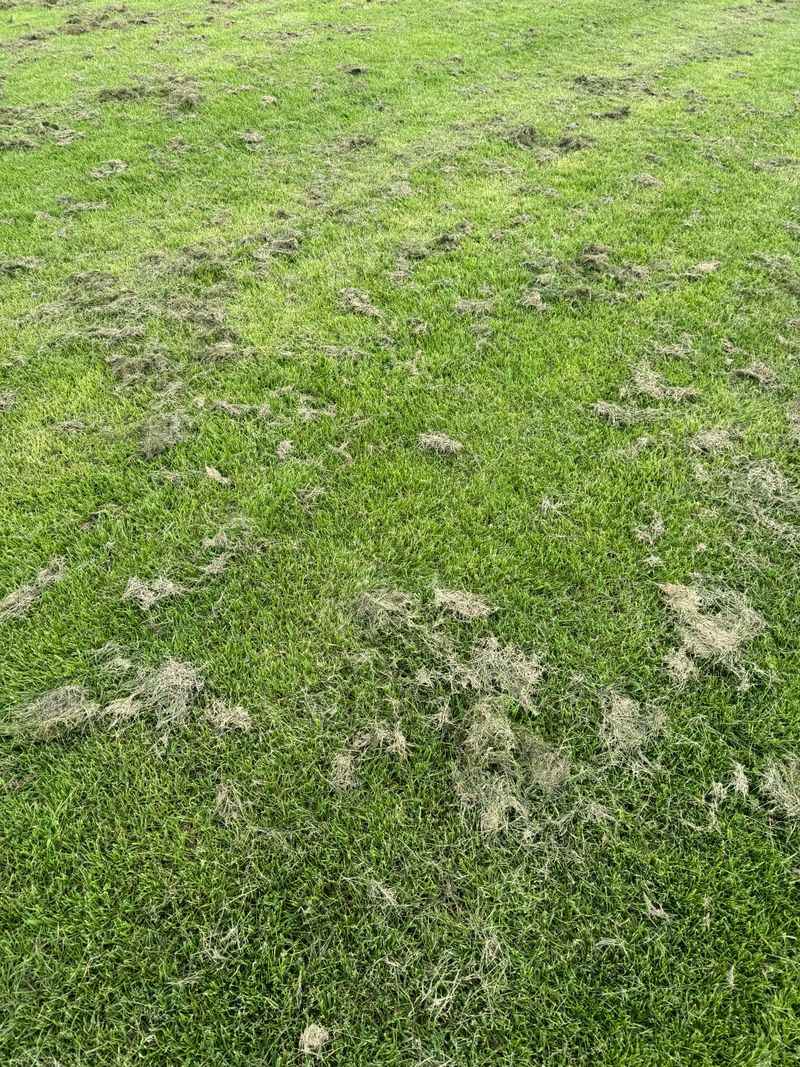
Bagging your clippings feels tidy, but during a drought it is a missed opportunity. Those small pieces of cut grass are packed with moisture and nutrients your lawn desperately needs.
Leaving clippings on the lawn, a practice called grasscycling, acts like a mini mulch layer. It slows evaporation from the soil surface and feeds the grass as it breaks down. That matters more than ever when rain is scarce.
Many homeowners worry that clippings cause thatch buildup. In reality, small clippings from regular mowing decompose quickly and rarely contribute to thatch problems.
The key is to mow frequently enough that clippings are short. Long clumps left on the surface can mat down and block sunlight, which creates a different set of problems.
If you have been bagging clippings all season and drought damage has already started, switching now can still make a difference. Every little bit of retained moisture counts when the ground is parched.
Clippings also return nitrogen to the soil naturally. You essentially get a light fertilizer application with every mow, without spending a dollar.
This is one of those rare lawn care tips where doing less work gives you a better result. Put the bag away and let nature handle the recycling.
Your lawn will thank you with better color, stronger roots, and improved drought resistance that carries forward into the next dry season.
8. Mowing On A Set Schedule Instead Of Watching The Grass
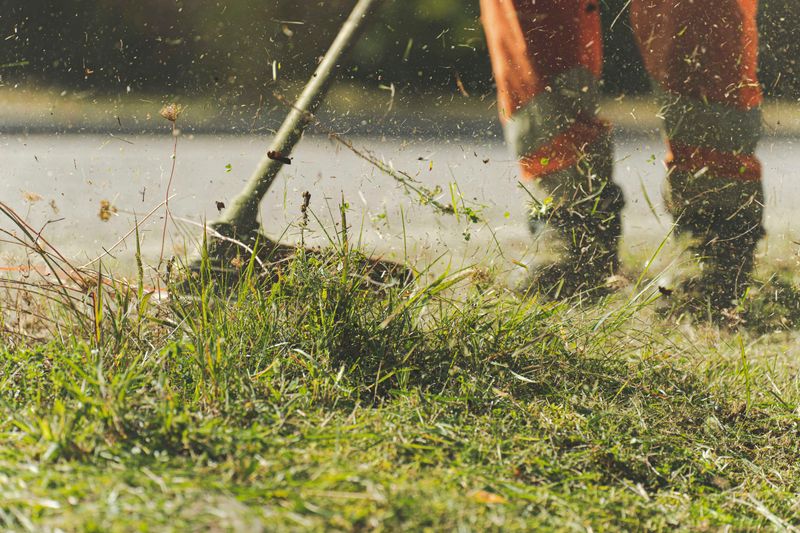
Saturday mowing is a classic American ritual. The problem is that grass does not follow a calendar, especially during a drought.
When conditions turn dry, grass growth slows down dramatically. Mowing on your usual weekly schedule means cutting grass that barely needs it, adding stress for no benefit.
Each unnecessary mow during drought conditions is another round of trauma for an already struggling lawn. The blade wounds, the moisture loss, and the heat exposure all add up fast.
The better approach is to mow based on what the grass actually looks like. If it has not grown enough to require cutting, skip that week entirely.
During a drought, your lawn might only need mowing every ten to fourteen days. That reduced schedule gives it more time to recover between cuts.
Check your grass height before every planned mow. If removing one-third of the blade would bring it below three inches, hold off and check again in a few days.
This strategy feels uncomfortable for people who love a tidy yard. But a slightly taller, healthy lawn looks far better than a short, scorched one.
Watching your grass instead of watching the calendar is one of the most important shifts in lawn care thinking you can make. It moves you from routine maintenance to responsive care.
The New Jersey lawn mistakes that make drought damage worse each time you mow often come down to habits, not knowledge. Change the habit of mowing by schedule, and your lawn will recover faster than you expect.