What’s Causing Black Bottoms On Your New Jersey Tomatoes and Peppers
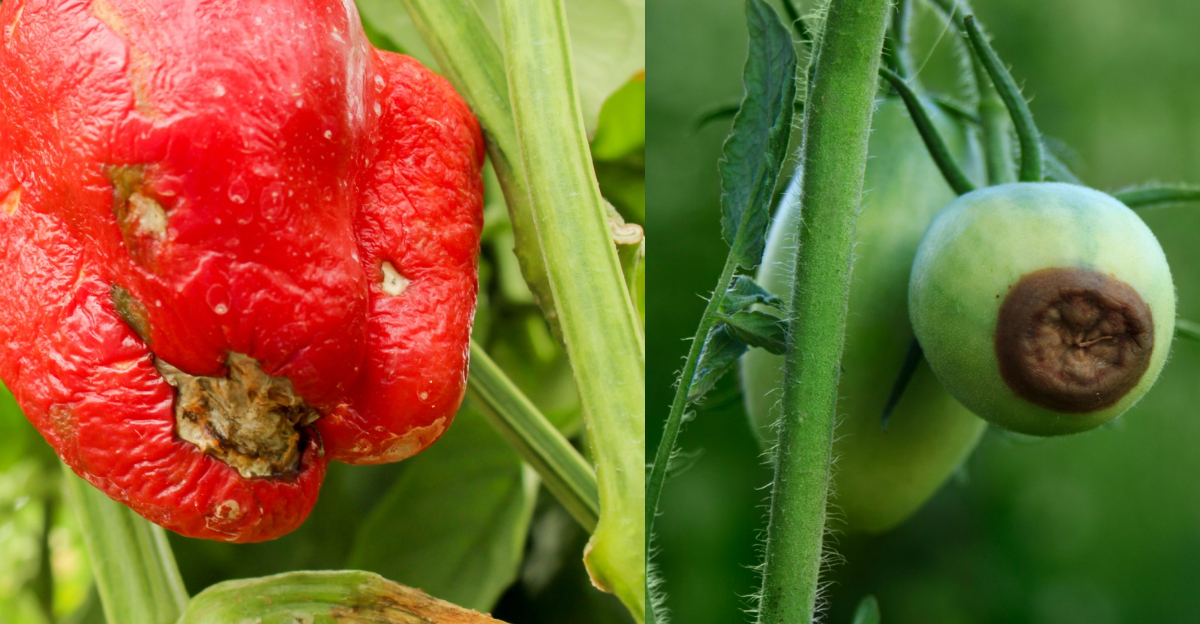
What if the dark rot spreading across your tomatoes and peppers is something you can actually fix? That first glimpse of a blackened, sunken bottom stops a gardener cold.
After months of nurturing plants under a relentless New Jersey sun, nothing stings quite like fruit that looks spoiled before it ever reaches the table.
Kneeling in my own raised beds, I once cradled a gorgeous, nearly ripe tomato, flipped it over, and found that telltale dark collapse.
Discouraging does not begin to cover it. Yet New Jersey gardeners can breathe easy, because this problem is neither a pest nor a disease.
No fungus, no insect, nothing troubling at all. The real culprit is something far more fixable than anything creeping through the soil.
The answer is simpler than you think, and turning your season around is absolutely within reach. Knowledge is the cure.
1. Inconsistent Watering Blocks Calcium From Fruit
Unpredictable watering keeps your plants guessing and sets the stage for black bottoms. One dry week followed by a flood of water sends your plants into chaos.
Calcium does not teleport into fruit on its own. It travels through water, moving up from roots into stems and then into developing fruit.
When soil dries out between waterings, that calcium highway shuts down completely. The fruit keeps growing, but calcium supply drops off fast.
New Jersey summers are famous for unpredictable heat and humidity swings. Those wild temperature changes make consistent watering even harder to maintain.
Skipping a day here or there seems harmless, but young fruit suffers silently during every drought gap. Blossom end rot is the visible result of that invisible stress.
The fix starts with a schedule, not a guess. Water at the same time, same amount, every single day during peak growing season.
A basic drip system or soaker hose removes the guesswork entirely. Your plants will reward that consistency with clean, beautiful fruit from top to bottom.
2. Soil Too Low In Calcium Starves Fruit
Calcium-depleted soil is like a restaurant with an empty kitchen. Your plants show up hungry and leave with nothing useful.
Many New Jersey soils are naturally acidic and calcium-poor, especially in sandy coastal areas. That means your garden may already be working against you before seeds even sprout.
Plants cannot manufacture calcium on their own. Every bit of it must come from the soil beneath them.
When soil calcium runs low, developing fruit cells lose structural support. Cell walls weaken, collapse, and turn that familiar dark, leathery color at the bottom.
A simple soil test from your county extension office can confirm a calcium shortage fast. Tests usually cost under fifteen dollars and give you a full nutrient breakdown.
Correcting low calcium takes a little time, but the results are worth every bit of effort. Garden lime is the most common fix for calcium-depleted soil.
Apply lime in fall so it has time to break down before spring planting. Starting fresh with properly amended soil puts your tomatoes and peppers ahead of the problem before it starts.
Your New Jersey Garden Changes Every Week. Your Plan Should Too.
Gardening in New Jersey changes quickly throughout the season. Every Friday you’ll receive a simple weekly plan showing exactly what to plant, prune, fertilize, harvest, and protect so you never miss the right timing.
3. Overwatering Stops Calcium Movement
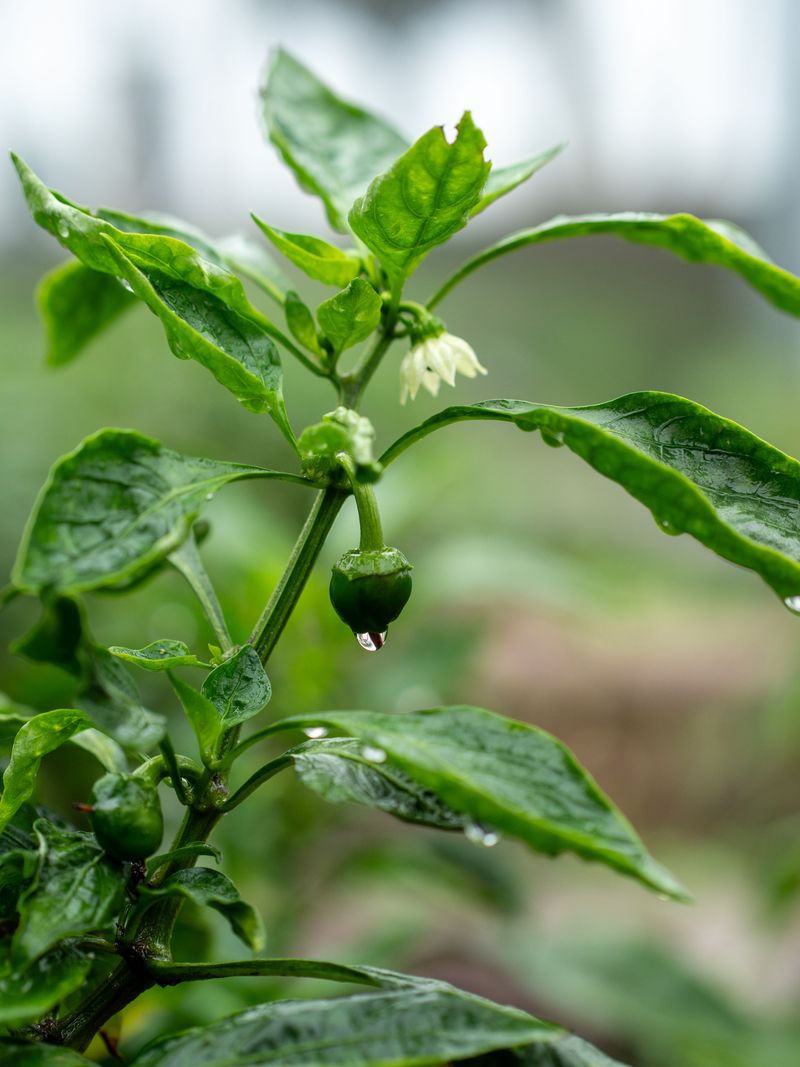
Too much water is just as damaging as too little. Soggy soil suffocates roots and shuts down the entire nutrient delivery system.
When roots sit in water for too long, oxygen in the soil disappears. Without oxygen, roots stop functioning and calcium uptake grinds to a halt.
It sounds backwards, but overwatered plants can show blossom end rot even when calcium levels in the soil are perfectly fine. The mineral is there, but the plant cannot access it.
Heavy clay soils common in central New Jersey hold water longer than sandy or loamy ground. Gardeners working with clay need to be especially careful about drainage.
Raised beds are one of the smartest solutions for overwatering problems. They allow excess moisture to drain away naturally, keeping roots in the oxygen-rich zone they need.
Checking soil moisture before watering takes about three seconds. Stick a finger two inches into the soil and water only if it feels dry at that depth.
That small habit can prevent weeks of frustrating rot. Healthy roots in well-drained soil move calcium efficiently and keep fruit looking clean all season long.
4. Wrong Soil pH Locks Away Calcium
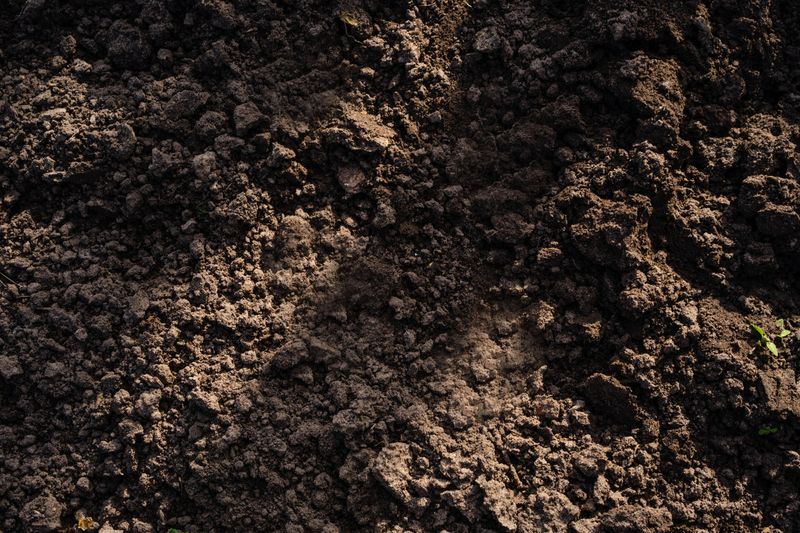
Soil pH is the invisible gatekeeper of every nutrient in your garden. Even when calcium is physically present, the wrong pH keeps it locked away from plant roots.
Tomatoes and peppers prefer a soil pH between 6.2 and 6.8. Outside that range, calcium becomes chemically unavailable, no matter how much you have added.
Acidic soil below 6.0 is especially problematic in New Jersey, where rainfall and organic matter naturally push pH downward over time. Many gardeners never realize their soil is acidic until black bottoms appear.
A pH meter or test kit is one of the cheapest, most powerful tools in any garden shed. Spending a few minutes testing each spring can save an entire season of fruit.
Raising pH is straightforward with agricultural lime or dolomitic lime. Lowering it requires sulfur or acidic organic matter like pine bark.
Apply amendments based on actual test results, not guesses. Overcorrecting pH creates a whole new set of problems that can take seasons to untangle.
Getting pH right is the foundation of everything else. When the range is correct, calcium flows freely and blossom end rot rarely shows up at all.
5. Too Much Nitrogen Outpaces Calcium Supply
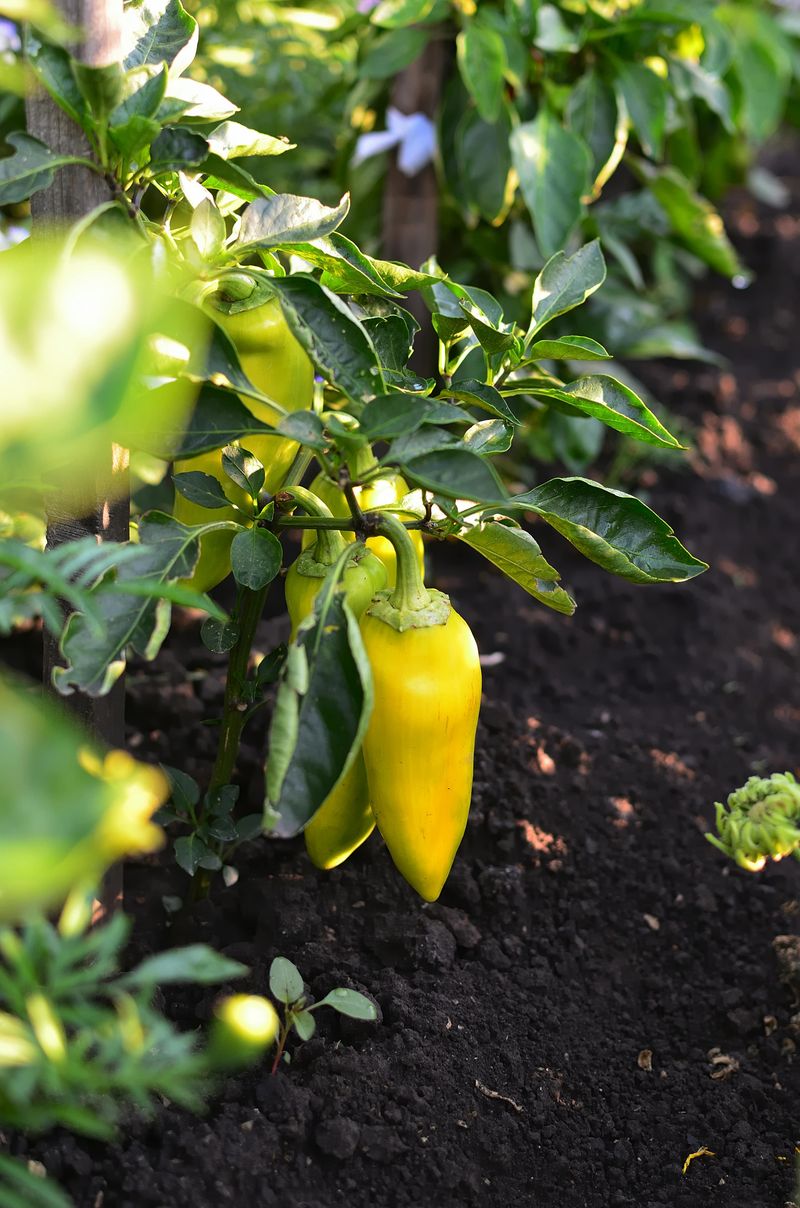
Nitrogen is one of the most powerful growth drivers in your garden. A little goes a long way, and too much causes serious problems you did not see coming.
Heavy nitrogen feeding pushes plants to grow leaves and stems at an explosive rate. That rapid growth creates a huge demand for calcium that the soil simply cannot keep up with.
Fruit cells form faster than calcium can be delivered, leaving the bottom of each tomato or pepper structurally weak. Those weak cells collapse and turn dark as the fruit matures.
Many gardeners make the mistake of using the same fertilizer all season long. A high-nitrogen blend that worked great in spring becomes a liability once plants start setting fruit.
Switch to a low-nitrogen, phosphorus-rich fertilizer once flowering begins. Products labeled for fruiting or blooming stages are formulated specifically for this transition.
Reading fertilizer labels carefully is one of the most underrated garden skills. The three numbers on the bag tell you the nitrogen, phosphorus, and potassium ratio in that order.
Balancing nitrogen with calcium needs is not complicated once you know what to look for. Slow down the nitrogen, and calcium delivery has a chance to catch up with fruit growth.
6. Excess Potassium And Magnesium Block Calcium
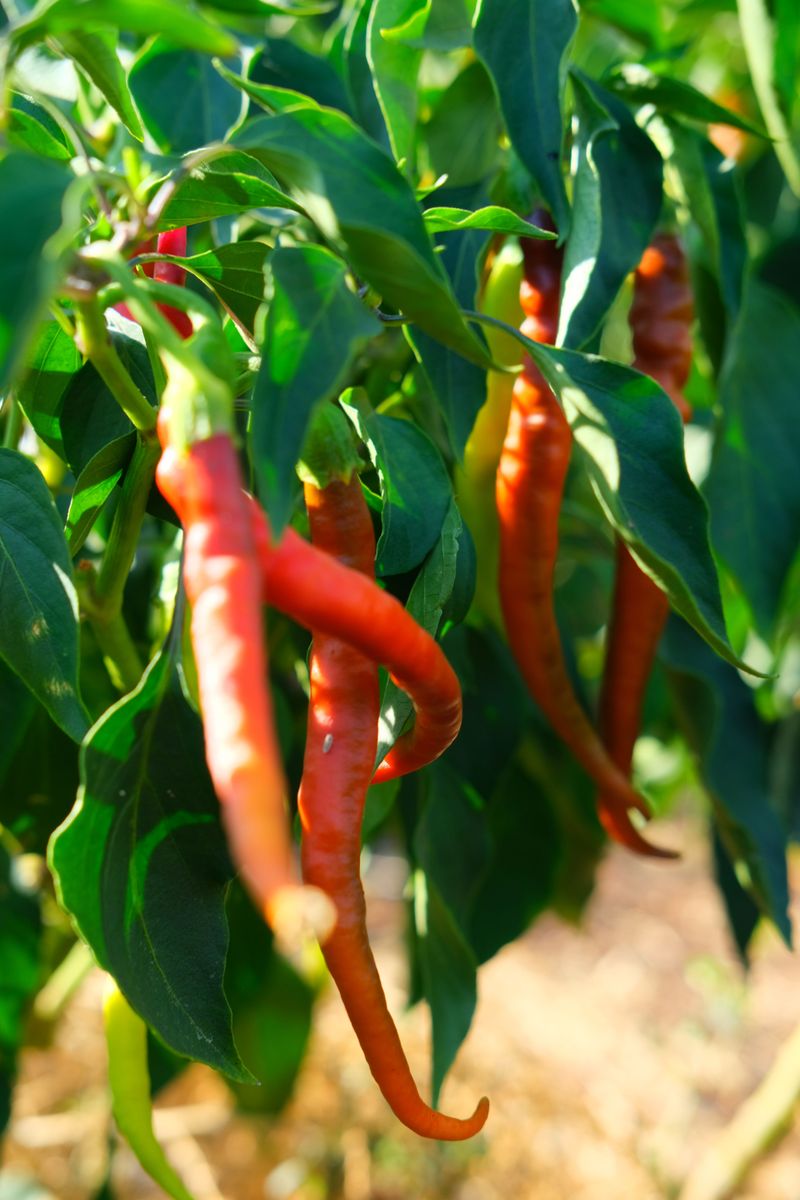
Nutrients compete with each other for root absorption, and calcium often loses that battle. Potassium and magnesium are two minerals that aggressively push calcium out of the way.
When soil has too much potassium or magnesium, roots absorb those minerals in excess. Calcium gets crowded out even when soil levels look perfectly fine on a basic test.
Gardeners who add wood ash or potassium-heavy fertilizers can accidentally tip this balance. New Jersey soils in some areas already run high in magnesium naturally.
Epsom salt is one of the most misunderstood garden products out there. Many gardeners add it thinking it helps tomatoes, but it actually adds magnesium and worsens calcium competition.
There is no need to add Epsom salt to your tomato and pepper beds. There is no reliable evidence it improves fruit quality, and strong evidence it contributes to blossom end rot.
A detailed soil test that measures secondary nutrients will reveal potassium and magnesium imbalances. Standard home tests often miss these ratios entirely.
Correcting mineral competition requires patience and targeted amendments. When calcium finally gets room to move, your fruit starts finishing strong from the inside out.
7. Damaged Roots Cut Off Calcium Uptake
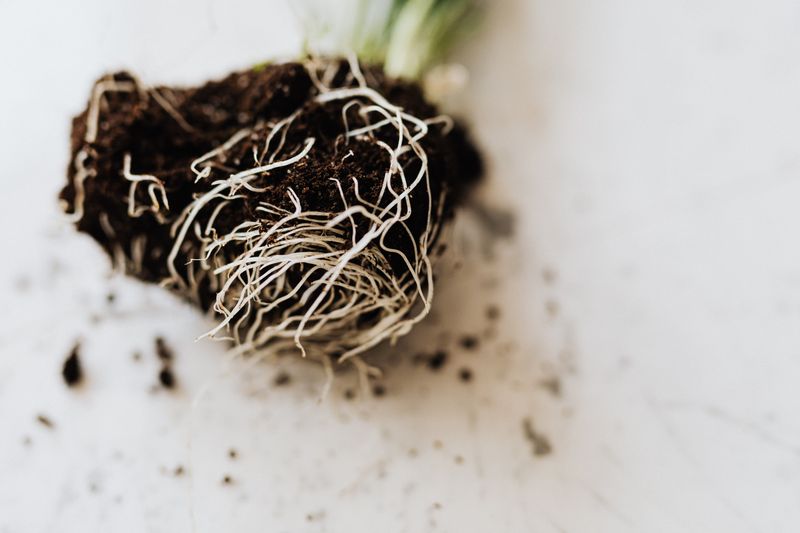
Roots are the lifeline of every plant in your garden. Damage them, and calcium delivery slows dramatically, much like a kinked garden hose.
Root damage happens more often than most gardeners realize. Aggressive hoeing, deep cultivating near the stem, and even foot traffic can sever delicate feeder roots.
Transplant shock is another common culprit, especially for seedlings moved into the garden during hot New Jersey weather. Stressed transplants spend weeks rebuilding roots instead of absorbing nutrients.
Soil-dwelling pests like root-knot nematodes can silently destroy root systems from below. Affected plants look healthy above ground until blossom end rot and wilting appear together.
Keeping cultivation shallow within twelve inches of the plant base protects feeder roots effectively. A light hand with the hoe saves more calcium than any supplement you could add.
Rotating crops each season also reduces nematode pressure in the soil. Moving tomatoes and peppers to a fresh spot every year gives roots a clean start.
Healthy roots are invisible but essential. Every bite of perfect, rot-free fruit traces back to a root system that was never interrupted during the season.
8. Rapid Fruit Growth Depletes Calcium Fast
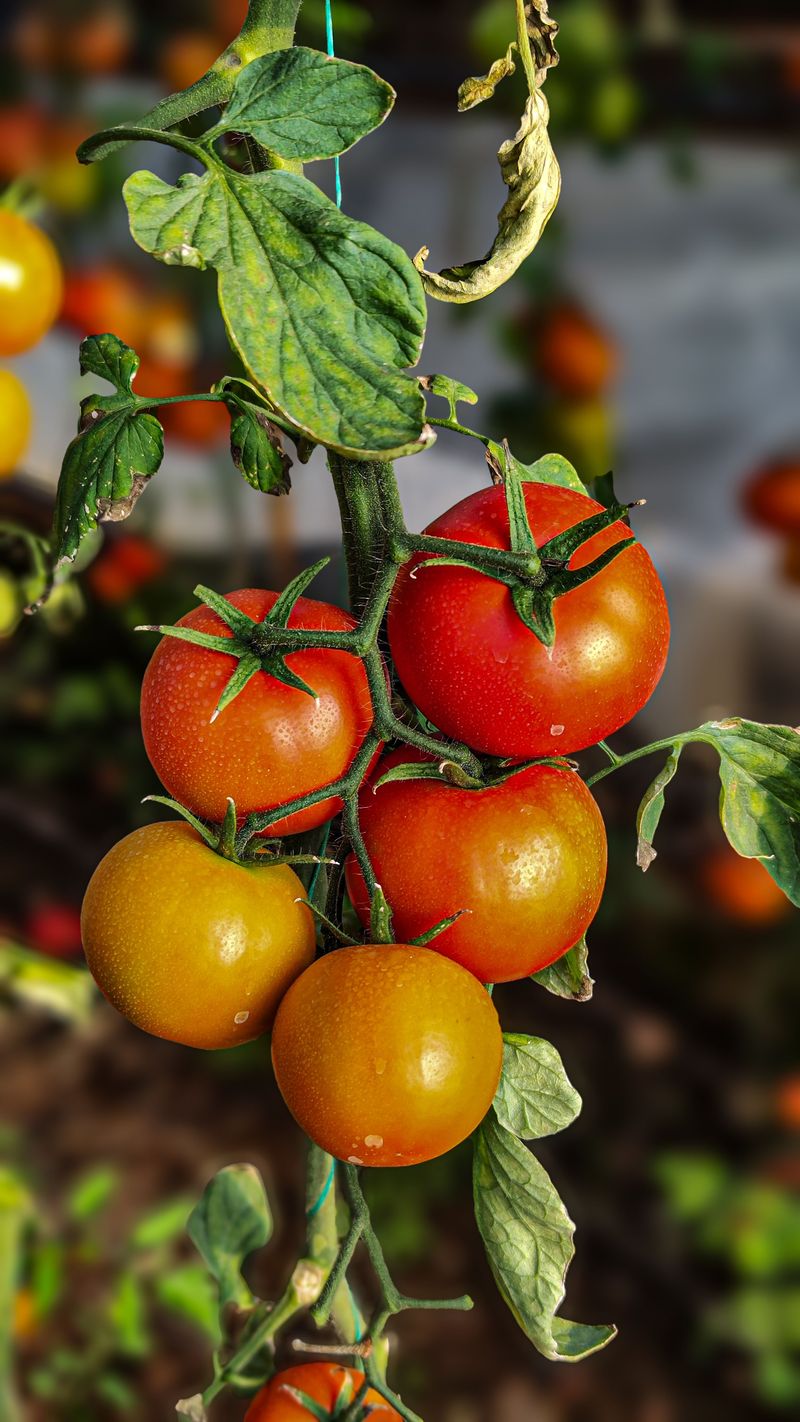
Hot New Jersey summers significantly accelerate tomato and pepper growth. Fruit can swell noticeably overnight during peak heat, and that speed creates a calcium crisis.
Fast-growing cells need calcium faster than roots can pull it from the soil. The bottom of the fruit, farthest from the stem, gets the last share of available calcium.
That bottom section is where blossom end rot almost always appears first. It is not a coincidence. It is a simple matter of supply chain failure at the end of the line.
Large-fruited tomato varieties like beefsteaks are especially vulnerable to this problem. More fruit mass means more calcium demand concentrated in each individual fruit.
Cherry tomatoes generally suffer less because each fruit is small and matures quickly. Smaller fruit means shorter calcium delivery distances and less total demand per piece.
Keeping growth steady rather than explosive helps balance supply and demand. Consistent watering and moderate fertilizing prevent the wild growth spurts that trigger calcium shortages.
Choosing varieties labeled as blossom end rot resistant is another smart strategy. Some modern cultivars are bred to handle calcium stress better than older heirloom types.
9. Water Deeply And Consistently Every Time
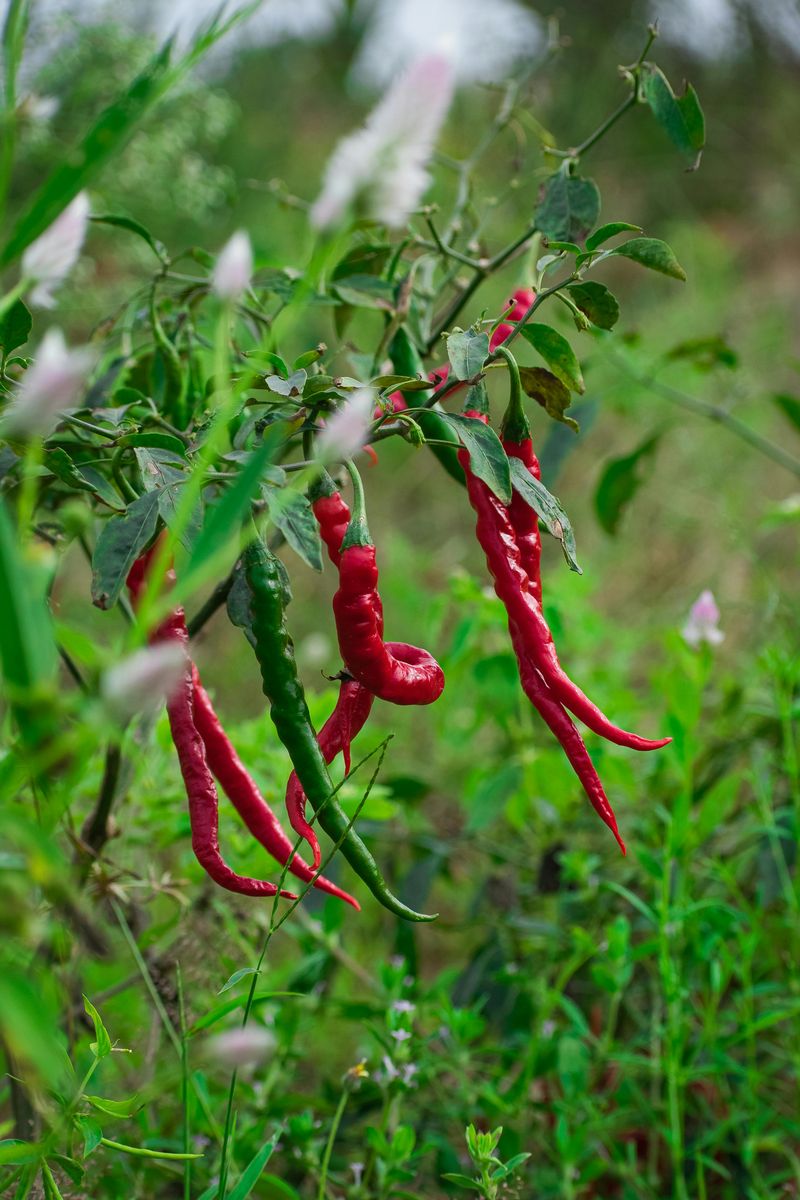
Shallow watering is one of the sneakiest causes of blossom end rot. Plants look fine on the surface, but roots below are parched and struggling.
Deep watering encourages roots to grow downward into cooler, moister soil. Those deeper roots access more calcium and stay hydrated even during brief dry spells.
Aim to water at least one inch per week during the growing season. During New Jersey heat waves, two inches per week keeps soil moisture at a safe level.
Morning watering is ideal because leaves dry off before evening, reducing disease pressure. Wet foliage overnight is an open invitation for fungal problems.
A simple rain gauge in the garden removes all the guesswork from weekly water totals. They cost a few dollars and save hours of wondering whether plants got enough.
Drip irrigation and soaker hoses deliver water directly to the root zone, where it matters most. They also waste far less water than overhead sprinklers during hot, windy days.
Building a deep-watering habit early in the season pays off all the way through harvest. Steady moisture is the single most effective tool against black bottoms on your fruit.
10. Mulch Heavily To Keep Soil Moisture Steady
Bare soil in a summer garden is like leaving ice cream on a hot sidewalk. Moisture evaporates fast, and plant roots suffer every single time.
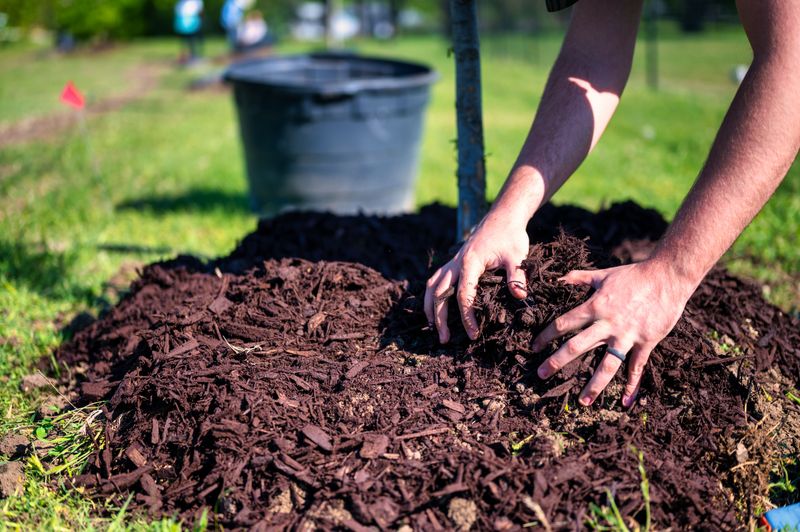
A thick layer of mulch acts as a blanket over the soil, slowing evaporation dramatically. Even during New Jersey heatwaves, mulched soil stays noticeably cooler and moister than bare ground.
Straw, shredded leaves, and wood chips all work well around tomatoes and peppers. Aim for a three-to-four inch layer around each plant for maximum moisture retention.
Mulch also suppresses weeds that compete with your plants for water and calcium. Fewer weeds mean more resources stay where they belong, in your fruit.
Keep mulch pulled back slightly from the main stem to prevent rot at the base. A small gap of one to two inches around the stem is all you need.
As organic mulch breaks down over the season, it slowly adds nutrients back into the soil. That natural decomposition improves soil structure and calcium availability over time.
Mulching is one of the easiest, cheapest upgrades any garden can get. Lay it down once and let it quietly protect your plants all season long.
11. Add Garden Lime Or Gypsum, Never Epsom Salt
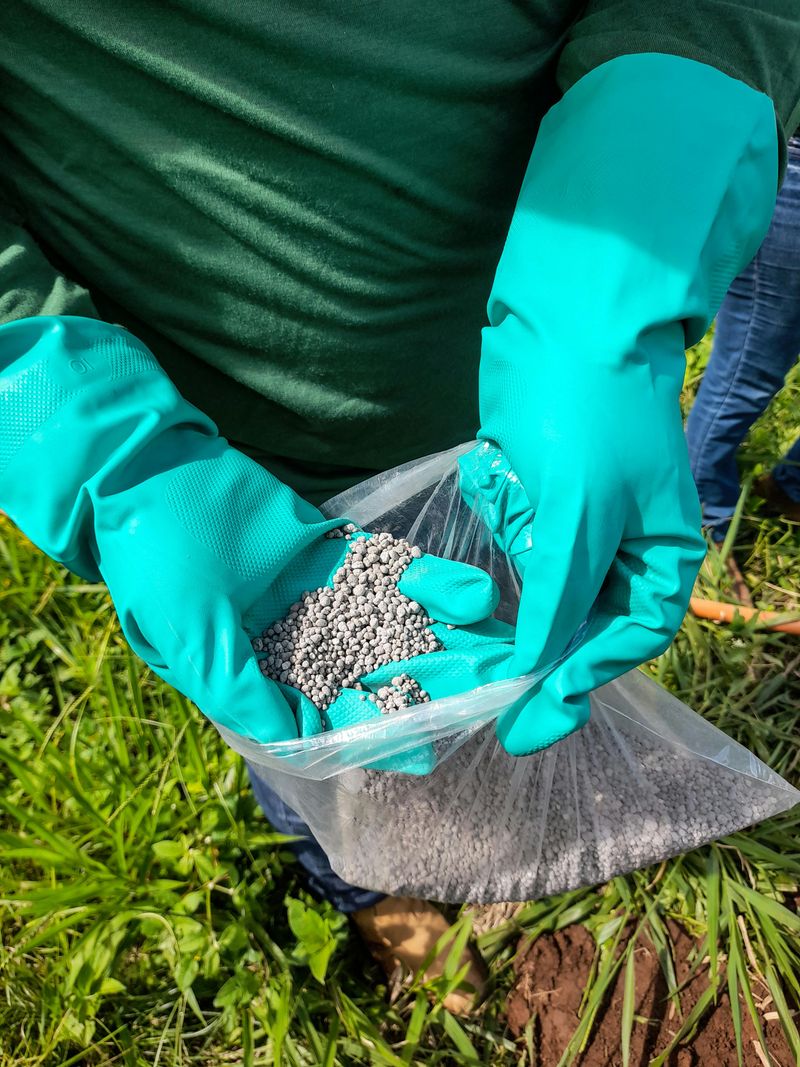
Garden lime and gypsum are the two most effective calcium supplements for home vegetable gardens. Both deliver calcium directly to the soil in forms roots can absorb.
Garden lime raises soil pH while adding calcium, making it ideal for acidic New Jersey soils. Apply it in fall so it has the full winter to break down before spring planting.
Gypsum adds calcium without changing pH, making it perfect for soils already in the correct range. It works faster than lime and can be applied right at the start of the growing season.
Foliar calcium sprays are another option for a quick mid-season boost. Spray directly onto developing fruit every few days when blossom end rot first appears.
Calcium chloride and calcium nitrate are both widely available as foliar sprays at garden centers. Follow label directions carefully to avoid leaf burn during application.
Epsom salt does not contain calcium and should not be used as a remedy for black bottoms. Adding it makes mineral competition worse, not better.
Choosing the right amendment and applying it correctly makes all the difference. Give your tomatoes and peppers the calcium they need, and black bottoms become a distant memory.
12. Remove Affected Fruits Immediately
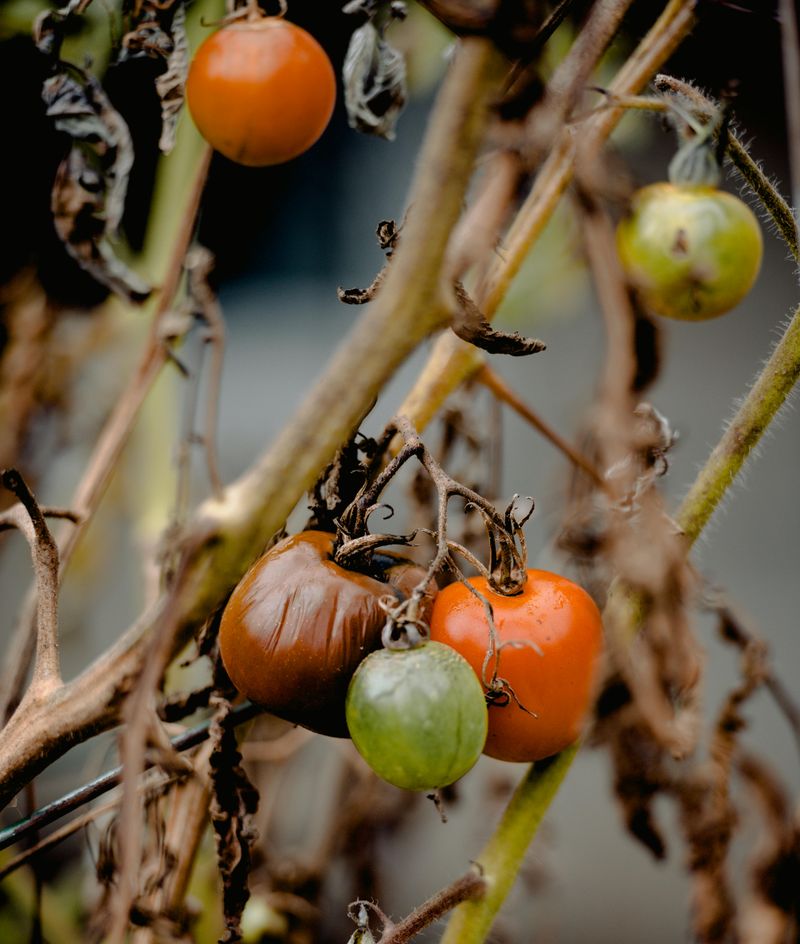
Leaving affected fruit on the vine is an easy habit to overlook, but it costs the plant valuable energy. It drains both energy and calcium from the plant when both are already in short supply.
Every fruit with a black bottom drains resources the plant needs elsewhere. Removing it promptly redirects energy toward healthy developing fruit higher on the vine.
Use clean scissors or pruning shears to cut affected fruit off at the stem. Pulling by hand can stress the vine and damage nearby healthy clusters.
Drop removed fruit into a bag or bucket and take it out of the garden entirely. Leaving it on the ground near plants invites pests and disease pressure.
After removing damaged fruit, check the entire plant for early-stage rot. Catching it at the first pale discoloration, before full blackening, gives remaining fruit a better chance.
Some gardeners feel guilty tossing fruit they worked hard to grow. Releasing that guilt is part of becoming a smarter, more efficient grower.
Think of removal as surgery, not failure. Clearing out the bad gives the plant its best shot at producing clean, healthy fruit before the New Jersey growing season closes out.