Make These 8 Changes To Your Yard Before Minnesota’s Drought Deepens
Your yard is telling you something important right now. Cracks split the ground where grass used to grow thick.
Brittle blades crunch under every step you take. Minnesota’s drought is not easing up this season.
What happens to your yard in the next few weeks is up to you. Water bills are climbing faster than you expected.
Smart changes now will protect what you have built outside. Simple shifts in how you manage your yard make a real difference.
Every decision you make this week matters more than you think. Drought pressure does not wait for a convenient moment.
Tough conditions across Minnesota are already tightening their hold on your soil. Protecting your outdoor space does not require expert knowledge or expensive tools.
Small, deliberate moves will keep your yard from falling apart completely. Your next step forward starts the moment you decide to act.
1. Switch To Watering Only At Dawn Or Dusk To Cut Evaporation
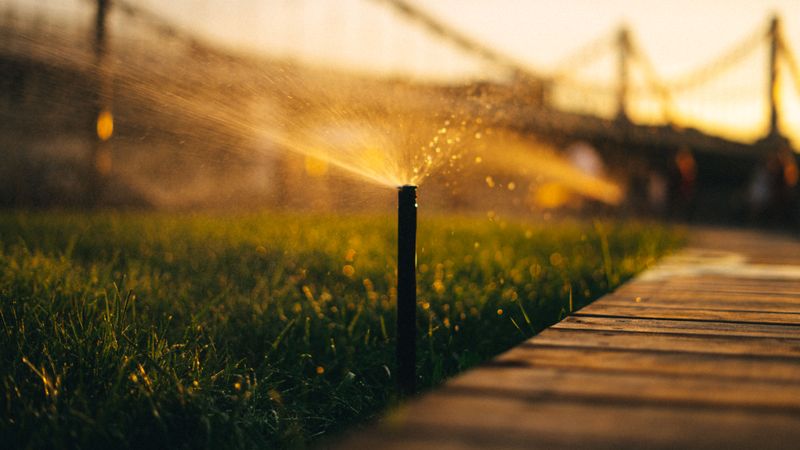
Your sprinkler is basically throwing money into the air. When you water during midday heat, up to 30 percent of moisture evaporates before it ever reaches roots.
Watering at dawn gives soil time to absorb every drop. Roots drink deeply before the sun has a chance to steal that moisture away.
Dusk is your second-best window for yard changes like this. Cooler air and calm winds mean water stays right where you put it.
Avoid watering after 9 p.m. if possible, though. Wet foliage overnight can invite fungal problems in humid stretches.
A simple outdoor timer costs under twenty dollars at most hardware stores. It does the early-morning work so you do not have to drag yourself outside before sunrise.
Consistent dawn watering can cut your water use by nearly a third. That is real savings during a drought that shows no signs of letting up soon.
Your lawn and garden will thank you with deeper roots and stronger growth. Deeper roots mean your plants can pull moisture from lower soil layers on hot days.
One small schedule shift makes a surprisingly big difference. Start tomorrow morning and you will already be ahead of most neighbors on the block.
2. Mulch Garden Beds Deeply To Trap Soil Moisture
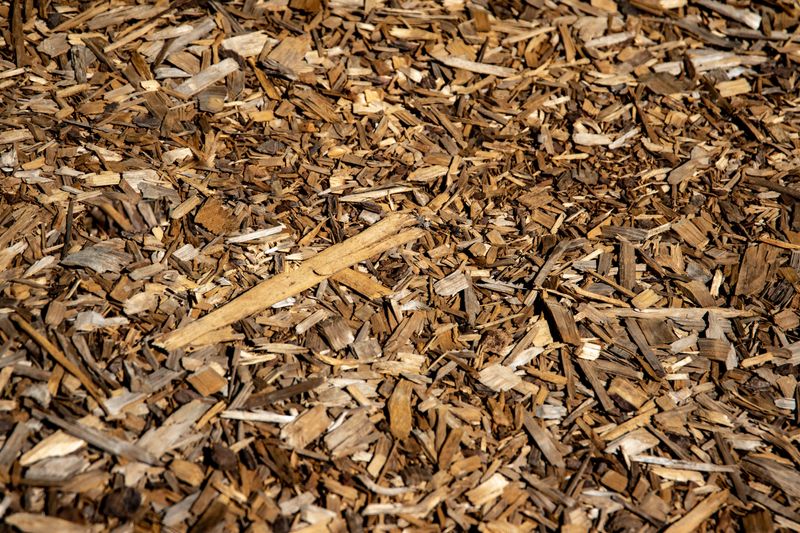
Bare soil in a drought is basically an open invitation for moisture to vanish. A thick layer of mulch acts like a blanket, keeping water locked in the ground where plants need it most.
Aim for three to four inches of organic mulch across all garden beds. Wood chips, shredded bark, and straw are all excellent and affordable choices for yard changes like this.
Mulch does more than hold water. It also keeps soil temperatures cooler, which slows the drying process dramatically on scorching afternoons.
Studies show that mulched soil can lose up to 50 percent less moisture to evaporation than bare soil. That means watering less often without sacrificing plant health during dry spells.
Pull mulch back slightly from plant stems to prevent rot. You want coverage on the soil, not piled directly against the base of each plant.
Your Minnesota Garden Changes Every Week. Your Plan Should Too.
Gardening in Minnesota changes quickly throughout the season. Every Friday you’ll receive a simple weekly plan showing exactly what to plant, prune, fertilize, harvest, and protect so you never miss the right timing.
Fresh mulch also breaks down over time and feeds the soil with nutrients. It is a two-for-one win when your garden needs every advantage it can get.
Many municipalities offer free wood chip mulch from tree-trimming crews. Check your local parks department or neighborhood app before spending money at a garden center.
Spreading mulch takes one afternoon and protects your yard all season long. Once it is down, you can relax knowing your soil is working smarter, not harder.
3. Replace Thirsty Grass Patches With Native Drought-Tolerant Plants
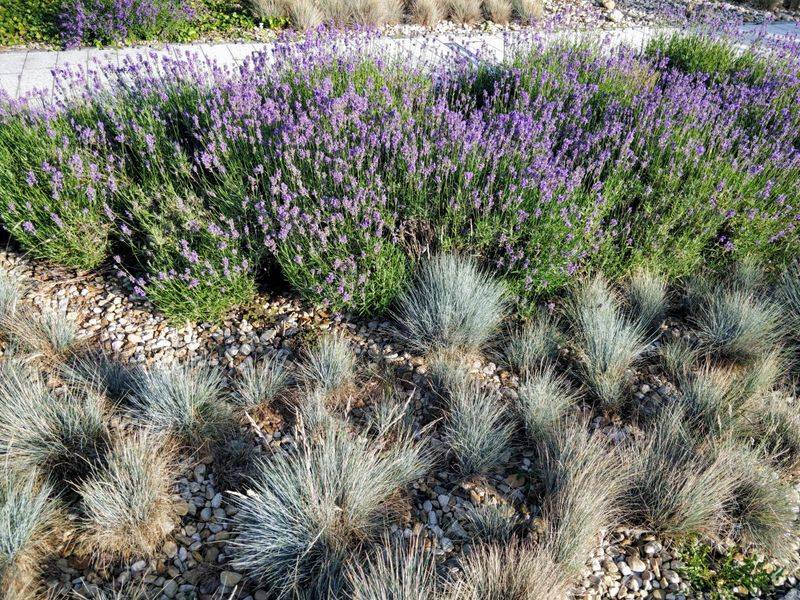
Some parts of your lawn are already showing clear signs of drought stress. Brown, patchy grass areas are perfect candidates for a smarter, tougher swap.
Native Minnesota plants evolved to handle exactly the conditions you are facing right now. Purple coneflower, wild bergamot, and little bluestem grass thrive with minimal water once established.
Replacing struggling turf with natives is one of the most powerful yard changes you can make. These plants have deep root systems that tap into moisture far below the surface.
Deep roots also mean they can handle a stretch of dry days without wilting. They are built for this climate in a way that imported ornamental grasses simply are not.
Native plantings attract significantly more pollinators than most ornamental alternatives. Bees, butterflies, and birds will show up in numbers that make your yard feel genuinely alive.
Start small if a full lawn overhaul feels overwhelming. Replace one or two bare patches this season and expand the planting next spring as you see results.
Local nurseries carry native species suited to Minnesota’s specific soil and sun conditions. Staff there can help you pick the right plants for your exact yard layout.
The upfront effort pays off fast. Within one growing season, your yard will look intentional, colorful, and impressively resilient against the drought bearing down on the region.
4. Reduce Watering Brown Lawn Since Dormant Grass Recovers When Rain Returns
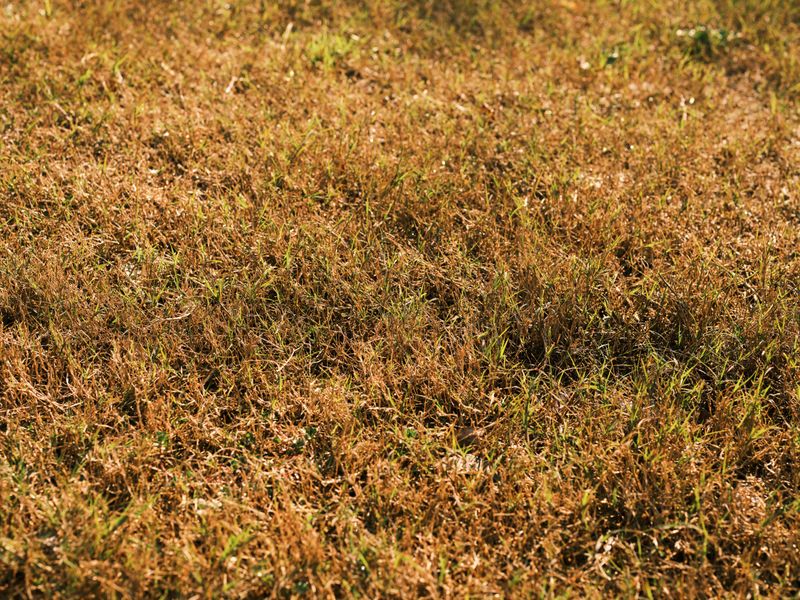
That brown lawn is not a disaster. It is actually your grass being incredibly smart about survival.
Cool-season grasses like Kentucky bluegrass go dormant during drought. They pull energy into their roots and essentially press pause on above-ground growth.
Watering dormant grass frequently and shallowly is one of the most common and wasteful yard mistakes homeowners make. You are spending water on a plant that does not need it right now.
Once temperatures drop and rain returns, dormant grass bounces back with surprising speed.
Most lawns begin greening up within one to two weeks of consistent rainfall, though full recovery depends on how long dormancy lasted.
The key is to let dormancy happen completely rather than partially. Inconsistent watering actually stresses grass more than letting it go fully dormant does.
If you want to keep a small area green, pick one zone and water it deeply once a week. Spreading shallow water across the whole yard helps nothing and wastes plenty.
Dormancy is a feature, not a flaw, in cool-season turf. Generations of Minnesota homeowners have watched brown lawns come roaring back after the first good August rain.
Trust the process and redirect that water to your vegetable garden or flower beds. Your lawn is handling the drought just fine on its own terms, and it will prove it soon enough.
5. Install A Rain Barrel To Collect And Reuse Roof Runoff
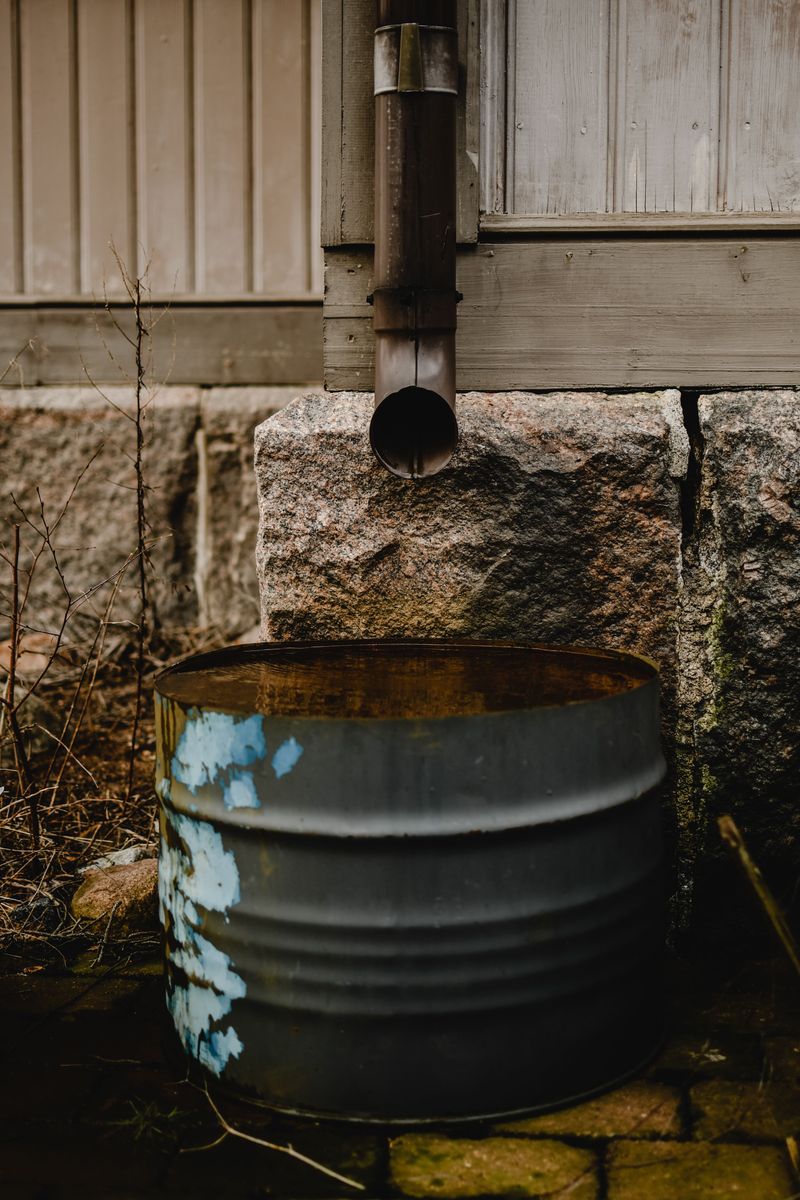
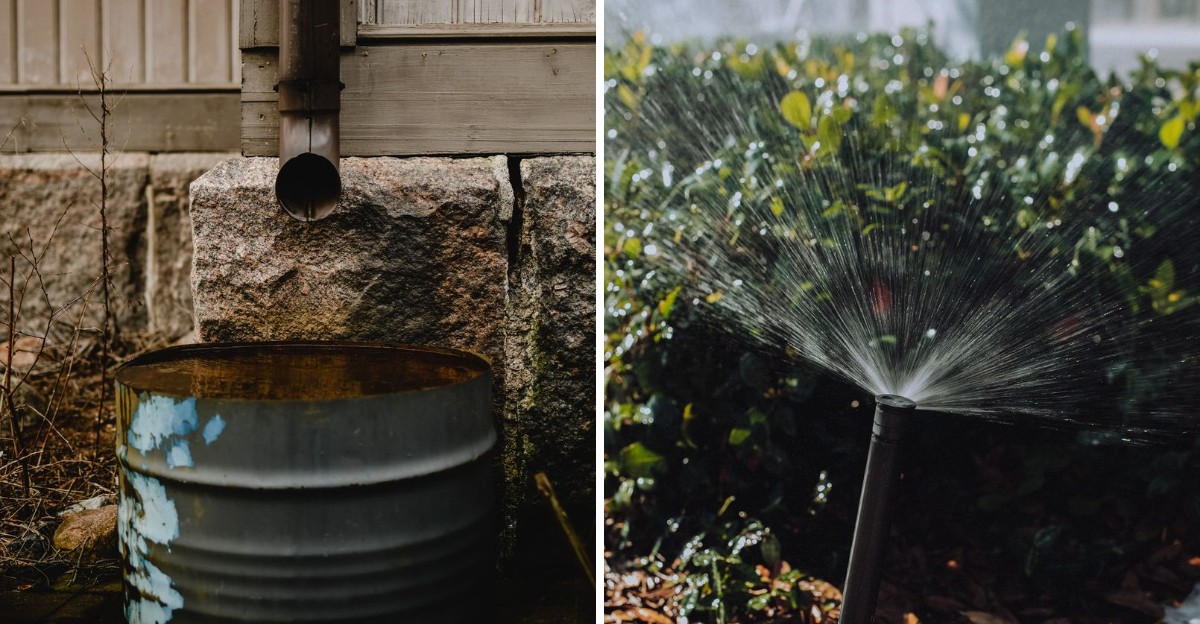
Picture this: rain finally falls, and instead of letting it rush down the driveway and disappear, you catch every drop. A rain barrel does exactly that with almost no effort on your part.
A standard 55-gallon barrel fills up faster than most people expect. Even a modest half-inch of rain draining from one downspout section of a typical roof can fill one barrel completely.
That stored water is free, soft, and plants absolutely love it. Rainwater lacks the chlorine and minerals found in municipal tap water, making it gentler on roots and soil microbes.
Rain barrels are one of the easiest yard changes to install yourself. Most connect directly to an existing downspout with a simple diverter kit and basic tools.
Prices range from around thirty dollars for a basic model to over one hundred for decorative versions.
Some Minnesota counties have offered rebates or subsidized barrels through conservation programs. Check directly with your county to confirm what is currently available.
Position the barrel on a slightly elevated platform to improve gravity flow to your hose. Even a few inches of height creates enough pressure to water nearby beds without a pump.
One barrel is a great start, but two or three barrels linked together multiply your storage dramatically. Connecting them with overflow tubing is a straightforward weekend upgrade.
During a deepening drought, captured rainwater becomes one of the most valuable resources your garden has. Every gallon you collect is one less gallon pulled from a stressed municipal water system.
6. Raise Your Mower Blade Higher To Shade Soil And Slow Drying
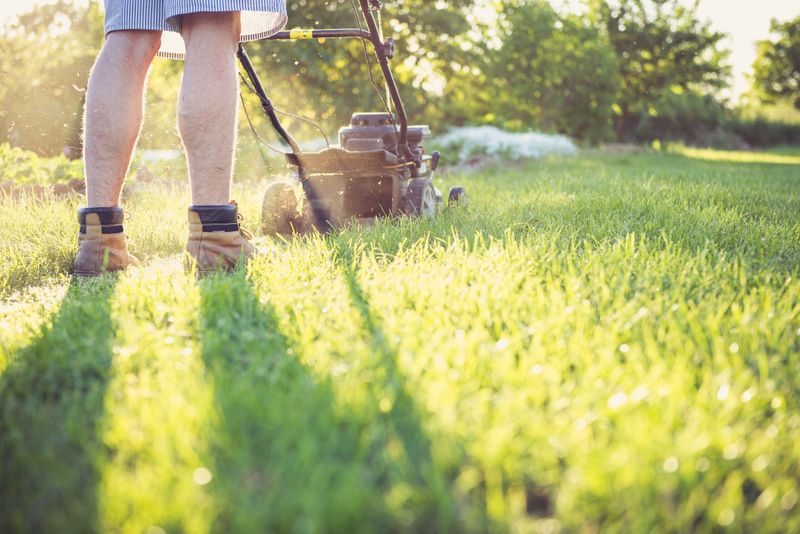
Most people mow too short, and during a drought that is a serious problem. Short grass exposes bare soil directly to the sun, accelerating moisture loss at the worst possible time.
Raising your mower blade to three or even four inches makes a noticeable difference. Taller grass blades shade the soil below, keeping ground temperatures lower and moisture locked in longer.
Taller turf also develops longer roots as it grows. Longer roots reach deeper water reserves, giving grass a fighting chance during extended dry spells.
This is one of the simplest and most effective yard changes available to you right now. It costs absolutely nothing and takes about thirty seconds to adjust on most mowers.
Avoid cutting more than one-third of the grass blade height in any single mowing session. Cutting too much at once shocks the plant and increases stress during already tough conditions.
Mow less frequently during dry stretches too. Grass that is not actively growing does not need weekly cutting, and each mowing session removes moisture-protecting leaf surface.
Leave the clippings on the lawn after each cut. Grass clippings break down quickly and return moisture and nutrients directly back into the soil beneath them.
A few simple mowing habit changes can dramatically reduce how much water your lawn needs. Your grass will look better, feel thicker, and handle the drought with noticeably more resilience.
7. Check Sprinkler Heads And Fix Any Leaks Or Misdirected Spray
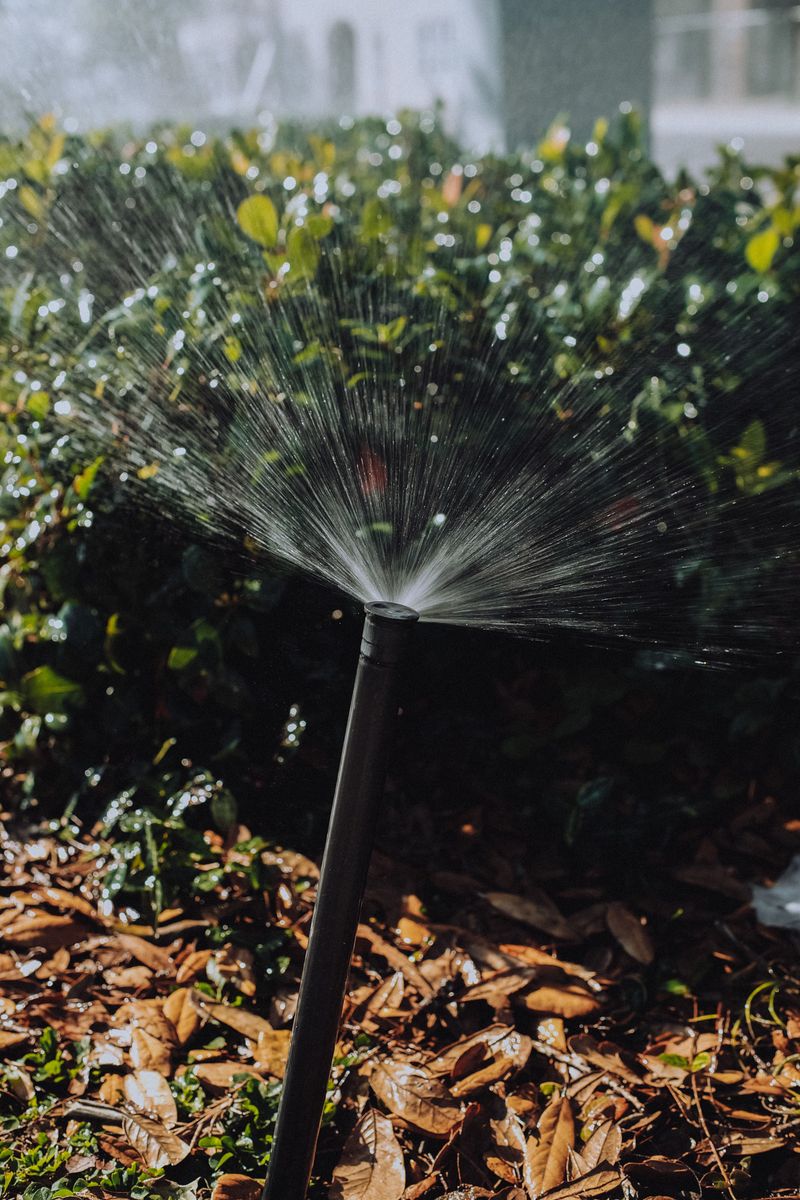
A sprinkler hitting your driveway instead of your lawn is basically burning money in slow motion. Misdirected spray is one of the sneakiest water wasters in any yard during a drought.
Walk your entire irrigation system while it runs and watch every single head. You will likely spot at least one that is tilted, clogged, or aimed completely wrong.
Fixing a misaligned head takes about two minutes with your bare hands. Most heads simply twist back into position, no tools or plumber required.
Cracked or broken heads waste significantly more water than a poorly aimed one. Replace damaged heads immediately since they can leak continuously even when the system is off.
Check the pressure in your system while you are at it. High pressure causes sprinklers to mist instead of stream, and mist evaporates before it ever hits the ground.
Pressure regulators are inexpensive and easy to install at the valve. Dropping pressure to the manufacturer-recommended range dramatically improves efficiency across the whole system.
Also inspect all visible pipes and connections for drips or soft spots in the soil. Wet patches in dry weather are a telltale sign of an underground leak wasting water quietly.
A single afternoon spent auditing your sprinkler system can save thousands of gallons over the course of a dry summer. That is the kind of yard change that pays for itself before the season even ends.
8. Group Container Plants Together So They Share Humidity
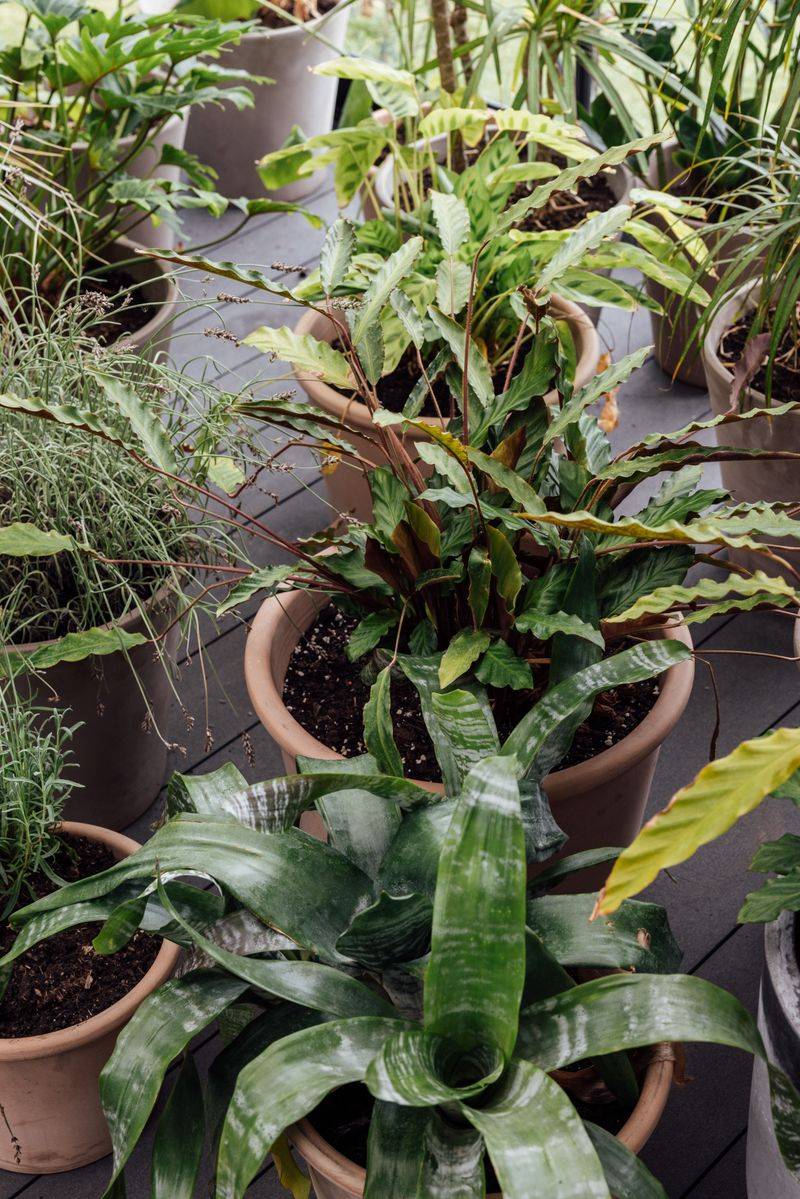
Container plants are the most vulnerable members of your yard during a drought. Pots dry out faster than garden beds, and isolated containers lose moisture even quicker in dry, windy conditions.
Clustering your containers together creates a small shared microclimate. As each plant releases moisture through its leaves, the group collectively raises humidity in that tight space.
Higher humidity around foliage means slower water loss from each individual plant. You end up watering less often without any plant suffering for it.
This is one of those yard changes that feels almost too simple to work. But the science behind it is solid, and gardeners have been using this trick for generations.
Place your most moisture-hungry pots at the center of the cluster. Surround them with hardier plants that act as a buffer against dry air and direct sun.
Adding a layer of pebbles or gravel to saucers beneath the pots helps too. Water sitting in those saucers evaporates slowly upward and keeps the immediate air around roots more humid.
Move clusters to shadier spots during the hottest part of the afternoon. Even two hours less of direct sun can cut a container’s daily water need significantly.
Grouping plants is free, fast, and genuinely effective when drought conditions keep deepening across the region. Pull your pots together today and watch how much longer each one holds its moisture before needing another drink.