7 Texas Yard Habits That Invite Weeds Back Again And Again
Texas weeds are not random.
They show up in the same spots almost every season, come back within days of being pulled, and seem to multiply faster than anything intentionally planted in the same yard.
Many Texas homeowners blame the soil, the climate, or bad luck. The climate is genuinely brutal and the soil does present real challenges. But the weeds coming back year after year are responding to specific habits.
The frustrating part is that none of these habits look like mistakes while they are happening. Mowing the lawn shorter looks tidy. Watering every morning looks attentive. Skipping the preemergent one season looks like a reasonable shortcut.
Every one of those decisions has a predictable consequence that shows up a few weeks later in the form of a lawn that looks like it is losing a slow argument with the surrounding landscape.
Have you been doing the same things to your Texas yard for years while the weeds keep coming back anyway? These habits explain the pattern.
1. Mowing Too Short Opens Bare Soil
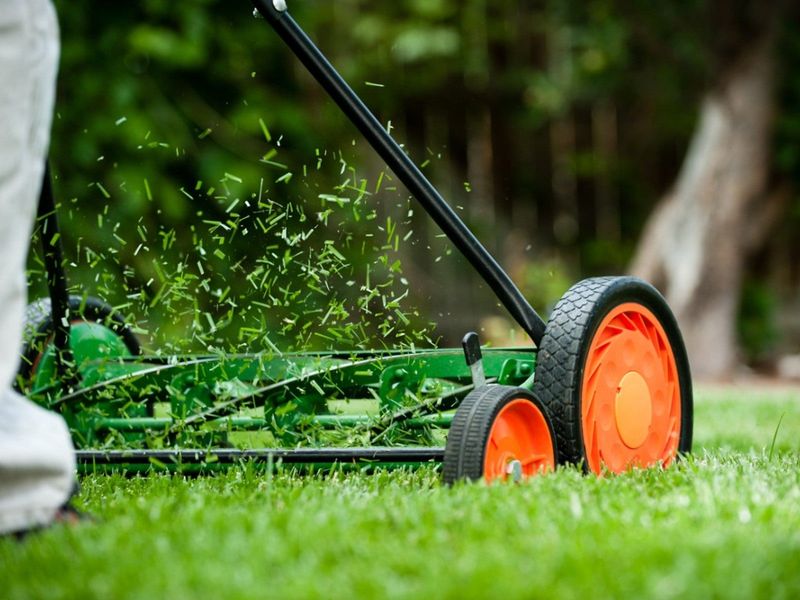
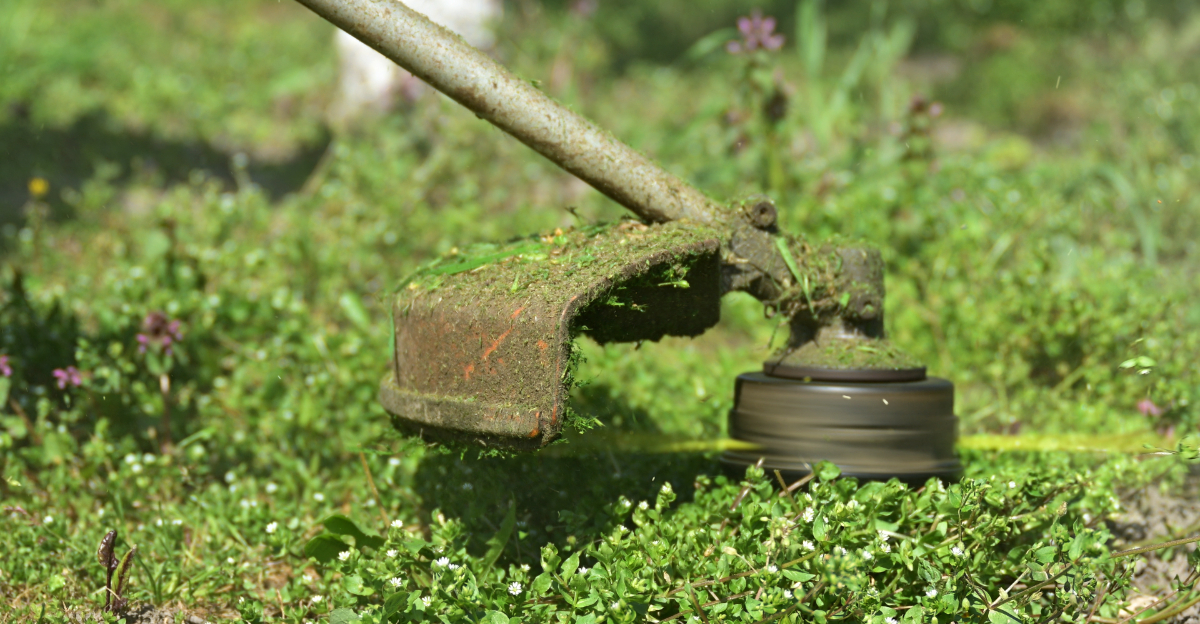
A lawn mower set too low is one of the most reliably productive weed-invitation devices available to a Texas homeowner, and it does its work quietly every single time the mower comes out of the garage.
Scalping grass strips away the leafy canopy that shades the soil below. Without that shade, weed seeds sitting in the ground get the warmth and light they need to germinate.
The mowing session that was supposed to make the yard look sharp instead opens a significant portion of the soil surface to every opportunistic seed in the neighborhood.
St. Augustinegrass performs best kept at 3.5 to 4 inches. Bermudagrass stays healthiest at 1 to 1.5 inches depending on the variety.
Dropping below those ranges stresses the turf and exposes soil that crabgrass, spurge, and other fast-moving Texas weeds are completely ready to occupy.
Taller grass also grows deeper roots. That root depth is what allows turf to handle drought and compete with weed pressure during the brutal Texas summer months.
A thicker, taller lawn blocks sunlight at ground level and crowds out the seedlings that shorter grass invites.
Checking the mower blade height before each season and sharpening the blade at least once a year makes a measurable difference.
A dull blade tears grass rather than cutting it cleanly, which stresses the turf and creates the kind of entry points that compound into larger problems.
Raise the deck, mow regularly, and never remove more than one-third of the grass blade in a single session. The weeds will find somewhere else to be.
2. Watering Shallow Weakens Turf
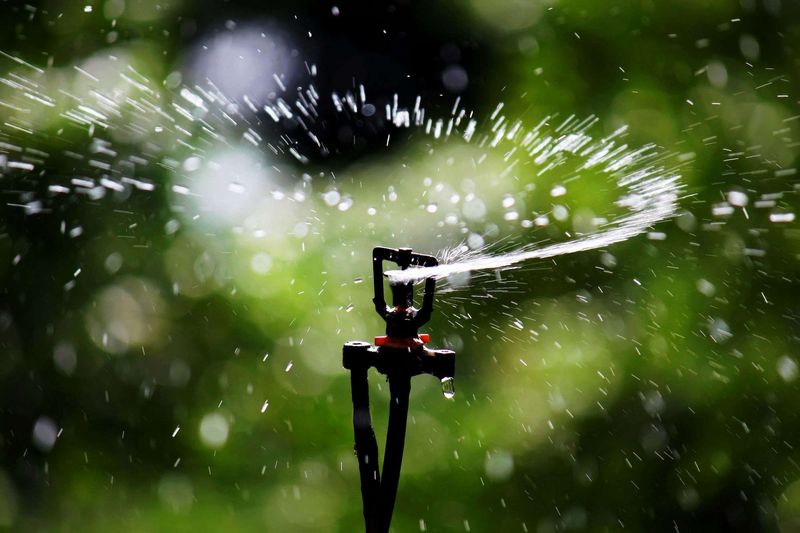
Running the sprinklers every morning for ten minutes feels like responsible lawn care and produces the opposite result.
Frequent shallow watering keeps moisture near the surface, which keeps roots near the surface, which keeps the entire root system in the exact soil zone that Texas summer heats most aggressively.
When a dry spell arrives, those shallow-rooted lawns have nowhere to go. The turf thins rapidly. Thin turf means open soil, and open soil means weeds are moving in before the week ends.
Your Texas Garden Changes Every Week. Your Plan Should Too.
Gardening in Texas changes quickly throughout the season. Every Friday you’ll receive a simple weekly plan showing exactly what to plant, prune, fertilize, harvest, and protect so you never miss the right timing.
Deep, infrequent watering pushes roots downward into cooler, more stable soil where moisture persists longer between irrigation cycles.
The goal is watering to a depth of six to eight inches and then waiting until the lawn shows early signs of drought stress before watering again.
That approach builds a root system that can genuinely compete with weed pressure during the hot months rather than requiring constant surface irrigation to stay functional.
A screwdriver test reveals how deep moisture is actually traveling after a watering session. Push a long screwdriver into the soil immediately after the cycle finishes.
Easy penetration to six inches confirms adequate depth. Resistance at two inches confirms the cycle needs to run longer.
Most Texas lawns need about one inch of water per week total including rainfall. Watering between six and ten in the morning reduces evaporation and keeps fungal pressure lower than evening watering produces.
Deep roots make grass competitive. Shallow roots make grass a placeholder until the next weed arrives.
3. Feeding Without A Soil Test
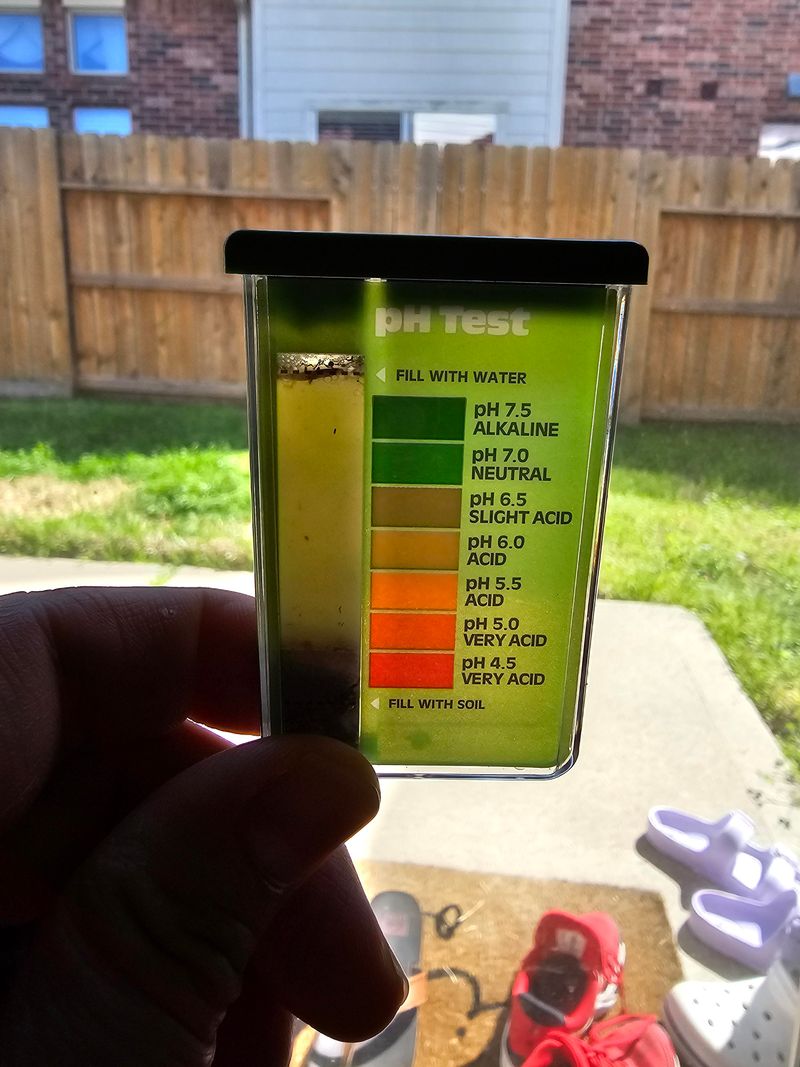
Grabbing a fertilizer bag off the shelf and spreading it across the lawn without knowing what the soil actually contains is a reasonably expensive way to potentially make the weed situation worse.
Texas soils vary significantly across the state, from the sandy loam of East Texas to the heavy clay of the Blackland Prairie.
Applying the wrong nutrients creates imbalances that stress the grass and hand weeds a competitive advantage.
A soil test measures pH, phosphorus, potassium, and organic matter levels and returns specific recommendations for the grass type and location.
Many Texas soils are naturally alkaline, which affects how effectively grass absorbs nutrients regardless of how much fertilizer is applied.
When turf cannot access what it needs, it weakens, thins, and creates the open canopy that dandelions and clover are very good at exploiting.
Over-application of nitrogen is the most common fertilizing mistake in Texas lawns. Too much nitrogen pushes fast, lush top growth while weakening the root system and can actually encourage the kind of weed growth the fertilizer was supposed to prevent.
Most Texas lawns benefit from soil testing every two to three years. The cost is minimal. The information changes every fertilizing decision that follows.
A well-fed lawn with the right nutrients at the right levels grows thick and dense. A thick, dense lawn makes life genuinely difficult for weeds trying to find enough light and space to establish.
Feeding the grass correctly is weed prevention disguised as basic lawn care.
4. Missing Preemergent Timing
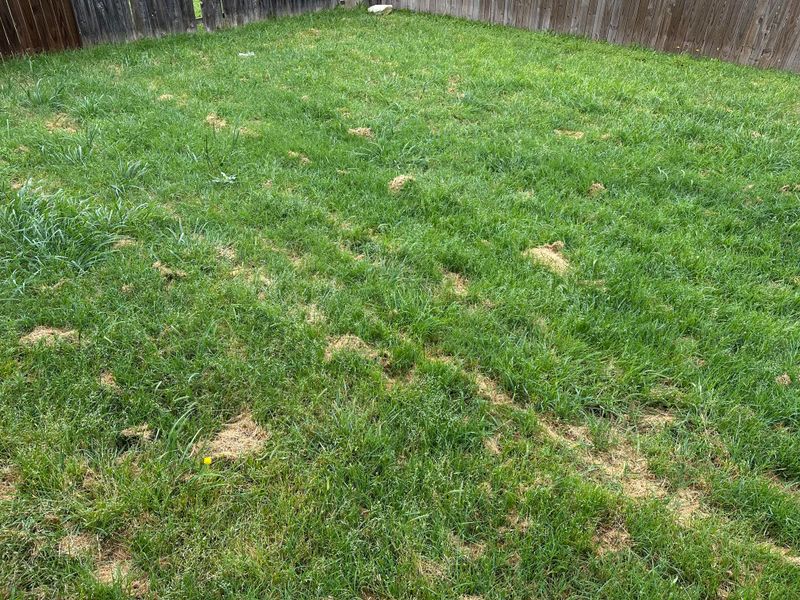
Preemergent herbicides stop weed seeds from germinating by creating a chemical barrier in the soil. They do not affect weeds that are already visible and growing.
By the time crabgrass is visible in a Texas lawn, the preemergent opportunity for that season has already passed, and a different approach is required.
The first preemergent application for summer annual weeds like crabgrass and goosegrass needs to go down in late winter to early spring, when soil temperatures consistently reach 50 to 55 degrees Fahrenheit at a four-inch depth.
Soil temperature is the relevant measurement rather than calendar dates because Texas weather varies considerably by region.
A second application eight to ten weeks later extends the barrier through the full germination window rather than leaving a gap the weeds find immediately.
Fall is an equally critical window that many Texas homeowners skip entirely.
Winter annual weeds including henbit, annual bluegrass, and chickweed germinate in fall when soil temperatures drop back into that same 50 to 55 degree range.
Skipping the fall application produces a lawn covered in henbit by February, which is a reliable annual tradition for homeowners who did not know that fall timing existed.
Tracking soil temperature trends in a specific area makes the difference between catching the window and missing it.
Setting a recurring calendar reminder tied to local soil temperature patterns keeps this from becoming the annual mistake that it currently is for a significant portion of Texas lawn owners.
The preemergent does not work after the weeds arrive. That is not a design flaw. That is just chemistry being honest.
5. Leaving Thin Spots Unrepaired
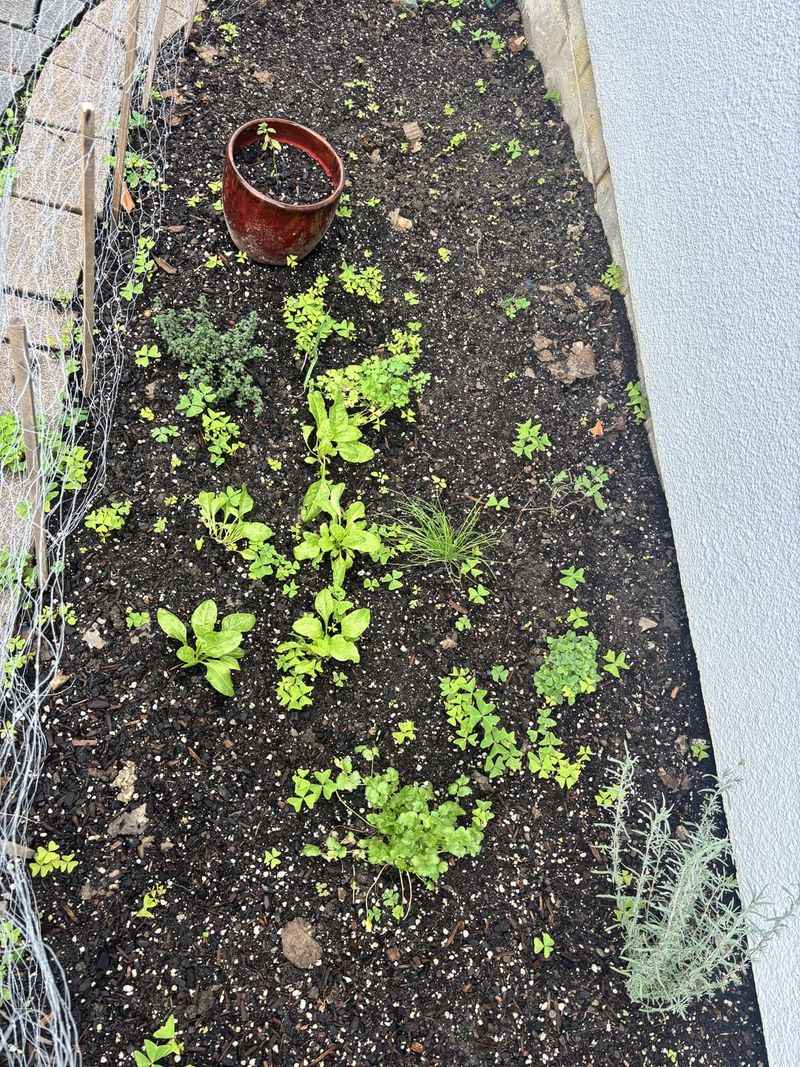
Every thin spot in a Texas lawn is actively accepting applications from weeds that want to move in permanently.
The bare patch that appeared after a summer drought, heavy foot traffic, or a dog with very specific territorial habits does not stay bare for long.
Weeds colonize open soil faster than most homeowners expect, especially during the warm months when germination conditions across Texas are consistently favorable.
Repairing thin spots promptly is one of the most direct weed prevention strategies available.
For warm-season grasses like Bermudagrass and St. Augustinegrass, the productive repair window is late spring through early summer when soil temperatures are warm and the grass is actively growing.
Plugging, sodding, or overseeding with the correct grass variety fills gaps before weeds establish a foothold that becomes progressively harder to displace.
Before repairing any thin spot, understanding why it thinned matters as much as the repair itself. Shade, compaction, poor drainage, and pest damage are common causes in Texas yards.
A repair made without addressing the underlying cause produces a thin spot again within one or two seasons.
Core aeration loosens compacted soil and improves the water and nutrient penetration that new turf roots need to spread successfully. A thick, even lawn surface simply leaves weeds with nowhere comfortable to land.
Staying on top of thin spots throughout the growing season is the difference between a lawn that stays competitive and one that gradually surrenders territory to weeds one bare patch at a time.
6. Pulling Perennial Weeds Too Shallow
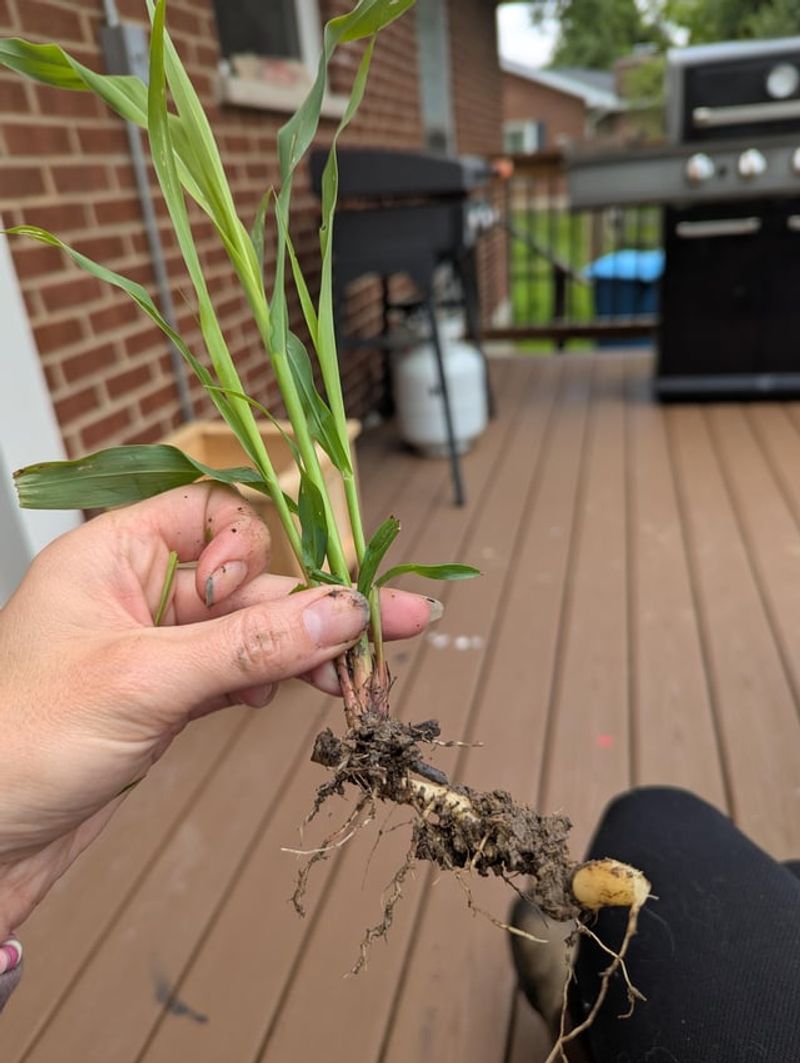
Pulling a weed out of the ground and watching the whole top come away feels like a clean resolution. For annual weeds, it mostly is.
For perennial weeds, it is closer to an aggressive pruning session that the root system handles without much difficulty.
Perennial weeds store energy in deep root systems, rhizomes, tubers, and stolons designed to survive the removal of above-ground growth.
Nutsedge produces underground nutlets that each have the capacity to generate a new plant. Shallow removal does not just fail to solve the nutsedge problem.
It can spread nutlets further into the soil and produce more plants than were present before the pulling session started.
Field bindweed, smilax, and dandelion all share versions of this deep-root survival strategy. The visible plant is the symptom. The root system is the actual problem.
Targeted herbicide applications using products labeled for the specific weed are more effective than hand-pulling for deep-rooted perennials.
A systemic herbicide moves through the plant and reaches the root system rather than just removing the visible portion.
Applying when the weed is actively growing and moving carbohydrates toward the root gives the product the best chance of complete translocation.
Combining targeted herbicide use with consistent turf management gradually reduces the perennial weed population rather than repeatedly removing the top while leaving the source intact.
The root is the whole conversation. Everything above ground is just a distraction from what is actually happening underneath.
7. Letting Weeds Set Seed
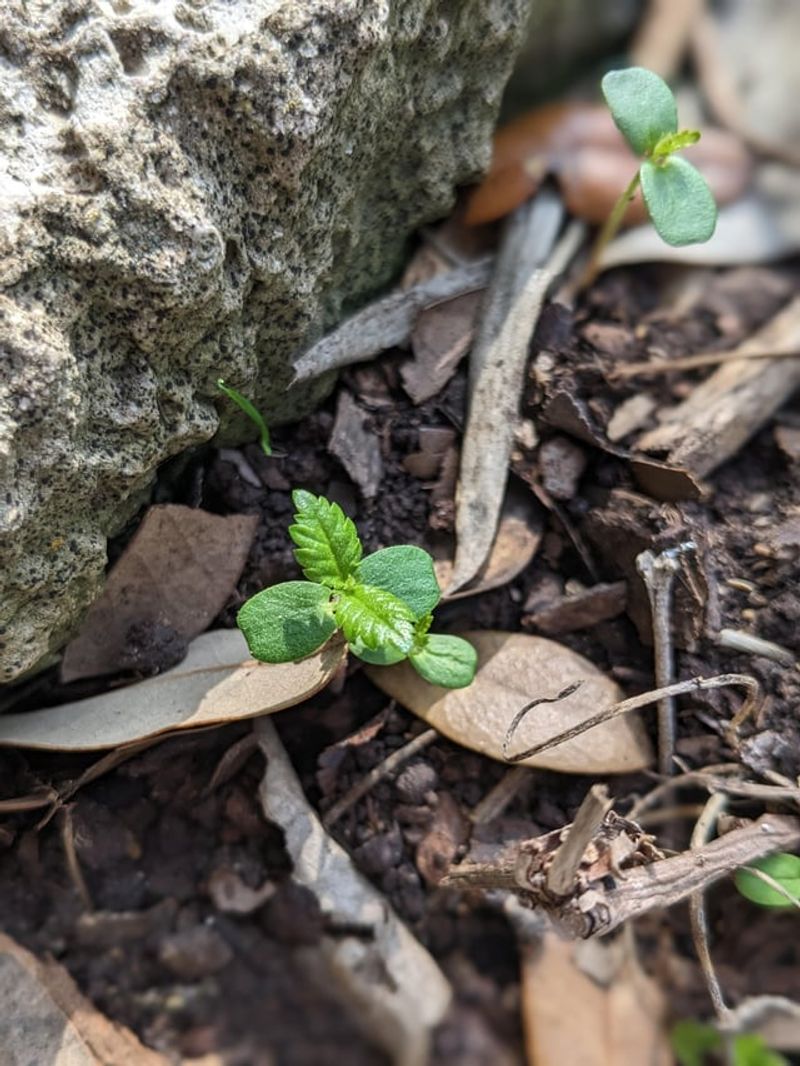
One dandelion at the seed-head stage carries over a hundred seeds and a favorable wind carries them across a significant portion of a yard in a matter of seconds.
Letting weeds reach seed production is the most avoidable way to guarantee a more difficult weed season the following year, and the year after that.
Crabgrass makes this dynamic particularly stark. A single plant can generate up to 150,000 seeds before the season ends.
Those seeds overwinter in the soil and return with full force the following spring regardless of how carefully the lawn was managed in the meantime.
Mowing before seed heads fully mature is the simplest reduction strategy available. Weeds heading out do not wait for the weekend mowing schedule.
Addressing them as soon as seed development is visible prevents a significant addition to the soil seed bank.
Removing seed heads from the yard entirely rather than mulching clippings back into the lawn during heavy seed periods keeps seeds from being redistributed across the turf.
Bagging clippings during these windows is a minor inconvenience compared to the downstream impact of returning tens of thousands of seeds to the soil.
Paying consistent attention to seed-head development along fence lines and edges where mowing is inconsistent dramatically reduces the following season’s germination pressure.
The weeds are trying to ensure their future. Removing seed heads before they finish is the most direct way to limit how successful that plan turns out to be.