Oregon Gardeners Are Planting These Natives Along Driveways For A Reason Most Would Not Expect
A driveway edge usually gets treated like leftover space, but Oregon gardeners are starting to see its hidden value. That narrow strip can do more than soften pavement or make the front yard look tidy.
With the right native plants, it can become a small path for pollinators moving through the neighborhood. Bees and butterflies often need short stops as they travel between yards.
A planted driveway border can give them those easy landing spots. It also helps turn a hard, plain area into something that feels alive.
The best natives for this job stay manageable and look intentional near the pavement. They can handle the exposed conditions better than many fussier plants.
Once they settle in, a simple driveway border can support more movement, color, and garden life than most homeowners ever expected.
1. Farewell-To-Spring Turns Driveways Into Pollinator Paths
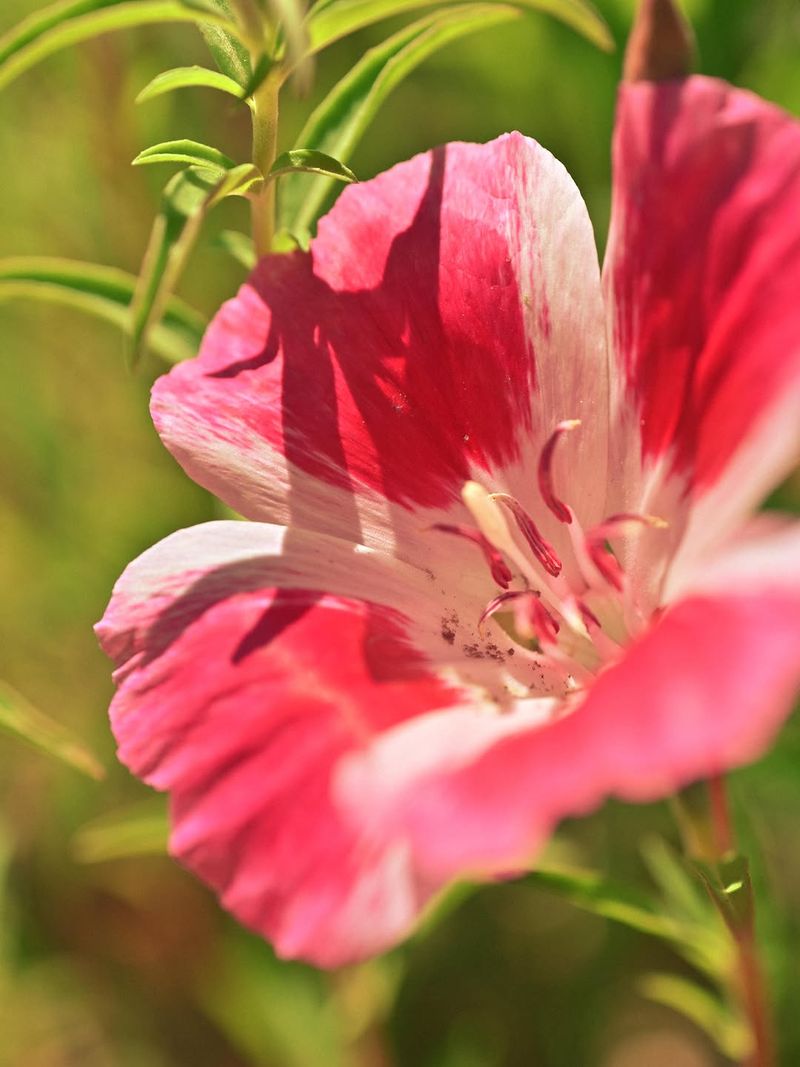
Few annual wildflowers put on a show quite like Farewell-To-Spring. Known by its botanical name Clarkia amoena, this native bloomer shows up just as summer starts warming the pavement.
Its cup-shaped flowers come in shades of pink, lavender, and white, often with a deeper pink blotch at the center.
Bees absolutely love it. Native bees, especially mining bees and bumblebees, visit the blooms repeatedly throughout the day.
Planting it along a driveway edge creates a natural pollinator corridor that connects your yard to neighboring gardens and open spaces.
The plant grows well in lean soil with good drainage, which makes driveway strips a surprisingly good fit. Rich soil actually causes it to flop over and produce fewer flowers.
So that hard, slightly poor ground along the pavement edge works in your favor here.
Sow seeds directly in fall or early spring. The plant handles light frost just fine and germinates when conditions feel right.
Once established, it reseeds itself each year, so you rarely have to replant. Thin seedlings to about six inches apart for best results.
Farewell-To-Spring grows one to three feet tall depending on moisture and sun. Full sun and minimal water keep it upright and blooming.
It pairs beautifully with other low-water natives like yarrow or Oregon sunshine for a layered, meadow-style driveway border that looks both wild and intentional.
2. Oregon Sunshine Loves Hot Pavement Edges
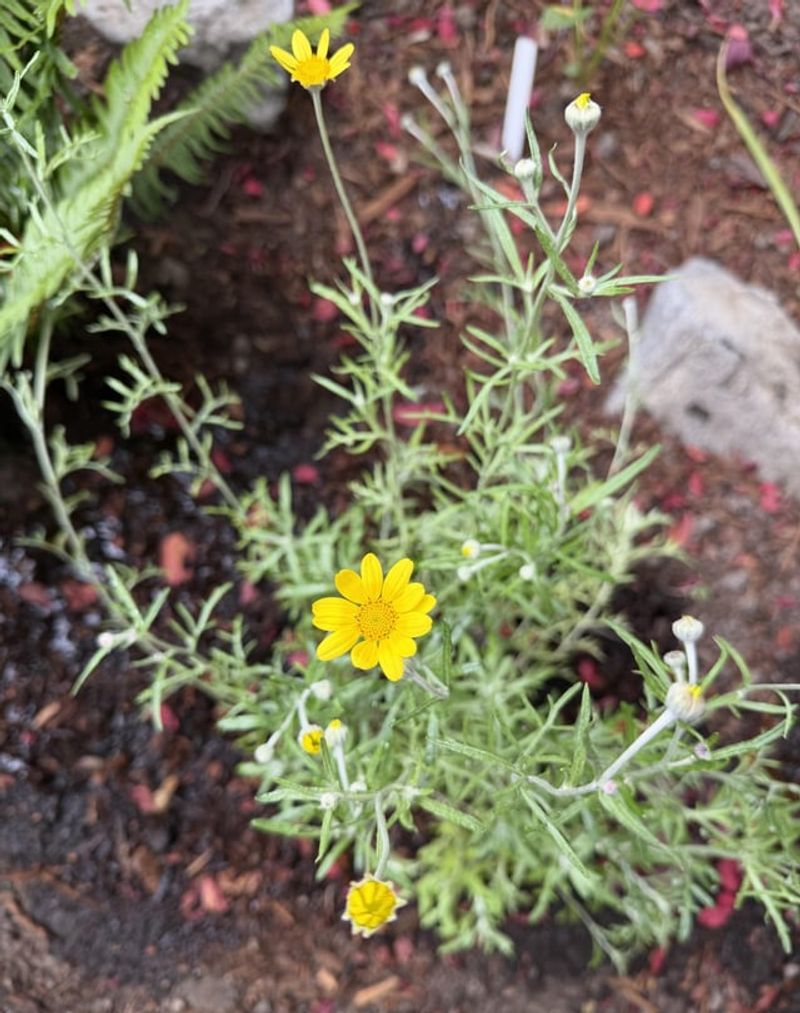
There is a plant out there that actually thrives where most others give up. Oregon Sunshine, or Eriophyllum lanatum, seems to love the reflected heat that bounces off concrete and asphalt.
While other plants wilt in that zone, this one opens its cheerful yellow daisy-like flowers and keeps going strong all summer.
The silvery, woolly leaves are part of what makes it so tough. That fuzzy coating helps the plant hold moisture and reflect intense sunlight.
It is built for dry, exposed conditions, which is exactly what a driveway edge offers during a Pacific Northwest summer.
Pollinators are big fans. Sweat bees, native bumblebees, and several butterfly species visit the blooms regularly.
Planting a stretch of Oregon Sunshine along a driveway edge can turn a forgotten strip into a buzzing, living border from late spring through midsummer.
Your Oregon Garden Changes Every Week. Your Plan Should Too.
Gardening in Oregon changes quickly throughout the season. Every Friday you’ll receive a simple weekly plan showing exactly what to plant, prune, fertilize, harvest, and protect so you never miss the right timing.
Plant it in well-drained soil and full sun. It does poorly in soggy or clay-heavy spots, so if your driveway edge stays wet in winter, add some gravel or coarse sand before planting.
Once settled in, it needs almost no irrigation.
Plants grow about one to two feet tall and spread outward over time. Deadheading spent flowers encourages more blooms and keeps the plant looking tidy.
It also works well spilling over rock borders or low retaining walls near driveways. This is a workhorse plant that earns its place every single season.
3. Douglas Aster Keeps Bees Coming Late
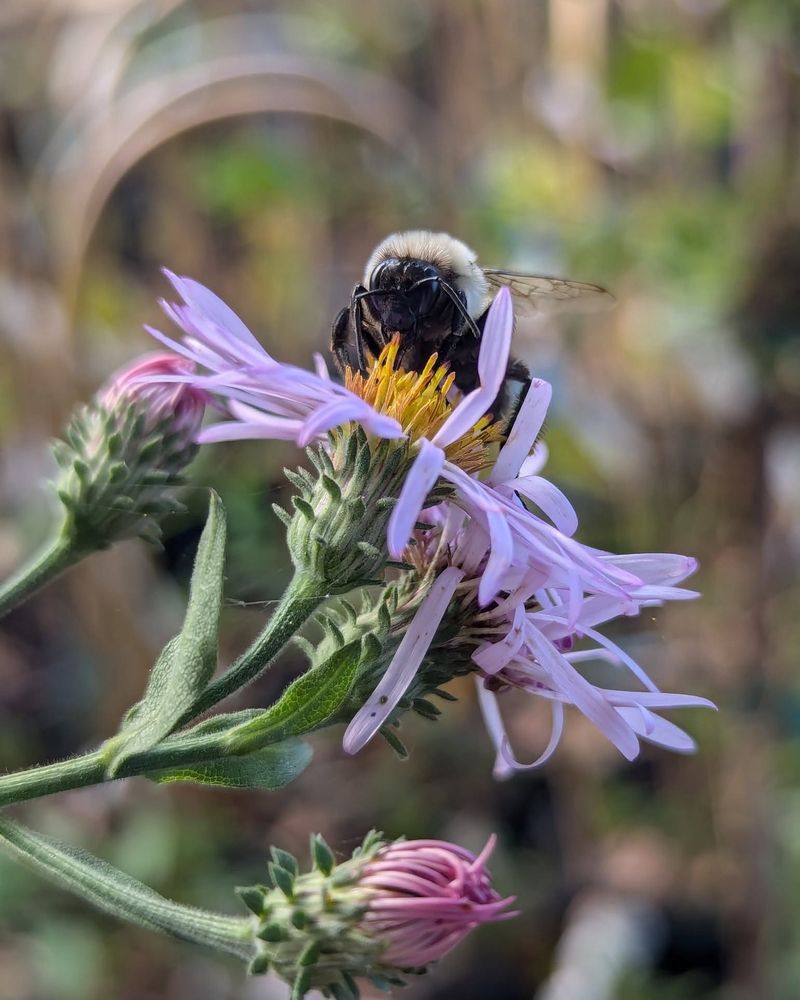
Most garden flowers wrap up by August, but Douglas Aster is just getting started. This native wildflower blooms from late summer into fall, which makes it one of the most valuable plants you can put along a driveway edge.
When other nectar sources run low, bees and butterflies flock to its small purple flowers.
Botanically known as Symphyotrichum subspicatum, it grows naturally in moist meadows, stream banks, and forest edges across this region.
Along a driveway, it does best with a little extra water during dry spells, especially in its first year. After that, established plants are fairly self-sufficient.
The blooms are small but numerous, covering the plant in a haze of soft purple and yellow.
Goldfinches and other seed-eating birds visit the spent flower heads in late fall, so there is no real reason to cut it back before winter. Let the birds work through the seeds first.
Douglas Aster grows two to four feet tall and spreads slowly by rhizomes. Give it some room, or plan to divide it every few years to keep it from crowding neighbors.
It works well paired with grasses or other tall natives that can hold their own.
For gardeners who want to extend the pollinator season well into October, few plants do the job as reliably as this one.
It is a late-season workhorse that fills a gap no other native quite covers along driveway plantings in Oregon.
4. Common Yarrow Softens Gravel Borders
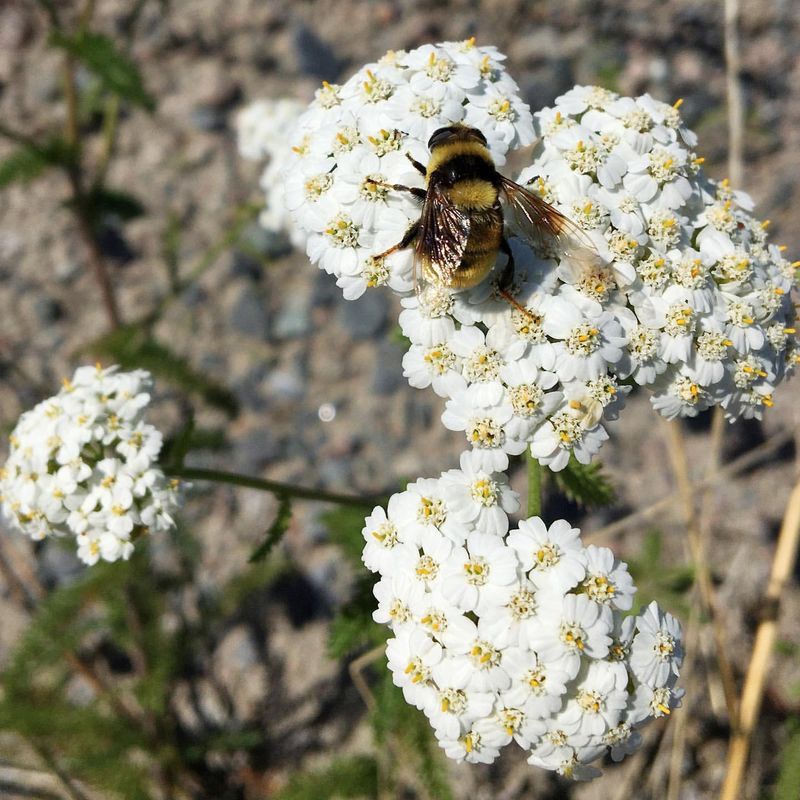
Gravel driveway edges can look harsh and bare, but Common Yarrow has a way of softening all that hardness with almost no effort.
Its feathery, fernlike foliage and flat-topped flower clusters grow right up to gravel edges and make the border look like it was designed that way on purpose.
Achillea millefolium is one of the most adaptable native plants in the region. It handles poor soil, drought, foot traffic nearby, and reflected heat from pavement.
That combination of toughness and beauty is exactly why so many homeowners are adding it to their driveway planting strips.
White is the most common flower color for the native form, but local nurseries sometimes carry soft pink and pale yellow varieties. Pollinators love the flat landing pads the flowers provide.
Hoverflies, native bees, and small butterflies all visit regularly throughout the long bloom season.
Plant yarrow in full sun for the best flowering. It tolerates part shade but tends to flop without enough light.
Space plants about 18 inches apart, and they will fill in over two to three seasons. Division every few years keeps clumps healthy and prevents them from spreading too aggressively.
One underrated quality of yarrow is its scent. Brushing against the foliage releases a sharp, herbal fragrance that many people find pleasant.
For a driveway planting that looks polished, smells interesting, and works hard for local pollinators, Common Yarrow is a near-perfect choice.
5. Broadleaf Stonecrop Tucks Into Rocky Gaps
Rocky gaps along driveway edges are usually where planting ideas go to fail. Soil is shallow, heat is intense, and moisture disappears fast.
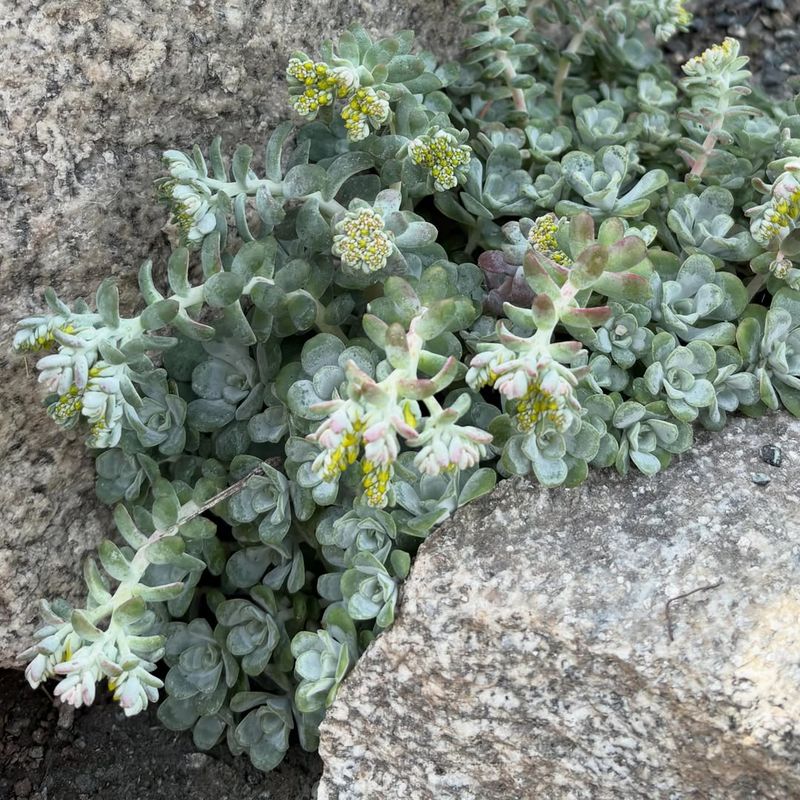
Broadleaf Stonecrop, however, was practically made for those conditions. This low-growing native succulent tucks right into cracks and crevices and seems genuinely happy there.
Known as Sedum spathulifolium, it forms flat rosettes of fleshy, blue-green leaves that store water for dry stretches. In late spring, small clusters of bright yellow flowers rise above the foliage on short stems.
The contrast between the cool-toned leaves and warm yellow blooms is surprisingly striking for such a compact plant.
Native bees and hoverflies visit the flowers regularly. The blooming period is relatively short, but the foliage stays attractive year-round, which is a bonus for a driveway edge that needs to look decent in every season.
Planting is simple. Press a small division or transplant into a gap with a little gritty soil or even just coarse sand.
Water it in, then mostly leave it alone. Overwatering is the main thing to avoid.
Once settled, it spreads slowly to fill the space without becoming invasive.
Broadleaf Stonecrop also works well along the base of stone retaining walls or between stepping stones near the driveway.
It handles foot traffic nearby without complaint and stays green through most winters in mild areas of Oregon. For a plant that asks so little and gives so much, it is hard to beat.
6. Roemer’s Fescue Makes The Strip Look Intentional
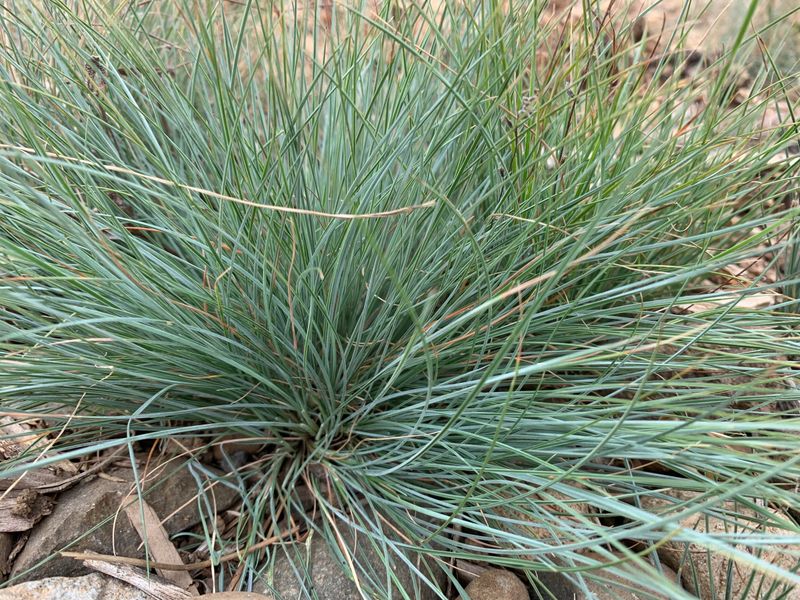
A well-placed grass can do something flowering plants cannot: it makes a planting strip look like it was designed by someone who actually knew what they were doing.
Roemer’s Fescue is a fine-bladed, clump-forming native grass that brings structure and calm to driveway edges without ever looking overgrown or weedy.
Festuca roemeri is native to the Willamette Valley and surrounding foothills, where it once covered vast prairie expanses.
Today, it is one of the most recommended natives for low-maintenance landscaping because it handles dry summers, poor soil, and light foot traffic near driveways without fuss.
The grass stays green through winter in most lowland areas of Oregon, which is a real advantage.
When most perennials have gone dormant and the driveway strip looks bare, Roemer’s Fescue holds its shape and color. It acts like a backbone for the whole planting.
Plant it in full sun to light shade, spaced about 12 to 18 inches apart. It does not spread aggressively, so clumps stay where you put them.
Divide every three to four years to keep the center from opening up. A light trim in late winter refreshes the look before new growth starts.
Pair it with low-growing wildflowers like self-heal or stonecrop for contrast. The fine texture of the grass sets off broader-leaved plants beautifully.
For anyone who wants a driveway planting that looks curated rather than wild, this native fescue is the quiet anchor the design needs.
7. Nodding Onion Fits Narrow Sunny Beds
Not every driveway strip is wide enough for a sprawling perennial. Some are just a few inches across, sunny all day, and bone dry by August.
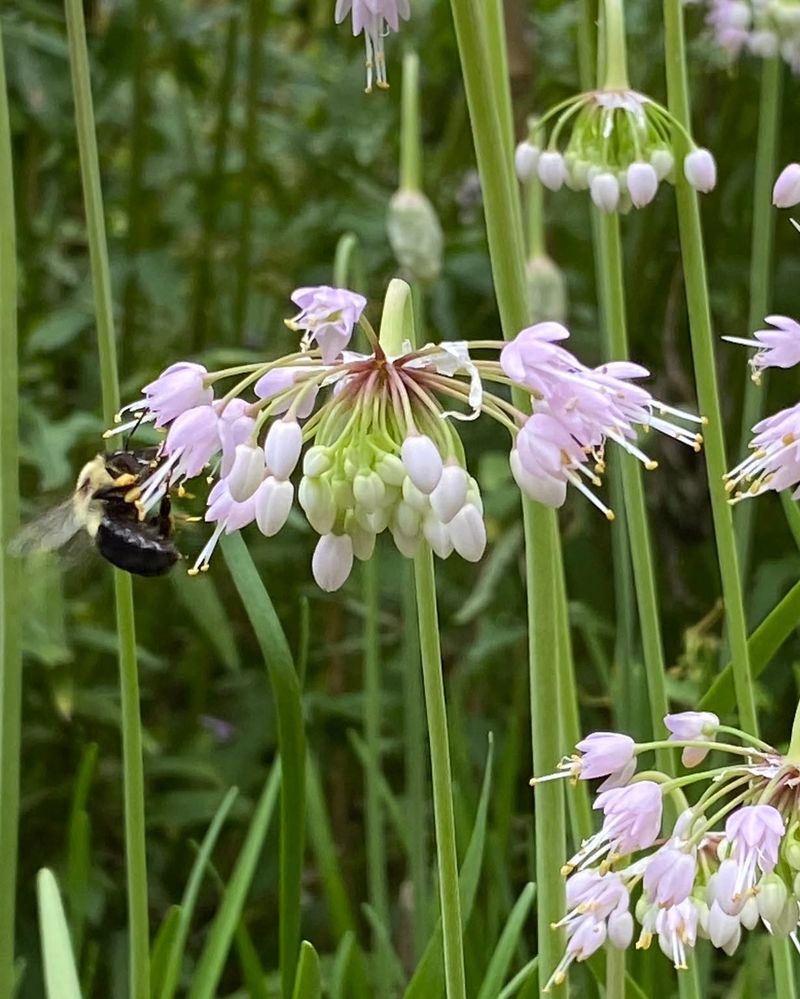
Nodding Onion was built for exactly that kind of tight, challenging spot. Its slender stems and drooping pink flower heads fit neatly into narrow beds without crowding anything out.
Allium cernuum is a native bulb that blooms in midsummer, sending up delicate clusters of nodding pink to lavender flowers on stems that reach about one to two feet tall.
The nodding habit, where the flower head bends downward at the tip, is what gives the plant its name and its charm.
Pollinators respond well to the blooms. Bumblebees hang upside down from the flower clusters to reach the nectar, which is both effective and entertaining to watch.
Butterflies and native bees also visit regularly during the bloom period.
Plant bulbs in fall for summer blooms, or transplant potted starts in spring. Full sun and good drainage are the main requirements.
Once established, the plant spreads slowly by seed and offsets, gradually filling a narrow strip without becoming a problem.
The foliage has a mild onion scent when brushed or crushed, which some gardeners find is a bonus for deterring deer and rabbits near the driveway.
After blooming, the seed heads are attractive in their own right and can be left on the plant through fall for added visual interest and wildlife value.
8. Self-Heal Turns Lawn Edges Into Bee Stops
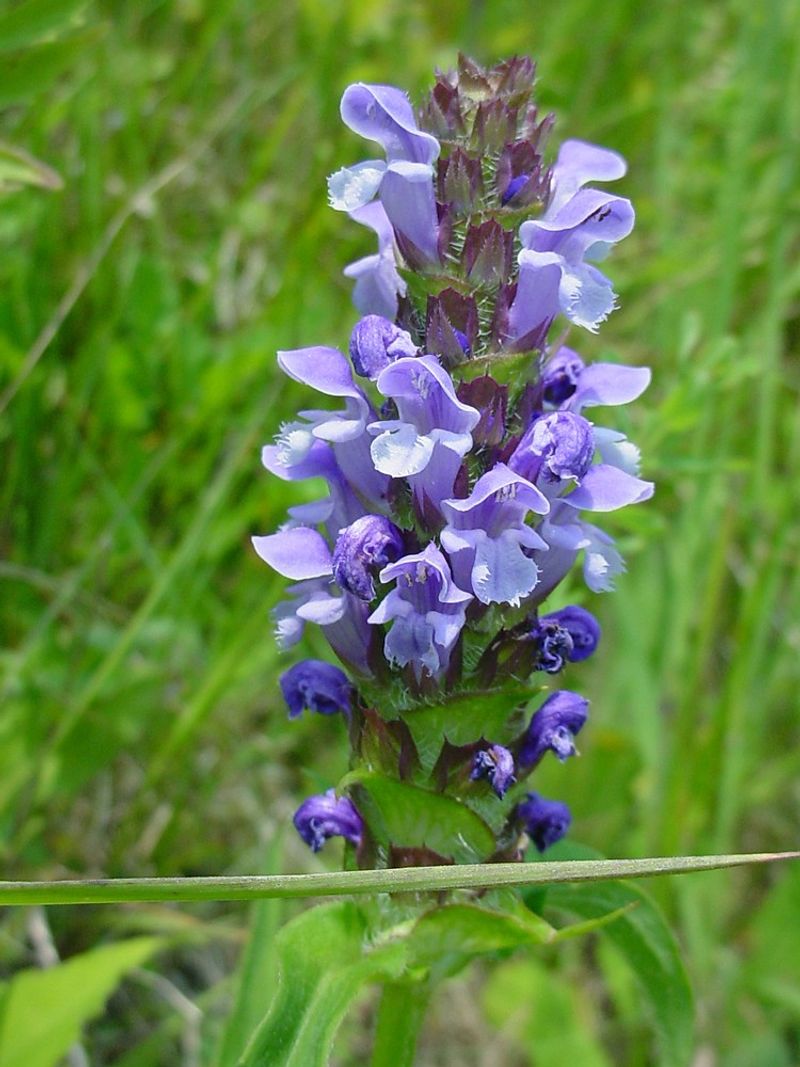
Most people have walked right past Self-Heal without ever noticing it. It grows low to the ground, blends into lawn edges, and does not announce itself with big showy blooms.
But get close, and you will see something worth paying attention to: clusters of small purple flowers packed with visiting bees from morning to evening.
Prunella vulgaris is technically a cosmopolitan species, but native forms are common across Oregon and behave like true locals.
They handle mowing, foot traffic, and competition from lawn grasses without complaint.
Along a driveway edge, the plant creates a living bee station that costs almost nothing to maintain.
Bumblebees are especially fond of the flowers. The blooms are shaped in a way that fits bumblebee anatomy well, so these larger bees can access nectar efficiently.
Honeybees and smaller native bees also visit, making a short stretch of Self-Heal surprisingly productive for local pollinators.
Plant it in sun to part shade along the lawn edge nearest the driveway. It spreads by runners and seed, filling gaps over time.
If you want to keep it contained, mow or edge the border once or twice a season. It bounces back quickly after trimming and resumes flowering within a few weeks.
Self-Heal has a long history as a medicinal herb, used for centuries in traditional remedies.
Whether or not you care about that history, the plant earns its spot along any driveway edge by feeding pollinators, staying green year-round, and asking for almost nothing in return.