These 8 Eastern Oregon Flowers Refuse To Wilt In Summer
Eastern Oregon summers are not subtle. The heat arrives with full commitment, and the soil turns into something that feels more like gravel than garden ground.
Many flowers respond to that combination by giving up somewhere around mid-July. But not all of them. There is a specific group of flowers that reads Eastern Oregon summer heat as a starting signal.
They do not just survive triple-digit temperatures and weeks without rainfall. They bloom harder because of it.
The pollinators find them. The color holds. And the gardener gets to actually enjoy the yard instead of constantly performing rescue operations.
Do you know what these plants have in common that everything else in your garden does not?
It is not magic. It is not complicated. But once you understand what makes these flowers different, you will never approach an Eastern Oregon garden the same way again.
Eight flowers. Real color. Almost no drama.
1. Blanketflower
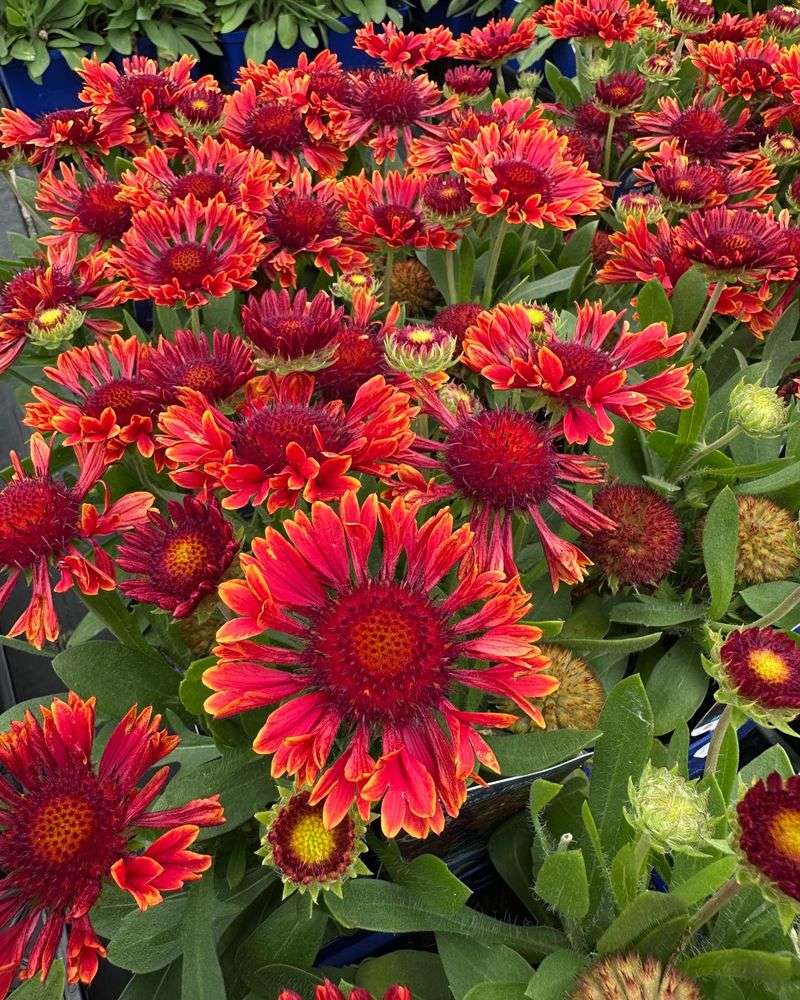
When the rest of the garden starts looking exhausted by mid-July, blanketflower is just hitting its stride.
Gaillardia aristata is native to the western United States and genuinely built for the conditions that challenge most other flowers.
Rocky, lean, well-drained soil and full sun all day are not hardships for this plant. They are its preferred setup.
The blooms are bold. Fiery combinations of red, orange, and yellow in daisy-like flower heads that can reach up to three inches across.
The display runs from late spring all the way through early fall, which makes blanketflower one of the longest-blooming drought-tolerant perennials available for the high desert.
Plant it in sandy or gravelly soil and resist watering too frequently. Too much moisture actually shortens the plant’s productive life rather than extending it.
Once established, it needs little supplemental water in many Eastern Oregon sites, especially in well-drained soil.
Trim spent blooms regularly to keep fresh flowers coming through the season. Divide clumps every two to three years to maintain vigor. Without division, the center of older plants can thin out and bloom production drops noticeably.
Butterflies and native bees visit consistently throughout the bloom season, adding movement and pollinator activity to the garden.
Low effort, long season, serious color, and wildlife value built in. Blanketflower shows up for Eastern Oregon summers when most plants would rather not. Has it earned a spot in your garden yet? Honestly, the question answers itself.
2. Penstemon
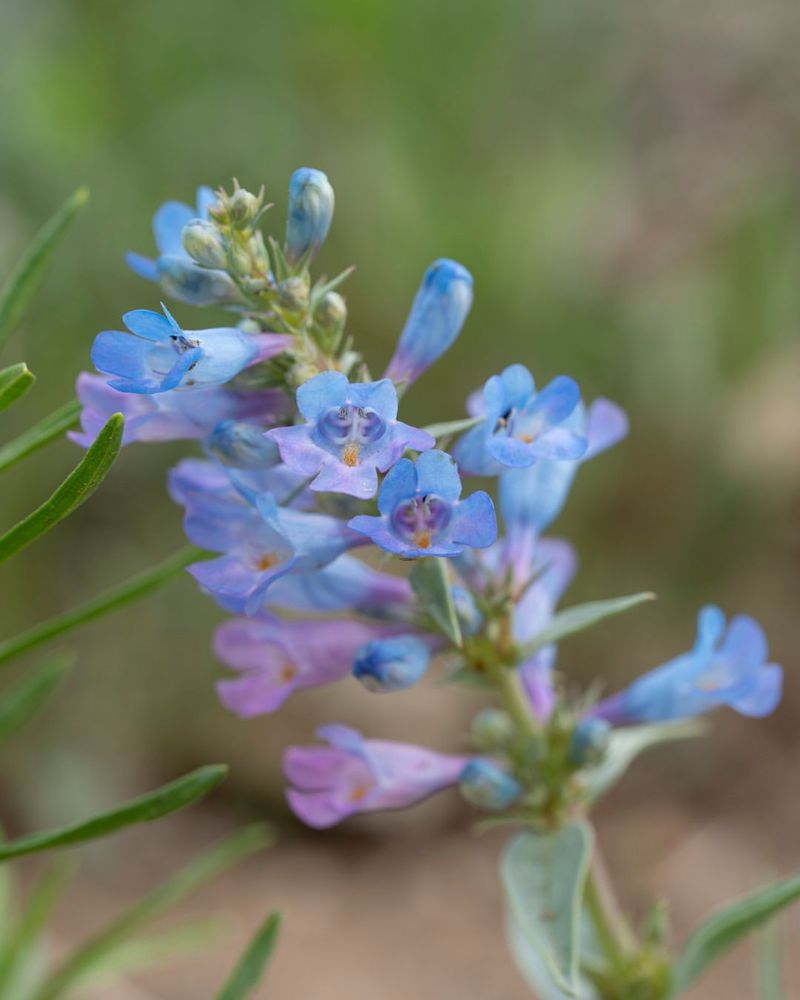
Walk through any rocky Eastern Oregon hillside in late spring and penstemon is already there, completely unbothered by the heat and dryness.
It has been thriving in high desert conditions for a very long time. The garden just caught up with what the landscape already knew.
The tubular, trumpet-shaped flowers come in shades of purple, pink, red, and white depending on species.
Penstemon strictus and Penstemon speciosus are two reliable options for Eastern Oregon. Hummingbirds find those narrow flower tubes quickly, and bumblebees are not far behind.
These plants prefer rocky, well-drained soil and actually perform worse when given rich, amended garden beds.
Your Oregon Garden Changes Every Week. Your Plan Should Too.
Gardening in Oregon changes quickly throughout the season. Every Friday you’ll receive a simple weekly plan showing exactly what to plant, prune, fertilize, harvest, and protect so you never miss the right timing.
Too much fertilizer or clay-heavy soil causes root problems and weakens the plant’s natural drought resistance. Lean soil is not a compromise here. It is the actual preference.
Plant penstemon in spring and water lightly through the first summer while roots settle in. After that first season, natural precipitation handles most of the work in Eastern Oregon.
Cut stems back by about one-third after flowering to encourage fresh basal growth and keep the plant looking tidy.
The vertical form adds real structure to a dry garden. The color holds through the hottest weeks. The maintenance stays minimal.
Penstemon thrives where other flowers struggle and blooms where other plants simply stop trying. The rocky hillsides of Eastern Oregon have been proving that for generations. Your garden bed can too.
3. Salvia
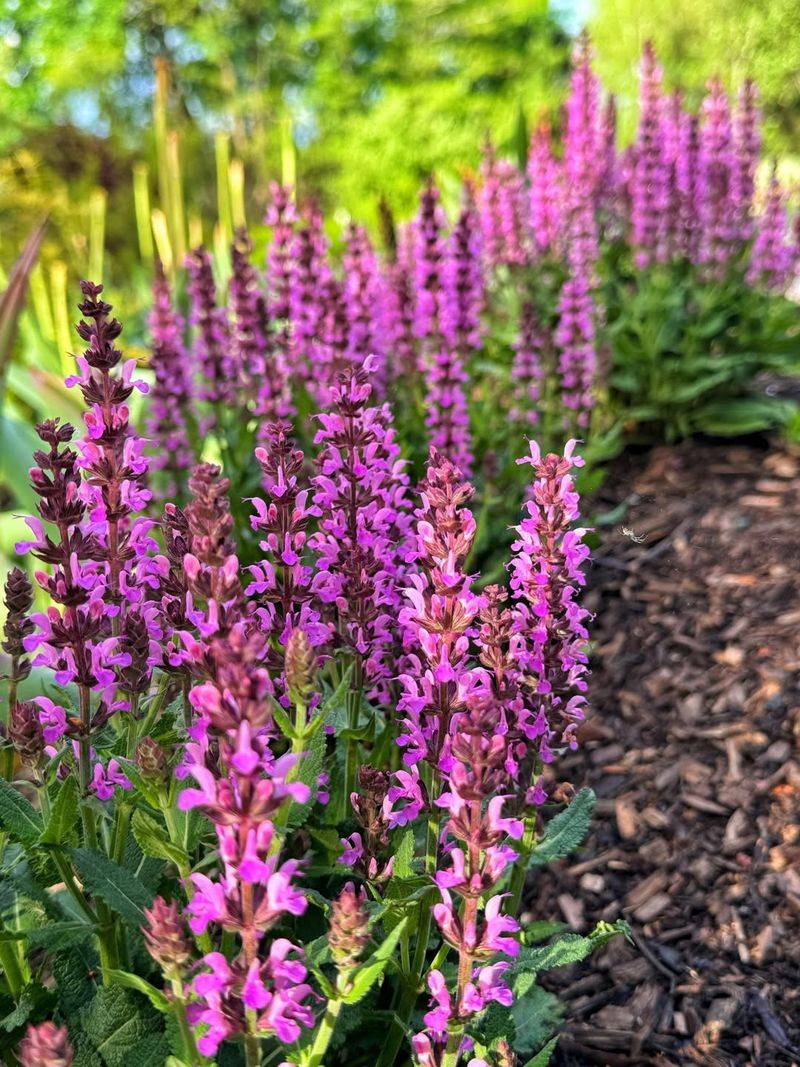
Midsummer heat flattens most of the garden. Salvia stands at attention like it has somewhere important to be.
The vertical flower spikes add structure and bold color to Eastern Oregon gardens at exactly the moment other plants start looking ragged.
Deep purple, blue, and violet spikes appear consistently through summer and attract hummingbirds and native bees throughout the season.
Salvia nemorosa and Salvia pratensis are both strong choices for dry, sunny sites east of the Cascades. Both handle heat and drought without missing a bloom.
The aromatic foliage also deters deer and rabbits, which is a genuine bonus in rural Eastern Oregon where browsing pressure can be significant.
Plants grow eighteen to thirty-six inches tall depending on species, creating a visual anchor in mixed perennial borders or standalone pollinator gardens.
That vertical form is one of salvia’s most useful qualities in a garden where other plants tend to mound or sprawl.
Salvia prefers full sun and well-drained soil with low to moderate fertility. Rich soil causes floppy growth and actually reduces heat resistance.
After the first bloom flush fades in early summer, cut spent spikes back by about half. That simple step triggers a second round of flowering that carries the display through August and into September.
Start plants from nursery transplants in spring to give roots time to establish before summer heat peaks.
Salvia gives Eastern Oregon gardens vertical color that holds its shape through the toughest weeks. That is not a small thing in July.
4. Yarrow
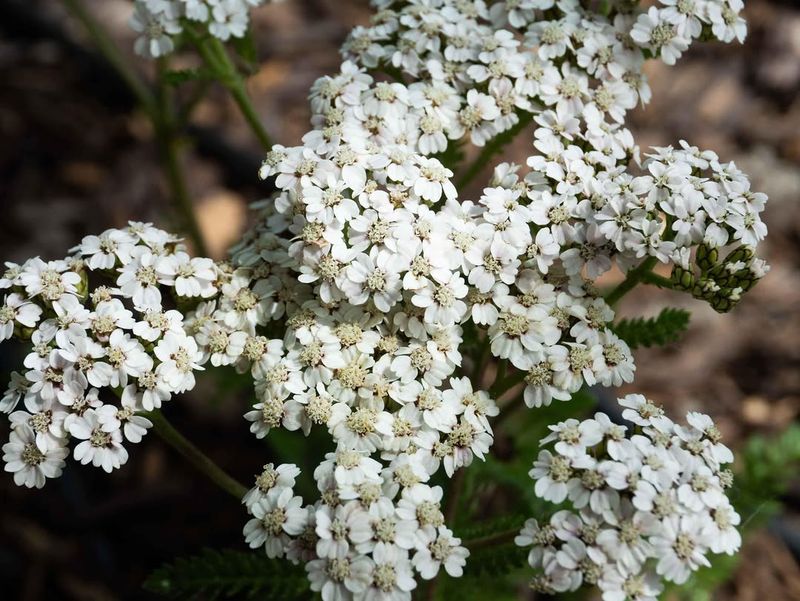
Yarrow has been growing in difficult conditions for so long that it almost seems offended by easy soil. It’s one of the most adaptable flowering perennials available to Eastern Oregon gardeners.
Rocky, nutrient-poor soil, extended drought, and relentless sun are not obstacles for this plant. They are familiar territory.
The flowers form flat-topped clusters packed with dozens of tiny individual blooms. Colors range from bright white and cream to yellow, pink, and deep red depending on the cultivar.
Plants bloom from late spring through midsummer, with a potential second flush when stems are cut back after the first bloom fades. The feathery, aromatic foliage stays attractive even between bloom cycles.
Yarrow spreads through both seeds and underground rhizomes, filling in bare patches efficiently over time.
That spreading habit makes it useful for erosion control on dry slopes, which is a common landscaping challenge across Eastern Oregon.
Plant in full sun and avoid fertilizer. Extra nutrition causes weak, floppy stems that cannot hold up through summer. Dividing clumps every three to four years keeps plants compact and productive.
Native bees and beneficial wasps visit yarrow blooms heavily throughout the season, bringing consistent pollinator activity to the garden.
Yarrow combines toughness, practicality, and genuine floral beauty in a way that very few perennials manage. It also spreads on its own, fills problem spots, and resists drought.
Basically, yarrow is doing more for your garden than you are. And it is completely fine with that arrangement.
5. Coreopsis
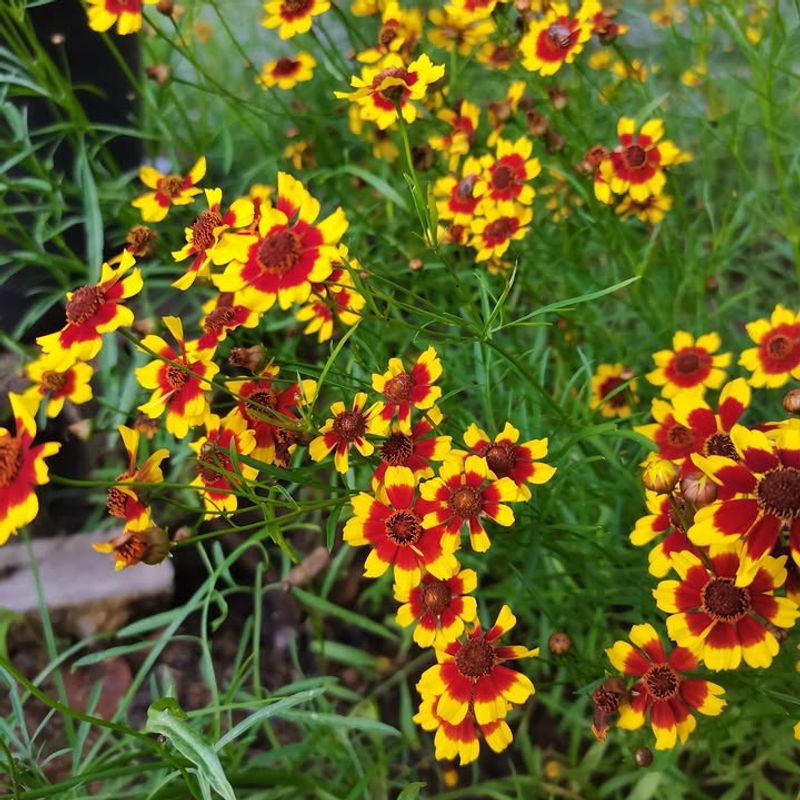
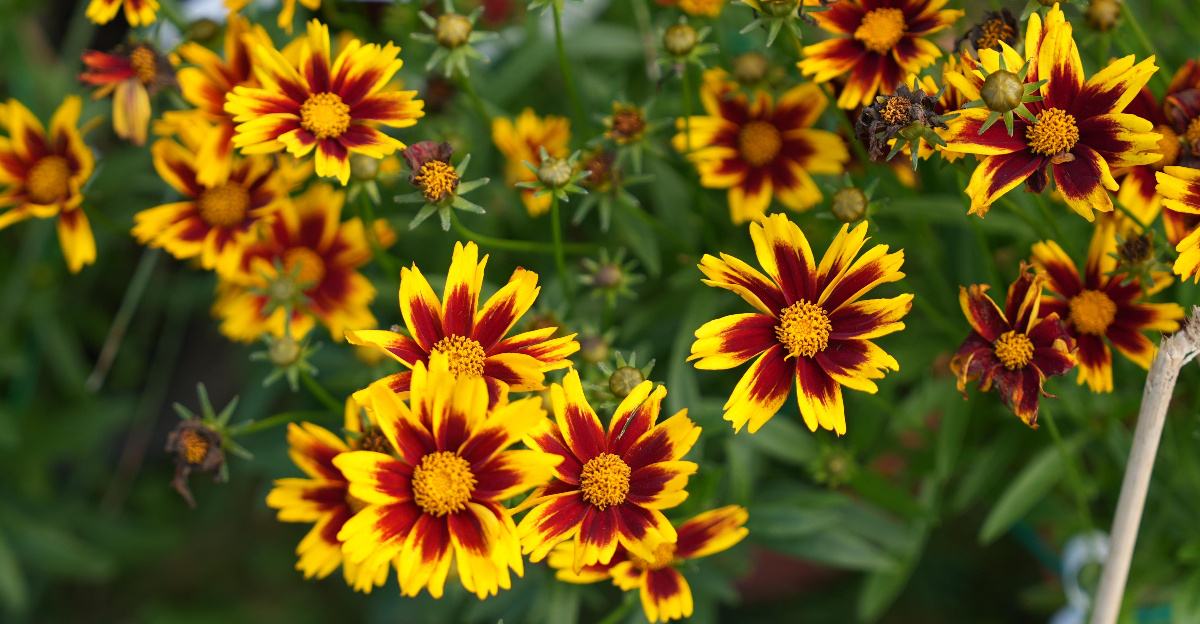
Some flowers look cheerful. Coreopsis looks relentlessly cheerful, even after three weeks without rain and temperatures pushing triple digits.
Known as tickseed, this sun-loving perennial delivers vivid yellow blooms from early summer well into fall. The color is consistent, the bloom period is impressively long, and the plant asks for very little in exchange for all of it.
The flowers are small and daisy-shaped, produced in generous clusters on wiry stems that move lightly in the breeze.
Coreopsis grandiflora and Coreopsis verticillata both handle Eastern Oregon’s heat and drought well. Plants typically reach eighteen to twenty-four inches tall and form tidy mounds that work nicely where water is limited.
With regular trimming, plants can flower from June through September in Eastern Oregon. That kind of stamina is genuinely rare among perennials in a high desert summer.
Even without trimming, coreopsis keeps producing new buds at a rate that maintains the display.
Plant in full sun with fast-draining soil. Sandy loam or amended rocky soil works best. Once established after the first growing season, supplemental irrigation becomes largely unnecessary.
A light trim in late summer removes spent stems and encourages a fresh flush of blooms before the first frost. Native bees visit consistently throughout the bloom season.
Yellow flowers from June through September with minimal watering. Coreopsis does not overthink it. Neither should you.
6. Sedum
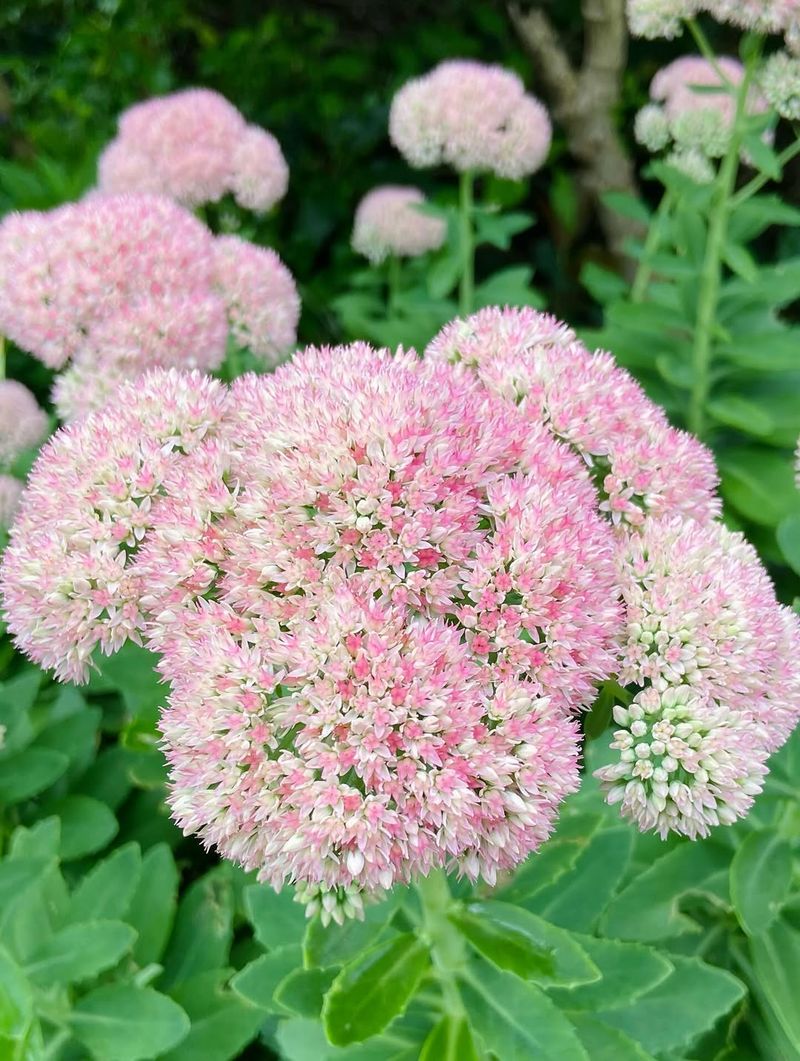
Sedum does not wait for good conditions. It stores water in its own leaves and arrives at the heat wave already prepared.
Also called stonecrop, sedum carries moisture in thick, fleshy foliage that keeps the plant functional through extended dry periods.
Sedum spurium, Sedum rupestre, and the taller Sedum spectabile all handle Eastern Oregon drought, rocky soil, and intense sun without visible difficulty.
The foliage alone earns sedum a place in the garden. Colors range from bright green and blue-green to deep burgundy and bronze, creating visual interest well before any flowers appear.
Blooms arrive in late summer and fall, forming dense, flat-topped clusters of tiny star-shaped flowers in shades of pink, red, white, and yellow.
Pollinators, particularly monarch butterflies and native bees, flock to sedum flowers in late season when other blooms are winding down.
That late-season timing makes sedum especially valuable in Eastern Oregon gardens where August and September can feel visually quiet.
Plant sedum in full sun with sandy, gravelly, or rocky soil. Poor drainage is the one condition sedum genuinely cannot tolerate. Once established in appropriate soil, supplemental irrigation becomes largely unnecessary.
Taller varieties benefit from being cut back by one-third in late spring to prevent flopping later. Ground cover types need almost no maintenance beyond removing old foliage in early spring.
Sedum shows up for the hottest part of the year fully hydrated and ready to perform. It basically came to summer with its own water bottle.
7. Rabbitbrush
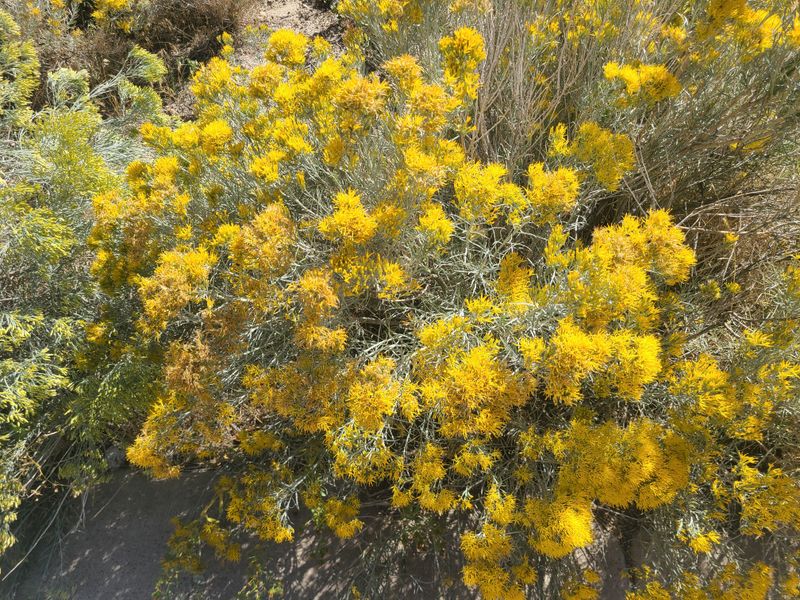
By late August, most of the garden has called it a season. Rabbitbrush is just getting started.
Ericameria nauseosa is a native high desert shrub that bursts into clusters of golden yellow flowers in late summer and early fall, right when the landscape needs color most.
Drive through any open rangeland in Eastern Oregon and you will spot it growing wild and completely unbothered.
That natural toughness translates directly into the garden. Dry, alkaline, or sandy soils are not problems for rabbitbrush. They are home. It thrives in full sun with excellent drainage and needs almost no supplemental water once established.
The plant grows three to five feet tall with a rounded, airy form and silvery-green foliage that releases a faintly resinous scent when brushed. That scent is distinctive and part of what makes it so recognizable in native plantings.
Late-season pollinators, including bees and butterflies, visit the flowers consistently at a time when other nectar sources are winding down. That timing makes rabbitbrush ecologically valuable beyond just its visual appeal.
Prune lightly in early spring before new growth emerges to keep the shape tidy. Overwatering is one of the few things that causes problems, so resist the urge to fuss over it.
Rabbitbrush pairs naturally with sagebrush, native grasses, and other high desert plants. It fills the late-season gap that most gardens completely ignore.
Late summer color with zero drama. Rabbitbrush has been nailing that combination on Eastern Oregon roadsides for centuries almost without any help from gardeners.
8. Russian Sage
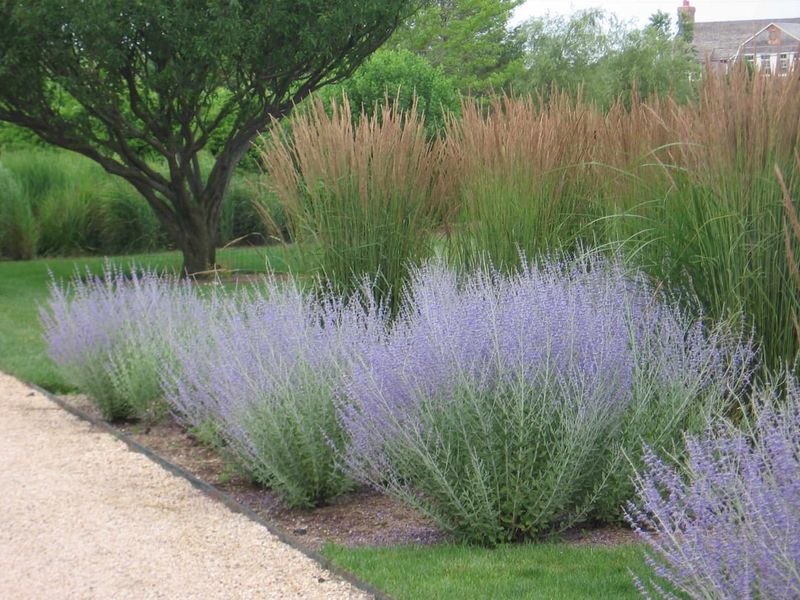
Russian sage does not ease into the garden. It glows.
Tall, branching spikes covered in tiny lavender-purple flowers rise above silvery-white stems from midsummer through fall.
In afternoon light, the whole plant takes on an almost luminous quality that is genuinely difficult to replicate with any other perennial.
Worth noting upfront: Russian sage is not native to Oregon. It comes from Central Asia. But it performs beautifully in Eastern Oregon’s hot, dry inland conditions and handles the high desert climate as comfortably as anything native.
It needs full sun and excellent drainage. Heavy clay or poor air circulation causes stem problems over time, so placement matters. Once established, it rarely needs supplemental water during dry summers.
Bees and butterflies visit the flowers regularly throughout the blooming season. The silvery stems add structural interest even after flowering ends, extending the plant’s visual value well into fall.
Cut it back hard in early spring before new growth begins. That keeps it from becoming woody and encourages fresh, upright stems each season. Old, sprawling growth loses the plant’s naturally elegant form quickly.
The cool purple tones pair beautifully with the warm golds of rabbitbrush or the fiery reds of gaillardia nearby. That contrast is one of the more striking combinations available in a late summer Eastern Oregon garden.
Lavender-purple flowers from July through October on a plant that asks for dry soil and neglect. Eastern Oregon basically wrote that job description.