The North Dakota Lawn Truth That Changes Everything About How You Water
Your lawn turns brown one morning and something inside you shifts immediately. Without thinking, you reach for the hose and start soaking everything in sight.
It feels responsible, even urgent, like the right thing to do. In North Dakota, that moment is where most yards quietly go wrong.
The ground here has its own logic, shaped by seasons and soil that behave nothing like you expect.
What if the water you are pouring is making things harder, not easier? Most homeowners never stop to question it, so the cycle continues year after year.
North Dakota summers test your instincts in ways that catch even experienced gardeners completely off guard. Push against that soil the wrong way and it stops working with you altogether.
Every choice you make out there carries more weight than it appears. Your neighbors are still guessing their way through it. You are about to stop.
Brown Grass Is Dormant, Not Gone
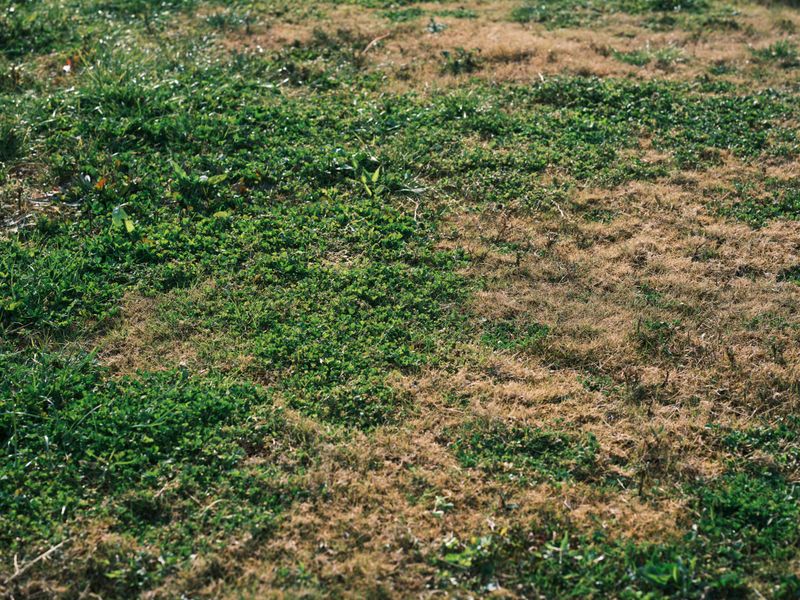
Your lawn looks gone, but it is running a survival response. Brown grass in summer is almost always dormant, not lost for good.
Dormancy is a built-in stress response that cool-season grasses use when heat and drought hit hard. The blades turn tan and crispy, but the crown, which is the base of the plant, stays alive underground.
Think of it like a bear hibernating through winter. The bear is not gone, it is just waiting for better conditions to wake up again.
North Dakota lawns, especially those with Kentucky bluegrass or fescue, are built for this exact cycle. They can handle six weeks of dormancy without permanent harm in most cases.
The mistake most people make is panicking and overwatering a dormant lawn. That sudden flood of moisture can stress the grass and create conditions favorable to fungal disease over time.
A light half-inch watering every two to three weeks during dormancy is enough to keep crowns alive. You are not trying to wake the lawn up, just keeping it on life support.
Once cooler temps and rain return, your yard will bounce back greener than ever. Trust the process and put the hose down for now.
Fertilizing A Dry Lawn Makes Drought Stress Worse
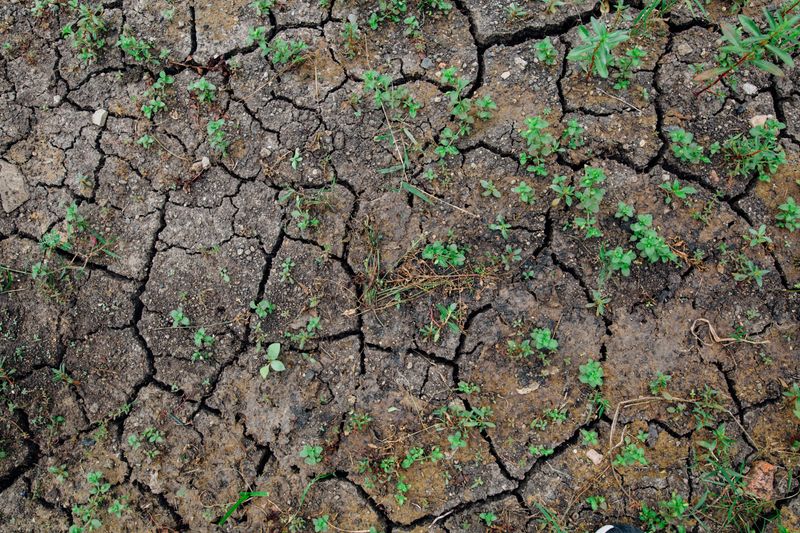
Grabbing a bag of fertilizer when your lawn looks rough feels like the right move. But on a drought-stressed lawn, that choice can seriously backfire.
Fertilizer pushes grass to grow fast and produce new tissue. New tissue needs water, and lots of it, to stay alive and green.
When the soil is already dry, that fertilizer demand creates a stress spiral. The grass tries to grow, cannot find enough moisture, and ends up more stressed than before.
Nitrogen especially makes this worse because it pulls water out of plant cells through a process called osmotic stress. The result is scorched tips, brown patches, and a lawn that looks worse than it did before.
North Dakota summers can swing between wet and dry fast, so timing your fertilizer applications matters a lot. Aim for early fall or late spring when soil moisture is reliable.
A soil test from your local extension office can tell you exactly what your lawn needs and when. Guessing with fertilizer is an expensive habit that rarely pays off.
Skip the summer feeding and focus on watering correctly instead. A well-watered lawn without fertilizer will always outperform a fertilized lawn without enough water.
Rainwater Works Better Than Tap Water On North Dakota’s Alkaline Soil
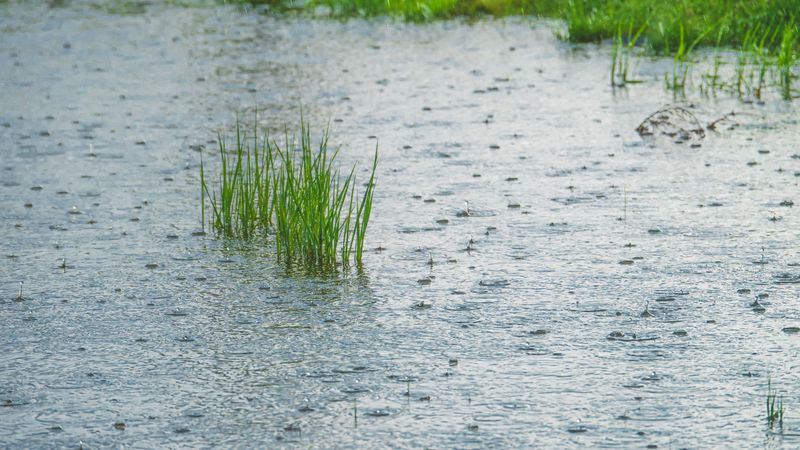
Tap water in many parts of North Dakota tends to be hard and alkaline, though levels vary depending on your municipality. Over time, that chemistry changes your soil in ways that make it harder for grass to absorb nutrients.
Rainwater is naturally slightly acidic, which helps balance alkaline soil. It helps unlock nutrients that were already present but harder for roots to access through tap water alone.
Collected rainwater also lacks chlorine and fluoride, which are added to municipal supplies. Those additives are fine for humans but can stress soil microbes that help grass roots thrive.
Setting up a simple rain barrel is one of the easiest upgrades a North Dakota homeowner can make. Even a basic 50-gallon barrel connected to a downspout can capture enough water to make a real difference during dry stretches.
Use that collected rainwater on your most stressed areas first, like thin patches or spots near concrete where soil tends to get extra alkaline. You will notice the difference within a few weeks.
Some cities offer rebates for rain barrel installations, so check with your local municipality before buying. Saving money while improving your lawn is always a win worth chasing.
Mow High And Leave Clippings To Shade The Soil

Most people mow their lawns short because it looks neat and tidy. But cutting grass too low in summer is one of the fastest ways to dry out your soil and stress your turf.
Taller grass blades create shade over the soil surface, which keeps moisture from evaporating as quickly in the heat. More moisture in the soil means your grass needs less water overall.
For North Dakota lawns, setting your mower deck to three or even three-and-a-half inches during summer is a smart move. T
hat extra height makes a measurable difference in how long your soil stays moist after watering.
Leaving clippings on the lawn after mowing adds another layer of benefit. Those clippings act like a thin mulch layer, slowing evaporation and returning nitrogen back to the soil as they break down.
Clippings from a healthy lawn will not cause thatch buildup if you mow regularly and never remove more than one-third of the blade at once.
That one-third rule is a widely recommended guideline for lawn health across all seasons. A sharp mower blade also matters more than most people realize.
Dull blades tear grass instead of cutting it cleanly, leaving ragged edges that lose moisture faster and invite disease. Mow high, mow sharp, and let those clippings work for you.
Water Trees First, Garden Second, Lawn Last
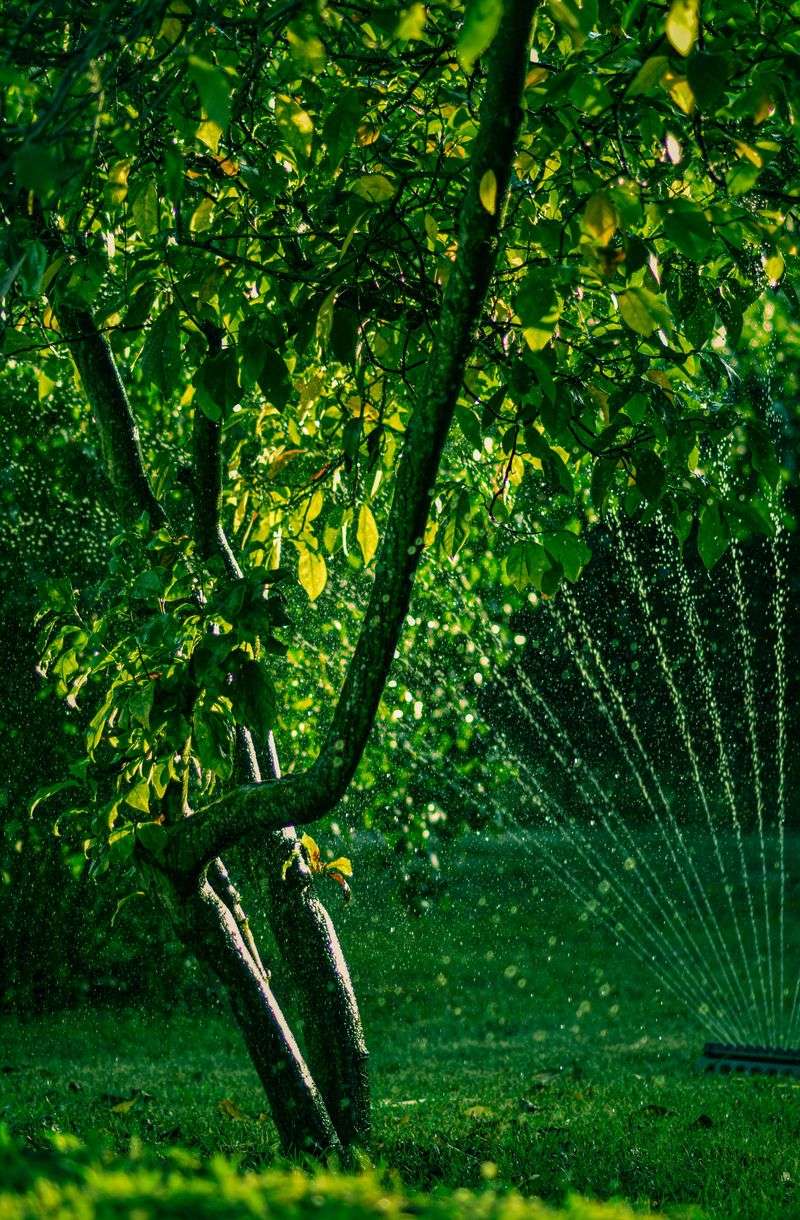
When water is limited, where you put it first matters more than how much you use. Prioritizing the wrong plants during a dry stretch can cost you years of growth and hundreds of dollars.
Trees should always get your first attention during drought. A mature tree that took twenty years to grow can be significantly weakened by a single dry summer without adequate water, and recovery can take several seasons.
Garden plants like tomatoes and perennials come next because they are actively producing and have shallow root systems that dry out quickly. A wilted tomato plant bounces back fast with water, but a stressed tree may not show signs until the following season.
Your lawn is last on the priority list because grass is the most resilient of the three. It can go dormant, survive, and recover when conditions improve.
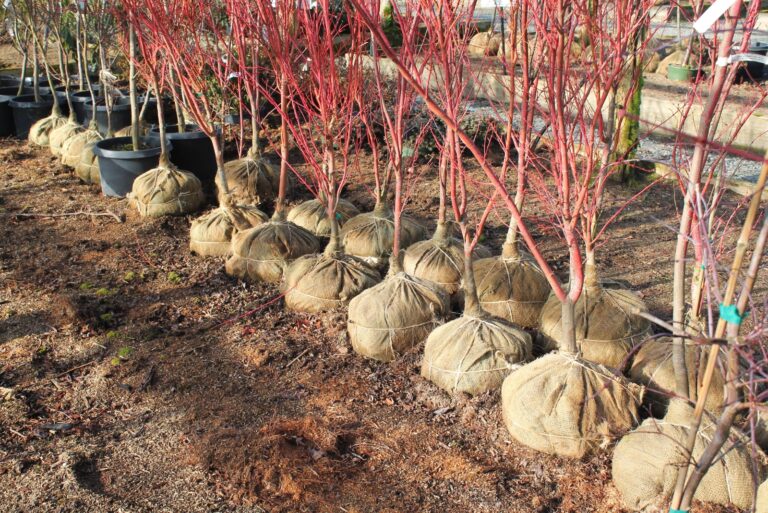
Watering trees means soaking the soil slowly and deeply out to the drip line, which is the edge of the canopy.
A slow trickle for an hour beats a fast spray for five minutes every single time. For gardens, a soaker hose laid at the base of plants keeps water exactly where roots need it.
This approach cuts water waste dramatically compared to overhead sprinklers. Protect your biggest investments first, and your lawn will forgive you later.
Breaking Dormancy Mid-Drought Drains The Plant
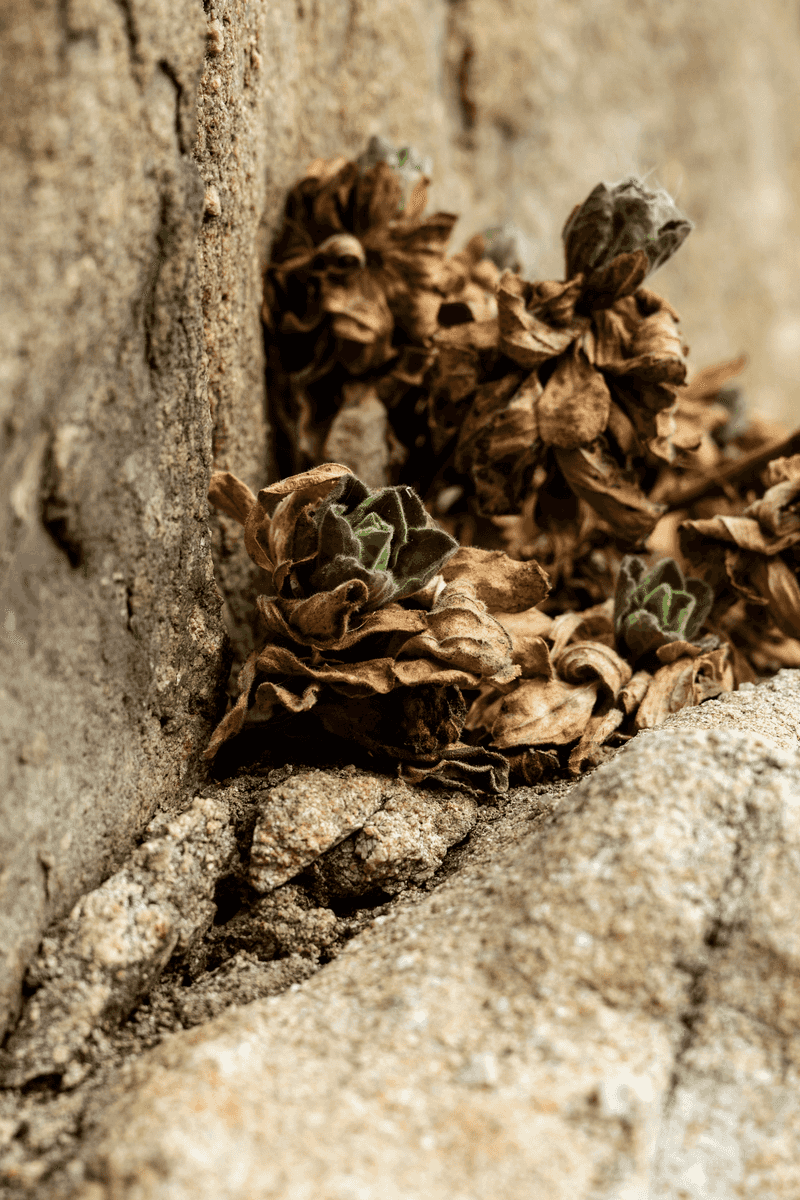
Imagine waking from a deep sleep and finding nothing to eat or drink anywhere. That is exactly what happens when you force dormant grass to wake up mid-drought.
When you water heavily after weeks of dryness, the grass responds by sending up new green shoots. Those new shoots are soft, tender, and entirely dependent on consistent moisture.
If that moisture stops, which it will during a drought, those new shoots collapse faster than the dormant blades ever would have. You have now depleted the plant’s stored energy reserves for nothing.
Breaking dormancy and then stopping water is one of the most damaging cycles a lawn can go through.
It weakens the crown, depletes root carbohydrates, and leaves the grass more vulnerable than before you started. The smarter choice is to commit to one strategy and stick with it.
Either maintain light dormancy watering every two to three weeks, or commit to full irrigation at one inch per week without interruption.
Inconsistent watering works against a healthy lawn. Choosing one clear path and staying consistent gives your grass the best chance of surviving the season intact.
Your lawn will reward commitment far more than it rewards good intentions with poor follow-through.
Clay Soil Absorbs Water Better With A Cycle-And-Soak Method
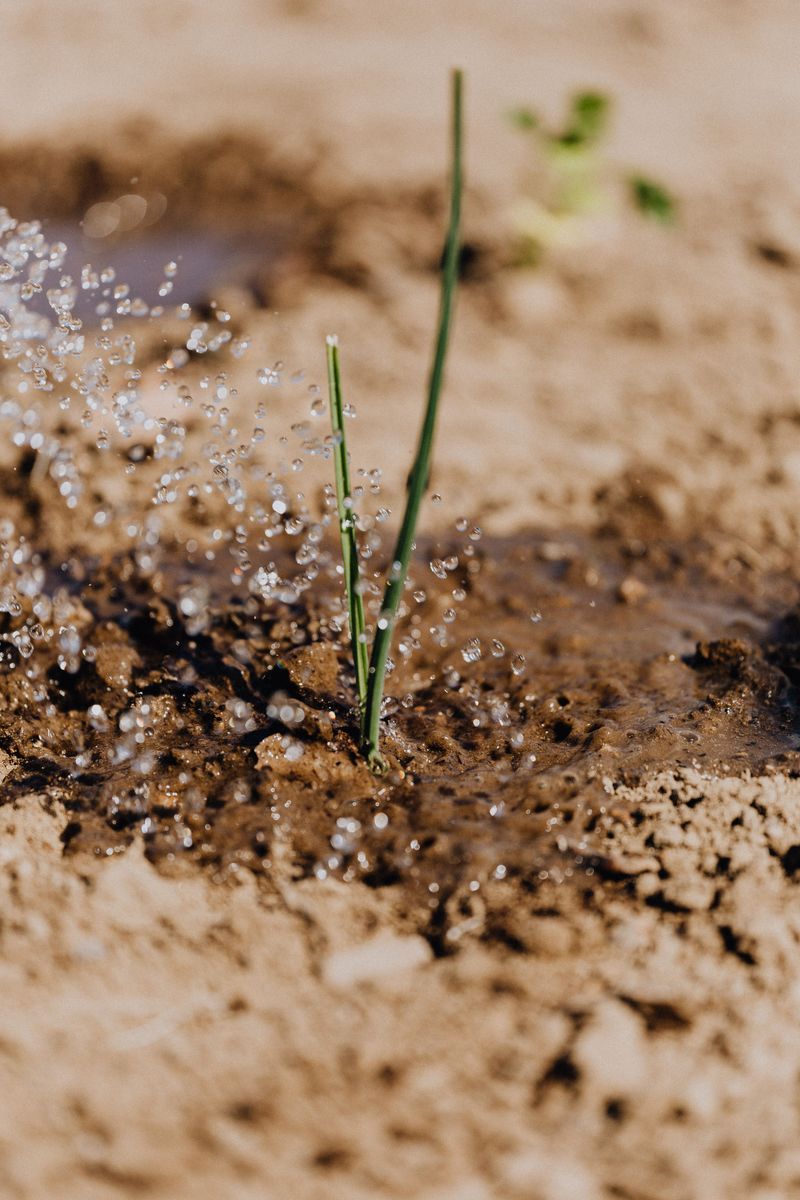
Clay soil is one of the most misunderstood challenges in North Dakota lawn care. It looks like it absorbs water fine, but it is actually sending most of it sideways or straight to runoff before roots ever see it.
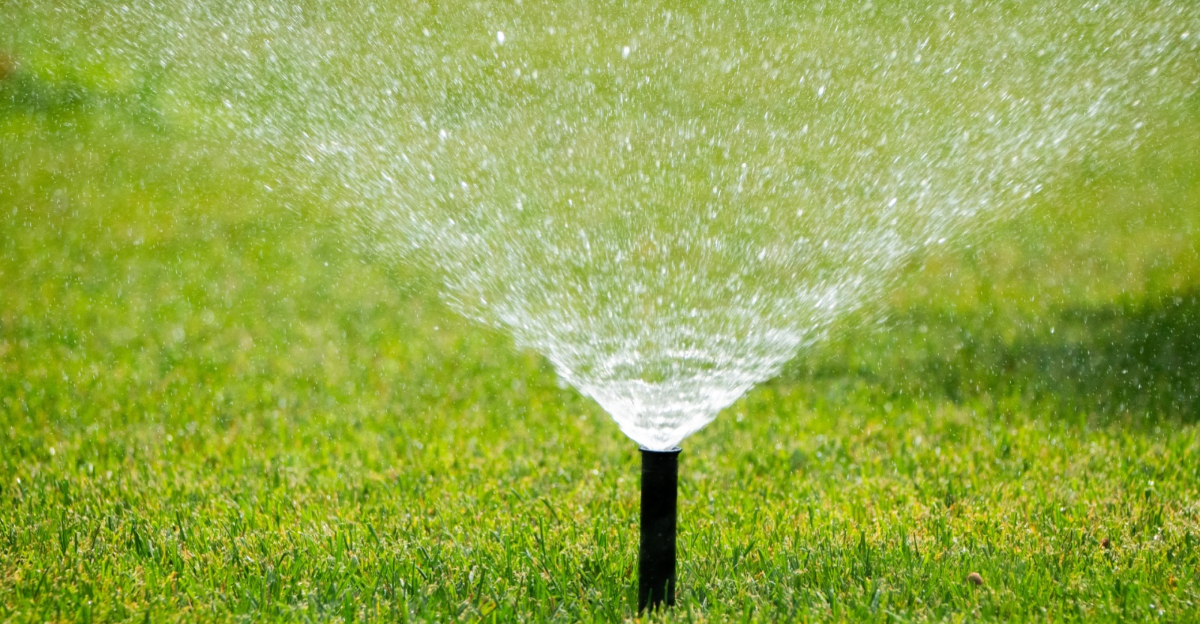
The key to watering clay correctly is the cycle-and-soak method, which means running your sprinkler for short bursts with breaks in between.
A ten-minute run followed by a twenty-minute pause lets water soak in before the next round begins.
Doing three short cycles instead of one long run can significantly increase the amount of water that actually reaches the root zone.
That is not a small gain, it is a meaningful improvement in how effectively you water your North Dakota lawn.
Infrequent but deep watering also trains roots to grow downward instead of staying shallow.
Deep roots find moisture further underground, which means your lawn handles dry spells much better on its own. Aim for watering once or twice a week instead of a little bit every day.
Daily shallow watering keeps roots near the surface where heat and wind dry them out fastest. A screwdriver test can tell you how deep your water is reaching.
Push a long screwdriver into the soil after watering, and it should slide in easily to about six inches if you are hitting the right depth. Slow down, space it out, and let that clay do its job right.