This Is Why Red-Tailed Hawks Keep Appearing In Your North Dakota Yard
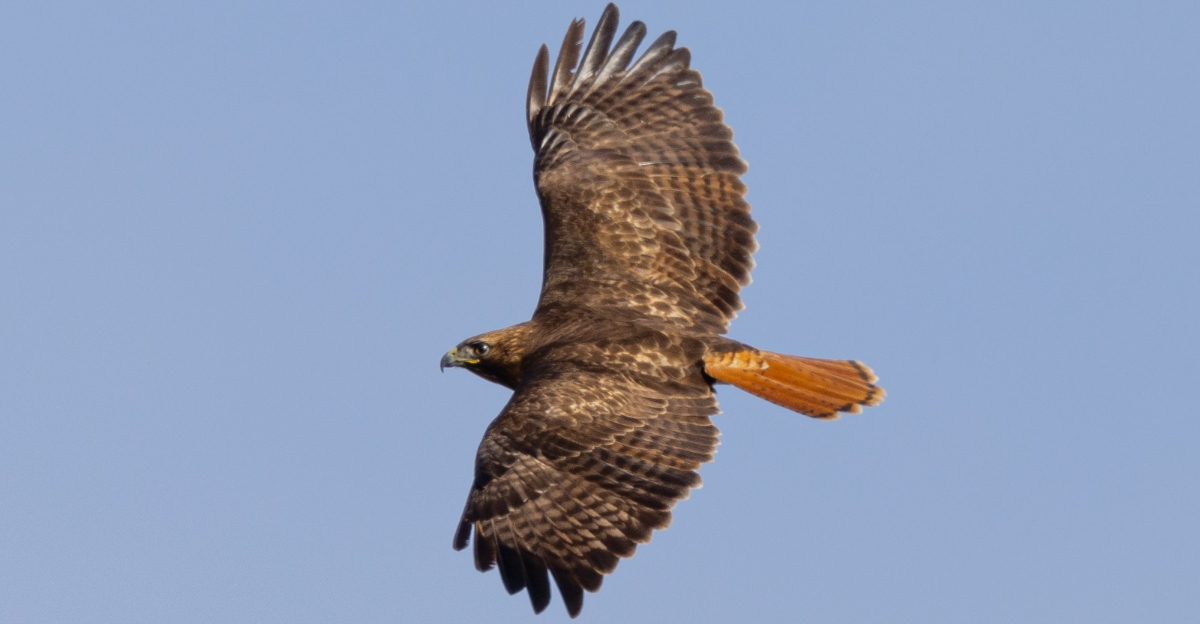
North Dakota yards are some of the most visited hunting grounds these birds return to season after season.
Your yard is sending out a signal so precise, so consistent, that this bird has circled back without hesitation.
Why your yard, though? Why not your neighbor’s? Nothing about this visit is accidental. Patterns this deliberate always have a source.
Your property has earned this attention in ways you haven’t noticed yet. Invisible to you, obvious to the hawk. Every return visit is a confirmation.
Something out there keeps passing the test. North Dakota’s landscape does not forgive a hawk that ignores a reliable signal.
Once you understand what that test measures, your entire yard shifts in meaning. You’re not just watching a hawk. The hawk has been watching you figure it out.
1. Rodent Populations Are High Nearby
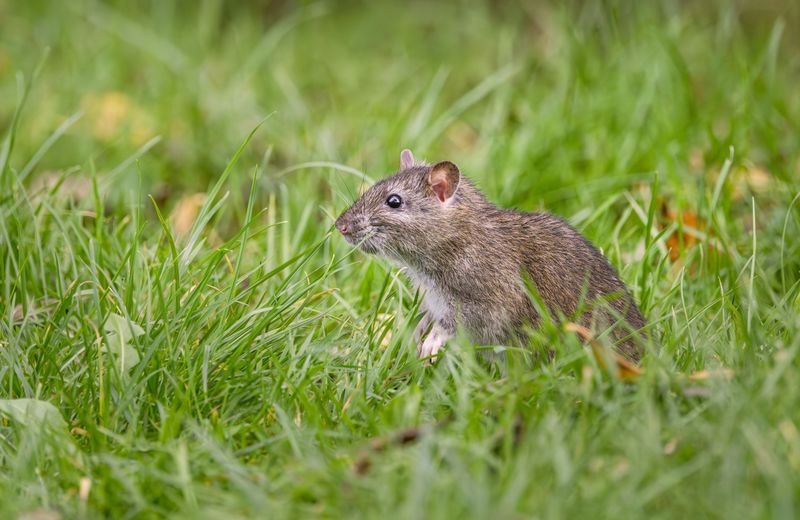
Your yard may be offering a surprisingly reliable food source. Red-tailed hawks have eyesight sharp enough to spot a mouse from 100 feet up.
North Dakota’s mix of open fields and residential neighborhoods creates ideal conditions for exactly this kind of hunting behavior.
When rodent activity spikes in a neighborhood, hawks notice fast. Mice, voles, and rats leave scent trails and movement patterns that are practically neon signs to a hunting raptor.
If you have bird feeders, compost bins, or dense ground cover, those spots attract small mammals. Rodents love the shelter and food scraps that come with a lived-in yard.
Hawks patrol areas where prey is reliable. Once one bird finds your yard productive, it keeps coming back like a regular at a favorite diner.
Checking for signs of rodent activity is a smart first step. Look for droppings near woodpiles, chewed plant stems, or small runways in tall grass.
Reducing rodent habitat can shift hawk visits, but many North Dakota homeowners actually prefer letting nature handle it. A hunting hawk in your yard means fewer mice in your garage.
Watching a red-tailed hawk make a successful strike is one of the most dramatic wildlife events a backyard can offer.
These birds are incredibly efficient hunters, and in North Dakota, your yard sits squarely in some of their most productive hunting ground.
2. Your Yard Offers Healthy Open Habitat
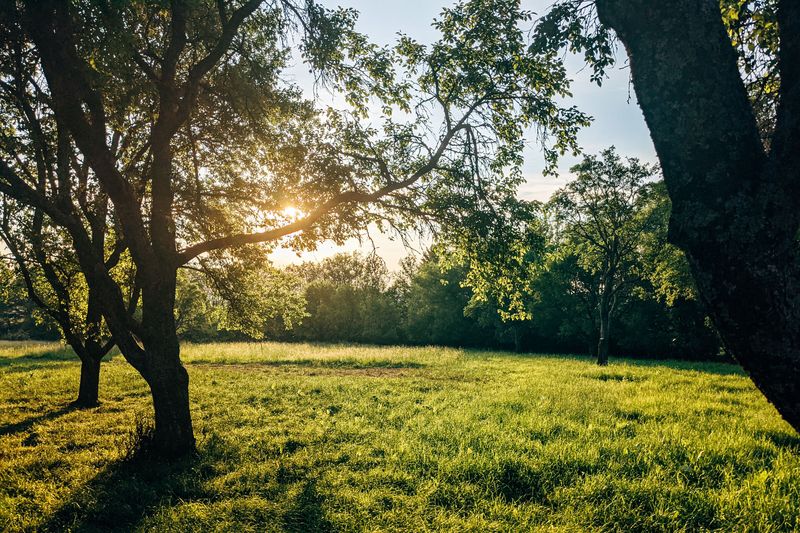
Open space is prime real estate for a hawk. Red-tailed hawks prefer hunting in areas where they can see the ground clearly without obstruction.
Dense forest interiors rarely attract them. Instead, they thrive along forest edges, open fields, and yes, suburban yards with manicured lawns.
Your mowed grass acts like a hunting ground that removes hiding spots for prey. A mouse crossing a short lawn has almost nowhere to go when a hawk locks onto it from above.
Hawks need clear flight paths to swoop down quickly. Yards with minimal overhead clutter, like tangled tree canopies, give them the aerial freedom to strike with precision.
Suburban neighborhoods often create the perfect patchwork of open lawn and scattered trees. That combination mimics the natural edge habitats where red-tailed hawks evolved to hunt.
If your yard has a mix of open grass and a few tall trees, you have built an ideal hawk environment without even trying. Many homeowners are surprised to learn their landscaping choices matter to wildlife this way.
Appreciating your yard as a habitat is a perspective shift worth making. Your property is part of a larger ecosystem, and red-tailed hawks are voting with their wings that yours is a good one.
3. The Local Ecosystem Is Well-Balanced
Hawks showing up regularly is actually a sign of something good. A thriving predator presence signals that the food chain beneath it is healthy and intact.
Red-tailed hawks sit near the top of the local food web. When they appear consistently, it means the layers below them, insects, small mammals, and songbirds, are all doing well enough to support a top predator.
Think of it like a restaurant review. A hawk choosing your yard says the neighborhood menu is excellent and dependable.
Healthy ecosystems tend to have diverse plant life, clean water sources, and minimal pesticide use. Yards that avoid heavy chemical treatments tend to support more wildlife at every level.
If your neighbors also maintain naturalistic gardens, the collective habitat gets even stronger. Hawks do not care about property lines, so a block-wide healthy landscape is a major draw.
Noticing which other animals share your space gives you clues about ecosystem health. Songbirds, squirrels, and even certain insects are all part of the picture that attracts red-tailed hawks.
Seeing a hawk in your yard is a quiet environmental report card. It says your corner of the world still supports the kind of wild balance that keeps nature working properly.
4. Nesting Season Has Begun
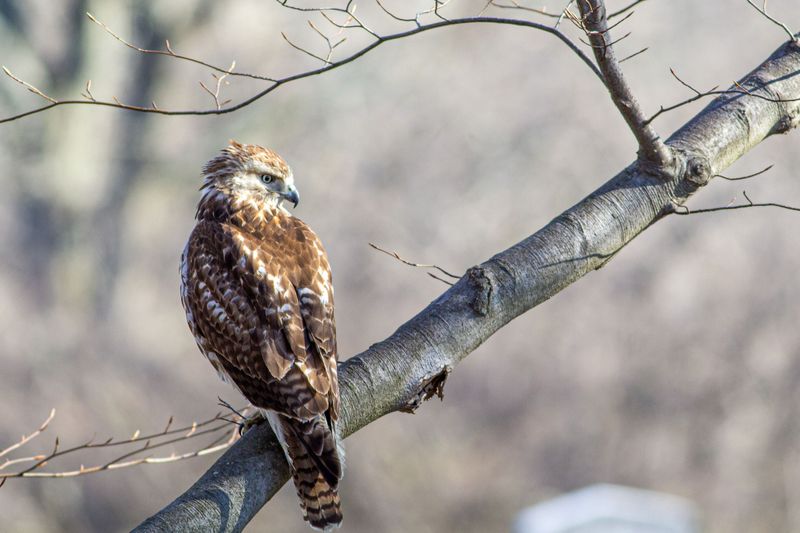
Spring changes everything for a red-tailed hawk. Between February and June, these birds shift from casual visitors to intensely territorial residents focused on raising young.
North Dakota’s long open winters make this seasonal shift especially dramatic, as hawks that wintered nearby suddenly become a constant, vocal presence.
A hawk that seemed to drop by occasionally may suddenly appear every single day. That shift often signals that a nesting pair has chosen a tree near your property as their seasonal home.
Red-tailed hawks build large stick nests, sometimes three feet wide, in tall trees or on elevated structures. If there is a mature tree in or near your yard, it could be hosting a family you did not know about.
During nesting season, adults hunt more aggressively to feed their chicks. Your yard becomes a critical food source, and visits grow more frequent and purposeful.
You might also notice the hawks calling more often. That loud, piercing cry is a territorial announcement telling other raptors to stay away. Across North Dakota, that sound becomes one of the defining signals of spring.
Watching a nesting pair raise young is a genuinely rewarding experience. Many homeowners who discover a nest nearby become dedicated observers for the entire season.
Red-tailed hawks are protected under the Migratory Bird Treaty Act of 1918, covering the United States, Canada, Mexico, Japan, and Russia.
For North Dakota residents, that means watching from a respectful distance and appreciating everything their presence represents.
5. Small Prey Are Active In Your Area
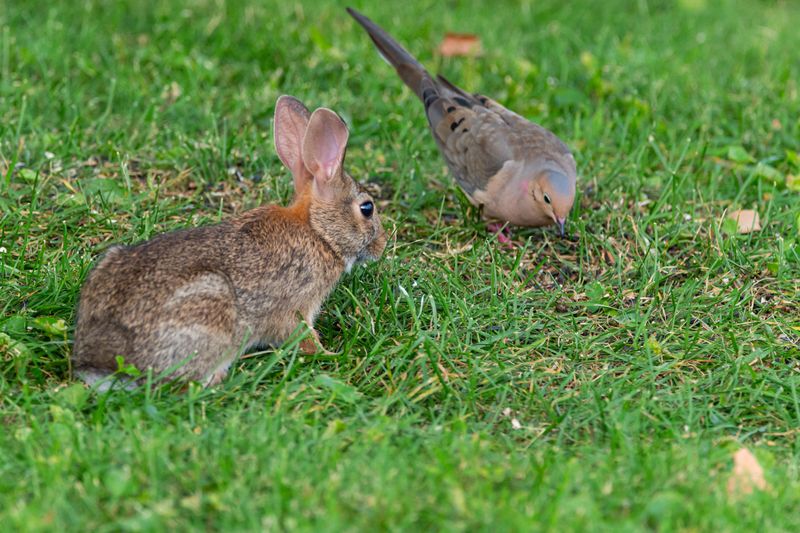
Timing matters in the hawk world. Small prey animals like voles, shrews, and young rabbits have predictable activity peaks, and red-tailed hawks know exactly when to show up.
Early morning and late afternoon are peak hunting windows. During those hours, small mammals are most active, and a sharp-eyed hawk overhead has the best odds of a successful strike.
Seasonal shifts also matter. Spring brings juvenile animals that are slower and less experienced at avoiding predators.
That surge in available prey pulls hawks into neighborhoods where food is suddenly abundant.
If your yard has gardens, compost areas, or dense brush borders, you are likely hosting more small prey than you realize. Those spots are essentially grocery stores for hawks.
Bird feeders also play a role. Spilled seed attracts mice and sparrows, which in turn attract hawks looking for a quick and easy meal.
Watching a red-tailed hawk hunt in real time teaches you a lot about animal behavior. The patience these birds show before striking is remarkable, sometimes waiting motionless for several minutes.
Your yard becomes an active hunting ground when prey is plentiful. Red-tailed hawks appearing regularly means the cast of characters below them is very much alive and active.
6. Tall Perches Nearby Make Ideal Hunting Posts
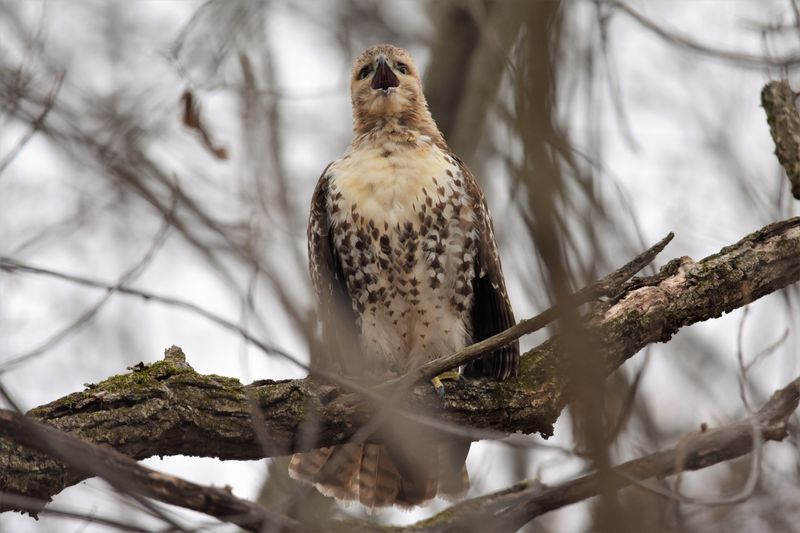
Hawks are strategic about where they sit. A high perch gives them a wide view of the ground, and your yard may be sitting right below one of their favorite spots.
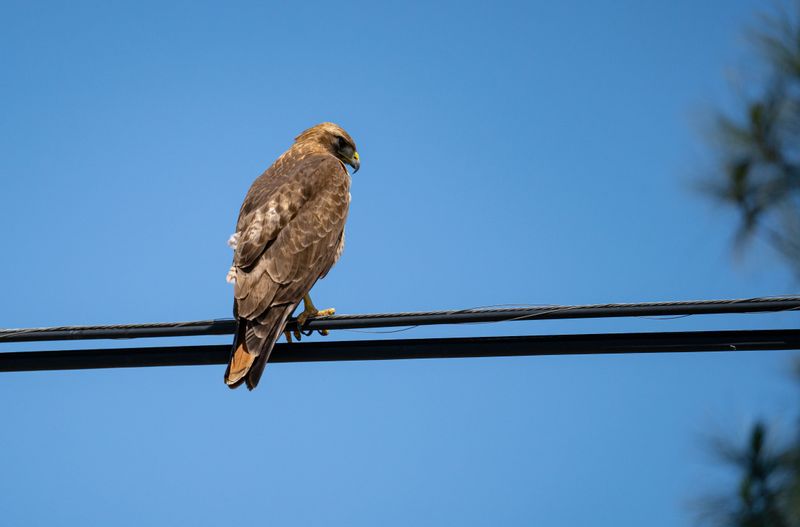
Utility poles, tall oaks, rooftops, and fence posts all serve as launch pads for hunting red-tailed hawks. Any elevated structure with a clear sightline to open ground is potential hawk territory.
Once a hawk claims a perch, it tends to return to the same spot repeatedly. If you keep seeing a hawk in the same location, that bird has designated your yard as part of its regular hunting circuit.
The height of the perch matters too. Taller structures give hawks more reaction time to spot and intercept fast-moving prey before it disappears into cover.
In neighborhoods with mature trees and utility infrastructure, hawks have no shortage of good lookout points. Urban and suburban areas have actually created more perching options than many natural landscapes.
Positioning a lawn chair near a window gives you a front-row seat to watch perching behavior. These birds often sit completely still for long stretches, which makes them easier to observe and photograph.
A hawk on your fence post is not just resting. It is working, and your yard is the job site it keeps choosing to clock in at.
7. Wild Corridors In The Landscape Remain Intact
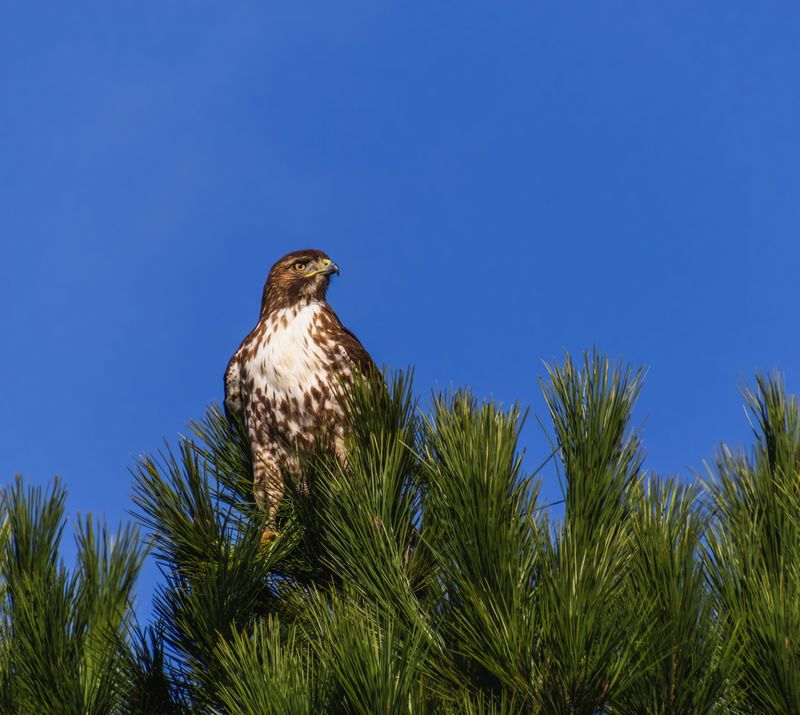
Hawks do not live in isolation. They move through connected patches of habitat called wildlife corridors, and your yard may sit directly along one of these invisible highways.
When green spaces link parks, stream banks, and wooded lots across a neighborhood, animals can travel safely between them. Red-tailed hawks use these corridors to expand their hunting range without crossing long stretches of pavement.
North Dakota’s shelter belt networks and river systems make those corridors unusually reliable for traveling raptors.
A yard with mature trees, hedgerows, or naturalistic plantings acts as a stepping stone in this network. Even a modest green space can serve as a critical link between larger habitat patches nearby.
Cities and suburbs that preserve tree canopy and natural drainage areas tend to support more wildlife overall. Hawks are one of the most visible signs that those corridors are functioning well.
If your neighborhood has a creek, a park, or even a row of old trees along the street, those features likely feed into a corridor that hawks travel regularly. Your yard could be a key waypoint on that route.
Supporting corridor health is as simple as planting native trees or leaving leaf litter in garden beds. Small choices add up to meaningful habitat across an entire block.
Red-tailed hawks appearing in your yard means the wild world still has a thread running through your neighborhood.
North Dakota has kept that thread alive for generations. That thread is worth protecting with every native plant you put in the ground.
8. Minimal Pesticide Use Keeps The Food Chain Clean
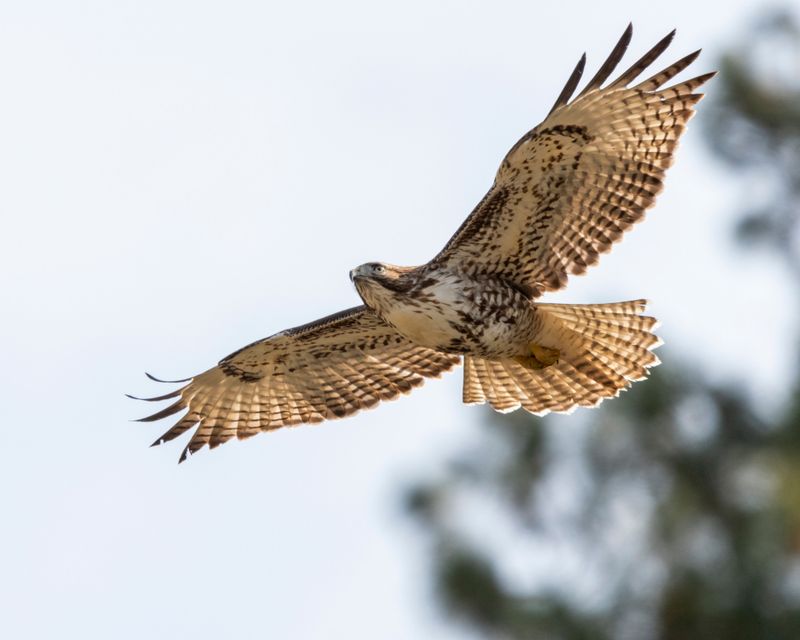
Chemical-free yards speak a language hawks understand immediately. Red-tailed hawks are sensitive indicators of pesticide load in a landscape, and they avoid areas where the food chain has been quietly poisoned.
When rodents and small birds consume pesticide-treated insects or contaminated grain, those toxins concentrate as they move up the food chain.
A hawk that regularly eats compromised prey accumulates those chemicals in dangerous amounts, a process called bioaccumulation that has devastated raptor populations across North America.
Your yard, if relatively free of heavy pesticide use, offers something increasingly rare: clean prey.
North Dakota’s agricultural surroundings mean that chemical-free residential yards stand out sharply against the broader landscape.
A hawk that has learned which territories offer uncontaminated hunting grounds will return to those spots with loyalty that looks almost deliberate.
Lawns managed without synthetic rodenticides are especially valuable. Lawns managed without synthetic rodenticides are especially valuable.
Poison bait stations work on rodents slowly, leaving them weakened and easy to catch in their final hours. A hawk that catches one of those animals pays a serious price.
A hawk that catches one of those animals pays a serious price. Organic mulch, native plantings, and natural pest management all contribute to a yard that hawks can safely hunt in season after season.
You may never have thought of your gardening choices as raptor conservation. But every season you skip the chemical treatments, you are essentially posting a welcome sign that a red-tailed hawk can read from a hundred feet in the air.
Clean yards attract clean hunters. North Dakota’s hawks have learned exactly which properties earn that trust.