These Arizona Native Plants Look Their Best During Monsoon Season
Not every plant reaches its peak during the driest part of the year. Some seem content to wait.
They get through the long stretch of heat and sunshine, then suddenly become much more noticeable once summer weather begins to shift.
That transformation can make a landscape feel completely different without adding a single new plant.
Many homeowners spend months focusing on watering schedules, shade, and keeping plants looking presentable through the toughest conditions. Then monsoon season arrives and certain parts of the landscape seem to wake up almost overnight.
Fresh growth appears, flowers become more abundant, and colors start standing out in ways they did not earlier in the season.
Arizona is home to many native plants that respond beautifully to monsoon conditions. Some put on their most impressive floral display.
Others develop fuller growth and richer color. A few may surprise homeowners who never realized how dramatic the seasonal change could be.
1. Desert Willow Puts On A Bigger Show During Monsoon Season
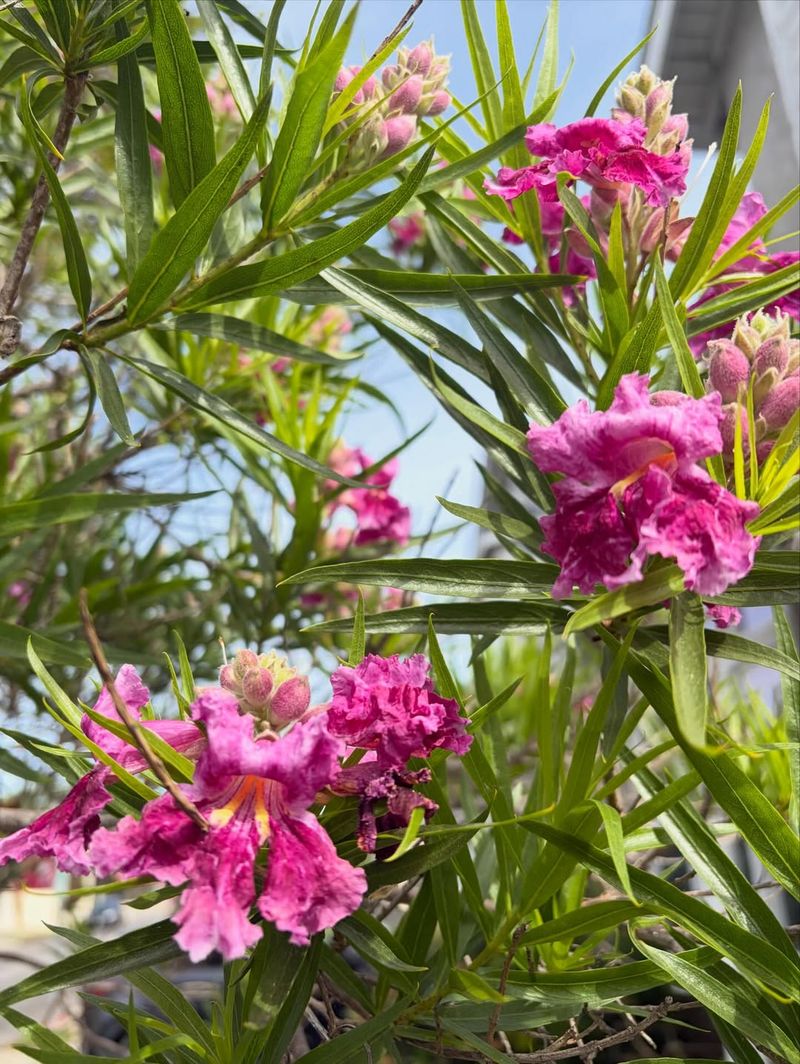
Few trees flip the switch as fast as desert willow when monsoon moisture hits. Before the rains, it can look almost bare.
After a few good storms, it erupts with clusters of trumpet-shaped flowers in shades of pink, purple, and white.
Blooms keep coming in waves throughout the entire monsoon season. Each rainstorm tends to trigger a fresh round of flowering, which means the show lasts longer than most people expect.
Hummingbirds and bees zero in on those blooms almost immediately.
Desert willow thrives in washes and low spots where water collects after storms. Planting it in a spot with natural water flow gives it the best chance to perform.
In yards across Tucson and Phoenix, it earns its place fast once the summer rains begin.
Pruning is rarely needed during the growing season. Let the tree do its thing and it rewards you with months of color.
Growth can be surprisingly fast when rainfall is steady and temperatures stay warm overnight.
One thing worth knowing: desert willow is not a true willow. It belongs to a completely different plant family.
The long, narrow leaves create the willow-like look, but the flowers give away its unique desert identity every monsoon season.
Another reason desert willow stands out during monsoon season is how quickly it responds to rainfall, often putting on noticeable new growth within days of a good summer storm.
2. Chuparosa Responds Well To Summer Moisture
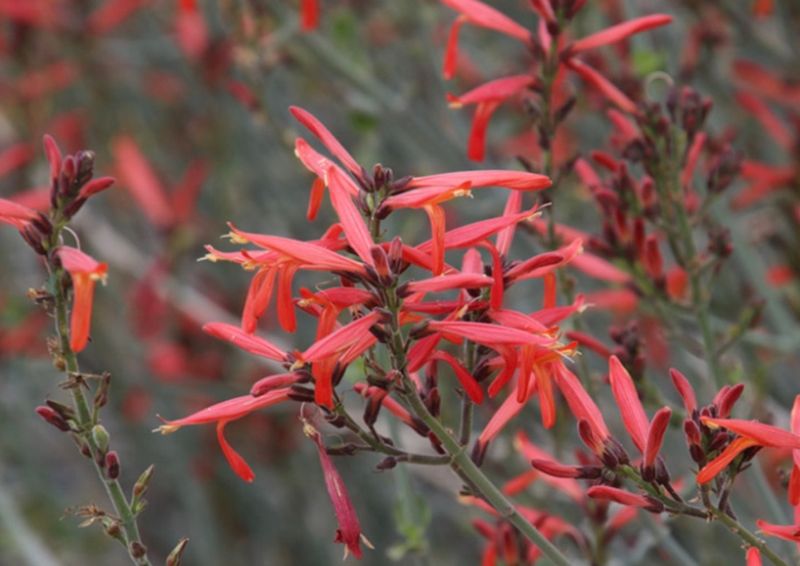
Chuparosa earns its name honestly. In Spanish, chuparosa means hummingbird, and that is exactly who shows up every time this shrub blooms.
Monsoon moisture pushes it into overdrive, and hummingbirds follow close behind.
Bright red tubular flowers cover the plant in dense clusters during peak monsoon weeks. Stems stay green even when leaves drop in dry spells, so the plant always looks alive.
Once summer rains kick in consistently, leaf coverage thickens up fast.
Growth stays compact and manageable in most garden settings. Mature plants can spread a few feet wide, but they rarely get out of hand.
Your Arizona Garden Changes Every Week. Your Plan Should Too.
Gardening in Arizona changes quickly throughout the season. Every Friday you’ll receive a simple weekly plan showing exactly what to plant, prune, fertilize, harvest, and protect so you never miss the right timing.
Regular monsoon rainfall is usually enough to sustain strong growth without extra irrigation.
Chuparosa handles rocky, well-draining soil without complaint. It does not need rich or amended ground to perform well.
Planting it in a spot that gets some afternoon shade can help reduce stress during the hottest stretches between storm systems.
Beyond hummingbirds, native bees and butterflies visit the flowers regularly. Planting chuparosa near a patio or window gives you a front-row seat to the action.
Watching the wildlife traffic pick up after a monsoon storm is genuinely one of the better perks of desert gardening in the Southwest.
Chuparosa is also one of the few native desert shrubs that can provide flowers during multiple seasons when growing conditions are favorable.
3. Globe Mallow Brings Bright Color To Desert Landscapes
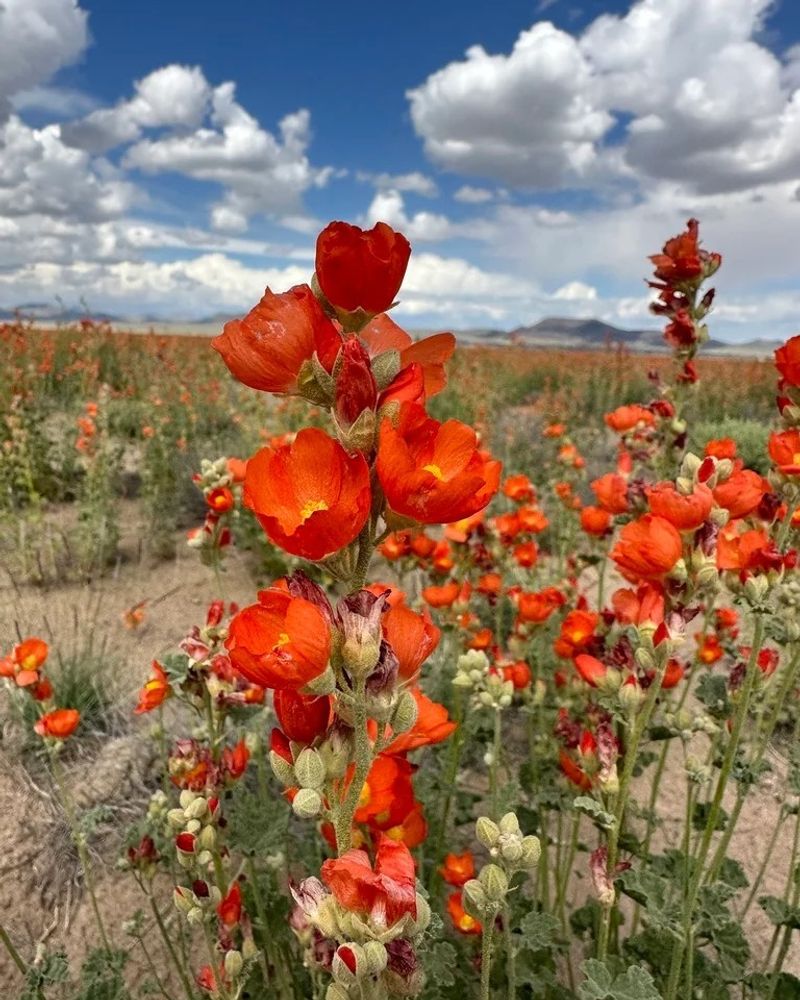
Globe mallow does not ask for much, but it gives back plenty. Orange flowers pop against silver-green foliage with a brightness that feels almost out of place in a dry desert setting.
Monsoon rains supercharge that effect.
After a good storm cycle, plants fill in quickly with fresh stems and new flower stalks. Color can last from midsummer well into fall if rainfall stays somewhat consistent.
Even partial moisture events seem to trigger a noticeable growth response.
Pollinators love globe mallow. Specialist bees called globe mallow bees depend on it almost exclusively.
Seeing those small native bees working the flowers after a monsoon is a sign that your yard supports a healthy local ecosystem.
Established plants can handle long dry stretches between rain events. Roots go deep enough to pull moisture from lower soil layers when the surface dries out.
That resilience makes globe mallow one of the most reliable performers in low-water desert gardens.
One practical note: the tiny hairs on the leaves and stems can irritate eyes if touched and then rubbed. Wearing gloves when handling or trimming is a smart habit.
That minor quirk aside, globe mallow is one of the most rewarding native wildflowers you can grow across the desert Southwest, especially during a strong monsoon year.
In years with a strong monsoon season, globe mallow can create some of the most eye-catching bursts of color found in native Arizona landscapes.
4. Fairy Duster Produces Fresh Growth During Humid Weather
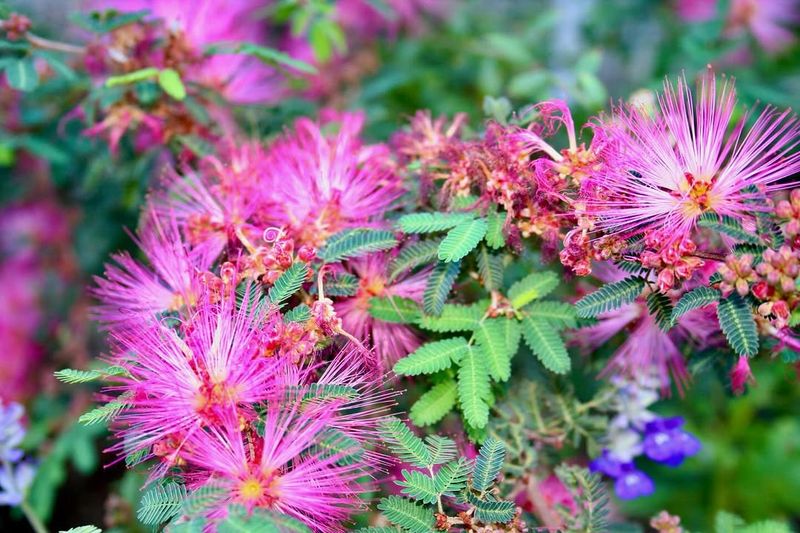
Soft and feathery, fairy duster looks almost too delicate for desert life. Surprise: it is tougher than it appears.
Monsoon humidity gives it a second wind that transforms sparse stems into full, lush-looking growth within weeks.
Pink powder-puff blooms appear in spring, but a secondary flush often follows monsoon rains. Not every plant produces a strong second bloom, but well-established shrubs in good locations frequently do.
Consistent overnight humidity seems to matter more than total rainfall volume.
Foliage becomes noticeably denser after summer moisture arrives. Leaves are small and finely divided, giving the whole plant a soft texture that contrasts nicely against rougher desert plants nearby.
Pairing fairy duster with boulders or gravel mulch makes the foliage color stand out more.
Hummingbirds and long-tongued bees visit the flowers with real enthusiasm. Planting a few together creates a better nectar source than a single isolated shrub.
Spacing them about four to five feet apart allows good airflow while still creating a visual cluster effect.
Fairy duster stays relatively small, usually under four feet tall. That compact size makes it useful along pathways, borders, and low walls.
Minimal pruning is needed, and cutting it back hard before monsoon season can encourage a stronger flush of new growth once the rains begin rolling through.
A mature fairy duster can stay attractive for decades, making it one of the longest-lasting native shrubs used in Arizona landscapes.
5. Arizona Milkweed Benefits From Summer Rainfall
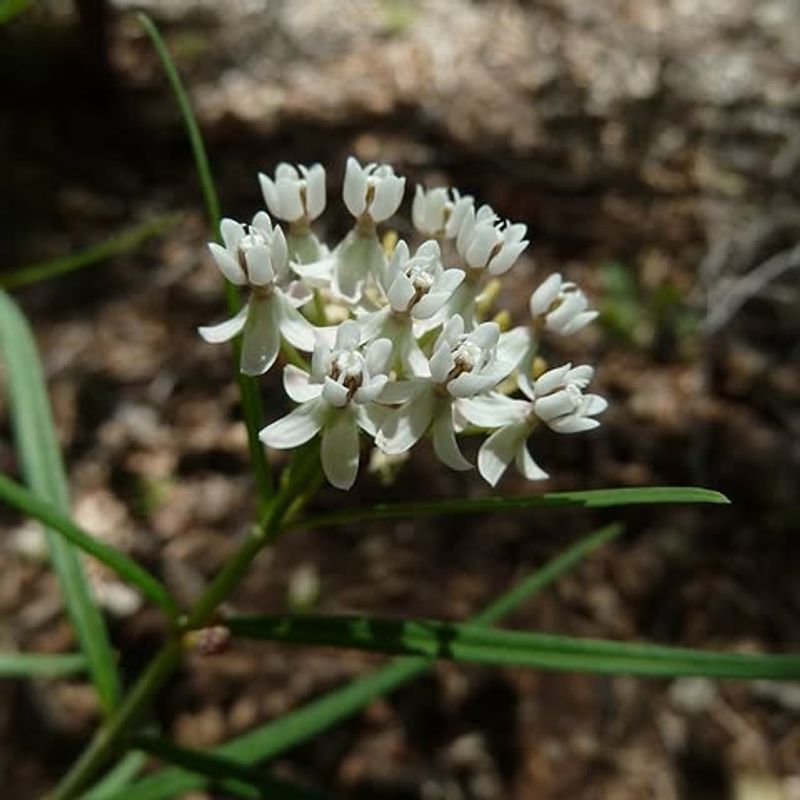
Monarch butterflies need milkweed to survive, and Arizona milkweed steps up exactly when summer moisture makes conditions right. Rainfall triggers strong new stem growth and pushes flower production into high gear.
Plants that looked almost dormant through late spring start pushing out fresh leaves rapidly after early monsoon storms. Flower clusters appear on new growth, so more rain generally means more blooms.
The timing lines up well with monarch migration patterns through the region.
Beyond monarchs, queen butterflies also depend on milkweed heavily. Both species lay eggs on the leaves, and caterpillars feed on the foliage throughout the season.
Planting milkweed in a spot with some afternoon shade helps keep leaf quality better during peak heat weeks.
Arizona milkweed handles rocky, low-nutrient soil without issue. Roots store energy through dry periods and respond fast when moisture returns.
Avoid overwatering between rain events, as standing water around the root zone can cause problems over time.
Seed pods form after flowering and split open to release fluffy seeds that float on the wind. Letting a few pods open naturally can result in volunteer seedlings nearby the following season.
Collecting and saving seeds before pods split is also an easy way to expand your planting without any extra cost.
Because it is native to Arizona, this milkweed is generally better adapted to local conditions than many of the tropical milkweed varieties commonly sold in garden centers.
6. Goodding’s Verbena Adds Color After Monsoon Storms
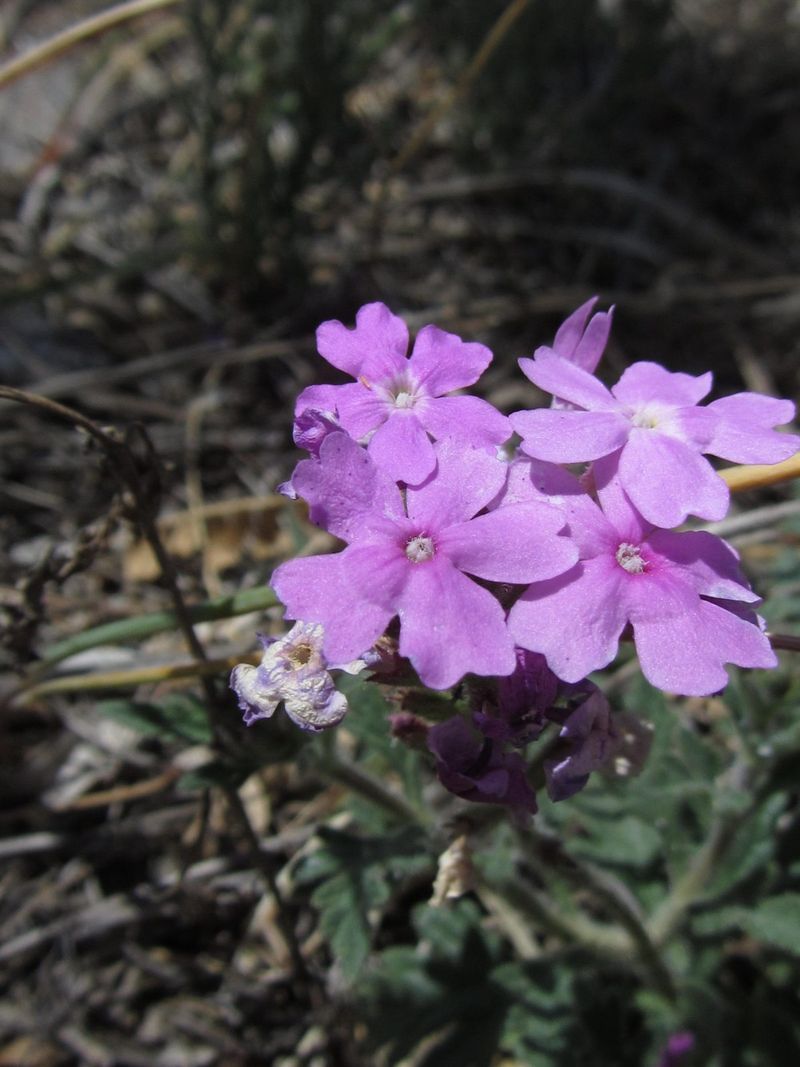
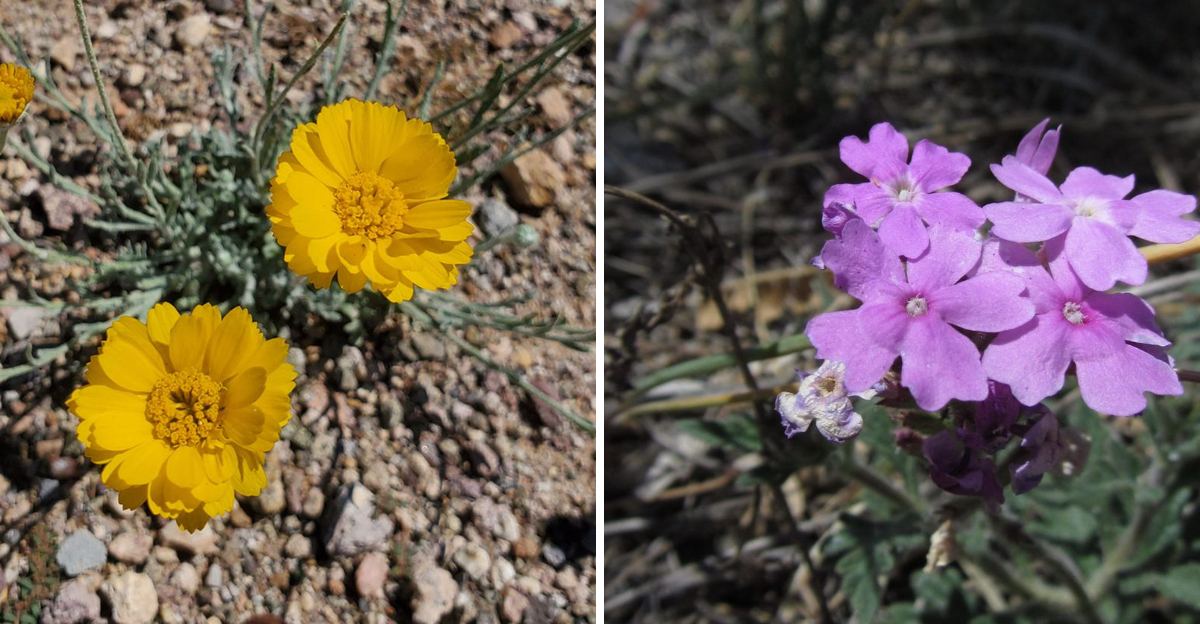
Right after a monsoon storm clears out, Goodding’s verbena practically glows. Purple flower clusters sit low to the ground and catch light in a way that makes the whole plant look freshly painted.
It is one of those plants that photographs beautifully right after rain.
Growth spreads outward rather than upward, which makes it excellent for filling gaps between rocks or along dry creek edges. Stems root where they touch moist soil, slowly expanding the plant’s footprint during wet monsoon stretches.
That spreading habit fills bare spots without requiring much help.
Pollinators swarm verbena flowers throughout the season. Painted lady butterflies are especially common visitors.
Having a healthy patch in a yard noticeably increases butterfly traffic during active monsoon weeks.
Heat does not slow Goodding’s verbena down the way it affects many other flowering plants. It blooms through the hottest months as long as some rainfall supports it.
In spots that receive natural water runoff from rooftops or paved surfaces, it can perform exceptionally well with almost no supplemental watering.
Trimming back older stems occasionally keeps the plant looking tidy and encourages fresh growth from the center. Doing that trim just before monsoon season begins sets the plant up for its strongest seasonal performance.
Purple flowers against wet desert gravel after a storm is a combination worth planning for.
7. Desert Marigold Responds Well To Seasonal Moisture
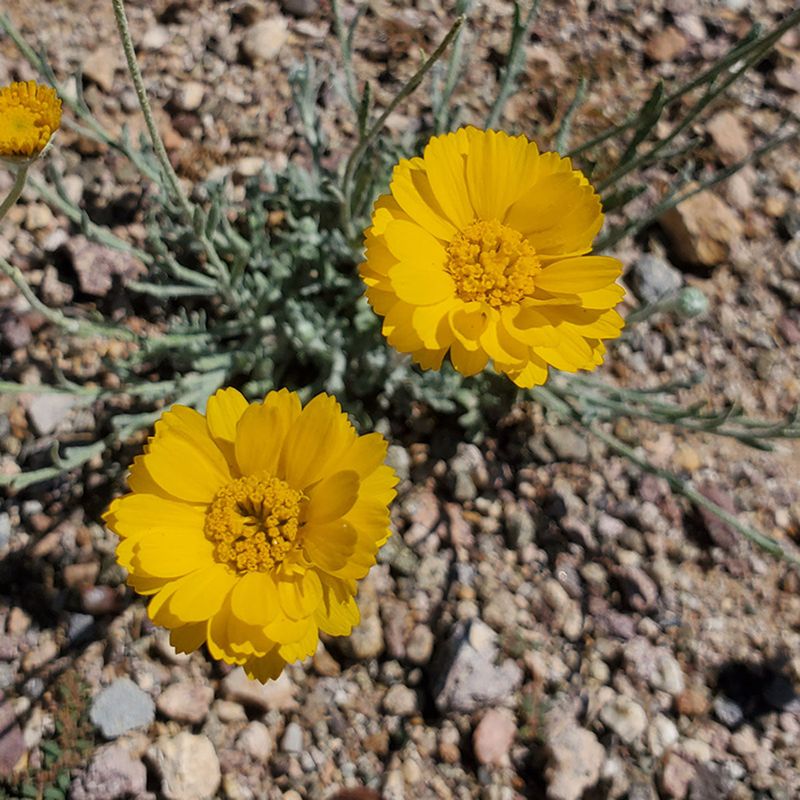
Yellow is everywhere during monsoon season in the desert, and desert marigold is responsible for a big chunk of it. Cheerful, bold, and surprisingly durable, it blooms in waves that align almost perfectly with monsoon rainfall patterns.
Each rain event tends to push out a fresh round of flower stalks. Plants that were producing only a few blooms before the rains can become covered in yellow within two to three weeks of consistent moisture.
The transformation is fast and genuinely impressive in a well-established planting.
Silvery-gray foliage makes the yellow flowers stand out even more than they would against plain green leaves. Leaf color stays attractive even between bloom cycles, so the plant earns its space visually throughout the whole season.
Drought tolerance between rain events is solid once plants are established.
One honest note: desert marigold pollen and foliage can cause skin irritation for some people. Wearing gloves when handling plants or working nearby is a reasonable precaution.
That is worth knowing before planting it along a frequently used pathway or seating area.
Deadheading spent flowers encourages faster reblooming. Clipping old flower heads every week or two during peak monsoon season keeps plants looking fresh and productive.
Seeds also self-sow readily, so expect new seedlings to pop up nearby after a strong monsoon year, which is actually a welcome bonus for most gardeners.
8. Yerba Mansa Looks Its Best In Moist Monsoon Conditions
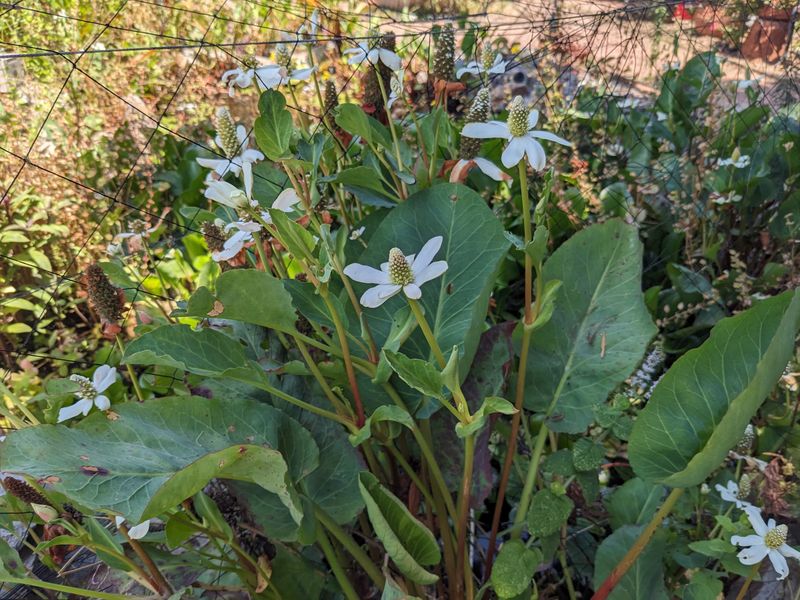
Yerba mansa is built for wet feet. Unlike most desert natives that prefer dry, fast-draining soil, this one actively seeks out moisture and thrives where water lingers after a storm.
Monsoon season is genuinely its moment to shine.
White cone-shaped flowers rise above broad, rounded leaves during peak moisture weeks. Flower stalks can reach over a foot tall in good conditions, creating a display that looks almost tropical compared to surrounding desert vegetation.
Leaf size increases noticeably when plants receive consistent water.
Historically, various Indigenous communities used yerba mansa for medicinal purposes. While those traditional uses are well documented, it is worth noting that any medicinal application requires proper knowledge and guidance.
Growing it for its ornamental value alone is completely worthwhile.
Plant yerba mansa in low spots, rain gardens, or areas near downspouts where water naturally collects. It spreads by underground runners and can fill a moist area fairly quickly over a few seasons.
Containing it with buried edging prevents it from spreading into areas where you do not want it.
Foliage turns reddish-bronze in fall after monsoon season winds down, adding a second season of visual interest. That color shift catches people off guard in a pleasant way.
Few native plants pull double duty as well as yerba mansa does across the wetter corners of the desert Southwest.