7 Ways To Keep Your Easter Cactus Healthy In Low-Light Oregon Homes
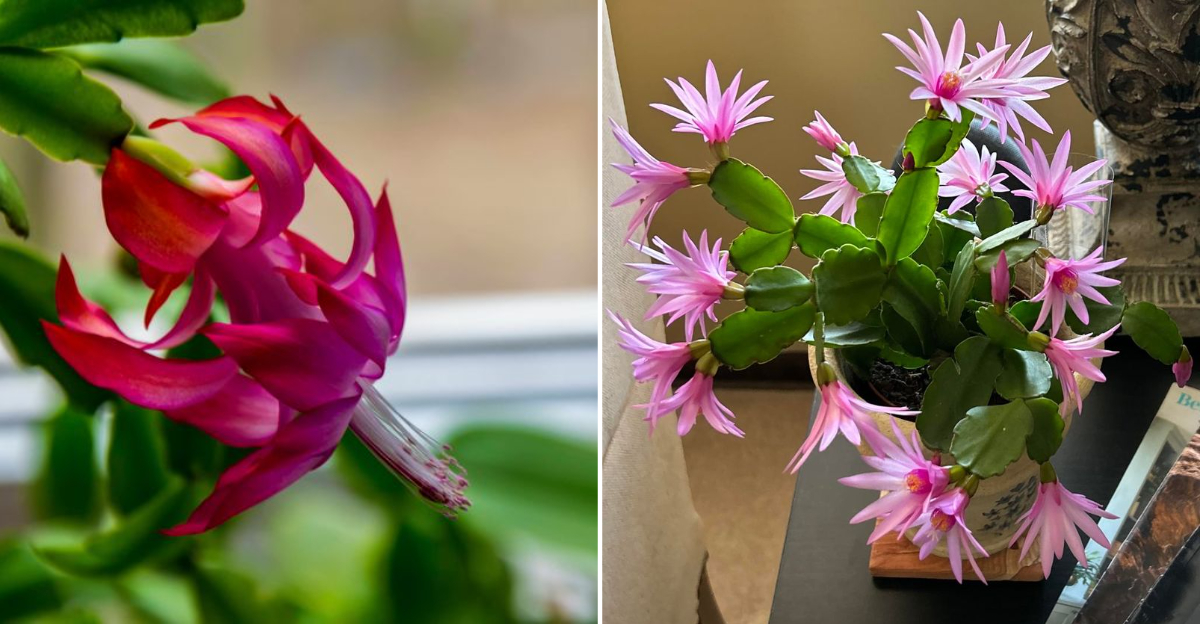
Easter cactus has a way of stealing the show when it blooms. Those bright, star-shaped flowers can instantly make a room feel more cheerful.
But keeping one happy inside an Oregon home can sometimes feel a little tricky, especially when natural light is limited. Sound familiar?
Many homes in Oregon deal with gray skies, shorter winter days, and rooms that never seem to get bright sunlight.
That can leave plant owners wondering if their Easter cactus is getting enough light to stay healthy.
The good news is this plant is actually more adaptable than many people think.
With a few simple care tweaks, an Easter cactus can thrive even in lower-light spaces and still reward you with beautiful blooms. The trick is knowing what it needs and avoiding a few common mistakes.
Ready to help your Easter cactus stay healthy and happy indoors? These simple tips can make a big difference.
1. Place It Near Bright Indirect Light
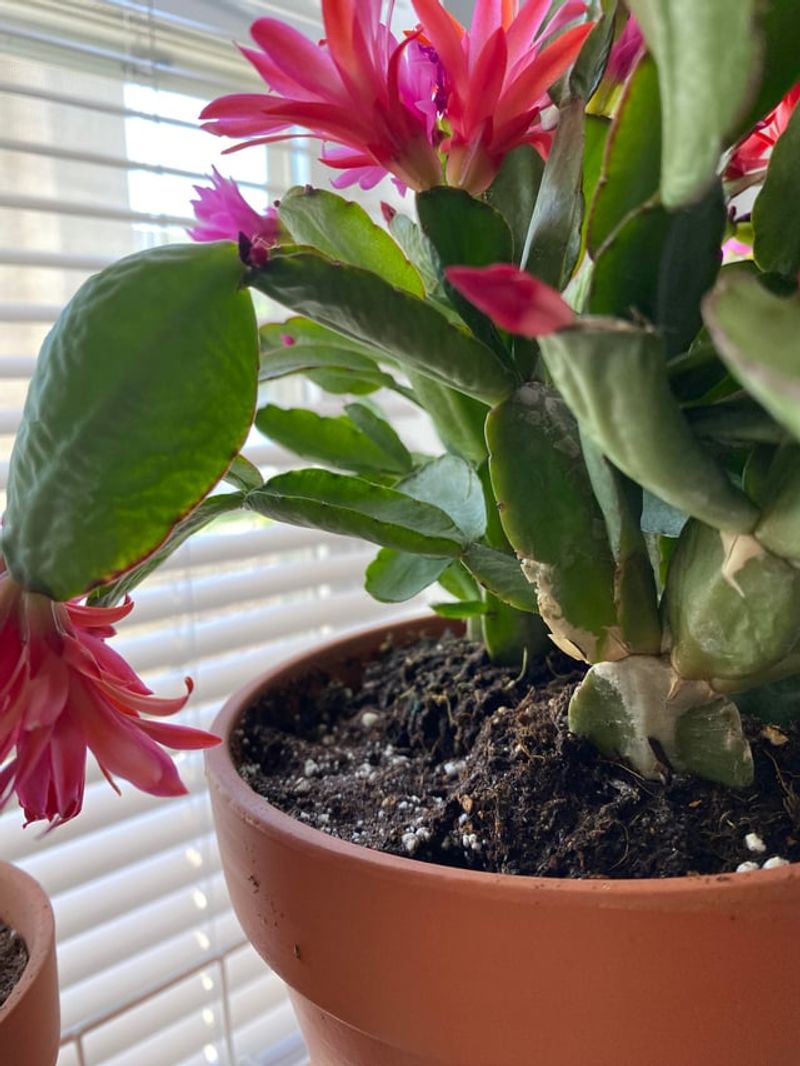
Sunlight in Oregon can feel like a rare treasure, especially during those long, cloudy winter months. But here is the good news: Easter cacti actually love indirect light, which means your low-light home might be more ideal than you think.
Placing your plant near an east or north-facing window gives it the soft glow it needs without the harshness of direct afternoon sun.
Direct sunlight can scorch the flat, segmented leaves and cause them to turn red or yellow. A sheer curtain is a simple fix if your window gets too much direct sun during certain times of the day.
Even in Portland or Eugene, an east-facing windowsill often provides just enough morning light to keep your Easter cactus happy.
If your home is especially dark, consider adding a grow light designed for cacti and succulents. You can run it for about 12 hours a day to mimic natural daylight cycles.
Position the grow light about 6 to 12 inches above the plant for best results. Many Oregon plant owners use grow lights from fall through spring, then move their plants closer to windows during the brighter summer months.
Rotating the pot every week or two also helps all sides of the plant get even light exposure. Consistent, gentle light is the single most important factor for keeping your Easter cactus looking lush and ready to bloom when spring arrives.
2. Avoid Overwatering The Soil
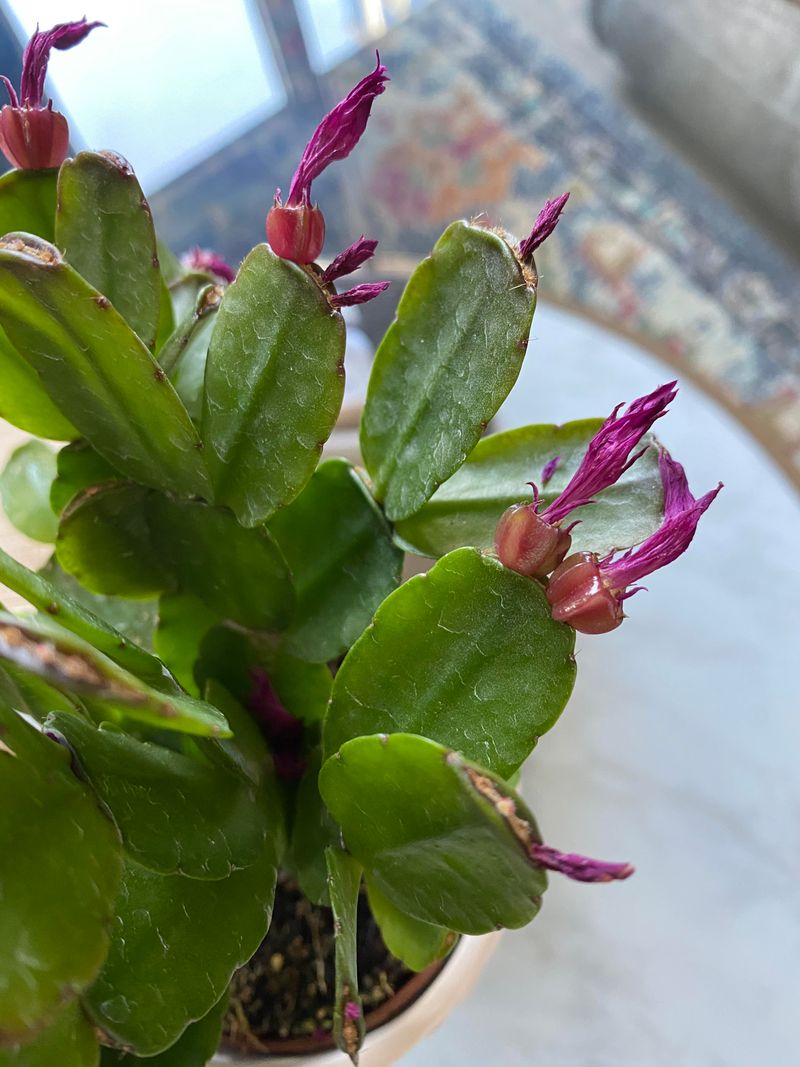
Watering mistakes are one of the most common reasons Easter cacti struggle indoors, especially in Oregon where humidity is already higher than average.
Because the air holds more moisture in the Pacific Northwest, the soil in your pot stays wet longer than it might in drier states.
That extra moisture can sneak up on you and lead to root rot before you even notice something is wrong.
A simple rule to follow is this: only water when the top inch of soil feels dry to the touch. Stick your finger about an inch deep into the soil, and if it feels damp at all, wait a few more days before watering.
Your Oregon Garden Changes Every Week. Your Plan Should Too.
Gardening in Oregon changes quickly throughout the season. Every Friday you’ll receive a simple weekly plan showing exactly what to plant, prune, fertilize, harvest, and protect so you never miss the right timing.
During the active growing season in spring and summer, you may water more frequently. In fall and winter, cut back significantly since the plant is resting.
Always make sure your pot has drainage holes at the bottom. Standing water at the roots is a fast way to weaken your plant.
Empty the saucer under the pot after watering so the roots never sit in pooled water. If you are unsure about how often to water, a basic soil moisture meter is a helpful and affordable tool.
Many Oregon plant lovers swear by them during the rainy season when it is easy to overestimate how dry indoor soil really is.
Getting your watering routine right will make a huge difference in the overall health of your Easter cactus all year long.
3. Use Well-Draining Potting Mix
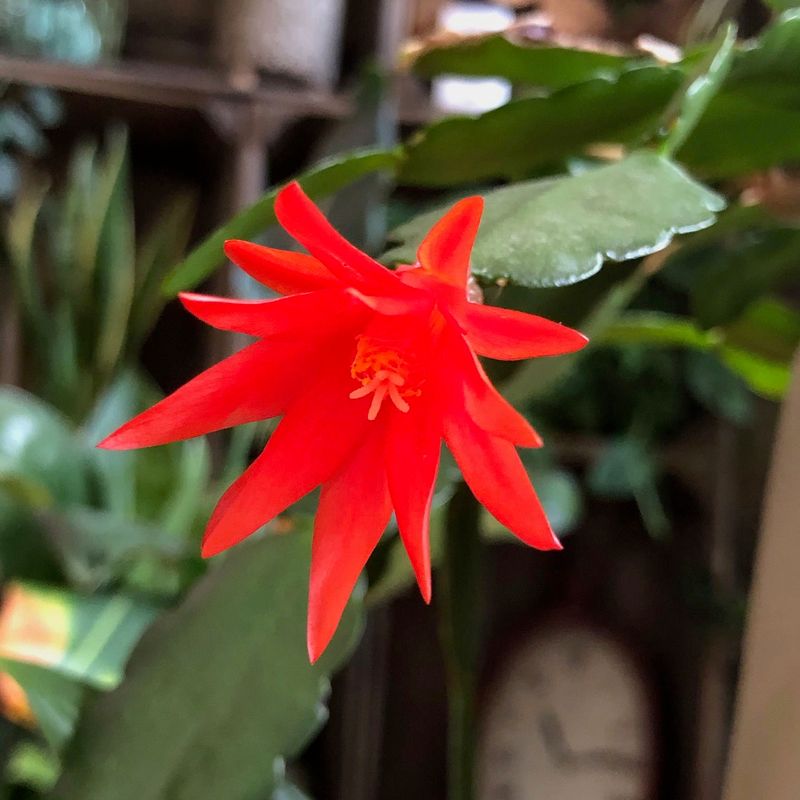
Soil matters more than most people realize when it comes to Easter cacti. These plants are native to the shaded, humid forests of Brazil, where they grow in loose, airy material like decomposing bark and leaf litter rather than dense, heavy ground soil.
Replicating that kind of environment in your Oregon home starts with choosing the right potting mix.
A standard cactus and succulent mix from your local garden center works well as a base. To make it even better, mix in equal parts perlite and orchid bark.
Perlite helps with drainage and aeration, while orchid bark adds a slightly chunky texture that prevents the soil from compacting over time.
This combination keeps moisture from sitting around the roots too long, which is especially important in Oregon’s naturally humid climate.
Avoid using regular potting soil on its own. It tends to hold too much water and can suffocate the roots of your Easter cactus.
Also, look for a mix that is slightly acidic, with a pH between 5.5 and 6.5, since Easter cacti prefer mildly acidic conditions. You can find pH test strips at most garden stores in Oregon.
Refreshing the soil every year or two also helps maintain good drainage and nutrient availability. Over time, soil breaks down and becomes more compact, which reduces airflow around the roots.
Starting with the right mix and maintaining it regularly gives your plant a strong foundation to grow from season after season.
4. Maintain Moderate Indoor Humidity
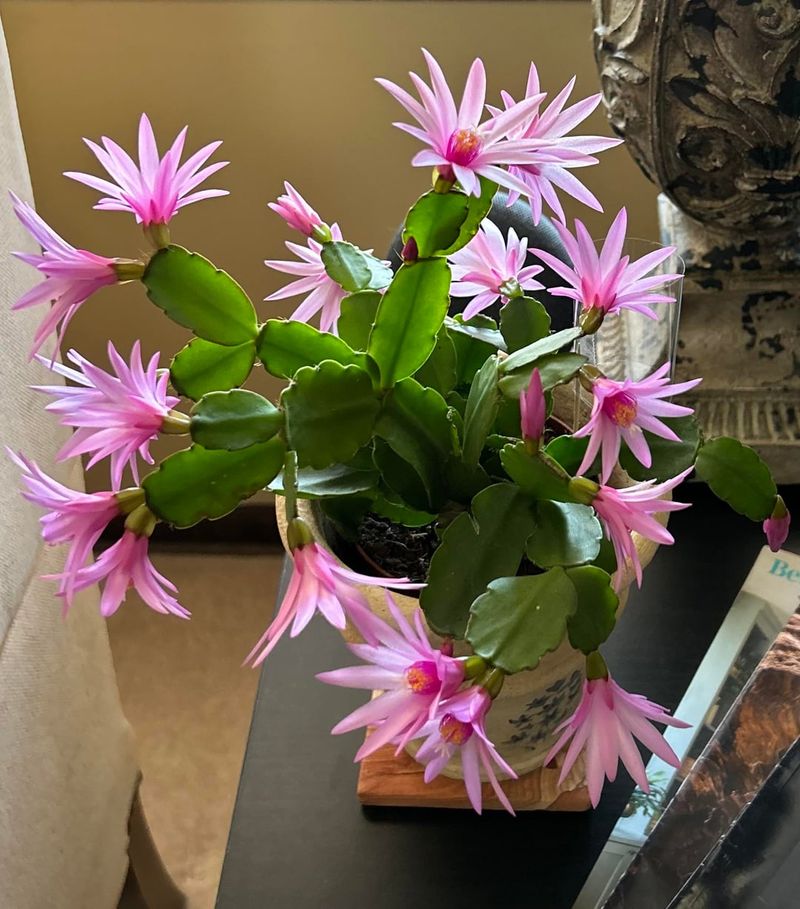
Coming from the tropical rainforests of Brazil, Easter cacti naturally crave a bit of humidity in the air around them.
Luckily, Oregon is not exactly known for being dry, so the outdoor air often has plenty of moisture.
But heated indoor spaces during winter can actually become surprisingly dry, which stresses your plant more than you might expect.
One of the easiest ways to boost humidity is to place your Easter cactus on a shallow tray filled with small pebbles and a little water. As the water evaporates, it creates a gentle mist of humidity right around the plant.
Just make sure the bottom of the pot is sitting above the waterline and not directly in it, since soggy roots are never a good thing.
Another option is to use a small room humidifier near your plant collection. Many Oregon homeowners already use humidifiers during the colder months, so adding a humidity-loving plant nearby is a natural fit.
You can also lightly mist the leaves with a spray bottle every few days, though avoid doing this in the evening since wet leaves overnight can encourage mold or fungal issues. Grouping several houseplants together is another clever trick, since plants release moisture through their leaves and naturally raise the humidity in a small area.
Keeping indoor humidity between 50 and 60 percent is the sweet spot for Easter cacti. A basic hygrometer, which measures air humidity, can help you monitor conditions easily and affordably in any room of your Oregon home.
5. Keep Temperatures Stable
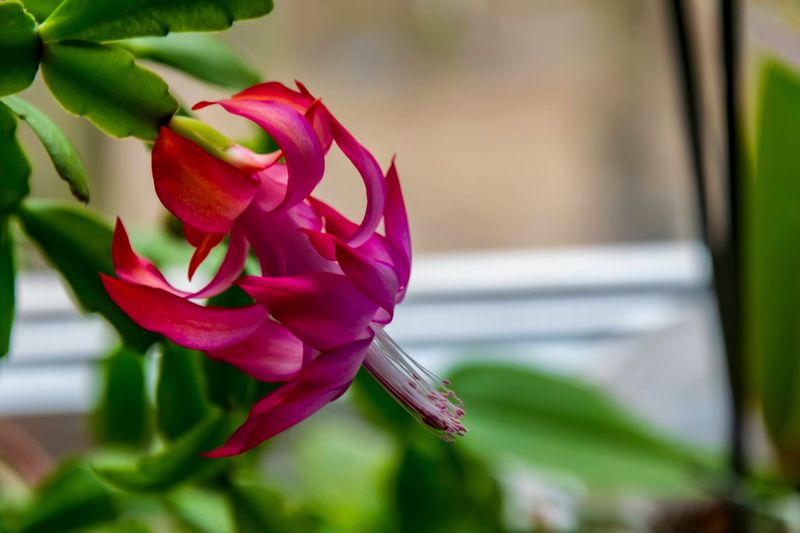
Temperature swings are something Easter cacti really do not handle well.
These plants prefer a steady indoor climate between 60 and 70 degrees Fahrenheit, which happens to align perfectly with what most Oregon homeowners keep their thermostats set to during the year.
That said, the challenge is not always the average temperature but rather the sudden changes that can happen near windows, doors, and heating vents.
Cold drafts from leaky windows are a common problem in older Oregon homes, especially during the wet fall and winter seasons.
If your Easter cactus is sitting near a drafty window, consider moving it a few feet away or adding a draft stopper to keep cold air from blowing directly on the leaves.
Even brief exposure to cold air can cause the plant to drop its buds or develop limp, discolored segments.
On the flip side, placing your plant directly above a heating vent is also a bad idea. The hot, dry air that blows from vents can dry out the leaves quickly and create uneven temperature zones around the plant.
A spot on a stable shelf or table away from vents, exterior walls, and frequently opened doors is ideal.
In Oregon, where temperatures can shift quickly between seasons, keeping your Easter cactus in an interior room helps buffer it from those outdoor swings.
Checking in on your plant after cold snaps or during unusual heat waves is a smart habit that keeps small problems from turning into bigger ones over time.
6. Fertilize Lightly During Growth
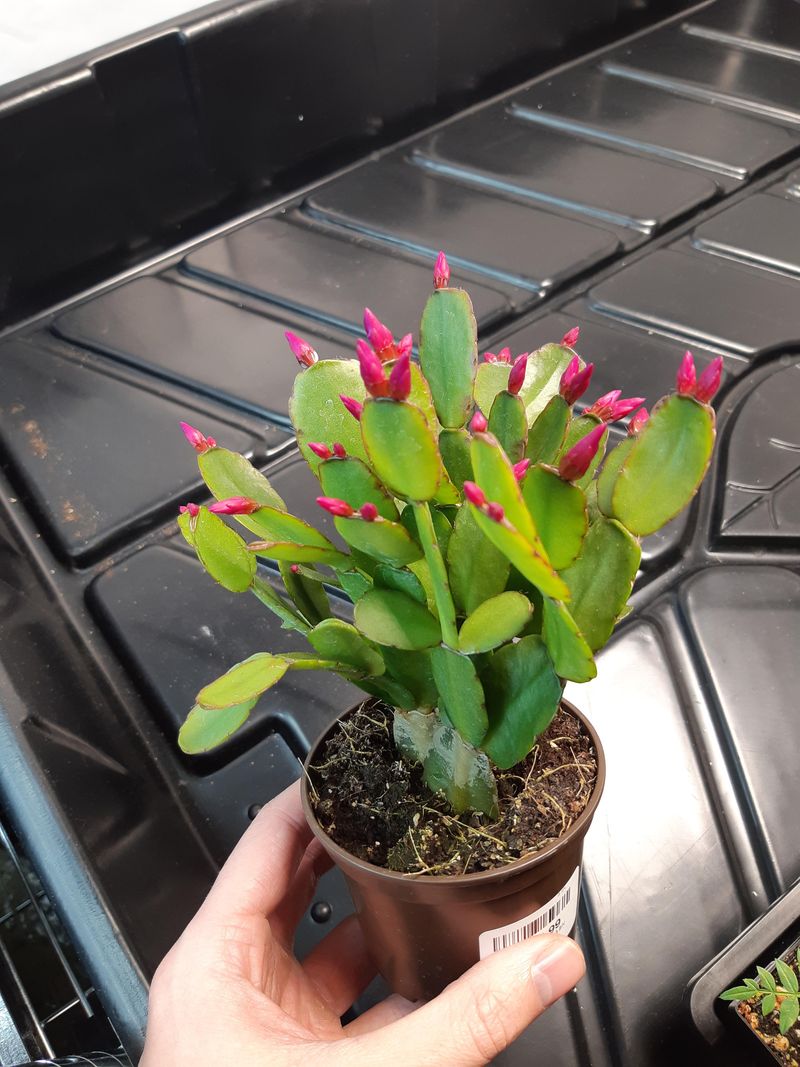
Fertilizing an Easter cactus is one of those things that is easy to overdo. More is definitely not better when it comes to feeding this plant.
Too much fertilizer can actually burn the roots, cause weak and leggy growth, or even prevent the plant from blooming at all. A light, consistent approach during the right time of year is all you really need.
During the active growing season, which runs from spring through summer, feed your Easter cactus once a month using a balanced, water-soluble fertilizer diluted to half the recommended strength. A 10-10-10 or 20-20-20 formula works well.
Diluting it to half strength is key because Easter cacti are sensitive to heavy salt buildup in the soil, which concentrated fertilizer can cause over time.
Once fall arrives in Oregon and the days get noticeably shorter, stop fertilizing altogether. The plant enters a natural rest period during the cooler months, and feeding it during this time can disrupt its internal clock and reduce flowering in spring.
Some growers switch to a low-nitrogen, high-phosphorus fertilizer in late winter, about six weeks before they want buds to form, to encourage a strong bloom.
Always water your plant before applying fertilizer to avoid applying it to dry roots, which increases the risk of root damage.
Keeping a simple monthly reminder on your phone makes it easy to stay on schedule without overthinking it.
A little fertilizer goes a long way toward keeping your Easter cactus vibrant and blooming beautifully in your Oregon home.
7. Repot Only When Rootbound
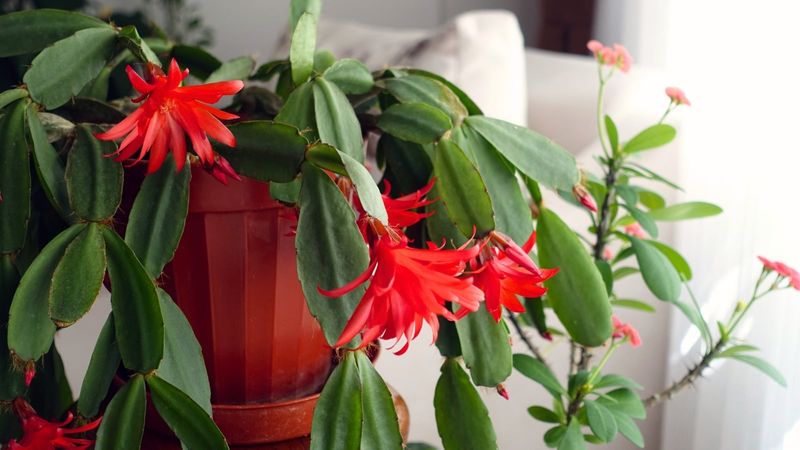
Believe it or not, Easter cacti actually prefer being a little cramped in their pots. Unlike many houseplants that need regular repotting to stay healthy, Easter cacti bloom best when their roots are slightly crowded.
Repotting too often or too early can actually stress the plant and delay flowering, which nobody wants after waiting all year for those beautiful spring blooms.
The clearest sign that your Easter cactus is ready for a new pot is when you see roots growing out of the drainage holes or poking up above the soil surface.
At that point, it is time to move up to a pot that is just one size larger, usually about one to two inches wider in diameter.
Going too big too fast fills the pot with excess soil that holds moisture the roots cannot use, which raises the risk of root rot in Oregon’s already humid conditions.
Spring is the best time to repot, right after the plant finishes blooming. This gives it the entire growing season to settle into its new home before the rest period begins in fall.
When you repot, gently shake off the old soil and inspect the roots. Trim away any that look brown, mushy, or damaged before placing the plant in fresh, well-draining potting mix.
Water lightly after repotting and keep the plant out of direct sunlight for a week or two while it adjusts.
With patience and the right timing, repotting becomes a simple and rewarding part of caring for your Easter cactus in your Oregon home.