Washington Gardeners Plant This Shrub For Its Beauty Without Realizing How Toxic It Can Be
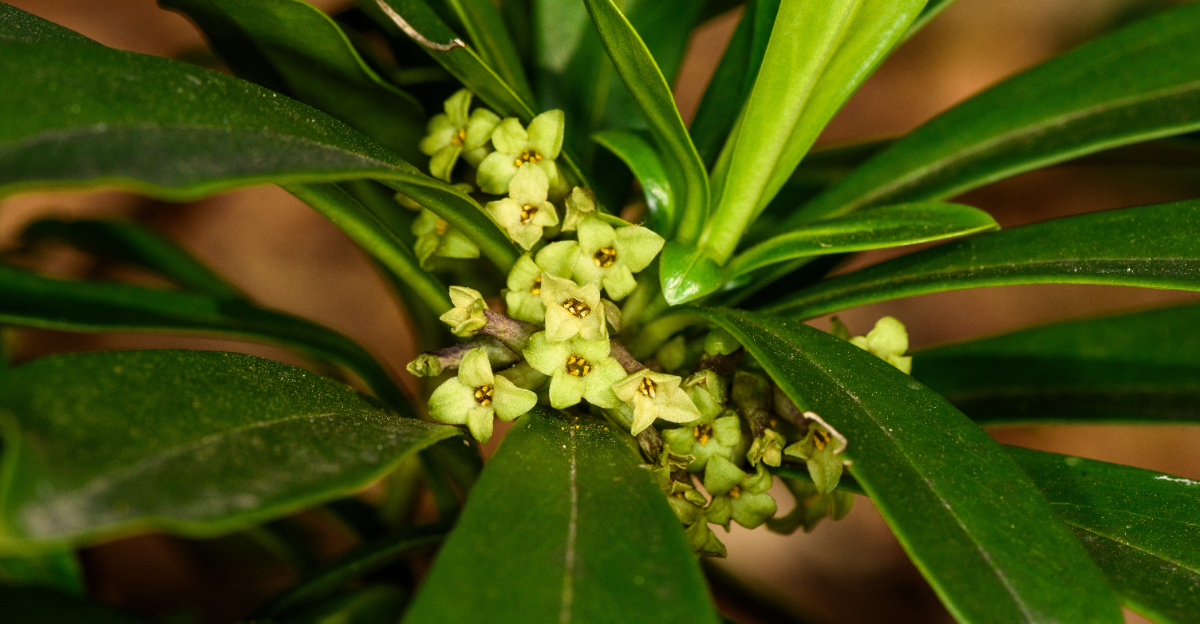
Something is growing in Washington gardens right now, and most people walking past it do not give it a second thought. It looks polished, intentional, almost architectural.
The dark glossy leaves sit in neat whorls, the small berries tuck quietly beneath the foliage, and the whole plant settles into shady corners like it was always meant to be there. In a way, it was.
This shrub was brought to the Pacific Northwest on purpose, sold at nurseries, planted in yards, and genuinely admired. The problem is that admiration does not come with a warning label.
Every single part of it is toxic, and that includes the berries that birds scatter across parks, forests, and neighboring properties without anyone asking permission.
Washington has since added it to its noxious weed list, but it keeps showing up in gardens anyway. Before you pull on bare hands and start digging, there are a few things worth knowing.
This Popular Washington Shrub Hides A Dangerous Secret
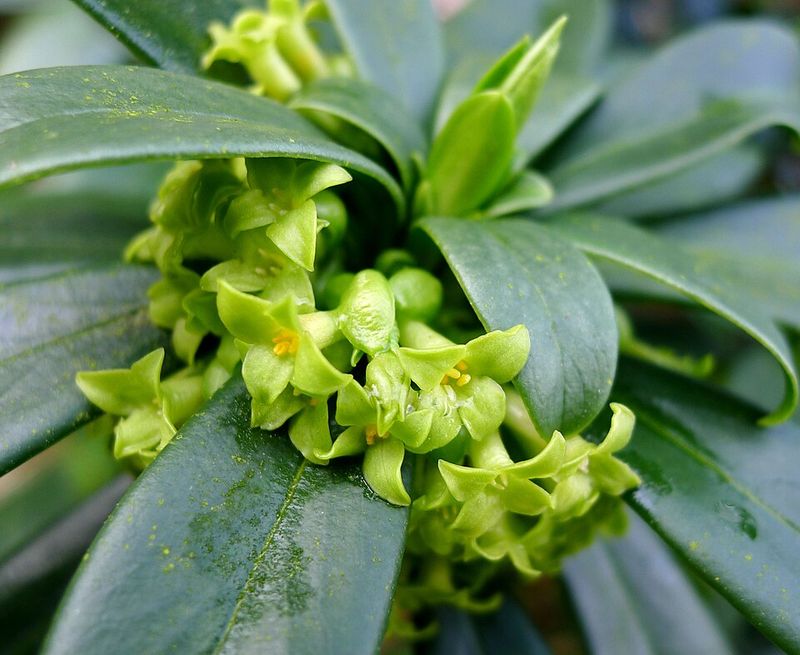
It lines shady garden beds, tucks neatly beneath taller trees, and holds its deep green color through the greyest Pacific Northwest winters. Most people who have it growing nearby assume it belongs there.
The shrub in question is Spurge Laurel, known botanically as Daphne laureola. It arrived in the Pacific Northwest as an ornamental plant, sold at nurseries and planted intentionally in residential gardens.
Closely related to the ornamental daphnes that gardeners genuinely admire, it carries a similar polished look. That resemblance is part of the problem.
What most people do not realize is that every part of this plant is toxic to humans, dogs, and cats. The berries, the leaves, the bark, and even the sap all carry compounds capable of causing serious reactions.
Washington State has classified it as a Class B noxious weed and placed it on the state quarantine list. It is currently prohibited to buy, sell, or distribute it anywhere within the state.
It can also be easily mistaken for rhododendrons, common laurels, or ornamental spurges growing nearby. That kind of visual confusion is exactly how it ends up staying in a garden far longer than it should.
Yet it continues to spread through parks, forest understories, and private yards across the region. Knowing what you are looking at is the first step toward doing something about it.
Why This Shrub Looks So At Home In Washington Gardens
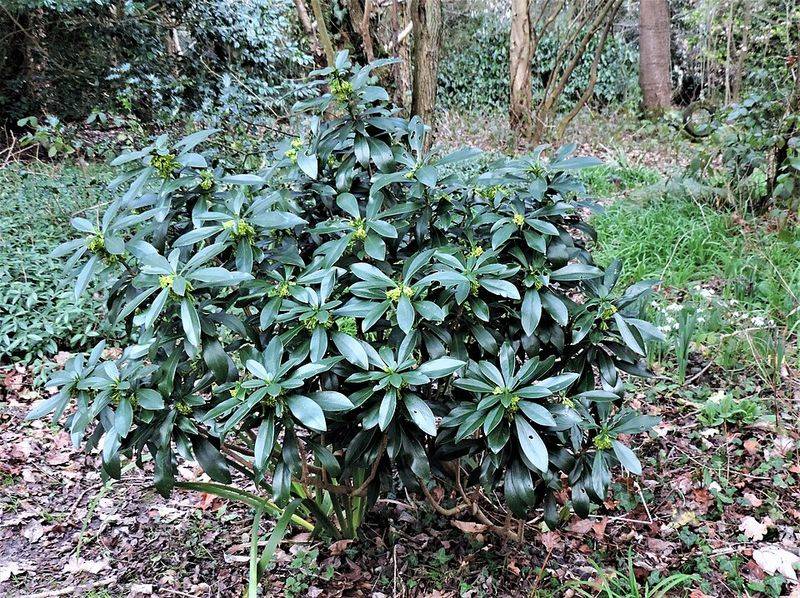
Spurge Laurel was not an accidental introduction. It was brought to the Pacific Northwest on purpose, selected for qualities that genuinely appeal to gardeners in this region.
It is shade tolerant in a way few ornamental shrubs can match. Where other plants struggle beneath a tree canopy or along a north-facing fence, this one settles in without complaint.
Its leaves are smooth, dark green, and shiny, staying that way through winter when most of the garden goes flat and colorless. That kind of year-round visual consistency is genuinely hard to find.
Your Washington Garden Changes Every Week. Your Plan Should Too.
Gardening in Washington changes quickly throughout the season. Every Friday you’ll receive a simple weekly plan showing exactly what to plant, prune, fertilize, harvest, and protect so you never miss the right timing.
Small, fragrant yellow-green flowers appear in late winter, tucked beneath the leaves in quiet clusters. They are easy to miss, which adds to the plant’s understated, intentional appearance.
It takes a few years to reach its full size, but nurseries once recommended it as a reliable low-maintenance option for shady spots. That reputation spread through neighborhoods the same way the plant itself did.
Pacific Northwest gardens are full of challenging microclimates where most ornamentals simply give up. Spurge Laurel thrives in exactly those spots, which made it an easy sell for decades.
It grows in sun or shade, tolerates a range of soil types, and requires almost no maintenance once established. For a gardener looking to fill a difficult spot quickly, it checks nearly every box.
The trouble is that looking like a good fit and actually being one are two very different things. A plant that blends in effortlessly is not necessarily a plant worth keeping around.
Every Part Of This Plant Is Toxic And That Includes The Berries
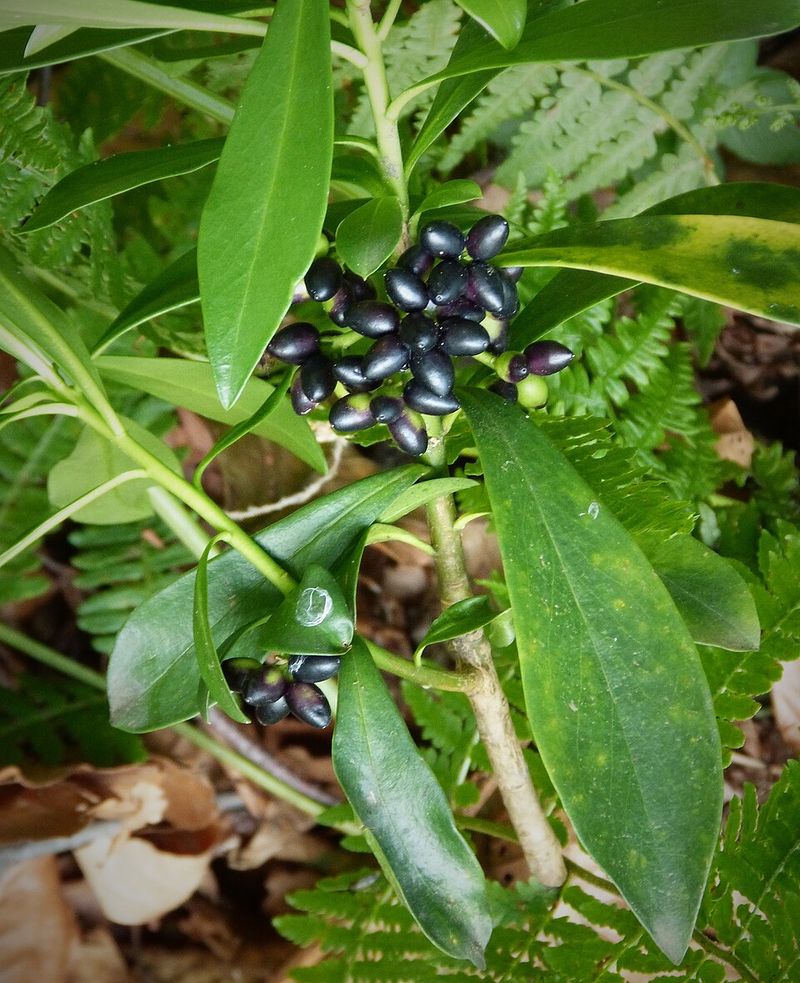
There is no safe part of Spurge Laurel to handle carelessly. The berries, leaves, bark, and sap all contain toxic compounds, and each poses its own kind of risk.
The key toxin is a group of compounds called diterpene esters, which cause strong irritant reactions on contact and serious harm when ingested. Even handling the plant without gloves can lead to skin rashes and blistering.
The berries ripen to a glossy blue-black color that can look appealing at eye level in a garden setting. Children are naturally drawn to them, which is one of the more concerning aspects of this plant growing near homes.
Ingesting even a small amount can cause burning in the mouth, swelling of the lips and tongue, nausea, vomiting, and in serious cases, difficulty breathing. The sap carries similar risks, and eye contact can cause severe irritation.
Even transporting cut plants in a closed vehicle carries risk, as airborne toxins from the sap can concentrate in an unventilated space. Burning the clippings is also a bad idea, as the smoke can cause respiratory irritation.
Pets face the same dangers as people, and the berries are attractive enough that dogs will investigate them. The toxicity level here is not a minor footnote worth skimming past.
What Happens If You Touch Or Ingest It
Skin contact with intact leaves is generally low risk for most people. The real danger begins when the plant is cut, crushed, or when any part of it enters the body.
Direct contact with the sap can cause redness, burning, and blistering within a few hours of exposure. Sensitive individuals may develop more significant dermatitis, and eye contact requires immediate rinsing with clean water.
Ingestion symptoms start in the mouth and throat, with a burning sensation, swelling, and difficulty swallowing. From there they can progress to nausea, vomiting, abdominal pain, and in serious cases, weakness and coma.
Children are at higher risk because of their smaller body size, and a relatively small amount can cause significant harm. If a child has ingested any part of the plant, call Poison Control immediately.
Pets show similar symptoms to people, including drooling, vomiting, and signs of distress after chewing on stems, leaves, or berries. Do not wait for symptoms to appear before contacting a veterinarian.
Early intervention is always the smarter move with any plant exposure. The sooner help is sought, the better the outcome tends to be.
What To Do If You Find It In Your Yard
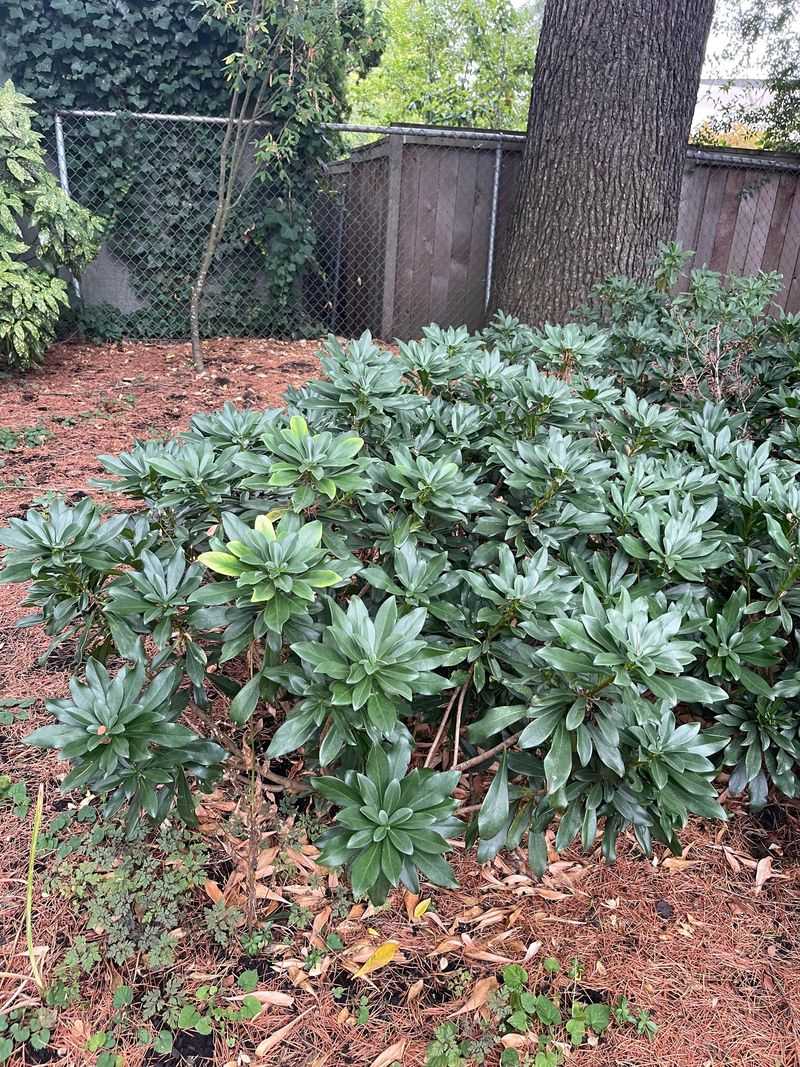
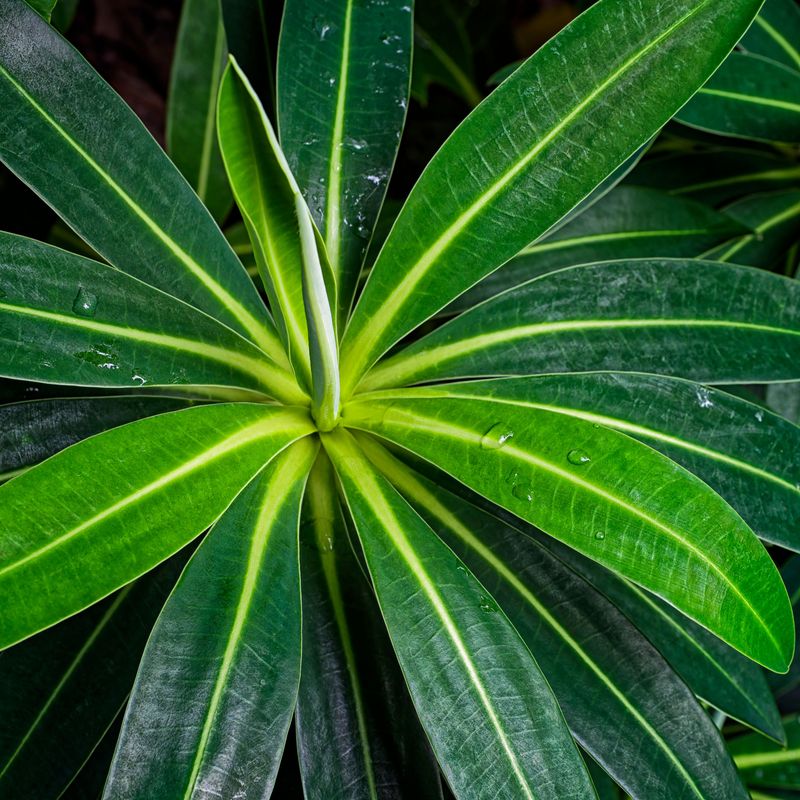
Finding Spurge Laurel in your yard does not require panic, but it does require a plan. Before doing anything else, confirm the identification by looking for the narrow, glossy leaves arranged in whorls at the shoot tips, and small yellow-green flowers tucked beneath the leaves.
Wear thick gloves, long sleeves, and eye protection before touching the plant. The sap is the primary hazard during removal, so covering exposed skin is not optional.
Small plants can be hand-pulled when the soil is damp, ideally in late winter or early spring. Larger shrubs should be cut below the soil line and the root system removed as completely as possible, since roots left behind can resprout.
Do not compost the clippings or burn them in an open area. Bag all plant material and check with your local waste facility about proper disposal.
After removal, replant the area with native shrubs to prevent the Spurge Laurel from returning from seed. Oregon grape, red-flowering currant, and salal are all well-suited to the shady conditions where Spurge Laurel tends to grow, and none of them pose a risk to people or pets.
Native Shrubs That Are Safer And Just As Stunning
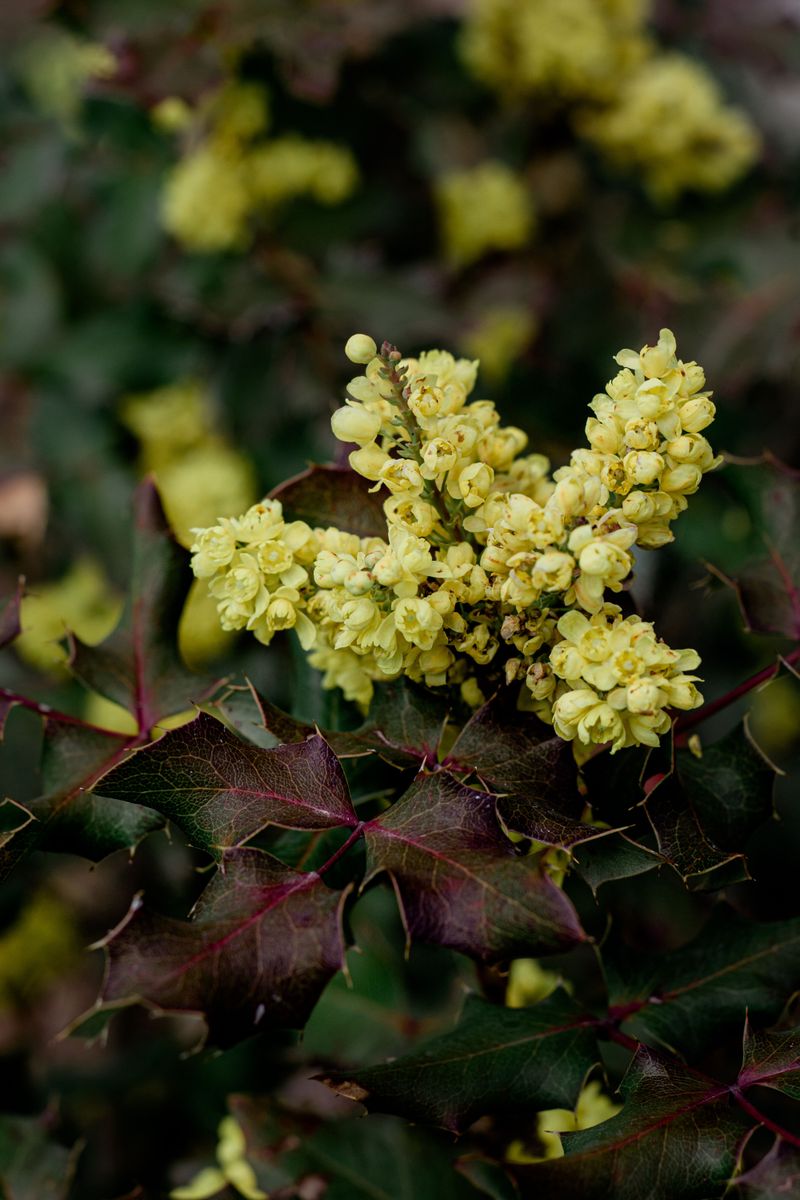
Replacing a toxic shrub does not mean settling for something boring. The Pacific Northwest is home to some genuinely spectacular native plants.
Red-flowering currant is one of the best swaps available. It blooms in vivid pink-red clusters each spring and provides food for hummingbirds and native bees.
Oregon grape earns its place in any garden with year-round interest. It offers yellow flowers in early spring, blue berries in summer, and deep green foliage through winter.
Serviceberry, also called Juneberry, grows into a graceful multi-stem shrub or small tree. Its white spring blossoms and edible summer berries make it a favorite among both gardeners and wildlife.
Ninebarks are another underrated option with attractive peeling bark and clusters of small white or pink flowers. Some cultivars offer stunning burgundy or gold foliage that rivals any ornamental plant.
Mock orange fills a garden with incredible fragrance each June. Its white blooms smell like citrus blossoms and attract pollinators by the dozen.
Snowberry is a tough, drought-tolerant native that produces clusters of white berries through fall and winter. Birds love it, and it handles poor soil with ease.
All of these options are non-toxic, ecologically beneficial, and well-adapted to local conditions. They require less fussing than many imported ornamentals and support the broader ecosystem around your home.
Swapping out a hazardous plant for a native one is not a compromise. It is genuinely one of the best upgrades a gardener can make.