How To Prune Mock Orange In Oregon For More Of That Incredible Fragrance Each Year
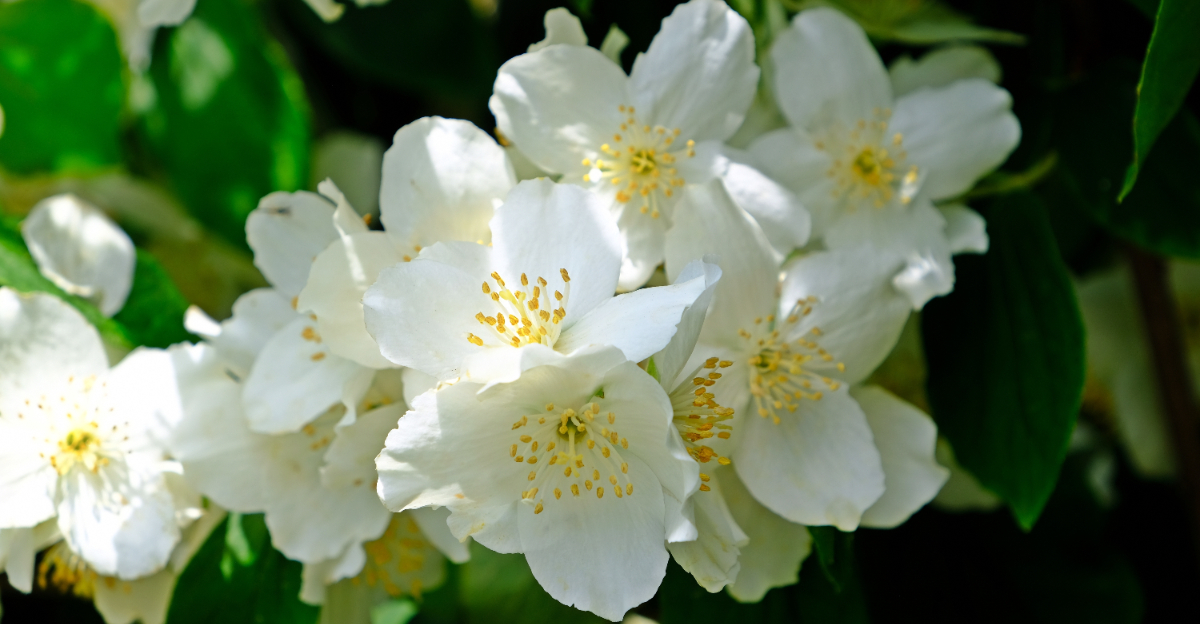
Mock orange can fill an Oregon garden with the kind of scent that makes you stop mid-step. But that fragrance depends on how the shrub is treated after it blooms.
Prune at the wrong time, and you may remove the growth that would carry next year’s flowers.
Wait too long, and the plant can become crowded inside, with fewer blooms where you can enjoy them.
A good trim keeps the shrub open without making it look hacked back. It also helps younger stems take over as older wood slows down.
The goal is not to force the plant into a perfect shape. It is to keep it fresh, airy, and ready for another fragrant show. With the right timing, mock orange can reward you year after year.
1. Prune Mock Orange Right After It Blooms
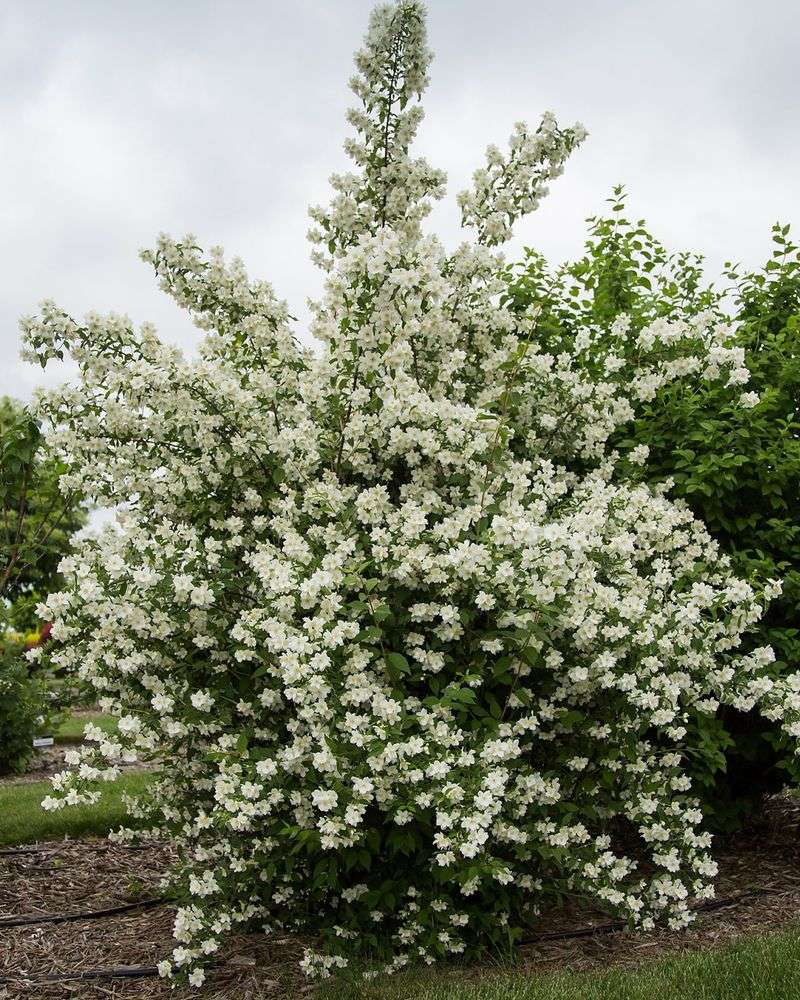
Right after the last flower fades is the single best moment to grab your pruners and get to work.
Most gardeners in Oregon see mock orange bloom in late May through June, depending on the year and location.
Acting quickly after flowering gives the shrub the entire rest of the growing season to push out strong new growth.
That new growth is what will carry next year’s flowers. Every week you wait after bloom time is a week less of growing time for those fresh stems.
The shrub needs time to develop sturdy new shoots before the cool, wet fall weather sets in across the region.
Pruning at the right moment feels like giving your plant a reward right after it finishes performing. You are not punishing it by cutting it back.
You are actually encouraging it to grow with more energy and purpose for the next season.
Many gardeners make the mistake of waiting until late summer or even fall to do their pruning. By then, the new growth has already started forming next year’s flower buds.
Cutting at that point removes the very blooms you are hoping for. Timing really is everything with this shrub.
Keep a simple note on your calendar or phone. When the flowers start dropping petals, set a reminder to prune within the next week or two.
That small habit can completely transform how your mock orange performs every year going forward.
2. Do Not Wait Until Fall Or Winter
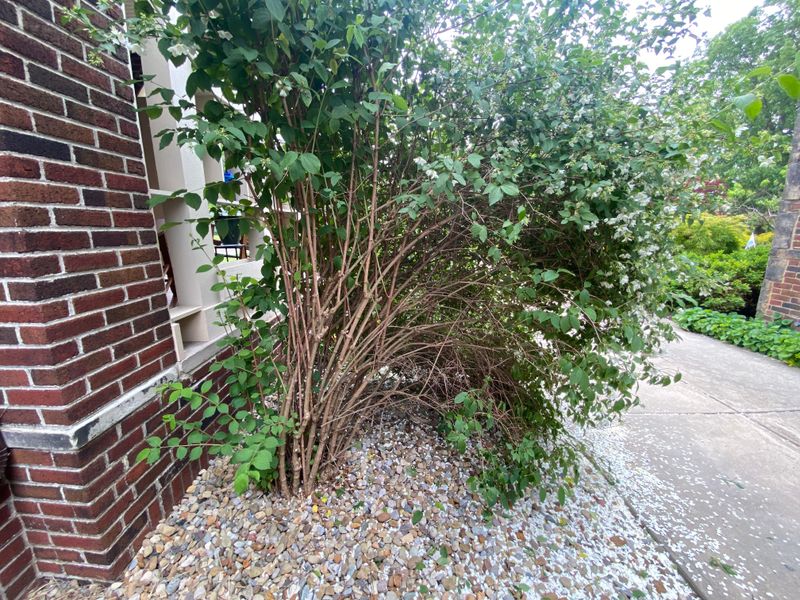
Waiting until fall or winter to prune mock orange is one of the most common mistakes homeowners make.
It feels natural to do garden cleanup when things slow down, but for this shrub, that timing works against you in a big way.
By the time autumn arrives, mock orange has already set the buds that will become next spring’s flowers.
Those buds sit quietly on the old wood through the cold months, just waiting for warm weather to wake them up. If you cut the stems in fall or winter, those buds go with them.
Oregon’s winters can bring heavy rain, wind, and occasional frost, especially in northern and higher-elevation areas. Some gardeners assume that pruning before winter protects the plant from storm damage.
Your Oregon Garden Changes Every Week. Your Plan Should Too.
Gardening in Oregon changes quickly throughout the season. Every Friday you’ll receive a simple weekly plan showing exactly what to plant, prune, fertilize, harvest, and protect so you never miss the right timing.
For most shrubs, that thinking makes sense, but mock orange is the exception.
Even a light trim during the dormant season can remove a surprising number of flower buds.
You might not notice anything wrong until spring arrives and the shrub blooms weakly or not at all. Then you are left wondering what went wrong.
The simplest rule to follow is this: if the shrub is not actively flowering or just finished flowering, put the pruners away. Wait for bloom time to come and go, then act fast.
That one shift in habit will protect your flower buds and reward you with a much stronger, more fragrant display each spring.
3. Old Wood Is Where Next Year’s Flowers Form
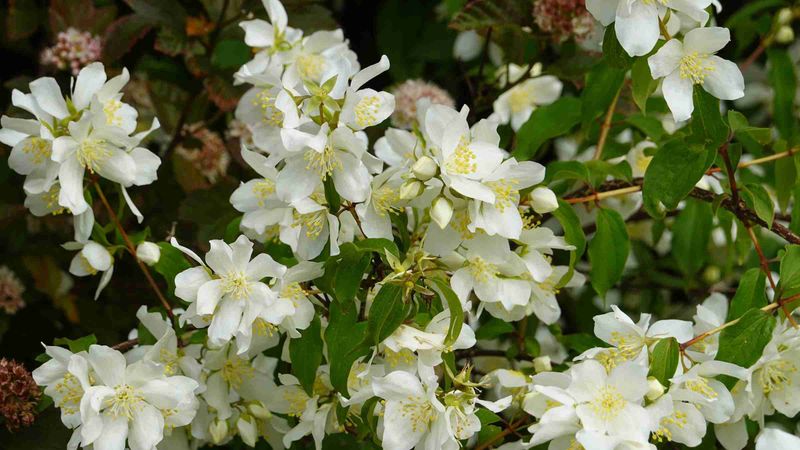
Understanding how mock orange grows is the key to everything else in this guide. Unlike some flowering shrubs that bloom on new growth, mock orange forms its flowers on stems that grew the previous year.
Gardeners call this blooming on old wood. Those older stems might look a little rough or woody, but they are carrying something valuable inside.
Tiny flower buds develop along those stems during the summer and fall, staying hidden until warmth triggers them to open the following spring.
Cutting those stems before they bloom means losing the flowers they were holding.
New green shoots that emerge after you prune are not wasted growth. They are next year’s old wood in the making.
Every healthy new stem the shrub grows after a good post-bloom pruning becomes a potential flower-bearing branch for the following season.
Think of it like a relay race. This year’s new growth hands the baton to next year’s flowers.
If you cut the new growth too early or remove the old wood at the wrong time, you break that relay and the flowering cycle suffers.
Once you see mock orange this way, pruning decisions become much easier. You are not just cutting back a shrub.
You are managing a cycle of growth and bloom that repeats every year. Respect the old wood, encourage the new, and the fragrance will keep coming back stronger each spring.
4. Start By Removing Damaged Stems
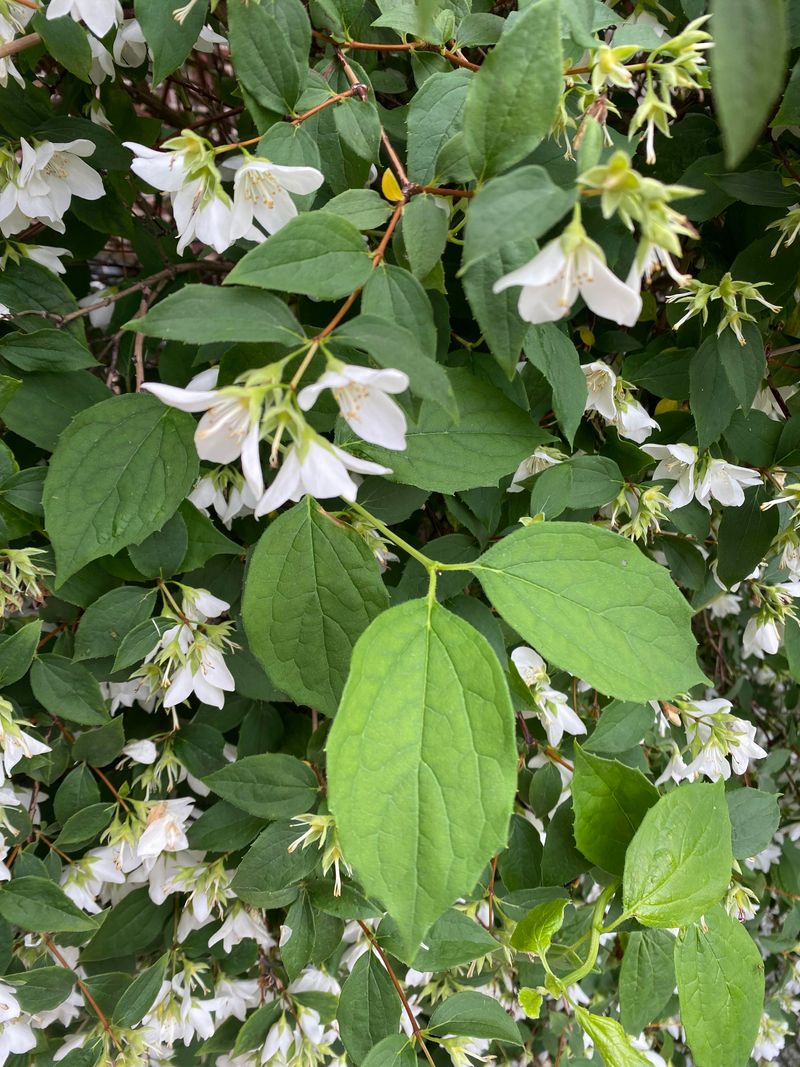
Before you make any shaping cuts, take a slow walk around the shrub and look for stems that are clearly broken.
These are the first ones to remove, and getting them out makes the rest of the job easier and more effective.
Withered stems are usually brown, dry, and brittle. They snap easily when you bend them slightly.
Damaged stems might look partially green but have splits, wounds, or sections that are soft and mushy after a wet winter. Neither type will ever produce healthy flowers.
Removing these problem stems right away opens up the interior of the shrub. You get a clearer picture of what healthy growth looks like underneath.
It also removes entry points for fungal problems, which can spread quickly in the damp climate common across much of Oregon.
Use clean, sharp bypass pruners for smaller stems and loppers for anything thicker than your thumb.
Dull or dirty tools crush stems instead of cutting them cleanly, which slows healing and invites problems.
Wiping your blades with rubbing alcohol between cuts is a smart habit, especially if you are removing stems that look diseased.
Starting with this cleanup step also prevents you from accidentally cutting healthy wood before you have a full picture of the shrub’s structure. Think of it as clearing the clutter before you start organizing.
Once the withered and damaged material is out, you can see the real framework of the plant and make smarter decisions about what comes next.
5. Cut Out A Few Old Canes At The Base
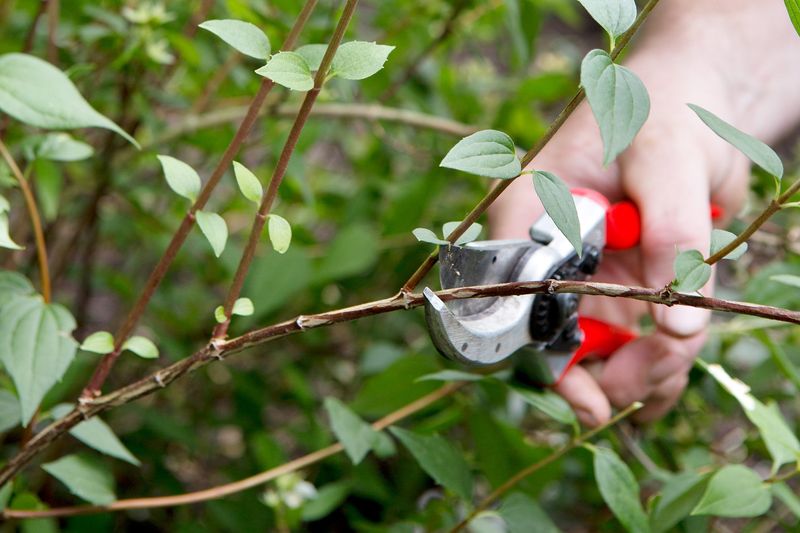
One of the most powerful pruning moves you can make on a mature mock orange is cutting a few of the oldest, thickest canes all the way down to the ground. Horticulturists call this renewal pruning, and it works like a reset button for an aging shrub.
Old canes get thick and woody over time. They produce fewer flowers than younger stems, and they can crowd the center of the plant in ways that block light and air.
Removing them entirely encourages the shrub to send up fresh, vigorous shoots from the base.
You do not need to remove all the old canes at once. In fact, removing too many at one time can stress the plant and reduce blooming for a season or two.
A better approach is to remove one to three of the oldest canes each year right after flowering ends.
Look for canes that are thicker than a broomstick, heavily barked, or showing signs of withering at the tips. These are the ones most likely to be past their prime.
Cutting them low and clean at the base gives younger canes room to grow tall and strong.
Over three to five years of doing this consistently, you essentially replace the aging framework of the shrub with a younger, more productive one.
The result is a plant that blooms more generously, holds its shape better, and fills your yard with that incredible fragrance you fell in love with in the first place.
6. Thin The Center So Air And Light Can Move Through
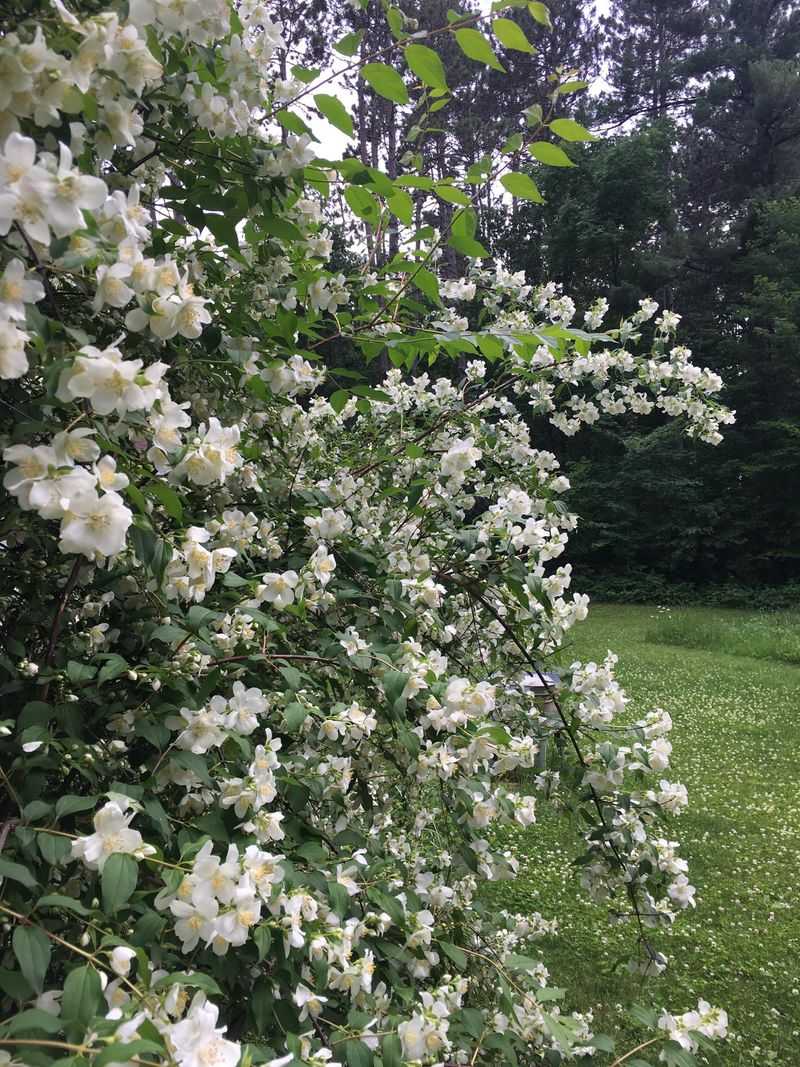
A crowded center is one of the most common problems with older mock orange shrubs. When too many stems grow inward and tangle together, light cannot reach the inner branches and air cannot circulate properly.
That combination creates exactly the conditions that fungal issues love. Thinning the center of the shrub is different from shaping the outside.
Instead of trimming the tips of branches, you are reaching inside and selectively removing stems that cross, rub against each other, or grow inward toward the center of the plant.
The goal is to create a shrub with an open, vase-like structure. Imagine being able to toss a tennis ball gently into the middle of the plant and have it pass through without getting stuck.
That kind of openness lets sunlight filter in and keeps the foliage drier between rain showers.
Drier foliage matters a lot in Oregon, where cloudy and wet conditions can linger well into spring and early summer.
Powdery mildew is a real concern for mock orange in humid climates, and good air circulation is one of the best ways to prevent it without reaching for any sprays.
When you thin the center, step back often and look at the overall shape of the shrub. Remove a stem, step back, evaluate, and then decide if another needs to go.
Taking your time with this step prevents over-thinning and keeps the plant looking natural and full from the outside while staying open and healthy inside.
7. Avoid Shearing Mock Orange Into A Tight Ball
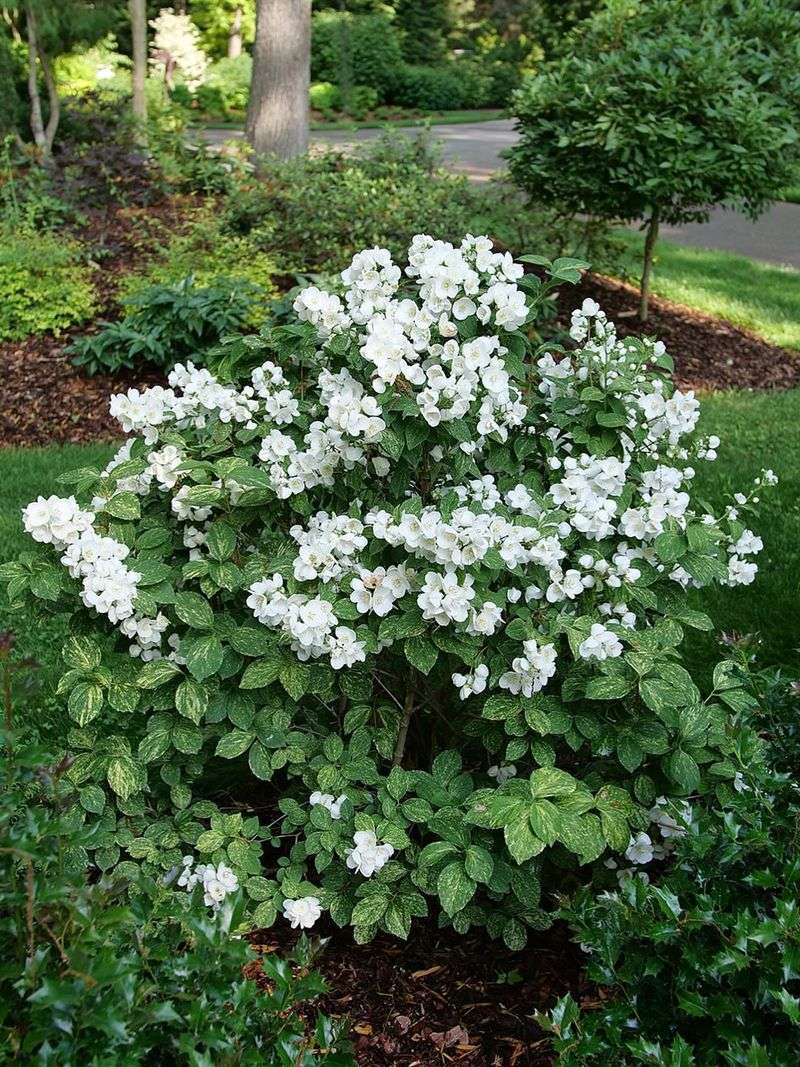
Grab an electric hedge trimmer and run it around the outside of a mock orange, and you will get a tidy-looking ball or box shape. It looks neat from the street.
But that tidy appearance comes at a serious cost to the shrub’s ability to bloom.
Shearing cuts off the tips of every stem evenly. Those stem tips are exactly where most of the flower buds develop on mock orange.
Remove the tips, and you remove the blooms. Do this every year, and the shrub can go from a fragrant showstopper to a leafy green mound that barely flowers at all.
Beyond the bloom problem, shearing also encourages a dense outer shell of twiggy growth that blocks light from reaching the interior.
Over time, the inside of the shrub becomes a tangle of damaged wood while the outside looks green. That structure is hard to reverse without drastic cuts.
Mock orange naturally wants to grow in a loose, arching, fountain-like shape. Working with that natural form instead of fighting it keeps the plant healthier and more productive.
Selective hand pruning, where you choose individual stems to remove or shorten, always produces better results than shearing for this type of shrub.
If the shrub has gotten too large for its space, the answer is not shearing but rather a more gradual renewal approach using the cane-removal method described earlier.
Patience with this plant always pays off in fragrance and flowers rather than just green foliage.
8. Shorten Long Stems Only After Flowering
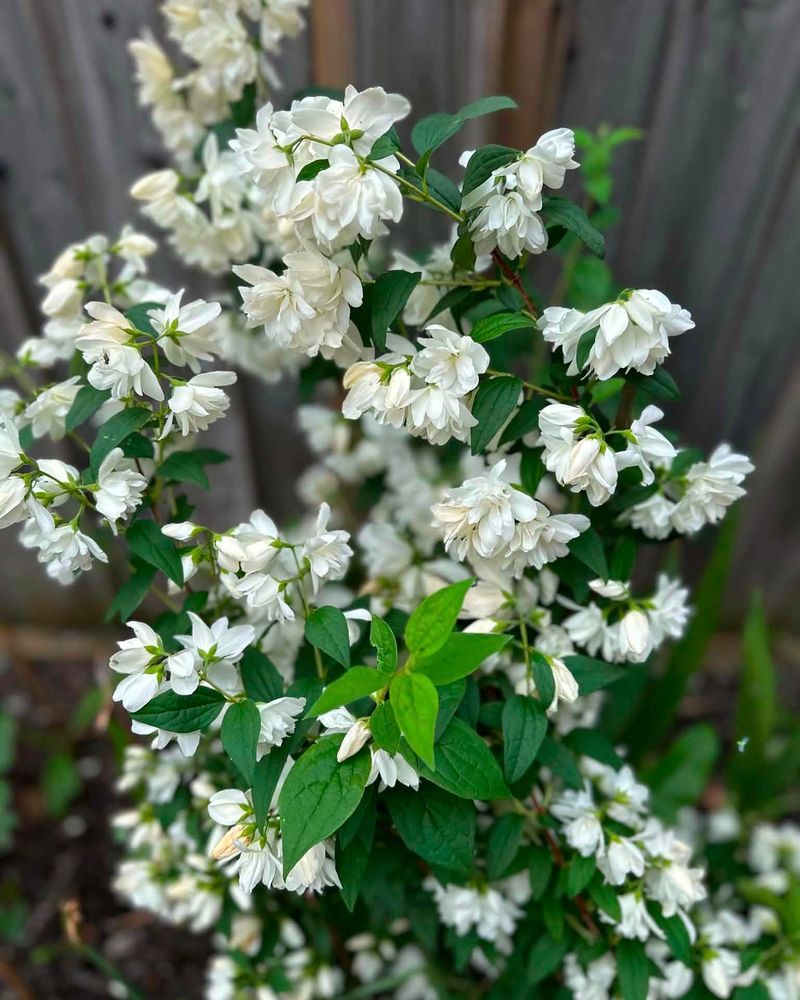
Mock orange can send up some surprisingly long, arching stems, especially after a good growing season.
These stems give the shrub its graceful, fountain-like look, but sometimes they flop over onto neighboring plants or hang into walkways in ways that get a little inconvenient.
The temptation is to cut them back whenever they start getting in the way. But if those stems still have flower buds on them, shortening them early means losing blooms.
The rule is simple: wait until after flowering to shorten any stem, no matter how long it gets.
Once the flowers have finished, you can cut long stems back by about one-third of their length. That keeps the natural arching shape while encouraging side shoots to form lower on the stem.
Those side shoots will carry flowers the following year. Avoid cutting stems all the way back to a main branch or the base unless they are truly old and unproductive.
Leaving a portion of the stem intact gives the plant a starting point for new growth rather than forcing it to push entirely new shoots from scratch.
After a few years of consistent post-bloom shortening, you will notice the shrub developing a denser but still graceful structure. Stems will be shorter overall, with more branching points carrying flower clusters.
That means more blooms per branch and a heavier, more intoxicating wave of fragrance rolling through your yard every spring. Patience and timing are the two tools that matter most here.
9. Skip Heavy Fertilizer If You Want More Blooms
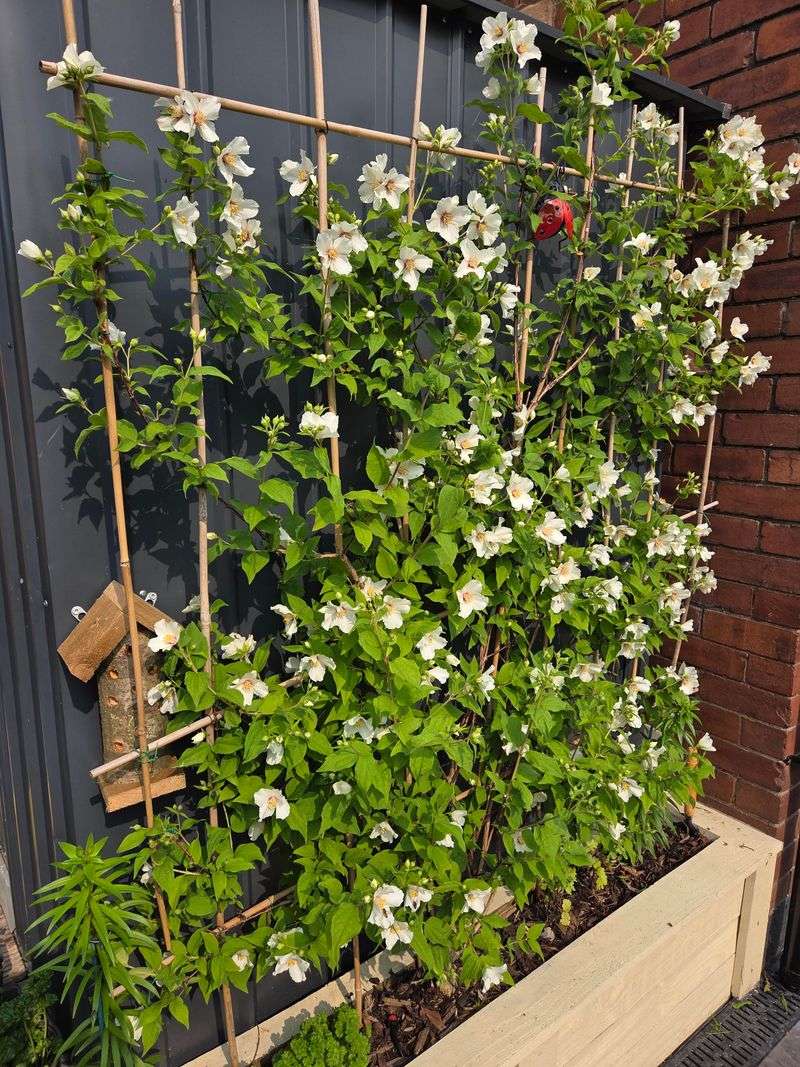
Here is something that surprises a lot of gardeners: feeding mock orange too much, especially with a high-nitrogen fertilizer, can actually work against flowering.
Nitrogen pushes plants to grow lots of green leaves and stems, which sounds like a good thing until you realize the plant is putting all its energy into foliage instead of flowers.
A shrub that gets heavy nitrogen feedings every spring might look incredibly lush and full. But when bloom time comes, you end up with a beautiful wall of green leaves and almost no flowers.
That means almost no fragrance, which is the whole reason most people grow mock orange in the first place.
The soils across much of Oregon are already reasonably fertile, particularly in valley areas with rich organic matter from years of rainfall and plant decomposition.
Many established mock orange shrubs do not need any supplemental fertilizer at all once they are settled in.
If you feel the need to feed, use a low-nitrogen or bloom-boosting fertilizer with a higher middle number on the label, such as a 5-10-5 formula. Apply it once in early spring before growth begins, and skip additional applications after that.
Compost is always a gentler and safer choice than synthetic fertilizers for this shrub. A thin layer of compost spread around the base in spring feeds the soil slowly and steadily without pushing the plant into excessive leafy growth.
Less really is more when it comes to fertilizing mock orange for maximum fragrance and flower power.