The Best Set-And-Forget California Plants For New Homeowners Who Don’t Know Where To Start
A new yard can feel exciting until every plant tag starts sounding like homework. California homeowners who are just getting started need plants that are forgiving, steady, and not too fussy once they settle in.
The best set-and-forget choices make the garden look cared for without asking for constant trimming or daily watering. They can handle real life, which matters when you are still learning the basics.
Start with plants that fit your sun, soil, and space. A little planning at the beginning can save a lot of stress later.
These easy growers can help bare beds feel more welcoming while giving you room to build confidence.
Choose the right low-maintenance plants, and your first California garden can feel doable instead of overwhelming.
1. California Poppy Gives Beginners Easy Seasonal Color
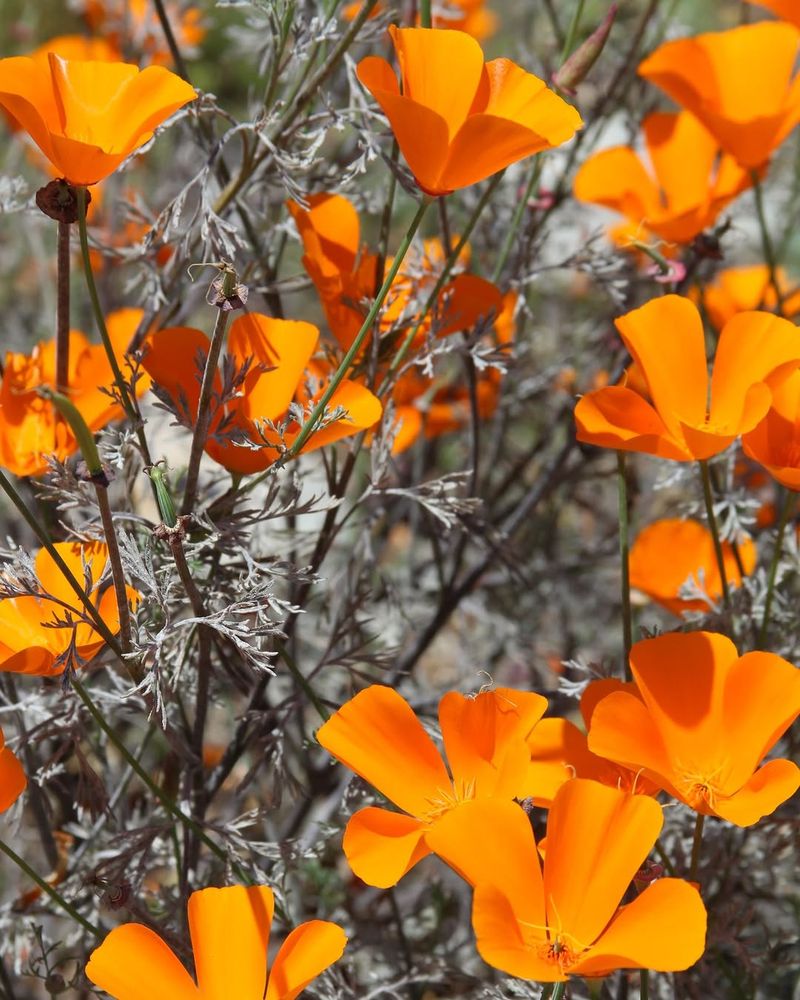
Few flowers in our state are as cheerful and carefree as the California poppy. Those bright orange blooms pop up every spring without much help at all.
Even better, they come back year after year by dropping their own seeds into the soil.
All you really need to do is scatter the seeds in a sunny spot and step back. These plants actually prefer poor, dry soil over rich garden beds.
Too much water or fertilizer can work against them, so less is truly more here.
They grow low to the ground, reaching about one foot tall, and bloom from late winter through early summer. The feathery, blue-green leaves stay attractive even when the flowers are not blooming.
Pollinators absolutely love them, so expect bees and butterflies to visit often.
One fun fact worth knowing: the California poppy is the official state flower of our state and has been since 1903. It thrives in coastal, inland, and even desert-adjacent yards across the region.
Kids love watching the cup-shaped flowers open in morning sunlight and close again at night.
If you want a low-effort plant that delivers maximum color with zero fuss, start here. Scatter seeds in fall, give them a light watering to settle them in, and let the rain do the rest.
Spring will reward you beautifully.
2. Yarrow Handles Sun, Heat, And Poor Soil
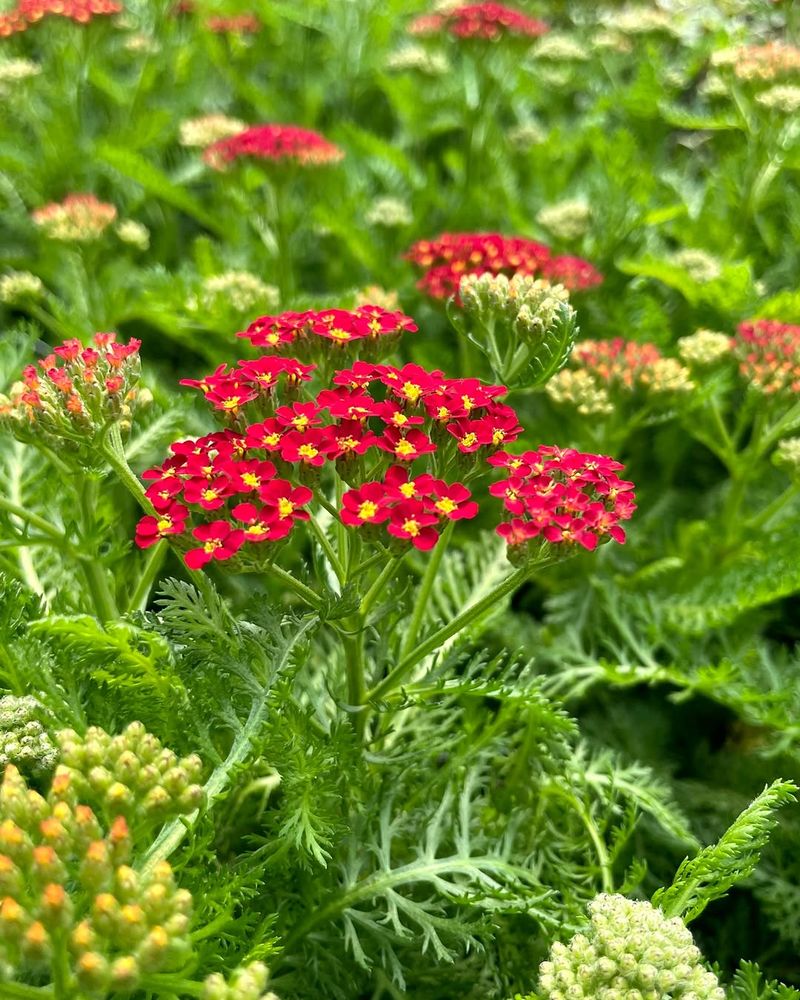
Some plants just refuse to quit, and yarrow is one of them. It grows in rocky slopes, roadside ditches, and neglected corners where most other plants would struggle.
That kind of toughness makes it a perfect starting point for anyone new to gardening.
Yarrow loves full sun and actually performs best when the soil is lean and dry. Rich, moist soil can cause it to flop over or grow too fast, so avoid overwatering.
Plant it once, and it will spread slowly into a natural-looking ground cover over time.
The flat-topped flower clusters come in shades of yellow, white, pink, and red. Blooms appear from late spring through summer and attract an impressive number of pollinators.
Butterflies especially seem drawn to the wide, landing-pad-style flower heads.
Yarrow also has a long history of use in herbal medicine, which adds a fun layer of interest for curious gardeners. Native tribes across North America used it for centuries to treat wounds and fevers.
Your California Garden Changes Every Week. Your Plan Should Too.
Gardening in California changes quickly throughout the season. Every Friday you’ll receive a simple weekly plan showing exactly what to plant, prune, fertilize, harvest, and protect so you never miss the right timing.
You do not need to use it medicinally, but knowing that history makes it feel more meaningful in your yard.
Cut it back after the first bloom to encourage a second round of flowers. It handles drought like a champ once established and rarely needs anything beyond occasional trimming.
For a tough, colorful, and wildlife-friendly plant, yarrow earns its spot every time.
3. Seaside Daisy Softens Edges With Little Fuss
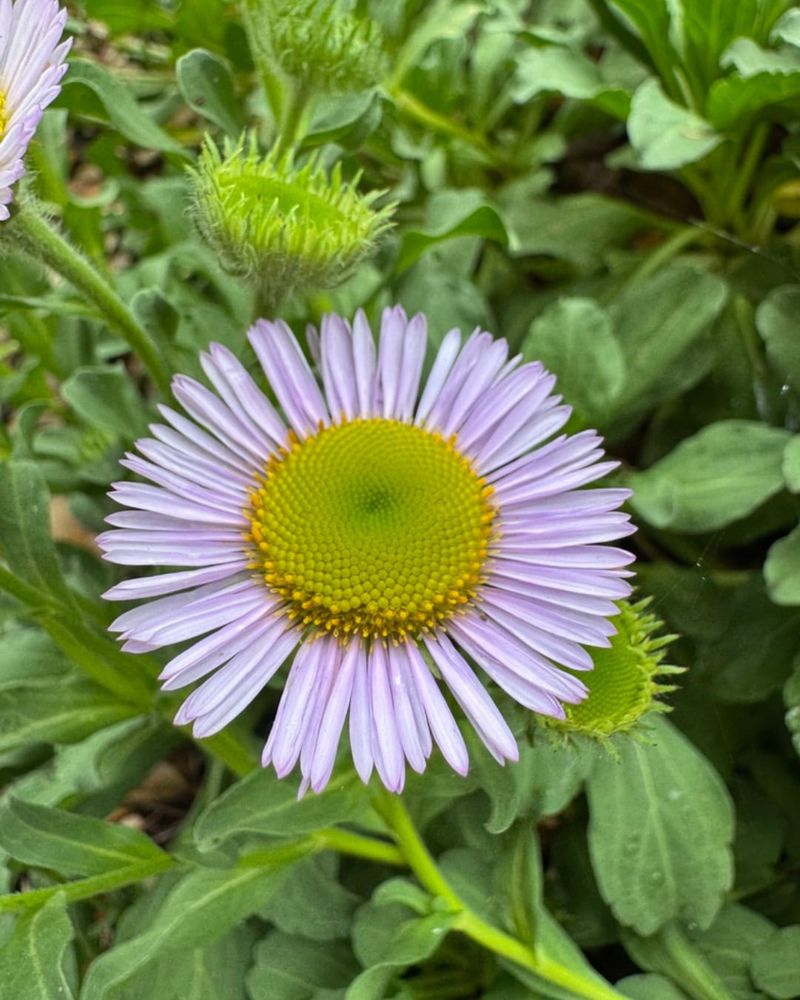
There is something quietly charming about a plant that just spreads itself along a path without being asked. Seaside daisy does exactly that.
It creeps along the ground, fills in bare spots, and produces cheerful purple and white flowers almost nonstop through the year.
Native to coastal areas of our state, it handles salt air, wind, and dry conditions better than most ornamental ground covers. Plant it along walkways, at the base of walls, or on slopes where erosion could be a problem.
It roots as it spreads, which helps hold soil in place naturally.
The plant grows only about six inches tall, so it never blocks views or crowds out taller plants nearby. It looks tidy without needing constant trimming.
A light shearing after the main bloom period encourages fresh growth and keeps it looking neat.
Bees and small butterflies visit the daisy-like flowers regularly throughout the season. It pairs beautifully with ornamental grasses, salvias, and other low-water natives.
The soft lavender color works well in almost any garden color scheme.
Water it regularly for the first season while roots get established. After that, it needs very little irrigation and handles dry summers with ease.
For new homeowners who want a soft, finished look along borders and pathways without a lot of upkeep, seaside daisy is a genuinely smart and satisfying choice.
4. Hummingbird Sage Works In Dry Shade
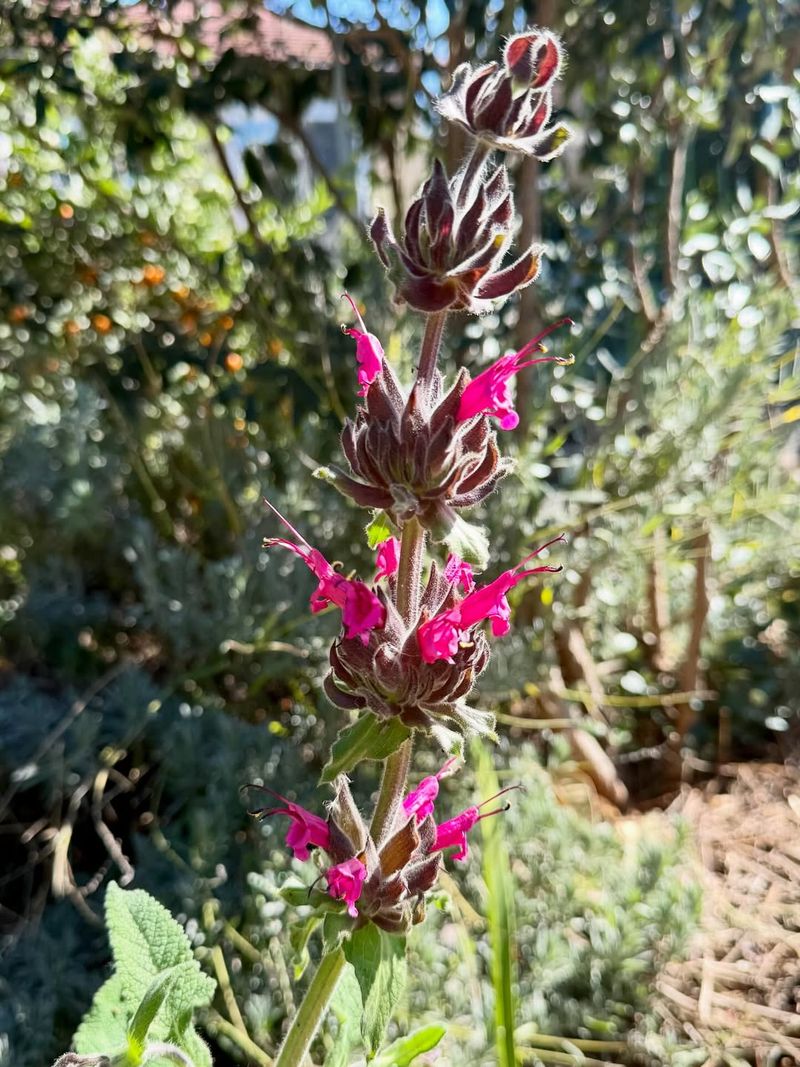
Dry shade is one of the trickiest spots in any yard to fill. Most plants want sun, and the ones that like shade usually need moisture too.
Hummingbird sage breaks that rule in the best possible way.
It thrives under oaks and other trees where the soil stays dry and the light stays low. The large, textured leaves form a lush-looking ground cover even when conditions seem harsh.
In spring, tall spikes of deep magenta flowers shoot up and attract hummingbirds almost immediately.
The fragrance is another bonus. Crush a leaf between your fingers and you get a rich, herbal scent that many people find relaxing and pleasant.
It is one of those sensory details that makes a garden feel truly alive and personal.
Plant it in groups of three or more for the best visual effect. It spreads slowly by underground runners, gradually filling in shaded areas without becoming invasive.
Once established, it needs almost no irrigation in most parts of our state.
Hummingbird sage goes dormant in summer heat, which is completely normal. The leaves may look tired by August, but they bounce back when fall rains return.
Do not remove the plant thinking something went wrong. It is simply resting and will reward your patience when cooler temperatures arrive.
For a shady, dry corner that feels impossible to plant, this native sage is a surprisingly reliable and rewarding solution.
5. Sticky Monkeyflower Blooms Without Constant Attention
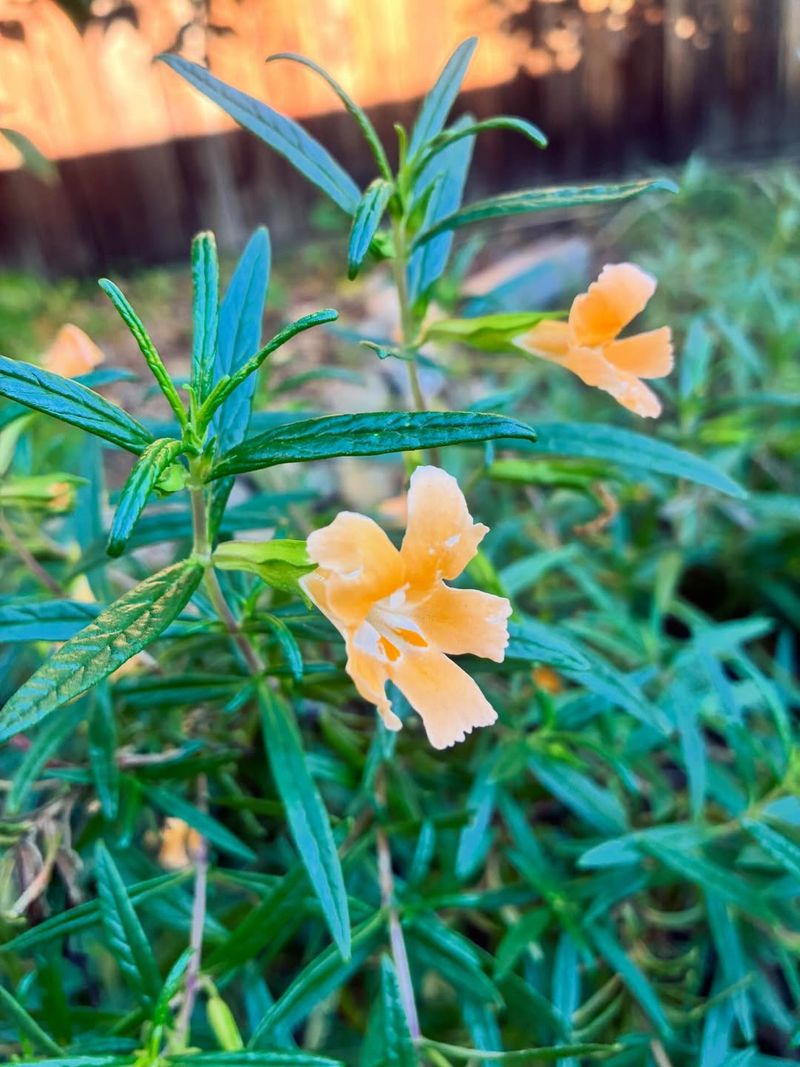
Named for its sticky stems and cheerful blooms, sticky monkeyflower is one of those plants that makes you feel like a gardening expert without much effort.
It produces clusters of orange or yellow trumpet-shaped flowers from spring through early summer.
Hummingbirds visit the blooms regularly, which makes the yard feel lively and full of energy.
This shrubby plant grows two to four feet tall and wide, making it a good mid-sized option for borders, slopes, and dry hillside plantings.
It handles full sun and reflected heat well, which is a major plus for yards with south-facing exposures. Poor, rocky soil does not slow it down at all.
Water it occasionally during the first summer to help roots settle in. After that first season, it becomes surprisingly self-sufficient.
Cutting it back by about one-third after blooming encourages fresh growth and keeps the shape tidy.
One detail many beginners overlook is that the plant goes semi-dormant in summer heat. The leaves may drop or look sparse, but new growth returns with fall moisture.
That seasonal rhythm is completely natural and worth understanding before you assume something is wrong.
It pairs well with native grasses, black-eyed Susan, and other drought-tolerant plants. The sticky coating on the stems actually helps trap small insects, which can reduce pest pressure nearby.
For a low-water shrub with serious visual appeal, sticky monkeyflower is hard to beat in our state’s warm, dry climate.
6. Toyon Makes A Simple Native Anchor Shrub
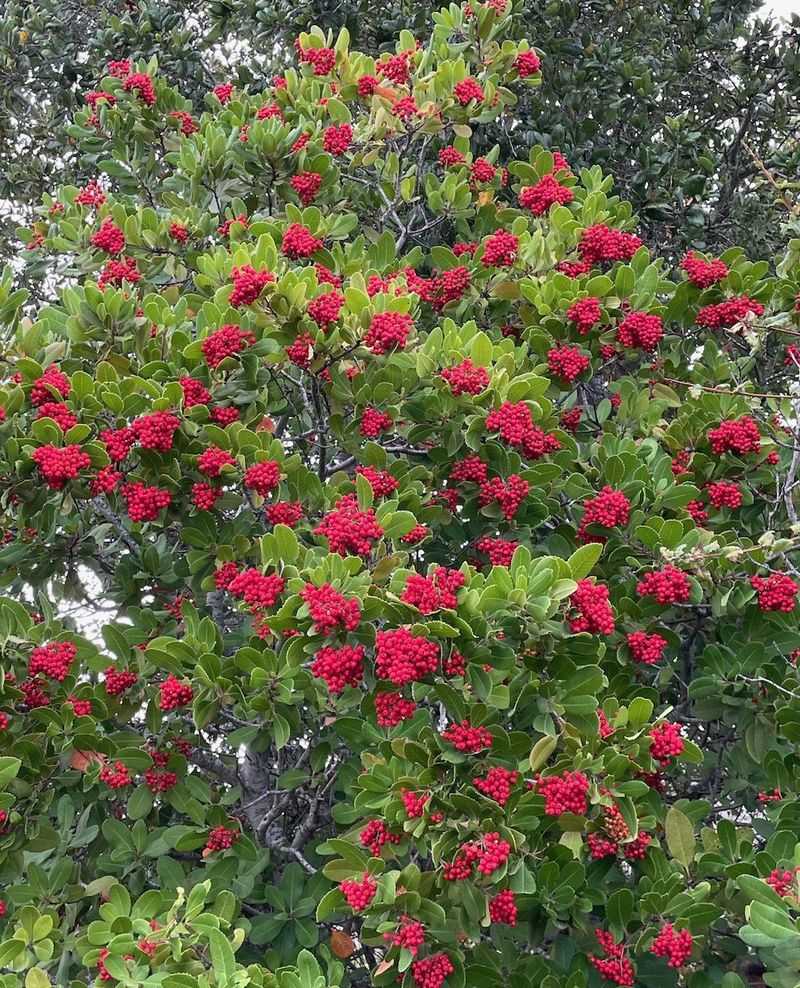
Every yard needs at least one strong, reliable anchor plant that holds the design together through every season. Toyon fills that role better than almost any other native shrub in our state.
It grows six to ten feet tall with dense, dark green leaves that stay attractive year-round.
In winter, it produces clusters of bright red berries that birds absolutely flock to. Robins, cedar waxwings, and mockingbirds are among the regular visitors, turning your yard into a natural feeding station during the colder months.
The white summer flowers attract pollinators before the berries even form. Toyon is incredibly adaptable. It grows in full sun or partial shade and handles both clay and sandy soils.
Once established, it needs very little supplemental water, making it an ideal choice for water-conscious homeowners throughout our state.
Fun history note: the name Hollywood actually comes from toyon, which was once called California holly. Early settlers saw the red berries and thought it resembled English holly, which inspired the name.
That connection to local history makes planting it feel like a small tribute to the region’s roots.
Plant toyon as a privacy screen, a wildlife hedge, or a standalone specimen in a large open area. Prune it lightly after flowering to maintain shape, but it honestly looks great with minimal shaping.
For beginners wanting a bold, beautiful, and deeply native plant, toyon is an anchor worth trusting from day one.
7. Island Bush Snapdragon Gives Beginners Long-Lasting Color
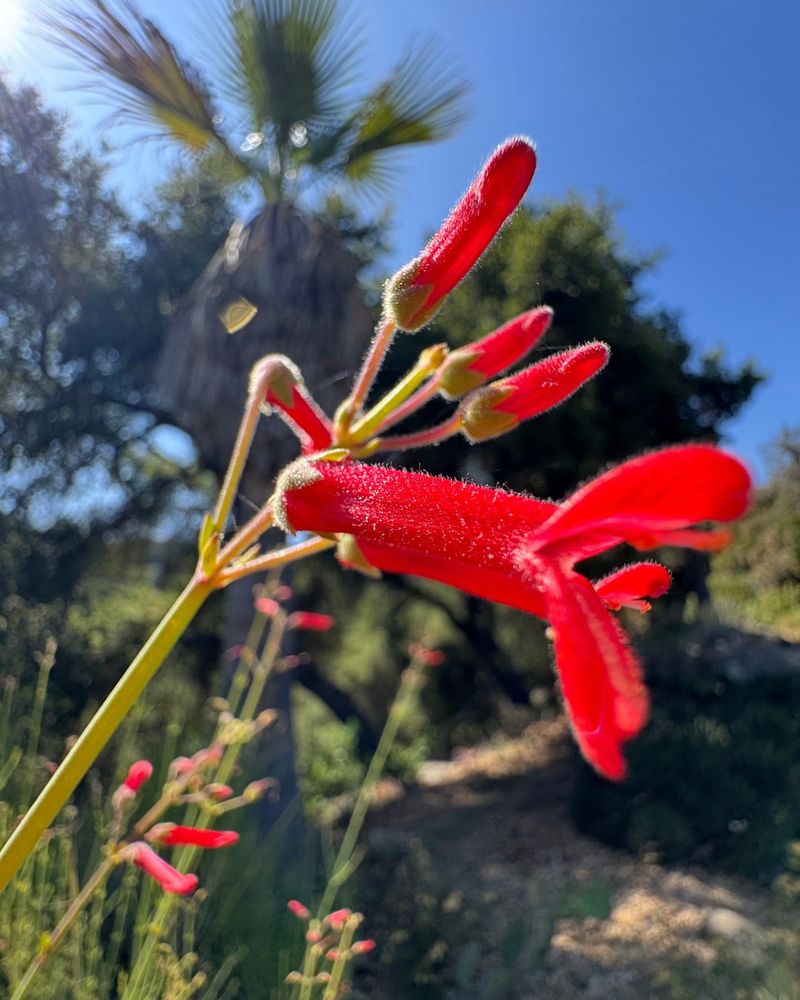
Not many plants bloom for eight or nine months out of the year, but island bush snapdragon comes remarkably close.
From late fall through early summer, it covers itself in clusters of tubular flowers in shades of pink, coral, and magenta.
That extended bloom season is a huge advantage for homeowners who want color without replanting every season.
Originally from the Channel Islands off our state’s coast, this shrub has adapted beautifully to dry mainland gardens.
It grows three to five feet tall and wide, forming a rounded, full shape that looks intentional without much pruning. Full sun and well-drained soil are really all it asks for.
Hummingbirds treat island bush snapdragon like a favorite restaurant. The long, tubular flowers are perfectly shaped for hummingbird feeding, and once the birds discover your plant, they come back reliably throughout the season.
That kind of wildlife interaction makes gardening feel genuinely rewarding.
Water it deeply but infrequently once established. Overwatering is actually one of the few things that can cause problems with this plant, so hold back during summer.
A light trim after the main bloom period keeps it tidy and encourages fresh flowering growth.
It pairs well with salvias, toyon, and native grasses for a cohesive low-water garden design. For beginners who want big color payoff without constant maintenance, island bush snapdragon delivers season after season with very little asked in return.
8. Catalina Perfume Handles Dry Gardens With Glossy Leaves
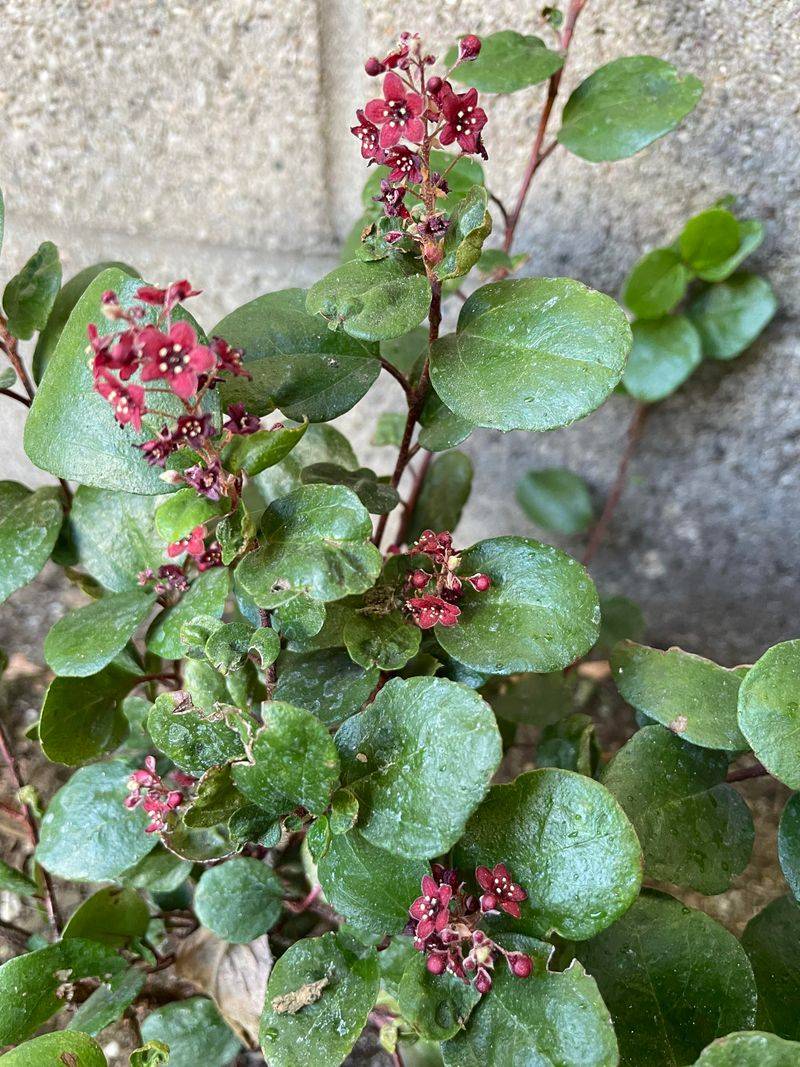
Walk past a Catalina perfume shrub on a cool winter morning and you might stop in your tracks. The sweet, clove-like fragrance from the tiny pink flowers is surprisingly strong for such a modest-looking plant.
That scent alone makes it worth growing, even before you consider how easy it is to care for.
Catalina perfume is a cultivar of native currant developed for garden use across our state. It grows four to six feet tall with dense, glossy leaves that stay green through summer drought.
The flowers appear from late fall through early spring, brightening up the yard during months when very little else is blooming.
It grows well in full sun to partial shade and handles dry, rocky, or clay soils without complaint.
Once established, it rarely needs watering beyond what rainfall provides in most regions of our state. That kind of independence is a real gift for busy new homeowners.
Birds are drawn to the small berries that follow the flowers in spring. The dense branching also provides good nesting cover for smaller bird species throughout the year.
Planting it near a window or patio lets you enjoy both the fragrance and the bird activity up close.
Prune it lightly after flowering to encourage bushy growth. Avoid heavy cutting, which can reduce next season’s blooms.
For a fragrant, wildlife-friendly, and effortlessly beautiful shrub that thrives in dry conditions, Catalina perfume belongs in almost every beginner’s yard.
9. Desert Mallow Thrives Where Hot Yards Intimidate New Owners
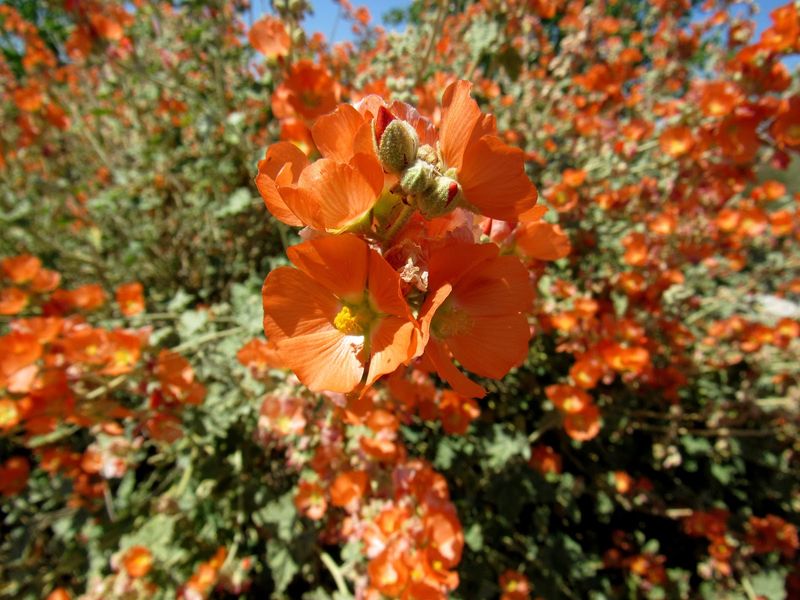
Hot, sun-baked yards with baking gravel and reflected heat from walls or driveways can feel impossible to plant. Desert mallow was practically made for those conditions.
Its bright orange, cup-shaped flowers bloom from spring through fall, bringing real color to spots that most plants refuse to touch.
Native to desert regions across the American Southwest, it handles temperatures and drought levels that would stress almost any other flowering plant. The soft, gray-green leaves have a fuzzy texture that helps reduce water loss in intense heat.
That natural adaptation makes it one of the toughest options available for hot inland yards in our state.
It grows two to three feet tall and wide, with an upright, airy shape that looks natural rather than stiff. Full sun is non-negotiable, and well-drained soil is a must.
Avoid planting it in low spots where water collects after rain, as excess moisture is the one thing it truly dislikes.
Bees love the open, accessible flowers, making desert mallow a great pollinator plant for dry gardens. It also attracts painted lady butterflies during their seasonal migrations through warmer parts of our state.
Watching those butterflies land on the blooms is one of those small joys that makes a yard feel special.
Cut it back by half in late winter to promote fresh growth and better blooming. No fertilizer needed.
For new homeowners facing a challenging hot yard, desert mallow turns that problem spot into a genuine point of pride.