What Makes Witch Hazel A Natural Fit For Connecticut Gardens
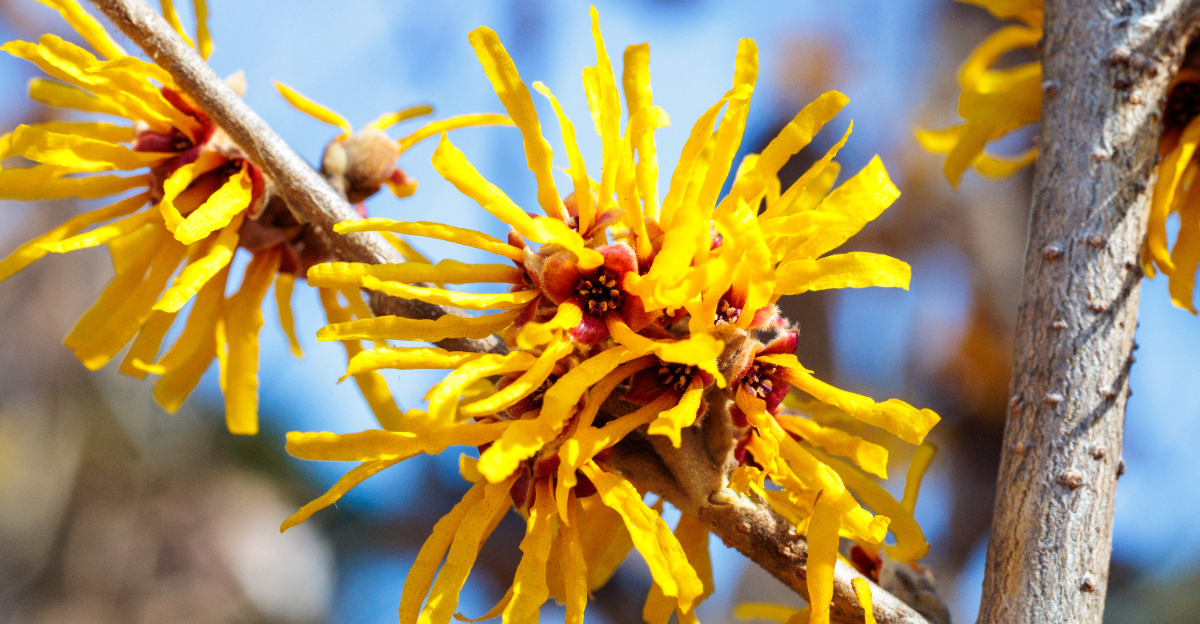
Some plants earn their place in a garden. Witch hazel demands it. This native shrub blooms in the depths of winter, pushing out twisted yellow flowers when the ground is frozen and everything else looks stripped bare.
Connecticut winters are brutal, and witch hazel does not care. It grows in shade, tolerates rocky soil, and attracts pollinators before any other plant in your yard has even thought about waking up.
It also turns a color in fall that stops people mid-walk. If you have been cycling through the same reliable shrubs season after season, witch hazel is the plant that makes you wonder why you waited so long.
Connecticut happens to be some of the best territory for it, and once you understand why, the decision to plant one feels less like a choice and more like common sense.
1. Witch Hazel Blooms When Everything Else Has Gone Dormant
Picture your garden in January, brown and silent, and then suddenly, color.
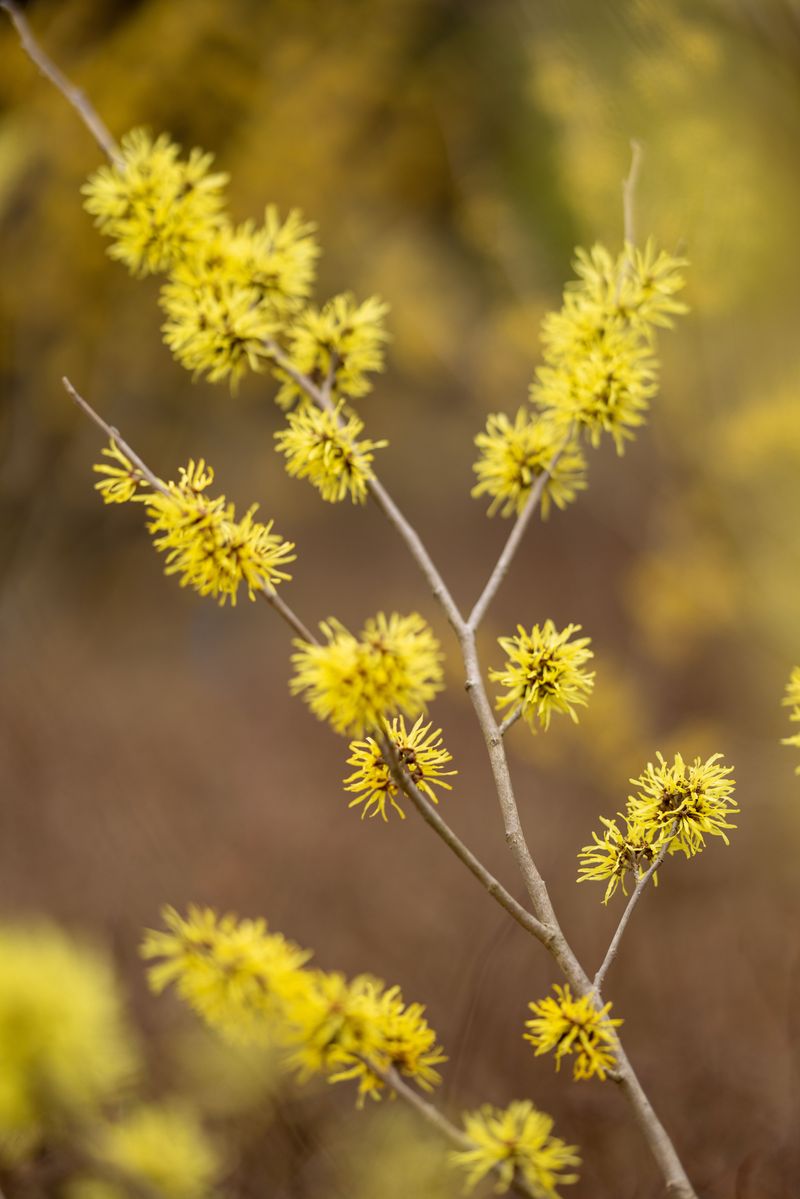
Witch hazel pulls off something no other common garden shrub can match. It pushes out bright yellow or orange blooms right in the heart of winter.
Most plants are locked in a deep sleep, but this one is wide awake and showing off. The flowers look like tiny crinkled ribbons, almost festive against bare bark.
They catch light on cold mornings in a way that stops you in your tracks. Gardeners who plant witch hazel often say it completely changes how they feel about the off-season.
Bloom time varies slightly by species. Hamamelis virginiana, the native type, flowers in late fall. Hamamelis x intermedia varieties tend to bloom from January through March, right when the winter stretch feels longest.
Having something to look at in February matters more than people realize. It gives you a reason to walk outside, bundle up, and actually enjoy your yard. That emotional lift is real and deeply underrated.
Witch hazel also holds its flowers through light freezes without dropping them. The petals curl up in extreme cold and then unfurl again when temps rise.
That resilience is part of what makes this plant so special in a Connecticut winter garden. No other flowering shrub delivers that kind of off-season punch with so little effort.
Plant it once and enjoy the winter show for decades. Your neighbors will absolutely stop to ask what that blooming thing is.
2. Connecticut Winters Do Not Slow This Shrub Down
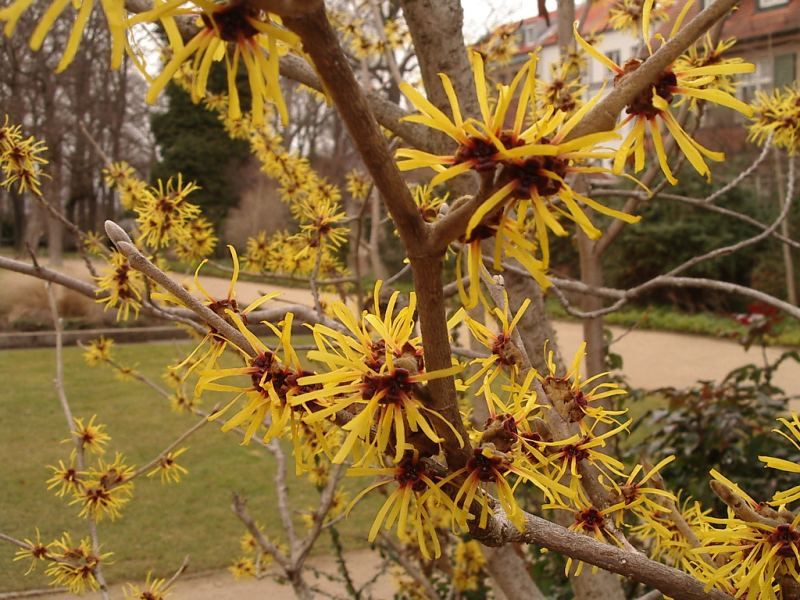
Tough winters are basically a personality trait in New England, and witch hazel fits right in. This shrub handles cold with a kind of quiet confidence.
Temperatures that send other plants into crisis mode barely register for witch hazel. It is cold-hardy down to USDA Zone 3, which means Connecticut winters are well within its comfort range.
Ice storms, hard freezes, and gray weeks of below-average temps are no match for this plant. The root system stays stable even in frozen ground. Above the soil, those ribbon-like blooms keep appearing like nothing happened.
Your Connecticut Garden Changes Every Week. Your Plan Should Too.
Gardening in Connecticut changes quickly throughout the season. Every Friday you’ll receive a simple weekly plan showing exactly what to plant, prune, fertilize, harvest, and protect so you never miss the right timing.
Many gardeners worry about protecting their shrubs through winter. With witch hazel, that worry mostly disappears. You do not need to wrap it, mulch it heavily, or bring it inside. It handles itself.
Snow actually looks stunning on witch hazel branches. The contrast between white snow and yellow petals is genuinely beautiful. Some gardeners say it is the best winter photo opportunity in their entire yard.
Witch hazel also avoids a common cold-weather problem: bark splitting. Many ornamental shrubs crack and suffer when temps swing wildly. This plant stays structurally sound through those fluctuations without missing a beat.
If you have lost shrubs to brutal winters before, this is the plant that will finally stick around. It asks for almost nothing in return for that loyalty.
A Connecticut garden with witch hazel is a garden ready for anything winter throws at it.
3. Native Wildlife Depends On Witch Hazel More Than You Might Expect
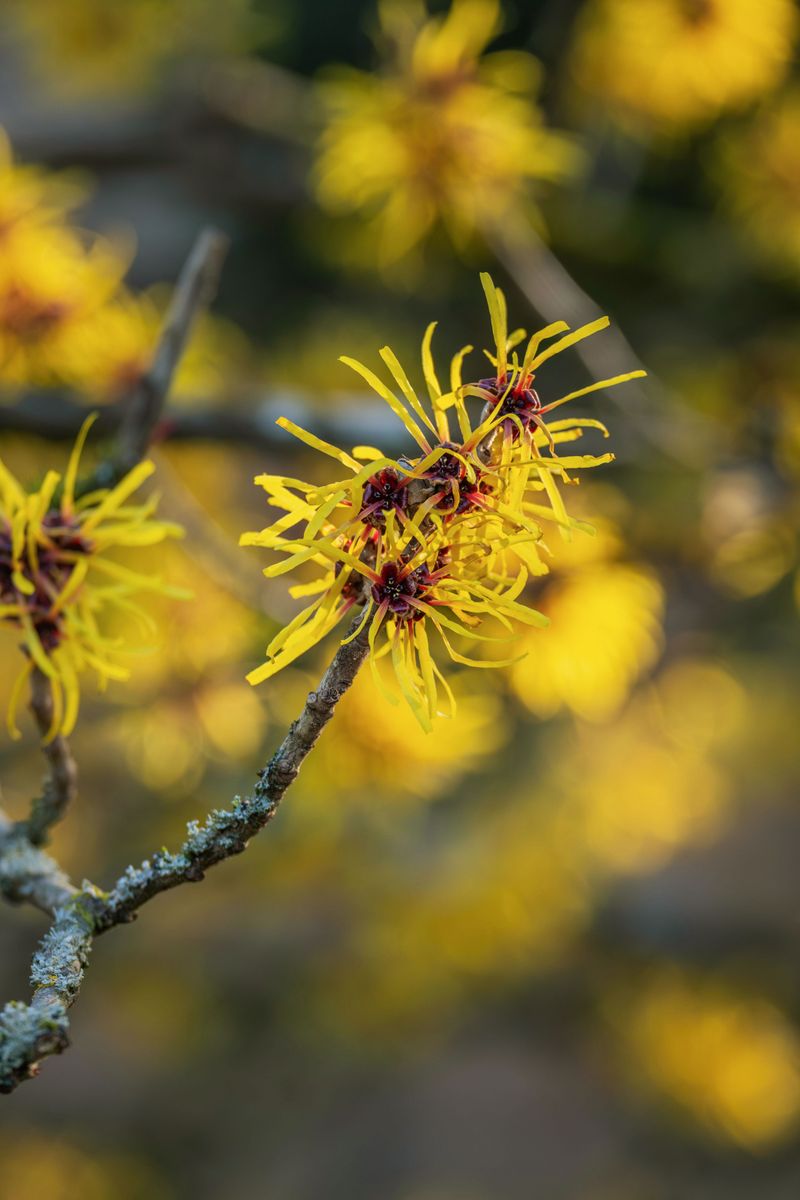
Most people plant witch hazel for the flowers, but wildlife quietly depends on it for survival. The seeds are a high-energy food source for birds and small mammals heading into cold months.
Ruffed grouse and wild turkey feed on the seeds, while white-tailed deer browse the leaves and twigs. Planting this shrub means you are quietly supporting a whole food web in your backyard.
Late-season pollinators get a huge benefit too. Witch hazel blooms when almost nothing else does, giving bees and flies a rare November or January food source.
Some native bee species specifically seek out witch hazel pollen during warm winter spells. Certain moths use witch hazel as a host plant for their larvae.
The witch hazel dagger moth and the spring azure butterfly both use this plant as a larval host. Supporting those species helps the broader local ecosystem stay balanced.
Songbirds also use the dense branching structure for shelter. During ice storms and wind events, small birds tuck into shrubby cover to stay safe. A mature witch hazel offers exactly that kind of protective space.
Gardeners who care about biodiversity often call witch hazel a keystone plant. It gives back more than it takes in terms of ecological value. That is a rare quality in any ornamental shrub.
Choosing plants that support wildlife is one of the most impactful things a home gardener can do. Witch hazel makes that choice easy, beautiful, and low-maintenance all at once.
4. Few Shrubs Tolerate Connecticut Soil The Way Witch Hazel Does
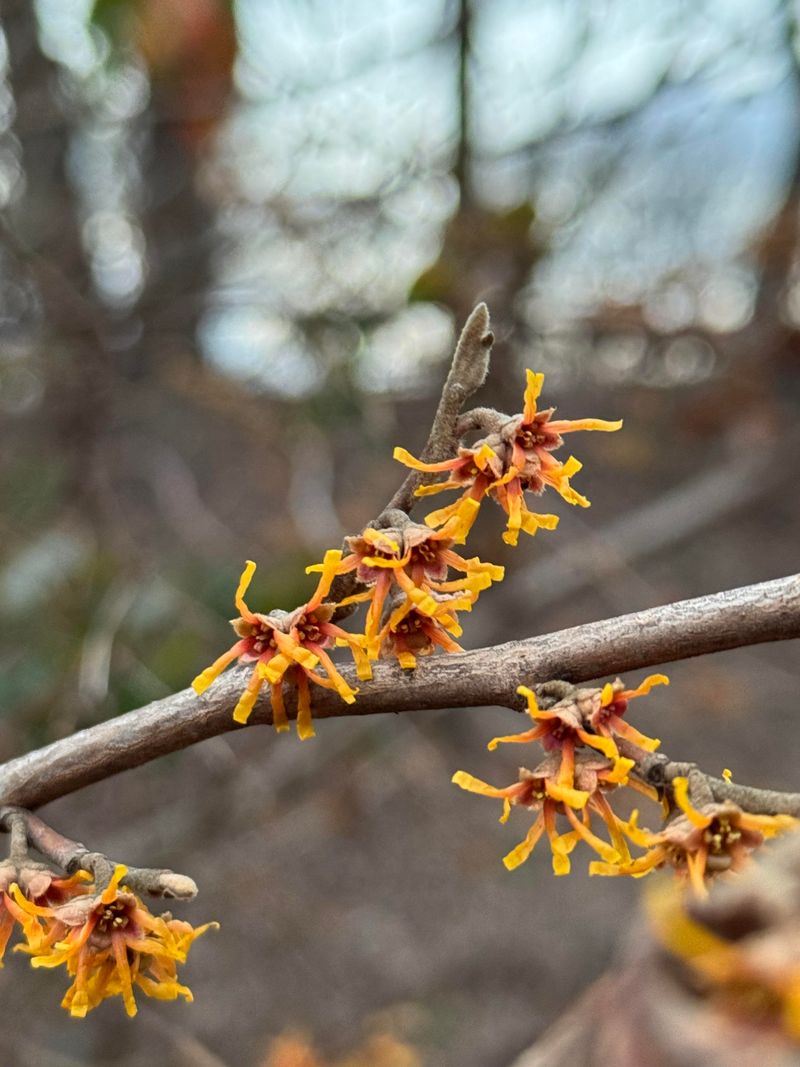
Connecticut soil has a reputation, and it is not always a flattering one. Rocky, acidic, clay-heavy, and poorly drained patches are common across the state.
Many ornamental shrubs struggle in those conditions and demand expensive amendments to survive. Witch hazel, on the other hand, evolved in exactly these conditions and thrives without complaint.
Witch hazel evolved in Connecticut’s rocky, acidic soils. It already knows how to handle them. No special prep required.
Slightly acidic soil, which is typical across much of New England, suits witch hazel perfectly. A pH between 5.5 and 6.5 is the sweet spot, and most local soils land right in that range. That saves you money and effort right from the start.
Drainage does matter somewhat, since witch hazel prefers moist but not waterlogged ground. However, it adapts surprisingly well to occasional dry spells once established. The root system is efficient and wide-reaching.
Clay soils can be improved simply by adding organic matter before planting. A layer of compost mixed into the planting hole goes a long way. After the first season, witch hazel typically takes over and manages on its own.
If you have a problem spot in your yard where other plants have failed, this shrub is worth a serious try. It is built for the real conditions of a New England garden, not the ideal ones.
5. The Fragrance Alone Makes Witch Hazel Worth Planting
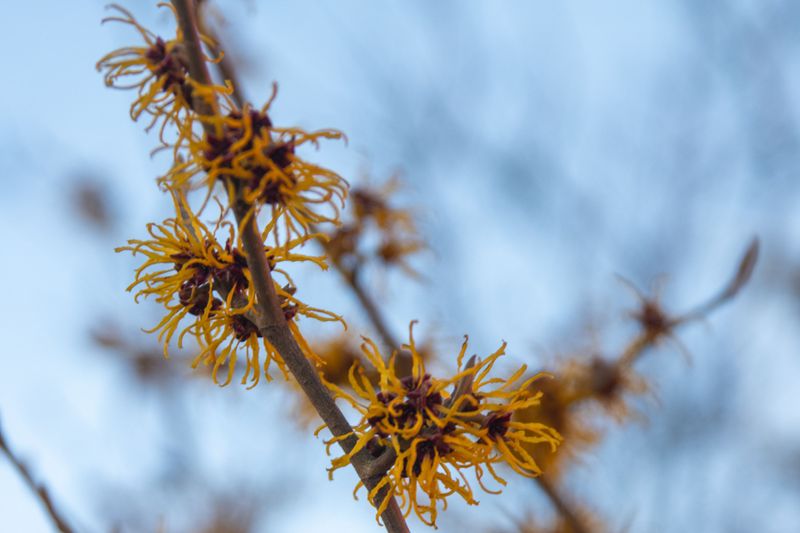
On a cold morning in February, catching a sweet scent in the air feels almost impossible. Witch hazel makes it happen. The blooms release a soft, spicy-sweet fragrance that carries surprisingly well in cold air.
Step outside on a calm winter day and you might smell it before you even see the flowers. The scent has been described as warm and slightly medicinal, with hints of citrus and clove.
It is subtle enough to feel natural but distinct enough to stop you mid-step. Many gardeners say it is one of the most pleasant surprises their yard has ever offered.
Fragrance in winter is genuinely rare. Most gardens offer nothing for the senses from November through March. Witch hazel breaks that silence in the most sensory and satisfying way possible.
Planting it near a frequently used path or entry point maximizes the experience. When you walk past the shrub regularly, you catch the scent without even trying. That kind of passive pleasure adds real daily value to a garden.
Different cultivars vary in scent intensity. Among hybrid varieties, Hamamelis x intermedia cultivars tend to carry a stronger scent than the native species. If fragrance is your priority, ask your local nursery which cultivars they carry.
Garden designers often talk about multi-sensory planting, meaning plants that engage more than just sight. Witch hazel delivers on that concept better than almost anything else you can grow in a New England yard.
Your nose will thank you every single winter.
6. Witch Hazel Brings Fall Color That Rivals Any Shrub In Your Yard
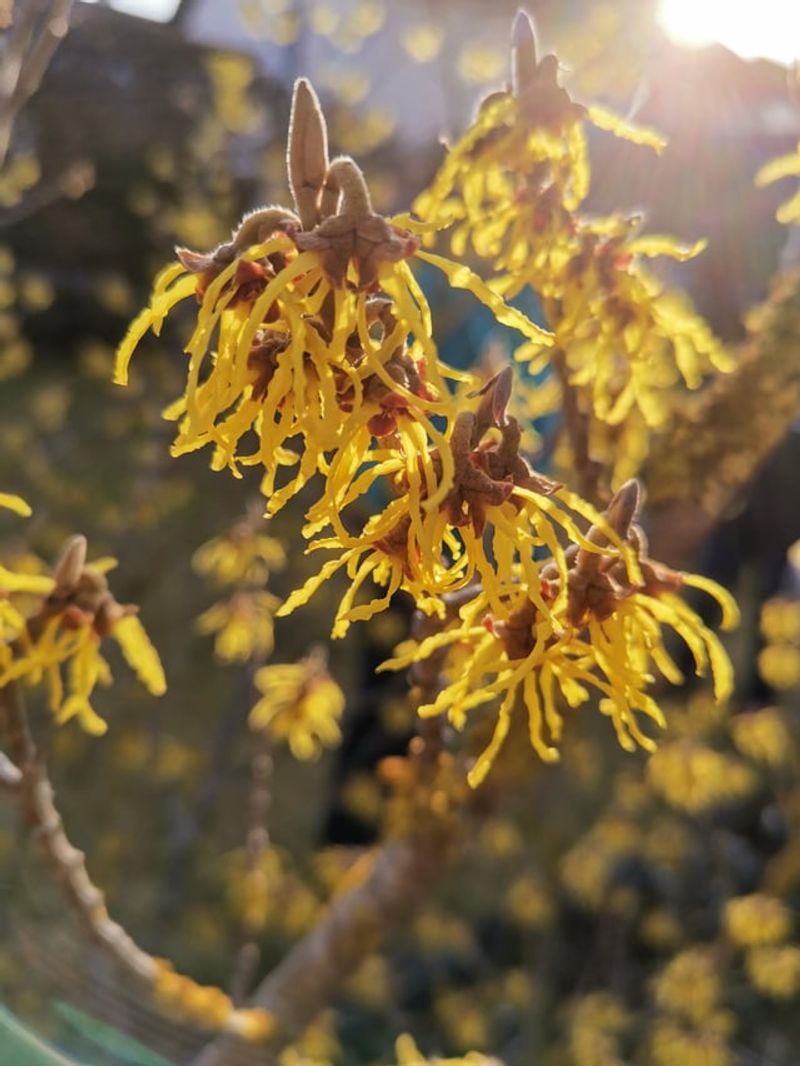
Fall color is one of the great joys of gardening in the Northeast, and witch hazel earns a serious spot in that conversation. Before the flowers even appear, the foliage puts on a show.
The leaves turn brilliant shades of yellow, orange, and occasionally deep red in autumn. That display happens right alongside the famous fall foliage season, so the timing could not be better.
Witch hazel leaves have a rounded, slightly wavy shape that catches light beautifully. When the sun hits them at a low angle in October, the colors seem to glow from within.
It is the kind of visual that makes you stop mid-rake and just look. What makes this plant especially exciting is the transition from fall color to winter bloom.
As the leaves drop, the flowers start to emerge. You essentially get two consecutive seasons of visual interest from one shrub.
Most fall-color shrubs go completely dormant after leaf drop and offer nothing until spring. Witch hazel refuses that pattern. It keeps giving right through the coldest months of the year.
Pairing witch hazel with evergreen shrubs in your landscape creates a stunning contrast. The yellow flowers pop against a dark green backdrop in January.
That combination is a classic design move used by professional landscape designers across New England. If your yard currently goes flat and colorless from October onward, this shrub solves that problem with style.
Fall color plus winter blooms is a combination that is genuinely hard to beat in any garden setting.
7. Shade Is Not A Problem When You Grow Witch Hazel
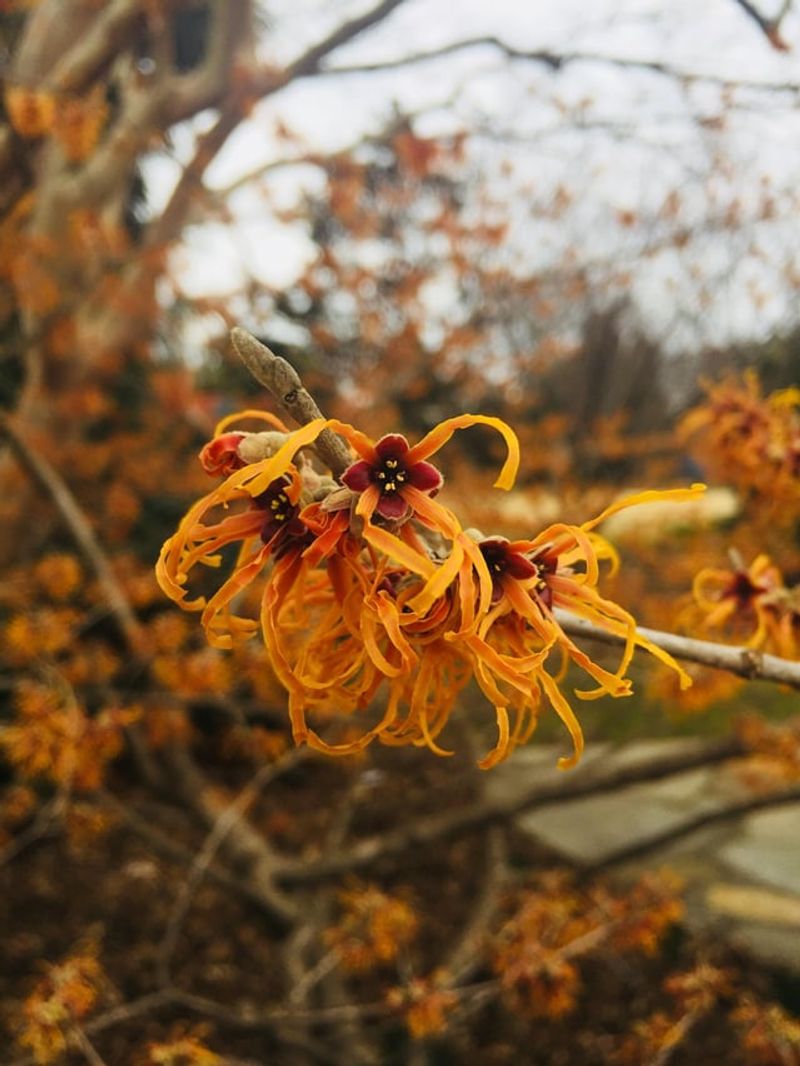
Shade is one of the most common complaints from home gardeners, and witch hazel turns that problem into an opportunity. Most flowering shrubs demand full sun to perform well.
Witch hazel breaks that rule with ease. It grows naturally in the understory of hardwood forests, which means partial to full shade is its comfort zone, not a compromise.
Connecticut yards with mature oaks, maples, or hemlocks often leave gardeners frustrated. Finding plants that flower and look good under those trees is genuinely difficult.
Witch hazel handles shady spots well, though it blooms most reliably in partial shade or filtered light.
Shade also tends to keep the soil cooler and more consistently moist. Witch hazel appreciates that moisture retention, especially during dry summer stretches. The conditions that frustrate other plants often benefit this one.
Woodland garden designs are increasingly popular among homeowners who want low-maintenance landscapes. Witch hazel fits naturally into that aesthetic alongside ferns, hostas, and native wildflowers.
The combination creates a layered, natural-looking space that practically takes care of itself.
If you have written off a shady corner of your yard as unplantable, witch hazel is ready to prove you wrong. Give it that difficult spot and watch it quietly become the most interesting plant in your entire garden.
8. Witch Hazel Happens To Be A True Connecticut Native
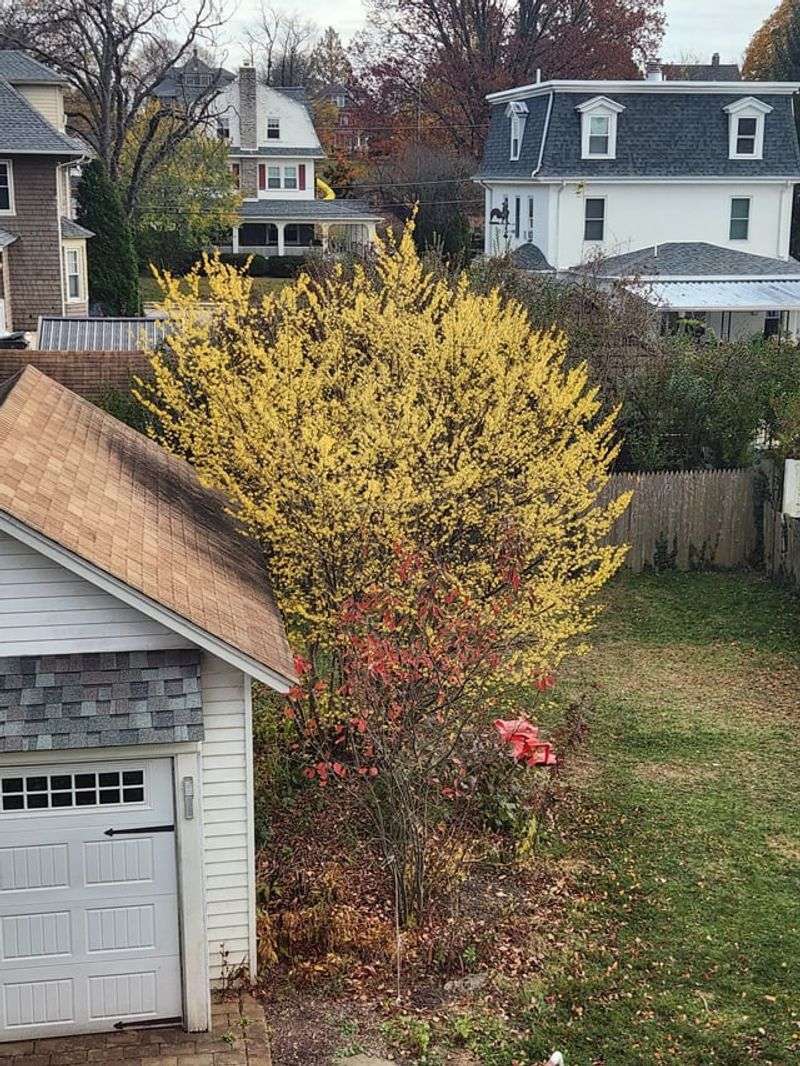
Native plants are having a major moment in American gardening, and for very good reason. Witch hazel is not just native to the eastern United States broadly.
Hamamelis virginiana grows naturally in Connecticut woodlands, stream banks, and forest edges. That is about as local as a plant can get without growing in your own backyard already.
Native plants require far less intervention once established. They evolved alongside local rainfall patterns, soil types, and temperature swings. That means less watering, fewer amendments, and almost no pesticide use in most home garden situations.
Choosing native plants also supports the regional ecosystem in meaningful ways. Insects, birds, and other wildlife recognize and depend on species they co-evolved with.
A non-native ornamental, no matter how pretty, simply cannot replicate those ecological relationships. Witch hazel has a long history with the people of this region as well.
Indigenous communities used bark and leaf extracts for medicinal purposes for centuries. That deep cultural history adds an extra layer of meaning to growing it in a home garden.
Many municipalities and conservation organizations in the Northeast now offer rebates or free plants for homeowners who choose native species.
Witch hazel often appears on those approved plant lists. Planting it could save you money while helping the local landscape.
A Connecticut garden built around native plants like witch hazel is more resilient, more sustainable, and more alive. That is the kind of garden that does not just look good now but keeps getting better with every passing season.