If A Praying Mantis Shows Up, Your Connecticut Garden Passed The Test
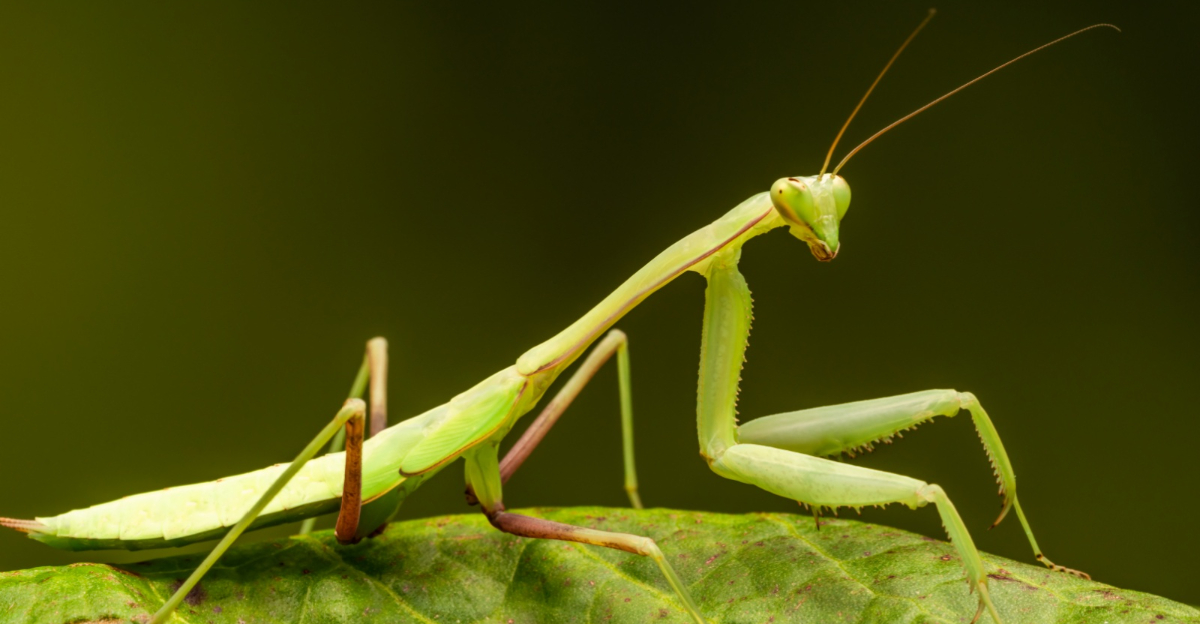
A praying mantis showed up in my Connecticut garden on a morning so still the air hadn’t decided what season it was yet. It perched on a tomato cage like it owned the place.
They scout a location with the precision of a real estate agent, checking off an invisible list of requirements before committing. Spotting one means your garden passed the test.
Connecticut gardeners who find a mantis have quietly built something rare: a yard with the right plants, the right insects, and the right structure to support an apex predator of the bug world. This is not luck.
It is the result of choices, big and small, that turned a patch of soil into a functioning ecosystem. So what exactly did your garden do to earn that stamp of approval?
Healthy Insect Population To Hunt
A praying mantis is basically the apex predator of your garden, and it chose your yard because the buffet is open.
These hunters eat beetles, grasshoppers, flies, crickets, and even the occasional caterpillar. If your garden is buzzing with insect activity, a mantis will notice and move right in.
Most people panic when they see a lot of bugs in their garden, but a thriving insect population is actually a sign of ecological health.
Mantises need a steady supply of live prey to survive, and a garden with poor insect diversity simply cannot support them.
Think of your bug population as a grocery store, and the mantis is the customer who keeps coming back because the shelves are always stocked.
Encouraging a healthy insect population means avoiding broad-spectrum sprays that wipe out everything, including the good stuff.
Planting flowers that attract pollinators and beneficial insects creates a layered food web that supports predators like the mantis. Your garden becomes a self-regulating system when every creature has a role to play.
Gardeners in Connecticut often notice more mantis sightings in late summer when insect populations peak.
That timing is no coincidence because it lines up perfectly with when young mantises are growing fast and need maximum calories.
A garden that hums with life in August is a garden that a praying mantis has already scouted and approved. Keep feeding that ecosystem and the hunters will keep showing up.
Pesticide-Free Or Low Chemical Use
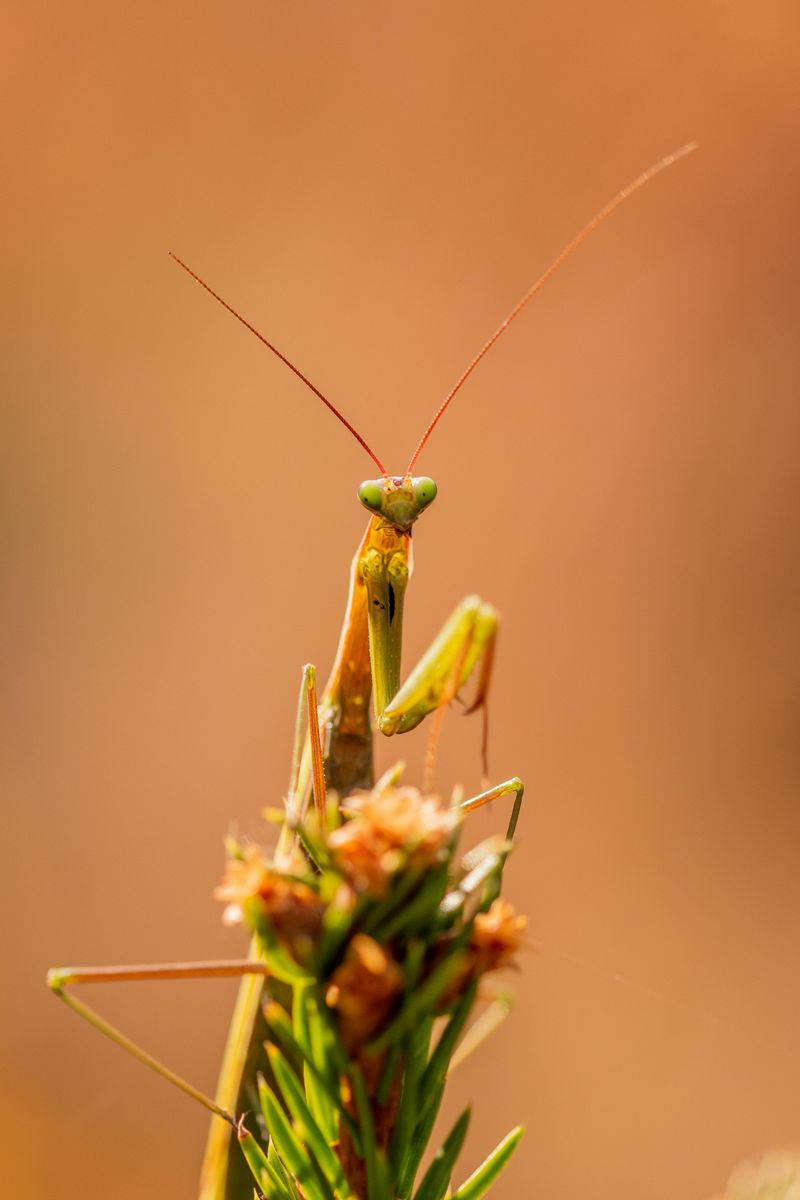
Here is a hard truth most gardening blogs skip: if you are dousing your plants with chemicals every week, no praying mantis is going to stick around.
These insects are incredibly sensitive to pesticides, and even products labeled as safe for plants can be lethal to beneficial bugs.
The fact that a mantis has settled into your space is strong evidence that your chemical use is low or nonexistent. Pesticide-free gardening has picked up serious momentum in recent years, and for good reason.
When you stop reaching for the spray bottle at the first sign of a chewed leaf, you give nature a chance to handle the problem itself.
A praying mantis can eat hundreds of pest insects over its lifetime, making it a genuinely valuable part of your garden’s natural pest management.
Your Connecticut Garden Changes Every Week. Your Plan Should Too.
Gardening in Connecticut changes quickly throughout the season. Every Friday you’ll receive a simple weekly plan showing exactly what to plant, prune, fertilize, harvest, and protect so you never miss the right timing.
Low-chemical gardens also tend to have richer soil biology, more diverse plant growth, and stronger root systems overall.
Those conditions create the kind of layered habitat that supports not just mantises but a whole community of beneficial wildlife. Your restraint with the sprayer is, in a very real sense, an invitation to nature.
Switching to organic pest control methods like neem oil, insecticidal soap, or simply hand-picking pests takes more patience but pays off in a big way.
Gardeners who make that shift often report seeing more butterflies, spiders, and yes, praying mantises within a single growing season.
Your garden passed the praying mantis vibe check partly because you put the chemicals down and trusted the process. That choice matters more than most people realize.
Dense Shrubs Or Tall Plants For Cover

Praying mantises are ambush predators, which means they need places to hide and wait. Dense shrubs, tall flowering plants, and layered greenery give them the cover they need to stalk prey without being spotted.
If your garden looks more like a jungle than a neat row of trimmed hedges, that is genuinely a feature and not a flaw.
Connecticut gardens that include shrubs like viburnum and spicebush are already on the right track.
Adding true native azaleas such as Rhododendron periclymenoides (pink azalea) or Rhododendron viscosum (swamp azalea) takes that habitat value even further.
These plants provide exactly the kind of thick, multi-level cover a mantis prefers. These plants also attract the insects that mantises feed on, so they serve a double purpose in your landscape.
A garden with structural variety, meaning low groundcover, mid-height perennials, and tall shrubs, creates a mosaic of microhabitats that wildlife loves.
Tall plants like Joe Pye weed, goldenrod, and cup plant offer sturdy vertical stems that mantises use as hunting perches.
From those elevated positions, they can survey a wide area and strike with precision when prey comes close enough. Height matters as much as density when it comes to creating mantis-friendly habitat.
One of the most common mistakes gardeners make is cutting everything back too aggressively in the name of tidiness.
Leaving some areas of your yard a little wild, with tall stems and overlapping foliage, signals to insects and predators alike that this is a safe zone.
Your praying mantis did not wander into a manicured showroom. It found a place that felt alive, layered, and full of possibility, and that is exactly what you built.
Diverse Plant Mix Attracting Varied Insects

Monocultures are boring, and praying mantises agree. A garden planted with just one or two types of flowers attracts a narrow range of insects, which means slim pickings for a hungry hunter.
But a garden overflowing with a diverse mix of blooms, herbs, and foliage? That is a five-star restaurant for a mantis.
Plant diversity drives insect diversity, and insect diversity is what keeps predators like the mantis fed and satisfied all season.
When you mix early bloomers like phlox with mid-season coneflowers and late-season asters, you create a continuous food source from spring through fall.
That staggered bloom schedule means there is always something flying, crawling, or hopping through your garden for a mantis to chase.
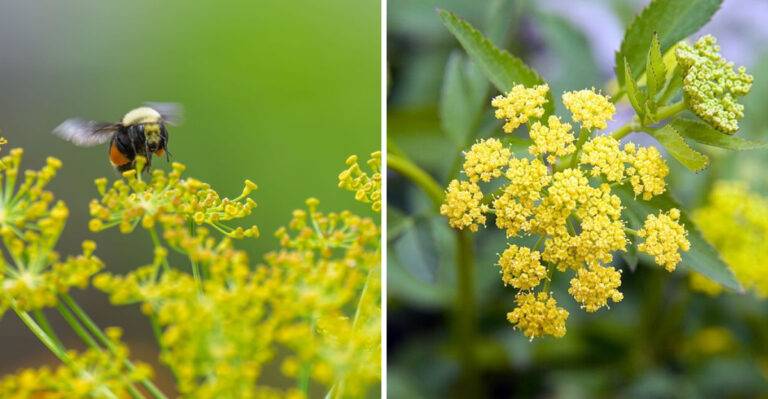
Herbs like fennel, dill, and basil are especially powerful at pulling in a wide range of insects, from tiny parasitic wasps to larger beetles.
Adding vegetables alongside flowers creates even more ecological complexity, which is exactly the kind of environment mantises evolved to thrive in.
Variety is not just the spice of life; in this case, it is the foundation of a functional garden ecosystem. Gardeners sometimes worry that attracting more insects means more damage to their plants.
The reality is that a balanced garden, one with both pest species and their predators, tends to regulate itself naturally over time. Your diverse plant choices created that balance without you even realizing it.
The praying mantis moved in because your garden offered a full menu, and that kind of abundance does not happen by accident.
Woody Stems And Tall Grasses For Egg-Laying
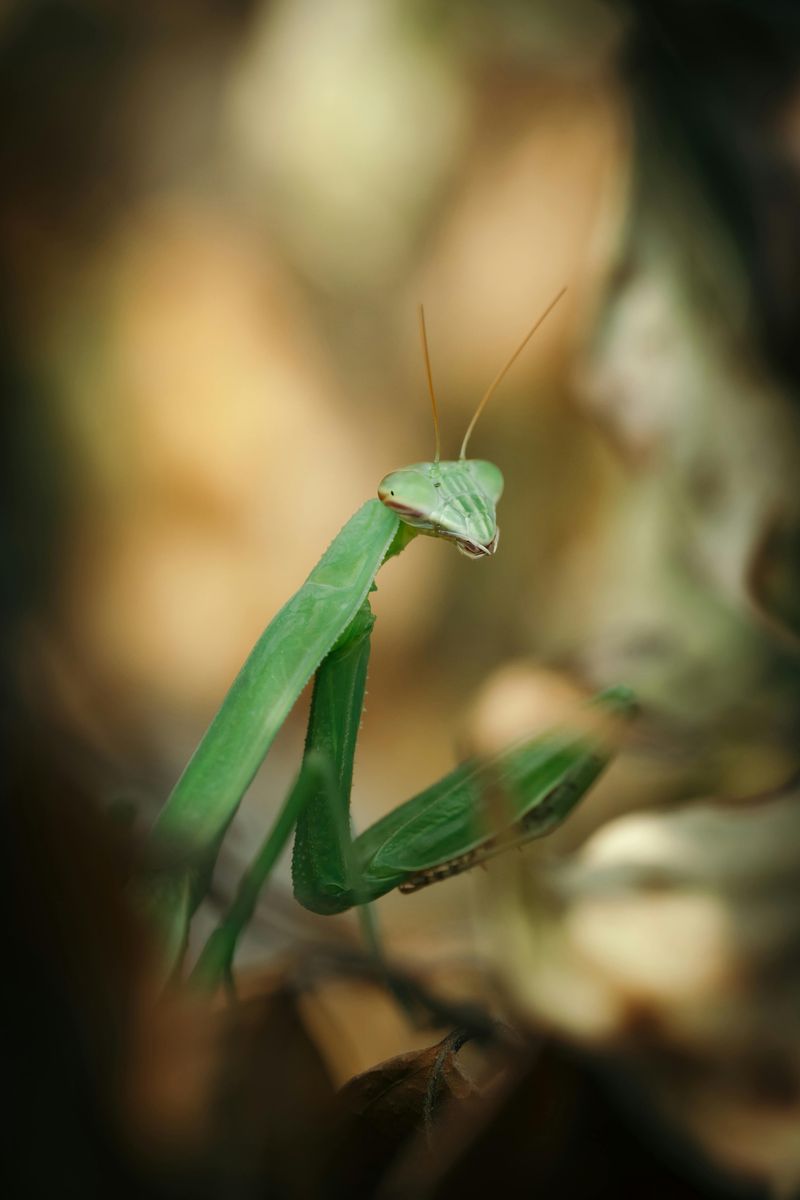
Few things in a garden are as quietly remarkable as a praying mantis egg case. The species you are most likely seeing in Connecticut is the Chinese mantis (Tenodera sinensis), introduced from Asia in the late 1800s.
The European mantis is also common. Both have adapted well to the Connecticut landscape and play the same ecological role, even if they are not native to it.
Known as an ootheca, this foam-like structure is attached to woody stems, tall grasses, or stiff plant stalks and contains anywhere from 50 to 200 eggs.
If you have found one of these in your yard, your garden just earned a serious badge of honor.
Female mantises are selective about where they lay their eggs because those cases need to survive the winter and hatch in spring.
They look for sturdy, upright stems that will stay above the snow line and provide structural stability through wind, ice, and freezing temperatures.
Connecticut winters are no joke, so a mantis choosing your garden for egg-laying means she trusted your plants to hold up under pressure.
Ornamental grasses like switchgrass and little bluestem are among the best plants for supporting egg cases because their strong, hollow stems stay standing all winter long.
Woody perennial stalks from plants like bergamot, cup plant, and baptisia also work perfectly as egg-laying sites.
Leaving those stems standing through the cold months instead of cutting them back in fall gives the next generation of mantises a fighting chance.
Many well-meaning gardeners accidentally destroy egg cases during autumn cleanup without even knowing it. If you see a small, tan, papery-looking blob on a stem, stop and leave it alone.
That little structure holds the quiet promise of next-season hunters who will spend their days moving through your garden. Your woody stems and tall grasses are not just pretty; they are a nursery.
Borders Woods, Meadows, Or Open Fields
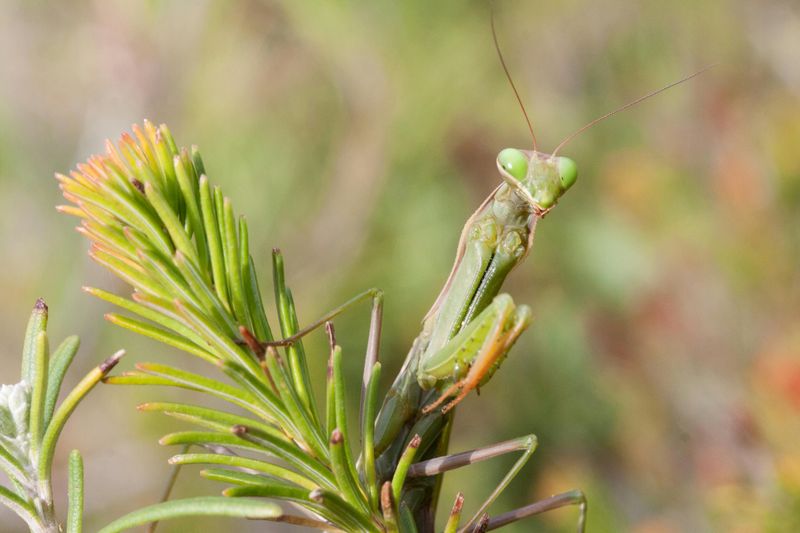
Location is everything in real estate, and it turns out the same rule applies to praying mantis habitat. Gardens that sit on the edge of wooded areas, open meadows, or untamed fields are prime territory for these insects.
That transition zone, where managed garden space meets wild land, is one of the richest ecological environments you can find in New England.
Ecologists call these boundary areas ecotones, and they are hotspots for biodiversity because they combine the resources of two different habitats at once.
A mantis living near a woodland edge has access to forest insects as well as open-field species, effectively doubling its hunting options.
Gardens that back up to state forests, nature preserves, or even just a neighbor’s overgrown lot benefit enormously from this kind of wild adjacency.
Connecticut has an impressive mix of forests, wetlands, and open farmland, which means many residential gardens naturally sit near at least one of these wild zones.
That geographic luck is a major reason why mantis sightings are relatively common in the state compared to more developed regions. Being close to the wild is not a liability; it is a living connection to a broader ecosystem.
If your garden backs up to the tree line or opens toward a sunny field, you are sitting on ecological gold. Wildlife moves along these corridors constantly, and mantises are no exception.
They follow the food, and the food follows the habitat edge. Your garden is not just a yard; it is a waypoint on a much larger wild map that stretches across the entire region.
Native Connecticut Plants Supporting The Local Food Chain
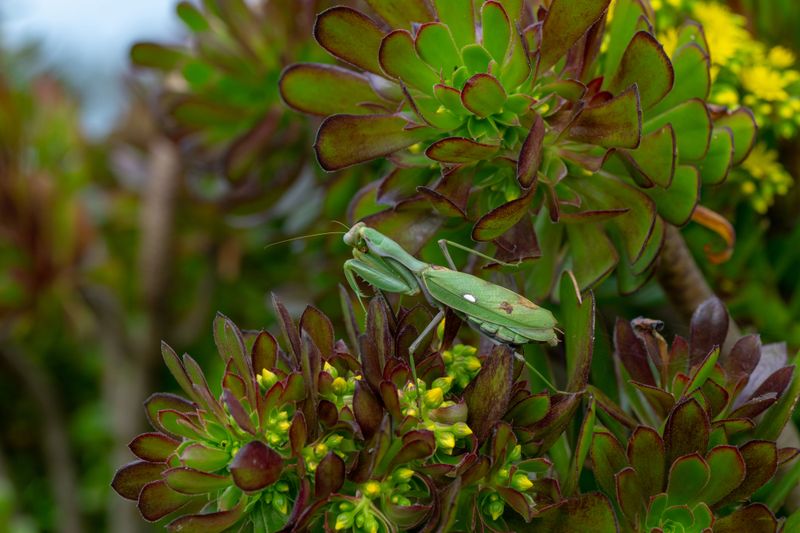
Native plants are the foundation of everything. Plants like goldenrod, wild bergamot, New England aster, and buttonbush have co-evolved with local insects over thousands of years.
That relationship runs deep. When you grow them, you are essentially plugging your garden into the original operating system of the Connecticut landscape.
A praying mantis that shows up in a garden full of native plants has hit the jackpot. Those plants attract native bees, native beetles, and native caterpillars. They also draw dozens of other species that a mantis has evolved to hunt.
Non-native ornamentals, while sometimes beautiful, often support far fewer insect species. They can leave a predator like the mantis with very little to work with.
The Connecticut Botanical Society and organizations like the Native Plant Trust have documented hundreds of plant species native to the state. Each one supports a robust insect community in its own right.
Even adding a handful of natives to an otherwise conventional garden can dramatically increase biodiversity. Small swaps make a measurable difference over time.
Trading out invasive burning bush for a native alternative is a strong first move. Highbush blueberry works well if your soil is acidic, around pH 4.5 to 5.5.
For gardens with average soil, native viburnums are a more forgiving and equally wildlife-friendly swap.
Gardeners who commit to native plants often describe a shift that happens gradually but unmistakably.
The garden gets louder, busier, and more alive with each passing season. More species discover the habitat and move in.
A praying mantis appearing in your native plant garden is not a random event. It is the natural conclusion of a food chain that you helped rebuild from the ground up, one plant at a time.
Ground-Level Cover Like Mulch Or Leaf Litter
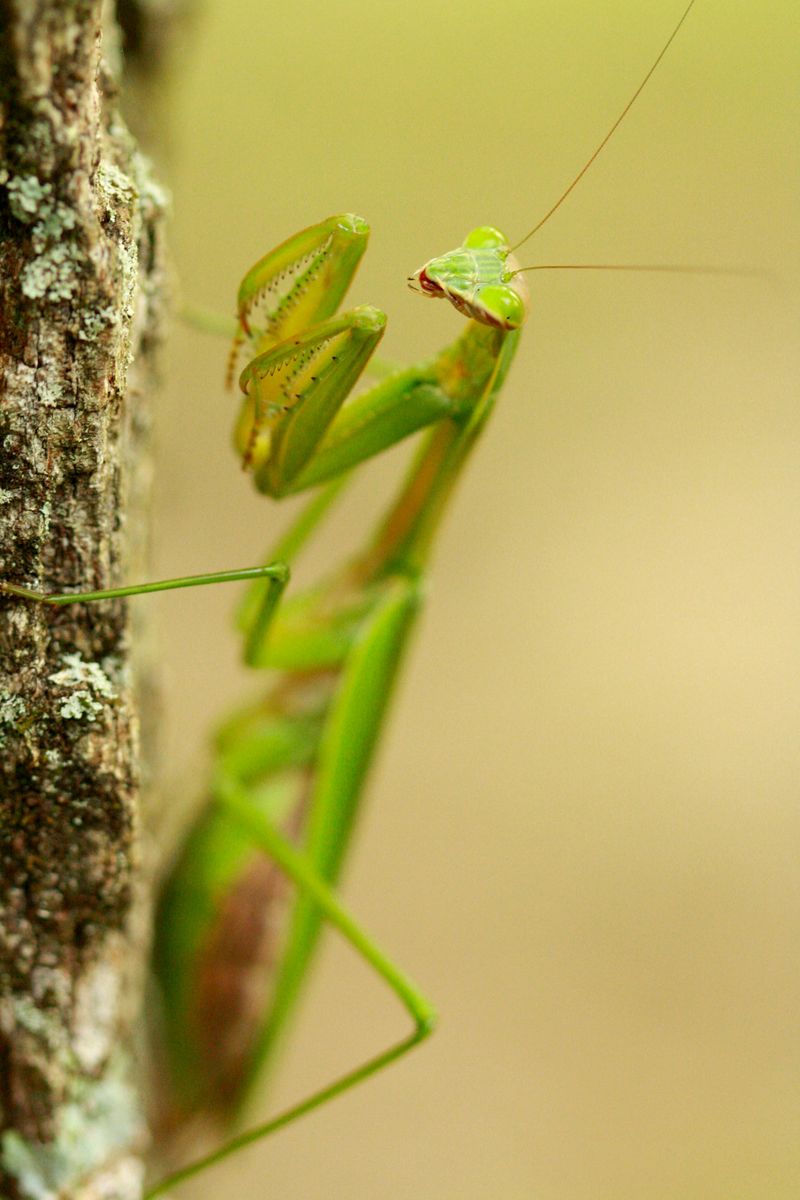
What is happening at the ground level of your garden is just as important as what is happening above it. A thick layer of leaf litter or organic mulch creates a micro-ecosystem teeming with pill bugs, beetles, small spiders, and other invertebrates.
Those ground-level creatures are not just decomposers; they are also food for young praying mantises just starting out in life.
Newly hatched mantis nymphs are tiny, fragile, and completely dependent on finding small prey close to the ground. A bare, swept garden bed offers almost nothing for a newborn mantis to eat.
But a garden floor covered in chunky mulch or fallen leaves? That is a starter habitat packed with the right-sized food for a baby predator learning to hunt.
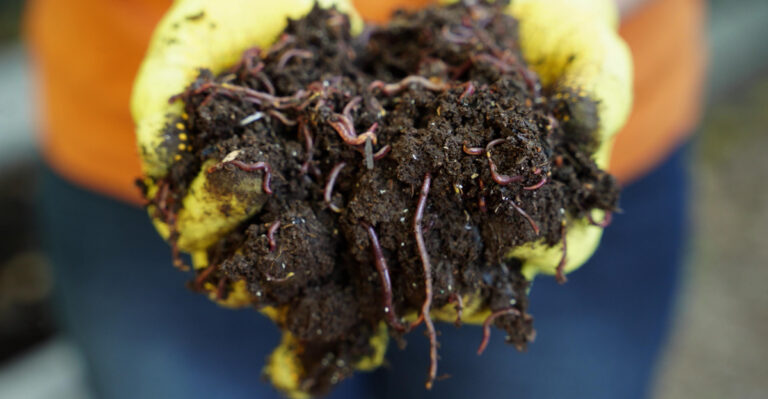
Leaf litter also regulates soil moisture, supports beneficial fungi, and provides overwintering spots for many insect species that a mantis will eventually eat.
The relationship between ground cover and insect abundance is one of the most underappreciated dynamics in backyard ecology.
Raking every leaf off your property and bagging it for the curb disrupts far more than it tidies. Beds and borders are where insects overwinter, and clearing them out removes an entire layer of the ecosystem.
Leaving leaves under shrubs, around tree bases, and in garden borders costs you nothing but a bit of effort saved. Your praying mantis, and the whole community of creatures that supports it, will respond in kind.
A garden that honors the ground as much as the sky is a garden that earns the praying mantis stamp of approval every single season. And that, right there, is the real vibe check.