Why Some Oregon Roses Grow Leaves But No Blooms (And How To Fix It)
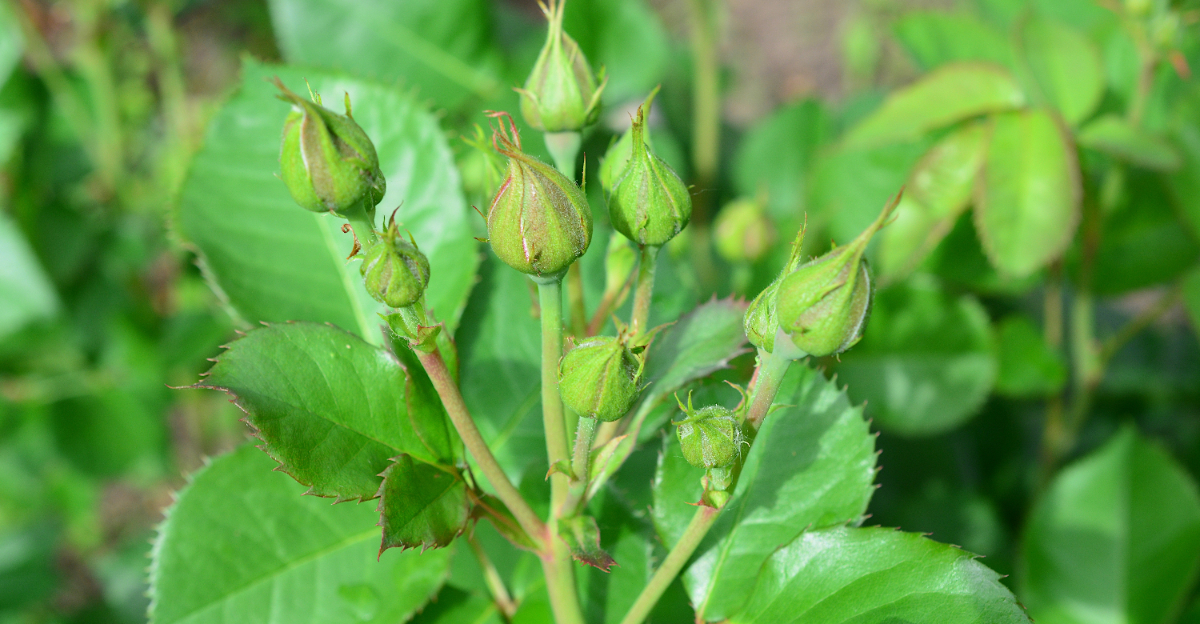
Roses can be downright misleading in spring. The plant leafs out, looks healthy, puts on plenty of fresh growth, and gives every sign that a big flower show is on the way.
Then nothing happens. No buds, no blooms, just a lot of green and a growing sense of annoyance.
Oregon gardeners run into this more often than they expect, especially after a cool, damp stretch that seems good for everything. The tricky part is that a rose with beautiful leaves can still be missing something important.
Too much shade, the wrong pruning timing, extra nitrogen, or even a rootstock issue can all lead to a plant that looks busy but stays stubbornly bloom-free. The good news is that roses usually leave clues.
Once you know what to watch for, the problem gets much easier to spot. A few smart changes can shift that plant out of leafy overdrive and back toward the flowers you were waiting for.
1. Too Much Shade, Not Enough Flowers
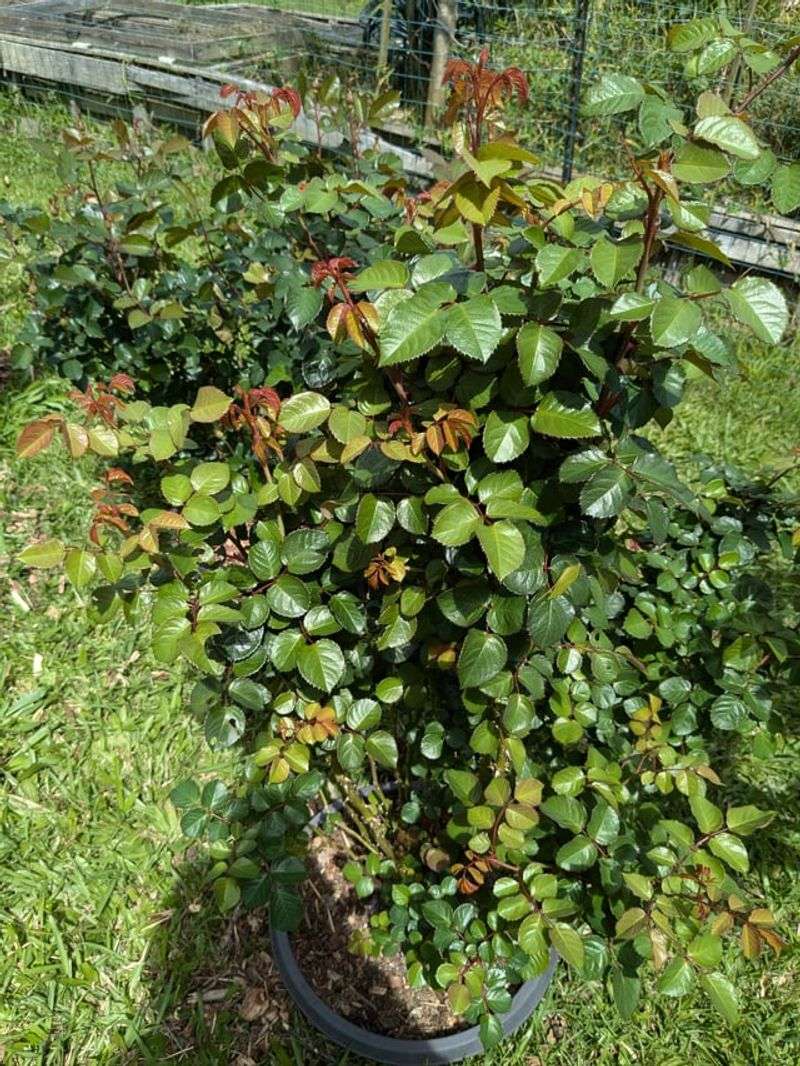
Sunlight is like fuel for a rose bush. Without enough of it, your roses will put all their energy into growing leaves instead of producing flowers.
Roses need at least six hours of direct sunlight every day to bloom well.
In Oregon, tall trees, fences, and neighboring structures can block that precious light more than you might realize. Even a spot that looks bright in the morning might be shaded for most of the afternoon.
That partial shade adds up fast, and your roses feel it.
Walk around your garden at different times of the day and watch where the sun actually hits. You might be surprised to find your rose bed is getting far less direct light than you thought.
Tracking sunlight patterns is one of the smartest things an Oregon gardener can do.
If shade is the problem, you have a few good options. Trimming overhanging tree branches can open up the canopy and let more light reach your roses.
If the spot is just too shady, consider moving the rose to a sunnier location in your yard. Roses transplant better than most people expect, especially when moved in early spring or fall.
2. Too Much Nitrogen, Too Much Leaf Growth
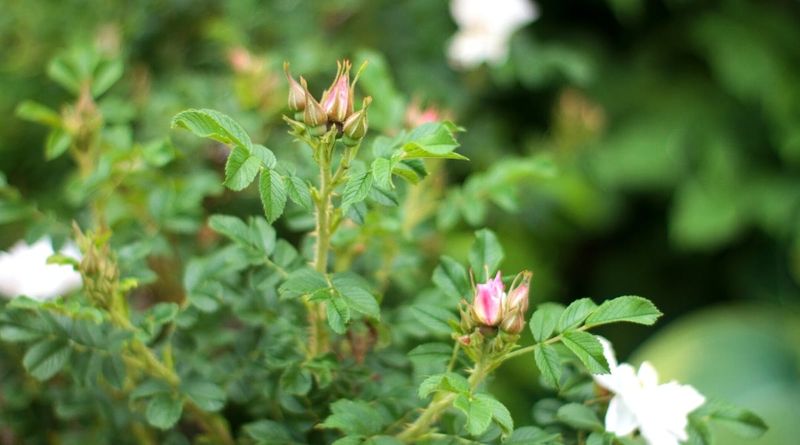
Fertilizer is supposed to help your roses thrive, but using the wrong kind can actually work against you.
Too much nitrogen is one of the most common reasons Oregon roses grow big and leafy without ever producing a single bloom.
Nitrogen is the nutrient that drives leafy, green growth. When a rose gets way too much of it, the plant basically goes into overdrive making foliage and forgets all about flowering.
It is like giving a kid too much sugar right before bedtime.
Many general-purpose lawn fertilizers are loaded with nitrogen. If you have ever used lawn food near your rose beds, that could be the culprit.
Even some rose fertilizers can throw off the balance if applied too heavily or too often.
The fix is to switch to a balanced fertilizer that contains equal amounts of nitrogen, phosphorus, and potassium. Look for something labeled 10-10-10 on the package.
Your Oregon Garden Changes Every Week. Your Plan Should Too.
Gardening in Oregon changes quickly throughout the season. Every Friday you’ll receive a simple weekly plan showing exactly what to plant, prune, fertilize, harvest, and protect so you never miss the right timing.
Phosphorus is especially important because it supports root development and flower production. Apply it during bud break in spring and skip fertilizing in late summer.
Giving your Oregon roses the right nutrients at the right time makes a huge difference in how many blooms you get.
3. The Wrong Pruning Can Cut Off Blooms
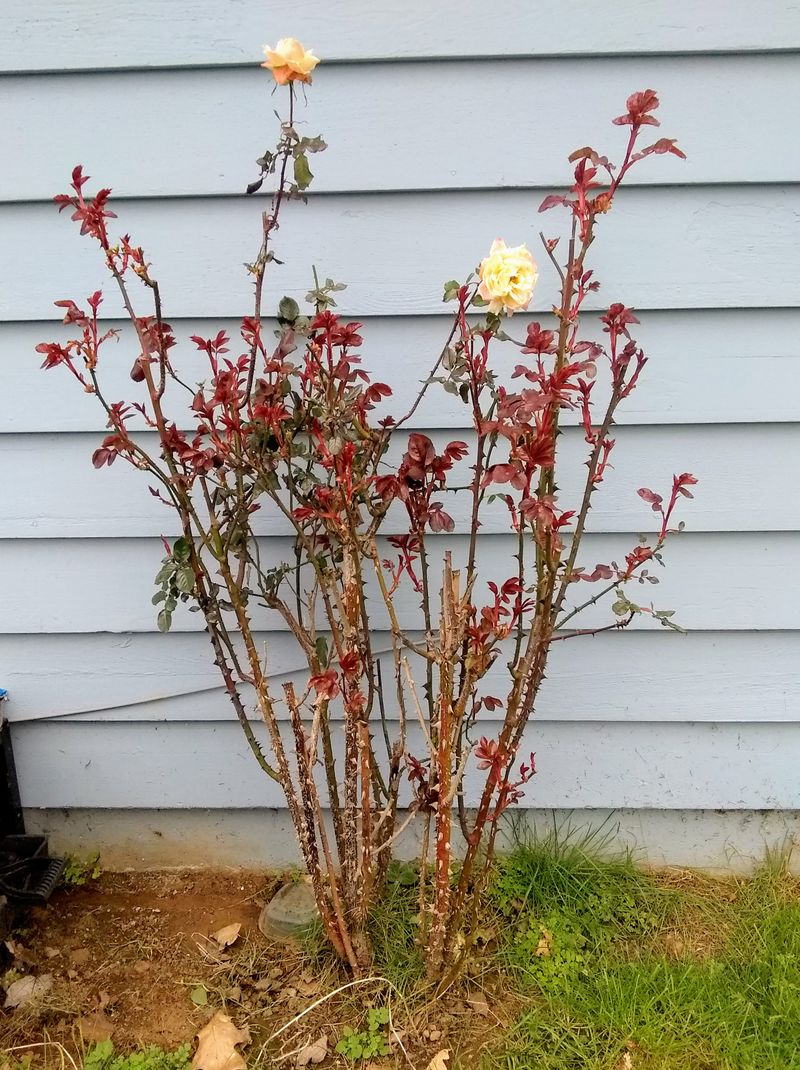
Pruning roses feels satisfying, but doing it at the wrong time or in the wrong way can accidentally remove the very buds that were about to bloom. Many Oregon gardeners make this mistake without even knowing it.
Once-blooming rose varieties produce flowers on old wood, meaning canes that grew the previous year.
If you prune those canes back hard in early spring, you are cutting off the blooms before they ever get a chance to open.
The timing of your pruning matters just as much as how much you cut.
For repeat-blooming roses, pruning in early spring is totally fine and even encouraged. But for old-fashioned or once-blooming types, wait until right after they finish flowering before you pick up the shears.
Knowing your variety makes a big difference. When you do prune, focus on removing damaged canes, crossing branches, and anything that looks weak or diseased. Cut at a 45-degree angle just above an outward-facing bud.
This encourages the plant to grow outward instead of inward, which improves airflow and reduces disease.
Good pruning habits in Oregon’s moist climate can really help your roses stay healthy and bloom beautifully season after season.
4. Stress Can Stall Flower Production
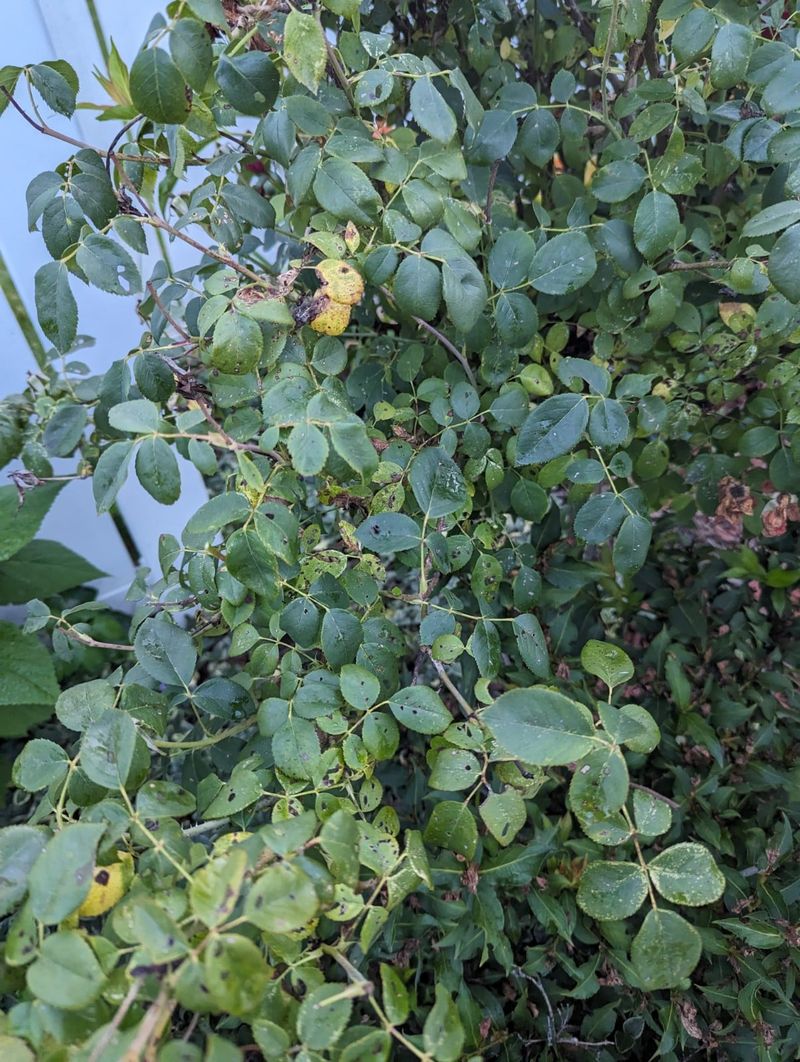
Roses are tougher than they look, but they are not immune to stress. When a rose bush is dealing with pests, disease, or extreme weather, it puts all its energy into survival instead of blooming.
Flowers become a luxury the plant simply cannot afford. Aphids are a big problem in Oregon.
These tiny insects cluster on new growth and buds, sucking out the plant’s fluids before flowers even get a chance to form.
Check the undersides of leaves and the tips of new shoots regularly. If you spot aphids, a strong blast of water from a garden hose can knock them right off.
Fungal diseases like black spot and powdery mildew are also common in Oregon’s wet climate. They weaken the plant over time and can seriously reduce blooming.
Removing affected leaves and improving airflow around your roses helps a lot.
Temperature swings can also throw roses off. A late frost in spring or an unusually hot stretch in summer can confuse the plant and delay or prevent blooming.
Mulching around the base of your roses helps buffer soil temperature and keeps moisture levels more stable. Reducing stress from multiple directions gives your Oregon roses the best shot at putting on a great flower show.
5. Too Much Water Can Backfire
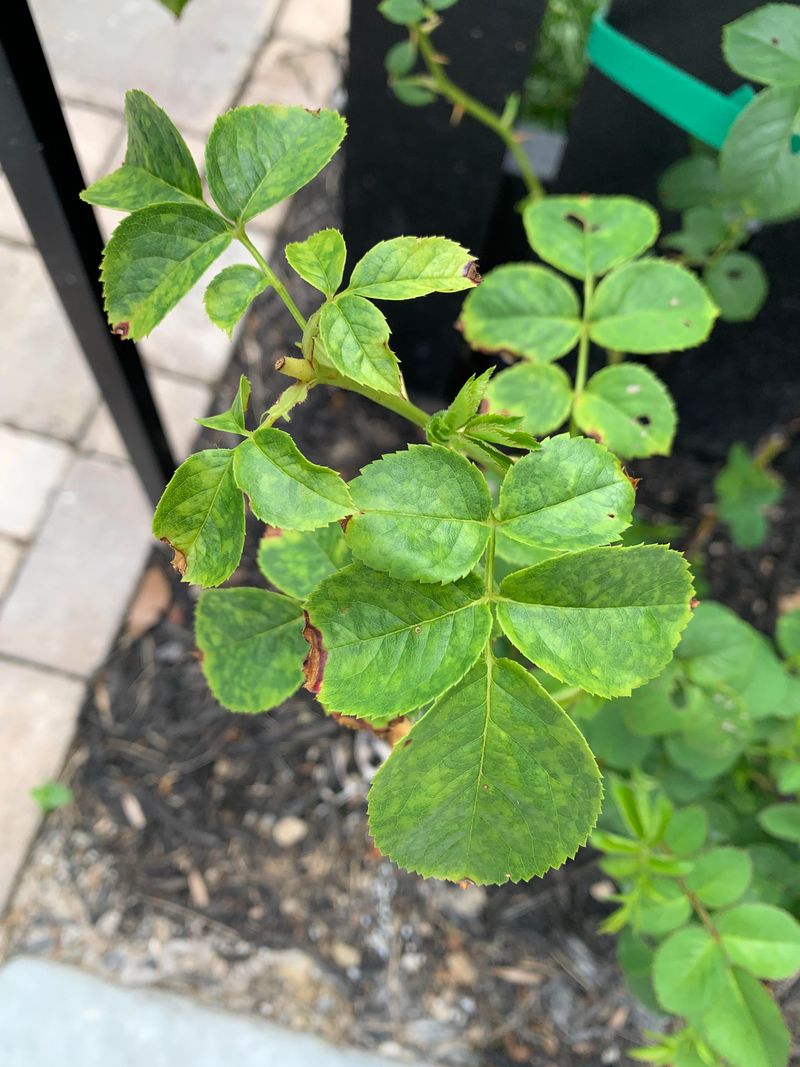
Oregon is known for its rainy seasons, and that rainfall is both a blessing and a challenge for rose growers. Too much water, especially when drainage is poor, can leave rose roots sitting in soggy soil.
That kind of wet environment stresses the roots and makes it hard for the plant to bloom.
Waterlogged soil cuts off the oxygen that roots need to function properly. When roots struggle, the whole plant struggles.
You might notice yellowing leaves, weak stems, or a general lack of energy in the plant. Blooms are usually the first thing to go when a rose is fighting wet feet.
Oregon’s heavy clay soils make drainage even worse. Clay holds water for a long time, and roses planted in clay without any amendments can stay waterlogged for days after a rainstorm.
Adding compost or coarse sand to the soil before planting helps a lot.
If your roses are already in the ground and drainage is poor, consider building up a raised bed around them or adding a layer of organic mulch to help regulate moisture.
Water your roses deeply but infrequently, allowing the soil to dry out slightly between waterings.
Good drainage is one of the most overlooked secrets to getting beautiful blooms in Oregon gardens.
6. Some Roses Need Time To Settle In
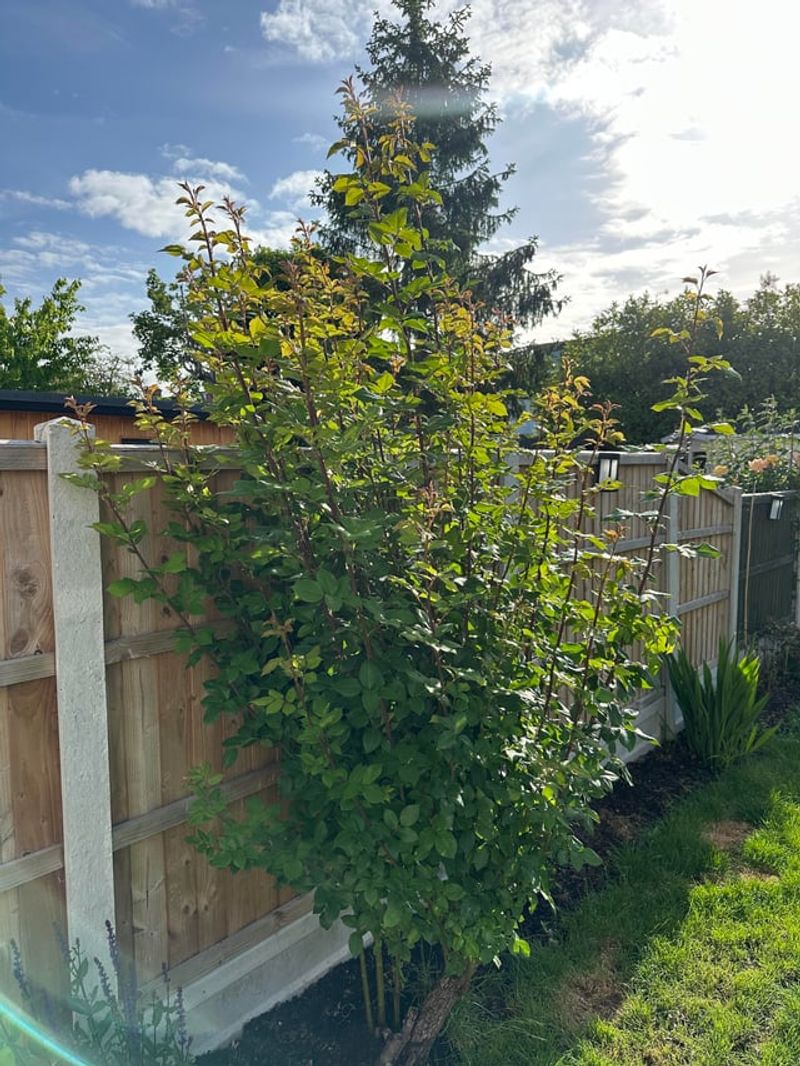
Patience is genuinely a virtue when it comes to newly planted roses. A rose that was just put in the ground a few months ago is still getting comfortable in its new home.
During that first season, it is busy growing roots and getting established rather than putting energy into flowers.
This is completely normal and nothing to worry about. Think of it like starting a new job.
The first few months are all about learning the ropes, not showing off your best work. Your rose is doing the same thing underground, quietly building a strong root system.
In Oregon, newly planted roses can take one to two full growing seasons before they really hit their stride. The cool, wet springs can slow things down even more compared to warmer states.
Give your rose time, and try not to rush it with heavy fertilizing or extra pruning in that first year.
The best thing you can do for a new rose is make sure it has good soil, proper sunlight, and consistent moisture.
Avoid over-fertilizing with nitrogen in year one, since that pushes leaf growth instead of root development.
Once the roots are established, your rose will reward your patience with a gorgeous display of blooms that gets better every single year.
7. A Few Fixes Can Bring Blooms Back
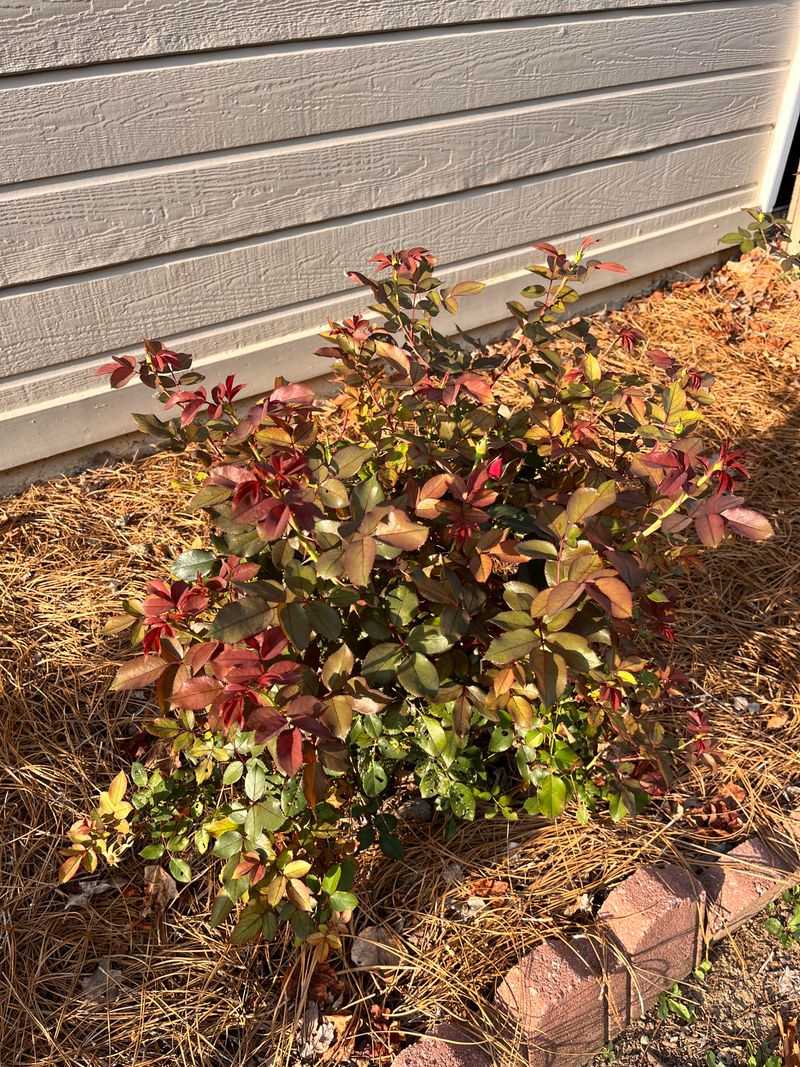
Getting your Oregon roses to bloom again does not require a total garden overhaul. Most of the time, a handful of targeted changes can turn a leafy, flowerless rose bush into a stunning showstopper within a single season.
Start by checking sunlight. Move or prune anything that is blocking at least six hours of direct light from reaching your roses.
Next, take a close look at your fertilizing routine. If you have been using a high-nitrogen product, swap it out for a balanced 10-10-10 formula or one that is slightly higher in phosphorus to encourage flowering.
Check your soil drainage too. If water pools near your rose bushes after rain, that is a sign the roots are not getting the air they need.
Work in some compost to loosen the soil and improve drainage throughout your Oregon garden beds.
Deadhead spent blooms regularly on repeat-flowering varieties to keep new buds coming. Remove any diseased leaves to reduce stress on the plant. And if you have a newly planted rose, simply give it more time.
With the right combination of sunlight, balanced nutrition, proper watering, and smart pruning, your roses will get back to doing what they do best.
Blooming beautifully in the Oregon sunshine is absolutely within reach.