8 Arkansas Garden Drainage Solutions Every Homeowner Needs When Summer Rains Leave The Yard Waterlogged
Two inches of rain. That is all it takes. One afternoon storm tears through your yard and leaves behind standing water, mud that sucks at your boots, and a smell that lingers for days.
Across Arkansas, this is not a rare event. It is the season. Your lawn holds water it was never built to hold.
Your garden drowns before anything gets a chance to grow. Your foundation absorbs what the soil refuses to take. Saturated ground shifts. It cracks, it settles, and it does not warn you first.
The damage adds up quietly, dollar by dollar, storm by storm. But the fix does not have to be expensive or complicated.
A shovel, a weekend, and the right approach can reshape how water moves through your entire yard. These Arkansas drainage solutions work.
1. Install A French Drain Along The Lowest Point Of Your Yard
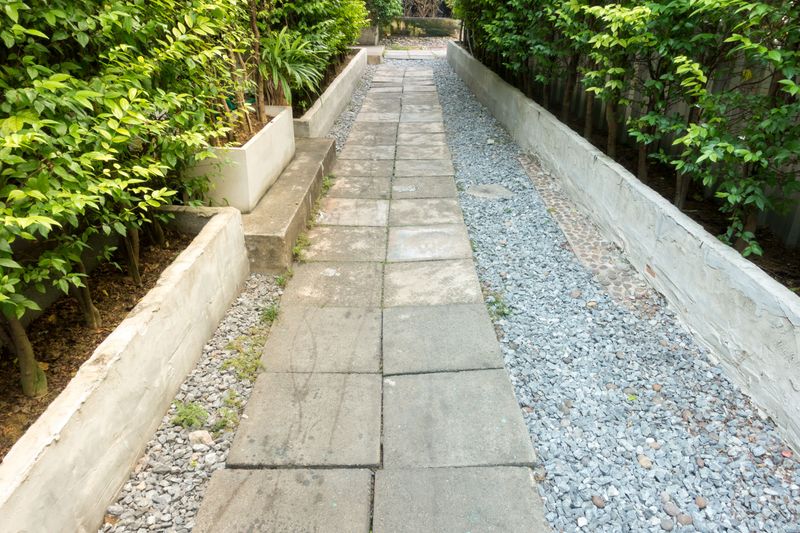
Water always flows downhill, and a French drain uses that simple fact to your advantage. This underground drainage system quietly pulls water away from soggy spots before pooling even starts.
You dig a sloped trench along the lowest part of your yard. Then you line it with landscape fabric, add gravel, and lay a perforated pipe that carries water toward a safe exit point.
The whole setup is mostly hidden once covered, so it does not ruin your yard’s appearance. Homeowners in low-lying areas swear by this method after dealing with flooded turf for years.
French drains work especially well near garden beds that sit in natural depressions. If your soil stays wet for days after rain, this fix addresses the root cause directly.
Installation costs vary based on trench length and materials, but a basic DIY French drain typically runs several hundred dollars in materials alone. You will need a trenching shovel, perforated pipe, and crushed stone from any local hardware store.
The key is getting the slope right. Aim for at least one inch of drop for every eight feet of trench length to keep water moving steadily.
Once installed, a French drain can last for decades with minimal maintenance. Flush it out occasionally to prevent sediment buildup and keep flow running strong.
2. Grade The Soil Away From Your Home’s Foundation
Your foundation is your home’s most critical structural element. Regrading the soil is one of the most powerful Arkansas garden drainage solutions you can apply without breaking the bank.
The ground around your house should slope away from the foundation at a rate of six inches over ten feet. When that slope flattens out or tilts inward, rainwater heads straight for your basement or crawl space.
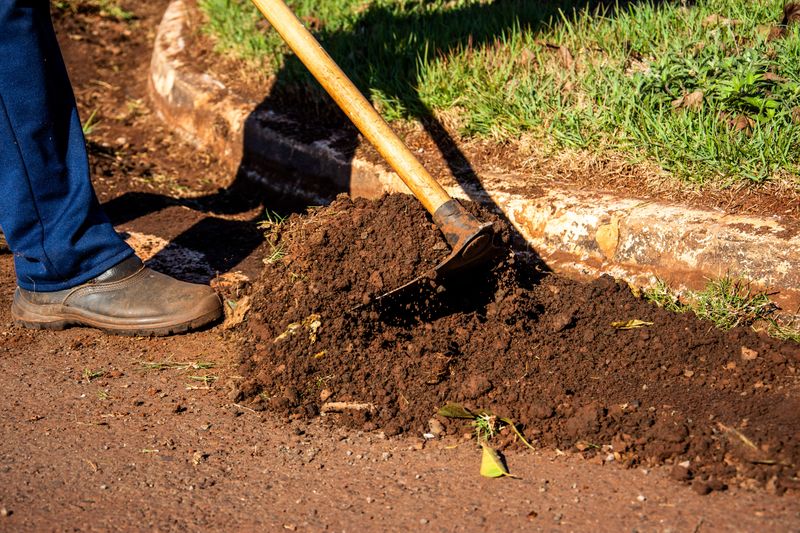
Fixing the grade means adding clean fill dirt along the perimeter of your home. You pack it firmly, slope it outward, and then top it with sod or mulch to hold everything in place.
Many homeowners do not realize their grading has shifted until they spot water stains inside the house. A quick walk around your home after a storm will reveal problem spots fast.
Your Arkansas Garden Changes Every Week. Your Plan Should Too.
Gardening in Arkansas changes quickly throughout the season. Every Friday you’ll receive a simple weekly plan showing exactly what to plant, prune, fertilize, harvest, and protect so you never miss the right timing.
You can buy topsoil or fill dirt by the bag or by the truckload depending on the scope of the job. A standard garden rake and a tamper are the main tools you will need for small areas.
Regrading is not glamorous work, but it protects your investment in a way few other fixes can. Water damage to a foundation can cost thousands to repair.
Correcting your grade with fill dirt is a fraction of that cost, even when the job requires a full truckload.
Once the slope is corrected, check it again after a heavy rainfall. Adjusting early beats dealing with erosion that undoes all your hard work.
3. Raised Garden Beds Keep Plant Roots Above Waterlogged Ground
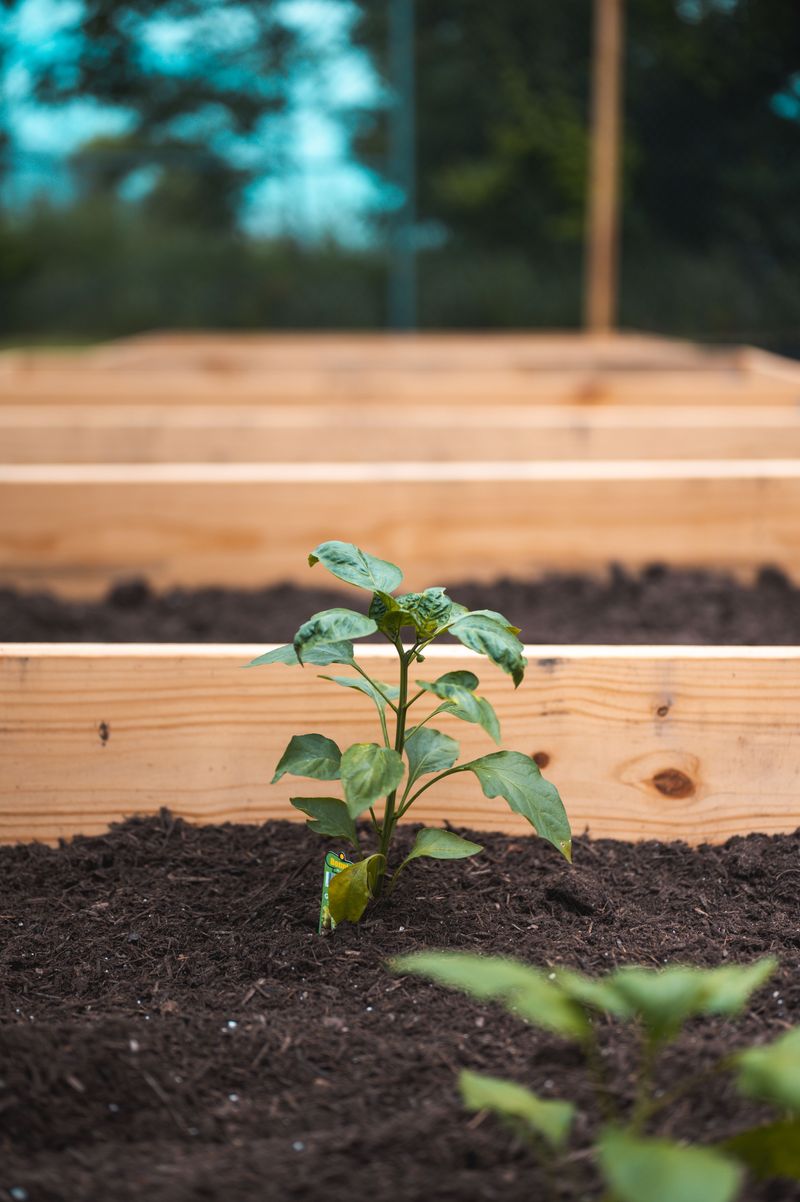
Soggy roots are struggling roots, and most garden vegetables simply cannot handle sitting in standing water. Raised garden beds lift your plants above the problem entirely, giving them the drainage they need to thrive.
Building a raised bed is one of the most satisfying weekend projects a homeowner can tackle. You frame it with cedar or pine boards, fill it with a well-draining mix, and suddenly your garden has its own elevated zone safe from flooding.
Even a six-inch raise makes a dramatic difference in how roots behave after a hard summer storm. The soil in a raised bed drains faster, warms up quicker, and stays looser than compacted ground-level soil.
For Arkansas summers, where a single afternoon can dump two inches of rain, raised beds are practically a necessity.
Better drainage and looser soil give roots the conditions they need to perform, and most gardeners notice the difference within a single growing season.
You can go simple with untreated pine, or go fancy with cedar or composite materials that last much longer. Either way, the structure pays for itself in healthier plants and fewer soggy disasters.
Fill your bed with a mix of topsoil, compost, and coarse sand to maximize drainage. Avoid using straight garden soil from the ground, as it tends to compact and hold moisture.
Raised beds also give you better control over what goes into your soil. That means fewer weeds, fewer pests, and a lot more satisfaction at harvest time.
4. Mulching Heavily Absorbs Excess Rainwater Before It Pools
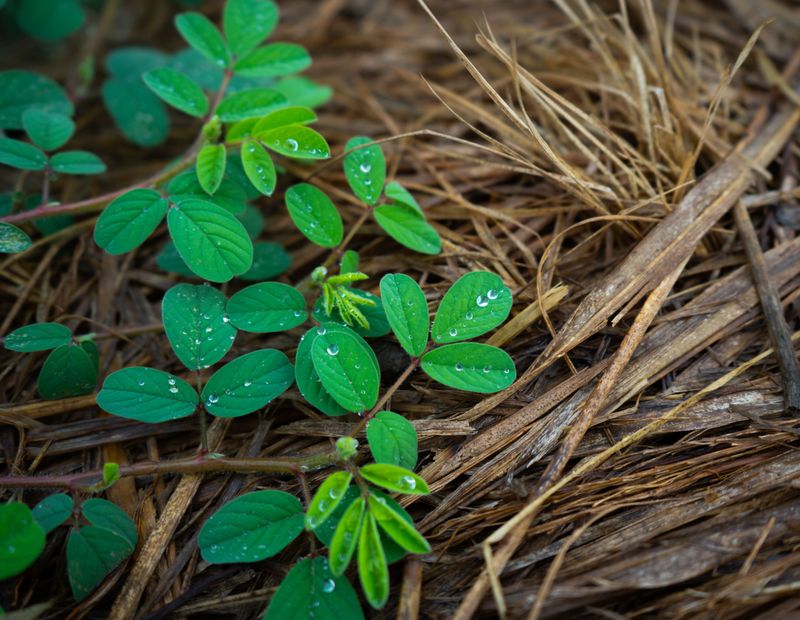
A thick layer of mulch does more than make your garden look tidy. It acts like a sponge, soaking up rainfall before it has a chance to run off or pool in low spots.
Most homeowners use just two or three inches of mulch, but going four to six inches deep dramatically boosts absorption. That extra depth slows water down, lets it filter through gradually, and keeps soil from becoming a muddy mess.
Wood chips, shredded bark, and pine straw are all solid choices for Arkansas gardens. Each one breaks down over time, adding organic matter that improves the soil’s own drainage capacity from below.
Beyond absorption, heavy mulching keeps soil temperatures stable during those brutal summer months. Cooler roots mean healthier plants, and healthier plants hold up better through the full growing season.
Spread mulch generously around trees, shrubs, and garden beds after every major pruning or seasonal reset. Replenishing it each spring ensures you always have that protective buffer ready when the rains arrive.
Avoid piling mulch directly against plant stems or tree trunks, as this can trap moisture and invite rot. Keep a small gap around the base of each plant to allow airflow and prevent issues.
One of the most affordable Arkansas garden drainage solutions available, mulch costs very little but delivers big results. A single afternoon of spreading can protect your plants through an entire rainy season.
5. Dig A Dry Creek Bed To Channel Runoff Naturally
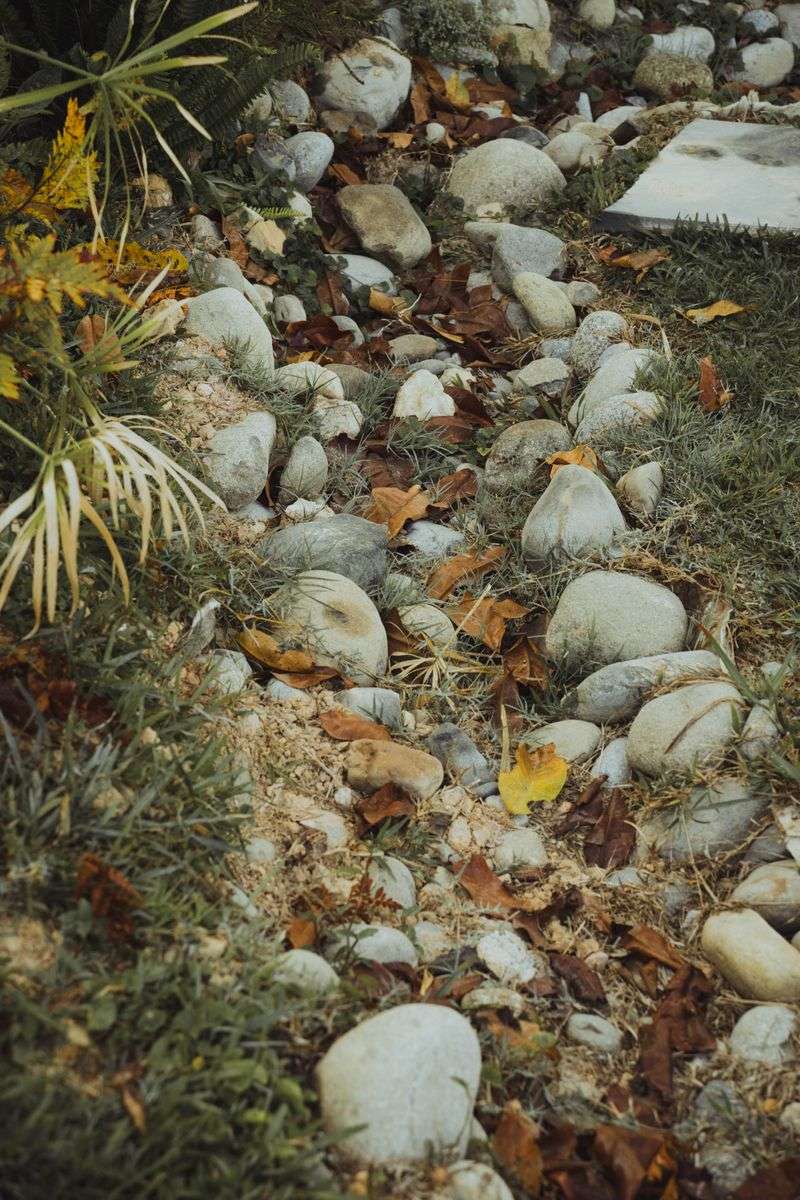
Picture a winding path of smooth river rocks cutting through your backyard. That is a dry creek bed, and it is one of the most beautiful ways to manage runoff that landscapers recommend.
Instead of letting water sheet across your lawn in random directions, a dry creek bed gives it a defined channel to follow. The water moves through the rocks, slows down, and soaks into the ground gradually along the way.
Designing one is part engineering, part art. You map out the natural flow path water already takes in your yard, then dig a shallow trench following that same route.
Line the trench with landscape fabric first to prevent weeds from taking over. Then fill it with river rock, flagstone, or decorative gravel in varying sizes to mimic a natural streambed.
The best part is that a dry creek bed looks stunning even when it is completely dry. The finished result looks intentional and well-designed, even if you built it over a single weekend.
Plant native ferns, ornamental grasses, or moisture-tolerant flowers along the edges to complete the look. These plants handle both wet and dry conditions, making them perfect companions for this feature.
A dry creek bed handles both light rains and heavy downpours with equal grace. Once established, it becomes a low-maintenance, high-impact feature that solves drainage while adding real curb appeal to your outdoor space.
6. Downspout Extensions Redirect Roof Water Far From The Garden
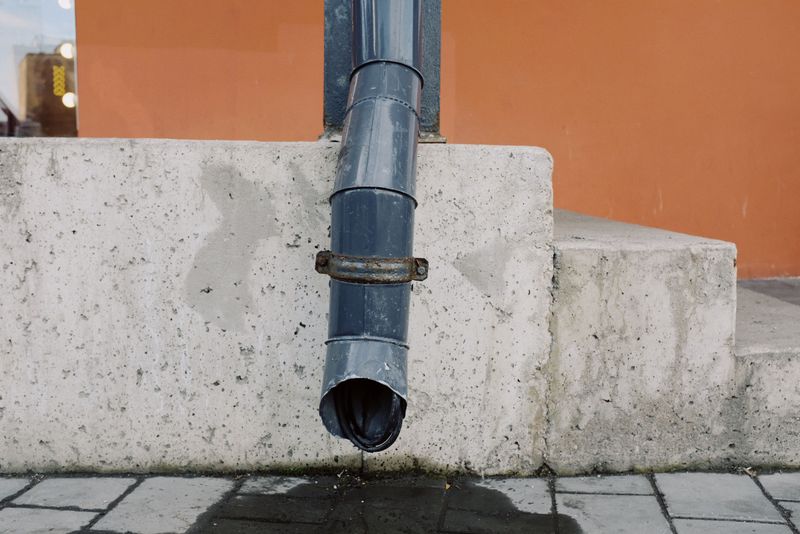
During a heavy storm, a standard roof can shed hundreds to thousands of gallons depending on its size and pitch.
Without proper downspout extensions, all of that water dumps right at your foundation or into your nearest garden bed.
A simple plastic extension, available at most hardware stores, can redirect that flow six to ten feet away from your home at a fraction of the cost of a full drainage system.
That small change keeps the area around your foundation dry and prevents garden beds from getting overwhelmed.
Flexible accordion-style extensions are easy to attach and can be angled in almost any direction. You snap them onto the existing downspout and aim them toward a grassy slope or drainage area away from structures.
For a more permanent solution, consider burying a rigid pipe underground to carry water even farther away. This buried option is cleaner-looking and more effective during heavy downpours when volume is high.
Check your downspout extensions every spring for clogs, cracks, or disconnections. Leaves and debris can block them during fall and winter, leaving you unprepared when summer storm season begins.
Splash blocks are another easy addition to place at the end of your extension. They spread water out evenly and prevent erosion at the discharge point where flow is most concentrated.
Downspout extensions are one of the easiest Arkansas garden drainage solutions to implement today. No digging, no special tools, and no contractor required for the basic version of this fix.
7. Plant Water-Loving Native Species In Chronically Wet Areas
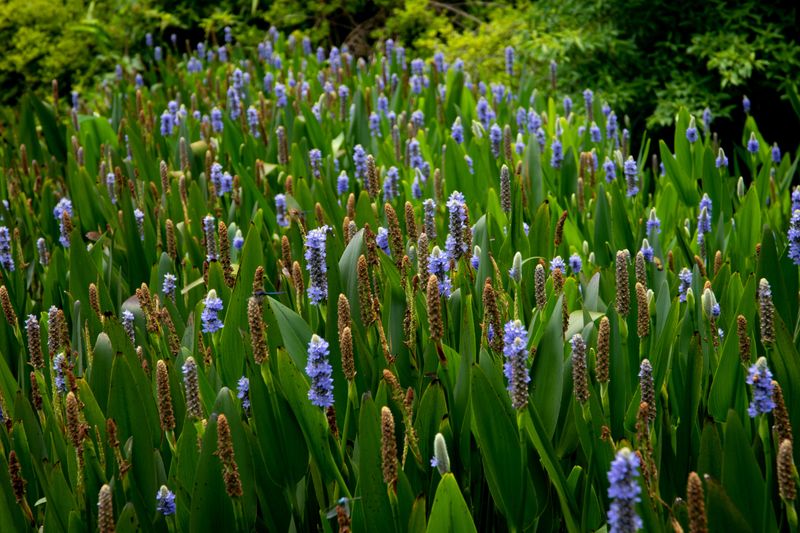
Some spots in your yard will never fully dry out, and fighting that fact is exhausting. A smarter move is to work with the moisture by choosing plants that actually love wet feet.
Native species like swamp milkweed, Louisiana iris, and cardinal flower thrive in soggy conditions that would rot most garden plants. They evolved alongside Arkansas waterways, so seasonal flooding feels like home to them.
Planting a wet zone garden transforms a problem area into a functional and visually distinct part of your yard.
Instead of bare patches and muddy footprints, you get color, texture, and wildlife activity all season long. Native plants also attract pollinators in impressive numbers.
Butterflies, hummingbirds, and native bees flock to species like swamp rose and buttonbush, turning your drainage problem into a backyard habitat. These plants rarely need fertilizer or extra watering once established.
Many native wet-zone species develop extensive root systems over time, which can gradually loosen compacted soil and improve drainage, though results vary by species and soil type.
Check with your local county extension office or a native plant nursery for species best suited to your specific region. Arkansas has diverse ecosystems, and plant choices vary between the Delta, Ozarks, and river valleys.
Establishing a native wet garden takes one full growing season to settle in. After that first year, you will have a low-effort, high-reward garden that handles Arkansas garden drainage challenges beautifully and sustainably.
8. Aerate Compacted Soil To Improve Its Absorption Rate
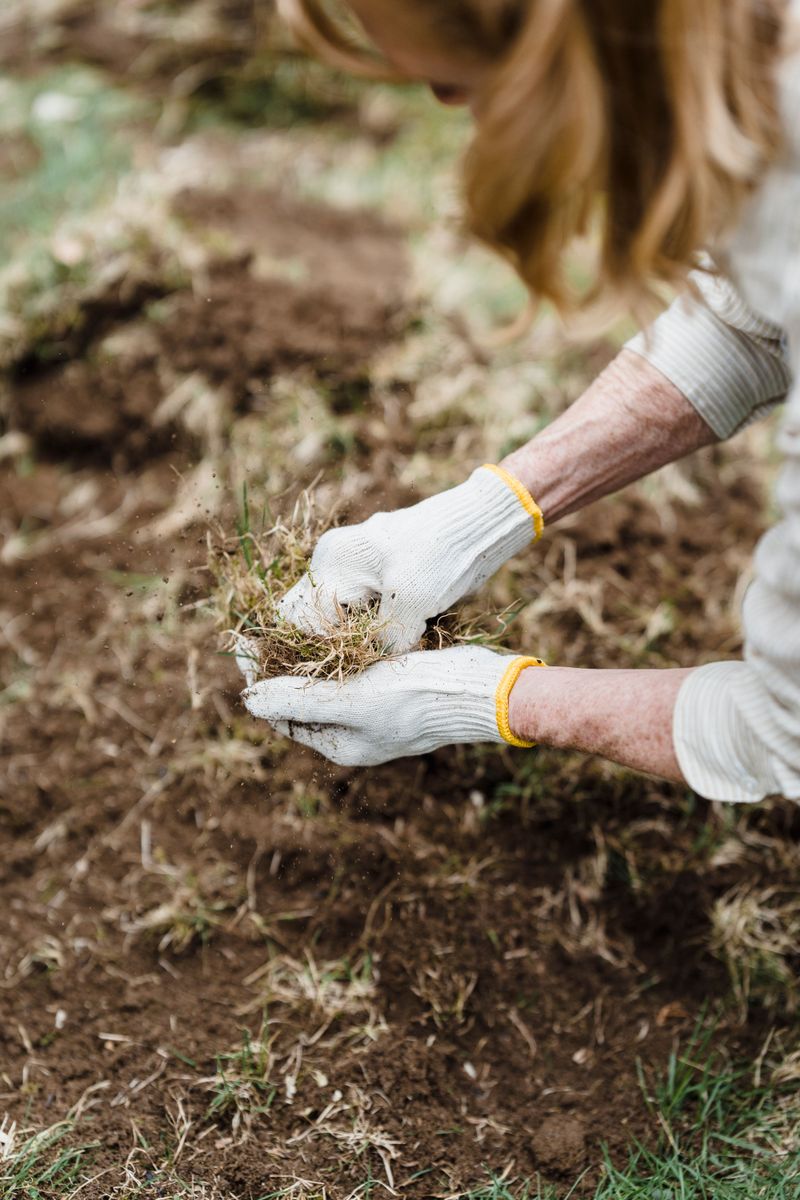
Compacted soil is like a sealed lid on a jar. Rain hits the surface and has nowhere to go, so it just sits there forming puddles while your lawn struggles to absorb water below.
Aeration punches small holes or pulls out tiny cores of soil to open up pathways for water to move downward.
It is one of the most underrated Arkansas garden drainage solutions that works on lawns and garden beds alike.
Core aerators, available at most hardware rental shops, remove actual plugs of soil from the ground.
Those small holes allow water, oxygen, and nutrients to penetrate deep into the root zone where they belong.
Spike aerators push holes into the ground without removing material, which works for lightly compacted areas.
For seriously hardpacked soil, a core aerator gives you far better long-term results after just one pass.
The best time to aerate in Arkansas is late summer or early fall when the grass is still actively growing. Aerating during peak heat can stress your lawn, so timing matters for the best outcome.
After aeration, top-dress your lawn with a thin layer of compost to fill the holes and boost organic matter.
This step accelerates the improvement in soil structure and drainage over the following months. Annual aeration keeps compaction from returning and builds a healthier lawn over time.
Combined with the other fixes on this list, it completes a full-yard approach to keeping summer rains from leaving your yard waterlogged.