What Draws Fireflies To Arkansas Yards Every Summer
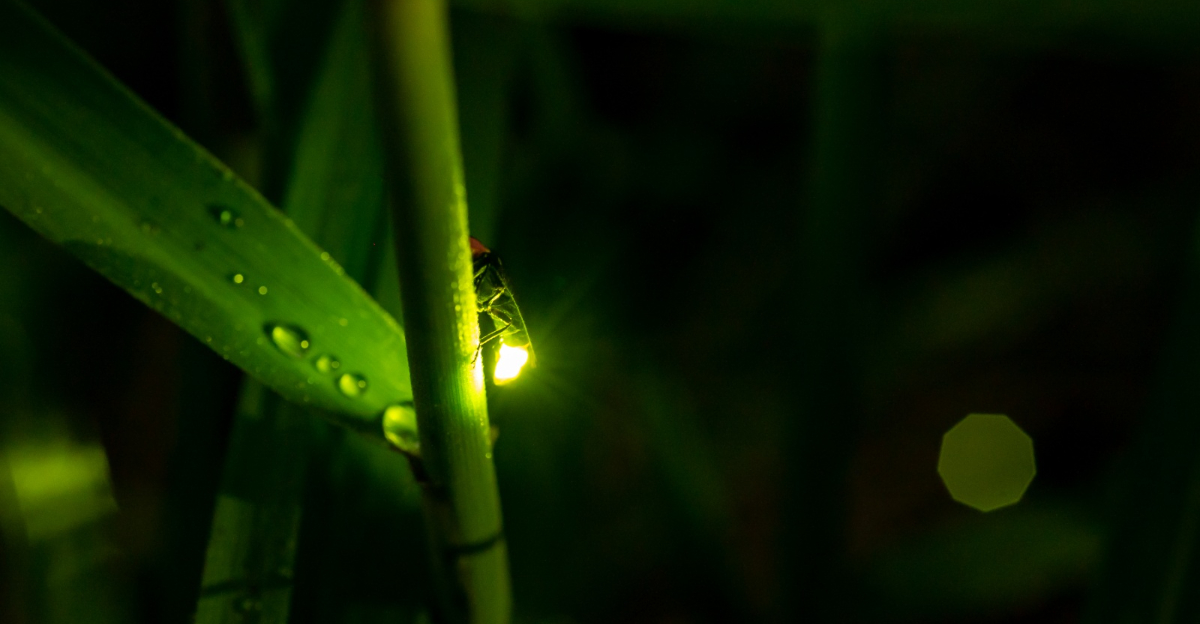
Your backyard just blinked at you. Count that as a sign. Warm Arkansas evenings carry a quiet kind of electricity, and fireflies are its most vivid proof. Watch them long enough and a question takes hold.
Why here? Why your Arkansas yard, your grass, your particular patch of the state? Something out there is working in your favor. Your outdoor space earned this light show.
Knowing what draws fireflies close means you can protect what matters and pull in even more. Every small pulse signals a healthy, thriving environment most yards cannot offer.
These insects do not settle just anywhere. They are selective. They scout. They stay only where conditions meet their precise needs.
Yours apparently do. So before another glowing summer night slips away, find out exactly what your yard is getting right and why it keeps them coming back. Fireflies light up the yards that deserve it. Welcome to that list.
Low Light Pollution And Minimal Pesticide Use Nearby
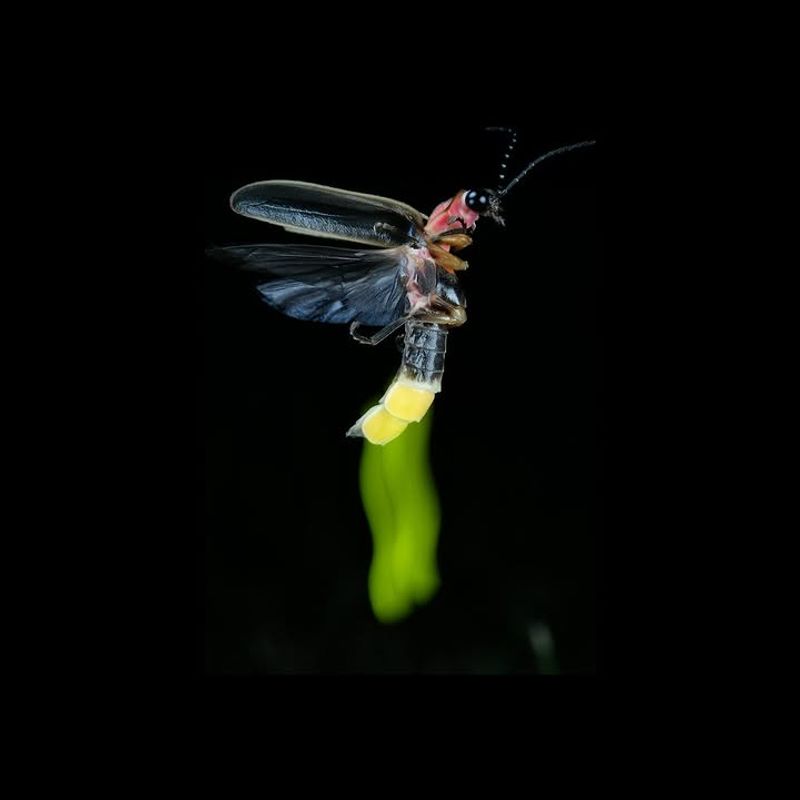
Your yard goes dark at night, and that is a big deal. Fireflies use their bioluminescent flashes to find mates, and artificial lights completely scramble those signals.
When your neighborhood stays naturally dark after sunset, fireflies can communicate clearly. A yard surrounded by minimal streetlights is an ideal environment for firefly mating activity.
Pesticide use is the other silent factor most homeowners overlook. Broad-spectrum sprays do not just target pests. They wipe out the insects fireflies eat and harm firefly larvae directly.
If you or your neighbors avoid chemical lawn treatments, your yard becomes a safe zone. Fireflies thrive in spaces where the food chain stays intact and undisturbed.
Switching to organic lawn care sends an open invitation to these glowing beetles. Even reducing outdoor lighting by using motion sensors or warm amber bulbs makes a measurable difference.
Small changes in your habits create big results in your firefly population. Your dark, chemical-free yard is an ideal habitat for fireflies seeking mates.
Moisture Sources Like Ponds Or Damp Soil Are Present
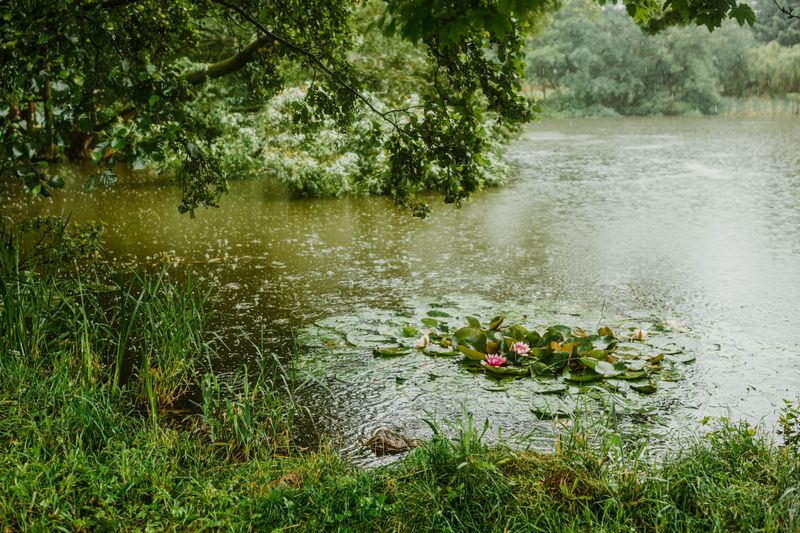
Fireflies are drawn to water. Moisture is not optional for them. It is essential for survival. Larvae live in the soil and leaf litter near water sources.
Damp environments keep the microhabitats firefly young need to grow and hunt small prey like snails and worms.
If your yard has a pond, a low-lying soggy corner, or even a rain garden, you have built the perfect nursery. Adult fireflies also prefer to rest near moisture during the heat of the day.
Arkansas summers get intensely hot, and moist microclimates offer fireflies relief. Yards near creeks or with consistent ground moisture consistently support larger firefly populations than dry, sun-baked lawns.
You do not need a full pond to attract them either. A simple rain barrel overflow area or a shallow birdbath surrounded by native plants can get the job done.
Keeping soil moist without over-watering is the sweet spot every firefly-friendly gardener should aim for. Where there is water, there are fireflies waiting just around the corner.
Your Arkansas Garden Changes Every Week. Your Plan Should Too.
Gardening in Arkansas changes quickly throughout the season. Every Friday you’ll receive a simple weekly plan showing exactly what to plant, prune, fertilize, harvest, and protect so you never miss the right timing.
Healthy Decomposer Populations Exist In Local Leaf Litter
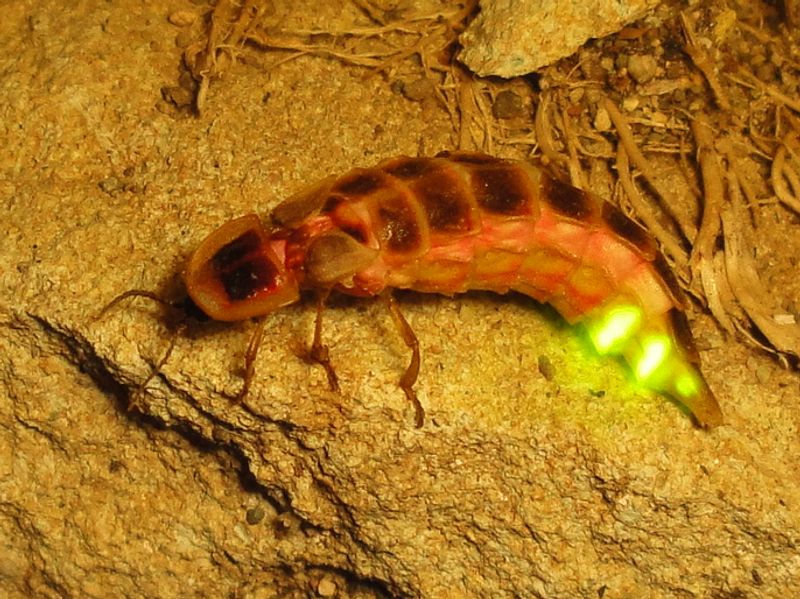
Not everyone loves a pile of fallen leaves, but firefly larvae absolutely do. That thick layer of decomposing leaves under your trees is both a food source and shelter for firefly larvae.
Firefly larvae are predators that hunt soft-bodied creatures hiding in leaf litter. Earthworms, snails, and slugs are their favorite meals. Healthy decomposer communities mean plenty of food available.
When your yard supports a rich decomposer population, the entire food web strengthens. Firefly larvae feed actively through fall before slowing in winter, then pupate in spring, so a consistent food supply matters enormously.
Raking every single leaf off your lawn removes the habitat firefly young depend on. Leaving some natural leaf accumulation under shrubs and along fence lines gives larvae a safe place to hunt and shelter.
Compost piles and mulched garden beds also support decomposer communities that benefit firefly populations indirectly. A yard that embraces natural messiness in the right places rewards you with bioluminescent evenings all summer long.
Think of your leaf litter as an investment. The more biological richness you let build up, the more fireflies you attract each summer.
Native Grasses And Vegetation Support Larval Habitat
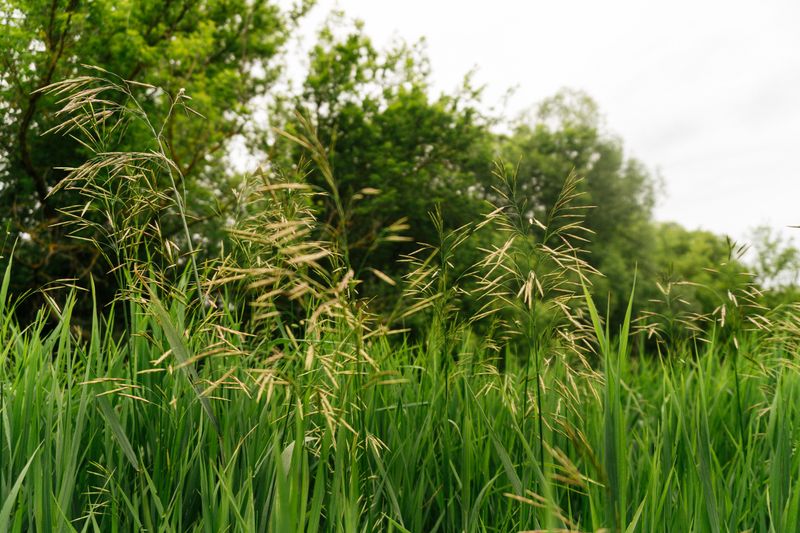
A perfectly manicured lawn with nothing but short turf grass is poor habitat for fireflies. Native plants and taller grasses create the layered habitat these beetles need at every life stage.
Firefly larvae need shelter from predators and a place to ambush their own prey. Dense native vegetation provides that protective cover at ground level where larvae spend most of their lives.
Adult fireflies also use tall grass blades and plant stems to perch and rest between flashing sessions. Without adequate vegetation height, they have nowhere comfortable to rest between performances.
Arkansas has a rich palette of native grasses like little bluestem and switchgrass that create ideal firefly structure. Planting these alongside native wildflowers like black-eyed Susans builds a layered landscape that glows with activity.
Letting a section of your yard grow a little wilder is one of the easiest upgrades you can make. Even a small unmowed patch near a fence or tree line can dramatically boost firefly numbers over a single season.
Native plants evolved alongside local firefly species, making them perfectly matched partners. Your yard is already speaking the right language. Native vegetation just turns up the volume.
Local Air And Water Quality Remain Relatively Clean
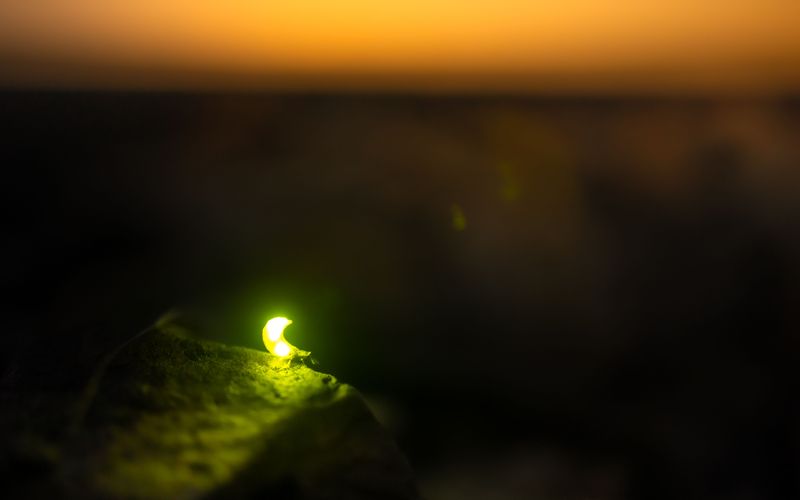
Fireflies are sensitive creatures. They respond strongly to environmental quality. Clean air and unpolluted water signal a healthy ecosystem where fireflies can flourish.
Runoff from roads, fertilizers, and industrial activity introduces chemicals that disrupt aquatic insect populations.
Since firefly larvae depend on those same waterways and moist soils, water quality directly shapes how many survive to adulthood.
Arkansas benefits from large stretches of relatively undeveloped land and strong natural water systems.
Yards near clean streams or protected wetlands tend to host noticeably more fireflies than those near heavily developed areas. Air quality also plays a subtle but real role in firefly behavior.
Smog and airborne chemicals may interfere with the chemical signals fireflies use alongside their light displays to attract mates, though research on this remains ongoing.
If your neighborhood has good tree cover and limited heavy traffic, the air stays cleaner and firefly communication stays sharp.
Planting more trees and supporting local clean-water initiatives protects the conditions fireflies need to survive long-term.
Your yard is not an island. It connects to the broader environment around it. Healthy surroundings make your yard a firefly hotspot, and that glow is worth protecting.
Surrounding Woodland Edges Stay Ecologically Intact
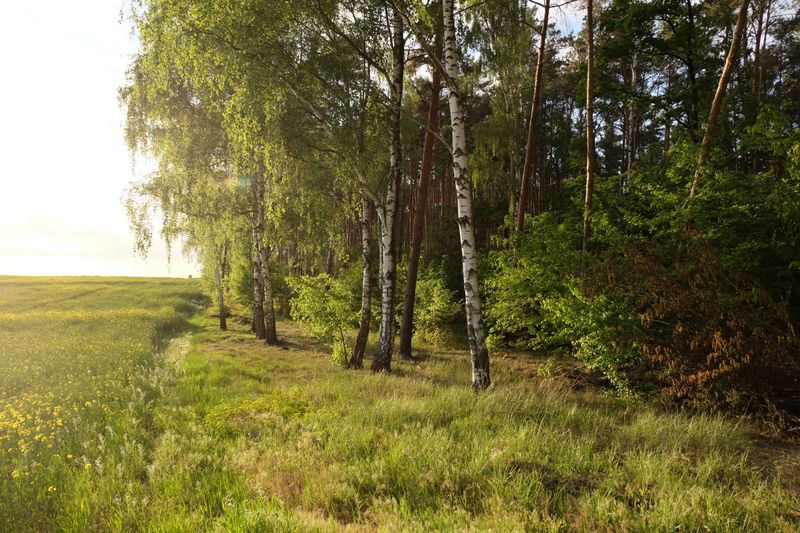
Where the woods meet your lawn is where the firefly magic really concentrates. Woodland edges are among the most ecologically rich transitional zones in nature, and fireflies are strongly drawn to them.
These transitional zones offer the best of both worlds: tree canopy shelter and open areas for flight and flashing.
Adult fireflies patrol these edges at dusk, signaling to potential mates perched in the vegetation below.
When surrounding woodland edges stay intact, they act as firefly source populations that continuously replenish your yard.
Fragmented or cleared woodland edges break this pipeline and lead to noticeable population drops over time.
Arkansas still has substantial forested land, and yards that border or back up to these areas benefit enormously.
The intact edge creates a biological corridor that connects your backyard to a much larger firefly community.
Protecting trees along your property line is one of the most powerful things you can do for firefly conservation.
Even a single row of mature trees along a fence creates meaningful edge habitat that larvae and adults both use.
The glow you see at the edge of your yard at dusk is not random. It is a sign that your land still connects to something wild and whole.
Seasonal Temperatures Align With Natural Emergence Cycles

Timing is everything for fireflies, and Arkansas delivers the right conditions almost perfectly each year.
Warm, humid summers with gradual temperature shifts give firefly populations exactly the seasonal cues they need to emerge on schedule.
Fireflies typically begin flashing when evening temperatures stay consistently above 50 degrees Fahrenheit.
Arkansas spring nights warm up early compared to northern states, giving local firefly populations a head start on the season.
Soil temperature also triggers larval pupation, which is the final stage before adults emerge.
When the ground warms steadily from spring into early summer, the timing of adult emergence syncs up beautifully across an entire local population.
That synchronization is what creates those impressive synchronized displays where hundreds of fireflies flash together in your yard.
Without proper seasonal temperature alignment, emergence staggers and the spectacular group displays become sparse and underwhelming.
Climate consistency from year to year also helps firefly populations build strength over multiple generations.
Yards in Arkansas benefit from a relatively predictable warm season that gives these beetles a reliable calendar to follow.
When you notice fireflies appearing at the same time every year in your yard, that is the Arkansas climate doing its job. Your yard is attracting fireflies because the seasons here still follow nature’s original rhythm.