Virginia Has Imposed Mandatory Water Limits And Every Garden Owner Needs To Know This Now
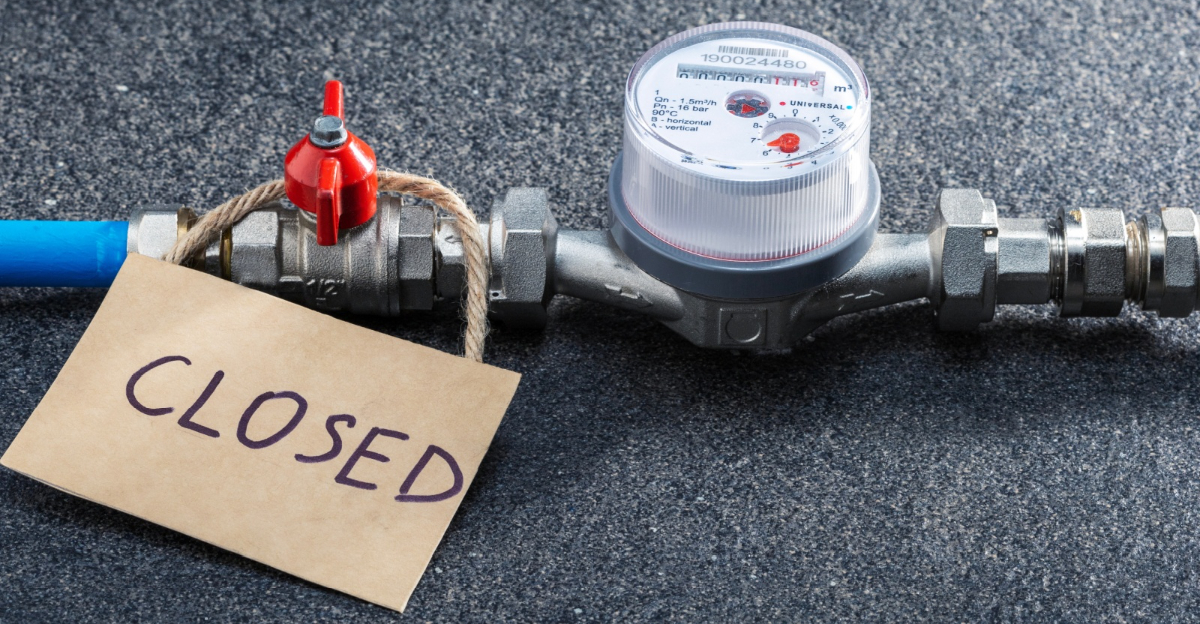
Several localities in Central and Central-Eastern Virginia have enacted mandatory water restrictions. Breaking them carries real financial consequences.
Water on the wrong day, and a fine lands before your tomatoes do. Can you afford to lose both?
Streams are running low across the Commonwealth. Reservoirs have been quietly shrinking for months, and officials have moved past warnings and straight into enforcement.
Outdoor watering is now one of the biggest targets, because yards consume enormous volumes during dry spells. Your garden is one of the first things affected by Virginia’s strictest dry-season rules yet.
None of this has to mean losing your plants or your budget. Understanding the new rules changes your entire approach to the yard this summer.
Smarter scheduling, adjusted timing, and a few targeted habits can keep everything alive within the limits. Every drop you control now is a plant still standing in August.
Restrictions Are Locality-Specific, Not Statewide
Your neighbor two counties over might be watering freely while you face strict limits. That is the tricky part about Virginia’s mandatory water restrictions.
They are not applied across the whole state at once. Each locality sets its own rules based on local water supply conditions.
A town pulling water from a stressed reservoir will have tighter restrictions than a city with healthier reserves.
Your specific rules depend entirely on where you live. The Virginia Department of Environmental Quality tracks drought conditions by region.
They use a four-stage system: Drought Watch, Drought Advisory, Drought Warning, and Drought Emergency. Check your water utility’s website or call them directly to find your current restriction level.
Many localities post updates on their homepage or send alerts to customers. Do not assume your neighbor’s rules match yours, even if they live nearby.
Several localities in Central and Central-Eastern Virginia have already moved into stricter tiers, including parts of Caroline, Fauquier, Louisa, Orange, and Shenandoah counties.
Hampton Roads and Richmond metro areas may have different timelines. Staying current with your local authority is the smartest move you can make right now. Fines for violations vary by locality.
Check your local water authority’s website for the specific penalty schedule in your area. Knowing your locality’s rules is step one in protecting both your garden and your bank account.
Sprinklers And Irrigation Systems Are Banned
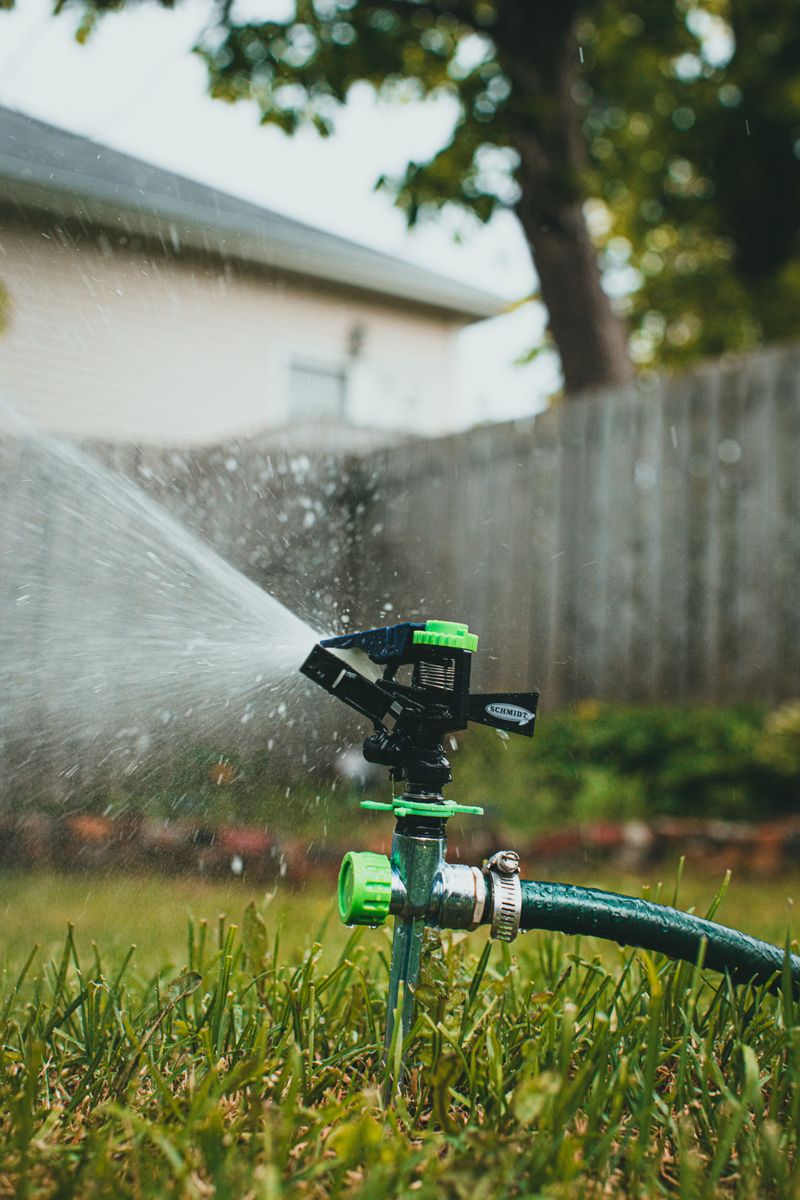
In localities that have enacted mandatory restrictions, sprinklers and automatic irrigation systems are typically prohibited.
Rules vary, so check your specific water authority for what applies to your address. This is one of the most impactful rules for garden owners to understand right away.
Automated systems are easy to forget about, especially if you set them on a timer months ago. Running a banned irrigation system is still a violation, even if you did not realize it was running.
Check your controller and turn it off manually. The reasoning behind this ban is straightforward. A typical residential irrigation system uses roughly 12 to 16 gallons per minute.
Your Virginia Garden Changes Every Week. Your Plan Should Too.
Gardening in Virginia changes quickly throughout the season. Every Friday you’ll receive a simple weekly plan showing exactly what to plant, prune, fertilize, harvest, and protect so you never miss the right timing.
A full watering cycle across multiple zones can consume thousands of gallons in a single session. Hand watering with a handheld hose or a watering can is still permitted in most restricted areas.
The key is intentional, targeted watering rather than blanket coverage. Drip lines connected to manual systems may also be allowed, depending on your locality.
Focus your hand watering on the root zone of each plant. Spraying foliage wastes water and can encourage fungal issues. Getting water directly to the soil is more efficient and better for plant health anyway.
Soaker hoses are a fantastic low-tech workaround that many gardeners overlook. They deliver water slowly and directly to roots without the waste of overhead spraying. Investing in a soaker hose setup now could save your garden all season long.
In Some Areas, Alternating-Day Watering Applies Based On Your Address
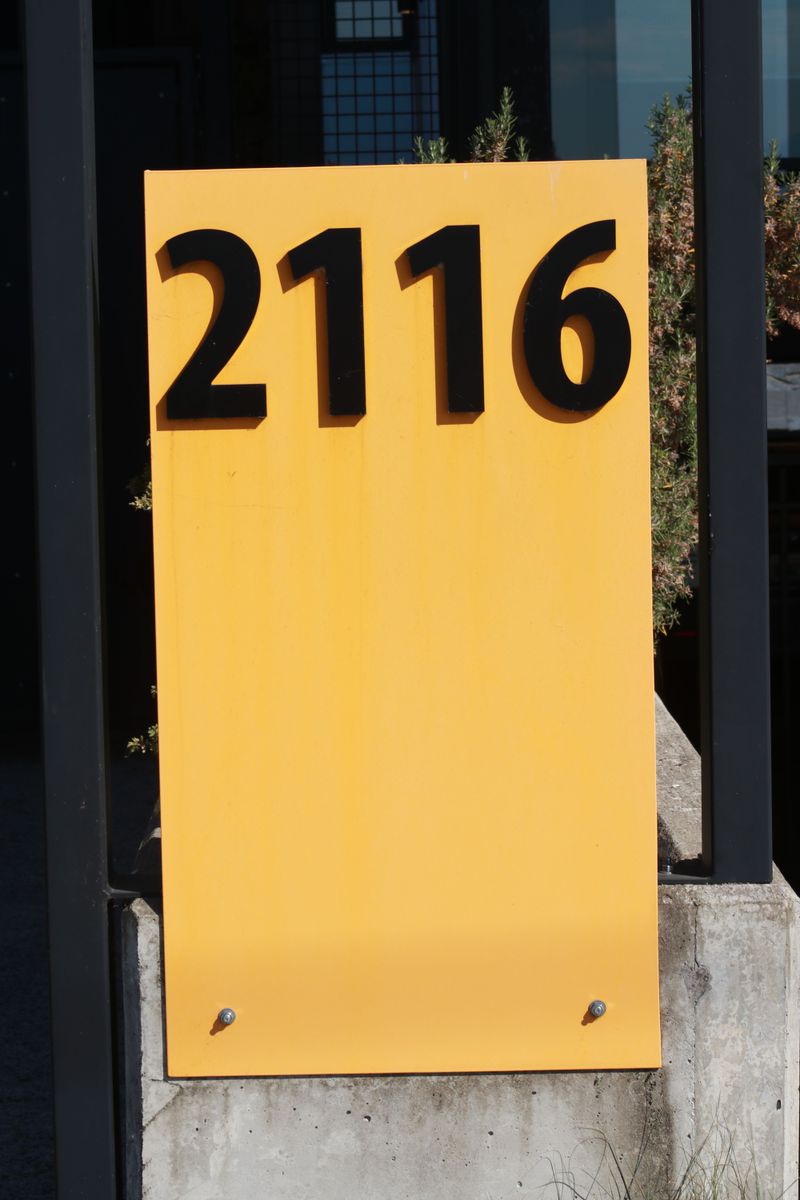
Odd and even address rules sound old-fashioned, but they work surprisingly well. Alternating-day watering schedules split demand across the week so the water system is never overwhelmed on a single day.
Your house number determines your watering days. If your address ends in an odd number, you water on odd calendar days.
Even-numbered addresses water on even calendar days. It is a simple system once you get the hang of it.
This rule typically applies to all outdoor watering, including gardens, flower beds, and container plants on patios.
Some localities extend it to washing cars or filling outdoor water features. Check your locality’s specific order to know exactly what is covered.
Missing your assigned day is not the end of the world for most plants. Healthy soil with good organic matter holds moisture longer than you might expect.
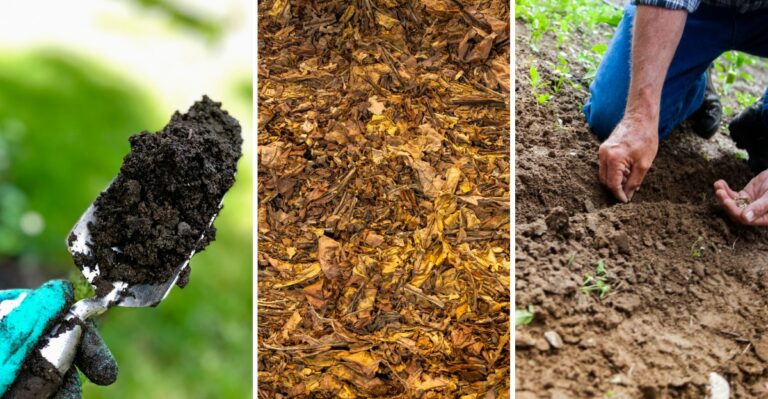
Mulching heavily around your plants can help bridge the gap between watering days. A two-inch layer of wood chip mulch significantly reduces soil moisture loss, helping plants stay hydrated longer between watering days.
Mulching is free if you chip yard trimmings, or cheap if you buy a bag at the hardware store. Mark your watering days on a kitchen calendar or set a phone reminder.
Consistency matters more than volume when water is limited. Your plants will adapt faster than you think if you keep the schedule steady.
In Restricted Zones, Watering Is Only Permitted Between Dusk And Dawn
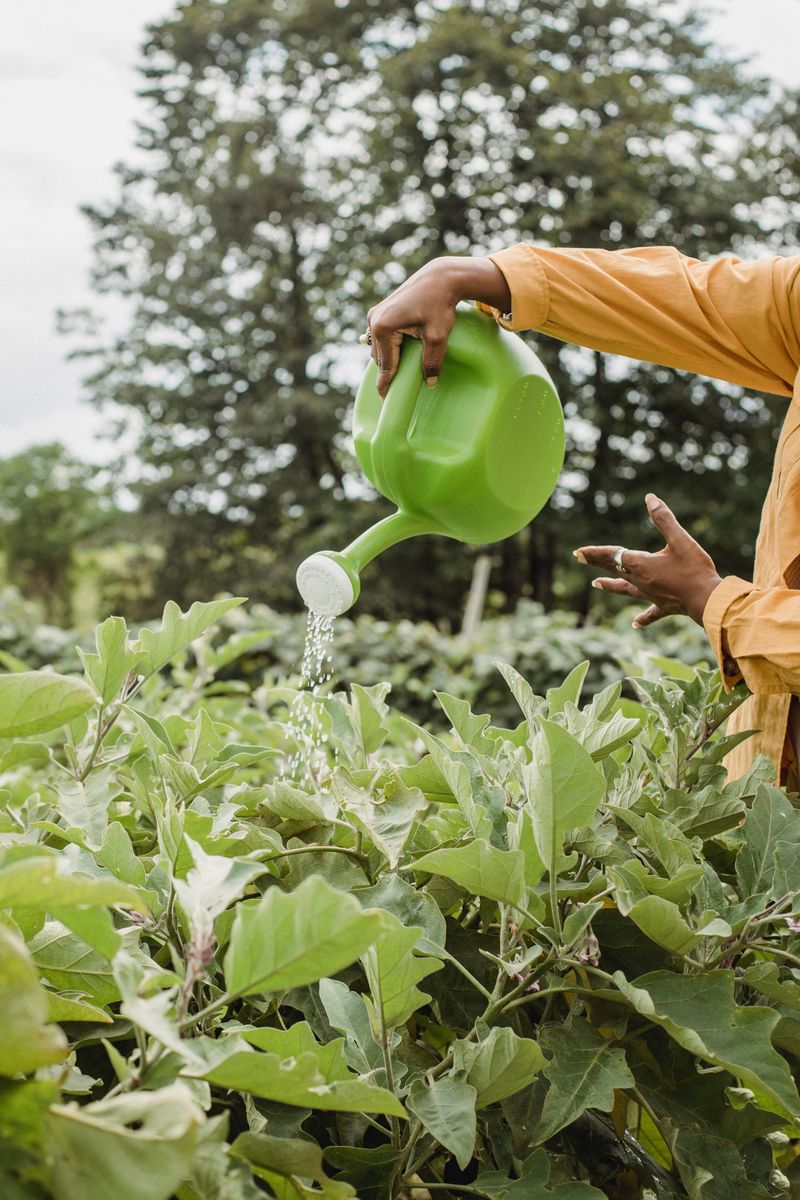
Timing your watering is just as important as how much you use. Watering during the heat of the day means losing a huge portion of moisture to evaporation before it ever reaches roots.
In localities with mandatory restrictions, watering is typically permitted only between dusk and dawn. The Governor’s voluntary guidance also recommends this window for all Virginians during the current drought.
That window typically runs from around 7 p.m. to 7 a.m., though your locality may define it slightly differently. Check the specific hours listed in your local order.
Evening watering gives moisture time to soak deep into the soil overnight. Roots absorb water slowly, and a slow overnight soak reaches far deeper than a quick midday splash.
Deeper moisture means stronger, more drought-tolerant root systems over time. Early morning watering, just before sunrise, is actually the gold standard for plant health.
The soil is cool, evaporation is minimal, and plants have moisture available right when photosynthesis kicks in. If you can set an alarm for 5 a.m., your garden will thank you.
Late-night watering does carry a small risk of fungal disease if foliage stays wet for too long.
Aim water at the base of plants and avoid wetting leaves whenever possible. A simple watering wand with a long neck makes this easy and precise.
Adapting your routine to off-peak hours is a small adjustment with a big payoff. Your plants get more from every drop, and you stay on the right side of the law.
Worsening Conditions Could Trigger A Full Statewide Drought Emergency
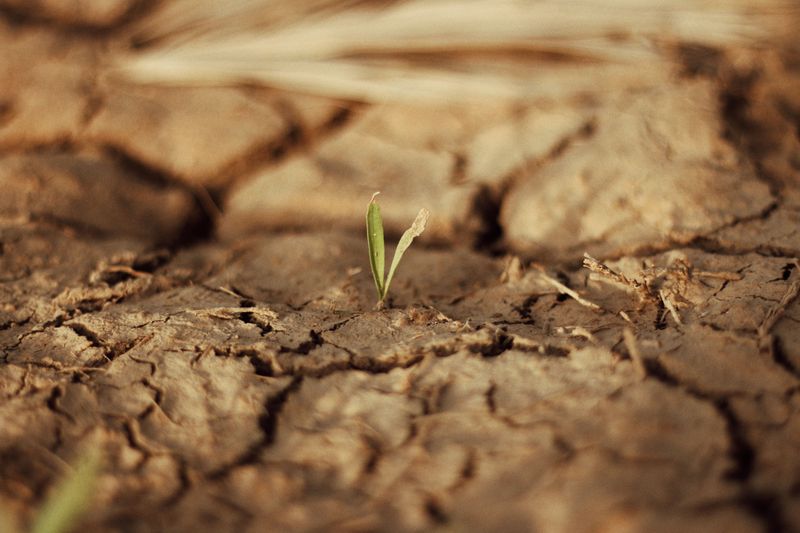
Right now, restrictions vary by region. But if drought conditions keep worsening, that could change fast.
A full statewide Drought Emergency would bring the strictest rules across every corner of Virginia.
Under a Drought Emergency declaration, outdoor watering could be banned almost entirely. Exceptions would likely cover only food gardens and essential landscaping.
Even those exceptions come with tight limits on days, times, and methods. The Virginia Drought Monitoring Task Force advises the Governor, who has the authority to declare a Drought Emergency by executive order.
That declaration would trigger mandatory statewide restrictions for all users and industries. Gardeners who prepare now will handle a potential emergency far better than those who wait.
Building drought-resilient habits before an emergency protects your plants through the worst-case scenario.
Start reducing water dependency now while you still have some flexibility. Switching to drought-tolerant plants is a long-term investment worth considering.
Native Virginia plants like black-eyed Susans, coneflowers, and ornamental grasses need far less supplemental watering. They evolved to handle exactly the kind of dry spells the state is experiencing.
Group your most water-hungry plants together so you can prioritize them efficiently if restrictions tighten. Sacrifice ornamental grass before you sacrifice food crops.
Having a triage plan now means you act fast and lose less if a Drought Emergency is declared.
Private Well Owners Are Exempt But Encouraged To Conserve
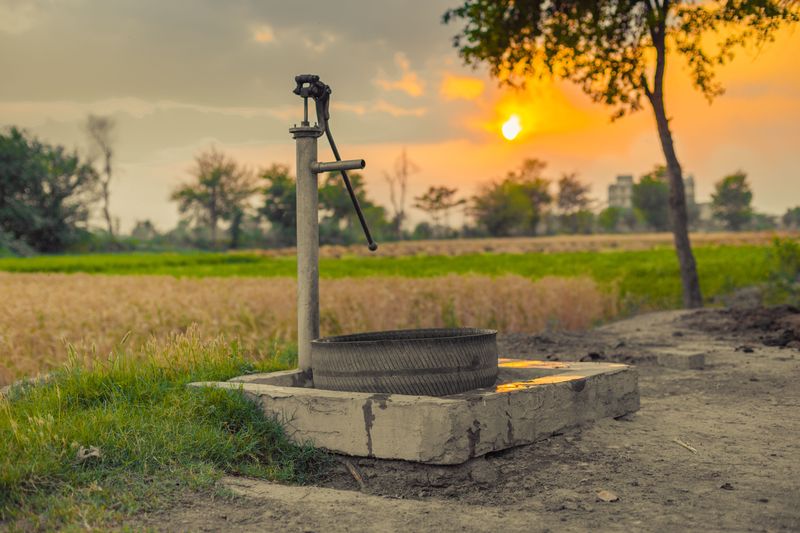
If your water comes from a private well, you are technically exempt from mandatory restrictions. Local water authority rules apply to municipal customers, not private well users.
That exemption feels like a relief, but it comes with a responsibility. Private wells draw from the same groundwater aquifers that feed streams and springs across the region.
When drought conditions lower the water table, wells can drop too. Using your well aggressively during a drought can deplete it faster than you expect.
Shallow wells are most vulnerable during extended dry spells. If your well is less than 50 feet deep, you are at higher risk of running low during a prolonged drought.
Monitoring your water pressure is a simple way to catch early warning signs. A drop in water pressure or a change in taste or color can signal that your well level is falling.
Calling a licensed well contractor for an assessment is a smart precaution if you notice changes. Catching a problem early is always cheaper than dealing with a dry well.
Conservation on a private well also protects your neighbors who share the same aquifer. Groundwater does not respect property lines.
Using less means more stays in the ground for everyone drawing from the same source. Simple steps like fixing leaky hoses, watering at night, and mulching garden beds cost almost nothing.
These habits protect your well, your garden, and your community all at once. Conservation is good neighborliness, even when it is not required by law.
About 1 To 1.25 Inches Of Rain Weekly Is Needed To Restore Normal Levels
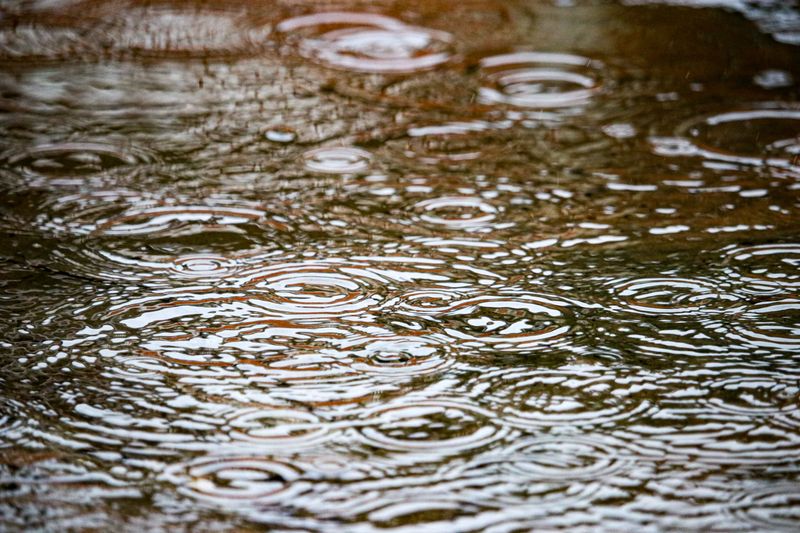
Plants and water systems share the same basic need right now: consistent rainfall. Experts say roughly 1 to 1.25 inches of rain per week is the baseline needed to keep Virginia’s water supplies stable.
Anything less and deficits start building up fast. A rain gauge is one of the cheapest and most useful tools a garden owner can own.
They cost about five dollars and tell you exactly how much moisture your garden received. Knowing your actual rainfall helps you decide when supplemental watering is truly necessary.
Many gardeners overestimate how much rain their yard gets. A brief afternoon shower might feel significant but deliver less than a quarter inch.
Checking your gauge after every rain event gives you real data to work with. When rainfall falls short of that 1-inch weekly target, your plants start pulling from stored soil moisture.
Sandy soils exhaust that reserve quickly, sometimes within a day or two. Clay-heavy soils hold moisture longer but can still stress plants during extended dry stretches.
Capturing rainwater is a smart supplement to your watering routine during restricted periods. A 55-gallon rain barrel connected to a downspout can fill from a single good storm.
That stored water is yours to use freely, outside of mandatory restriction rules in most localities. Watching the weekly forecast and comparing it against that 1.25-inch benchmark gives you a planning edge.
When rain falls short, you know where to focus your limited watering allowance. Staying ahead of the deficit is how gardeners keep their plants thriving under Virginia’s mandatory water limits.