9 Reasons Carpenter Bees Are Showing Up On Your Virginia Porch
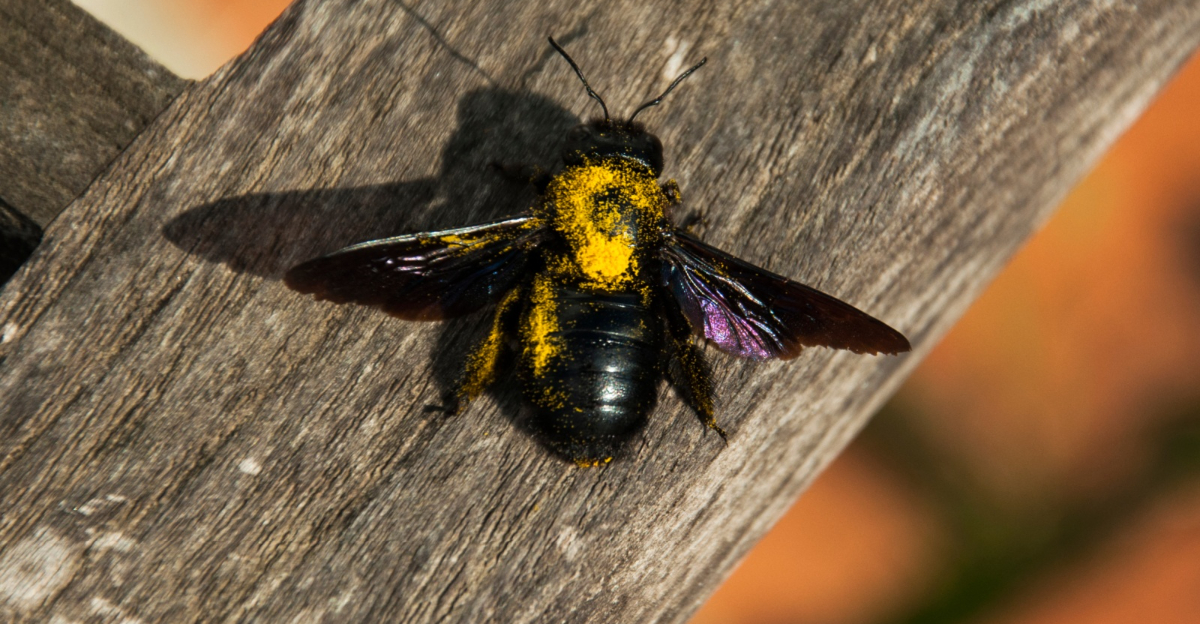
A bee the size of a thumb hovering inches from your face has a way of getting your full attention.
You noticed one last week, hovering at eye level, completely unbothered, circling your back railing like it was running a final inspection. It wasn’t frantic. It was purposeful.
That distinction matters more than most people realize. Virginia is seeing a sharp rise in carpenter bee activity, and it’s not random.
These bees operate on instinct sharpened over thousands of years. They are not wandering.
They are choosing. And somehow, they keep choosing the same kinds of spots over and over again. So what exactly makes certain homes so irresistible to them?
Homeowners throughout Virginia are asking that very question, and the answer is far more surprising than anyone expects. Turns out, they knew something about your home that you are only now discovering.
1. It Is Nesting Season And They Are Ready
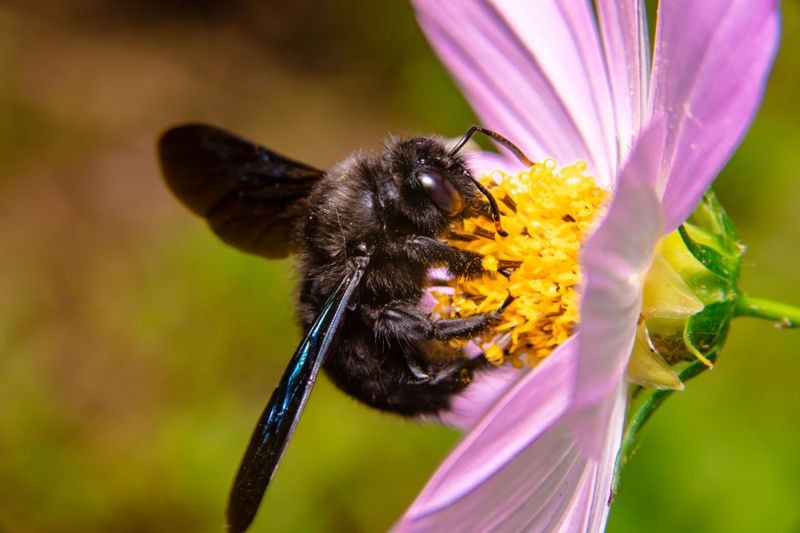
Warm air rolls in, flowers pop open, and carpenter bees flip a switch inside their biology. Spring and early summer trigger nesting season, and your porch is exactly where they want to be.
Female carpenter bees spend weeks searching for the perfect spot to raise their young. A wooden porch offers shelter, stability, and easy access.
Carpenter bees showing up on your Virginia porch in spring is not a coincidence. It is nature running exactly on schedule.
The males hover aggressively near entry points, acting like tiny bouncers protecting a club. They cannot sting, but they sure know how to intimidate.
Once a female picks her spot, she commits fully. She will chew through wood for days to build the perfect nursery chamber.
Timing matters here. If you spot activity from late February through June, nesting season has officially begun. Acting early gives you the clearest advantage before damage sets in.
2. Bare And Unfinished Wood Is Their First Target
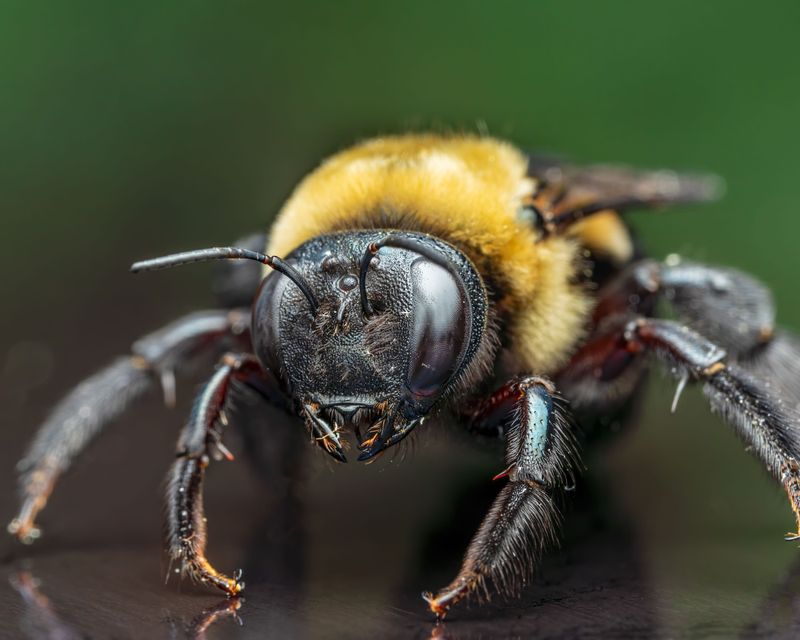
Bare wood keeps its natural scent, and carpenter bees are drawn to that scent the moment they encounter it. It signals that the wood is workable, accessible, and worth investigating.
Unprotected surfaces are soft, easy to chew, and require very little effort to penetrate once a bee locks onto a spot.
Paint, stain, and clear sealers do more than improve appearance. They harden the surface, seal the grain, and eliminate the organic scent that attracts bees in the first place.
Without that protective layer, your wood is far more exposed than it looks. Even a basic coat of exterior paint or clear sealer creates a barrier that discourages drilling.
The texture and smell of a sealed surface signals to bees that this spot is not worth their time.
Many Virginia homeowners skip finishing their outdoor wood to save money or time. That decision often costs far more in repairs down the line.
A focused weekend project now could reduce your risk significantly before peak activity begins.
3. Soft Wood Is Their Favorite Material
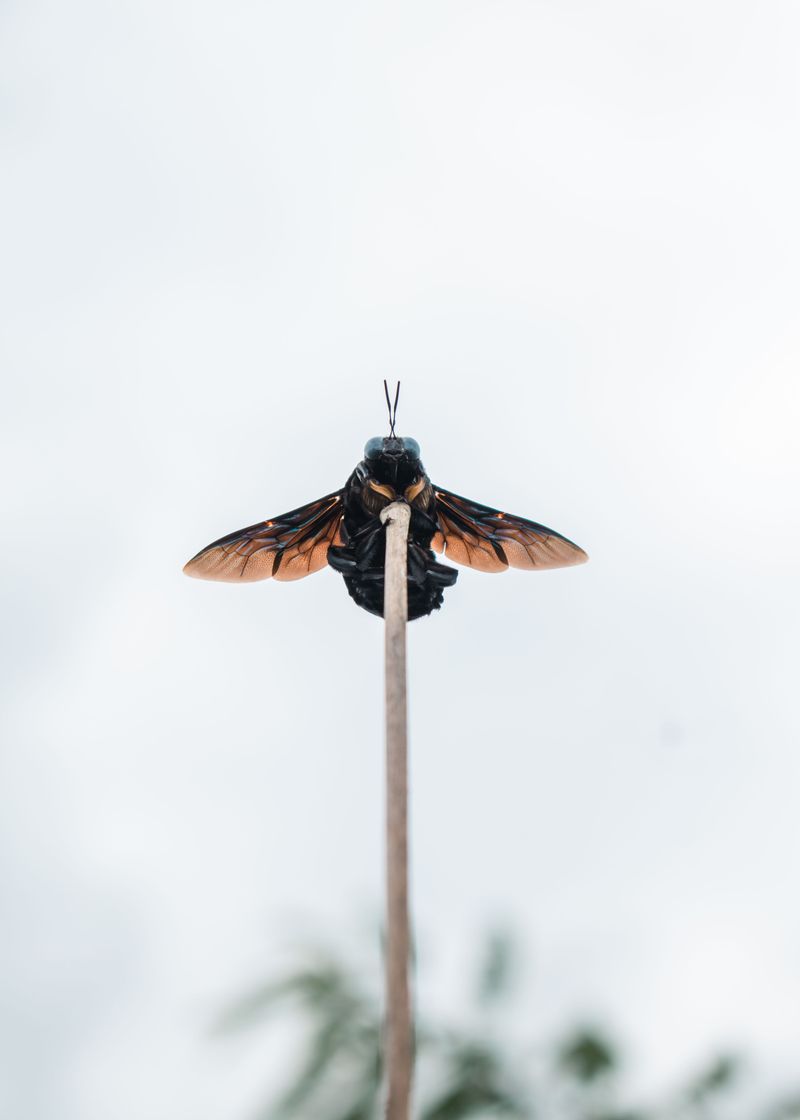
Not all wood is created equal, and carpenter bees know the difference better than most homebuilders.
Your Virginia Garden Changes Every Week. Your Plan Should Too.
Gardening in Virginia changes quickly throughout the season. Every Friday you’ll receive a simple weekly plan showing exactly what to plant, prune, fertilize, harvest, and protect so you never miss the right timing.
Soft woods like cedar, pine, redwood, and cypress sit at the very top of their list, and across Virginia, these are some of the most commonly used materials for outdoor structures.
These species have a looser grain structure that makes drilling easier and faster. A female bee can excavate a tunnel in soft wood quickly and with very little effort.
The softer the grain, the less work she has to do. Cedar looks gorgeous and smells amazing, but that beauty comes with a real catch.
The same softness that makes it so appealing to homeowners makes it equally irresistible to bees. What feels like a smart design choice can quietly become an open invitation.
Hardwoods like oak or maple are far less attractive because they demand significantly more effort to bore through. Bees are efficient by nature and always follow the path of least resistance.
Soft wood simply makes their job too easy to ignore. Virginia homeowners who use pine railings or cypress fascia boards are working against themselves without even realizing it.
Finishing those surfaces is not optional if protecting your structure is the goal. Replacing soft wood with composite materials or hardwood alternatives offers a longer-term solution.
Composites particularly confuse bees because they carry no scent and offer no grain to work with.
For many Virginia residents, making that switch has proven to be one of the most effective long-term defenses available.
Knowing your wood type is the starting point. Soft wood combined with an unfinished surface is the exact combination carpenter bees spend all season searching for.
4. She Is Drilling Tunnels To Lay Her Eggs
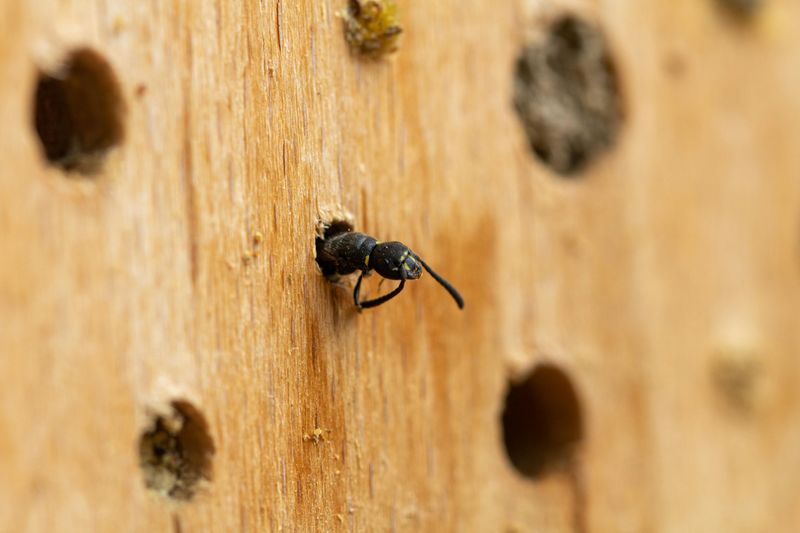
That rhythmic buzzing and tiny pile of sawdust near your railing is not random. A female carpenter bee is engineering a nursery, one chew at a time.
She drills a small entry hole, then turns sharply and bores horizontally along the wood grain. The result is a tidy tunnel that can stretch six inches or more.
Inside each chamber, she deposits a ball of pollen mixed with nectar. She lays a single egg on top, then seals the chamber with chewed wood pulp.
One tunnel can hold several individual brood chambers, each sealed separately. The precision involved is surprisingly methodical.
The damage looks minor at first. One hole seems harmless until you realize the tunnel behind it runs deep into your structural wood.
Over time, repeated excavation weakens beams, railings, and fascia boards significantly. Water enters the holes and accelerates rot from the inside out.
Spotting fresh sawdust is your earliest warning sign. Catching the drilling phase early means you can intervene before the eggs hatch and the cycle continues next season.
5. Weathered Or Decaying Wood Draws Them In Fast
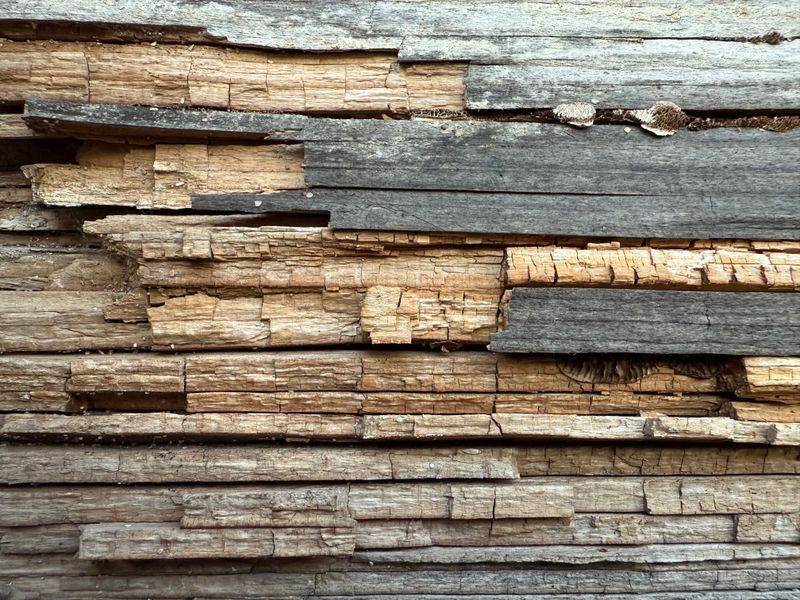
Old wood has a way of signaling that the wood is soft and easy to penetrate. Weathered and decaying boards send out a signal that bees pick up on immediately.
As wood ages outdoors, it softens, cracks, and loses density. Each of those changes makes excavation faster and easier for a determined female bee.
Peeling paint is another red flag. Once the protective coating starts flaking, the bare wood underneath becomes exposed and far more vulnerable than sealed or painted surfaces.
Gray, cracked, or spongy boards are especially attractive because they require almost no effort to penetrate. A bee can start a new tunnel in minutes when the wood is already breaking down.
Decaying wood also holds moisture, which softens it further over time. That combination of age and dampness creates prime real estate in a carpenter bee’s eyes.
Walk your porch and look for boards that feel soft when pressed or show visible surface cracking. Those spots are likely the first places bees will target this season.
Replacing or reinforcing deteriorating wood is a smart move. Fresh, sealed replacement boards eliminate the invitation and protect the rest of your structure from spreading damage.
6. Old Tunnels Are Being Reused Season After Season
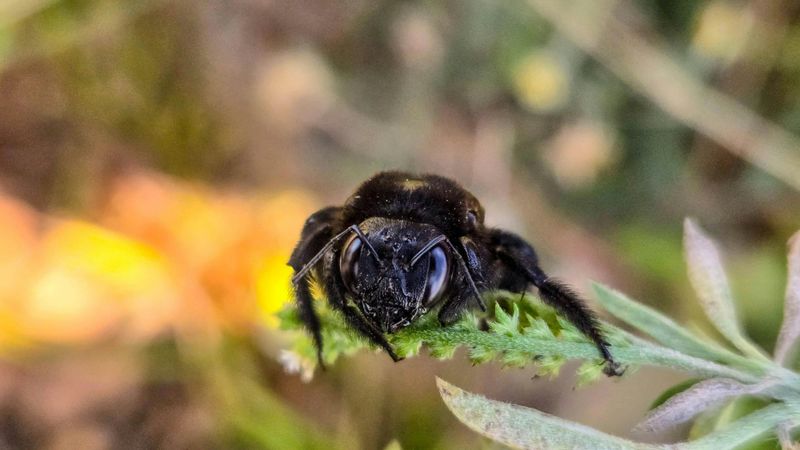
Carpenter bees are creatures of habit, and old tunnels are like pre-furnished apartments. They will move back in without hesitation if the space is available.
Once a tunnel exists, it requires far less effort to reuse than to excavate a brand new one. Bees that emerge in spring often head straight back to last year’s holes.
Offspring frequently return to the same structure where they hatched. This generational behavior means one season of activity can grow steadily without much visible warning.
Each time a tunnel is reused, it often gets extended and expanded. What started as a six-inch channel can become a foot-long gallery over multiple seasons.
Filling old holes is one of the most important prevention steps homeowners overlook. An open tunnel is a standing invitation that new bees cannot resist.
Use wood putty, caulk, or a wooden dowel to seal every visible entry point. Do this in late summer or fall after the season ends and before new bees scout the area.
Sealing old tunnels breaks the cycle. It forces next season’s scouts to start from scratch, and that extra effort is often enough to send them elsewhere.
7. Flowering Plants Nearby Are Pulling Them Close
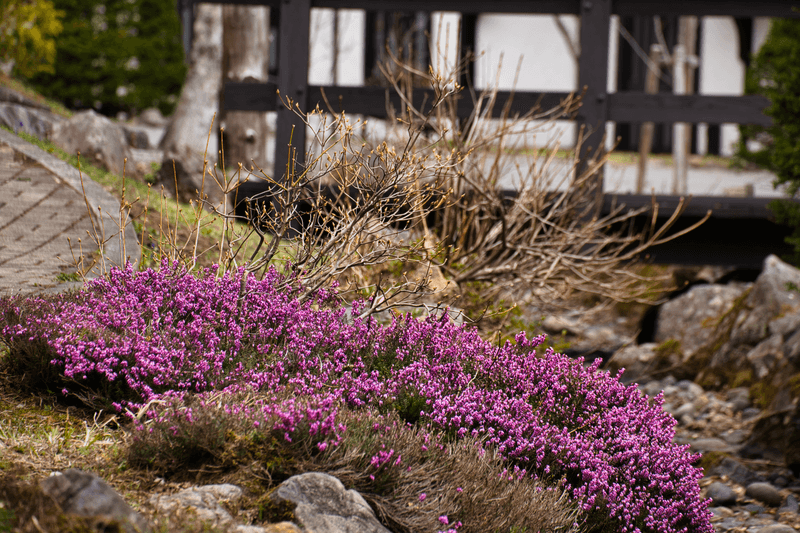
A porch surrounded by blooming flowers is a highly attractive setup for any pollinator. Carpenter bees are no exception, and they plan their nesting around food sources.
Wisteria, azaleas, black-eyed Susans, and lavender are all popular in Virginia yards. These plants bloom right when carpenter bees are most active and hungry.
When food is close to a good nesting site, bees see no reason to travel far. Your flower bed next to the porch makes the whole package irresistible.
Female bees collect pollen to feed their larvae inside the tunnels. Having flowers within a few feet of the nest dramatically reduces their workload.
You do not need to rip out your garden to solve this. Strategic placement of plants farther from the porch can reduce how often bees linger near the structure.
Choosing plants that are less attractive to carpenter bees is another option.
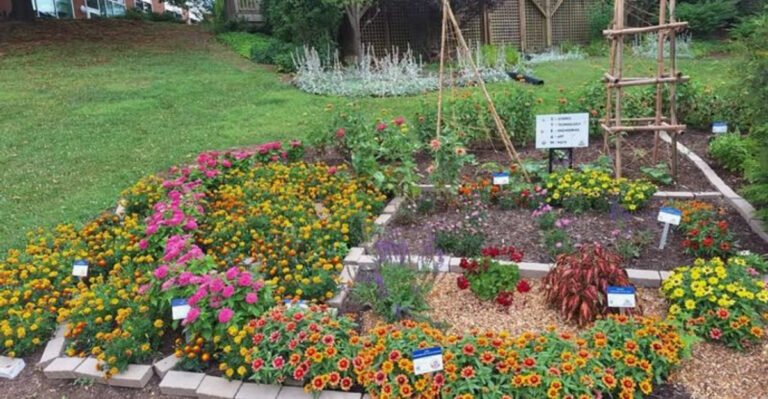
Densely packed flowers like marigolds are far less appealing to carpenter bees, so they tend to move past them in favor of easier options.
Your garden and your porch can coexist peacefully. A little planning around plant placement goes a long way toward keeping bees focused on blooms, not beams.
8. Active Nesting Signs Are Already Showing Up
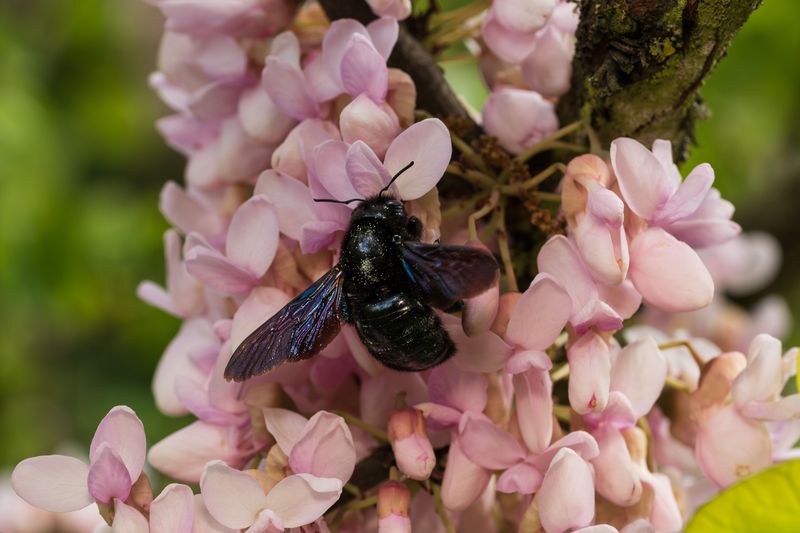
Sawdust on your railing. A bee hovering persistently in the same spot. A faint buzzing from inside a beam. These are not coincidences.
Your structure is giving you early warning signals. The earlier you recognize them, the faster you can respond.
Fresh sawdust, also called frass, is the clearest indicator. It piles up directly below a new entry hole as the female chews her way inside.
Yellow staining around a hole is another sign. Bee waste accumulates near active tunnels and leaves a noticeable mark on the wood surface below.
Male bees hovering aggressively near a spot means a female is likely nesting nearby. He is guarding the entrance, even though he cannot actually sting you.
Tapping on a beam and hearing a hollow sound where it used to sound solid is a serious warning. Extensive tunneling can compromise structural integrity over time.
Do not wait for a second season to act. Addressing active nesting signs immediately limits damage and prevents the population from growing larger the following year.
9. The Generational Habit That Keeps Bringing Them Back
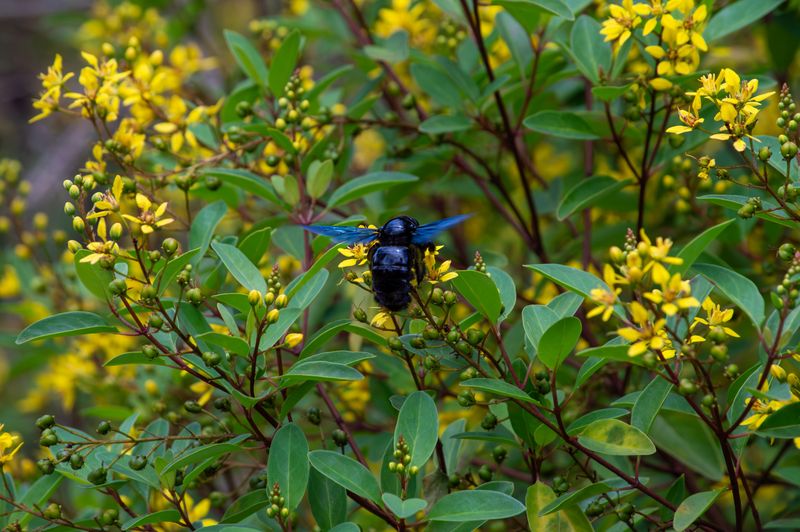
Carpenter bees are remarkably loyal to a single location, and that loyalty is passed down through generations.
Offspring emerge from the same tunnels where they hatched and immediately begin scouting the surrounding structure. They already know the neighborhood, so they stay close.
This loyalty to a single location means carpenter bees showing up on your Virginia porch may include the children and grandchildren of last year’s visitors. The family keeps growing.
Each new generation adds tunnels, extends old ones, and recruits more females to the site. A porch with minimal activity in year one can look dramatically different just a few seasons later.
Breaking this cycle requires sealing tunnels, finishing wood, and sometimes applying deterrents like citrus oils or almond extract near entry points. Bees dislike both scents strongly.
Consistent seasonal maintenance is what stops the generational pattern. Inspect your porch every spring and fall, seal any openings, and reapply protective coatings on a regular schedule.
Your porch does not have to be a family heirloom for carpenter bees. Take action now, and you can reclaim that space before another generation moves in.