What It Really Means When Yellow Jackets Keep Appearing In Your North Carolina Garden Beds
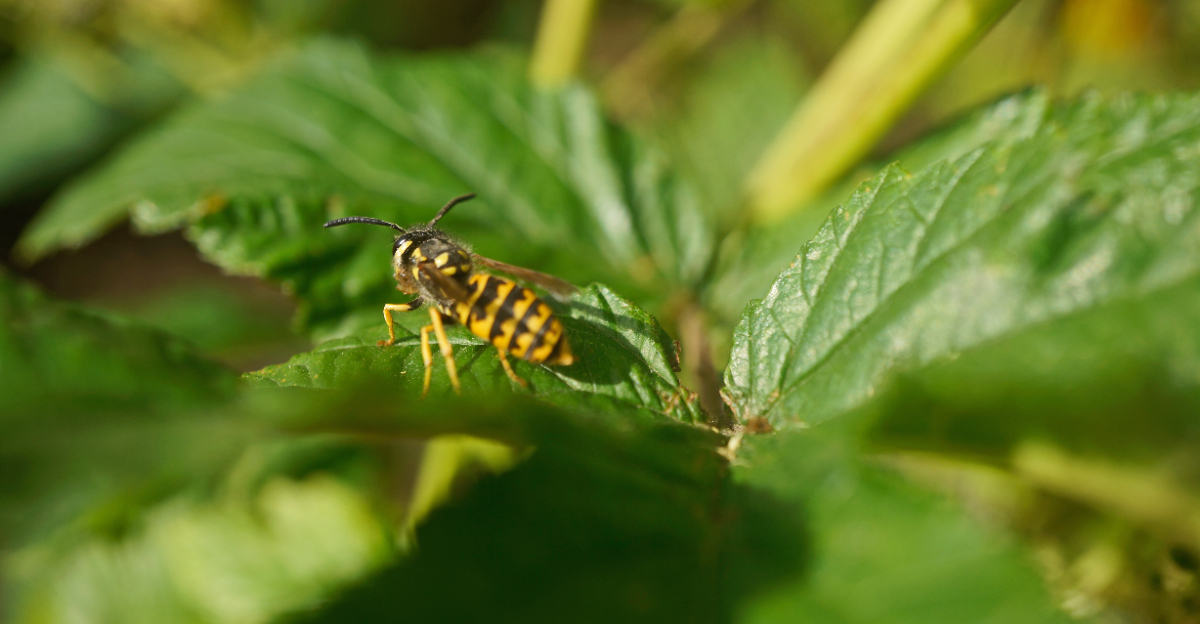
Seeing one or two yellow jackets moving through the garden on a summer afternoon is normal and generally not worth a second thought.
When they start appearing consistently in the same garden bed day after day, that pattern means something specific is happening beneath or around that spot that is drawing them back with purpose.
North Carolina summers create active yellow jacket foraging conditions from late June through September, and repeated appearances in garden beds almost always point to one of several identifiable causes rooted in what that particular area is offering them.
Understanding what yellow jackets are actually responding to changes the entire approach to managing their presence, and in some cases reveals something useful about the condition of the soil or the plants growing in that space.
1. Your Garden Soil Is Hiding An Underground Nest
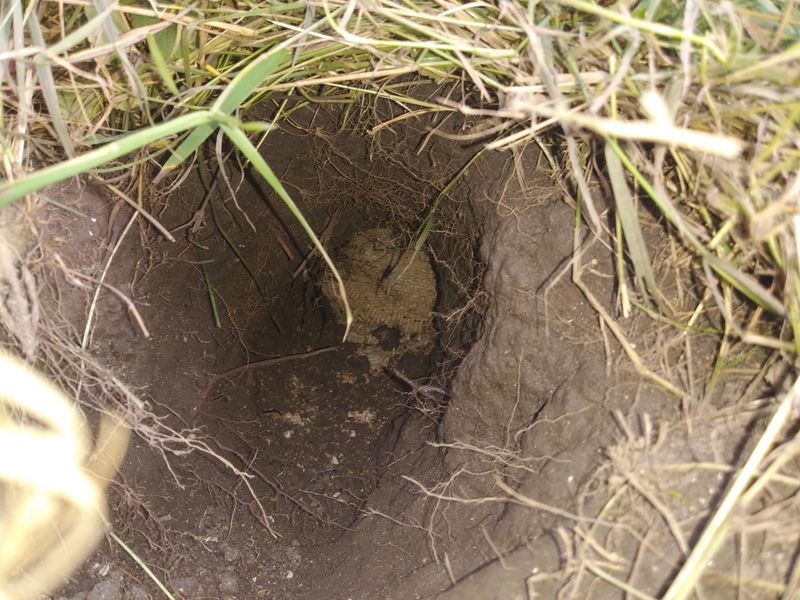
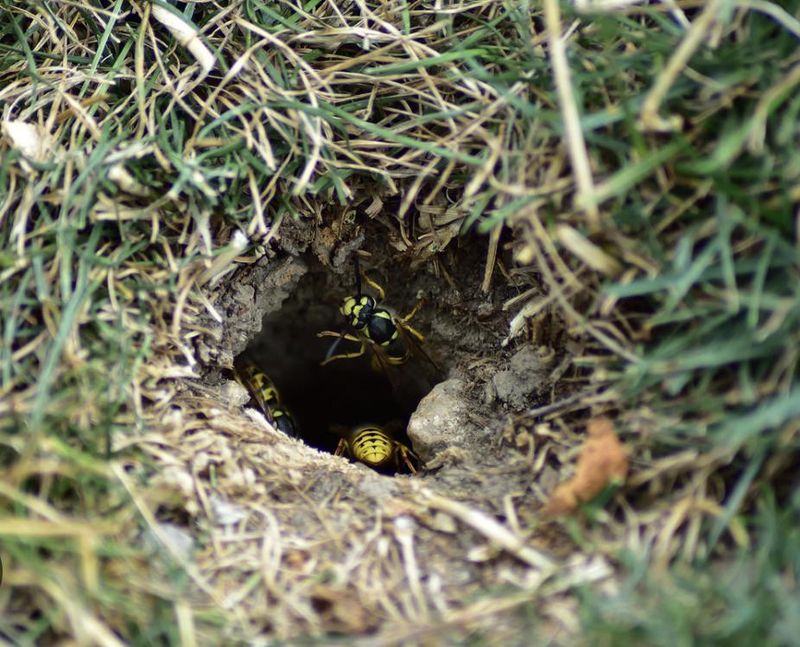
Spotting yellow jackets repeatedly hovering close to the ground is one of the clearest signals that a nest may be hidden just beneath the surface.
Yellow jackets are well known for building colonies underground, often using existing cavities, abandoned burrows, or protected spaces beneath the surface.
Garden beds can sometimes hide yellow jacket nests, especially when they contain undisturbed cavities, gaps, or protected spaces near the soil surface.
The entrance to an underground nest can be surprisingly small, sometimes just the size of a quarter. You might notice a steady stream of yellow jackets flying in and out of one particular spot near your plants.
That repeated, focused activity near the soil is a strong clue that a colony has set up shop below your feet.
In North Carolina, yellow jacket colonies can grow quite large by late summer and early fall, sometimes reaching thousands of workers.
Disturbing the soil nearby, even accidentally while weeding, can trigger an aggressive response from the colony. Knowing the warning signs early gives you a real advantage.
If you suspect an underground nest, the safest move is to stop working in that area and contact a licensed pest control professional. Trying to handle it yourself without the right tools can cause the colony to feel threatened.
A professional can assess the situation and help you resolve it without putting your safety at risk.
2. Sweet Fruits And Vegetables Are Attracting Them
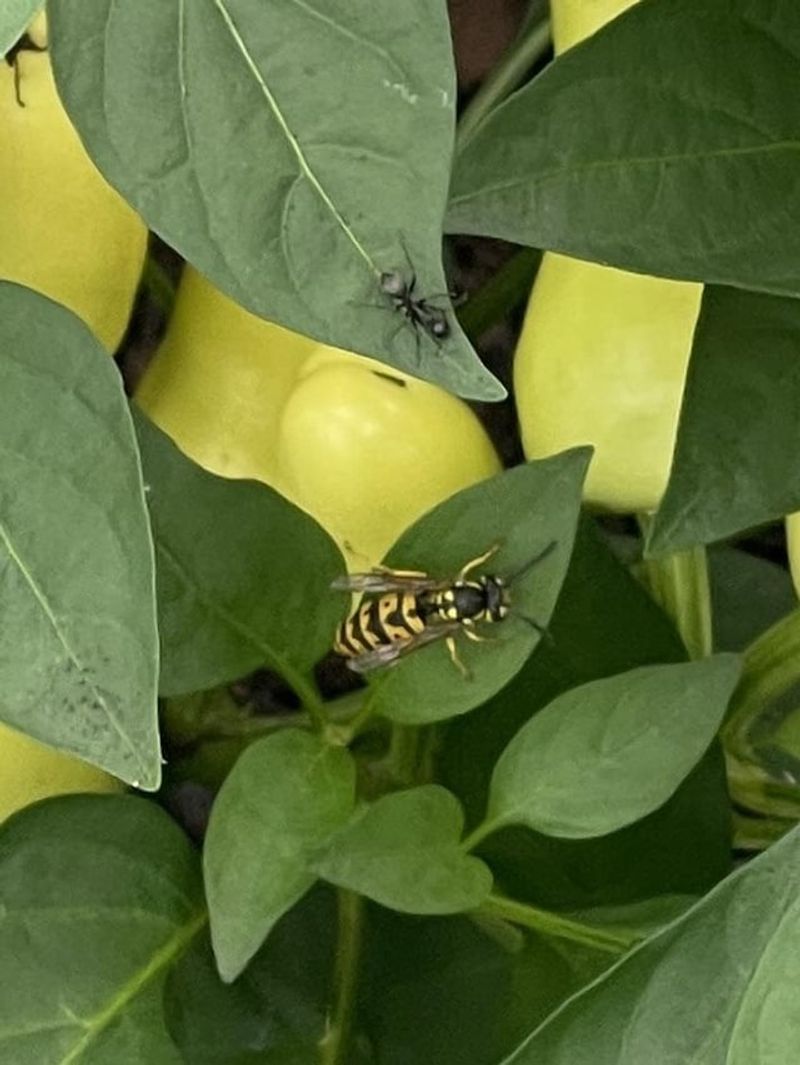
Yellow jackets have a serious sweet tooth, and your garden might be serving up exactly what they crave. Ripe tomatoes, figs, melons, sweet peppers, and fallen fruit are all powerful attractants for yellow jackets looking for an easy sugar source.
The riper and more fragrant the produce, the more likely these insects are to find it.
North Carolina summers produce an abundance of garden harvests, which is wonderful for gardeners but also creates a feast for yellow jackets.
Overripe or damaged fruit that falls to the ground is especially appealing because it releases strong, sweet-smelling juices. Once yellow jackets find a reliable food source, they return to that same spot repeatedly.
Keeping your garden tidy is one of the most effective ways to reduce yellow jacket activity around your produce.
Your North Carolina Garden Changes Every Week. Your Plan Should Too.
Gardening in North Carolina changes quickly throughout the season. Every Friday you’ll receive a simple weekly plan showing exactly what to plant, prune, fertilize, harvest, and protect so you never miss the right timing.
Picking ripe fruits and vegetables promptly, removing fallen produce daily, and cleaning up any juice or plant debris can make a big difference. You are essentially removing the buffet that keeps drawing them back.
Covering ripening produce with fine mesh netting can also help protect your harvest while reducing yellow jacket visits.
Some gardeners find that harvesting in the cooler morning hours, before yellow jackets become most active, makes garden work safer and more comfortable.
Small changes to your harvest routine can have a surprisingly large impact on how many of these insects you see buzzing around your beds.
3. Nearby Food Or Garbage Is Pulling Them Toward Your Yard
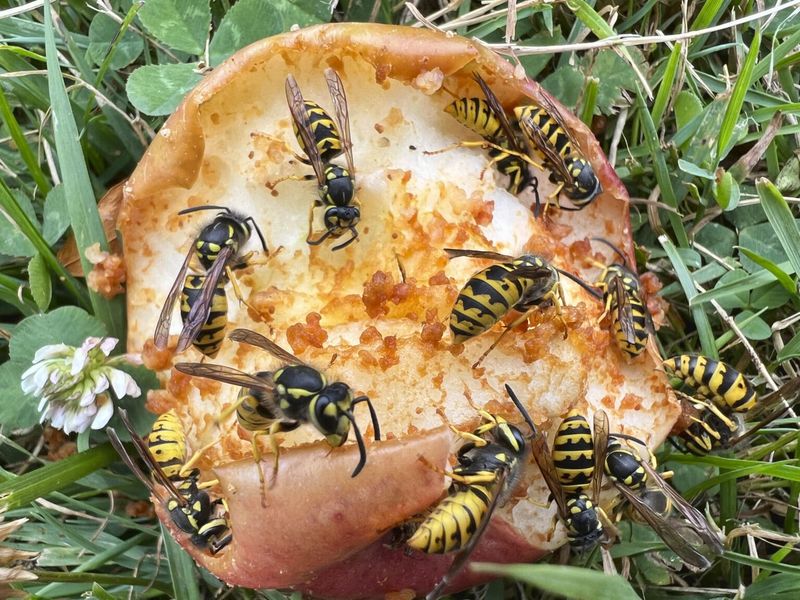
Yellow jackets are relentless scavengers, and they do not limit their search for food to your garden alone.
If there is a trash can, compost bin, outdoor grill, or pet food bowl anywhere near your garden, that source could easily be drawing yellow jackets into your yard and straight toward your garden beds.
They follow food scents with impressive accuracy. Compost bins are a particularly common culprit because they contain a mix of fruit scraps, vegetable peels, and other organic material that yellow jackets find irresistible.
Even a tightly covered bin can leak scent, especially in North Carolina’s warm, humid summer air.
Once yellow jackets discover that your yard is a reliable food zone, they will scout it regularly.
Taking a walk around your property to identify and clean up food sources is a practical first step.
Rinsing out recycling bins, securing garbage can lids tightly, and keeping grill grates clean after each use can all reduce the appeal of your yard to foraging yellow jackets. Moving compost bins further from the garden is another helpful adjustment.
Pet food left outdoors is another surprisingly powerful attractant that many gardeners overlook. Yellow jackets are drawn to protein as well as sugar, and wet or dry pet food sitting outside can bring them right into your space.
Feeding pets indoors or removing food bowls promptly after mealtime is a simple habit that can noticeably cut down on yellow jacket traffic near your garden.
4. Your Garden Has A High Insect Population Feeding Them
Not everything yellow jackets eat is sweet. These insects are actually skilled predators that hunt other insects to feed their growing colonies.
If your North Carolina garden beds are home to caterpillars, flies, aphids, spiders, crickets, slugs, or other insects, yellow jackets may be showing up regularly to take advantage of that protein-rich food source.
In a way, their presence can be a signal that your garden has a pest problem worth looking into. Yellow jackets are efficient hunters and will patrol plants and soil in search of insects to bring back to their nest.
Watching where they focus their attention in your garden can actually help you identify which plants or areas might have a hidden pest issue.
This predatory behavior is part of why yellow jackets are sometimes described as beneficial insects in garden ecosystems.
They help control certain pest populations naturally, which can reduce the need for chemical sprays.
The tricky part is that their benefits come alongside real safety concerns, especially when nests are nearby.
If you want to reduce yellow jacket activity without losing natural pest control, focus on improving overall garden health. Strong, healthy plants are less vulnerable to pest infestations, which means fewer insects for yellow jackets to hunt.
Using companion planting strategies and encouraging other beneficial insects like ladybugs and parasitic wasps can help balance your garden ecosystem without making it an ongoing hunting ground for yellow jackets.
5. Water Sources In Your Garden Are Bringing Them In
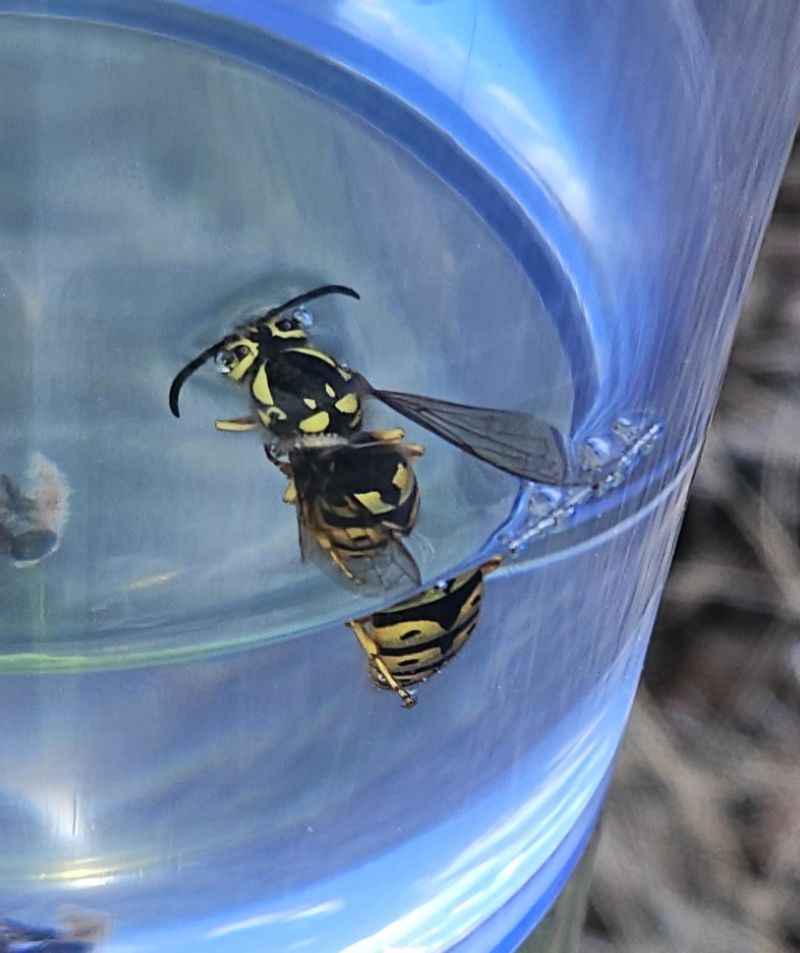
Water is just as important to yellow jackets as food, and your garden might be offering exactly what they need to survive.
Birdbaths, garden fountains, drip irrigation puddles, and even damp soil can all serve as water sources that draw yellow jackets into your beds.
During North Carolina’s hot and humid summers, insects need water constantly to keep their colonies going.
Yellow jacket colonies use water not just for drinking but also for cooling their nests and helping to raise their young. A reliable water source close to a nest site makes your garden an even more attractive territory.
If you have noticed yellow jackets landing on wet soil or hovering near a garden fountain, that behavior is a clear sign they are using your garden as a water station.
Reducing standing water around your garden beds is one straightforward way to make the area less appealing. Fixing leaky drip irrigation lines, emptying saucers under pots after rain, and refreshing birdbaths regularly can all help.
Moving water features further from active garden beds can also reduce the number of yellow jackets you encounter while working.
Interestingly, yellow jackets tend to be most active in the warmest part of the day when water demand is highest for the colony.
Scheduling your garden work for early morning, when temperatures are cooler and yellow jackets are less active, is a practical safety tip many experienced North Carolina gardeners swear by.
Small timing adjustments can make a big difference in your comfort and safety outdoors.
6. Hollow Spaces Near Your Beds May Provide Yellow Jacket Nest Sites
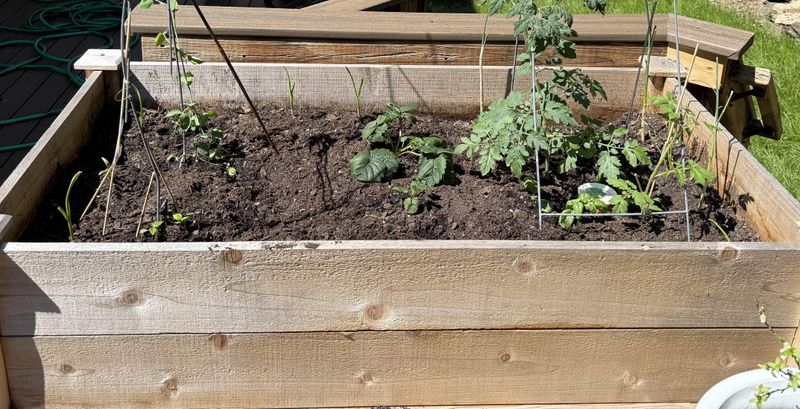
Yellow jackets do not always nest underground. They may also use protected cavities such as hollow logs, wood piles, wall voids, gaps in structures, or underground spaces near garden beds.
If you have older wooden elements in or around your garden, they could be hosting an active yellow jacket colony without you even realizing it.
North Carolina’s warm, moist climate accelerates wood decay, which creates more hollow spaces over time. A rotting fence post, old raised bed, or nearby structure with protected gaps may provide a nesting opportunity for a yellow jacket queen in spring.
By summer, that small colony can grow into thousands of workers.
Doing a careful visual inspection of wooden structures around your garden beds is a smart seasonal habit. Look for yellow jackets flying in and out of the same crack or gap repeatedly, since that repeated entry and exit pattern is a reliable sign of a nest inside.
Avoid pressing your face or hands close to the opening if you suspect activity.
Replacing or repairing severely rotted wood in your garden area can reduce future nesting opportunities. Treating wooden raised beds and fence posts with appropriate sealants can also help close off gaps that might otherwise attract nesting insects.
Keeping your garden structures in good shape is not just about aesthetics, it is also a practical step toward a safer outdoor space during yellow jacket season.
7. Flowering Plants Are Offering A Reliable Nectar Supply
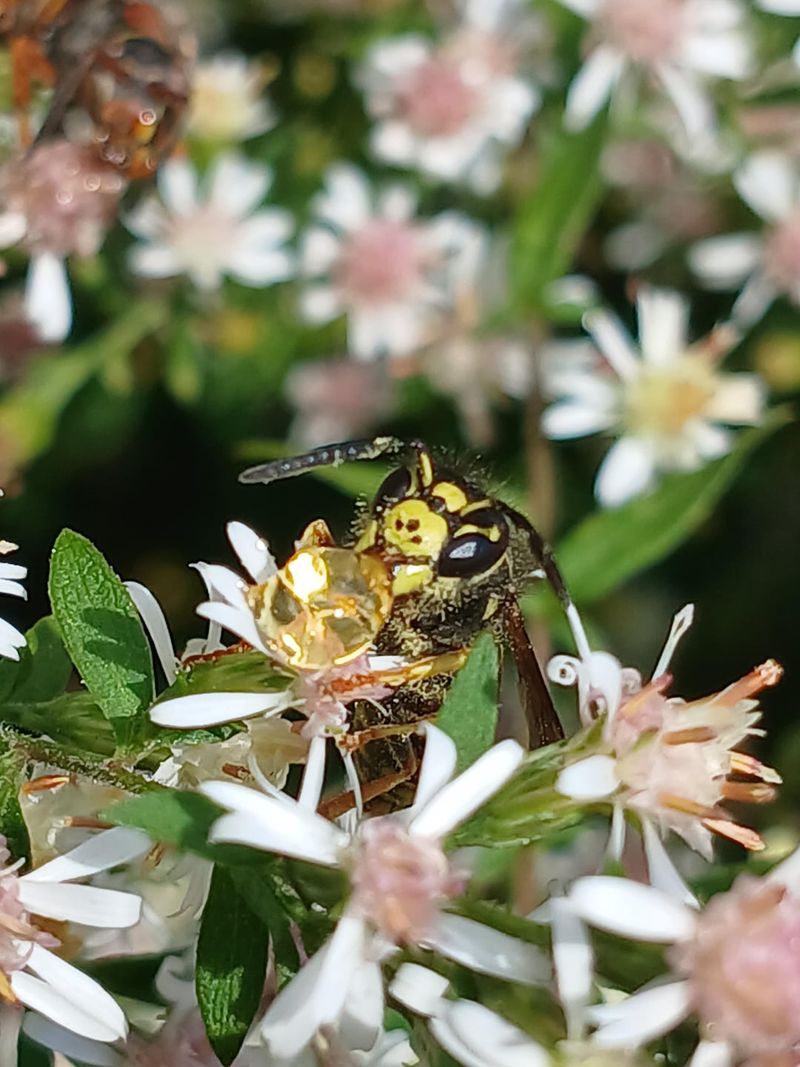
Many gardeners are surprised to learn that yellow jackets visit flowers for nectar, much like bees do.
While they are not as efficient as bees at pollination, yellow jackets do consume nectar as a carbohydrate source and will visit flowering plants regularly when blooms are abundant.
A garden full of nectar-rich flowers in full bloom can be a strong draw for yellow jackets throughout the season.
In North Carolina, flowering plants with accessible nectar can attract yellow jackets, especially in late summer and fall. These plants produce easy-to-access nectar that foraging yellow jackets can collect quickly.
If your garden beds are packed with these kinds of blooms, expect yellow jacket visits to increase as summer progresses into fall.
The good news is that yellow jackets visiting flowers for nectar are generally less aggressive than those defending a nest. They are focused on foraging and are less likely to sting unless they feel directly threatened.
Moving slowly and calmly around flowering plants, and avoiding swatting at them, goes a long way toward keeping interactions peaceful.
If you want to enjoy your flowering garden with fewer yellow jackets around, try planting some varieties that are less attractive to them while still supporting pollinators.
If yellow jackets are a problem, place heavily visited flowering plants away from seating areas, walkways, and harvest zones rather than relying on specific flowers to repel them.
Thoughtful plant selection can help you create a garden that is beautiful, pollinator-friendly, and a little more comfortable for you to spend time in.
8. Late Summer Is Peak Season And Your Garden Is Right In Their Path
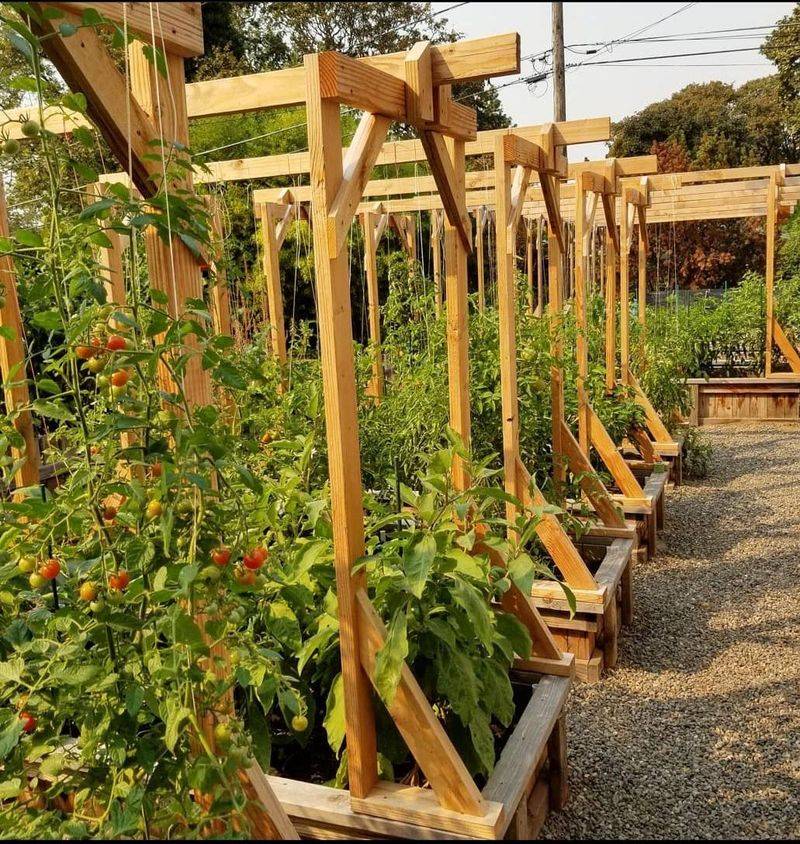
Timing matters a lot when it comes to yellow jacket activity, and late summer through early fall is when North Carolina gardeners typically notice the biggest surge.
By August and September, yellow jacket colonies have reached their largest size of the year, with thousands of workers all actively foraging at the same time.
Your garden, full of ripe produce and blooming flowers, sits right in the middle of their expanded search zone.
As the season shifts and natural food sources become less predictable, yellow jackets grow bolder and more aggressive in their search for sugars and proteins.
They are working harder to feed the colony before cooler temperatures arrive and the colony naturally winds down.
That urgency makes them more persistent and more likely to investigate anything in your garden that smells like food.
Understanding this seasonal pattern helps you plan ahead rather than being caught off guard.
Harvesting produce more frequently in late summer, cleaning up fallen fruit and plant debris more diligently, and being extra cautious when working in garden beds during peak afternoon hours can all reduce your chances of a stressful encounter.
Avoid strong perfumes, scented lotions, and swatting, and be extra careful around food, drinks, and suspected nest entrances.
North Carolina’s long, warm growing season means this peak period can last longer here than in cooler states. Staying aware of the seasonal cycle and adjusting your garden routine accordingly is one of the most practical things you can do.
A little seasonal awareness goes a very long way toward enjoying your garden safely all the way through harvest time.