How Georgia Gardeners Can Improve Soil This Summer With A Simple Composting Routine
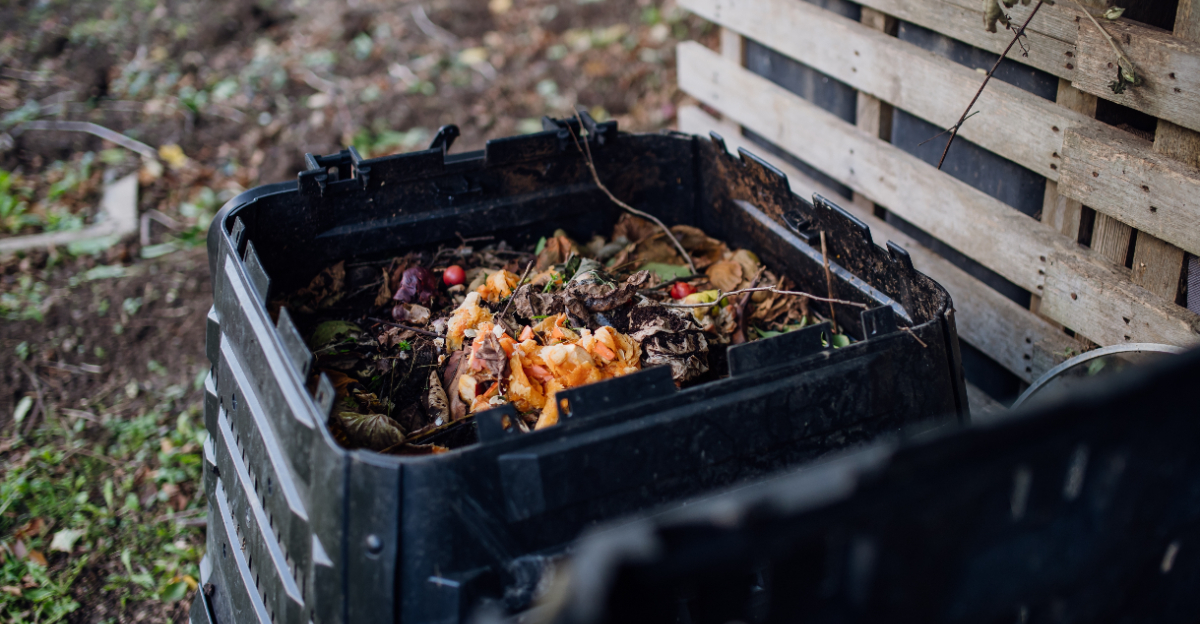
Summer gardens generate a surprising amount of leftover plant material. A few pulled weeds, some trimmed stems, faded flowers, and grass clippings can pile up faster than most people expect.
For many gardeners, all of it ends up getting tossed out without a second thought.
What is interesting is that some of the materials leaving the garden could be one of the easiest ways to improve it. The process does not require special equipment or a large backyard.
In many cases, it starts with making better use of things that are already available.
By the middle of summer, Georgia gardens are still producing plenty of material that can be turned into something useful. A simple composting routine can fit into regular garden maintenance and help improve soil over time.
The benefits may not appear overnight, but the results can last well beyond the current growing season.
1. Finished Compost Can Improve Soil Structure Naturally
Healthy soil does not happen by accident. Finished compost is one of the most powerful tools a home gardener has, and it works by improving soil structure from the inside out.
Clay-heavy soil is a common challenge in many parts of the South. Compost breaks up that dense, sticky texture and creates space for roots to push deeper and water to drain properly.
Sandy soils face the opposite problem. Compost helps bind loose particles together so moisture and nutrients do not drain away before plant roots can absorb them.
Finished compost also feeds the billions of beneficial microbes already living in your soil. Those microbes break down organic matter and release nutrients plants can actually use.
Store-bought fertilizers feed plants directly, but compost feeds the soil ecosystem. That difference matters because healthy soil keeps working long after a single fertilizer application fades.
One or two inches of finished compost worked into the top six inches of a garden bed can noticeably change how that soil behaves over a single growing season. Results vary depending on your starting soil condition and how consistently you apply compost.
Summer is a great time to start building that foundation.
2. Start Composting With Yard And Kitchen Scraps
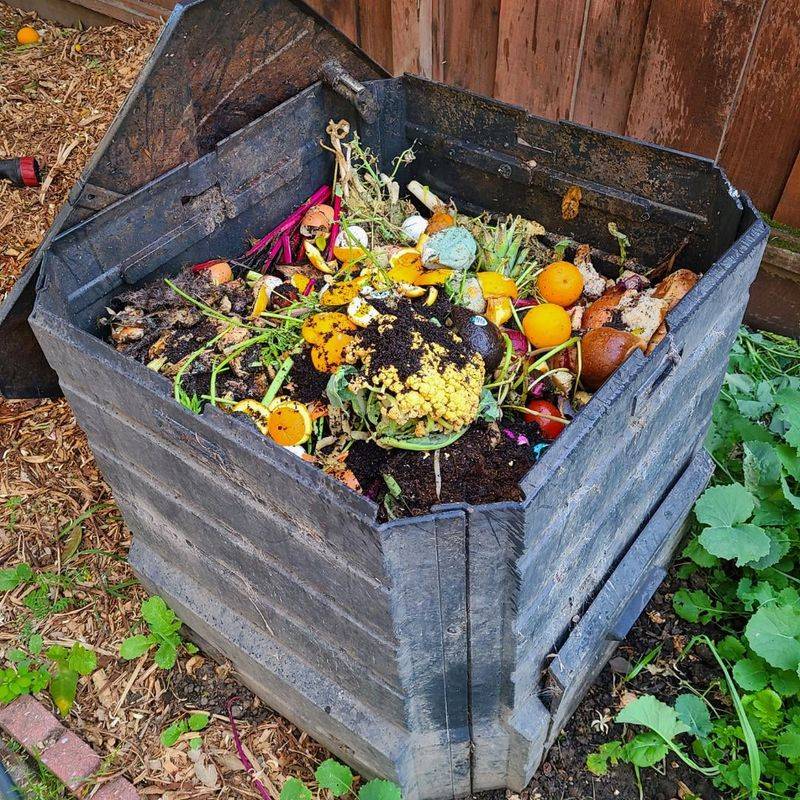
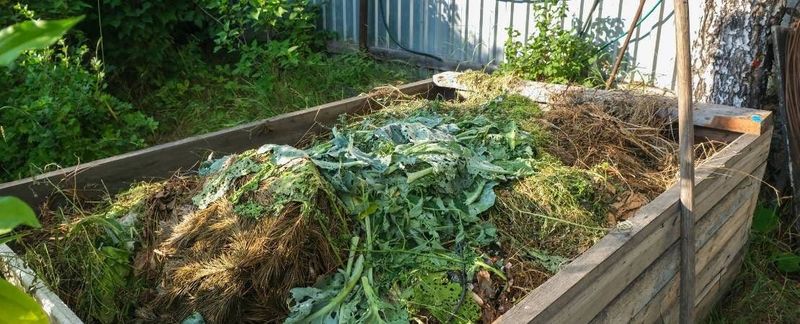
Starting a compost pile is easier than most people expect. You do not need a special bin or any tools beyond a pitchfork or shovel.
Pick a spot in your yard with partial shade. Full sun dries out a pile too fast in summer heat, and deep shade can slow decomposition.
A balance works best.
Yard scraps are a great starting point. Grass clippings, pulled weeds without seed heads, and fallen leaves all work well.
Avoid weeds that have already gone to seed.
Kitchen scraps add valuable nitrogen to your pile. Vegetable peels, fruit cores, coffee grounds, and eggshells are all excellent additions.
Skip meat, dairy, and oily foods since those attract pests and create odor problems.
Cardboard and newspaper torn into small pieces also work as brown material. Shredding them speeds up breakdown significantly.
Layer your materials loosely rather than packing them down. Air circulation is important for decomposition.
Your Georgia Garden Changes Every Week. Your Plan Should Too.
Gardening in Georgia changes quickly throughout the season. Every Friday you’ll receive a simple weekly plan showing exactly what to plant, prune, fertilize, harvest, and protect so you never miss the right timing.
A packed pile slows down and can start to smell unpleasant.
Starting small is perfectly fine. Even a modest pile built from weekly kitchen and yard waste will produce usable compost within a few months.
Consistency matters more than volume when you are just getting started. Build the habit first, then scale up as you get comfortable with the routine.
3. Turn Compost Regularly For Faster Breakdown
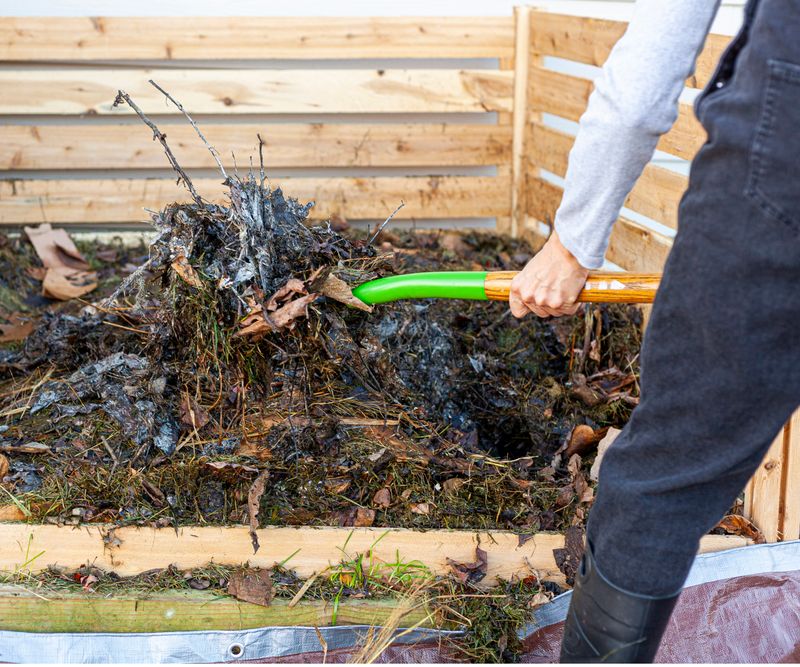
Turning your compost pile is the single biggest thing you can do to speed up decomposition. Without regular turning, breakdown slows to a crawl.
Oxygen is what drives the composting process. Microbes need air to break down organic material efficiently.
When you turn the pile, you push fresh oxygen into the center where decomposition is most active.
Aim to turn your pile every one to two weeks during summer. Warm temperatures already help speed things up, and consistent turning keeps that momentum going strong.
Use a pitchfork or a long-handled garden fork. Move material from the outer edges toward the center each time you turn.
The outside of a pile decomposes slower than the inside, so rotating that material evenly speeds up the whole batch.
A well-turned pile during summer can produce finished compost in as little as six to eight weeks. An unturned pile might take six months or longer.
That difference is significant if you want compost ready for fall planting.
You will notice the pile shrinking over time. Shrinkage is a good sign.
It means decomposition is happening and organic material is breaking down into something useful.
4. Balance Green And Brown Materials Carefully
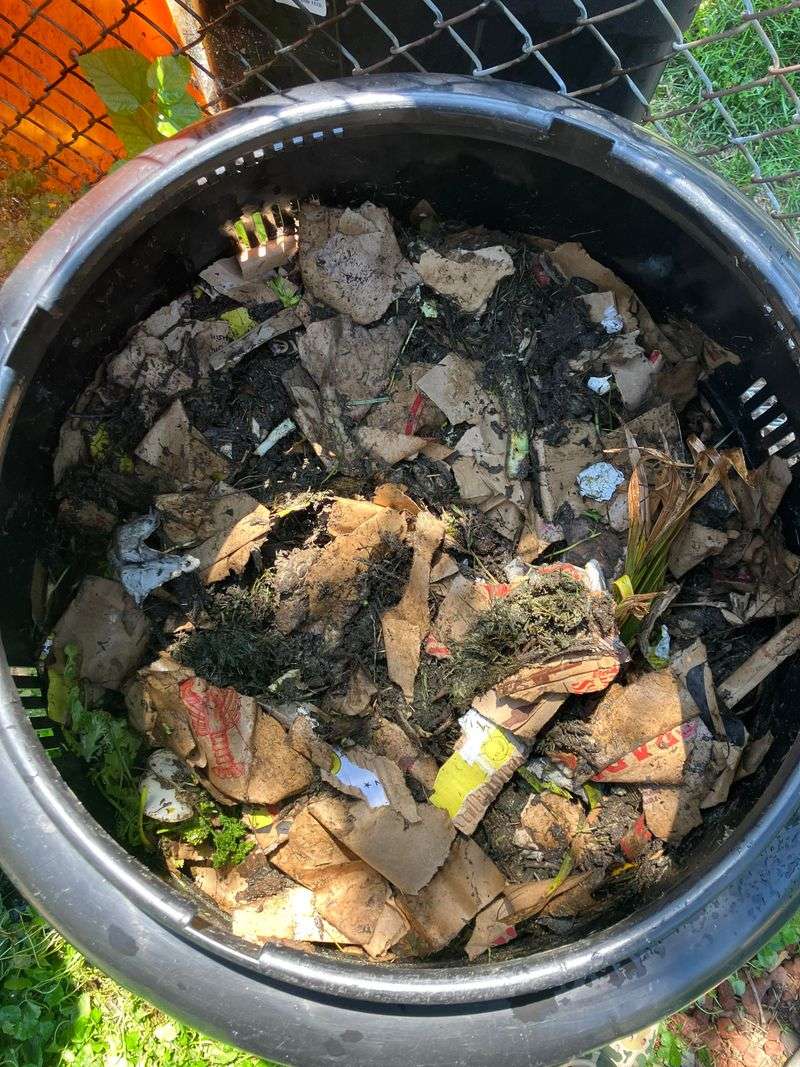
Getting the right mix of materials is what separates a fast-working compost pile from one that just sits there doing nothing useful.
Green materials are nitrogen-rich. Fresh grass clippings, vegetable scraps, fruit peels, and coffee grounds all fall into this category.
Browns are carbon-rich. Dry leaves, cardboard, straw, and wood chips are classic examples.
A good general target is roughly two to three parts brown material for every one part green. Exact ratios are not critical, but leaning toward more brown than green tends to keep things balanced and odor-free.
Too many greens and the pile gets slimy and smelly. Too many browns and decomposition nearly stops because microbes run short on nitrogen fuel.
Adjusting the mix usually fixes either problem within a week or two.
Summer in the South produces plenty of both. Grass clippings pile up fast during peak mowing season.
Dry oak leaves saved from fall work great as a brown reserve kept nearby for quick adjustments.
Chop or shred materials before adding them when possible. Smaller pieces decompose much faster than large chunks.
A simple way to shred leaves is running a lawn mower over a pile before adding them to the bin.
5. Keep Compost Moist Without Overwatering It
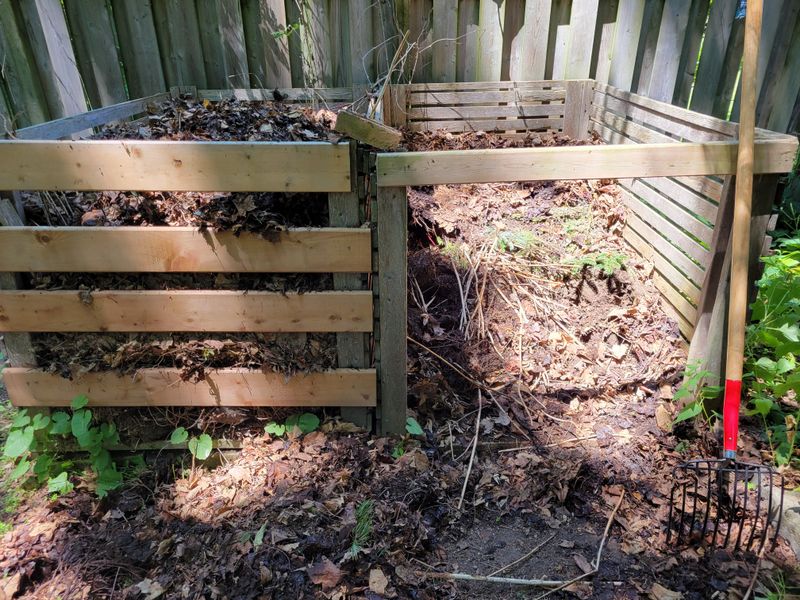
Moisture is one of the most overlooked factors in composting. Get it wrong in either direction and your pile stalls out fast.
A compost pile should feel about as damp as a wrung-out sponge. Squeeze a handful and a few drops of water should come out, but it should not drip heavily.
That range is the sweet spot for microbial activity.
Summer heat pulls moisture out of a pile quickly. Check your pile every few days when temperatures are high.
If the surface looks dry and crumbly, it needs water. Dry piles slow down dramatically and may stop decomposing altogether.
A simple garden hose works fine for watering. Wet the pile evenly rather than soaking one spot.
Then turn it so moisture distributes throughout the entire pile, not just the surface layer.
Overwatering is just as problematic. A soaking wet pile pushes out oxygen, which shuts down the aerobic microbes doing most of the work.
Anaerobic conditions create a rotten, unpleasant smell.
Covering your pile with a tarp during heavy summer rainstorms can prevent waterlogging. Just remove the cover once the rain stops so air can circulate again.
Positioning your pile under a tree or near a structure that provides partial shade helps slow evaporation.
6. Add Finished Compost Around Garden Plants
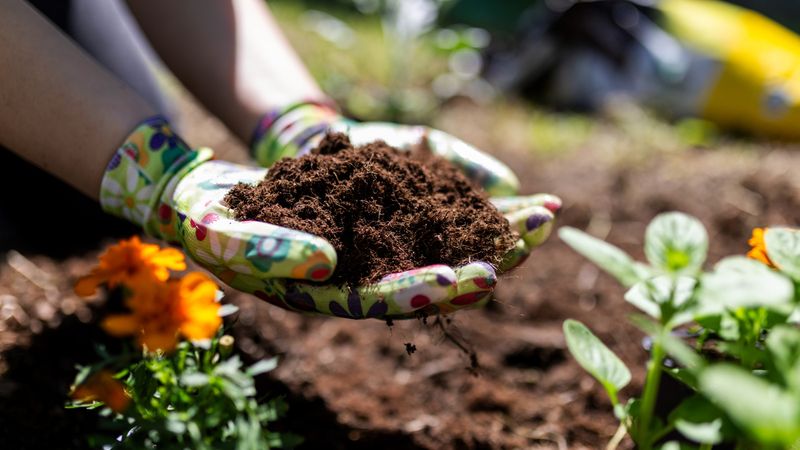
Finished compost looks and smells like rich, dark earth. No recognizable food scraps or yard waste remain.
That is how you know it is ready to use.
Spread two to three inches of finished compost around vegetable plants, flower beds, and shrubs. Work it gently into the top few inches of soil with a hand trowel or garden fork.
Avoid disturbing deep roots.
Tomatoes, peppers, squash, and cucumbers respond especially well to compost applications mid-season. These heavy-feeding crops benefit from the slow-release nutrients compost provides as microbes continue breaking it down in the soil.
Compost also works as a mulch layer around plants. Spread it over the soil surface without mixing it in and it will slow evaporation, regulate soil temperature, and suppress weed germination at the same time.
Avoid piling compost directly against plant stems. Keep a small gap between the compost layer and the base of the plant to prevent moisture buildup and potential stem rot issues.
Container gardens benefit from compost too. Mix finished compost into potting soil at about a one-to-four ratio to boost nutrients and improve drainage in pots and planters.
Even a modest amount of finished compost applied consistently through the growing season builds better soil over time.
7. Continue Building Soil Through The Summer
One batch of compost is a great start. But real soil improvement happens when composting becomes a consistent seasonal habit rather than a one-time project.
Keep adding kitchen scraps and yard waste to your pile all summer long. As you harvest vegetables, toss trimmings and spent plant material straight into the bin.
That keeps the pile active and growing without extra effort.
Rotating batches helps too. Start a second pile once your first one is nearly full and let the original batch finish decomposing undisturbed.
Rotating batches means you always have compost at different stages of readiness.
Cover crops planted in late summer are another way to build soil alongside composting. Cowpeas and buckwheat grow fast in warm weather and add organic matter when turned into the soil before planting fall crops.
Soil health is cumulative. Each season of consistent composting builds on the last.
Gardens that have received regular compost applications for two or three years tend to have noticeably better drainage, texture, and plant performance compared to untreated beds.
Tracking your progress helps keep motivation high. Take a photo of your soil at the start of the season and again in fall.
Visual changes in color and texture are often easy to spot after consistent compost use.