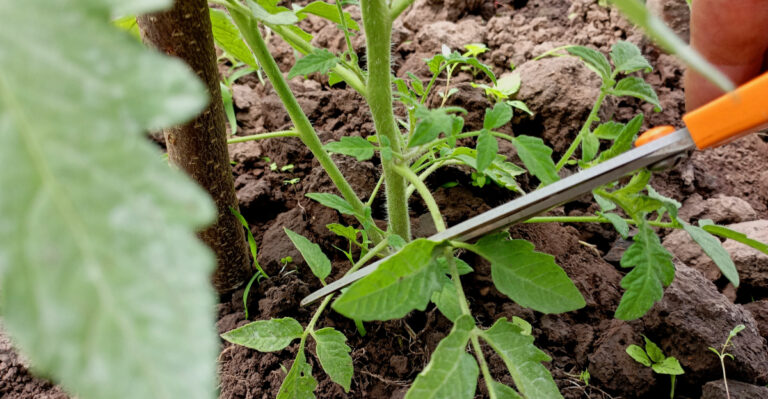
9 Gardening Tricks Michigan Grandparents Used That Still Work Today
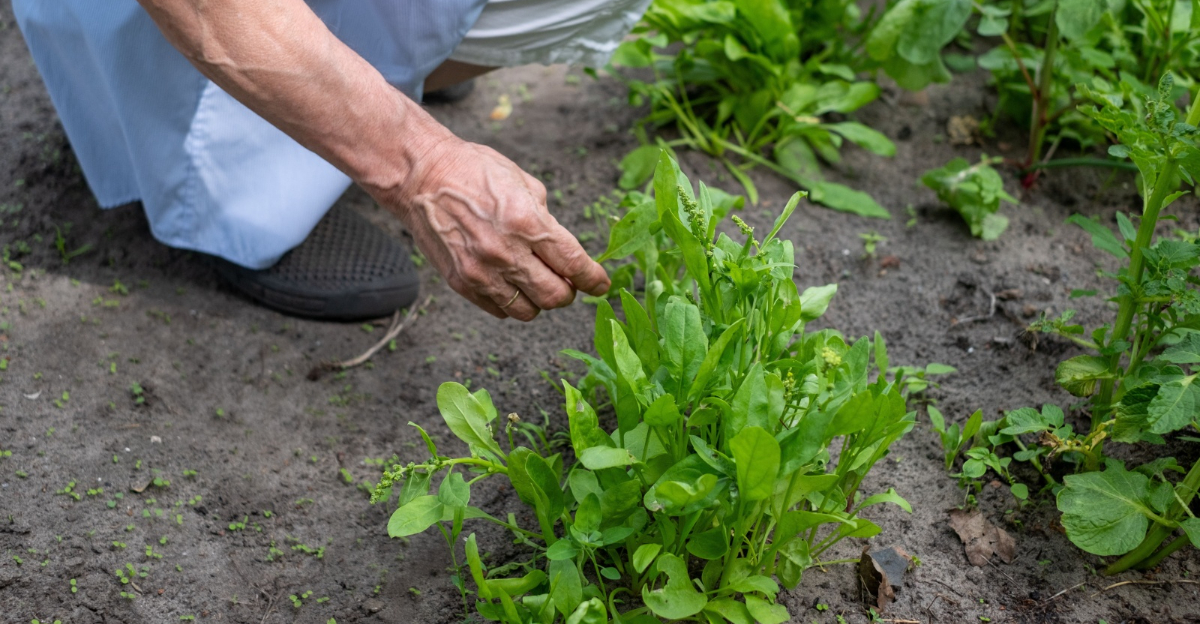
Somewhere along the way, Michigan gardeners stopped calling them tricks and started calling them best practices, but the habits themselves have not changed much. Mulch between the rows.
Turn the compost. Save seeds from what performed well this season. Watch which insects show up and learn which ones to leave alone.
These were the things a parent or grandparent did without much fanfare, in a backyard garden that produced real food despite clay soil, a short growing season, and spring weather that never quite cooperated.
Some of those old habits have been picked apart by modern research and found wanting.
But many of them hold up remarkably well, especially in Michigan, where the conditions are specific enough that practical, time-tested knowledge still carries a lot of weight.
1. Plant By Michigan Weather And Soil Conditions
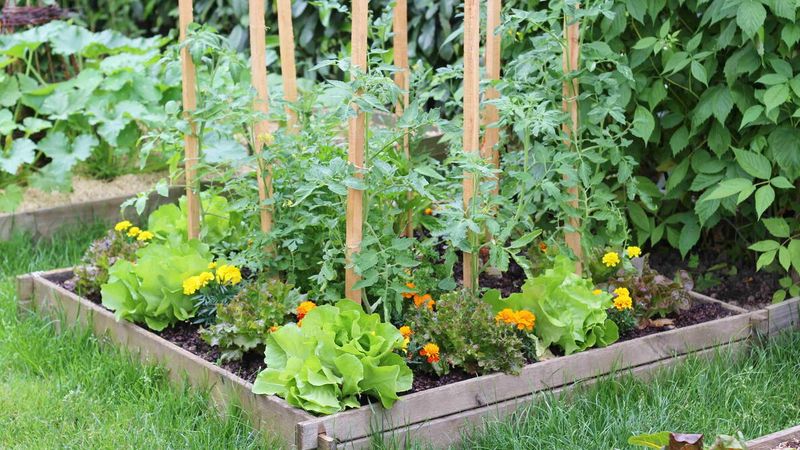
Spring soil in Michigan can fool even experienced gardeners. The surface may look and feel ready to plant while the ground just a few inches down is still cold enough to slow seed germination or stress young transplants.
Grandparents who watched the calendar closely also watched the soil, and that habit still makes sense today.
Soil temperature matters more than the date on the seed packet.
Cool-season crops like lettuce, spinach, and peas can go in when soil reaches around 40 to 45 degrees Fahrenheit, but warm-season crops like tomatoes, peppers, and squash need soil closer to 60 degrees or warmer to grow well.
Planting too early often leads to slow, stressed plants that take weeks to recover.
Michigan conditions vary widely from the Upper Peninsula to the southern Lower Peninsula, and even between sandy lakeside soils and heavy clay in inland areas. Raised beds tend to warm faster than in-ground plots.
Checking a simple soil thermometer costs almost nothing and takes seconds. Matching planting time to actual soil conditions rather than a fixed date on the calendar is one of the most practical habits any Michigan home gardener can build.
2. Save Kitchen Scraps For A Better Compost Pile

A small bucket on the kitchen counter collecting vegetable peels, coffee grounds, and eggshells was a common sight in Michigan homes a generation ago. That simple habit fed the compost pile, which fed the garden, which fed the family.
The cycle still works just as well today as it did then.
Good compost depends on a balance of carbon-rich materials like dry leaves, straw, or cardboard and nitrogen-rich materials like kitchen scraps, grass clippings, and fresh plant trimmings.
Too much of one or the other slows the process and can create odor problems.
Keeping that balance in mind helps the pile break down more evenly over a Michigan growing season.
Compost is not a magic fix for every soil problem, but adding finished compost to garden beds over time does improve soil structure, support drainage in heavy clay, and help sandy soils hold moisture better.
Even a small backyard pile can produce useful material.
Avoid adding meat, dairy, or cooked foods, which can attract unwanted animals. Starting with kitchen scraps and yard waste is a low-cost way to build healthier soil without relying on store-bought amendments every season.
Your Michigan Garden Changes Every Week. Your Plan Should Too.
Gardening in Michigan changes quickly throughout the season. Every Friday you’ll receive a simple weekly plan showing exactly what to plant, prune, fertilize, harvest, and protect so you never miss the right timing.
3. Plant Marigolds Where They Truly Help
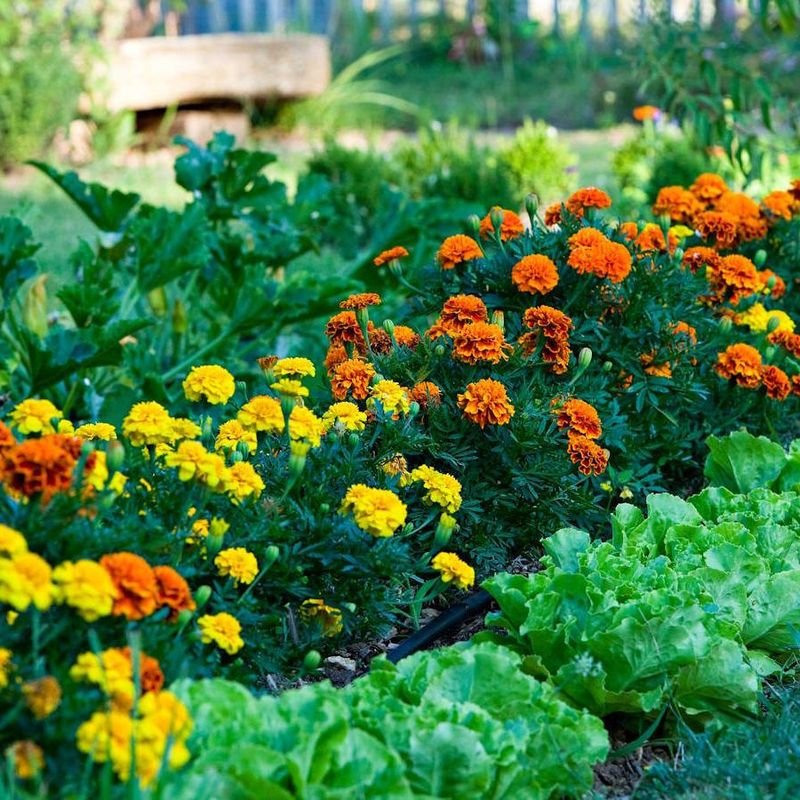
Few flowers show up in old Michigan vegetable gardens as reliably as marigolds. Grandparents tucked them along garden borders and between vegetable rows with a confidence that suggested they solved every pest problem in the yard.
The truth is more interesting than the legend, and marigolds still earn their place in home gardens when used thoughtfully.
French marigolds in particular have been studied for their effect on certain soil nematodes, and research supports planting them as a cover crop or dense border where nematode pressure is a known issue.
Their strong scent may also discourage some above-ground insects, though marigolds alone are unlikely to protect an entire vegetable garden from every pest that shows up during a Michigan summer.
Where marigolds genuinely help is by attracting pollinators and some beneficial insects that feed on common garden pests. They are easy to grow, inexpensive, and add color to beds and borders.
Planting them near tomatoes, peppers, and squash makes sense for multiple reasons. Just avoid expecting them to handle every problem on their own.
Marigolds work best as one useful part of a broader approach to keeping a Michigan vegetable garden healthy through the season.
4. Mulch Bare Soil Without Smothering Plants
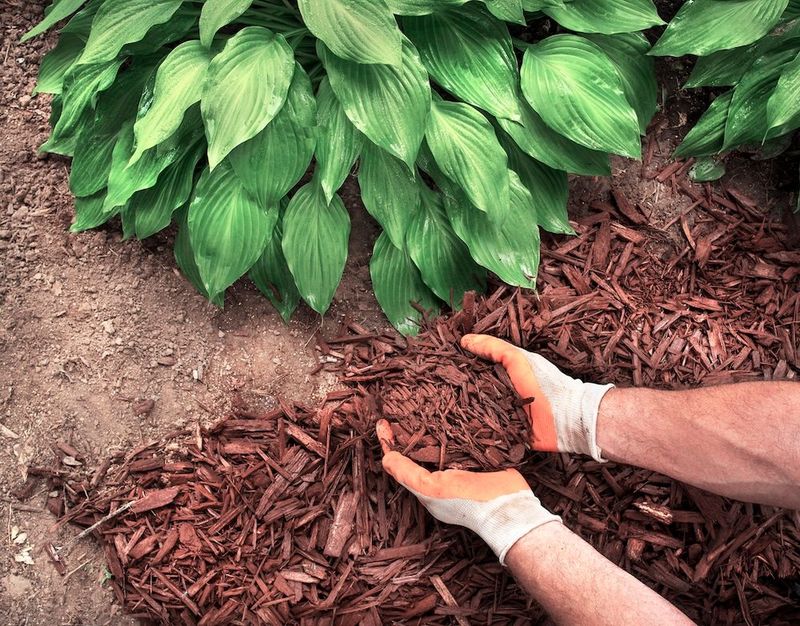
Bare soil between vegetable rows bakes in summer heat, loses moisture quickly, and gives weed seeds exactly the open space they need to sprout.
Spreading mulch between rows was a standard practice in Michigan gardens for generations, and the reasoning behind it holds up well against what gardeners know today about soil health and water retention.
A two to three inch layer of straw, shredded leaves, or wood chips spread between plants slows moisture loss, moderates soil temperature, and reduces the number of weeds that germinate through the season.
That means less watering and less hand-weeding during the busiest weeks of a Michigan summer.
Mulch also breaks down gradually and adds organic matter to the soil over time.
The one thing grandparents sometimes got wrong was piling mulch directly against plant stems, which can trap moisture and encourage rot or pest activity at the base of the plant.
Keeping a small gap of a few inches between mulch and the stem of each plant avoids that problem.
Whether using straw in the vegetable garden or shredded bark in a flower bed, the goal is to cover bare soil without burying the plant. That balance makes all the difference in a Michigan home garden.
5. Rotate Crops To Reduce Repeat Problems
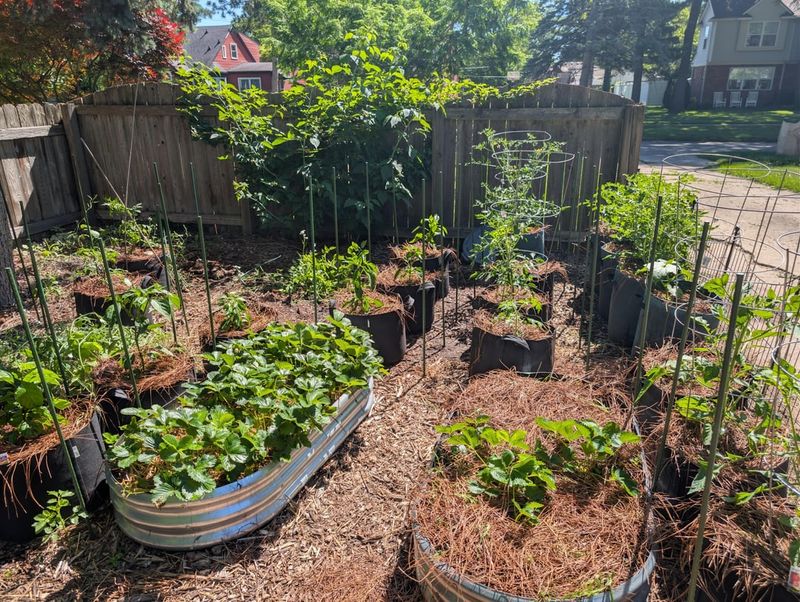
Old Michigan gardeners rarely planted tomatoes in the same spot two years running, and they did not always explain why. The habit was passed down as common sense.
Modern gardening research gives that common sense a clearer explanation, and crop rotation remains one of the more practical tools available to home vegetable gardeners working with limited space.
Many soil-borne problems, including certain fungal diseases and some soil-dwelling insects, build up when the same plant family grows in the same spot year after year.
Moving crops to different sections of the garden each season disrupts those cycles and reduces pressure on plants without requiring any sprays or treatments.
Tomatoes, peppers, and eggplant belong to the same family and should move together. Squash, cucumbers, and melons are another group worth rotating as a unit.
A simple four-section rotation plan works well in most Michigan backyard gardens. Legumes like beans and peas can actually benefit the soil by supporting nitrogen fixation, making them a smart choice to follow heavy feeders like corn or brassicas.
Keeping a basic garden map from year to year makes rotation easier to track. The habit takes almost no extra effort and can meaningfully reduce the repeat problems that frustrate gardeners season after season.
6. Water Deeply Instead Of Sprinkling Daily
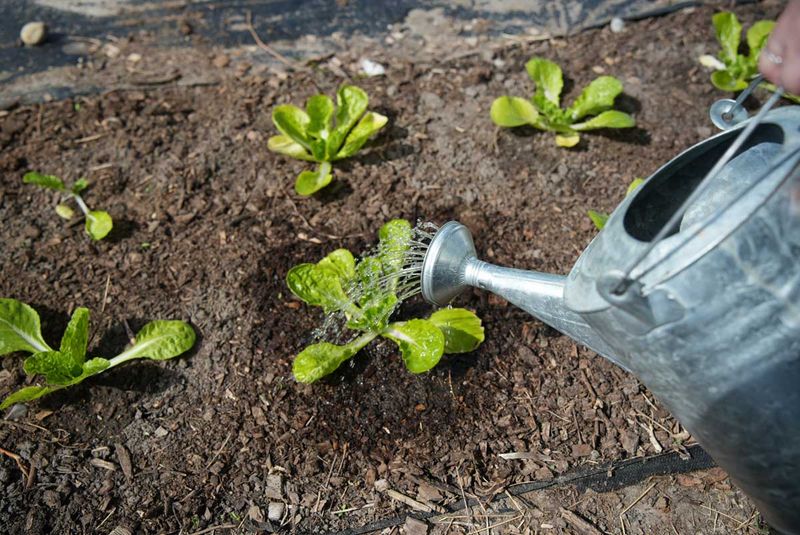
Light daily watering feels responsible, but it often does more harm than good in a vegetable garden. When only the top inch of soil gets wet each day, plant roots stay shallow because there is no reason for them to grow deeper.
Shallow-rooted plants stress quickly during a dry stretch, which happens more than once during a typical Michigan summer.
Watering deeply and less frequently encourages roots to follow moisture down into the soil profile, where temperatures are more stable and moisture lasts longer between rain events.
A general guideline for most vegetable gardens is around one inch of water per week, applied in one or two sessions rather than a small amount every day.
Sandy soils in some parts of Michigan drain faster and may need slightly more frequent watering than heavier clay soils.
Soaker hoses and drip irrigation deliver water directly to the root zone and reduce the amount lost to evaporation compared with overhead sprinklers.
Watering in the morning rather than the evening gives foliage time to dry before nightfall, which can reduce the conditions that favor some fungal issues.
Checking soil moisture a few inches down before reaching for the hose is a simple habit that prevents overwatering and helps Michigan vegetable gardens use water more efficiently.
7. Save Seeds From Plants Worth Growing Again
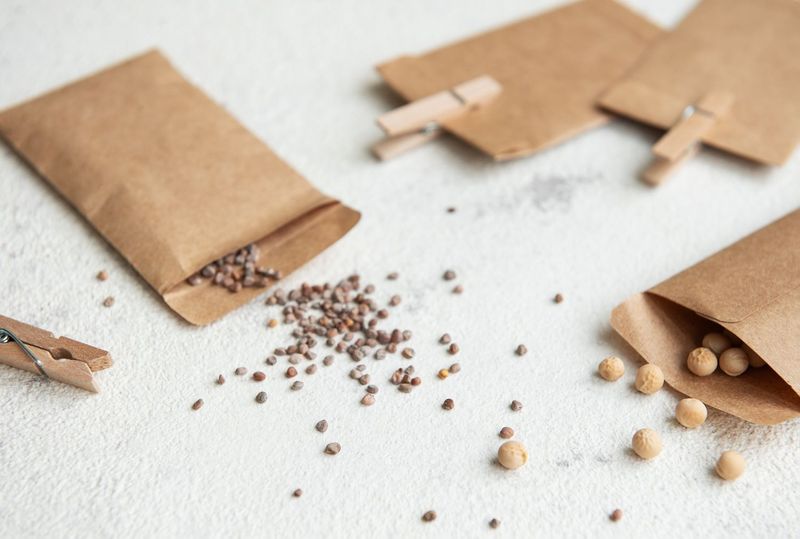
Seed envelopes tucked into a shoebox or kept in a cool drawer were a fixture in many Michigan households a generation ago.
Saving seeds from the best-performing plants in the garden was partly practical economy and partly a way of selecting plants that had already proven they could handle local conditions.
That reasoning still applies today.
Seed saving works most reliably with open-pollinated and heirloom varieties rather than modern hybrids.
Seeds saved from hybrid plants often produce offspring that look or perform differently from the parent plant, which can be surprising and occasionally disappointing.
Sticking to open-pollinated varieties gives gardeners a much better chance of growing plants that closely resemble what they harvested from.
Tomatoes, beans, lettuce, and peppers are among the easier crops for home gardeners to save seed from. Tomato seeds need to be fermented briefly in water before drying to remove the gel coating.
Bean and pea seeds can simply be allowed to dry on the plant before harvesting. Storing seeds in a cool, dry, dark location in labeled paper envelopes or small glass jars extends their viability through the winter.
For Michigan gardeners who find varieties that thrive in their specific soil and microclimate, saving those seeds is a genuinely useful long-term habit.
8. Harden Off Seedlings Before Planting Outside
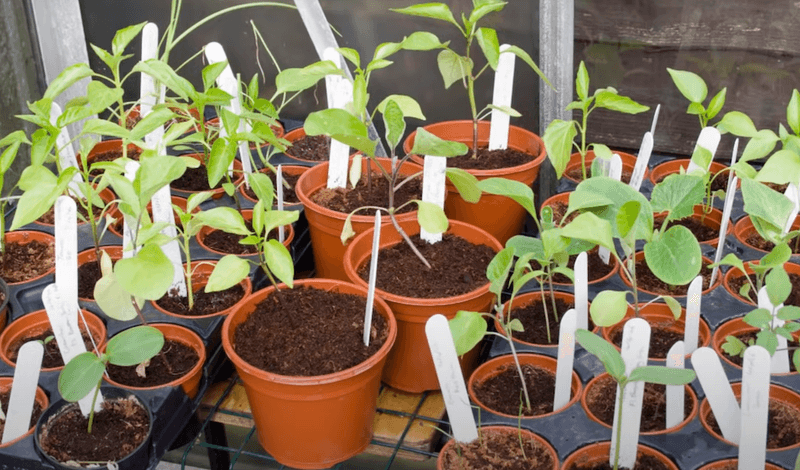
Moving seedlings straight from a warm indoor growing space to the outdoor garden is one of the most common ways Michigan gardeners lose transplants in spring.
Plants that have spent weeks under grow lights or on a sunny windowsill have no experience with outdoor wind, fluctuating temperatures, or direct sun.
Putting them outside without preparation puts them under immediate stress.
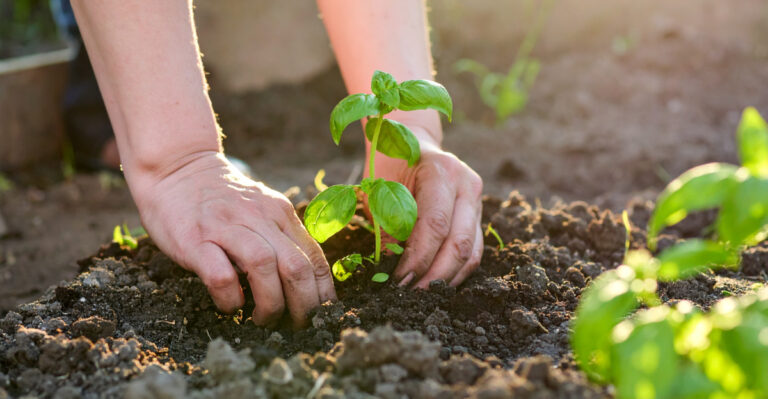
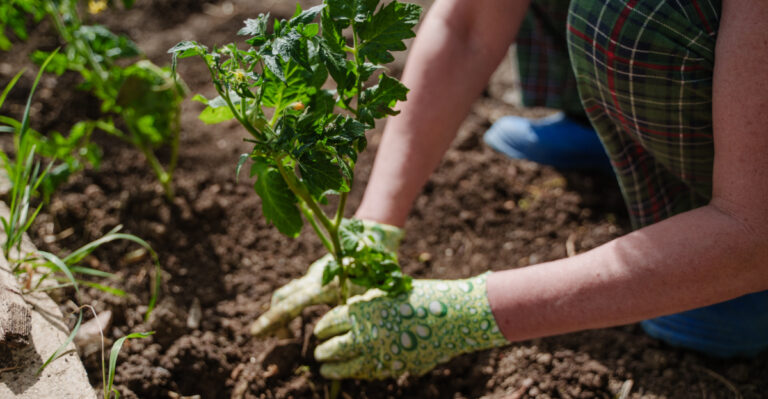
Hardening off means gradually introducing seedlings to outdoor conditions over a period of about seven to ten days before transplanting. Starting with an hour or two of sheltered outdoor time and slowly increasing exposure each day gives plants time to adjust.
On days when late cold snaps are in the forecast, which is common in Michigan well into May, seedlings should come back inside overnight.
The process sounds slow, but it pays off quickly. Hardened seedlings settle into the garden with far less setback than those planted directly from indoors.
They typically begin growing again within days rather than sitting still for a week or two while recovering from transplant shock. A simple wire rack, a covered porch, or even a shaded spot against a south-facing wall works well as a hardening station.
This old habit is one of the more straightforward ways to protect weeks of seed-starting effort.
9. Work With Beneficial Insects, Not Against Them
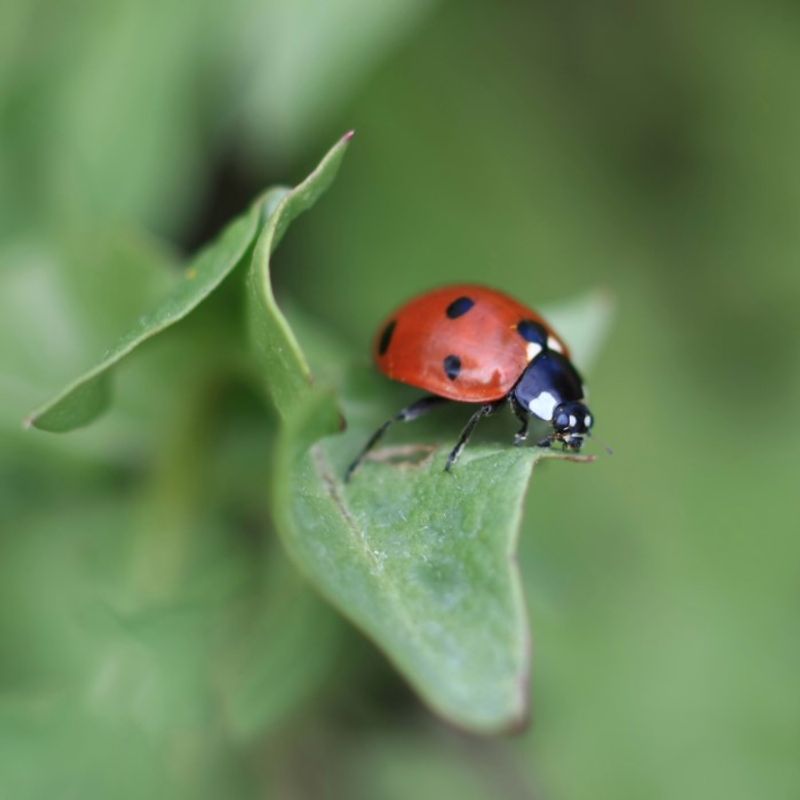
Reaching for a spray at the first sign of any insect in the garden was never the approach of the most observant Michigan gardeners.
Grandparents who spent real time in their gardens often recognized that not every bug was a problem, and that some of the smallest insects in the yard were doing useful work.
That instinct lines up well with what gardeners understand about beneficial insects today.
Ladybugs, lacewings, ground beetles, parasitic wasps, and hoverflies are among the insects that feed on or parasitize common garden pests.
Broad-spectrum insecticides applied without careful thought can reduce these beneficial populations along with the pests they were meant to address, sometimes making pest problems harder to manage over time.
A garden that supports a range of insect life tends to stay in better balance through the season.
Planting a variety of flowering plants alongside vegetables gives beneficial insects food sources and shelter throughout the Michigan growing season. Leaving a small section of the yard with some undisturbed ground or plant debris provides overwintering habitat.
Avoiding pesticide applications during peak flowering times protects pollinators as well.
Paying attention before spraying anything and correctly identifying what is actually causing plant damage is a habit that costs nothing and often prevents more problems than it creates.