10 Must-Know Gardening Tips Before You Start Your First North Carolina Garden
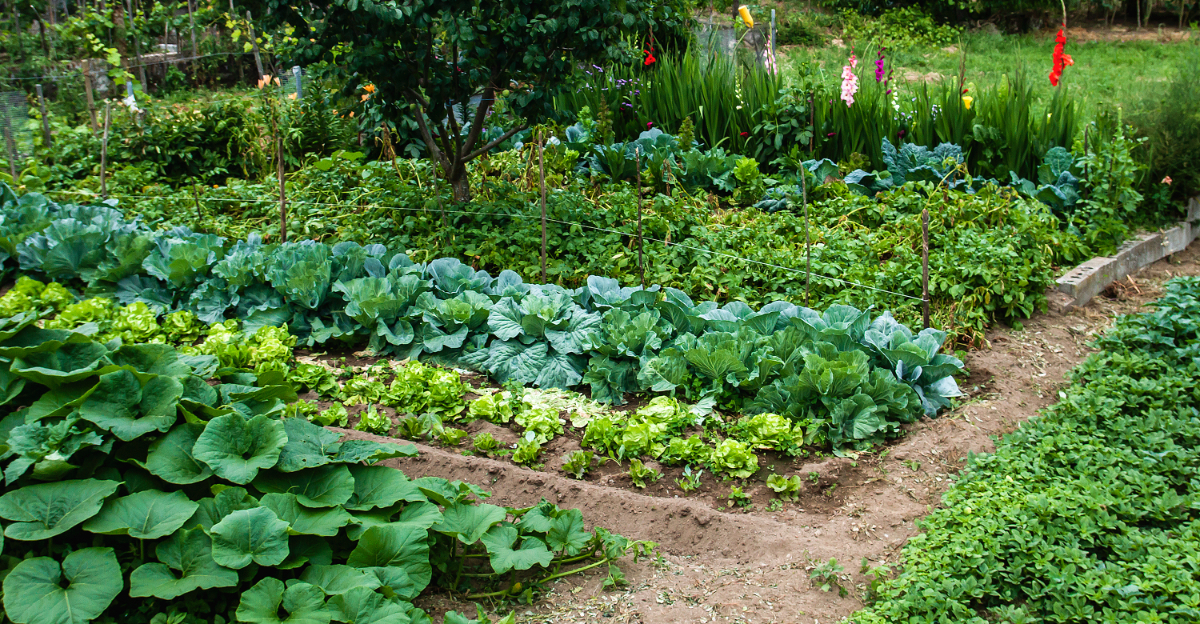
Starting a garden in North Carolina comes with a genuine advantage that beginners in harsher climates do not have.
The long growing season, mild winters in most of the state, and diverse range of plants that thrive here make it one of the more forgiving places in the country to learn how to garden.
What trips up first-time growers is not the climate itself but a set of very specific mismatches between general gardening advice and what actually works in North Carolina soil, heat, and humidity.
The ten tips covered here are not recycled basics repackaged for a Southern audience.
They address the real sticking points that new gardeners consistently encounter in their first season, and getting familiar with them before anything goes in the ground makes an enormous difference in how that first year actually turns out.
1. Start With A Small Sunny Garden
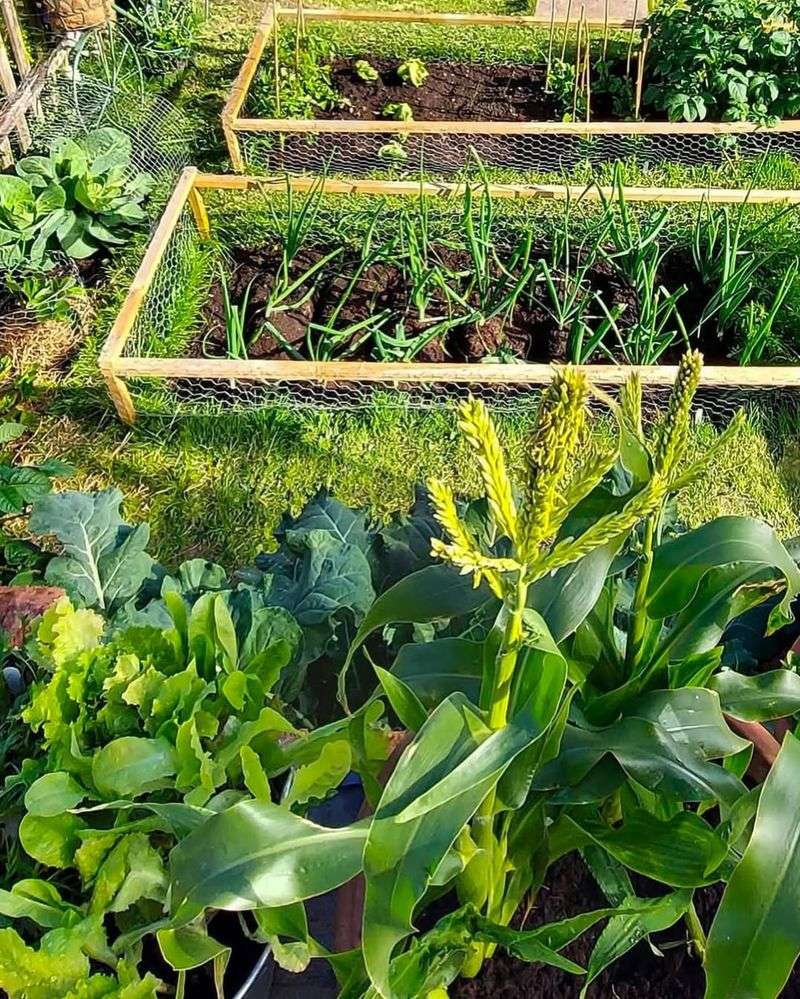
Bigger is not always better, especially when you are just getting started. Many first-time gardeners get excited, plant way more than they can handle, and end up feeling stressed instead of happy.
A small, manageable garden is the smartest move you can make in year one.
Pick a spot that gets plenty of natural light throughout the day. Some leafy greens and root crops can do well with around 6 hours of direct sun, but fruiting vegetables like tomatoes, squash, cucumbers, and peppers really thrive with 8 or more hours.
Walk around your yard at different times of day to see where sunlight actually falls before you commit to a spot.
Easy access to water matters more than most beginners realize. Hauling a heavy hose across a yard every day gets old quickly, so choose a location close to an outdoor spigot or hose connection.
Make sure you can comfortably walk around all sides of your garden beds too, so watering, weeding, and harvesting never feel like a chore.
A small successful garden builds your confidence in a way a large struggling one never will. Start with a 4×8 foot raised bed or a modest in-ground plot, learn what works for your specific yard, and expand from there next season.
One good harvest beats ten neglected rows every single time.
2. Test Your Soil Before Buying Plants
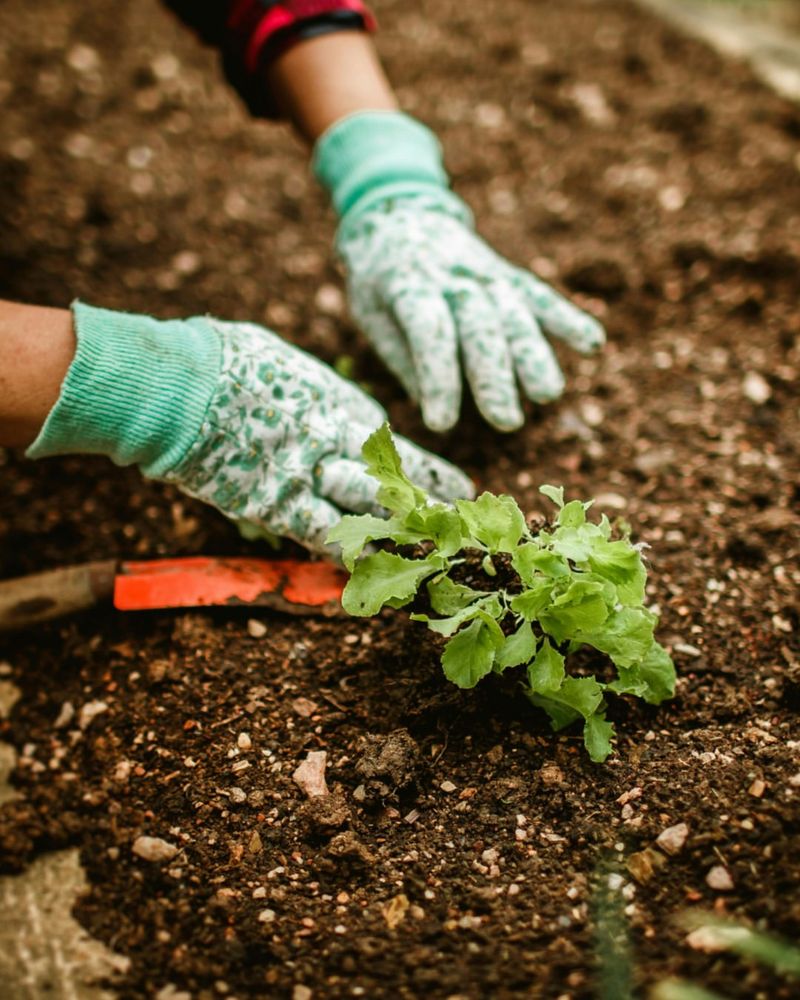
Before you spend a single dollar on plants, seeds, or fertilizer, get your soil tested. This one step can save you a lot of time, money, and frustration.
North Carolina soil varies widely across the state, and what worked in your neighbor’s garden might not work in yours at all.
A soil test tells you the pH level of your soil along with nutrient levels like nitrogen, phosphorus, and potassium. pH matters a lot because it controls how well plants can absorb nutrients.
Most vegetables prefer a slightly acidic to neutral pH, somewhere between 6.0 and 7.0, but getting the exact number for your soil helps you make smarter decisions.
The NC State Extension Service offers affordable soil testing through your local Cooperative Extension office. Results usually come with specific recommendations for your garden goals, telling you exactly what to add and how much.
Your North Carolina Garden Changes Every Week. Your Plan Should Too.
Gardening in North Carolina changes quickly throughout the season. Every Friday you’ll receive a simple weekly plan showing exactly what to plant, prune, fertilize, harvest, and protect so you never miss the right timing.
Following those recommendations beats guessing every time.
One important thing to remember is that you should not add lime or fertilizer just because a neighbor does. Their soil could be completely different from yours.
Some North Carolina soils are already naturally high in certain nutrients, and adding more can actually make things worse for your plants.
Testing first puts you in control from the very beginning, and that confidence carries through the entire growing season.
3. Know Your Region
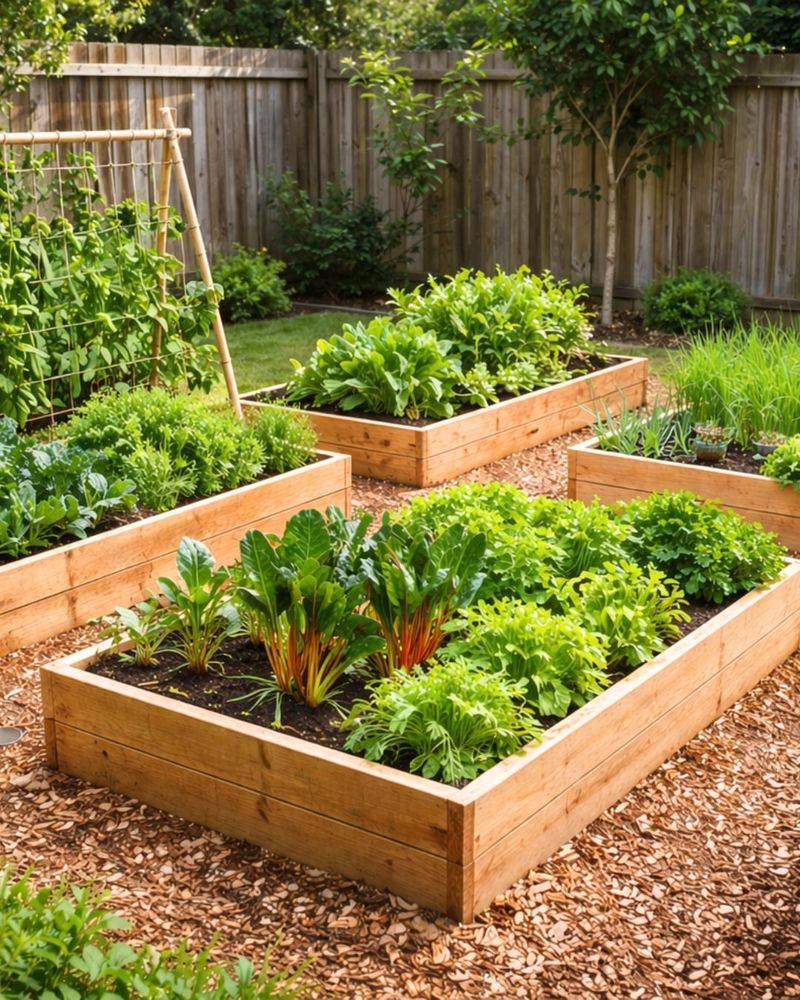
North Carolina stretches across three very different growing regions, and gardening timing is not the same from one end of the state to the other.
Understanding where you live changes everything about when you plant, what you grow, and how you prepare for seasonal shifts.
Treating the whole state as one uniform climate is one of the biggest mistakes beginners make.
Gardeners in the Coastal Plain enjoy milder winters and longer growing seasons. They can often get cool-season crops like lettuce and spinach in the ground earlier in spring and keep them going later into fall compared to growers in the mountains.
The heat and humidity along the coast also mean certain warm-season crops take off fast once temperatures climb.
The Piedmont sits in the middle of the state and experiences a blend of both worlds. Summers get hot, winters bring occasional frost, and spring arrives at a pace somewhere between the mountains and the coast.
Many popular North Carolina gardening resources are written with Piedmont conditions in mind, making them a solid starting point for most gardeners in that region.
Mountain gardeners face the most dramatic seasonal swings. Frost can arrive earlier in fall and linger later in spring, which shortens the window for warm-season crops.
Paying close attention to your local last frost date and first fall frost date is especially critical in higher elevations. Your county Extension office can give you the most accurate dates for your specific area.
4. Follow A North Carolina Planting Calendar
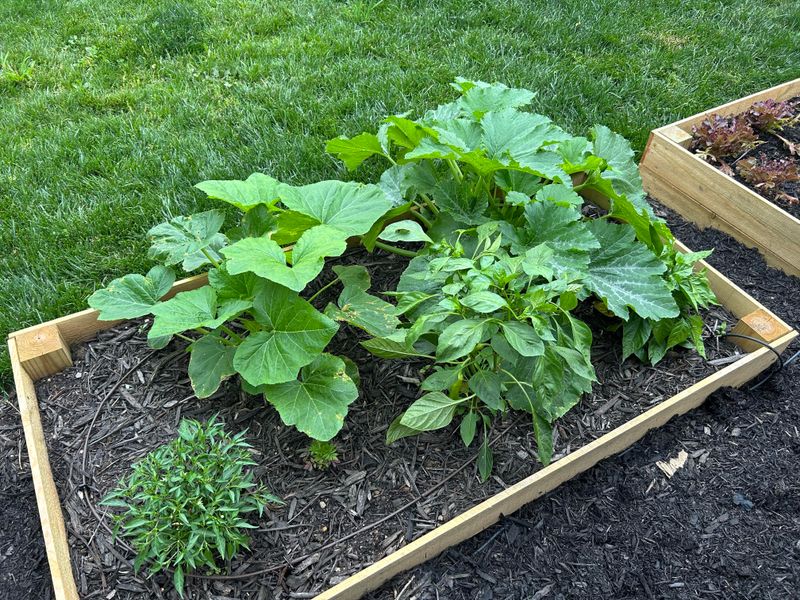
Seed packets are helpful, but they are not always written with North Carolina in mind. Many packets give general planting advice based on broad national averages, which can leave you planting too early, too late, or in the wrong season entirely.
A planting calendar designed specifically for your region fixes that problem right away.
North Carolina has real planting opportunities across spring, summer, fall, and even winter for certain crops. Cool-season vegetables like kale, spinach, broccoli, and lettuce grow best when temperatures are mild, typically in early spring and again in fall.
Warm-season crops like tomatoes, peppers, cucumbers, and beans need warmer soil and air temperatures to really take off, which usually means late spring through summer.
Using the wrong planting window is one of the fastest ways to get disappointing results.
Planting warm-season crops too early exposes tender transplants to late frosts, while planting cool-season crops too late sends them straight into summer heat where they bolt and turn bitter quickly.
A regional calendar removes the guesswork entirely. The NC State Extension Service publishes free planting calendars broken down by region. Bookmark one for your area and refer to it every season.
Over time, you will start to recognize the natural rhythm of your local growing year, and gardening will feel much more intuitive. Starting with a reliable calendar is one of the simplest ways to stack the odds in your favor from the very first seed.
5. Choose Easy Crops First
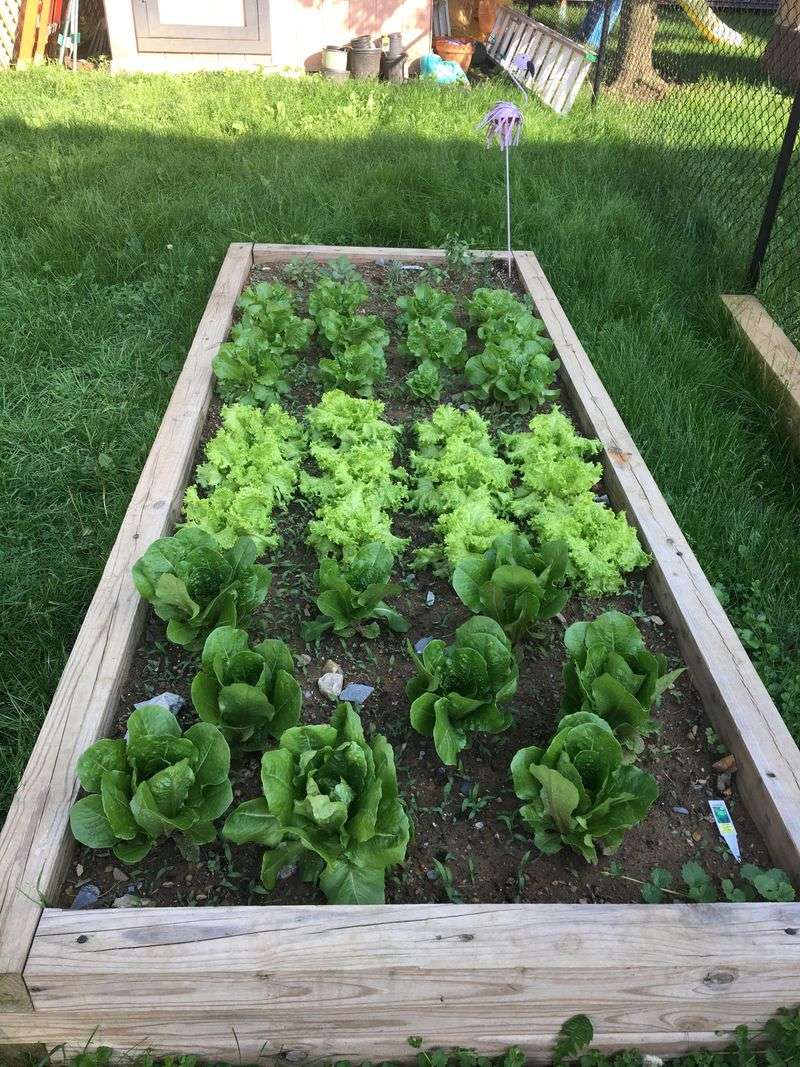
Your first garden should be fun, not frustrating. Choosing crops that are naturally forgiving and well-suited to North Carolina conditions gives you a much better chance of walking away from your first season feeling proud.
Save the tricky plants for when you have a little more experience under your belt.
For cool-season growing, lettuce, radishes, spinach, and kale are all excellent starting points. They grow quickly, do not need a lot of fussing, and give you harvests fast enough to keep your motivation high.
Radishes in particular can be ready to pull in as little as three to four weeks, which is incredibly satisfying for a new gardener.
When warm weather arrives, bush beans, cherry tomatoes, cucumbers, peppers, and okra are all reliable performers in North Carolina gardens. Basil grows beautifully alongside tomatoes and smells amazing in the summer heat.
Zinnias and marigolds are fantastic flower choices that add color, attract pollinators, and even help deter some common garden pests naturally.
Grow things you actually want to eat or use. There is no point in planting vegetables you dislike just because someone told you they are easy.
Connecting your garden to your meals and your personal taste makes the whole experience more meaningful.
Plant in the right season for each crop, follow basic care instructions, and you will be amazed at what a beginner can grow with just a little attention and patience.
6. Improve Soil With Compost
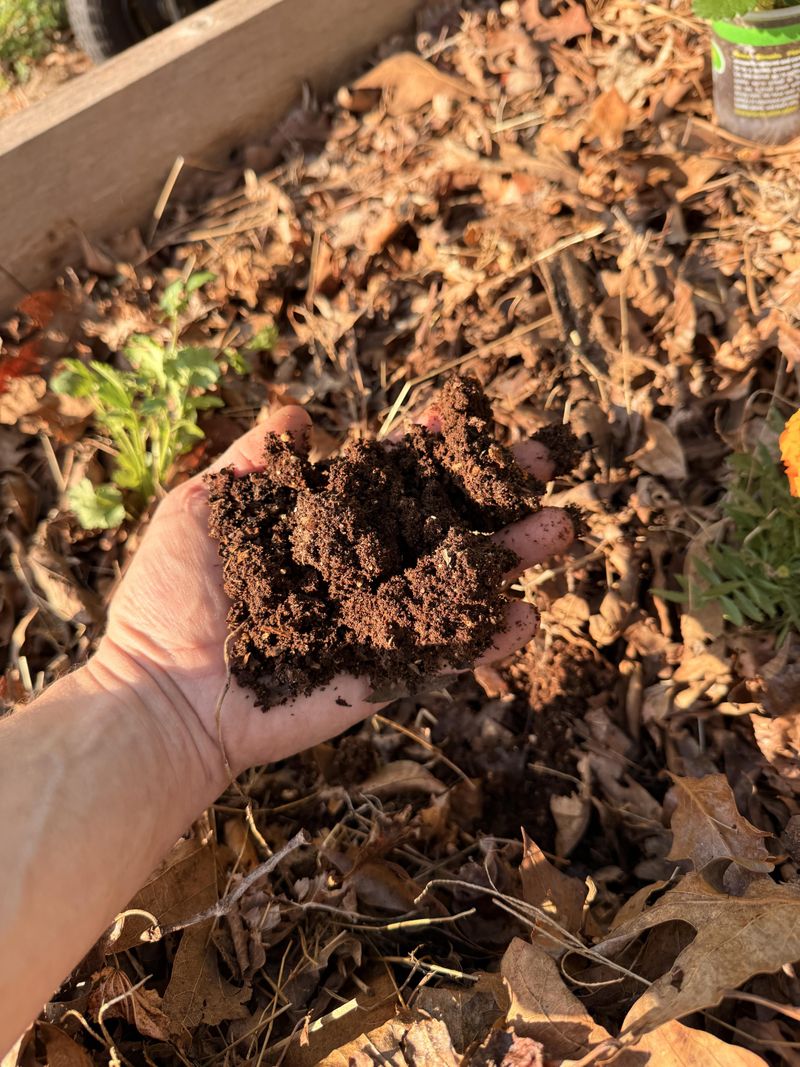
Good soil is the foundation of every successful garden. No matter how much sun your spot gets or how carefully you water, plants growing in poor soil will always struggle.
Compost is one of the most practical and affordable ways to improve your garden soil over time, and it works beautifully in our diverse growing conditions.
Both sandy soil and clay soil are common across different parts of North Carolina, and both have real limitations. Sandy soil drains so fast that nutrients wash away before roots can absorb them.
Clay soil holds water too long and can suffocate roots. Adding organic matter like compost improves both types by building a looser, more balanced structure that holds moisture without becoming waterlogged.
Work compost into your garden beds before planting by turning it into the top several inches of soil. You can also use it as a light top dressing around established plants to feed the soil gradually as it breaks down.
Either approach adds beneficial microorganisms and nutrients that support healthy root development throughout the season.
One thing worth remembering is that compost is not a substitute for a soil test. Compost improves texture and adds general nutrients, but it does not fix specific pH imbalances or serious nutrient deficiencies on its own.
Always let your soil test results guide your decisions about lime and fertilizer. Compost works best as part of a thoughtful, informed approach to building healthy garden soil season after season.
7. Mulch Before Summer Heat Builds
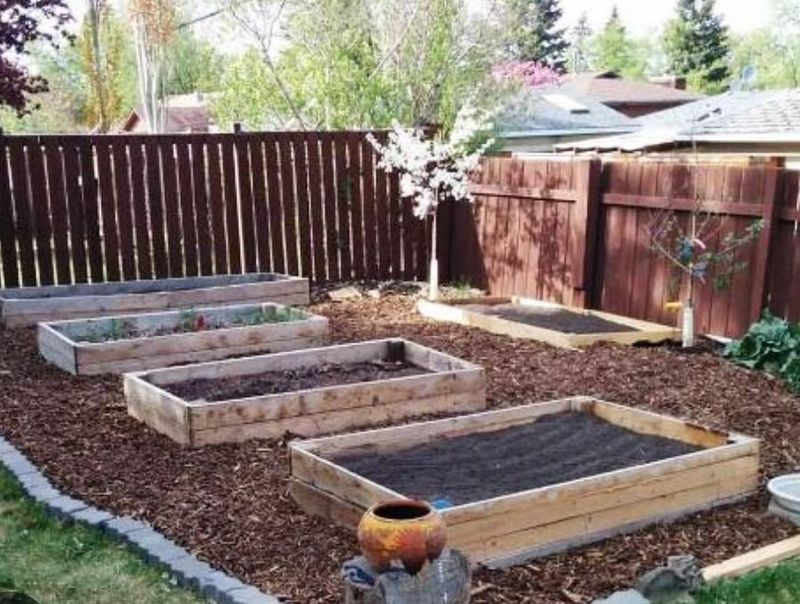
North Carolina summers can be seriously intense. Temperatures climb fast, rain can be unpredictable, and bare garden soil bakes under the sun in ways that stress plants and dry out roots surprisingly quickly.
Mulch is one of the simplest and most effective tools you have to protect your garden before the heat really sets in.
A good layer of mulch does several things at once. It slows down moisture evaporation from the soil, which means you water less often.
It also moderates soil temperature, keeping roots cooler on scorching days. On top of that, mulch reduces erosion during heavy summer rainstorms and cuts down on weed competition, which saves you time and effort throughout the season.
Pine straw is a popular and widely available mulch choice across North Carolina. Shredded leaves, straw, and wood chips all work well too, depending on what you have access to and what type of garden you are managing.
Laying newspaper under mulch adds an extra layer of weed suppression without harming the soil. Each option has its strengths, so pick what makes the most sense for your setup.
One rule applies no matter what mulch you choose: keep it away from plant stems and tree trunks. Piling mulch directly against stems traps moisture and creates conditions where rot and pests thrive.
Aim for a two to three inch layer spread evenly around plants, leaving a small gap right at the base of each stem. That simple habit protects your plants and keeps your garden looking tidy all season long.
8. Water At Soil Level In The Morning
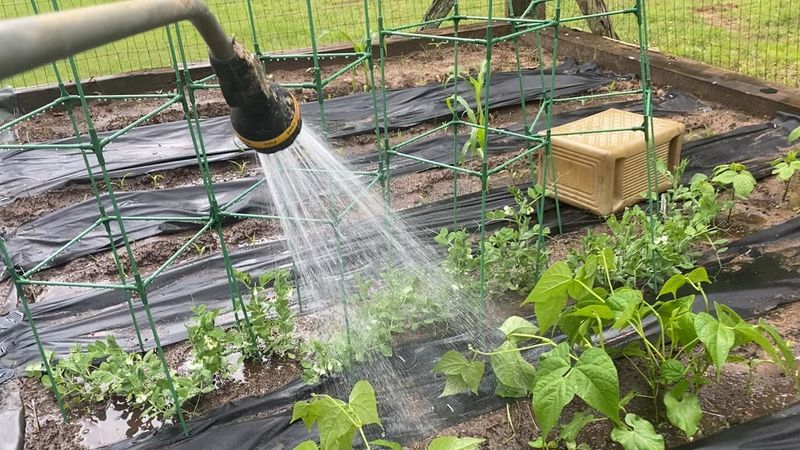
Watering sounds simple until you realize that how and when you water matters just as much as how often you do it.
North Carolina’s humidity creates the perfect conditions for fungal diseases on plant leaves, and wet foliage sitting overnight is one of the fastest ways to invite those problems into your garden.
Adjusting your watering habits early makes a real difference in plant health all season long.
Morning is the best time to water. Doing it early gives any moisture that does splash onto leaves time to evaporate before evening, which significantly reduces disease pressure.
Watering in the late afternoon or at night leaves foliage damp through the dark hours, and that combination of warmth, humidity, and moisture is exactly what fungal issues need to spread.
Aim your water at the soil rather than over the top of the plant. Drip irrigation systems and soaker hoses are excellent investments for North Carolina gardens because they deliver water directly to the root zone without wetting leaves at all.
Hand watering works fine too as long as you direct the flow low and slow, letting water soak in rather than run off.
Consistent soil moisture matters more than occasional heavy drenching. Most vegetables prefer evenly moist soil rather than cycles of drought and flooding.
Check soil moisture by pressing a finger about an inch into the ground near your plants. If it feels dry at that depth, it is time to water.
Building this simple habit keeps your plants steady and strong through even the hottest stretches of a North Carolina summer.
9. Give Plants Enough Airflow
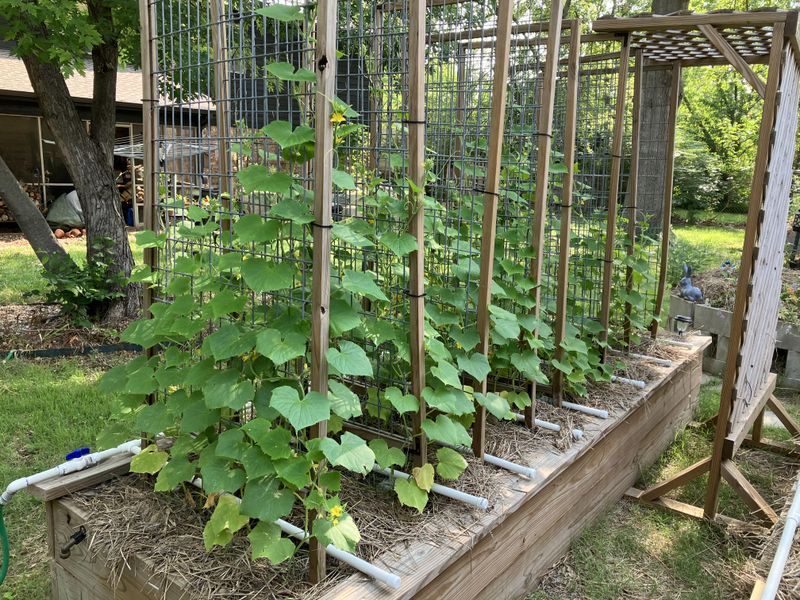
Squeezing too many plants into one small space is one of the most common beginner mistakes, and it is completely understandable. When plants are small, it is hard to imagine just how large they will get.
But crowded plants compete for water, nutrients, and light, and the lack of airflow between them creates exactly the kind of humid, stagnant conditions that invite disease and pest problems.
Good spacing allows air to move freely around leaves and stems. In North Carolina’s humid summers, that airflow is genuinely important.
Tomatoes, peppers, squash, and cucumbers all need enough room to breathe, and when they are planted too close together, spotting early signs of trouble becomes much harder. You want to be able to see each plant clearly and reach it easily for regular checks.
Seed packets, plant tags, and NC State Extension planting guides all provide spacing recommendations based on how each plant actually grows at maturity. Those numbers exist for good reason.
Following them might feel wasteful when your transplants are tiny, but you will be grateful for the breathing room once midsummer arrives and everything fills out.
Resist the urge to pack in extra plants just to fill bare space. Bare soil between plants can always be covered with mulch to suppress weeds and retain moisture.
Giving each plant the space it needs is one of the most straightforward ways to help your whole garden stay healthier, stronger, and more productive from the first warm weeks of spring all the way through harvest season.
10. Check The Garden Every Few Days
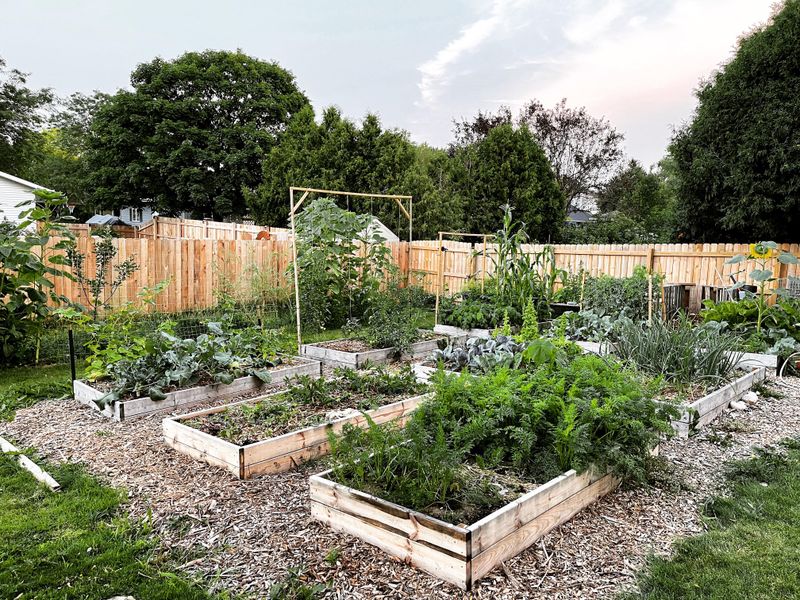
The single best habit any beginner gardener can build costs nothing and takes very little time.
Walking through your garden every two to three days and paying close attention to what you see is the most powerful thing you can do to keep your plants healthy and your season on track.
Problems that are caught early are almost always easier to manage than ones that have been quietly growing for weeks.
Look at both the tops and undersides of leaves, since many insects and eggs hide on the underside where they are easy to miss. Check stems for discoloration or soft spots, and press the soil near your plants to gauge moisture levels.
Notice whether flowers are forming, whether fruit is developing, and whether anything looks different from your last visit. Your eyes are your best gardening tool.
Weeds are much easier to pull when they are small and young. Letting them grow unchecked means they will compete aggressively for water and nutrients that your vegetables need.
Catching them early during your regular walkthrough keeps the job manageable and keeps your garden looking great without requiring marathon weeding sessions. Regular observation also helps you celebrate what is going right.
Seeing new growth, spotting the first flower on a tomato plant, or noticing a cucumber swelling up from a tiny blossom are genuinely exciting moments that make gardening addictive in the best possible way.
Consistent attention is what transforms a patch of soil into a thriving, productive North Carolina garden that you will want to grow bigger every single year.