The One California Plant That Brings Hummingbirds Back Every July Without A Single Feeder
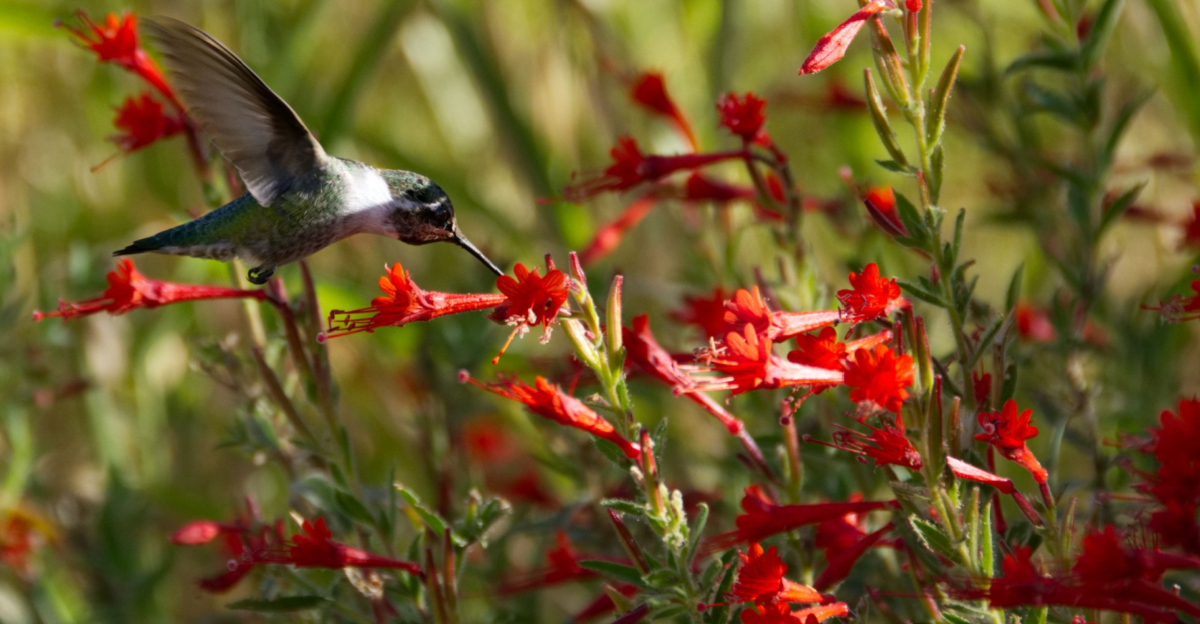
By July, the hummingbird action in a lot of California gardens has noticeably slowed down. Spring bloomers are long gone, nectar sources are getting harder to find, and those tiny birds are basically on the move looking for wherever the good stuff is.
This is exactly the moment California fuchsia decides to show up and absolutely steal the show.
While the rest of the garden is coasting through the dry season on fumes, this tough little native is pushing out bold red-orange tubular flowers that hummingbirds find genuinely irresistible.
Timing can shift depending on the variety, your specific region, and how the weather is behaving that year, so some selections hit their stride in July while others peak later into fall.
Either way, California fuchsia fills a gap in the summer garden that very few other plants can match.
1. California Fuchsia Blooms When Feeders Go Quiet
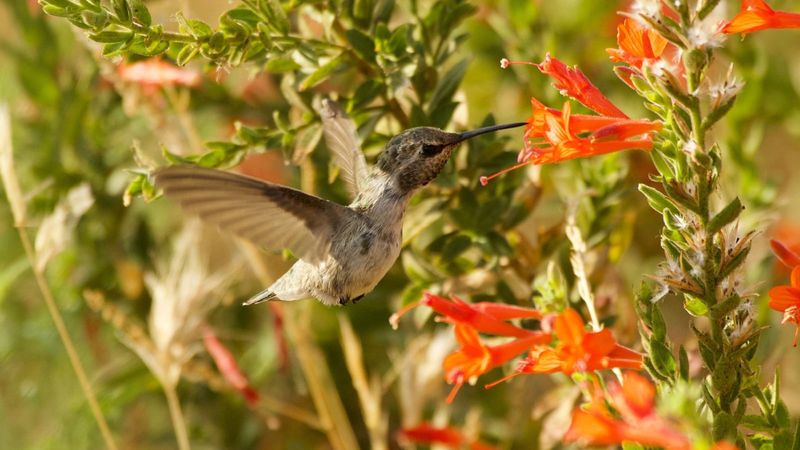
By July, many California gardens feel quieter than they did in spring. Early flowers have faded, feeder visits may slow down, and hummingbirds often shift toward whatever nectar source is strongest nearby.
California fuchsia helps fill that summer gap because it commonly blooms in late summer into fall, with some selections starting earlier depending on the garden and weather. That timing is what makes it so useful in a feeder-free hummingbird garden.
Instead of relying only on sugar water, you are adding a living nectar source that also fits California’s dry-season rhythm.
UC Master Gardener guidance describes California fuchsia as a plant with red-orange funnel-shaped flowers that hummingbirds and bees love, blooming when many other natives have already slowed down.
The plant also adds color when many summer gardens are starting to look muted, which makes hummingbird visits easier to notice from a patio or kitchen window.
A small grouping usually has more impact than one tucked-away plant, especially if it sits near shrubs or perches where birds already pause.
Plant it where you can enjoy the activity – along a path, near a dry border, on a sunny slope, or at the front of a native bed.
New plants still need steady establishment care, but once settled, many California fuchsias can handle lower-water conditions with occasional summer support in hotter sites.
It is not a magic hummingbird switch, but it is one of the strongest native choices for bringing more late-season movement back to the garden.
2. Red Tubular Flowers Draw Hummingbirds In
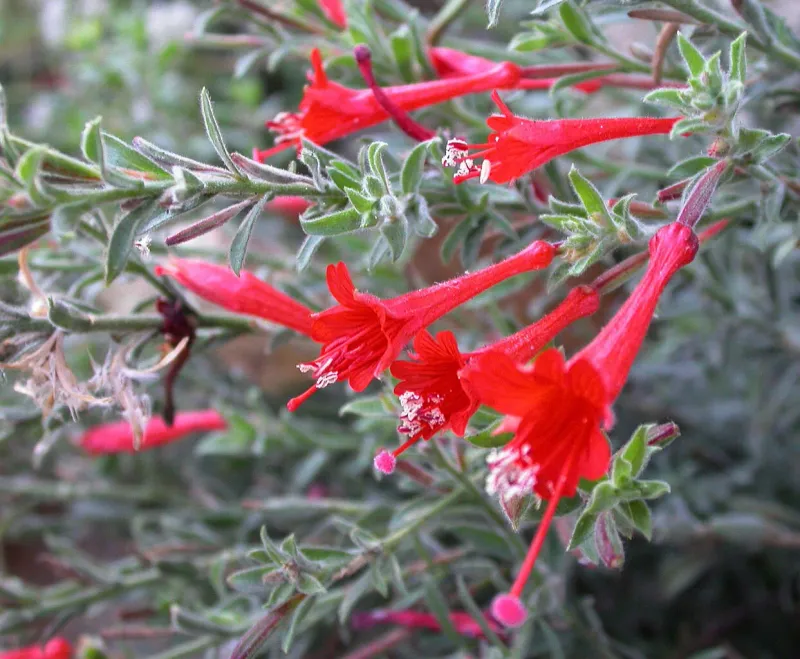
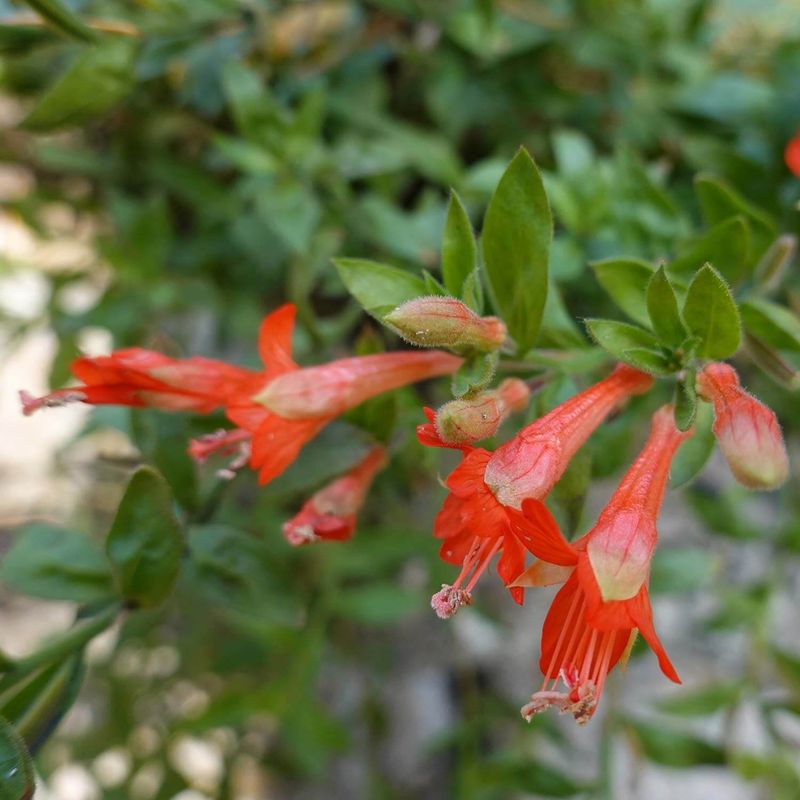
The flower shape is a big part of why California fuchsia works so well for hummingbirds. Its blooms are narrow, tubular, and usually red-orange to scarlet, which lines up beautifully with the way hummingbirds feed.
Their long bills and tongues are suited for reaching nectar inside tube-shaped flowers, so this plant gives them a natural food source rather than asking them to depend only on feeders.
In a California garden, those bright flowers stand out clearly against gray-green or green foliage, especially when summer heat has made other beds look muted.
That strong color contrast can make the plant easier to spot from across the yard, both for people and for fast-moving birds. The tubular blooms also tend to feel more natural in a habitat-style planting than a feeder hanging by itself.
Your California Garden Changes Every Week. Your Plan Should Too.
Gardening in California changes quickly throughout the season. Every Friday you’ll receive a simple weekly plan showing exactly what to plant, prune, fertilize, harvest, and protect so you never miss the right timing.
A single plant can help, but a small patch is easier for hummingbirds to notice as they move through the yard.
California fuchsia also mixes nicely with other dry-garden plants, including buckwheats, native sages, penstemons, and grasses, as long as the site conditions match.
UC and native plant sources describe the flowers as red-orange and attractive to hummingbirds, while CNPS notes the plant’s importance as a summer nectar source.
For everyday gardeners, the lesson is simple: flowers can do what feeders do, but in a way that adds color, texture, and habitat value to the garden at the same time.
3. July Blooms Depend On Variety And Location
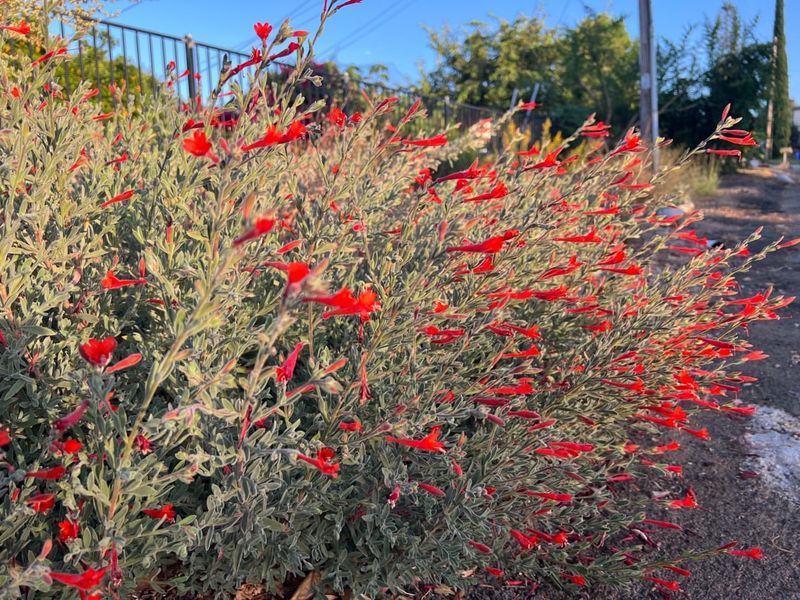
July bloom on California fuchsia is possible, but it should not be treated as the same schedule in every California yard.
Some selections may begin around July, especially in warm, sunny, well-drained sites, while many others bloom more strongly in August, September, or into fall.
That difference matters because California has a huge range of garden climates. A plant in a warm inland bed may wake up sooner than one growing near the coast, in partial shade, or in heavier soil.
Variety also matters. Some California fuchsias stay low and spreading, while others grow taller or looser, and those growth habits can affect where they fit best.
A low selection can work beautifully along a path or dry edge, while a taller form may be better as a loose accent among shrubs and grasses. Looking at the plant’s mature size before planting can save you from putting a spreading type where you really needed an upright one.
CNPS specifically notes that ‘Everett’s Choice’ can begin around the Fourth of July in some gardens, while many other California fuchsias start later in summer. If your plant does not bloom heavily in July during its first year, do not rush to fertilize or move it.
It may be building roots, adjusting to the site, or simply following its normal timing. Better July care means checking sun, drainage, and watering rhythm, then watching how the plant behaves over a full season.
4. Everett’s Choice Can Start Earlier
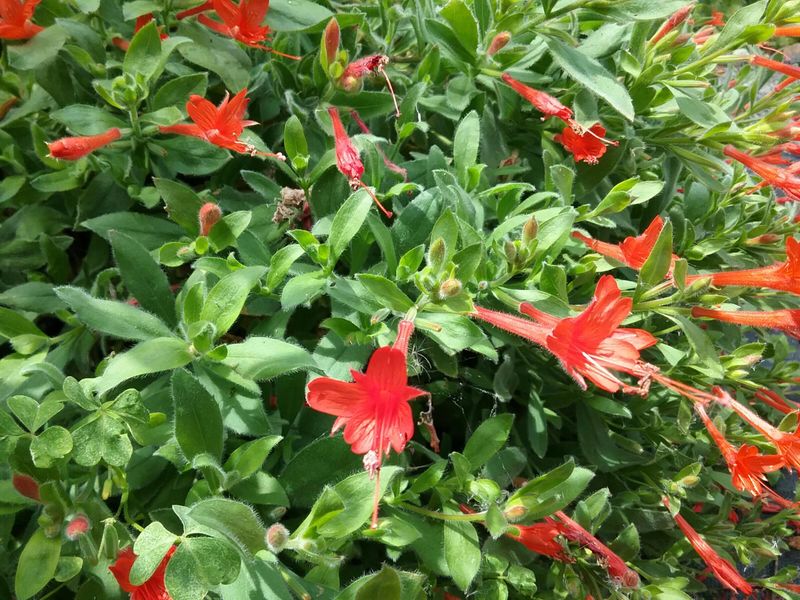
‘Everett’s Choice’ is a strong choice when you want California fuchsia with a lower habit and earlier color potential.
It is known as one of the lowest-growing California fuchsia selections, with small silvery leaves close to the ground and red-orange tubular flowers held above the foliage.
In some gardens, it can begin blooming around July, though timing still depends on heat, sun, water, soil, and how established the plant is.
That makes it useful for gardeners who want to support hummingbirds before the heavier late-summer bloom season arrives.
It also works well along dry edges, near paths, in low native beds, or where a soft groundcover look is welcome. Give it room, because spreading is part of its value.
It can look awkward if squeezed into a tiny pocket between plants that need different care. A wider patch also makes the flowers easier for hummingbirds to notice as they move through the garden.
Its low growth can help soften bare soil without creating the bulky look of a taller shrub. Like other California fuchsias, it appreciates drainage that does not leave the root zone soggy.
In hotter inland gardens, young plants may benefit from a bit of afternoon relief while they settle in. Once established, ‘Everett’s Choice’ can bring a relaxed, colorful, hummingbird-friendly look to a dry-season California planting.
5. Dry Summer Gardens Suit It Well
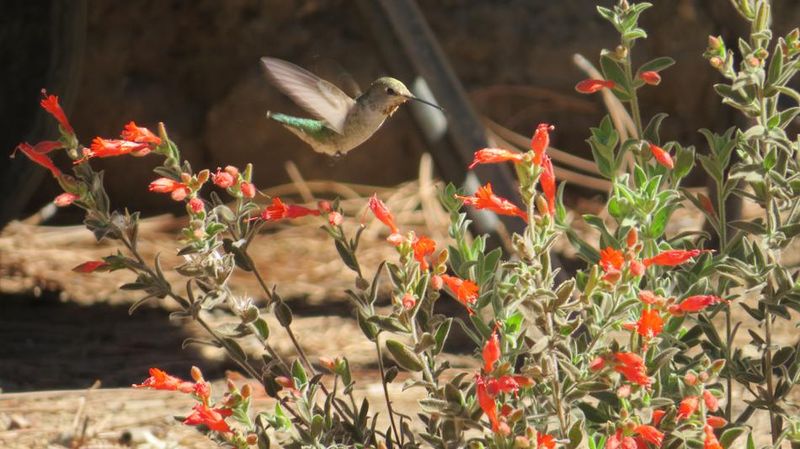
California fuchsia belongs naturally in dry summer gardens because it can handle the seasonal pattern that many California landscapes follow.
Once established, many forms tolerate dry conditions well, especially in sites with good drainage and thoughtful placement.
That does not mean new plants can be ignored. A young plant still needs careful watering while roots spread into the surrounding soil.
After that establishment period, the plant often fits a more relaxed watering routine than many traditional summer bedding flowers.
UC Master Gardener guidance describes California fuchsia as drought tolerant, while also noting that hot settings may need occasional summer water and late-summer soaks.
That is a helpful detail because “low water” should not be confused with “no care,” especially during heat waves. This plant pairs nicely with California buckwheat, native sages, deergrass, and other plants that suit sunny, lower-water beds.
Its foliage can be gray, green, or silvery, giving the garden softness even before flowers appear. Those muted leaves also make the red-orange flowers feel brighter when they open in the dry-season garden.
In mixed native beds, California fuchsia can help bridge the gap between practical water-wise planting and the kind of color that still feels lively in midsummer.
In July, when many gardens look tired, California fuchsia can bring color without demanding a high-water bed.
For hummingbirds, that combination is valuable – summer nectar, natural texture, and a plant that fits California’s dry-season style.
6. Good Drainage Helps It Perform Better
Good drainage is one of the easiest ways to help California fuchsia settle in and bloom well.
The plant is adaptable in many gardens, and UC guidance notes that many California fuchsias tolerate both clay and sandy soils, but the root zone should not stay wet for long periods.
In real California yards, that often comes down to placement. A slope, raised area, gravelly bed, or loosened native planting area may suit it better than a low spot where irrigation water collects.
If your soil is heavy, avoid making a small planting hole filled with fluffy amended mix, because that can hold water differently from the surrounding soil.
It is usually better to improve a wider area, plant slightly high when useful, and let water move away from the crown.
Containers can work too, but the potting mix should drain freely and the pot needs open drainage holes. A simple check after watering can tell you a lot – if the surface stays soggy for hours or the pot feels heavy for days, the site may need adjustment.
In clay-heavy gardens, placing California fuchsia on a gentle mound can give the crown a little extra breathing room without changing the whole bed. Too much regular water in slow-draining soil can make the plant look weak or floppy.
When drainage is right, California fuchsia usually keeps a cleaner habit, handles summer more smoothly, and has a better chance of producing the bright flowers that draw hummingbirds.
7. Low Spreading Growth Fits Garden Edges
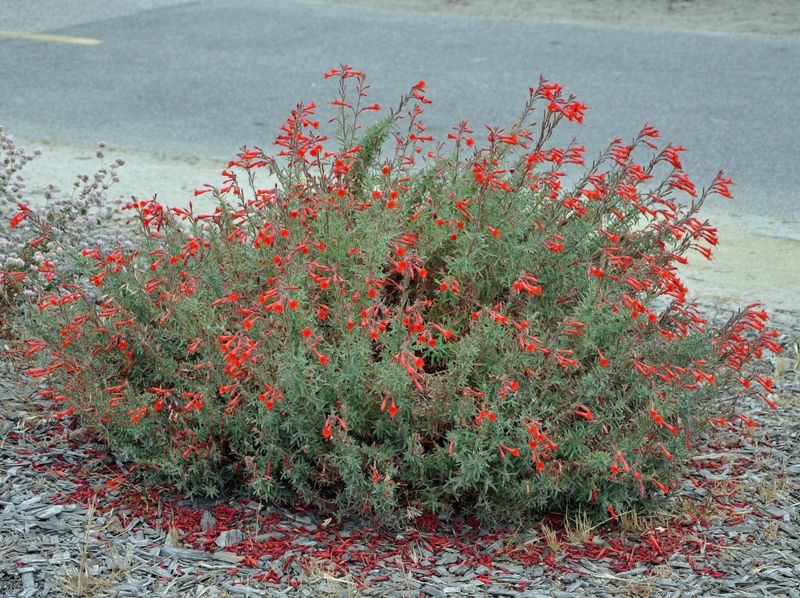
Many California fuchsia selections have a low, spreading habit that makes them especially useful along garden edges. They can soften a path, spill over a low wall, cover small bare areas, or weave between taller native shrubs and grasses.
That loose, natural growth feels right in many California gardens, especially dry borders, sunny slopes, and native plant beds that are not meant to look stiff or formal.
Calscape describes ‘Everett’s Choice’ as one of the lowest-growing California fuchsias, with silvery leaves close to the ground and tubular flowers above the foliage.
UC ANR also notes that ‘Everett’s Choice’ spreads by rhizomes and may stay low while reaching several feet wide in the right setting. That spreading habit can be a gift, but it needs a little planning.
Give the plant enough room, and avoid placing it where a very tidy, narrow border is the goal. It works best when the edge has space for stems to wander naturally instead of being clipped into a tight shape every few weeks.
Pairing it with upright grasses or small shrubs can also make the low flowers stand out more clearly. If you want a cleaner edge, light trimming after bloom can help keep it in bounds.
A wider patch can also be easier for hummingbirds to notice than one hidden plant. Used thoughtfully, California fuchsia can cover soil, add late color, and make a dry garden edge feel more alive.
8. Late-Season Nectar Keeps Birds Interested
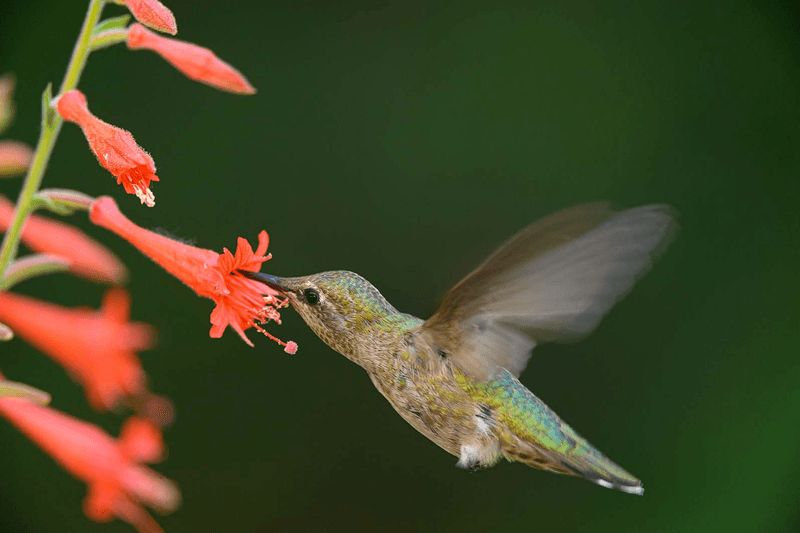
A good hummingbird garden works better when nectar is available across more than one season. Spring flowers may bring plenty of activity, but July and late summer can feel quieter if the garden does not include plants with later bloom times.
California fuchsia is valuable because its strongest bloom often comes in late summer and fall, when many other California natives have slowed down.
UC Master Gardener guidance notes that California fuchsias bloom late summer into fall and are loved by hummingbirds and bees.
CNPS also describes them as important hummingbird nectar plants, with some selections starting earlier and others blooming later. That late-season timing helps keep hummingbirds checking the garden after spring bloom has passed.
For a stronger planting, combine California fuchsia with earlier hummingbird plants that suit your region, such as manzanita, currant, penstemon, or native sages. This creates a longer nectar path rather than one short burst of flowers.
It also makes the garden more resilient if one plant blooms lightly because another may still be offering nectar nearby. In smaller yards, even a few well-chosen plants with staggered bloom times can make the space more useful to visiting hummingbirds.
In July, your California fuchsia may be just beginning, or it may be building toward a bigger show later. That is fine.
The goal is not one exact bloom date. The goal is a garden that offers useful flowers when summer nectar is harder to find.