Managing Norway Maples In New Jersey Before They Take Over
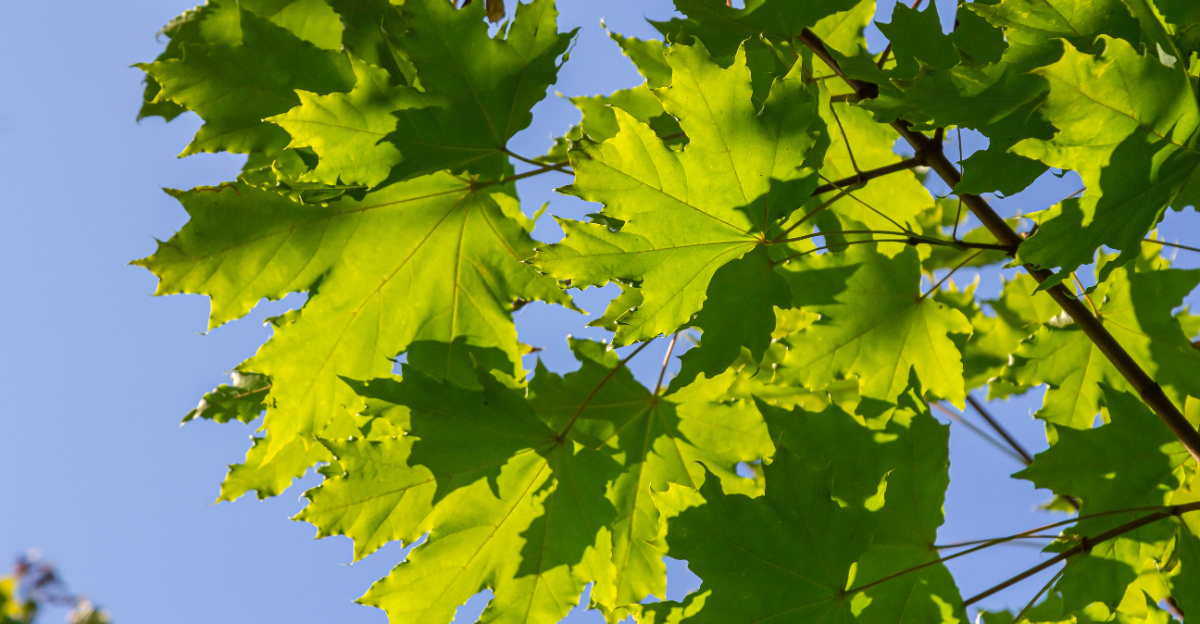
Walk through almost any wooded patch in New Jersey and you will spot it. A dense canopy of dark leaves. A shady understory where almost nothing else grows. That tree is likely a Norway Maple, and it has quietly taken over more backyards and forest edges than most people realize.
Decades ago, homeowners and city planners planted it everywhere. It grew fast, tolerated pollution, and shaded sidewalks within a few short years. Nobody thought twice about it.
Now those same qualities have turned it into one of the state’s most persistent invasive species, pushing out sugar maples, oaks, and the wildflowers that depend on them.
Dealing with Norway Maples in New Jersey has become a real concern for gardeners, land managers, and anyone who wants their yard to support local wildlife instead of working against it.
Removing one tree will not fix the problem, but understanding how it spreads is where change actually starts.
New Jersey’s Invasive Species Act Now Bans Norway Maple Sales
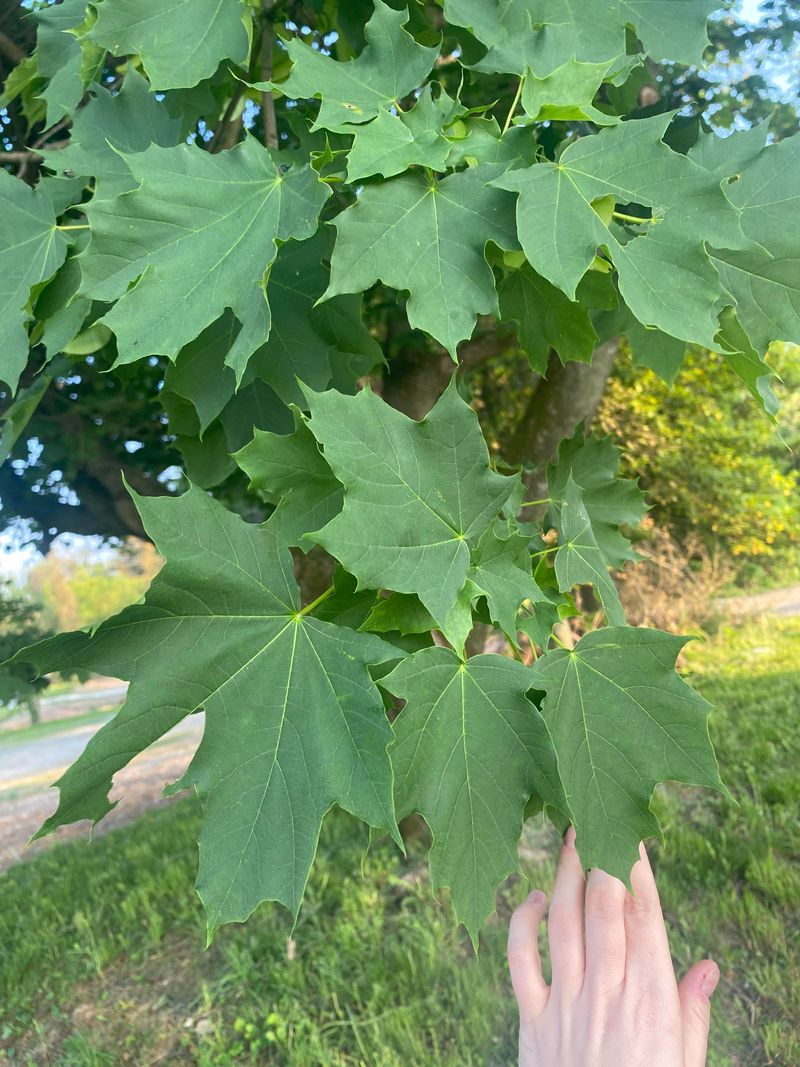
The law finally caught up with the Norway Maple. In January 2026, New Jersey officially banned the sale, distribution, and propagation of Norway Maple under the newly enacted Invasive Species Management Act.
This was a big deal for gardeners and nurseries across the state, since New Jersey had long been one of the few states without a statewide ban on invasive plant sales.
Norway Maples were popular for a reason. They grow fast, tolerate pollution, and shade a yard quickly, which made them a top pick for suburban landscaping for decades.
But that toughness is exactly the problem. Seeds blow into nearby forests and sprout in dense clusters, shading out wildflowers and native seedlings.
The ban covers not just selling but also transporting and intentionally introducing the species anywhere in the state. Violators can face real fines, so this is not just a suggestion.
Many homeowners still have Norway Maples on their property from before the ban. Owning one is still legal, but planting new ones is not.
Local conservation groups welcomed the decision, having pushed for stronger invasive species regulation for years before the law finally passed.
If you are managing Norway Maples on your land, knowing the legal background helps you understand why removal matters. The ban is a major first step, but the real work still happens in backyards and woodlands across the state.
Spotting A Norway Maple Before It Spreads
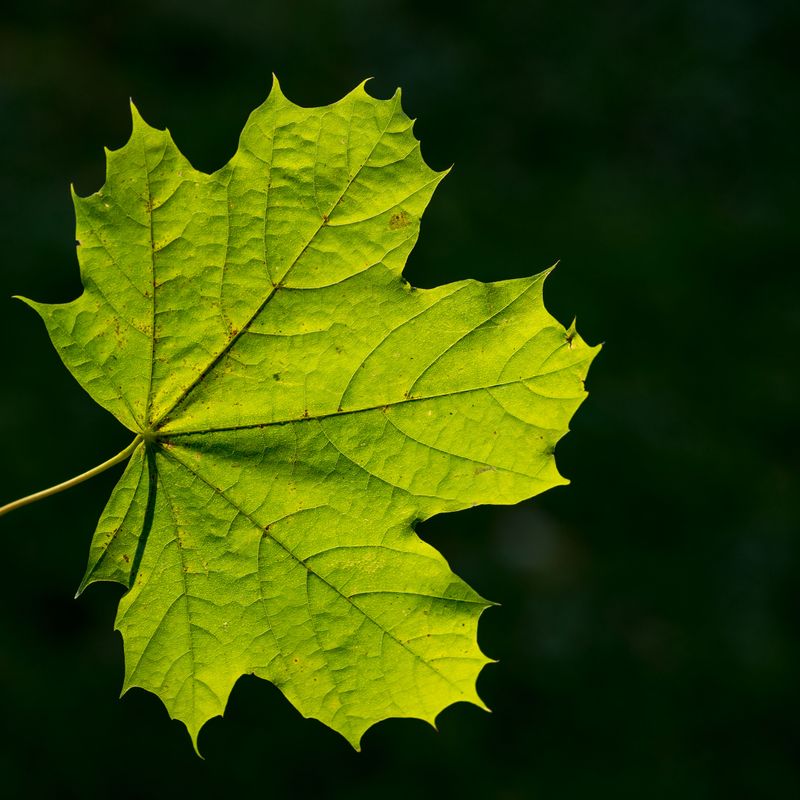
Spotting a Norway Maple is easier than most people think. Break off a leaf stem and look for a white, milky sap that oozes out within seconds.
No other common maple in the region produces that white drip, which makes it a reliable field test.
The leaves also have a distinctive shape. They are wider than a Sugar Maple leaf, with sharper, more pointed tips at the end of each lobe.
In spring, Norway Maples bloom with clusters of yellow-green flowers before the leaves fully open. This early bloom is another clue that sets them apart from native species.
Your New Jersey Garden Changes Every Week. Your Plan Should Too.
Gardening in New Jersey changes quickly throughout the season. Every Friday you’ll receive a simple weekly plan showing exactly what to plant, prune, fertilize, harvest, and protect so you never miss the right timing.
The seeds are also a giveaway. Norway Maple seeds have wings that spread nearly flat, almost like a straight line, rather than the angled V-shape of native maples.
In fall, the leaves turn yellow rather than the brilliant orange or red you see on Sugar Maples. The color is pleasant but nowhere near as vivid.
Bark on younger trees is smooth and gray-brown, developing shallow ridges as the tree matures. This can look similar to other maples, so bark alone is not enough for a confident ID.
Learning to identify this species early is a core part of managing Norway Maples before they seed into areas where removal becomes much harder. Get comfortable with the sap test and identifying this species becomes much easier over time.
Pull Seedlings By Hand While The Soil Is Moist
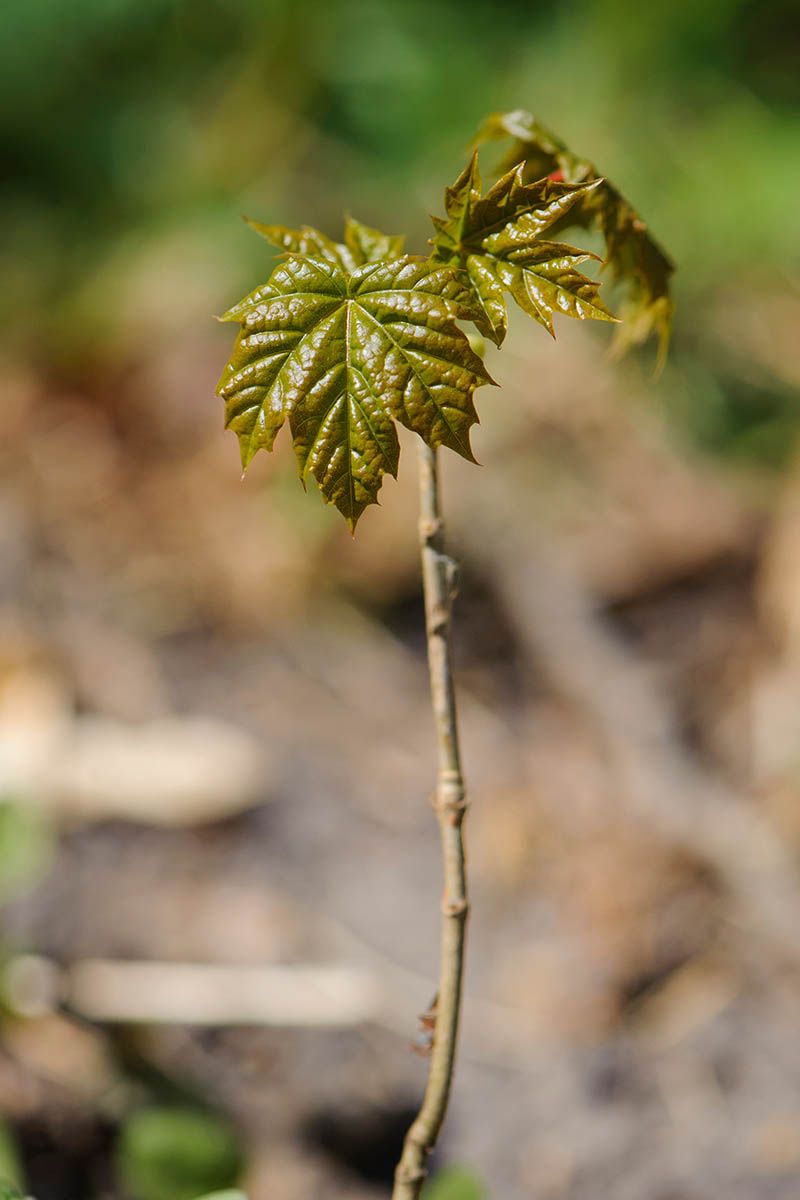
Young Norway Maple seedlings are deceptively easy to remove. Catch them in their first or second year and a firm tug after rain does the trick.
Wet soil is your best friend here. Roots slide out cleanly when the ground is saturated, and you get the whole root system instead of snapping the stem at the surface.
Seedlings left behind will re-sprout quickly. Even a small piece of root left in the ground can send up new growth within a few weeks.
Early spring is prime pulling season. Seedlings are small, soil is soft from winter moisture, and you can cover a lot of ground before the canopy fills in overhead.
Bag the pulled seedlings in yard waste bags rather than composting them. Norway Maple seeds can still germinate even after the plant is pulled, so your compost pile is not a safe destination.
A hand weeder tool with a forked tip makes the job faster on harder ground. Slide it alongside the stem, lever up, and the whole root pops free with minimal soil disturbance.
Working in short sessions is smarter than one exhausting afternoon. Spend 20 minutes after each rain event and you will clear a surprising amount of ground over a season.
Consistent pulling over two or three years dramatically reduces the seedling population on your property. Staying on top of managing Norway Maples at this stage saves enormous effort later when trees grow too large to pull by hand.
Remove Seed-Bearing Trees Before They Reach Full Maturity
A Norway Maple typically begins producing seeds around age ten, with much larger seed crops arriving as the tree approaches twenty years old.
Left uncut, a mature tree can seed an entire neighboring woodlot over time.
Smaller trees under four inches in trunk diameter are manageable with basic hand tools. A sharp pruning saw or a bow saw cuts through cleanly without needing professional equipment.
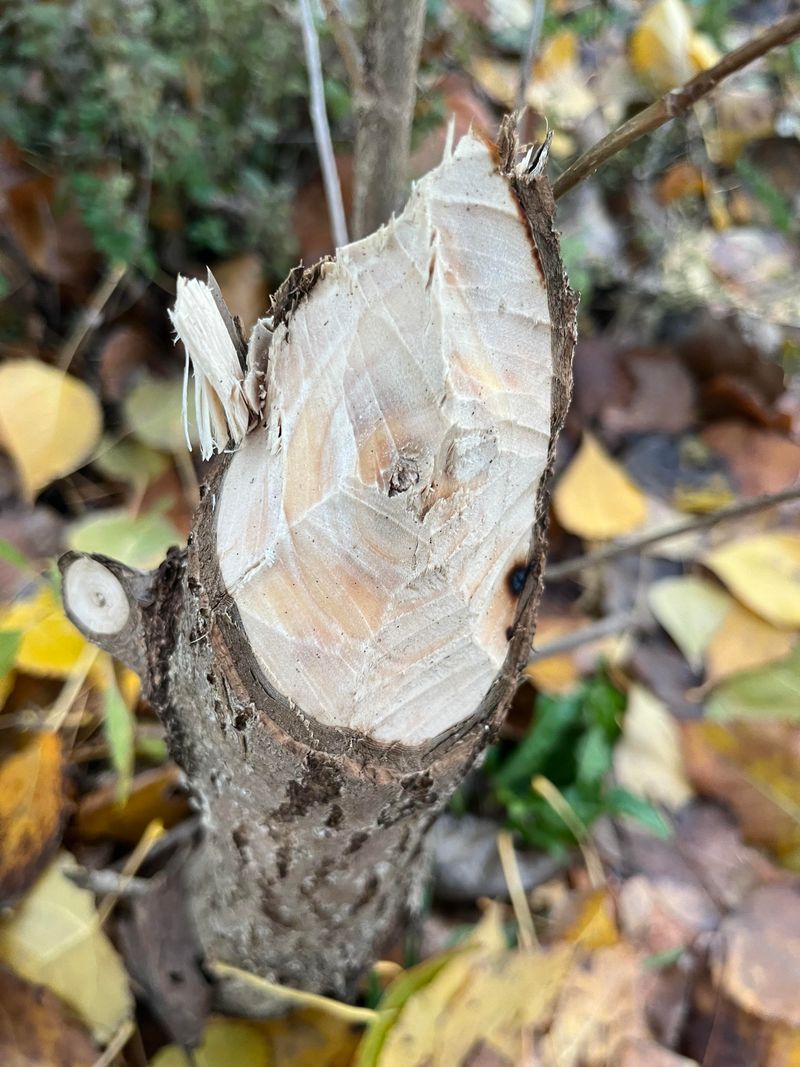
Cut the stump as close to the ground as possible. Higher stumps re-sprout more vigorously, so a low cut gives you a better chance of stopping regrowth with less follow-up work.
After cutting, apply a concentrated herbicide approved for stump treatment directly to the fresh cut surface. Timing matters here because the stump absorbs the treatment best within minutes of the cut.
Triclopyr-based products are commonly recommended for this use. Always read the label and follow application rates to protect surrounding plants and soil organisms.
If you prefer to avoid chemicals, cover the stump tightly with a thick black plastic bag secured with rope or bungee cords. Blocking all light for a full growing season can exhaust the root system over time.
Prioritizing trees that have not yet seeded is the smartest strategy for managing Norway Maples across your property. Stopping seed production early keeps your future workload manageable and protects nearby natural areas from new infestations.
Cut Or Girdle Large Trees In Stages To Protect The Forest Floor
Big Norway Maples create a real challenge. A trunk over eight inches across is not a weekend DIY project, and removing it all at once can damage the forest floor beneath it.
Girdling offers a smarter approach for large specimens. This technique involves cutting through the bark in a complete ring around the trunk, interrupting the flow of nutrients between roots and canopy.
The tree declines gradually over one to three years. This slow process allows understory plants to adjust to increasing light levels rather than getting suddenly blasted by full sun.
A sharp hatchet or a draw knife works well for girdling. Cut through the outer bark and the green cambium layer just beneath it, going all the way around without leaving any connected section.
Some land managers prefer cutting large trees in stages. They remove the canopy first one season, then cut the trunk the following year, giving ground plants time to recover between disturbances.
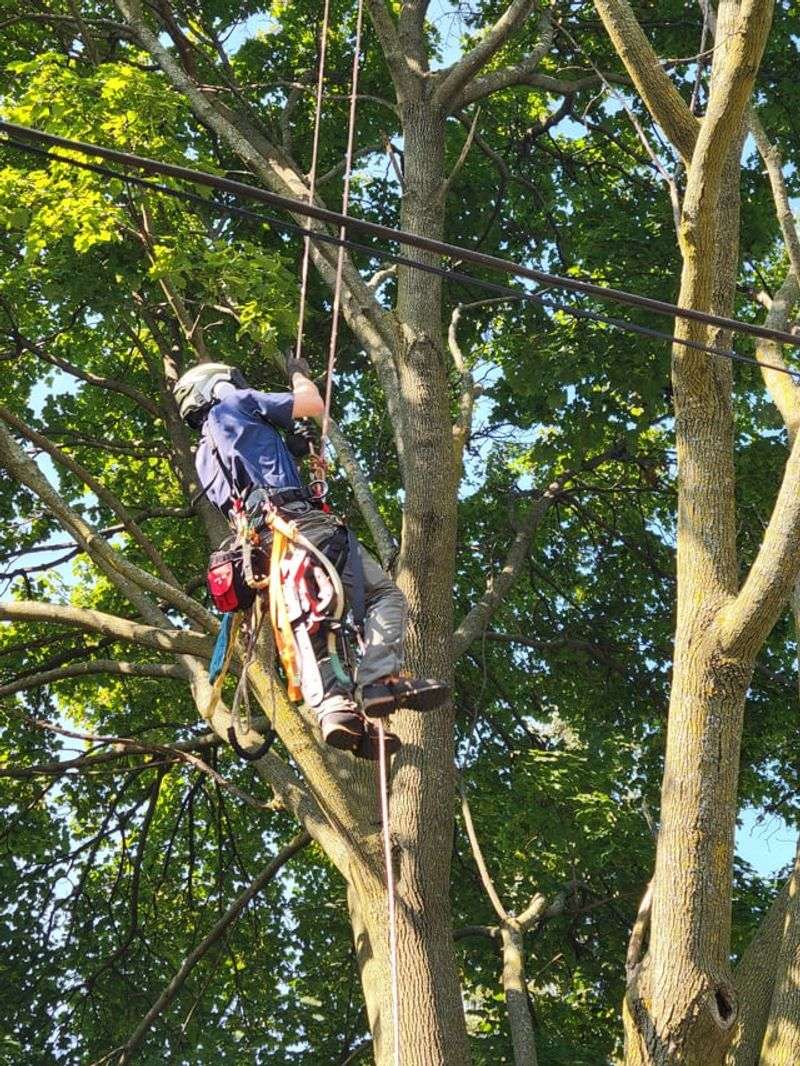
Always check for overhead hazards before starting any large tree work. Hiring a certified arborist for trees near structures or power lines is the safest and most responsible choice.
Managing Norway Maples that have reached full size requires patience and a phased plan. Taking it slow protects the soil, the wildlife, and the native plants waiting to reclaim their space.
Replace Removed Trees With Native New Jersey Maples
Pulling out an invasive tree and walking away leaves a gap that something else will fill. Without a replacement plan, a new wave of weeds or invasive shrubs often rushes in first.
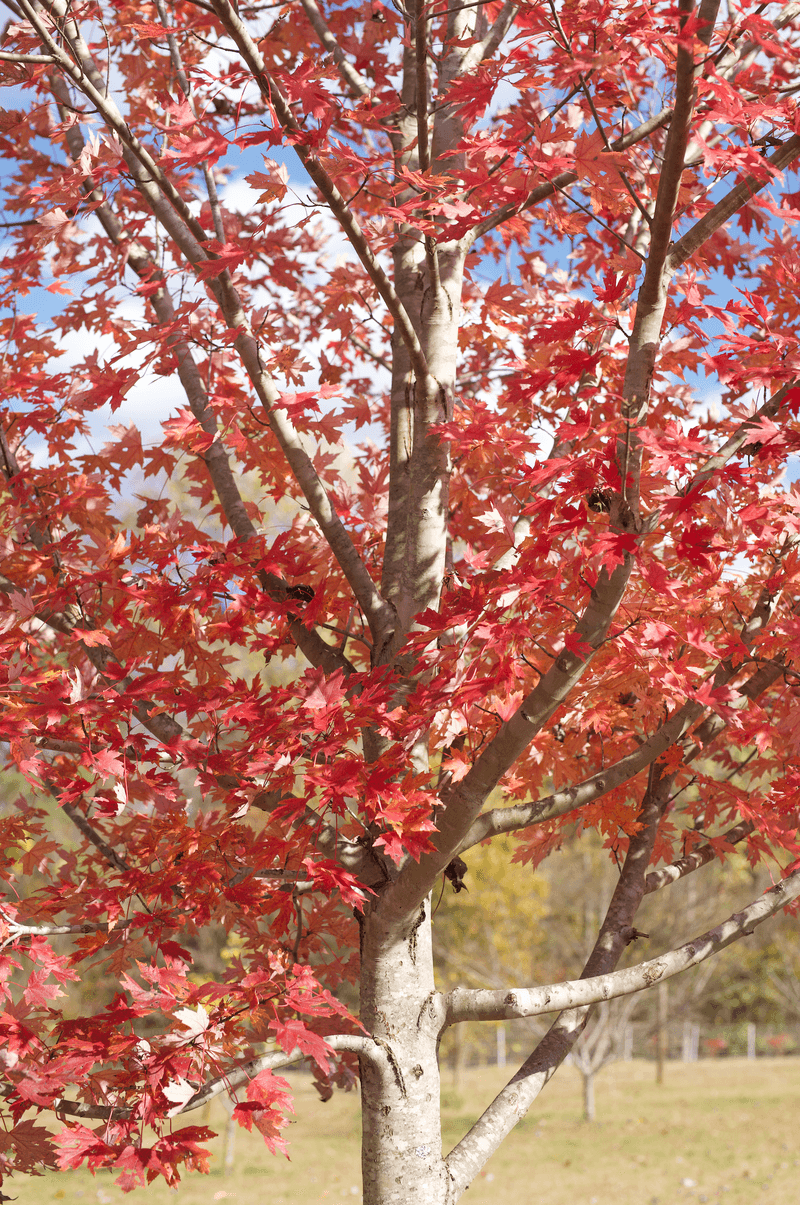
Native maples are the obvious choice for filling that space. Red Maple and Sugar Maple both thrive across New Jersey and offer wildlife benefits that Norway Maple simply cannot match.
Red Maple is a standout option for wet or average soils. It grows at a solid pace, produces brilliant fall color, and supports over 250 species of caterpillars and moths.
Sugar Maple prefers well-drained upland sites and grows into a magnificent canopy tree over time. Tapping it for syrup is a bonus that kids absolutely love discovering in late winter.
Silver Maple is another fast-growing native that suits low-lying or riverside areas. Its deeply cut leaves flutter in the breeze and give the landscape a light, airy feel.
When planting replacements, give each tree enough space to mature without crowding. A common mistake is planting too close to structures or other trees, which creates problems years down the road.
Water new transplants deeply once a week for the first full growing season. Mulching around the base keeps moisture in and competing weeds out during those critical early months.
Completing the cycle of managing Norway Maples means not just removing the problem but actively restoring what belongs here. Plant a native maple this season and watch the ecosystem respond with gratitude.