Why Hawks Circle Low Over Delaware Properties, And What They’re Really After
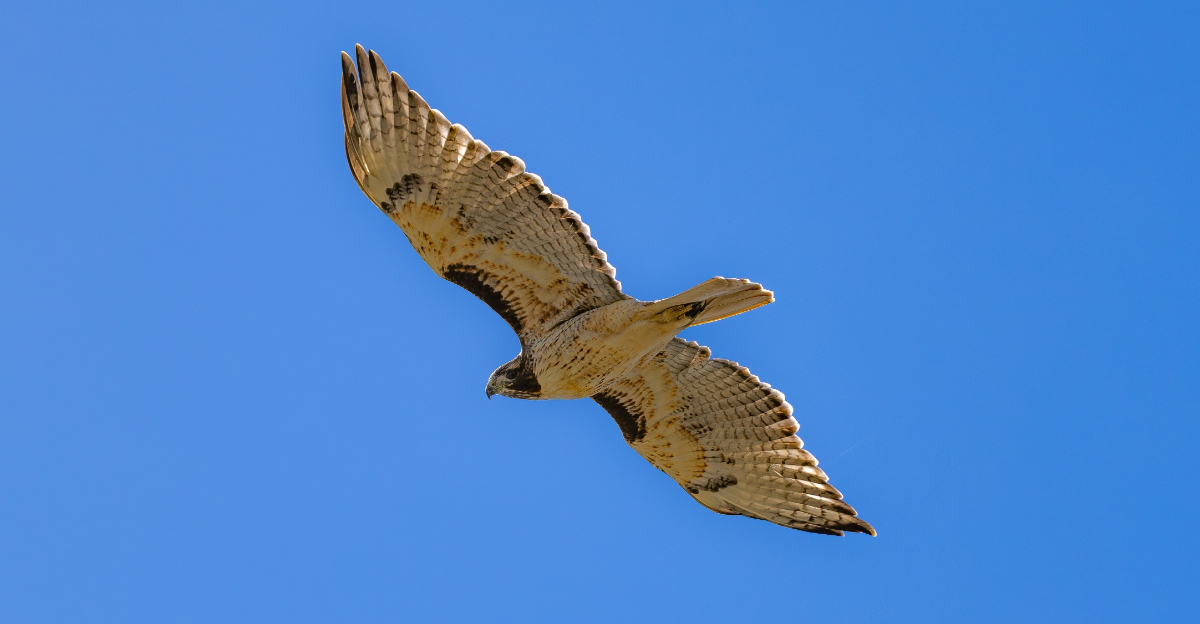
A hawk drifting in slow circles above your Delaware backyard is not a coincidence. That bird has already clocked your property from a distance and decided it was worth a closer look.
Every loop tightens the picture, narrowing down the movement below, the gaps in cover, the stretches of open ground worth targeting.
Hawks are built for this kind of precision, and a low circle is rarely idle. Delaware’s spot along the Atlantic Flyway keeps hawk traffic consistent through every season, drawing in both resident species and migrants passing through.
A suburban lawn, a wooded half-acre, a yard with a single brush pile, all of it registers on a hawk’s radar. Once you understand what they’re actually scanning for, the whole behavior shifts from mysterious to surprisingly predictable.
There Is Always A Reason When Hawks Fly Low And Circle
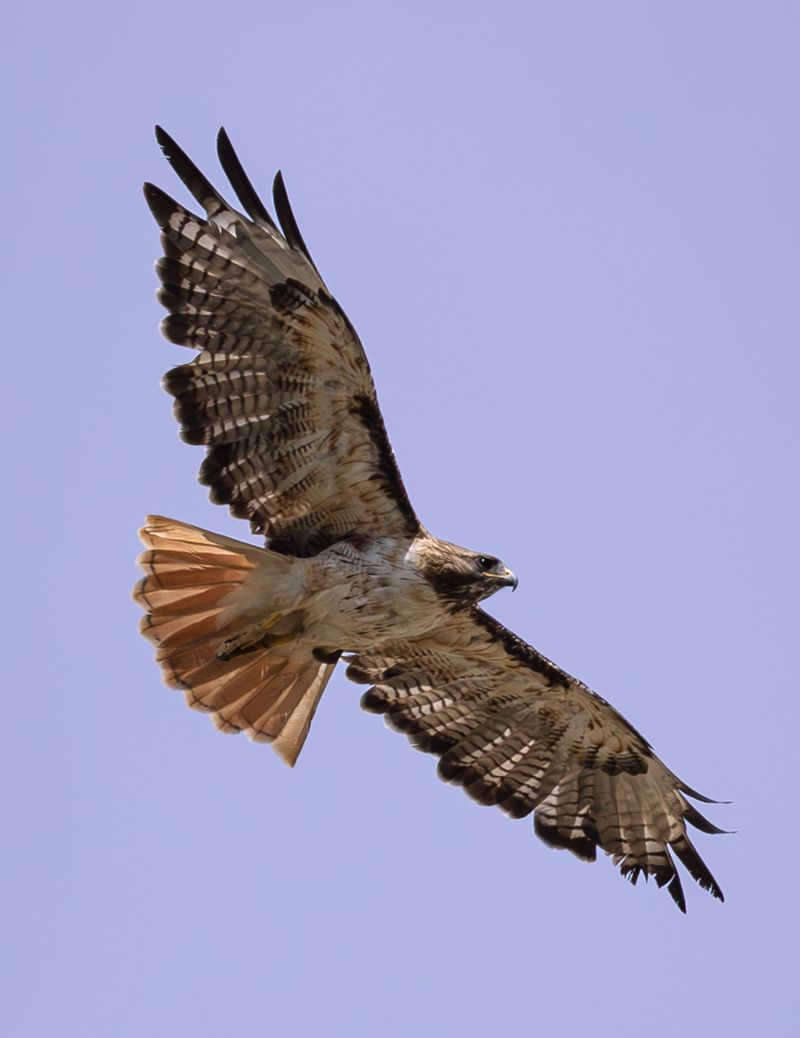
That slow, lazy circle overhead is not random. Hawks are precision hunters, and every move they make has a purpose tied to finding food.
When a hawk circles low over your property, it is scanning the ground below. Its eyesight is estimated to be four to eight times sharper than a human’s, picking up the tiniest movement in the grass.
Low circling usually means the hawk has already spotted something worth investigating. It is narrowing its search zone before committing to a strike.
Hawks circle low over Delaware properties most often when prey is active near the surface. Mice, voles, and small rabbits trigger this behavior almost instantly.
The circular flight pattern also helps the bird stay nearly stationary over one spot. Wind currents allow hawks to hover with minimal effort while keeping their eyes locked below.
Watching a hawk circle is actually watching a master at work. The bird is calculating wind speed, prey position, and the safest angle to descend.
Delaware’s mix of open fields, wooded edges, and suburban lawns makes it a prime hunting ground. Hawks have learned that human properties often equal reliable food sources.
Once you recognize this behavior, you start seeing your yard differently. Every bird feeder, brush pile, and garden bed is part of a larger food chain story unfolding right outside your window.
Hawk Species Most Likely Circling Delaware Properties
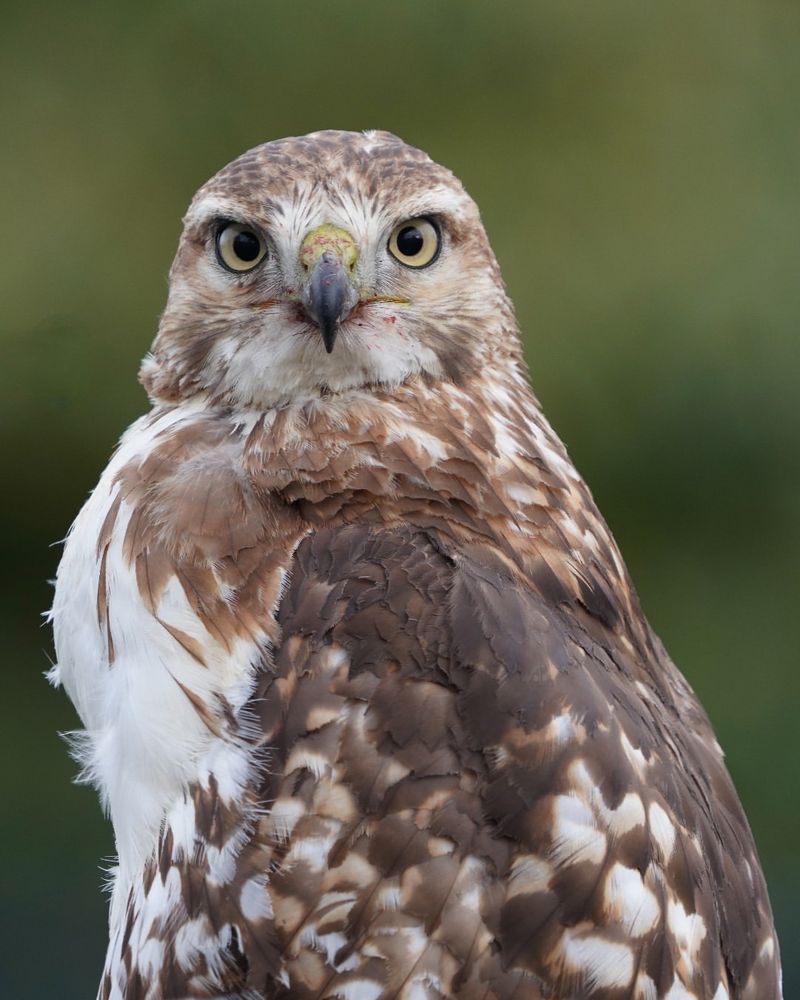
Not every hawk you spot over your yard is the same bird. Delaware hosts several species, and each one has a slightly different hunting style and target.
The Red-tailed Hawk is the most common. Its brick-red tail flashes in sunlight, and it loves open spaces where rodents run freely.
Cooper’s Hawks are mid-sized and incredibly agile. They specialize in chasing songbirds through dense shrubs and wooded backyards with almost reckless speed.
Sharp-shinned Hawks are the smallest of the three regulars. They look like Cooper’s Hawks but are about the size of a blue jay, making them easy to confuse at first glance.
Broad-winged Hawks pass through Delaware during fall migration in impressive numbers. You might see dozens to hundreds circling together in a group called a kettle during September.
Your Delaware Garden Changes Every Week. Your Plan Should Too.
Gardening in Delaware changes quickly throughout the season. Every Friday you’ll receive a simple weekly plan showing exactly what to plant, prune, fertilize, harvest, and protect so you never miss the right timing.
Red-shouldered Hawks prefer wooded wetlands and stream corridors. If your property backs up to a creek or marshy area, this species is your most likely visitor.
Ospreys technically belong to their own family but are commonly mistaken for hawks near Delaware’s coastal zones. They circle low over water hunting fish exclusively.
Knowing which species is circling your yard helps you understand exactly what it is after. Each bird has specific prey preferences, and matching the hawk to its target tells you a lot about your own landscape.
What Time Of Year You’re Most Likely To See This
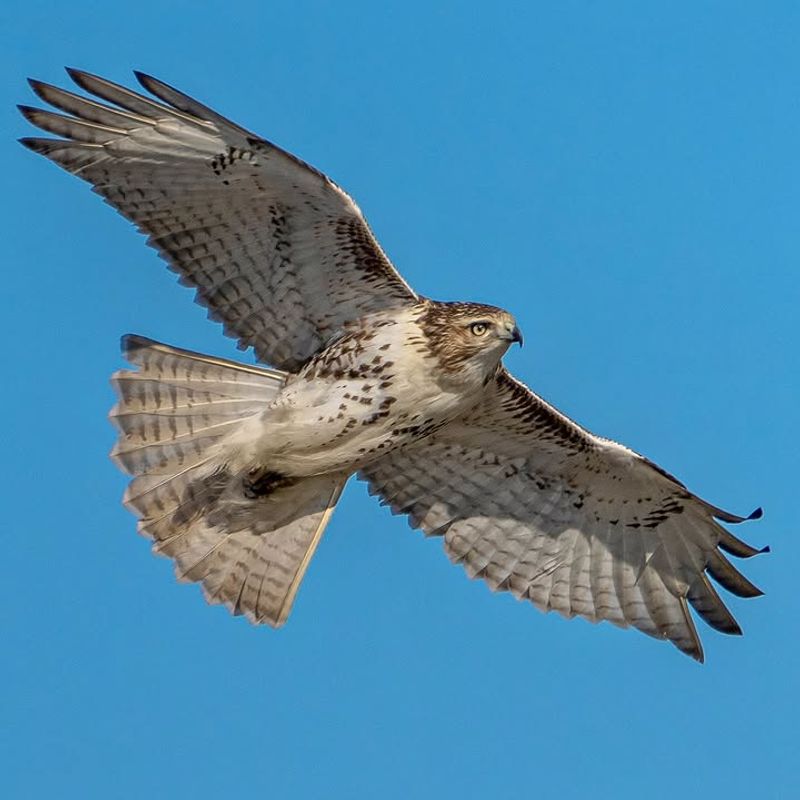
Hawk activity over Delaware properties shifts dramatically with the seasons. Knowing the calendar helps you predict when to expect a visitor circling overhead.
Fall migration is the most dramatic period. Between September and November, thousands of hawks funnel down the Atlantic coast, and Delaware sits right in that corridor.
Cape Henlopen and Ashland Nature Center are Delaware’s two official hawk-watching stations during peak fall movement. Birders travel from across the country to watch raptors stream through on clear, breezy days.
Spring migration brings a second wave. Hawks head north again from March through May, and many circle over properties searching for quick meals before continuing their journey.
Summer is nesting season for resident species. Red-tailed and Red-shouldered Hawks may circle low near your property while feeding chicks in a nearby nest.
Winter is quieter but not empty. Some hawks, like the Red-tailed, are year-round Delaware residents and continue hunting through cold months when rodents are still active under snow.
Early morning and late afternoon are peak hunting windows regardless of season. Hawks are most active when prey animals are moving, which aligns with cooler parts of the day.
Tracking the seasons trains your eye to notice patterns. Once you sync your observations with migration and nesting cycles, you will start predicting hawk visits before the bird even appears on the horizon.
The Prey Hawks Are Actually Hunting In Your Yard
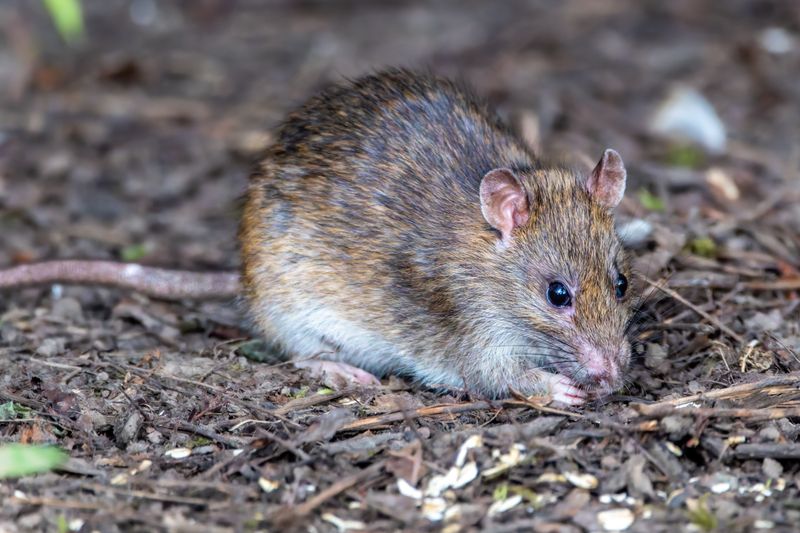
That circling hawk has a very specific shopping list. Understanding what is on the menu tells you exactly why your property keeps getting visited.
Meadow voles are the number one target for most Delaware hawks. These small, chubby rodents create surface runways through grass that are practically invisible to humans but glow like highways to a hawk’s sharp eyes.
House mice rank high on the list too. Suburban properties with garages, sheds, and compost bins often harbor mouse populations that hawks detect quickly.
Songbirds at your feeders are prime targets for Cooper’s and Sharp-shinned Hawks. These agile hunters are built specifically to chase and catch small birds mid-flight.
Eastern chipmunks and gray squirrels attract larger hawks like Red-tails. A hawk bold enough to take a squirrel is a genuinely impressive predator to witness up close.
Rabbits, especially young cottontails in spring, draw the biggest hawk species. A Red-tailed Hawk can carry off a rabbit weighing roughly half the bird’s own body weight, still an impressive feat for any aerial predator.
Frogs, snakes, and large insects round out the diet for some species. Red-shouldered Hawks in particular are known to hunt frogs near garden ponds and drainage ditches.
Your yard is essentially a grocery store to a circling raptor. Every plant, pile of leaves, and patch of bare soil hides something a hawk considers worth the effort of a low, patient circle.
How To Protect Backyard Chickens From Circling Hawks
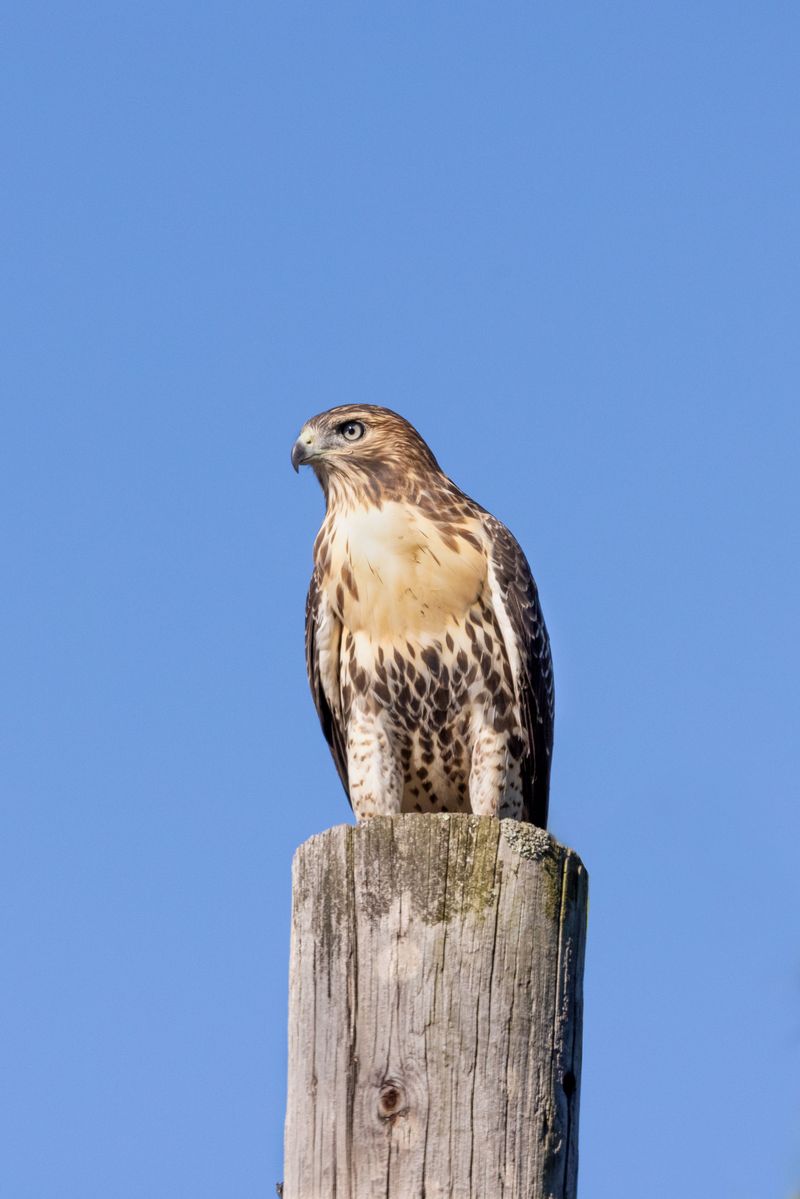
Backyard chicken keeping has surged in popularity across Delaware, and so have hawk-related complaints from poultry owners. Protecting your flock requires smart setup, not frustration.
Covered runs are the most reliable solution available. A sturdy wire or hardware cloth roof over your chicken area makes aerial attacks physically impossible for any hawk species.
Chicken wire alone is not sufficient for the roof. Use hardware cloth with half-inch openings, which is rigid enough to hold up under a hawk’s weight if the bird attempts to land on it.
Roosters provide a natural alert system for free-ranging flocks. A good rooster will sound an alarm call the moment a shadow passes overhead, sending hens scrambling for cover.
Providing physical hiding spots within your chicken run adds another layer of protection. Old pallets, low shelters, and dense shrubs at the run’s edge give hens places to duck into quickly.
Guardian animals like dogs and geese are effective deterrents. Their presence and movement around the flock signals to a hawk that the area is actively monitored and not safe to target.
Avoid free-ranging your flock during peak hawk activity hours. Dawn and dusk are when raptors are most active, so keeping birds contained during those windows dramatically reduces risk.
Hawks circling over Delaware properties with chickens are simply responding to an obvious food signal. Removing that signal through smart husbandry protects your birds without putting any raptor in harm’s way.
There Is Always Something Drawing A Hawk To Your Yard
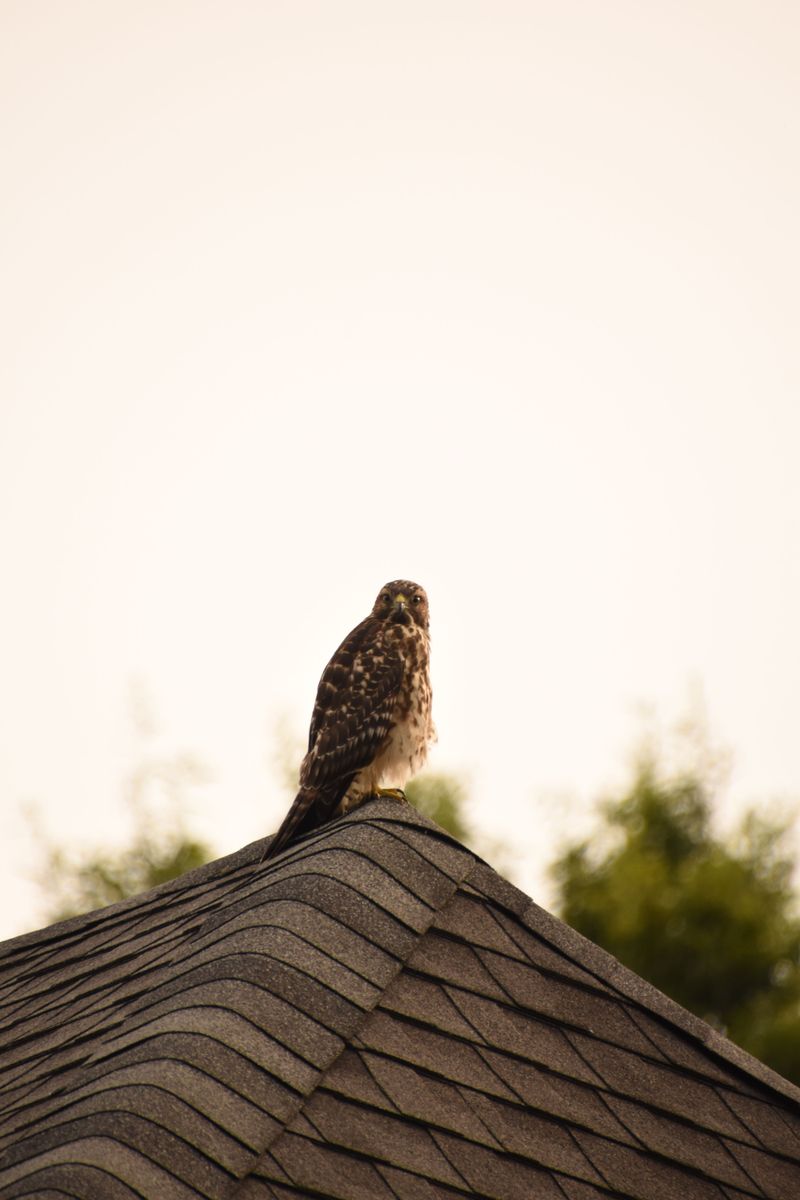
Every single time a hawk circles low over your yard, there is a specific reason behind it. Nothing about raptor behavior is random or decorative.
Food is always the primary driver. Whether it is a mouse under your shed, a sparrow at your feeder, or a rabbit in your garden border, something edible caught that hawk’s attention.
Perch availability is the second major factor. Hawks need elevated spots to survey from, and a property with tall trees, fence posts, or utility poles is far more attractive than one without them.
Water sources draw prey animals, and prey animals draw hawks. A garden pond, a leaky hose connection, or even a low-lying area that stays damp after rain can start a whole chain of events.
Nesting activity in spring means a hawk near your yard may be a resident, not just a passing visitor. Nearby nest sites cause hawks to patrol the same territory repeatedly for months.
Seasonal prey movement shifts hawk attention from yard to yard. As field conditions change with weather, prey animals migrate short distances and hawks follow them directly.
Your specific combination of plants, structures, and open space creates a unique fingerprint that raptors read from the air. Changing one element can shift the entire dynamic noticeably.
Hawks circling low over Delaware properties are always responding to something real. Learning to read that behavior connects you more deeply to the living landscape surrounding your home every single day.