There’s A Good Reason Cardinals Keep Coming To Your Delaware Yard
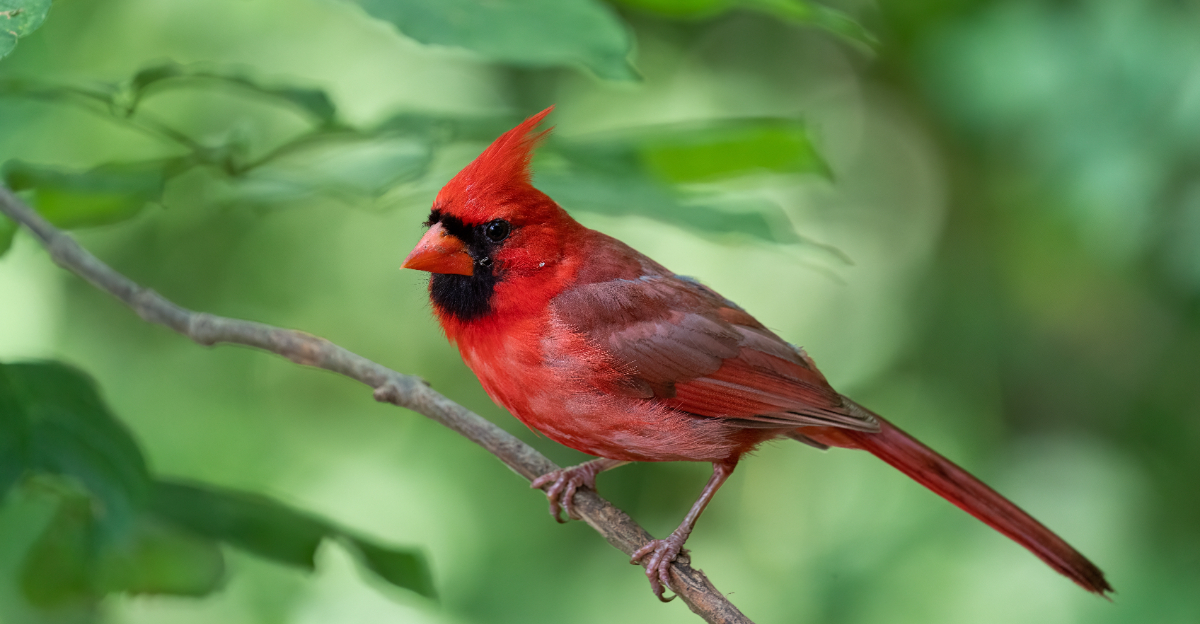
That flash of red near your fence is not random. Cardinals are selective about where they spend their time, and when one keeps coming back to your yard, something there is working in your favor.
Delaware’s mix of woodland edges, open spaces, and native plants gives cardinals plenty of reasons to stick around.
A single plant or feeder can be enough to make your yard the one they keep returning to. Cardinals are not wandering. They are choosing. And once a cardinal chooses your yard, it rarely forgets it.
Once you know what they are after, keeping them around gets a lot easier.
Your Delaware Yard Might Already Have A Natural Cardinal Magnet
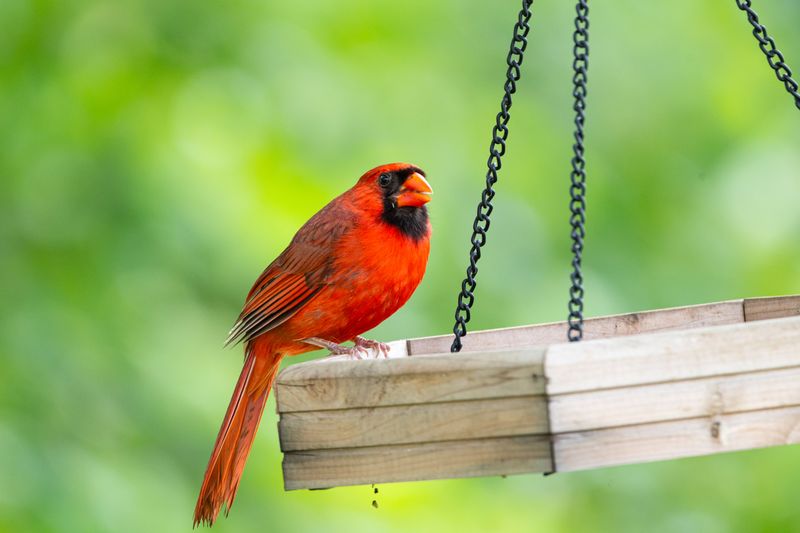
Sunflower seeds are basically fast food for cardinals. If you have a feeder stocked with black-oil sunflower seeds, you have already rolled out the welcome mat.
Cardinals have thick, powerful beaks built for cracking open tough shells. Black-oil sunflower seeds have thin shells, which makes them one of the easiest options for cardinals to crack open.
A tube feeder or platform feeder works best for these birds. Cardinals prefer to perch and eat, not cling awkwardly to mesh like some other species do.
Placing your feeder near a shrub or low tree gives cardinals a safe spot to wait their turn. They are cautious birds and like to survey the area before swooping in.
Safflower seeds are another top pick that cardinals tend to favor. Bonus: squirrels tend to avoid safflower, so your feeder stays fuller longer.
Cardinals also visit yards that have natural food sources nearby. Berry-producing shrubs, seed-heavy grasses, and even dried flower heads from your garden all count.
You might already be attracting cardinals to your Delaware yard without even trying. A little awareness goes a long way toward making your space even more irresistible to these gorgeous birds.
What Cardinals Actually Eat And Why It Matters
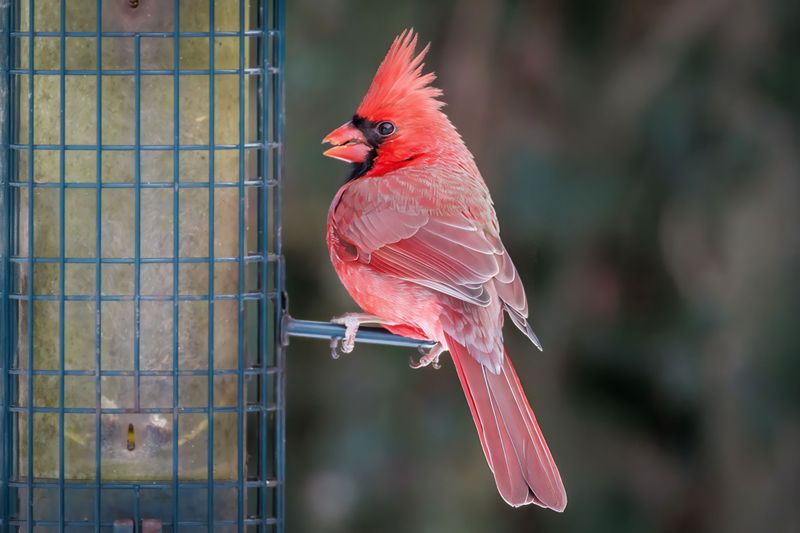
Cardinals are not picky eaters, but they do have clear favorites. Knowing what they love most can completely change how often you spot them.
Seeds make up the bulk of a cardinal’s diet, especially in fall and winter. Sunflower, safflower, and millet are the top three seeds that bring them running.
During warmer months, cardinals shift their diet toward insects and berries. Beetles, grasshoppers, and wild fruits like dogwood berries become a major part of their meals.
Baby cardinals are fed almost entirely insects in their first weeks of life. Protein from bugs helps the chicks grow fast and strong before they fledge.
Cardinals also snack on tree buds and wild berries when other food sources run low. Spotting a cardinal foraging through a blooming cherry tree in spring is one of the more unexpected sights in a Delaware yard.
Offering a varied food menu in your yard keeps cardinals interested through every season. A feeder with multiple seed types gives them options they will appreciate.
Fresh, dry seeds matter more than most people realize. Wet or moldy seed gets ignored fast, so clean your feeder regularly to keep the buffet appealing.
Your Delaware Garden Changes Every Week. Your Plan Should Too.
Gardening in Delaware changes quickly throughout the season. Every Friday you’ll receive a simple weekly plan showing exactly what to plant, prune, fertilize, harvest, and protect so you never miss the right timing.
Cardinals keep coming back to yards that consistently offer what they need. Feed them right, and they will treat your yard like their personal dining room all year long.
Native Plants Cardinals Cannot Seem To Resist
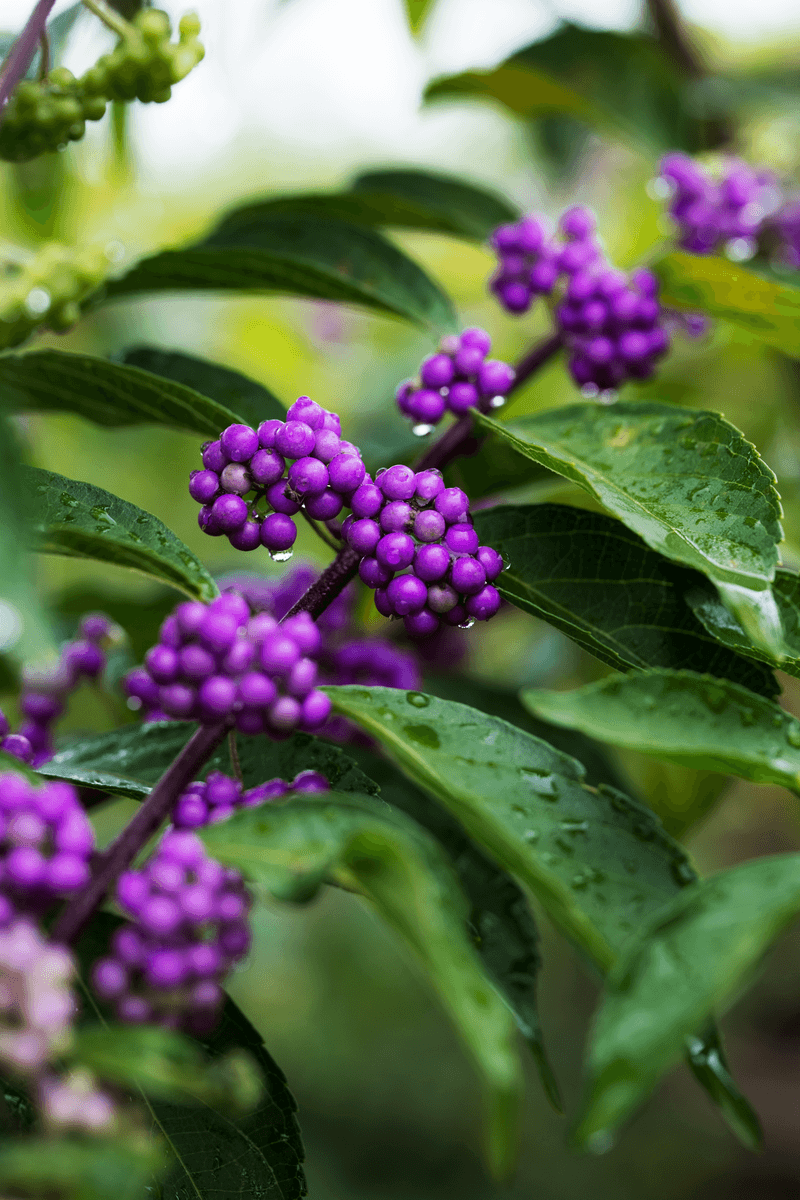
Native plants are the secret weapon most bird lovers overlook. Cardinals are well adapted to native plants that share their range, which is why these species tend to work so well together.
Beautyberry is one of the best shrubs you can plant for cardinals. Those clusters of bright purple berries in fall are like candy to them.
Eastern red cedar is another native powerhouse that cardinals adore. The small blue-gray berries provide food, and the dense branches offer excellent nesting cover.
Serviceberry, also called Juneberry, produces fruit that ripens right when cardinals are raising their first brood. The timing makes it one of the most valuable plants in any bird-friendly yard.
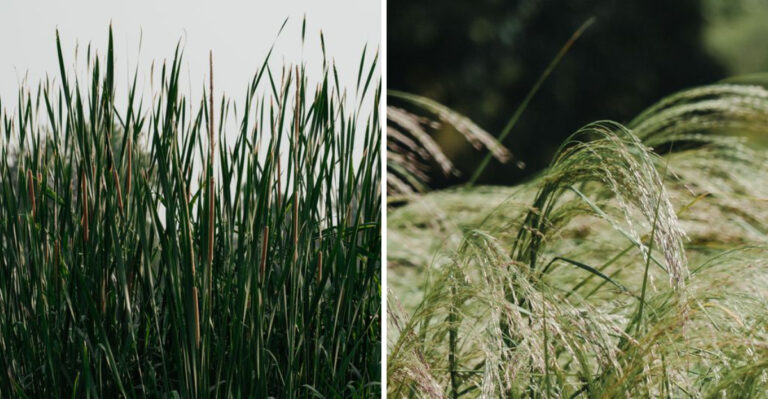
Native grasses like little bluestem hold seeds well into winter. Cardinals will forage through dried grass stems on cold mornings when other food sources run thin.
Coneflowers, also known as echinacea, are easy to grow and produce seed heads that cardinals pick clean by late fall. Leaving the spent flower heads standing through winter is one of the smartest moves a gardener can make.
Planting even two or three native species can dramatically increase cardinal activity in your yard. You are essentially building a grocery store they already know how to shop.
Cardinals keep coming to yards that speak their language, and native plants say it fluently. Your garden can become a year-round destination with just a few smart plant choices.
Once A Cardinal Finds Your Yard, It Tends To Stay
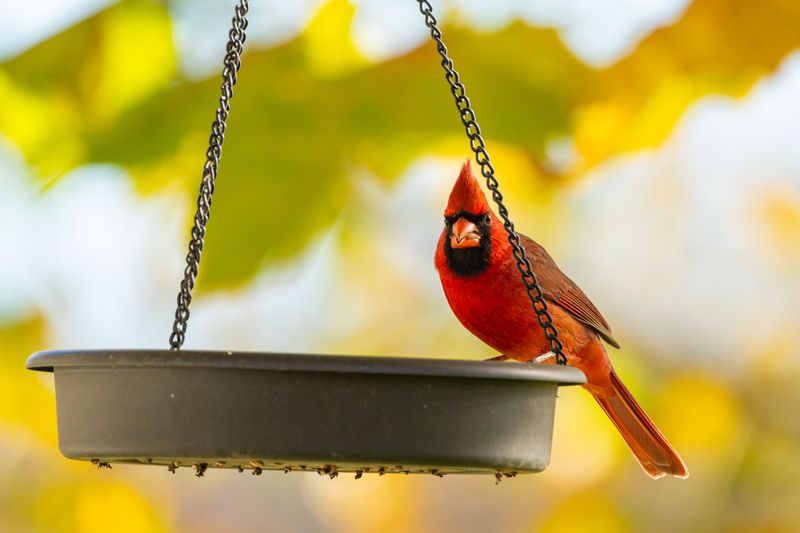
When a cardinal keeps returning to your yard, it is not random. Cardinals are creatures of habit, and they map out reliable food and shelter sources with impressive precision.
Once a cardinal finds a safe, well-stocked yard, it claims that territory as its own. You will often see the same bird, or even the same mated pair, returning day after day.
Cardinals are non-migratory, meaning they stay in the same area all year long. Your yard becomes part of their permanent home range, not just a seasonal stop.
A male cardinal will defend his feeding territory from other males. That bright red coloring is not just for looks; it signals dominance and keeps rivals away.
Familiarity builds trust over time with these birds. The more consistently your yard offers food, water, and cover, the more confident they become about showing up.
Water is a huge factor that many people underestimate. A clean birdbath or shallow water dish can be just as attractive as a full feeder.
Cardinals bathe and drink regularly, especially during dry stretches. Keeping fresh water available through summer heat and winter cold gives them one more reason to stay loyal to your space.
The real reason a cardinal keeps coming back is simple: your yard meets their needs. Give them food, water, and shelter, and they will reward you with a lifetime of visits.
Small Backyard Changes That Make A Big Difference For Cardinals
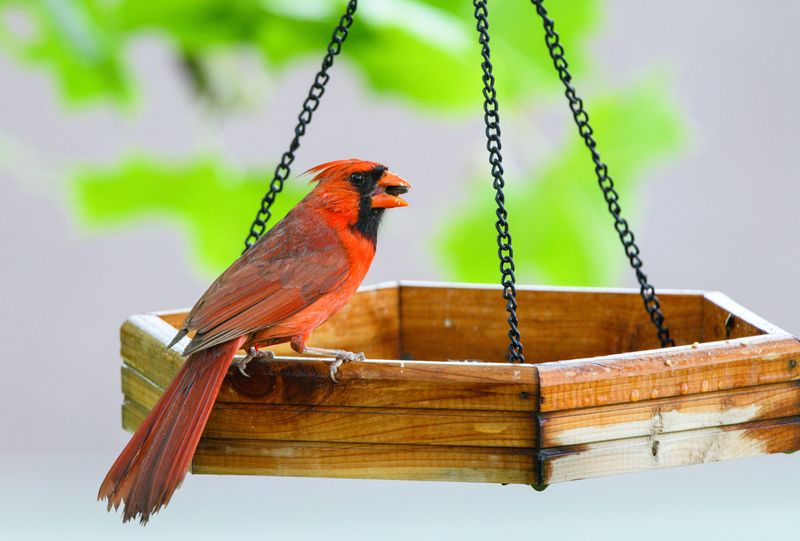
You do not need a huge yard or a massive budget to attract more cardinals. A few small, intentional changes can make your outdoor space a cardinal hotspot fast.
Start with your feeder placement. Cardinals feel safer feeding near low shrubs or brush piles, so moving your feeder closer to natural cover can noticeably increase how often cardinals stop by.
Add a birdbath at ground level or just slightly elevated. Cardinals prefer bathing close to the ground, unlike many other birds that use elevated baths exclusively.
Keep the water fresh and change it every two to three days. Stagnant water sends cardinals elsewhere, but a clean, fresh dish is far more likely to bring them back.
Planting a dense evergreen shrub near your feeder gives cardinals a windbreak in winter and a nesting site come spring. Hollies and junipers are excellent low-maintenance options for Delaware gardens.
Avoid trimming your garden too aggressively in fall. Leaving seed heads, dried grasses, and berry clusters standing gives cardinals a natural food source through the coldest months.
Reduce or eliminate pesticide use in your yard. Insects are a critical food source for cardinals, especially during nesting season, and pesticides wipe out that supply quickly.
Cardinals keep returning to yards that feel safe, well-stocked, and natural. Even one or two of these changes can turn your backyard into their favorite gathering spot in the neighborhood.
How To Keep Cardinals Coming Back All Year Long
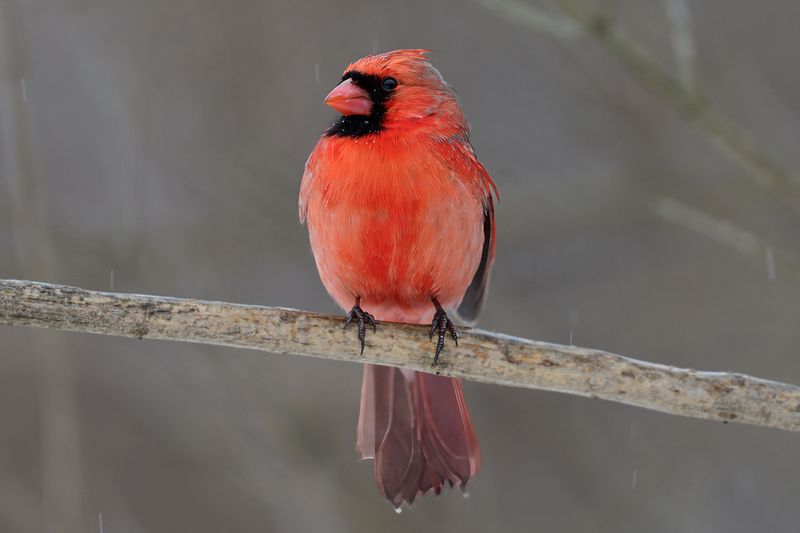
Consistency is the magic word when it comes to keeping cardinals loyal to your yard. These birds are smart enough to remember which yards never let them down.
Keep your feeder stocked through every season, not just winter. Cardinals breed in spring and summer, and they need reliable food sources while raising their young.
Offer a variety of seeds to appeal to both males and females. Female cardinals are just as frequent visitors as males, though their soft brown-red coloring makes them easier to overlook.
Adding a second feeder in a different part of your yard reduces competition. When cardinals feel crowded, they move on, so extra space keeps the peace and the birds.
Consider a heated birdbath for winter months. Liquid water in freezing temperatures is incredibly rare in nature, and cardinals will seek it out even when it requires leaving their usual territory.
Keep a loose brush pile or log stack in a back corner of your yard. Cardinals use dense, low cover for roosting on cold nights, and a brush pile serves that purpose perfectly.
Avoid loud music, aggressive pets near feeders, or sudden movements that spook the birds repeatedly. A calm yard is a cardinal-approved yard.
Cardinals keep coming to yards that feel like home, and home means safe, fed, and undisturbed. Build that environment once, and these stunning birds will reward you with their presence for years to come.