8 Simple Ways To Mole-Proof Your Delaware Lawn This Season
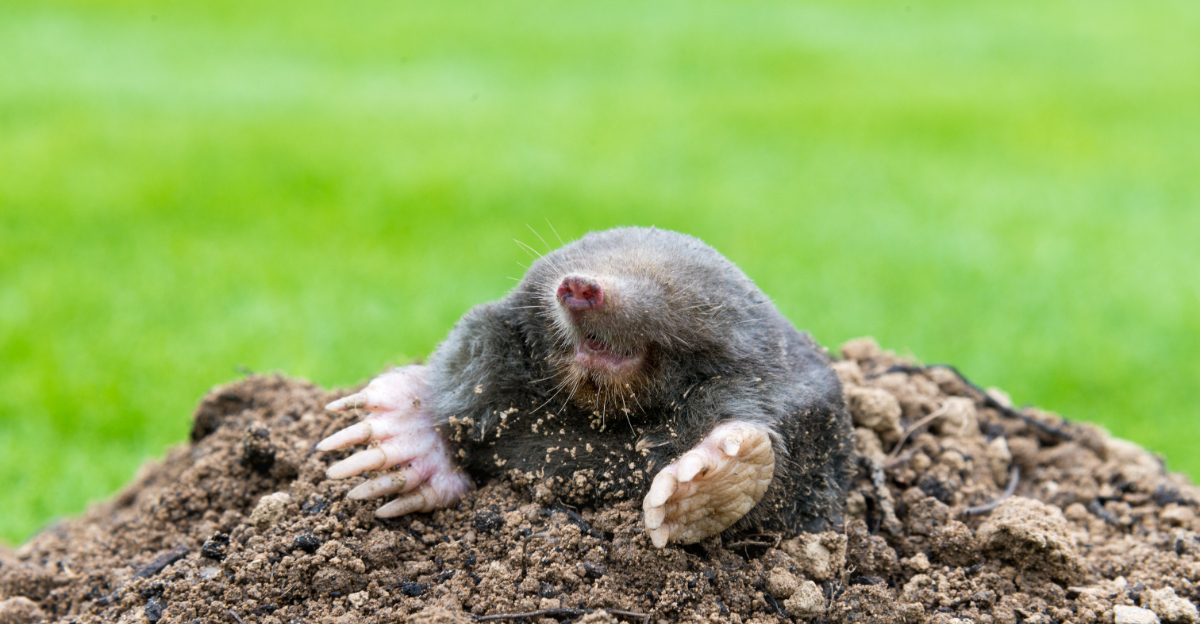
Moles do not ask for permission. One morning your Delaware lawn looks fine, and the next it looks like something tunneled through it overnight, because something did.
These small, nearly blind diggers can move up to 18 feet of soil per hour, and they are not stopping anytime soon. Delaware’s moist, grub-rich soil is basically a five-star buffet for them.
By the time you spot the first raised ridge, the tunnels underneath may already stretch across half your yard. What works against moles is not brute force or expensive treatments, it is knowing exactly what draws them in and cutting it off.
The eight methods ahead are practical, low-effort, and safe for kids, pets, and the surrounding environment. Pick one or combine several, either way, your lawn stands a real chance this season.
1. Plant Mole-Repelling Vegetation Around Your Yard

Your garden can fight back on its own. Certain plants naturally produce compounds that moles find deeply unpleasant, making them powerful allies in your yard.
Daffodils are a fan favorite for a good reason. Their bulbs release toxic alkaloids that repel burrowing animals without any effort from you.
Marigolds are another heavy hitter in the repellent plant world. Their roots release compounds that may irritate soil-dwelling pests, though results can vary.
Alliums, which include ornamental onions and garlic, work in a similar way. Planting them along your lawn edges creates a natural scent barrier moles prefer to avoid.
Caper spurge, also known as mole plant, has a long reputation as a natural deterrent. Its mole-deterring reputation is long-standing, though the evidence is mostly anecdotal.
You do not need to replant your entire lawn to see results. Strategically placing repellent plants around the perimeter can significantly reduce burrowing activity.
Think of it as building a botanical fence around your property. The plants add color while working as a natural deterrent at root level.
Mix different repellent species for broader coverage across your yard. Variety keeps the barrier strong even when one plant type is out of season.
Spring is the ideal time to get these plants in the ground. Establishing them early means they are actively working before mole season peaks.
A well-planned plant border is low-maintenance and long-lasting. It is one of the most satisfying and eco-friendly ways to protect your Delaware lawn all season long.
2. Install Underground Wire Mesh Barriers
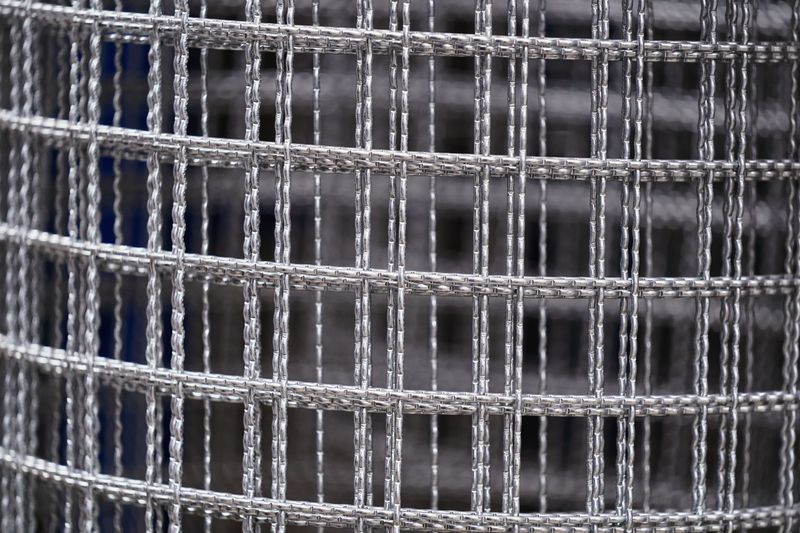
Picture your lawn as a fortress. Underground wire mesh acts like the foundation wall that keeps invaders from breaking through.
Hardware cloth or galvanized wire mesh is one of the most reliable physical barriers available. Installed correctly, it blocks moles from tunneling into specific zones of your yard.
You will need to dig a trench about two feet deep along the area you want to protect. The mesh should be bent outward at the base to prevent burrowing animals from going around it.
This method works especially well around garden beds and high-value lawn areas. Protecting these zones first gives you the biggest return on your effort.
Your Delaware Garden Changes Every Week. Your Plan Should Too.
Gardening in Delaware changes quickly throughout the season. Every Friday you’ll receive a simple weekly plan showing exactly what to plant, prune, fertilize, harvest, and protect so you never miss the right timing.
Choose mesh with openings no larger than three-quarters of an inch. Anything wider allows small moles to squeeze through without resistance.
Galvanized steel holds up well in Delaware’s wet spring soil. It resists rust and stays effective for many years without replacement.
Installing mesh along your entire perimeter is possible but labor-intensive. Many homeowners start with their most-damaged areas and expand from there each season.
Pair the mesh barrier with other repellent methods for stronger results. No single approach works perfectly alone, but combining tactics makes a big difference.
The upfront work is worth every bit of sweat. Once the mesh is in place, you get long-term protection with minimal ongoing maintenance.
A properly installed underground barrier is one of the smartest moves for mole-proofing your Delaware lawn this season.
3. Eliminate Their Food Source Below The Surface
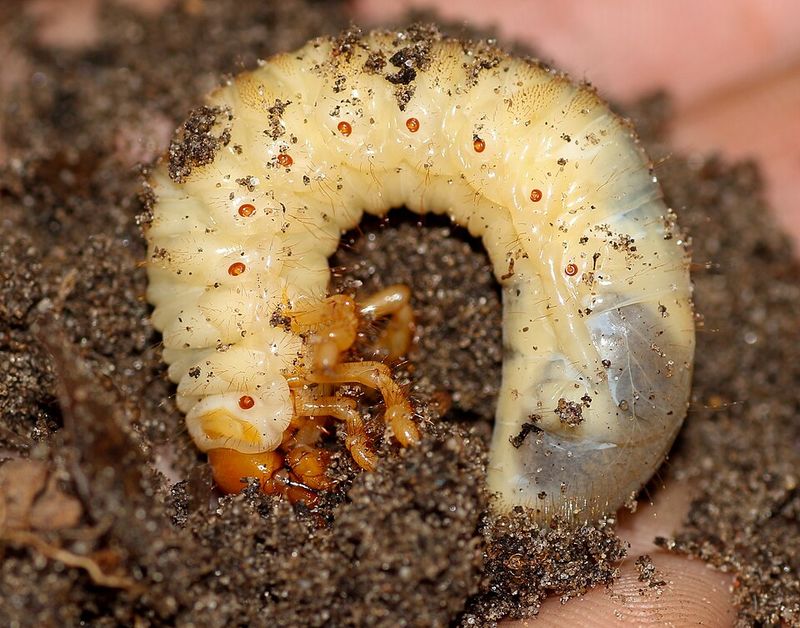
Moles are not after your grass. They are after what is living underneath it.
Earthworms are a mole’s primary food source, with grubs making up a significant portion of the rest.
Treating your soil for grubs is one of the most effective ways to make your yard less attractive to moles. Without a reliable food supply, they have little reason to stick around.
Beneficial nematodes are a natural and safe option for grub control. These microscopic organisms target harmful larvae in the soil without hurting plants or pets.
Milky spore powder is another well-regarded biological treatment. It specifically targets Japanese beetle grubs, which are among the most common in Delaware lawns.
Both options are available at most garden centers and are easy to apply with a standard spreader or hose attachment. Timing your application in late summer gives the best results, when young grubs are closest to the surface and most vulnerable.
Chemical grub treatments exist as well, though many homeowners prefer the natural route. Either way, reducing the grub population is a direct attack on the mole’s motivation to be there.
Do not expect overnight results from this method. Grub treatments take a few weeks to show full effectiveness, so patience is part of the process.
Pair grub control with surface repellents for a two-pronged approach. Tackling both the food source and the environment makes your lawn far less hospitable to moles long-term.
4. Use Vibration Stakes To Disturb Their Tunnels
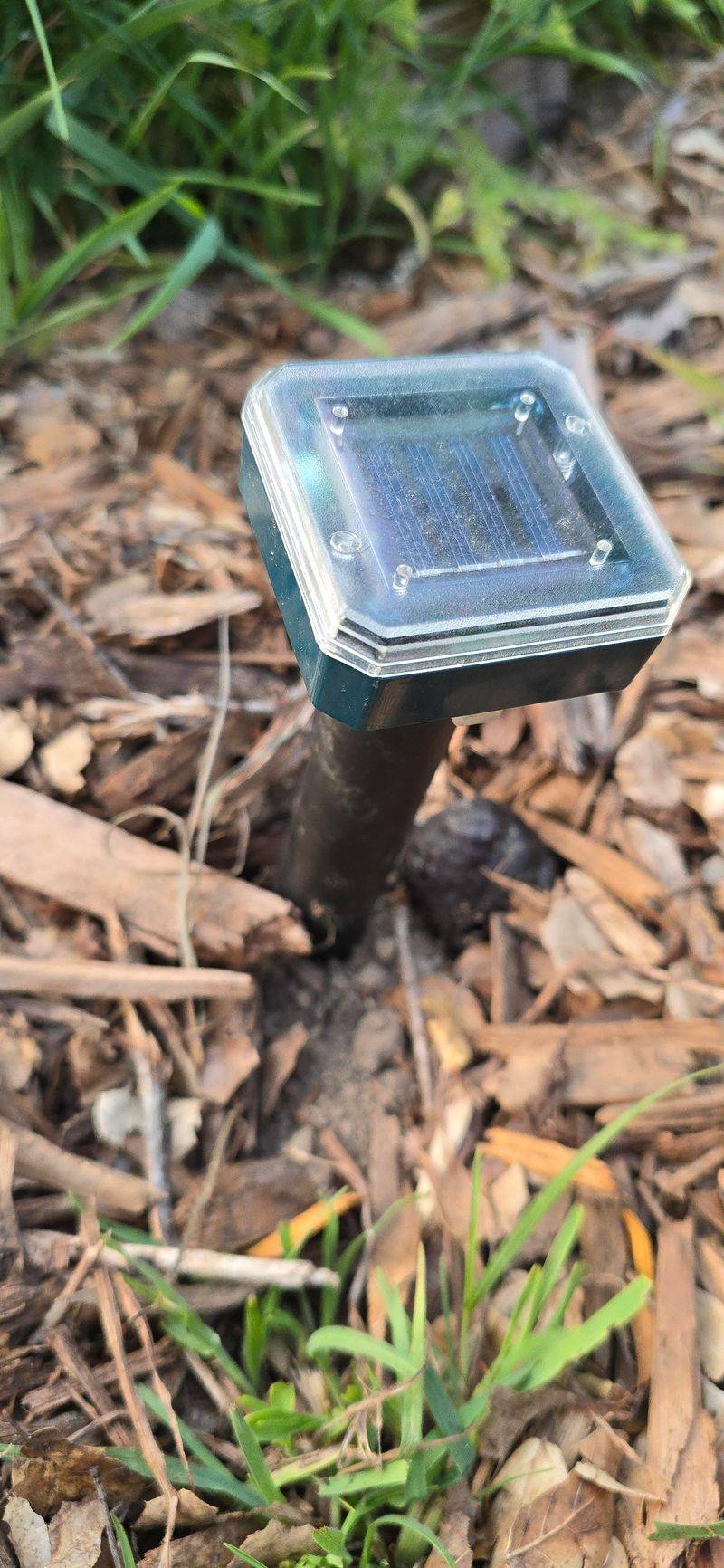
Moles are highly sensitive to vibrations in the ground. That sensitivity is exactly the weakness you can exploit with vibration stakes.
These devices are pushed into the soil and emit continuous low-frequency pulses. The constant disturbance makes the surrounding area feel unsafe to moles, encouraging them to move elsewhere.
Solar-powered stakes are the most popular option because they run without batteries. Just push them into a sunny part of your lawn and let them work around the clock.
Place stakes every 15 to 20 feet across active tunneling areas for the best coverage. Clustering them near fresh mounds increases the disruption right where moles are most active.
Most models start working within a few days of installation. Homeowners often notice a reduction in new tunnel activity within the first week.
Vibration stakes are completely safe for kids, pets, and plants. There are no chemicals involved, which makes them a great fit for eco-conscious households.
The sound they produce is inaudible to humans, so there is no noise nuisance to worry about. Your neighbors will never even know you have them installed.
Reposition the stakes every few weeks to cover new problem areas as moles shift their tunneling routes. Staying mobile with your approach keeps the pressure on.
These stakes are affordable and widely available online and in hardware stores. For a low-effort, chemical-free solution, vibration stakes deserve a spot in your mole-proofing toolkit this season.
5. Apply Castor Oil Repellent To Problem Areas
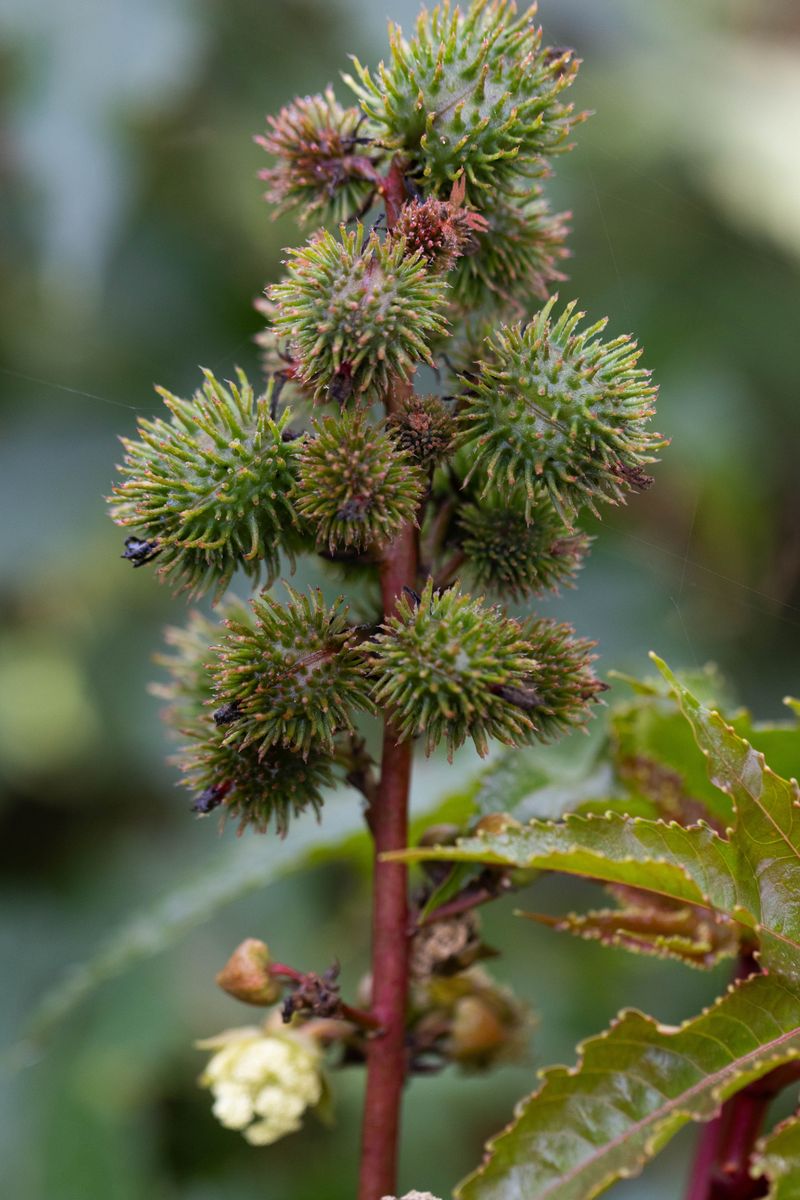
Castor oil is one of the oldest tricks in the lawn care playbook. It works by coating the soil and making the grubs and worms moles depend on taste absolutely terrible.
When moles encounter castor oil-treated soil, they quickly learn the area is not worth their time. They move on to find cleaner feeding grounds elsewhere.
You can buy ready-made castor oil repellent sprays at most garden centers. They are designed for easy application with a standard hose-end sprayer.
For a DIY version, mix three parts castor oil with one part dish soap to make a concentrate, then add four tablespoons of that mixture to a gallon of water.
Focus your application on active tunnel zones and freshly disturbed soil. These are the areas where moles are currently feeding and most likely to be deterred.
Reapply after heavy rain, since water washes the treatment out of the soil over time. Staying consistent with applications is the key to keeping moles out for good.
Castor oil is non-toxic to children, pets, and beneficial insects when used as directed. That makes it a smart choice for families who spend a lot of time outdoors.
Some homeowners combine castor oil spray with granular repellent products for deeper soil penetration. Layering treatments increases the chances of reaching moles in deeper tunnel systems.
Start treating at the outer edges of your lawn and work inward. This pushes moles away from your property rather than trapping them in the middle of your yard.
6. Keep Your Lawn Dry And Well-Drained

Soggy soil is a mole magnet. Wet ground is softer, easier to tunnel through, and packed with the moisture-loving worms moles crave most.
Improving your lawn’s drainage is one of the most underrated ways to make your yard less inviting. A drier lawn is simply harder to work with for burrowing animals.
Start by checking for areas where water pools after rain. These low spots create ideal burrowing conditions and should be addressed first.
Aerating your lawn in the spring helps water drain more efficiently through the soil. This simple step can dramatically reduce the moisture levels that attract moles.
French drains are a more permanent solution for yards with serious drainage issues. They channel excess water away from your lawn and keep the soil consistently drier.
Avoid overwatering your grass, especially during cooler months when evaporation is slow. More water than your lawn needs creates the exact conditions moles are drawn to.
Sandy soil amendments can also improve drainage in heavy clay-based Delaware soils. Mixing in sand or organic compost opens up the soil structure and speeds up water movement.
A well-drained lawn is healthier for your grass too, reducing the risk of fungal issues. It is a win for both your turf and your mole-prevention efforts.
Check your sprinkler schedule and adjust it based on recent rainfall. Small changes to your watering habits can make a measurable difference in mole activity over time.
Dry, firm soil sends a clear message to moles: there is nothing here for you. That is exactly the message you want your Delaware lawn to deliver.
7. Set Up Mole-Repelling Windmills Or Pinwheels In Problem Areas

Moles navigate almost entirely by vibration. Consistent surface movement above their tunnels can make them uncomfortable enough to reroute elsewhere.
Windmills and pinwheels are low-cost and chemical-free. Place them directly over active tunnel areas, spacing them roughly every five to ten feet for solid coverage.
Delaware’s coastal breezes work in your favor here. Consistent wind keeps the spinning motion going throughout the day without any effort on your part.
On calmer days, sonic stakes that emit underground vibrations can pick up the slack. They work well alongside pinwheels as a backup when the wind dies down.
This method works best as part of a broader approach. Moles are adaptable, and they may simply tunnel around a single disrupted zone if nothing else is working against them.
Reposition the windmills every week or two. Keeping the placement unpredictable is what makes this strategy hold up over time.
You can find both pinwheels and sonic stakes at most Delaware garden centers or hardware stores. They are easy to install, require no maintenance, and can be moved around your yard as the problem shifts.
8. Call A Licensed Wildlife Control Professional
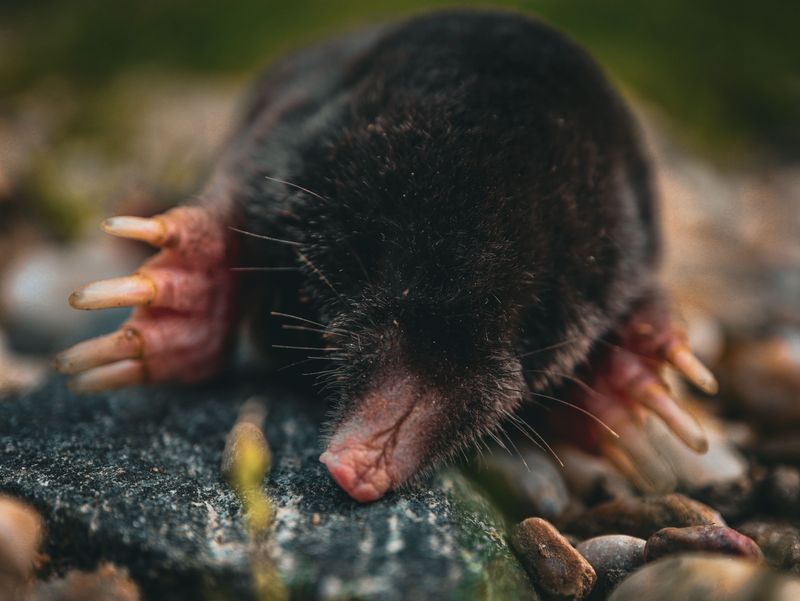
Sometimes the problem is bigger than any DIY fix can handle. When mole activity is widespread and persistent, a licensed wildlife control professional is your best next step.
Professionals bring tools, training, and experience that go far beyond what you can buy at a hardware store. They assess the full scope of the infestation and build a targeted removal plan.
Licensed wildlife control experts in Delaware are trained in humane and legal removal methods. They understand local regulations and ensure the process is handled responsibly from start to finish.
A professional inspection often reveals tunnel networks that are much larger than what is visible on the surface. Knowing the full layout helps target the most active areas with precision.
Many wildlife control companies also offer follow-up visits to monitor results and address new activity. That ongoing support is something no product on a store shelf can provide.
The cost of professional services varies, but most homeowners find it worthwhile after months of failed DIY attempts. Getting the job done right the first time saves money in the long run.
Ask for references and check licensing before hiring anyone. A reputable company will be transparent about their methods and happy to answer your questions upfront.
Professionals can also recommend long-term prevention strategies tailored to your specific yard layout. That personalized guidance is invaluable for keeping your lawn protected beyond just this season.
Do not wait until your entire lawn looks like a road map of raised ridges. Calling a professional early is the smartest move you can make for mole-proofing your Delaware lawn this season.