The One Thing North Carolina Tomatoes Need In July Or Blossom End Rot Will Destroy Your Harvest
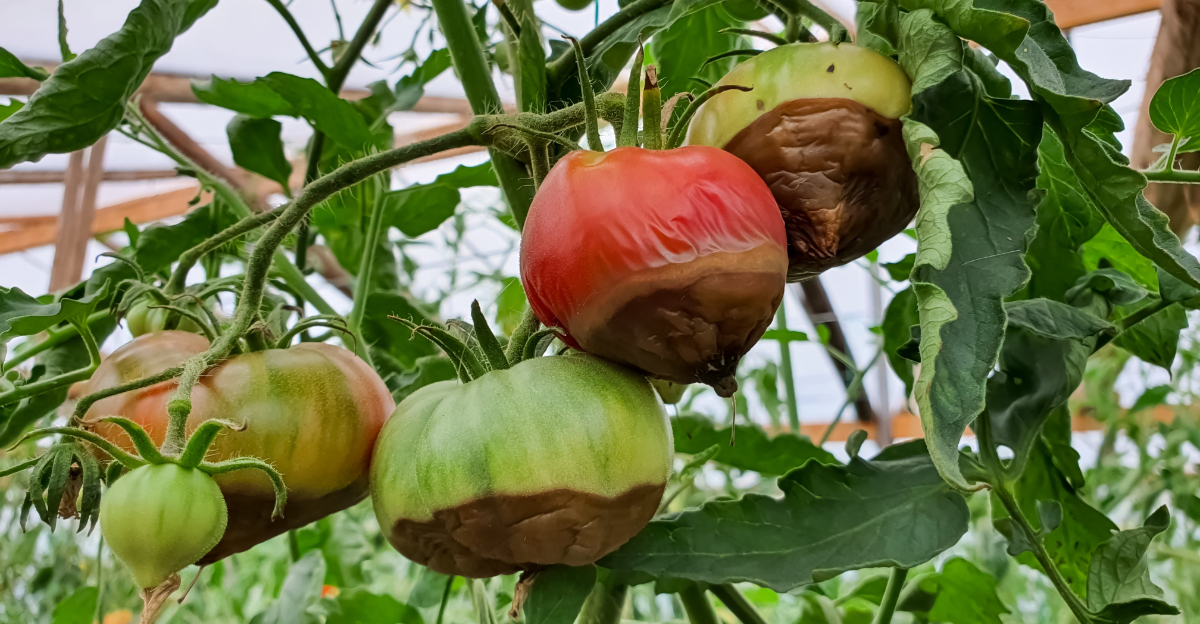
Blossom end rot is one of the most discouraging things a North Carolina tomato grower can encounter mid-season.
Partly because the damage is irreversible once it appears on a fruit and partly because it tends to show up right when the harvest should be hitting its stride.
The dark, sunken patches that develop on the bottom of affected tomatoes are not caused by a pathogen or pest, which means no spray is going to solve the underlying problem.
What drives blossom end rot in North Carolina July conditions comes down to one specific factor that is entirely within a gardener’s control, and addressing it correctly before symptoms appear is the only approach that actually protects the harvest.
Understanding what that factor is and how July’s specific conditions in this state make it worse is the starting point for keeping it from taking over the season.
1. July Moisture Swings Cause The Biggest Problem
Picture this: three dry days in a row, then a heavy summer downpour, then dry again. That back-and-forth is the number one enemy of healthy North Carolina tomatoes in July.
Keeping soil moisture steady is the single most important thing you can do this month, and most gardeners underestimate just how much those swings hurt developing fruit.
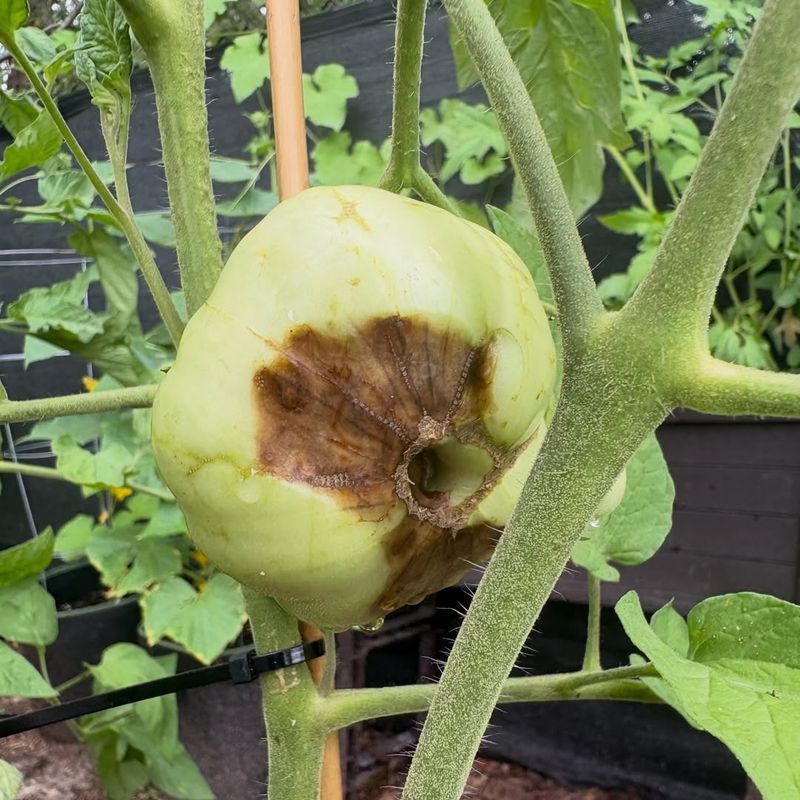
Blossom-end rot shows up as a dark, leathery patch on the bottom of tomatoes, and the root cause is calcium not reaching the fruit properly. Calcium does not move on its own.
Water carries it from the soil up through the plant and into developing tomatoes. When moisture goes up and down wildly, that delivery system gets interrupted, and young fruit suffers first.
North Carolina summers bring unpredictable rain, sudden dry spells, and intense heat that pulls moisture out of soil fast. Home gardeners often water by feeling or guessing, which makes the problem worse.
Checking soil moisture regularly, using a rain gauge, and watering on a consistent schedule helps smooth out those swings.
Steady moisture does not mean soggy soil. It means keeping the root zone evenly moist throughout the week.
You will not save every tomato once blossom-end rot starts on a fruit, but you can protect the next round of flowers and forming fruit by staying consistent right now. July is the month where your watering habits truly matter most.
2. Blossom-End Rot Is Usually Not A Simple Calcium Shortage
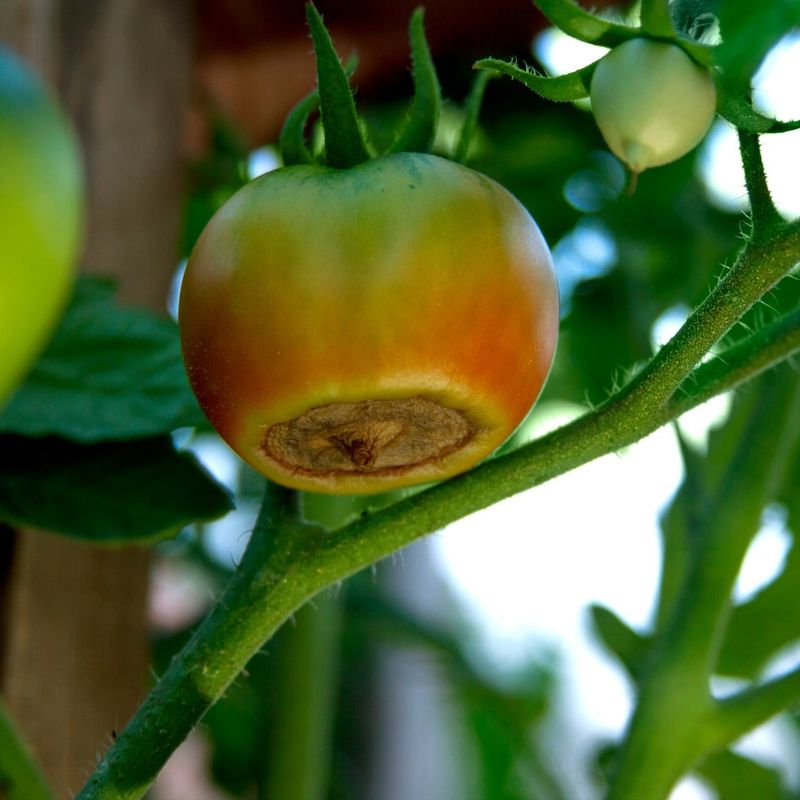
Many gardeners run straight to the garden center for calcium spray the moment they spot blossom-end rot, and honestly, that is a very understandable reaction. The problem looks like a deficiency, so a supplement seems logical.
But spraying calcium on leaves rarely solves the real issue, because most North Carolina garden soils already have enough calcium to support healthy tomatoes.
The actual problem is delivery, not supply. Tomatoes pull calcium from soil through their roots, carried upward by water movement through the plant.
When that water flow gets disrupted by dry spells, root damage, or extreme heat, calcium cannot reach developing fruit even when plenty of it sits right there in the soil. Spraying more calcium on top does not fix a broken delivery system.
Your North Carolina Garden Changes Every Week. Your Plan Should Too.
Gardening in North Carolina changes quickly throughout the season. Every Friday you’ll receive a simple weekly plan showing exactly what to plant, prune, fertilize, harvest, and protect so you never miss the right timing.
Soil pH plays a big role here too. Calcium becomes less available to plant roots when soil pH drops below 6.2.
North Carolina Cooperative Extension recommends a soil test before adding anything to your garden, because guessing at amendments can throw your soil chemistry further off balance.
A proper test tells you exactly what your soil needs and what it already has plenty of.
Managing moisture consistently, keeping mulch in place, protecting roots from disturbance, and maintaining proper soil pH are all more effective than random calcium applications.
Focus on the conditions that help calcium move freely through your plants, and you will see far better results than any quick-fix spray can deliver this July.
3. Tomatoes Need Steady Water During Fruiting
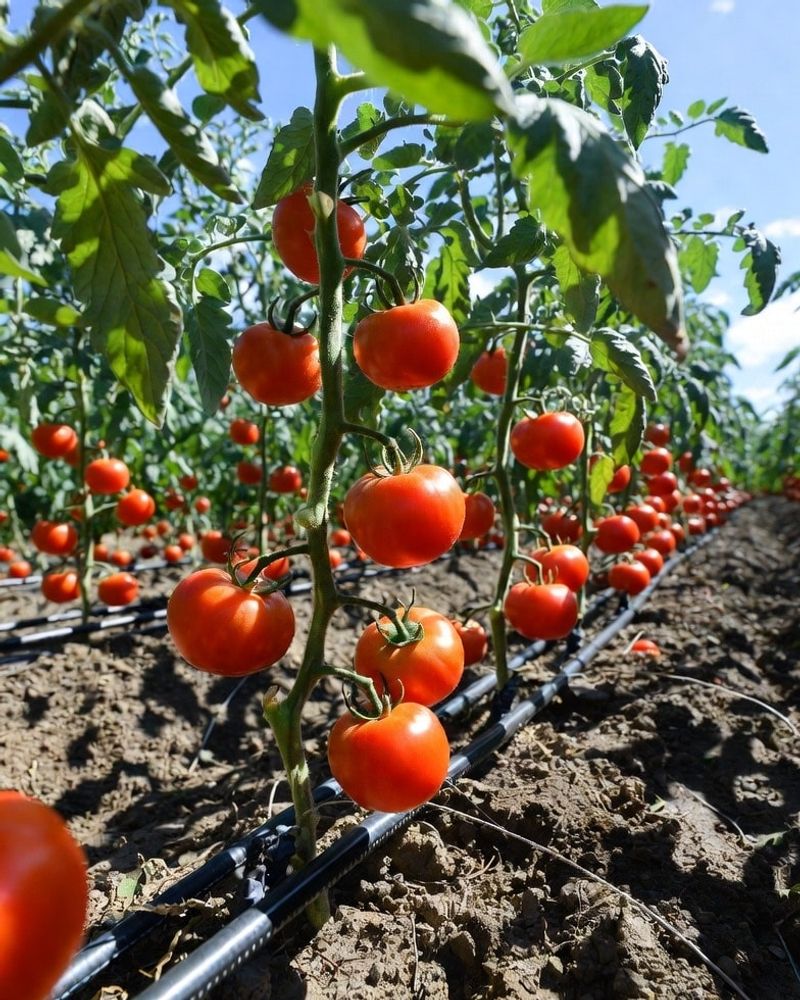
Once tomato plants start setting fruit, their water needs go up noticeably. This is not the time to water casually or skip days without checking.
Consistent moisture during fruiting is what keeps calcium moving and fruit developing the way it should, especially during North Carolina’s hot and often unpredictable July weather.
NC State University recommends that tomatoes receive about 1.5 inches of water per week during fruiting, coming from rainfall, irrigation, or a combination of both.
That number sounds simple, but hitting it accurately requires more than just eyeballing the garden after a rain shower.
A basic rain gauge is one of the most useful tools a tomato grower can own, and they cost almost nothing.
Place a rain gauge somewhere open in the garden and check it after every rainfall. If rain delivered one inch, your plants need about half an inch more from you that week.
If a storm dropped two inches in one afternoon, hold off on watering and let the soil drain properly before adding more. Matching irrigation to actual rainfall is far more precise than guessing based on how wet the ground looks on the surface.
Watering on a set schedule, like early morning every two or three days, works well as a starting point. Adjust based on what the rain gauge tells you and how quickly your specific soil dries out.
Sandy soils dry faster than clay-heavy ones, so NC gardeners with different soil types will need slightly different approaches to hit that 1.5-inch weekly target consistently.
4. Mulch Is The July Safety Layer
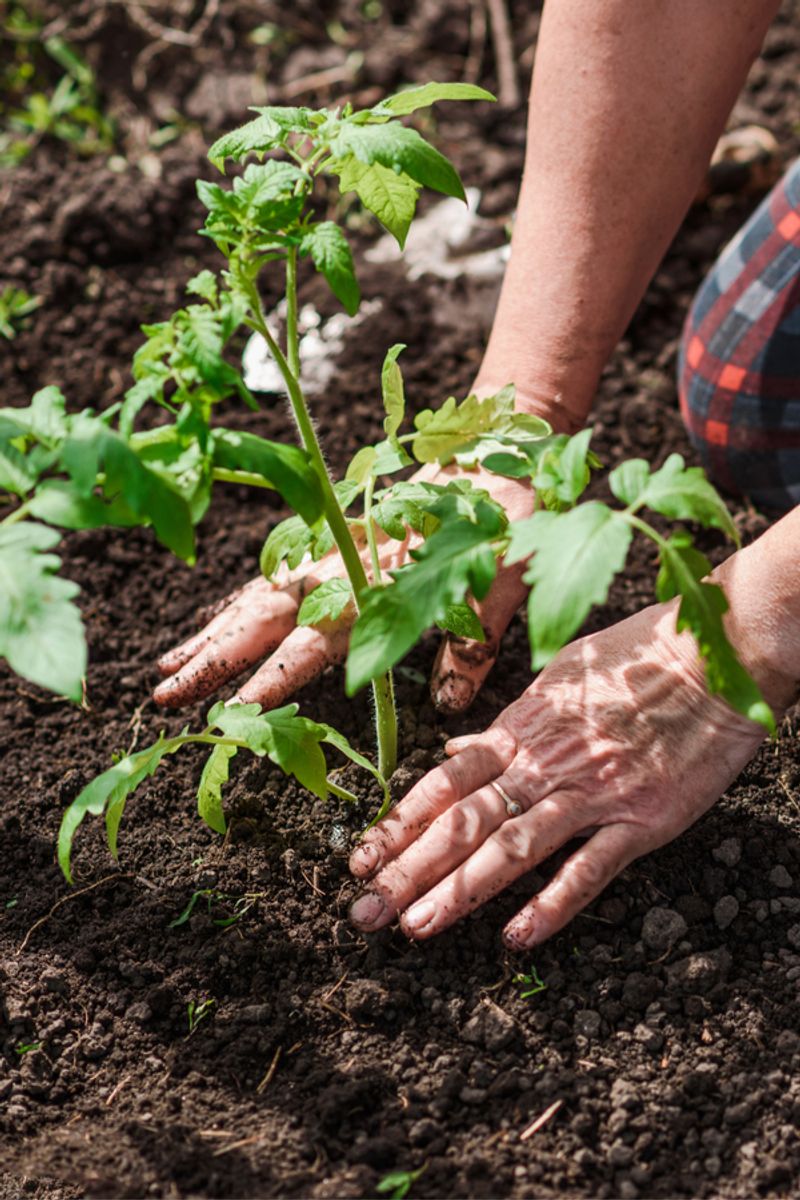
Straw spread around your tomato plants might not look exciting, but it quietly does some of the most important work in your July garden.
Mulch is the layer that keeps moisture from evaporating too quickly between waterings, smooths out soil temperature swings, and reduces the pressure that leads to blossom-end rot.
It is one of the easiest wins available to any home gardener. July sun in North Carolina is intense. Bare soil can heat up dramatically during the day and lose moisture rapidly, especially after a hot afternoon.
When soil dries out fast, roots struggle to pull up water steadily, and that inconsistency is exactly what causes calcium delivery problems inside developing fruit.
A three-to-four-inch layer of mulch acts like insulation, slowing down both heat gain and moisture loss throughout the day.
Good mulch options include straw, pine straw, shredded leaves, or clean organic material you have on hand.
Some gardeners lay a layer of newspaper directly on the soil before adding mulch on top, which adds extra moisture retention and helps manage weeds at the same time. Whatever material you choose, spread it out to cover the root zone evenly.
One important detail: keep mulch a few inches away from the main stem of each plant. Piling mulch directly against the stem can hold too much moisture there and create problems over time.
Mulch around the plant, not on it, and your tomatoes will reward you with steadier growth and far fewer blossom-end rot surprises through the rest of the season.
5. Water Deeply Instead Of Lightly
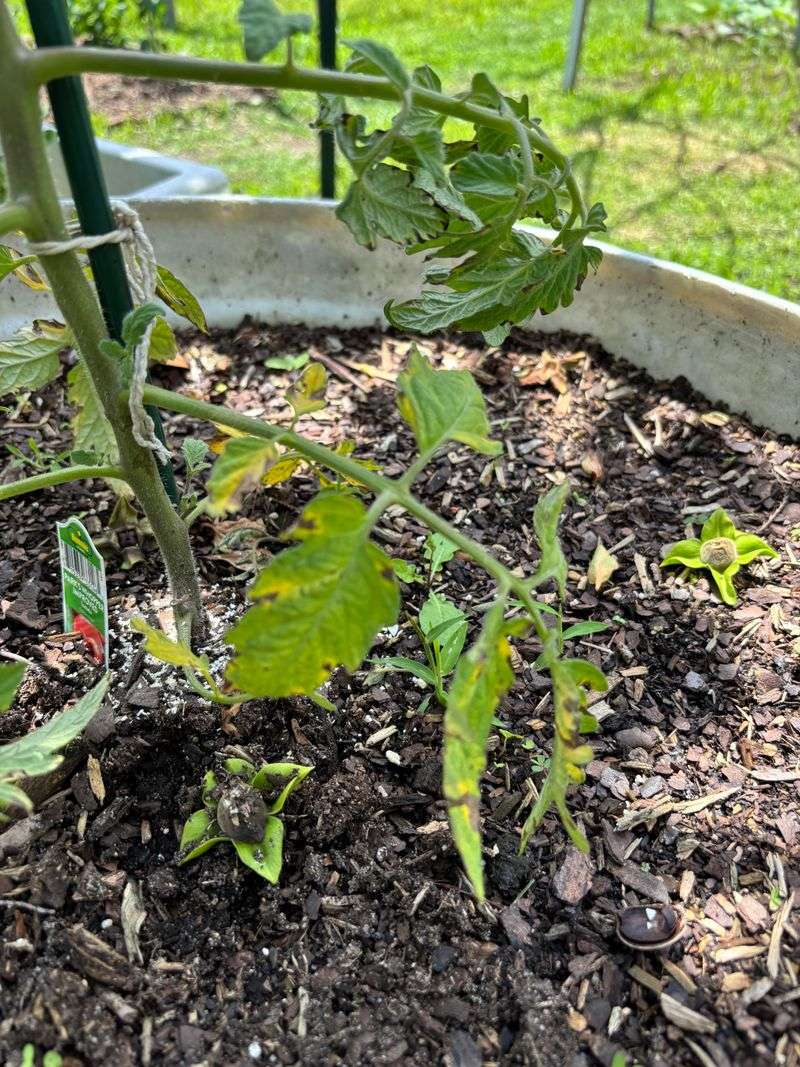
Quick splashes of water at the surface feel like watering, but they often do very little for tomato roots where it actually counts.
Surface moisture evaporates fast in July heat, and roots that stay dry deeper in the soil cannot pull up the steady water supply that keeps calcium moving into fruit.
Deep watering is a completely different approach, and it makes a real difference.
Drip irrigation and soaker hoses are the best tools for deep watering because they deliver water slowly and directly at soil level. Slow delivery gives water time to sink down into the root zone rather than running off or evaporating before it gets there.
A soaker hose left on for 30 to 45 minutes does more for your tomatoes than a quick overhead spray lasting five minutes.
If you water by hand with a garden hose, use a gentle flow setting and aim at the base of the plant rather than the foliage. Water slowly enough that the soil absorbs it without puddling.
Walking away and coming back to check how deep the moisture has reached is a good habit. Stick a finger or a thin rod into the soil a few inches away from the plant to see how far down moisture has traveled.
Deep watering also encourages roots to grow downward rather than staying near the surface. Deeper roots access more consistent soil moisture and hold up better during dry stretches.
Surface-rooted plants are much more vulnerable to the rapid moisture swings that trigger blossom-end rot, making deep watering one of the smartest habits to build right now in July.
6. Do Not Let Containers Swing From Dry To Soaked
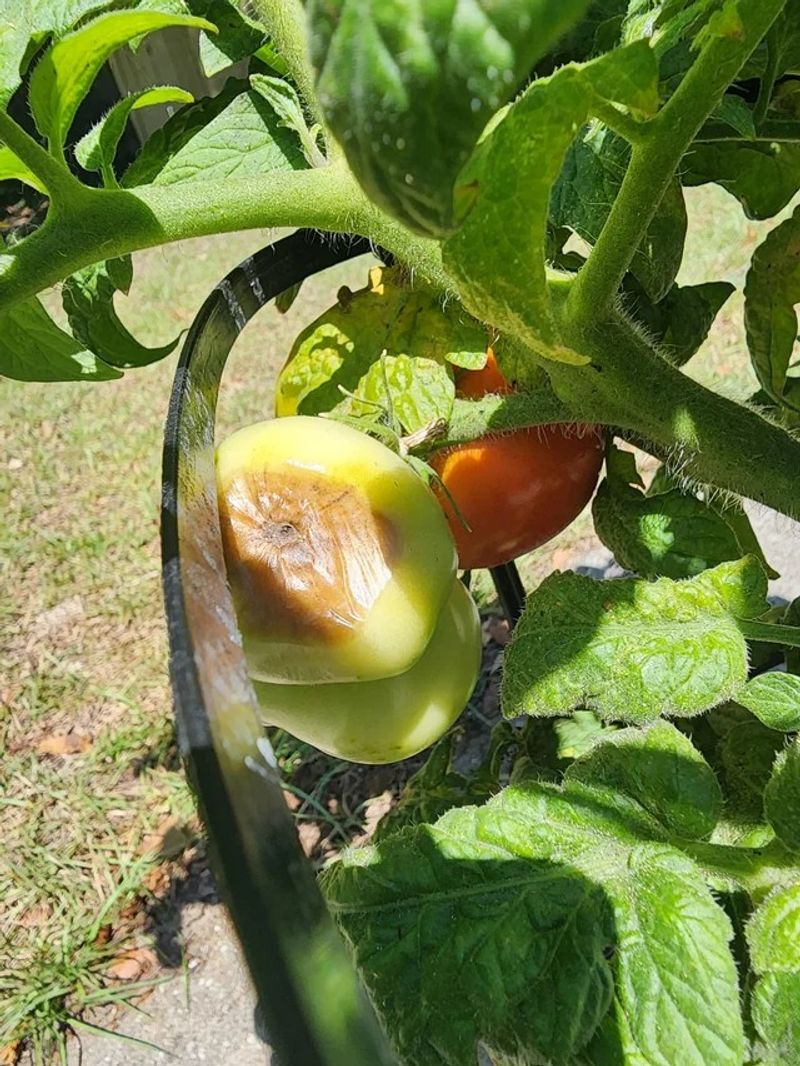
Growing tomatoes in containers on a porch or patio is popular in North Carolina, but those pots come with a unique challenge in July. Container soil heats up much faster than ground soil, and it dries out far more quickly too.
That combination creates the exact moisture swing conditions that make blossom-end rot more likely, and it can happen within a single hot afternoon.
Small pots are especially risky because they hold less soil and less moisture overall. A five-gallon pot might need watering every single day during a hot July week, sometimes even twice on the hottest days.
Larger containers, ideally fifteen gallons or more, hold more soil volume and stay moist longer between waterings, giving tomato roots a more stable environment to work with.
Good drainage is non-negotiable for container tomatoes. Pots without proper drainage holes can hold standing water at the bottom, which causes root problems that also interrupt calcium uptake.
Drainage holes at the bottom of the pot allow excess water to escape while still keeping the root zone moist at the right level.
Adding a thin layer of straw or shredded mulch on top of the container soil helps slow down surface evaporation noticeably. Check containers every morning by pressing a finger an inch into the soil.
If it feels dry at that depth, water thoroughly until it runs out of the drainage holes. Never wait until the plant looks wilted to water, because by that point the stress has already affected developing fruit and the damage is already underway.
7. Protect Roots From Disturbance
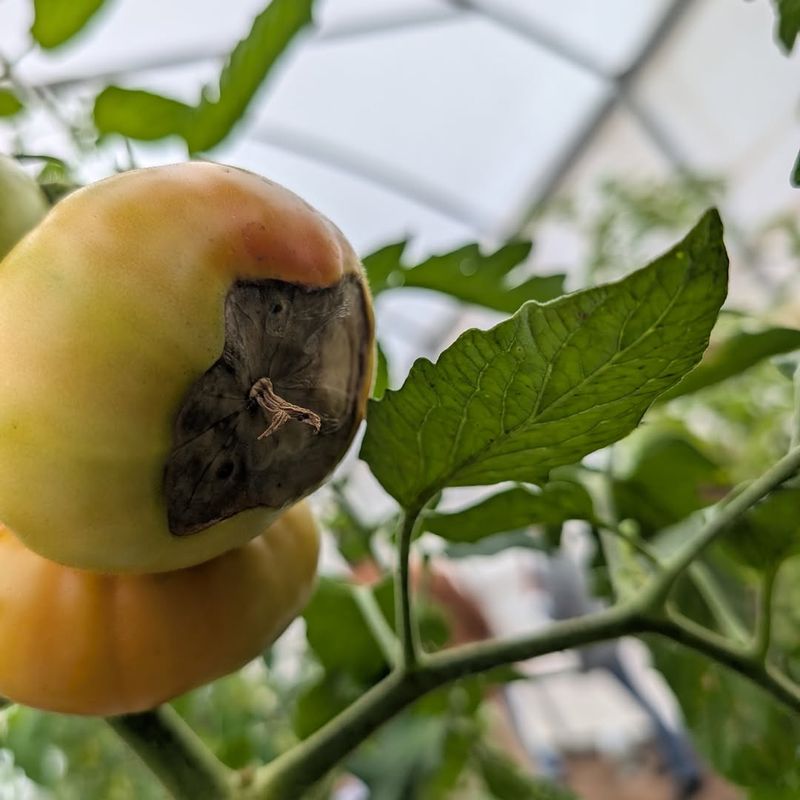
Tomato roots do more than anchor the plant into the ground. They are the entire supply chain for water and calcium moving up into the fruit.
When those roots get damaged or disturbed, that supply chain breaks down, and developing tomatoes pay the price. Protecting roots in July is one of the quieter but genuinely important jobs in the garden.
Rough hoeing or digging around the base of tomato plants is one of the most common ways gardeners accidentally cause problems.
Tomato roots spread widely and sit relatively close to the soil surface, meaning a hoe swung a foot away from the stem can easily slice through important roots.
Once roots are cut, the plant has to work harder to move moisture and nutrients, and blossom-end rot risk goes up.
Hand-pulling small weeds near the base of plants is a much safer approach than using tools close to the root zone. Pull weeds when they are still small, before their roots tangle with tomato roots.
If weeds have gotten large, snipping them off at soil level is better than yanking them out and disturbing the surrounding soil in the process.
Keeping a consistent layer of mulch in place through July also helps by suppressing weed growth and reducing the need to cultivate around plants at all. Fewer weeds mean fewer reasons to dig near roots.
Think of the mulch layer and careful weed management together as a root protection system that works quietly in the background, keeping your plants steady and well-supplied all month long.
8. Avoid Heavy Nitrogen Feeding In July
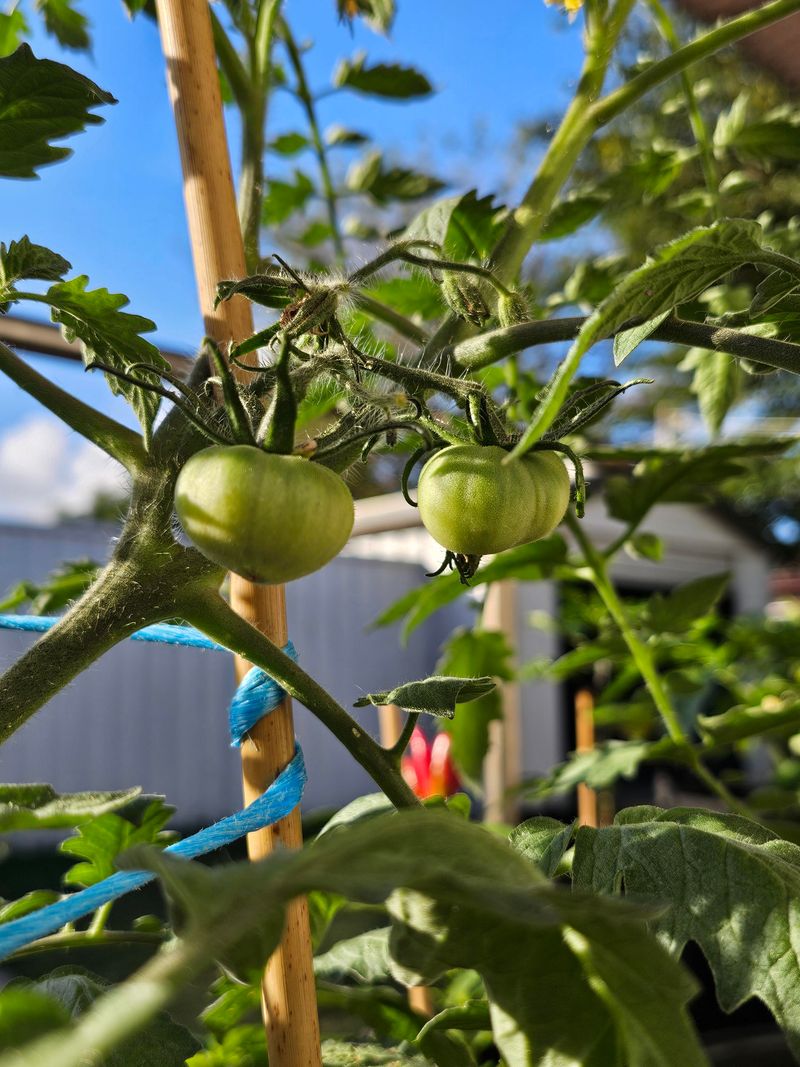
Fertilizer feels like a positive thing, something you give your plants to help them thrive. But in July, too much nitrogen can actually work against your tomatoes rather than for them.
Heavy nitrogen feeding pushes the plant to produce lots of leafy green growth, and all that new foliage competes with developing fruit for the water and nutrients the plant is moving around internally.
More leaves mean more surface area losing moisture through transpiration, which makes it harder to maintain the steady soil moisture that calcium delivery depends on.
A plant that is pushing out lush new growth while also trying to develop fruit under July heat is under real stress, even if it looks green and vigorous from a distance. That stress shows up later as blossom-end rot on the fruit already forming.
Feeding based on a soil test is the most reliable approach. North Carolina Cooperative Extension offers affordable soil testing that tells you exactly what your garden needs rather than leaving you guessing.
Following soil test recommendations or the conservative guidelines on a fertilizer label protects your plants from the problems that come with over-feeding.
If you have not done a soil test yet, stick with a balanced or low-nitrogen fertilizer applied at the lower end of label directions for fruiting tomatoes.
The July plan for North Carolina tomatoes is straightforward: keep moisture steady, mulch the root zone, water deeply at soil level, protect roots from rough handling, feed conservatively, and resist the urge to add calcium without testing first.
Simple, consistent care is what gets tomatoes to the table.