The Yard Mistakes That Make Carpenter Bee Problems Worse Around North Carolina Homes Every Year
Every spring in North Carolina, the carpenter bees come back. And if it feels like they are showing a little too much interest in your deck, porch ceiling, railings, fence, or shed, you are probably not imagining it.
These large hovering bees are not just passing through your yard on the way to the flower bed.
The ones buzzing around your eaves and wooden trim are actively shopping for a nesting spot, and certain yard and home maintenance habits can make your property look like the most desirable address on the block.
The genuinely encouraging part is that a lot of carpenter bee activity around North Carolina homes comes down to a handful of very avoidable mistakes.
Know what draws them in and you are already most of the way toward a much quieter spring season.
1. Leaving Bare Wood Exposed Around The Yard
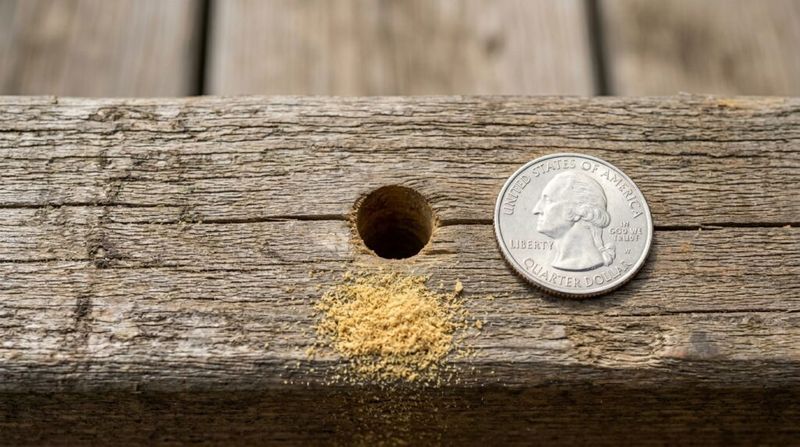
That rough, silvery-gray fence board you have been meaning to paint for two summers is practically an open invitation for carpenter bees every spring.
Bare wood is one of the most attractive nesting surfaces for carpenter bees because it requires less effort to tunnel through than sealed or painted surfaces.
Across North Carolina, unpainted fence boards, raw deck framing, unfinished pergola posts, and bare garden structures are common problem areas that homeowners overlook until they spot round holes and sawdust piles below.
Carpenter bees prefer softer wood species like pine and cedar, and when those boards are left bare and exposed to sun and humidity, the grain opens up and becomes even easier to tunnel into.
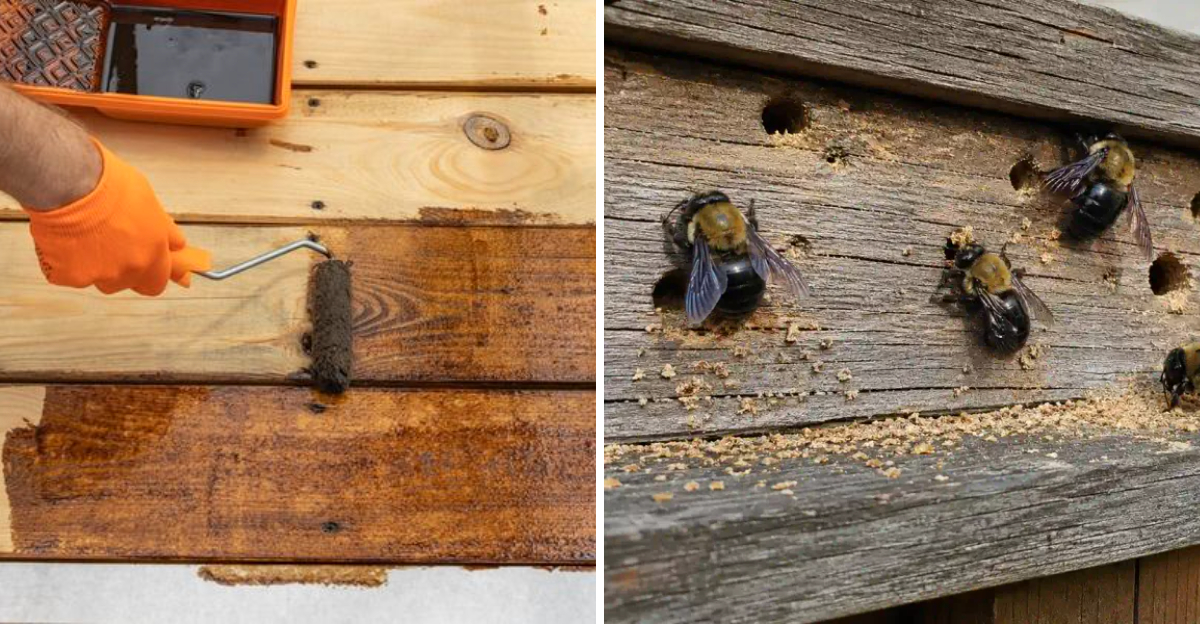
Female carpenter bees chew almost perfectly round entry holes about half an inch wide, then tunnel sideways to create nesting galleries inside the wood.
Over time, multiple generations return to expand old galleries, making the damage worse each year.
Protecting bare wood before carpenter bee season begins in late winter or early spring is one of the most practical steps North Carolina residents can take. Applying a quality exterior paint or sealant to exposed wood surfaces reduces their appeal significantly.
Even raw fence boards along the property line or garden bed edging boards deserve a coat of protection.
Leaving any wood surface bare and weathered throughout the year gives carpenter bees a longer window of opportunity to scout and settle in around your home.
2. Letting Paint Or Varnish Wear Off
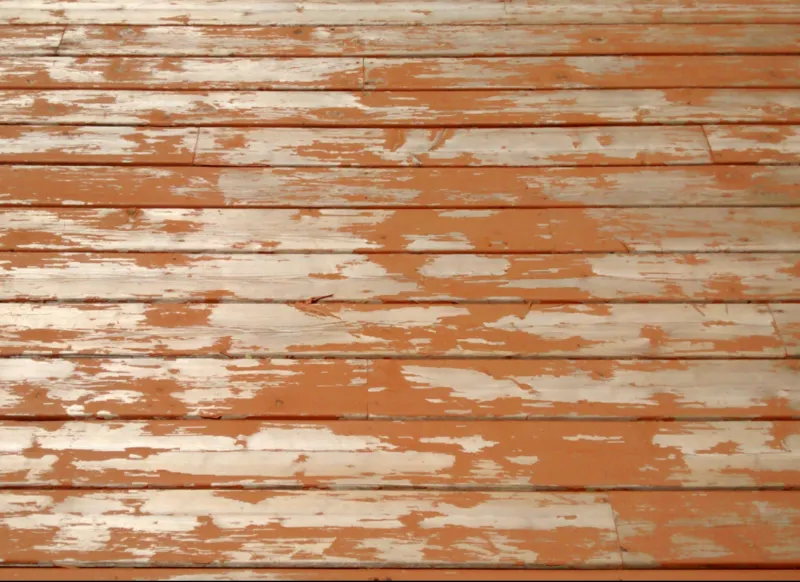
Peeling paint on a porch railing might seem like a cosmetic issue, but for carpenter bees scouting for nesting sites each spring, it signals something much more useful.
When paint or varnish wears away, it exposes the raw wood underneath, and that exposed grain is exactly what a female carpenter bee is looking for.
North Carolina homes with decks, porches, pergolas, and outdoor furniture are especially prone to this issue because the combination of hot summers, humidity, and UV exposure breaks down exterior finishes faster than in cooler climates.
Once the finish cracks and peels, the wood beneath absorbs moisture, softens slightly, and becomes noticeably easier to tunnel into.
Your North Carolina Garden Changes Every Week. Your Plan Should Too.
Gardening in North Carolina changes quickly throughout the season. Every Friday you’ll receive a simple weekly plan showing exactly what to plant, prune, fertilize, harvest, and protect so you never miss the right timing.
Homeowners often notice carpenter bee activity ramping up in areas where the paint has worn the most, particularly on south and west-facing surfaces that take the most sun.
Porch ceilings, railing posts, deck fascia boards, and the underside of eaves are all spots where finishes tend to fail first.
Staying on top of exterior paint and varnish maintenance is one of the most effective long-term ways to reduce carpenter bee nesting around your home.
Inspecting your exterior wood surfaces each fall and touching up worn areas before spring arrives gives you a real advantage.
A full repaint every few years, combined with annual touch-ups on high-wear spots, keeps wood surfaces less appealing to carpenter bees throughout the active season in North Carolina and helps prevent damage from compounding year after year.
3. Using Stain As The Main Protection
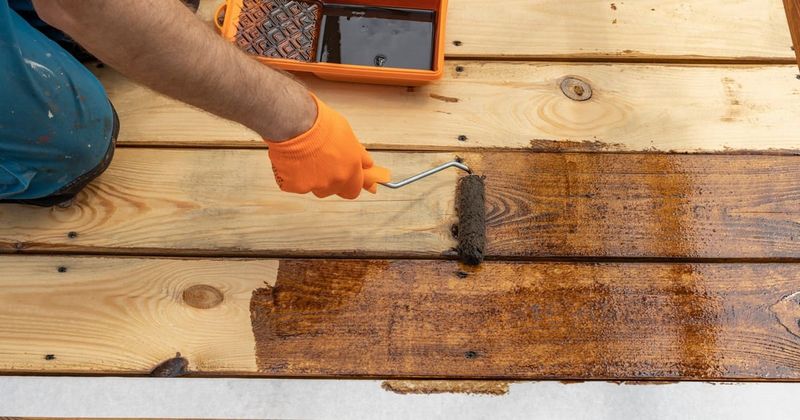
Wood stain gives outdoor structures a beautiful, natural look that many North Carolina homeowners prefer over solid paint, and there is nothing wrong with that choice aesthetically.
The problem comes when stain is treated as a complete substitute for a proper sealing finish.
Most semi-transparent and even solid-color stains penetrate the wood rather than forming a hard protective film on the surface, which means the wood grain and texture remain accessible in ways that a good exterior paint or film-forming sealant would block.
Carpenter bees are attracted to wood texture and grain, and a stained board still has both. While stain does add some protection against moisture and weathering, it does not create the same physical barrier that a quality exterior paint provides.
Over time, stained surfaces also need reapplication, and when that maintenance gets delayed, the wood can become more vulnerable to both weathering and carpenter bee interest.
Decks, pergolas, and fence boards that are stained but never painted tend to show more carpenter bee activity than well-painted surfaces in similar conditions.
If you prefer the look of stain on your outdoor wood structures, consider pairing it with a clear film-forming topcoat for added surface protection.
Some homeowners in North Carolina also choose to paint structural or less visible wood like fascia, eaves, and porch framing while keeping stain on decorative surfaces.
Combining approaches rather than relying solely on stain can meaningfully reduce how attractive your wood surfaces are to nesting carpenter bees each season.
4. Ignoring Old Carpenter Bee Holes
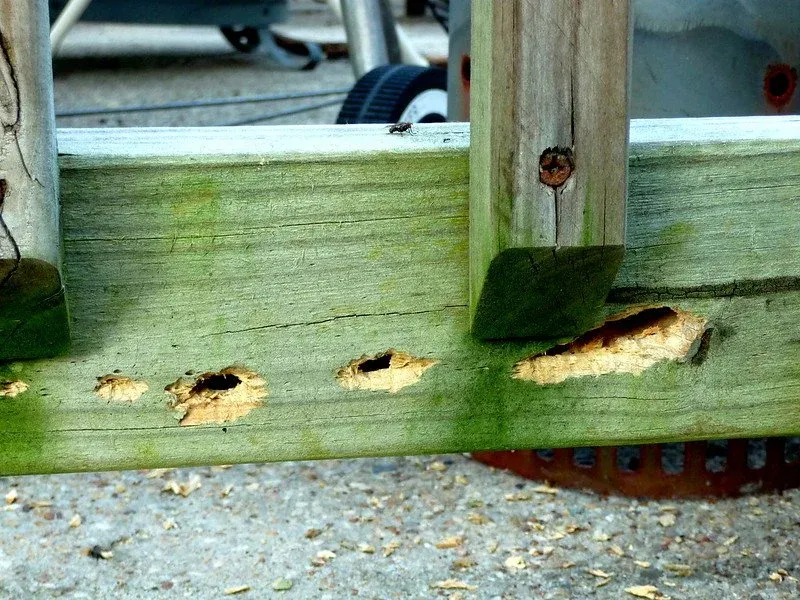
Spotting a round hole in a deck beam or porch post and deciding to deal with it later is one of the most common ways carpenter bee problems grow from season to season. Old carpenter bee holes are not just signs of past activity.
They are active invitations for future nesting, both from the original bees returning and from new ones scouting for ready-made galleries.
Carpenter bees frequently return to the same wood and even reuse or expand old tunnels rather than starting fresh ones, which means an ignored hole this spring can become three or four holes by next spring.
The tunnels inside old holes are often longer and more branched than they appear from the outside. A single entry hole can lead to a gallery that extends six inches or more into the wood, with side chambers used for egg laying.
Over multiple seasons, these galleries weaken structural wood and can attract other insects as well.
Woodpeckers in North Carolina sometimes make existing carpenter bee damage worse by pecking into infested beams to reach the larvae inside, causing even more visible surface damage.
Filling old holes with an appropriate wood filler or caulk and then painting over the repaired area is a practical step that reduces the appeal of previously damaged wood. Timing matters here.
Filling holes in late winter or very early spring, before carpenter bees become active, is generally more effective than waiting until you see activity around the holes again.
Addressing old damage early each year is a straightforward habit that can slow the cycle considerably.
5. Waiting Too Long To Repair Damaged Boards
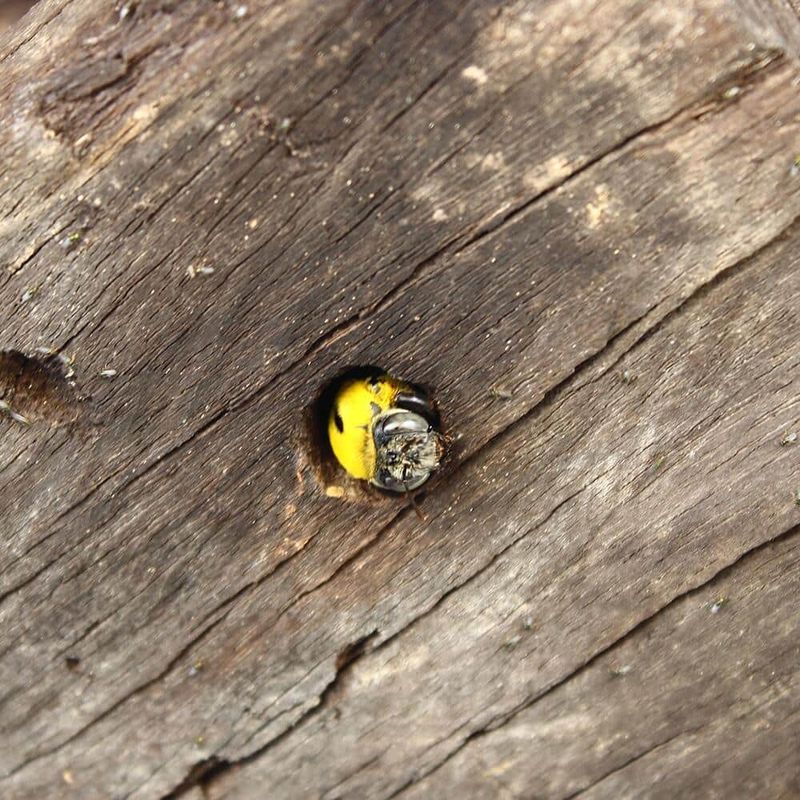
Cracked, split, or softened boards on a deck or fence might not seem urgent, but from a carpenter bee perspective, damaged wood is some of the most desirable real estate available.
When boards crack along the grain, warp from moisture, or begin to soften from rot, the internal wood fibers become looser and easier to tunnel through.
Female carpenter bees are known to favor wood that takes less effort to work with, and damaged boards often require far less effort than sound, well-maintained ones.
In North Carolina, the combination of warm, humid summers and cool winters puts outdoor wood through a significant stress cycle every year.
Boards that were in good shape two seasons ago may have cracked, cupped, or begun to soften without being obvious from a distance.
Homeowners who do a close inspection of their deck, fence, pergola, and shed boards each spring are often surprised by how much subtle deterioration has occurred over the winter months.
Replacing or repairing damaged boards before carpenter bee season ramps up in late winter and early spring reduces the number of vulnerable nesting sites around your home.
Even a board that looks mostly solid but has surface cracks or a soft spot in the middle can become an entry point.
Patching minor cracks with exterior wood filler, replacing boards that are too far gone to repair, and keeping all repaired surfaces painted or sealed gives you a much better starting position heading into the active season each year in North Carolina.
6. Keeping Soft, Unfinished Wood Near The House
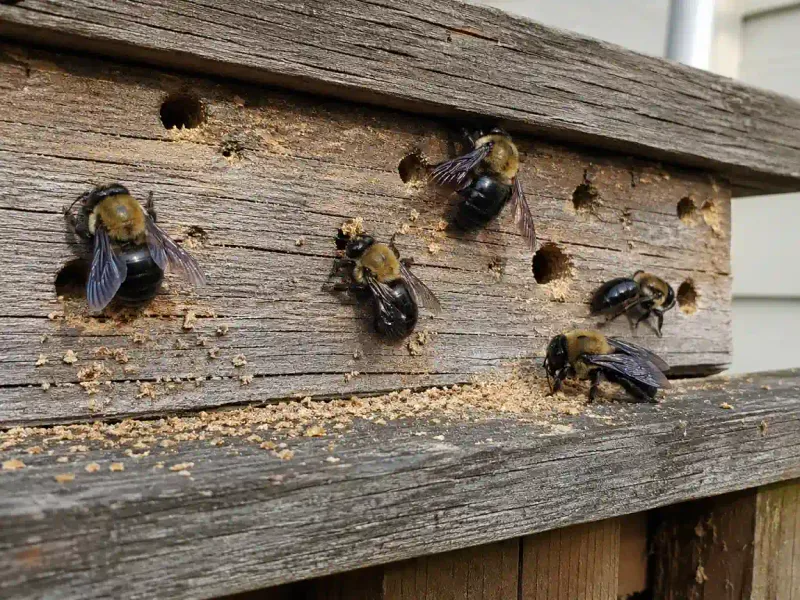
A pile of untreated lumber stored against the side of a shed, a stack of firewood tucked close to the porch, or an unfinished wooden planter box sitting near the foundation can all draw carpenter bees closer to your home than you might expect.
Soft, unfinished wood is among the easiest material for carpenter bees to tunnel into, and having it stored near the house essentially sets up a welcome station right next to your more valuable structures.
Pine, cedar, and fir are common soft woods used in home building and outdoor projects across North Carolina, and they happen to be among the wood types carpenter bees tend to choose most readily when looking for nesting sites.
Raw, unfinished lumber left outdoors absorbs moisture from North Carolina’s humid air, which softens the wood further and makes it even more workable for nesting bees.
Once carpenter bees establish themselves in stored wood near the house, they may eventually explore adjacent siding, trim, or structural beams as well.
Moving stored lumber and firewood away from the main structure and keeping it off the ground is a practical step that many homeowners overlook.
If you are working on a building project and need to store wood near the house temporarily, covering it with a tarp can reduce exposure.
Finishing or painting any outdoor wood projects promptly rather than leaving them unfinished for months also removes a potential nesting option from the immediate area around your North Carolina home each spring.
7. Overlooking Porch Ceilings, Railings, Eaves, And Trim
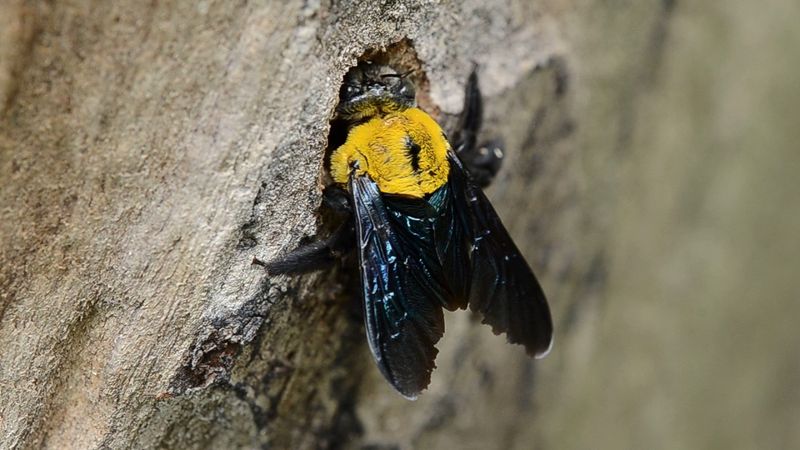
Porch ceilings and eaves are easy to forget about during routine yard maintenance because they are overhead and not at eye level, but they are among the most common carpenter bee nesting spots on North Carolina homes.
The underside of porch ceilings, the wood trim along rooflines, the ends of rafter tails, and the top surfaces of railing posts all tend to collect moisture and lose their finish faster than vertical surfaces.
They also go longer without being repainted simply because they are harder to see and reach.
Female carpenter bees often prefer horizontal or slightly angled surfaces for nesting because those orientations shed water more naturally and keep the gallery drier.
Porch ceiling boards, the undersides of deck joists, and the tops of beam ends fit that preference well.
Homeowners in North Carolina often notice sawdust collecting on porch floors or below railings in spring, which is usually the first visible sign that carpenter bees have started tunneling somewhere overhead.
Making overhead and out-of-the-way wood surfaces part of your regular exterior inspection routine can catch problems before they expand.
Walking the perimeter of your home and looking up at eaves, trim, rafter tails, and porch ceilings at least once a year, ideally in late winter before carpenter bee season begins, helps identify worn finishes and old holes that need attention.
Keeping these overlooked surfaces painted and in good repair is one of the most underrated ways to reduce recurring carpenter bee activity around your home in North Carolina each year.
8. Relying Only On Short-Lived Surface Sprays
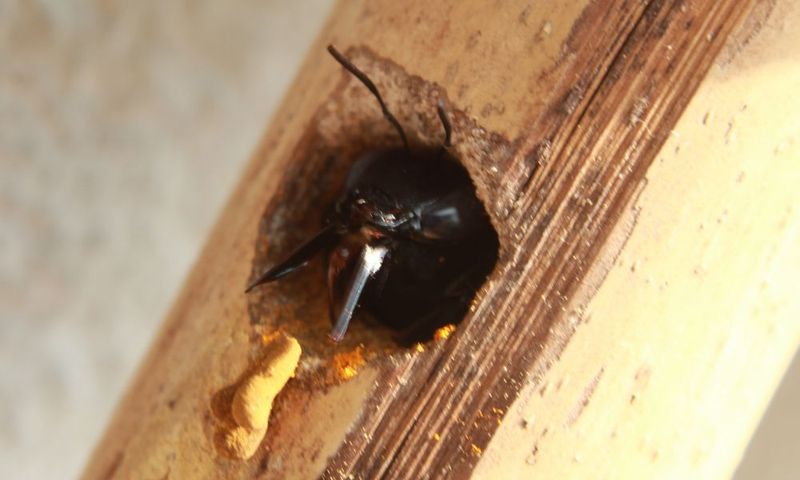
Reaching for a can of spray at the first sign of carpenter bee activity is a completely understandable reaction, and surface sprays do have a role in managing carpenter bees around the home.
The issue comes when sprays become the only strategy, year after year, without addressing the wood conditions that keep attracting bees back in the first place.
Most surface-applied sprays break down relatively quickly when exposed to sun, rain, and humidity, which means their effectiveness tends to fade within days or weeks rather than providing season-long protection.
North Carolina’s warm and wet spring weather can shorten the useful life of outdoor spray applications significantly. A treatment applied in March may offer little residual protection by May, just as carpenter bee activity is reaching its peak.
Homeowners who spray repeatedly without seeing lasting results are often dealing with a wood condition problem rather than a spray effectiveness problem.
The bees keep returning because the underlying attraction, bare, weathered, or soft unfinished wood, has not been addressed.
Sprays can be a useful short-term tool when combined with wood repair, repainting, and hole filling, but they work best as part of a broader approach rather than as a standalone solution.
If you are applying sprays every spring and still noticing the same level of activity, that is a signal to look more closely at the condition of your wood surfaces.
Focusing energy on long-term wood protection tends to produce more consistent results over multiple seasons for North Carolina homeowners dealing with recurring carpenter bee activity.