6 North Carolina Vines Worth Keeping Under Control And 2 You Should Remove Completely
Vines are basically the overachievers of the North Carolina garden. Give them a fence, a trellis, or even a slightly neglected corner and they will absolutely run with it.
The good ones can cover a bare structure in a single season, shade a hot porch by midsummer, and pull in butterflies, hummingbirds, and bees like they are hosting their own little wildlife festival.
But here is where things get interesting: not every fast growing vine deserves a spot in your yard.
North Carolina is home to some genuinely beautiful native vines that reward you when given the right support and regular pruning.
It is also home to a couple of invasive ones that cause enough long-term damage to surrounding trees and shrubs that removal is honestly the smarter and kinder choice for your whole landscape.
1. Virginia Creeper Can Stay With A Firm Hand
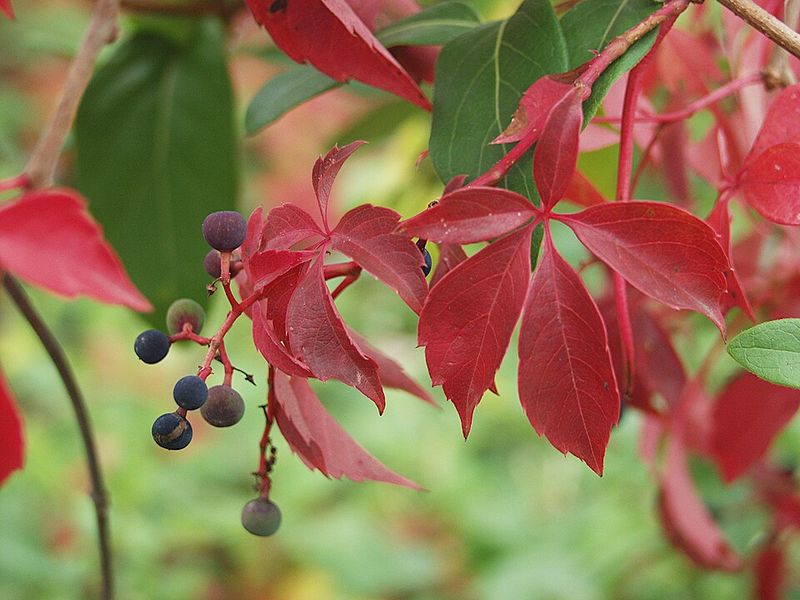
Climbing up a fence post or scrambling across a stone wall, Virginia Creeper is one of those vines that catches your eye in the fall when its leaves turn a rich, deep red. It is a native vine in North Carolina, which means it has real value for local wildlife.
Birds love the small dark berries it produces in late summer and fall, and the dense foliage offers cover for insects and small animals throughout the growing season.
The challenge with Virginia Creeper is that it grows fast and reaches far. Without regular pruning, it will move into trees, cover shrubs, and spread well beyond where you first planted it.
It climbs by attaching small adhesive pads to surfaces, which means it can damage painted wood or brick if left unchecked for too long.
For gardeners who want to keep it, a sturdy trellis or wooden fence works well as a host structure. Plan to trim it back at least once a year, ideally in late winter before new growth starts.
Keeping it off your trees is especially important, since heavy coverage can stress the canopy over time.
With consistent attention, Virginia Creeper rewards you with seasonal color, wildlife activity, and attractive coverage without crossing into invasive territory in North Carolina landscapes.
2. Trumpet Vine Brings Color But Needs Boundaries
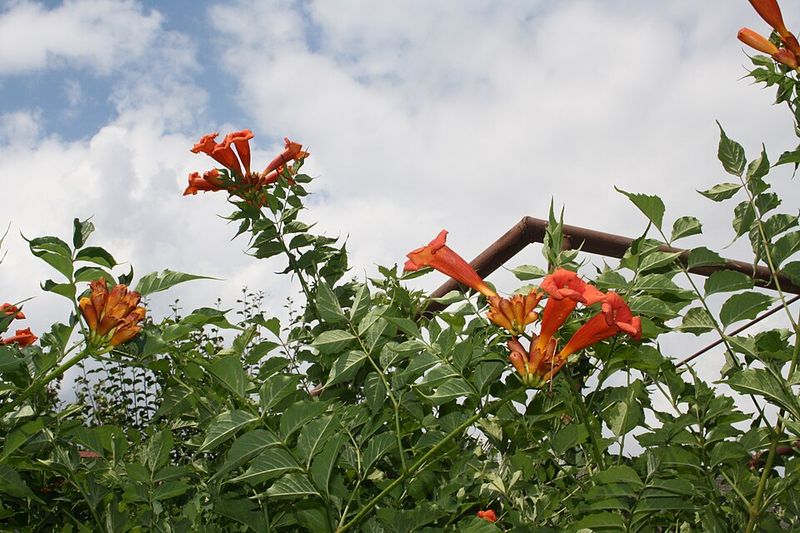
Few vines make a summer garden pop the way Trumpet Vine does.
Those bold orange or red tubular flowers draw hummingbirds from what seems like miles away, and the blooms keep coming through the hottest months of a North Carolina summer when many other plants take a break.
It is native to the eastern United States, including North Carolina, which gives it solid credentials as a wildlife-friendly choice.
The problem is that Trumpet Vine is genuinely aggressive. It spreads through underground runners, self-seeds readily, and can send up new shoots several feet away from the original plant.
If you plant it near a fence line without a plan, it will eventually cross into neighboring beds or even work its way under pavement.
Giving Trumpet Vine a dedicated structure like a strong arbor or a metal trellis away from other plantings is a smart approach. Removing the seed pods before they mature helps reduce unwanted spread.
Your North Carolina Garden Changes Every Week. Your Plan Should Too.
Gardening in North Carolina changes quickly throughout the season. Every Friday you’ll receive a simple weekly plan showing exactly what to plant, prune, fertilize, harvest, and protect so you never miss the right timing.
Cutting back suckers as soon as they appear keeps the plant where you want it. Gardeners who commit to pruning two or three times a season tend to get the best results.
The payoff is real: a wall of summer color and a steady stream of hummingbirds that will visit your yard all season long.
3. Crossvine Shines When It Has A Place To Climb
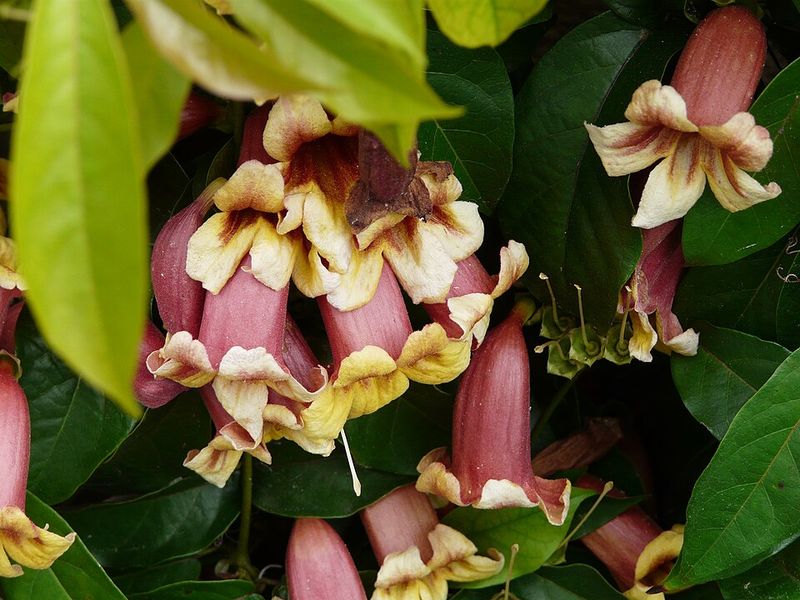
Early spring brings one of the nicest surprises a gardener can find: Crossvine in full bloom. The flowers are trumpet-shaped and come in shades of orange, red, and yellow, often appearing before many other plants have even leafed out.
Hummingbirds that return to North Carolina in spring find Crossvine to be an early and reliable food source, which makes it a genuinely useful plant for wildlife-friendly gardens.
Crossvine is a native, semi-evergreen vine that climbs by using tendrils with adhesive discs, similar to Virginia Creeper.
It handles the heat and humidity of a North Carolina summer without much complaint and can tolerate some shade, which makes it flexible enough for a range of garden spots.
On a fence, arbor, or porch post, it fills in quickly and looks attractive through most of the year.
Like most vigorous vines, Crossvine does need some direction. It can spread beyond its original spot if not monitored, and it may try to move into nearby shrubs or trees if given the chance.
Pruning after the main bloom period in spring helps keep the plant tidy and encourages better flowering the following year.
For homeowners looking for a native vine with early-season color and real wildlife value, Crossvine is one of the better options available.
4. Coral Honeysuckle Adds Beauty Without Taking Over
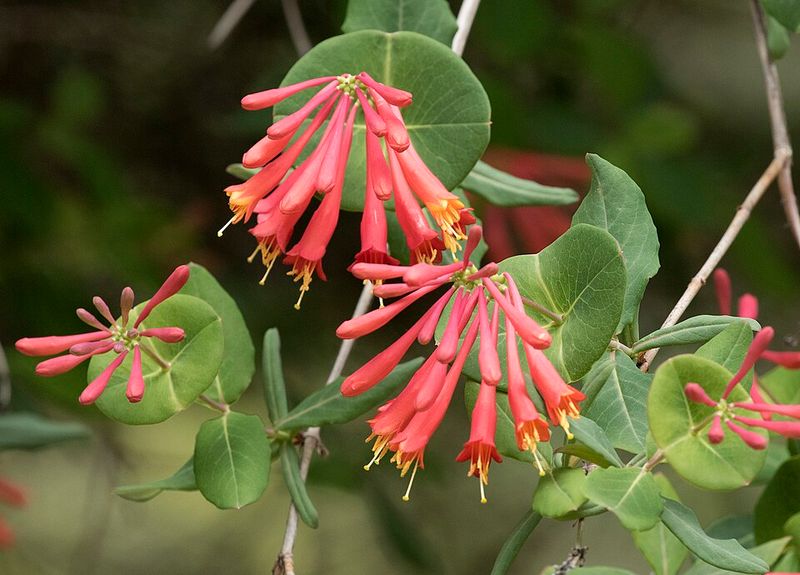
Of all the native vines North Carolina gardeners can choose from, Coral Honeysuckle might be the one that causes the least trouble while still delivering impressive results.
The flowers are slender, tubular, and coral red, blooming from spring through fall in most parts of North Carolina.
Hummingbirds and butterflies visit them regularly, and the red berries that follow provide food for songbirds through the colder months.
What sets Coral Honeysuckle apart from its invasive relative, Japanese Honeysuckle, is its restrained growth habit. It twines rather than smothers, and it does not spread aggressively through seed or runners the way invasive vines tend to.
It works well on trellises, fences, and mailbox posts, and it stays manageable with minimal pruning compared to more vigorous vines on this list.
Coral Honeysuckle prefers a spot with good sun and decent drainage, though it can handle some afternoon shade in the warmer parts of North Carolina. Giving it a simple support structure at planting time helps it establish a clean, upright habit early on.
Once settled in, it is a low-maintenance vine that rewards you with months of color and wildlife activity without requiring constant attention.
For gardeners who want beauty and wildlife value without a major management commitment, Coral Honeysuckle is a genuinely satisfying choice.
5. Maypop Passionflower Needs Room To Roam
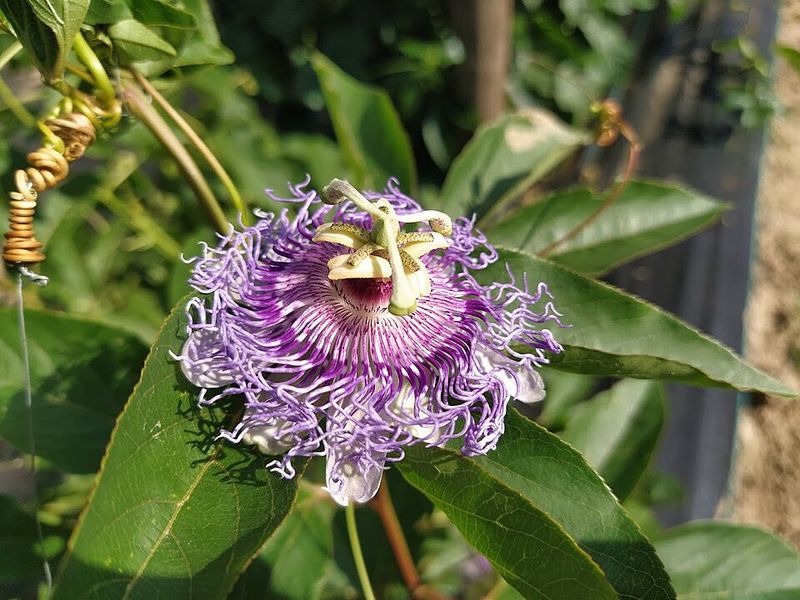
There is nothing quite like a Maypop Passionflower bloom to stop a garden visitor in their tracks.
The flowers are genuinely exotic-looking, with layered petals, fringe-like filaments in purple and white, and a structure unlike almost anything else growing in a North Carolina backyard.
Despite its tropical appearance, Maypop is a true North Carolina native that has been growing in fields, roadsides, and woodland edges here for centuries.
Beyond its looks, Maypop has real ecological value. It is the host plant for Gulf Fritillary and Zebra Longwing butterfly caterpillars, and the yellow egg-shaped fruits that follow the flowers are edible and attract wildlife through late summer and fall.
Pollinators of many kinds visit the flowers, making it a solid addition to any wildlife-friendly garden in North Carolina.
The main thing to know before planting Maypop is that it spreads by underground runners and can pop up several feet from the original plant, which is how it earned its common name.
A dedicated garden bed with edging, or a spot along a fence where spreading is less of an issue, tends to work better than tucking it in among other perennials.
Regular removal of unwanted shoots keeps it in check. With enough space and a little patience, Maypop delivers some of the most striking flowers you will find in any garden.
6. American Wisteria Looks Best With Strong Support
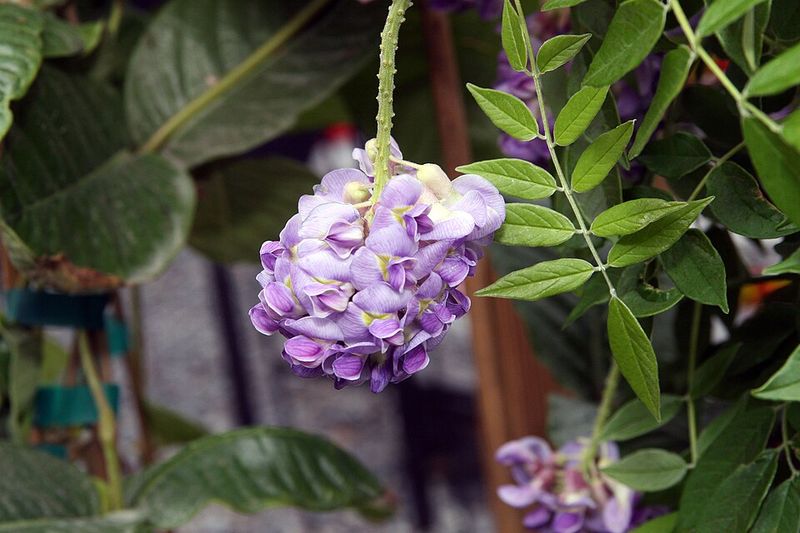
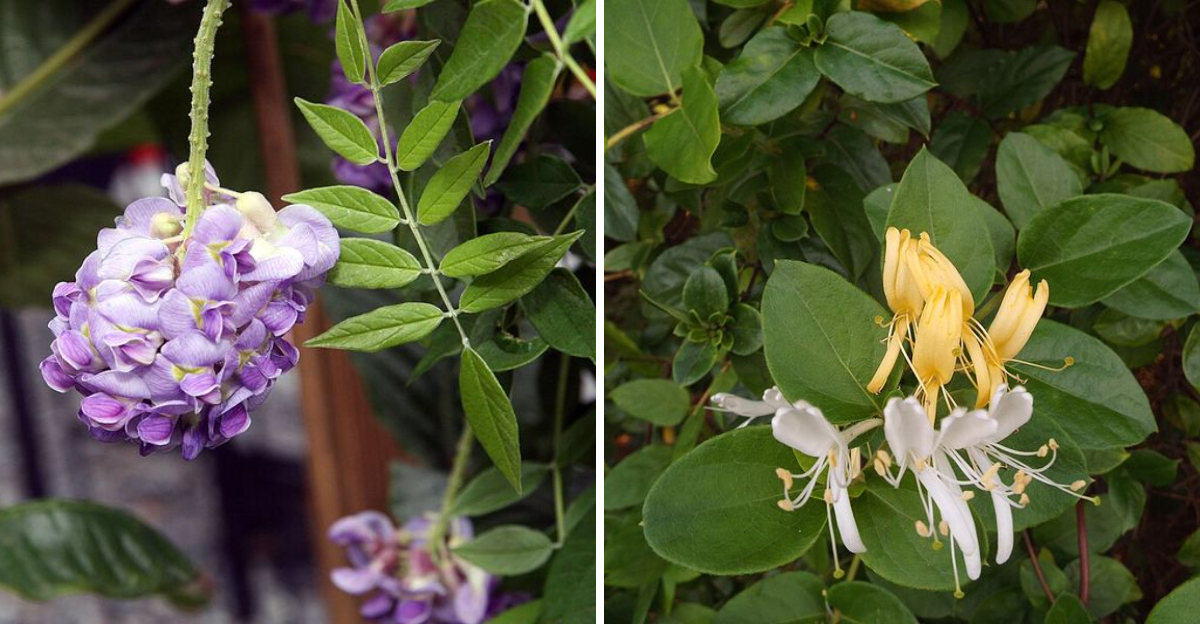
Long, drooping clusters of fragrant purple or white flowers make American Wisteria one of the most visually striking vines available to North Carolina gardeners.
It blooms in spring, and the flowers can cover a pergola or sturdy arbor so completely that the whole structure seems to disappear beneath a curtain of color.
The fragrance alone is enough to draw people outside on a warm spring morning.
American Wisteria is native to the southeastern United States and is a far better choice for North Carolina gardens than its Asian relatives, Chinese Wisteria and Japanese Wisteria, which are considered invasive in many parts of the state.
American Wisteria is less aggressive in its growth, though it is still a vigorous vine that needs a solid structure to support its weight as it matures.
Pruning is the key to keeping American Wisteria looking its best. Most growers recommend cutting it back twice a year, once after flowering in spring and again in late summer.
This helps manage the long twining stems and encourages better blooming the following season. A weak trellis or thin fence will not hold up to a mature plant, so installing a heavy-duty pergola or timber frame before planting is a practical step.
Gardeners who invest in the right support and stay consistent with pruning tend to enjoy this vine for many years.
7. However, Japanese Honeysuckle Is Better Removed
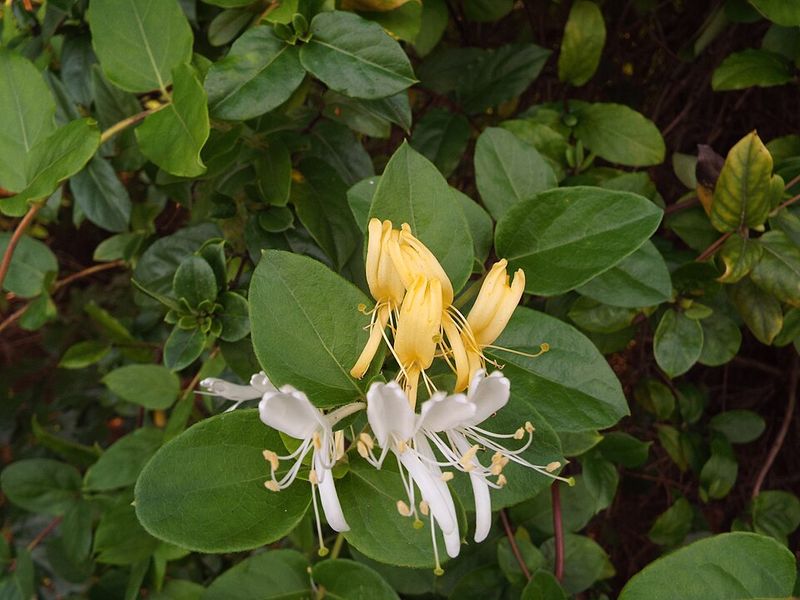
Walking along a North Carolina woodland edge in early summer, you have almost certainly caught the sweet scent of Japanese Honeysuckle drifting through the air.
That familiar fragrance can feel pleasant and even nostalgic, but the vine responsible for it is one of the most problematic invasive plants in North Carolina.
Japanese Honeysuckle spreads aggressively by runners, stems that root where they touch the ground, and seeds spread by birds, allowing it to move quickly through natural areas and home landscapes alike.
Unlike Coral Honeysuckle, which is native and well-behaved, Japanese Honeysuckle smothers other plants by wrapping tightly around stems and blocking sunlight.
It stays green well into winter in many parts of North Carolina, which gives it a competitive edge over native plants that go dormant.
Once it establishes in a fence line or wooded area, removing it becomes a significant project.
For most homeowners, the practical approach is removal rather than ongoing management. Cutting stems back repeatedly and treating regrowth consistently over one or more seasons is usually necessary to get it under control.
Replacing it with a native vine like Coral Honeysuckle gives you similar fragrance and wildlife value without the long-term maintenance burden.
Holding onto Japanese Honeysuckle because it smells nice tends to lead to larger removal projects down the road, so addressing it sooner is generally the smarter path.
8. English Ivy Can Cause Trouble Fast
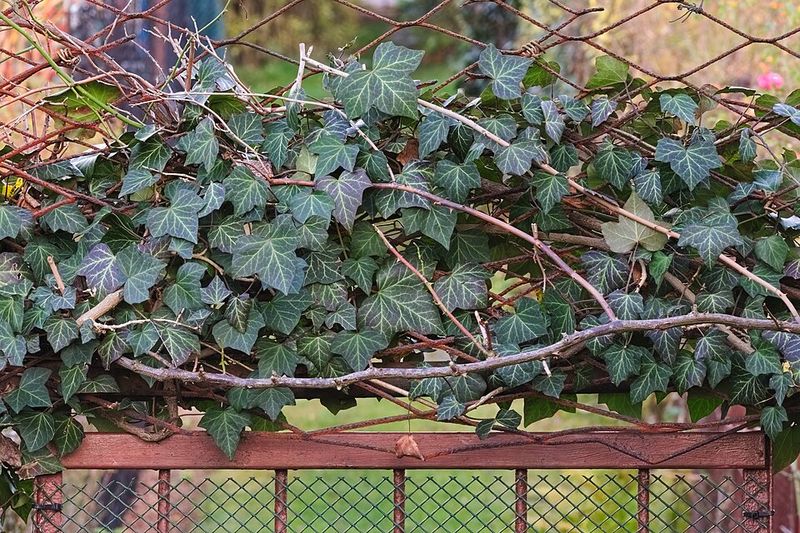
English Ivy has been used as a ground cover in North Carolina yards and landscapes for decades, and its evergreen leaves and tidy appearance have made it a popular choice for shady spots under trees and along slopes.
The trouble is that English Ivy does not stay tidy for long.
It spreads across the ground quickly, forms dense mats that block native plants from establishing, and climbs trees by attaching to bark, eventually reaching the canopy where the added weight makes trees more vulnerable to wind and storm damage.
In North Carolina, English Ivy is considered invasive and has naturalized in wooded areas throughout the state, where it outcompetes native understory plants and reduces habitat quality for wildlife.
Unlike many ornamental vines that need a trellis or fence to climb, English Ivy can move across the ground and up trees entirely on its own, making it harder to contain once it gets going.
Removing English Ivy from trees requires cutting the stems near the base and allowing the upper portions to dry out naturally before pulling them away from the bark.
Ground-level removal involves digging out root systems and following up on regrowth over multiple seasons.
Replacing English Ivy with native ground covers suited to shade, such as Wild Ginger or Green-and-Gold, gives gardeners a better long-term solution that supports local ecosystems rather than working against them.