The Vegetables Indiana Gardeners Direct Sow In July For A Stronger Fall Harvest
July in Indiana doesn’t exactly scream “planting season.” The humidity is thick, the soil is warm, and the last thing most gardeners want to do is crouch over a seed bed in the afternoon heat.
But here’s what separates a good fall harvest from a great one: timing. Direct sowing in July gives cool-season crops exactly the runway they need to hit their stride before the first frost arrives.
Miss this window, and you’re looking at a mostly empty garden come October. Nail it, and you’re pulling crisp carrots, tender kale, and sweet turnips well into fall, the kind of vegetables that taste nothing like their summer counterparts.
Cool temperatures sharpen flavors that summer heat simply can’t produce. These eight vegetables are proof of that.
1. Carrots
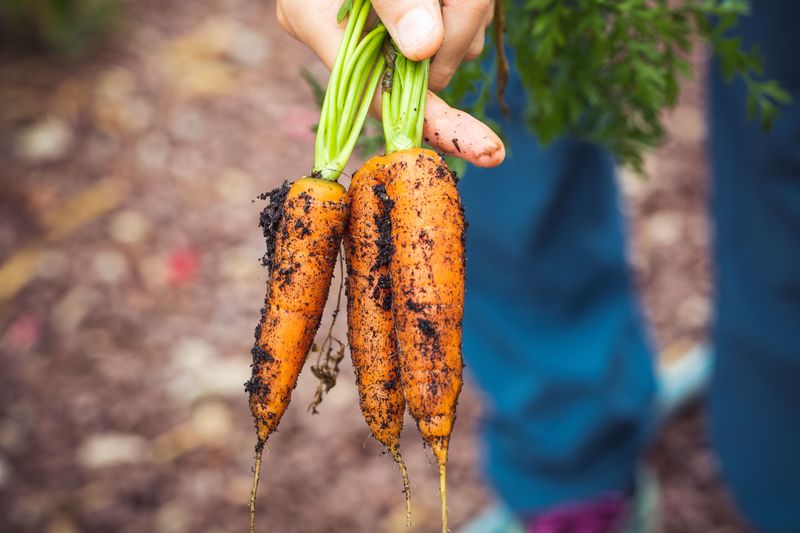
Planting carrots in July is one of the smartest moves a fall gardener can make. The soil is warm, which speeds germination, and cooler fall temps ahead will sweeten every root.
Carrots need loose, deep, rock-free soil to grow straight and strong. Compacted ground forces roots to fork or twist, so loosen your bed at least 12 inches deep before sowing.
Sow seeds about a quarter inch deep and one inch apart in rows. Water gently and consistently, because carrot seeds are tiny and wash away easily in heavy rain.
Thinning is non-negotiable with carrots. Once seedlings hit two inches tall, thin them to three inches apart so each root has room to fatten up.
A July sowing gives you roughly 65 to 75 days before hard frost arrives in most of the state. That timing lands you right in the sweet spot of October harvests.
Frost actually improves carrot flavor by converting starches into sugars. A light freeze before harvest means sweeter, more satisfying roots on your dinner table.
Varieties like Danvers 126 and Scarlet Nantes perform beautifully in Midwestern gardens. Danvers 126 handles clay-heavy soils particularly well. Scarlet Nantes prefers looser soil but adapts with good drainage and added compost.
Keep the seedbed moist during germination, which can take up to two weeks. Patience pays off when you pull those bright, crunchy roots straight from the earth.
2. Beets
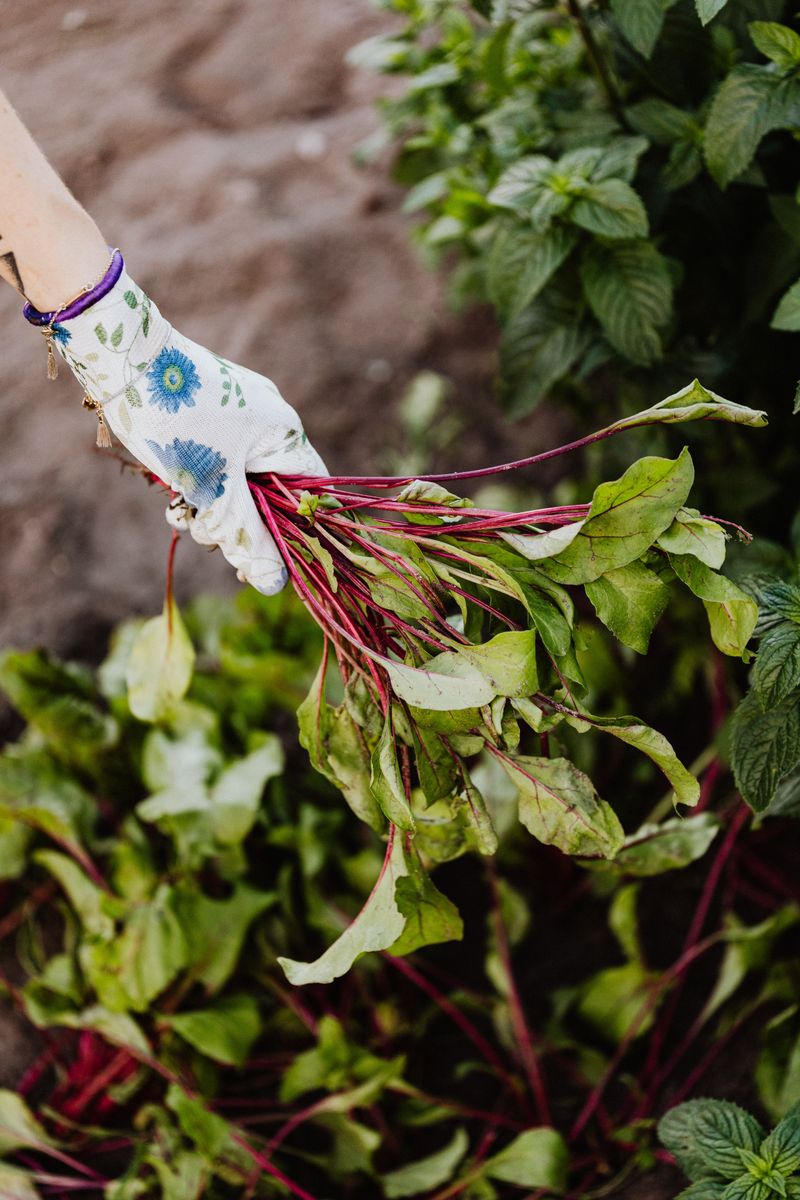
Beets are the overachievers of the fall garden, giving you both edible greens and a hearty root crop from one single plant. Few vegetables offer that kind of double-duty value.
Sow beet seeds about half an inch deep and two inches apart directly in the garden bed. The seed clusters are actually multi-germ, meaning one seed often sprouts several seedlings.
Thin beet seedlings to about four inches apart once they reach three inches tall. Thinning feels wasteful, but it is the only way to get full-sized, round roots.
July-sown beets thrive as summer heat eases into fall. Cooler soil firms up the roots and deepens their rich, earthy sweetness that makes roasted beets so irresistible.
Beet greens are edible and nutritious, tasting similar to Swiss chard. Harvest outer leaves when they reach six inches tall and let the plant keep growing its root below.
Your Indiana Garden Changes Every Week. Your Plan Should Too.
Gardening in Indiana changes quickly throughout the season. Every Friday you’ll receive a simple weekly plan showing exactly what to plant, prune, fertilize, harvest, and protect so you never miss the right timing.
Good varieties for a fall crop include Detroit Dark Red and Red Ace. Both mature in about 55 to 60 days, fitting neatly into Indiana’s fall window.
Beets prefer a soil pH between 6.0 and 7.0. If your soil is too acidic, a light dusting of lime a few weeks before sowing can make a real difference.
Water regularly to keep soil evenly moist during germination and early growth. Irregular watering causes rough, woody roots that nobody wants on their plate.
3. Radishes
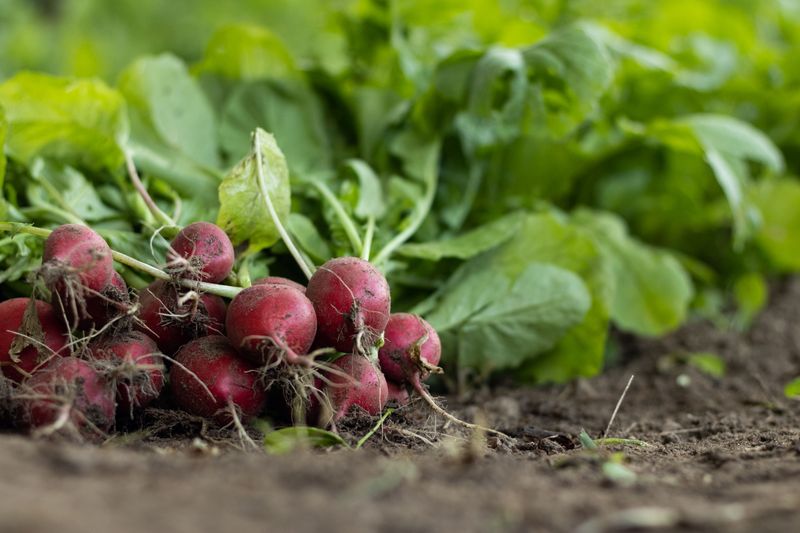
Radishes are the sprinters of the vegetable garden, going from seed to table in as little as 25 days. If you have never grown anything before, radishes will make you feel like a pro immediately.
Direct sow radish seeds half an inch deep and one inch apart in July. They do not need much fuss, just consistent moisture and a little bit of sunshine.
Thin seedlings to about two inches apart once they sprout. Crowded radishes grow more top than root, which defeats the whole purpose of growing them.
For a fall harvest, varieties like Daikon and French Breakfast work well alongside quick types like Cherry Belle, just stagger sowing dates to stretch the harvest window.
Radishes actually double as a companion plant in your garden. Daikon varieties in particular help break up compacted soil, making it easier for slower-growing neighbors like carrots and beets to develop.
One of the best tricks is succession planting radishes every two weeks through July. That way, you always have fresh roots ready to pull without a big glut hitting at once.
Fall-grown radishes tend to be milder and crisper than spring ones. Heat causes bitterness, so the cooling temperatures of August and September work in your favor here.
Pull radishes as soon as they reach their mature size. Leaving them in the ground too long makes them pithy, hollow, and far less enjoyable to eat.
4. Kale
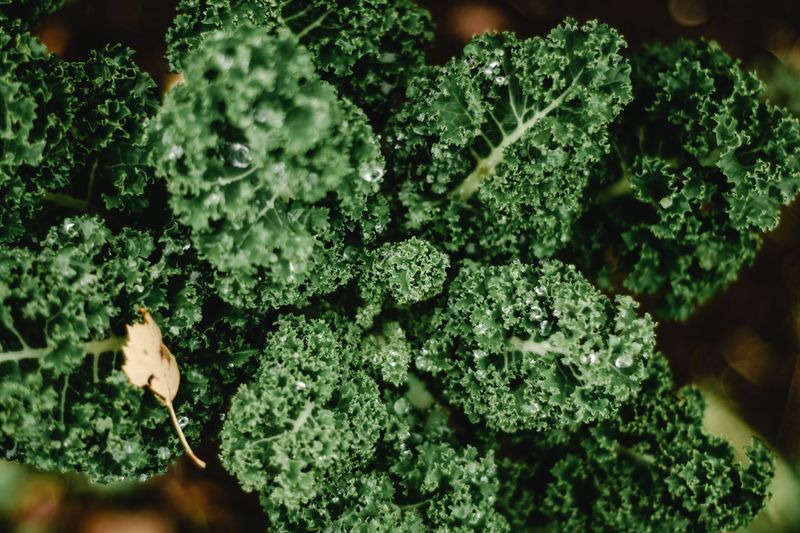
Kale planted in July becomes a powerhouse by October, producing thick, flavorful leaves right through the first frosts. Cold weather does not slow kale down; it actually makes it better.
Sow kale seeds a quarter inch deep and about six inches apart in a prepared bed. Germination happens fast in warm July soil, often within five to seven days.
Thin seedlings to 12 to 18 inches apart once they establish two true leaves. Kale plants get big, and crowding them leads to weak, leggy growth with smaller leaves.
Varieties like Lacinato, also called Dinosaur Kale, and Red Russian are top performers for fall in the Midwest. Both handle frost well and develop sweeter flavor as temps drop.
Frost is kale’s best friend in the flavor department. A hard freeze triggers the plant to convert starches to sugars, creating that mild, almost nutty taste people crave.
Kale is a heavy feeder, so work compost into your planting bed before sowing. A side dressing of balanced fertilizer three weeks after germination keeps leaves growing fast and dark green.
Harvest outer leaves first and let the plant keep producing from the center. This cut-and-come-again approach stretches your harvest from October well into November or even December.
Few crops reward July sowing for a stronger fall harvest quite like kale does. Plant it once and keep picking for months without replanting.
5. Swiss Chard
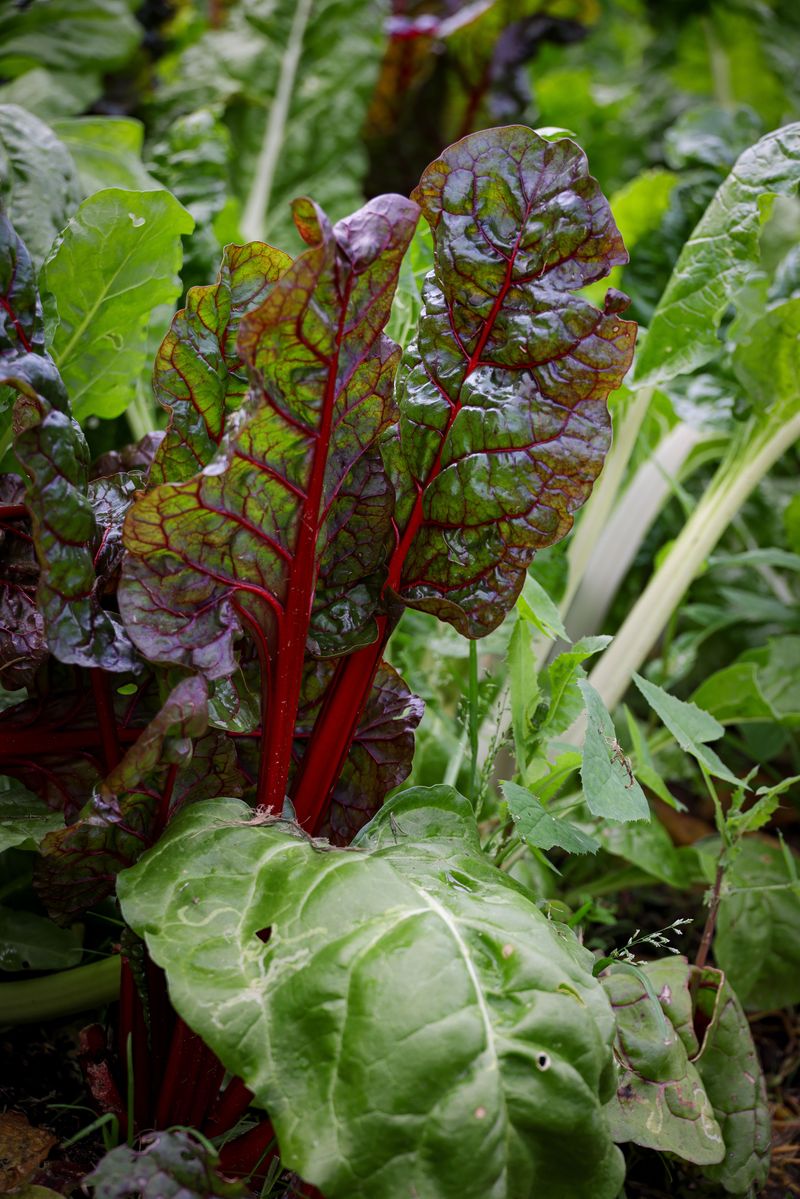
Image Credit: © Magda Ehlers / Pexels
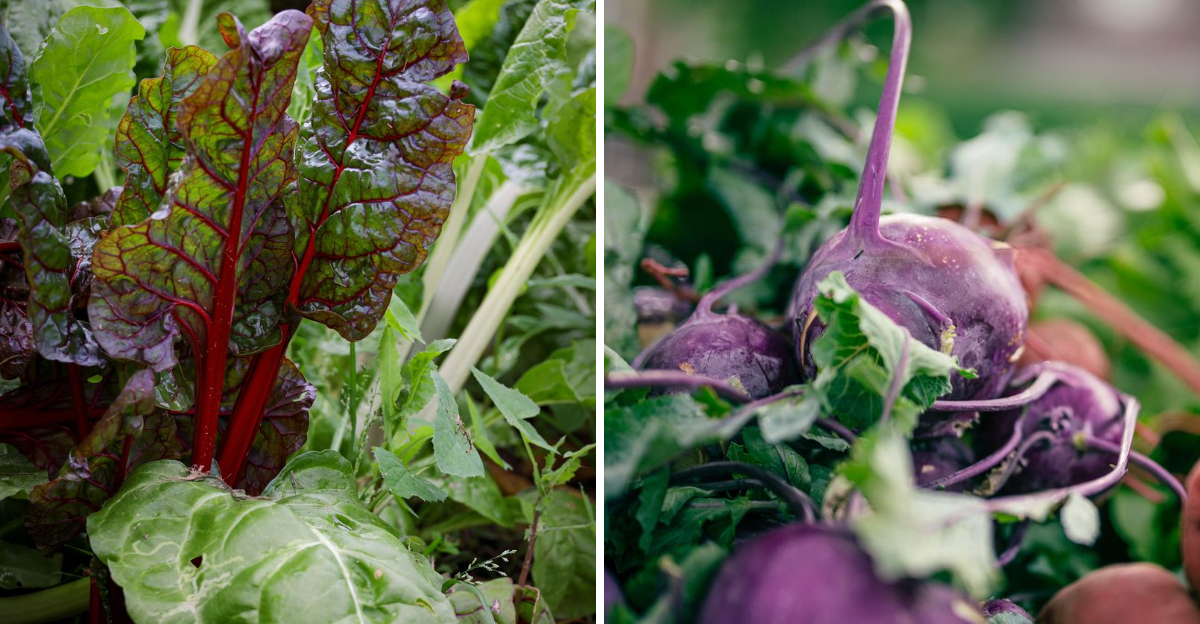
Swiss chard brings color to the fall garden that most vegetables simply cannot match. Those jewel-toned stems in red, yellow, and orange make the garden look like a painting even as summer fades.
Direct sow chard seeds half an inch deep and about six inches apart in July. Like beets, chard seeds are clustered, so thin to the strongest seedling after sprouting.
Thin plants to 12 inches apart for full, bushy growth. Chard left too close together gets leggy and produces smaller, tougher leaves that are less enjoyable to cook with.
Rainbow Chard and Fordhook Giant are excellent varieties for a fall crop in the Midwest. Both mature in about 50 to 60 days and hold up beautifully through light frosts.
Chard handles heat better than most greens, which makes it ideal for a July planting window. It bridges the gap between summer and fall without missing a beat.
Consistent watering is the key to tender chard leaves throughout the season. Drought stress makes leaves tough and bitter, so aim for about one inch of water per week.
Harvest outer leaves when they reach six to eight inches long, just like you would with kale. The center crown keeps pushing out fresh growth every few days.
Swiss chard sautéed with garlic and olive oil is a classic fall side dish worth growing for. Growing your own means you get to enjoy that meal at its absolute freshest.
6. Turnips
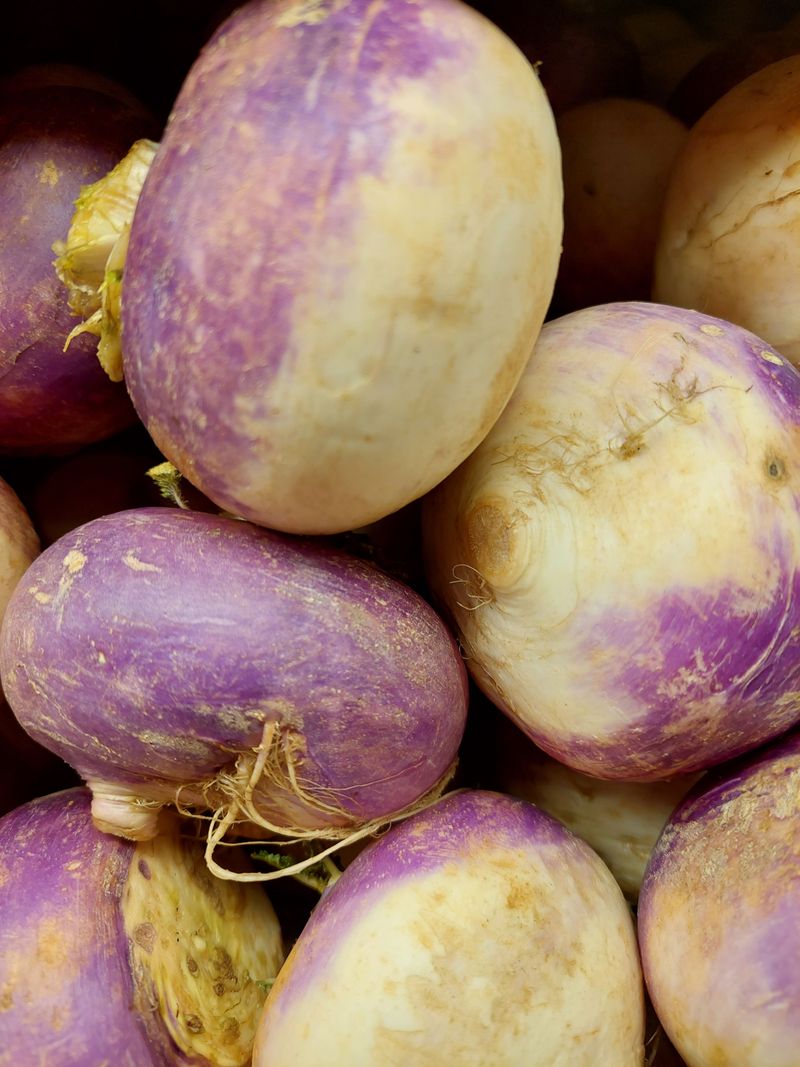
Turnips might be the most underrated vegetable in the fall garden, and that needs to change right now. They grow fast, taste great roasted, and the greens are every bit as delicious as the roots.
Sow turnip seeds directly in the garden about a quarter inch deep in mid to late July. They germinate quickly in warm soil, often popping up within four or five days.
Thin seedlings to four to six inches apart once they reach two inches tall. Crowded turnips produce small, misshapen roots that are harder to cook and less satisfying to eat.
Purple Top White Globe is the classic variety for fall planting in the Midwest. It matures in just 45 to 55 days, making it one of the quickest roots in the fall lineup.
Turnip greens are edible and packed with nutrients, tasting slightly spicy when young. Harvest the outer leaves while the root keeps developing underground for a true two-for-one crop.
Fall-grown turnips sweeten up after the first light frost, just like carrots and parsnips. That cold snap concentrates sugars and softens the sharpness that raw summer turnips sometimes carry.
Turnips prefer full sun but tolerate partial shade better than many root crops. If your garden has a shady corner, turnips are one of the best bets to try there.
A July sowing for a stronger fall harvest delivers turnips right when you want them most. Think roasted root medleys, hearty soups, and braised greens all through October.
7. Kohlrabi
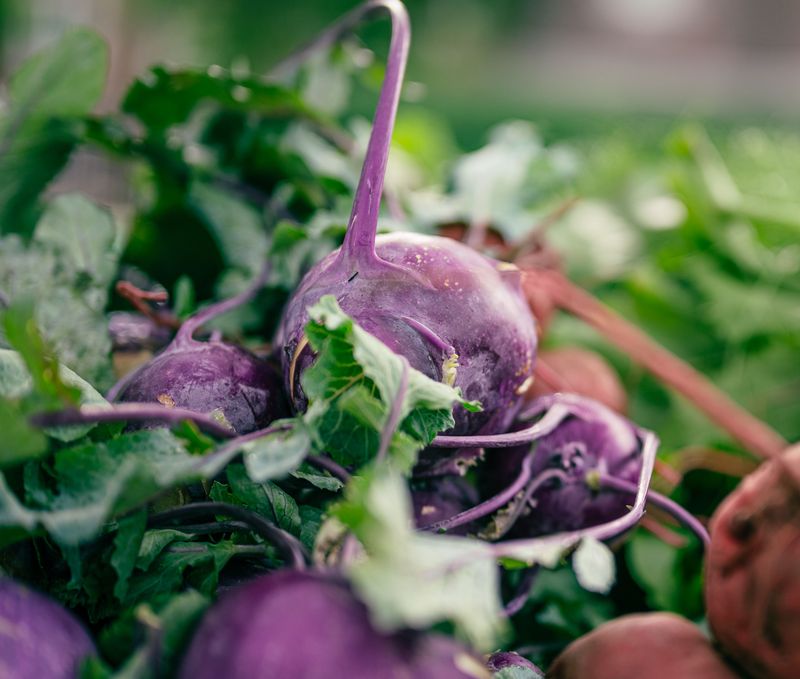
Image Credit: © Chris F / Pexels
Kohlrabi looks like something from another planet, and that alien appearance is exactly what makes it so fun to grow. Kids love it, first-time gardeners are fascinated by it, and fall is its best season.
Direct sow kohlrabi seeds a quarter inch deep and about three inches apart in July. Germination is quick in warm July soil, and seedlings are sturdy from the start.
Thin plants to six to eight inches apart once they establish their first true leaves. Spacing matters because the swollen stem, which is the edible part, needs room to round out.
Early White Vienna and Purple Vienna are the go-to varieties for fall growing in the Midwest. Both mature in about 45 to 60 days and handle light frosts without any drama.
Kohlrabi tastes like a cross between broccoli and a mild apple when raw. Slice it thin for slaws, cube it for roasting, or just eat it fresh off the plant with a little salt.
Keep soil evenly moist to prevent the swollen stem from cracking or turning woody. Dry spells followed by heavy watering cause rapid growth bursts that split the bulb wide open.
Harvest kohlrabi when the stem reaches two to three inches in diameter for the best texture. Waiting too long makes it tough and fibrous, which no amount of cooking can fully fix.
Few crops are as rewarding or as quick to mature as kohlrabi in the fall garden. Plant it once and you will make room for it every July going forward.
8. Spinach
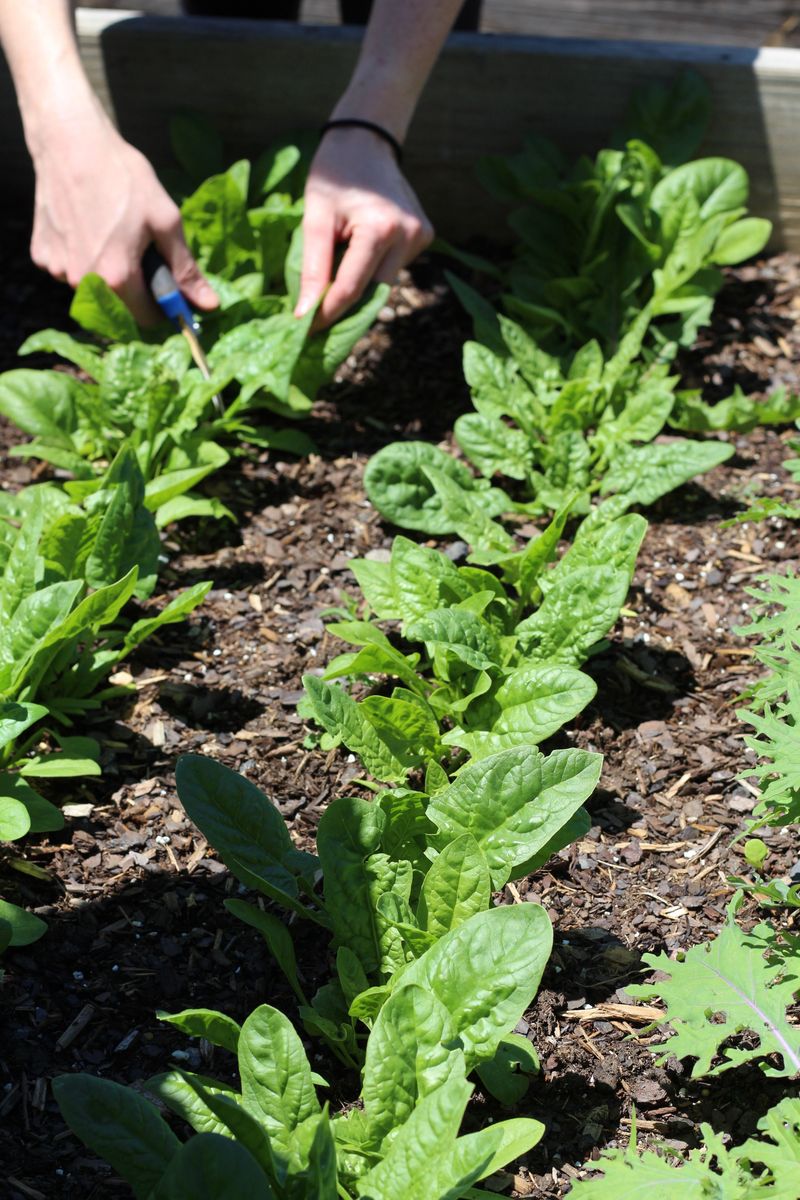
Spinach planted in late July emerges just as the brutal summer heat starts to break, and that timing is pure magic. Cool fall air turns spinach into one of the most tender, flavorful greens you can grow.
Sow spinach seeds half an inch deep and about two inches apart directly in the garden. Germination can be slow in hot soil, pre-soaking seeds for a few hours can help speed things up.
Thin seedlings to four to six inches apart once they sprout their first true leaves. Crowded spinach bolts faster and produces smaller, less satisfying leaves throughout the season.
Bloomsdale Long Standing and Space are two reliable varieties for fall planting in the Midwest. Both resist bolting better than standard types and hold up well through October frosts.
Spinach is cold-hardy enough to survive light frosts with no protection at all. A simple row cover extends the harvest window well into November, sometimes right up to Thanksgiving.
Harvest outer leaves when they reach three to four inches long, leaving the center crown intact. Regular picking encourages the plant to keep producing fresh growth throughout the fall weeks.
Spinach prefers a neutral to slightly acidic soil, so check your pH before sowing. A reading between 6.5 and 7.0 gives roots the best access to nutrients and supports strong, steady growth.
This is the crop that makes a July sowing for a stronger fall harvest feel truly worthwhile. Fresh spinach from your own garden in October is one of the season’s quieter rewards.