A Simple June Care Tip That Supports Bigger Peony Blooms In Delaware

Something pulls your attention when peonies finish blooming earlier than expected in Delaware gardens. A few simple June tasks work together to support stronger peonies next year.
Energy shifts quietly back toward roots beneath fading color moving energy where it matters most.
Gardeners often overlook how seed formation redirects plant strength after flowering right after flowering ends.
Removing spent blooms early keeps resources focused below soil so plants stay more efficient overall.
Without timely cuts plants invest energy into seeds instead and may reduce energy available for next season’s flowering.
Timing in Delaware late spring can influence next season’s strength, depending on seasonal conditions each year.
Simple snipping changes how plants prioritize growth after flowering supporting stronger bud formation later on.
Neglected blooms compete with roots during peak growing conditions reducing available resources for recovery period. Every cut you make can influence next year’s floral performance in noticeable ways.
Mastering this step ensures stronger roots and fuller flowering. Focused cuts prevent wasted energy and encourage stronger blooms next season.
Snip Faded Blooms As Soon As Petals Drop
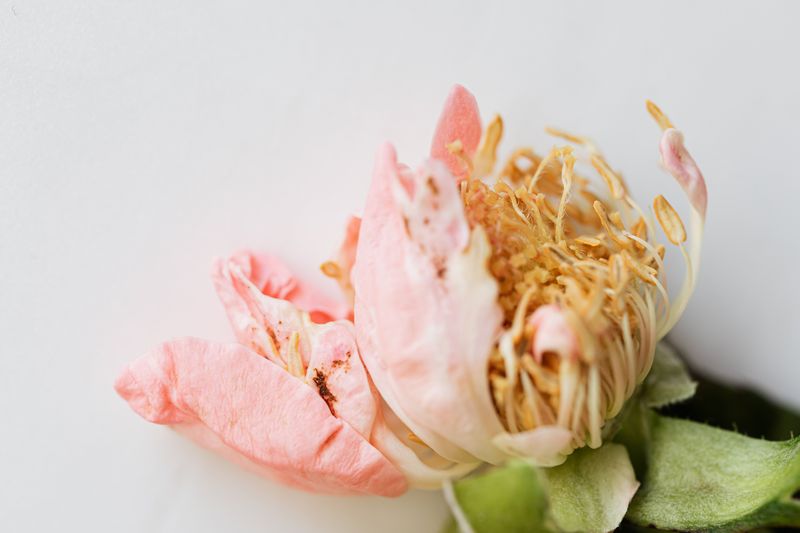
The moment petals start raining down, your time window is short. Leaving a spent bloom on the stem signals the plant to pour energy into forming a seed pod.
That seed pod redirects energy away from future flowering into seed production. Peonies that set seed may have reduced flowering performance the following season, depending on growing conditions.
Catching the bloom right at petal drop is the sweet spot. The plant has already finished its flower show, so nothing is lost by cutting now.
Watch for blooms that look papery, browning at the edges, or drooping heavily. Those are your green-light signals to grab the shears.
Removing spent flowers immediately after bloom keeps the plant focused on root and foliage health. Strong roots often support a more impressive display when Delaware spring returns.
Think of it like clearing the table right after dinner. The kitchen runs better, and so does your peony plant.
Timing can meaningfully affect plant energy allocation. A bloom left even a few extra days can shift the plant’s internal priorities in the wrong direction.
Make this a habit every time you walk past your garden bed. Quick daily checks during bloom season pay off in a big, beautiful way next year.
Cut Just Below The Spent Flower Head
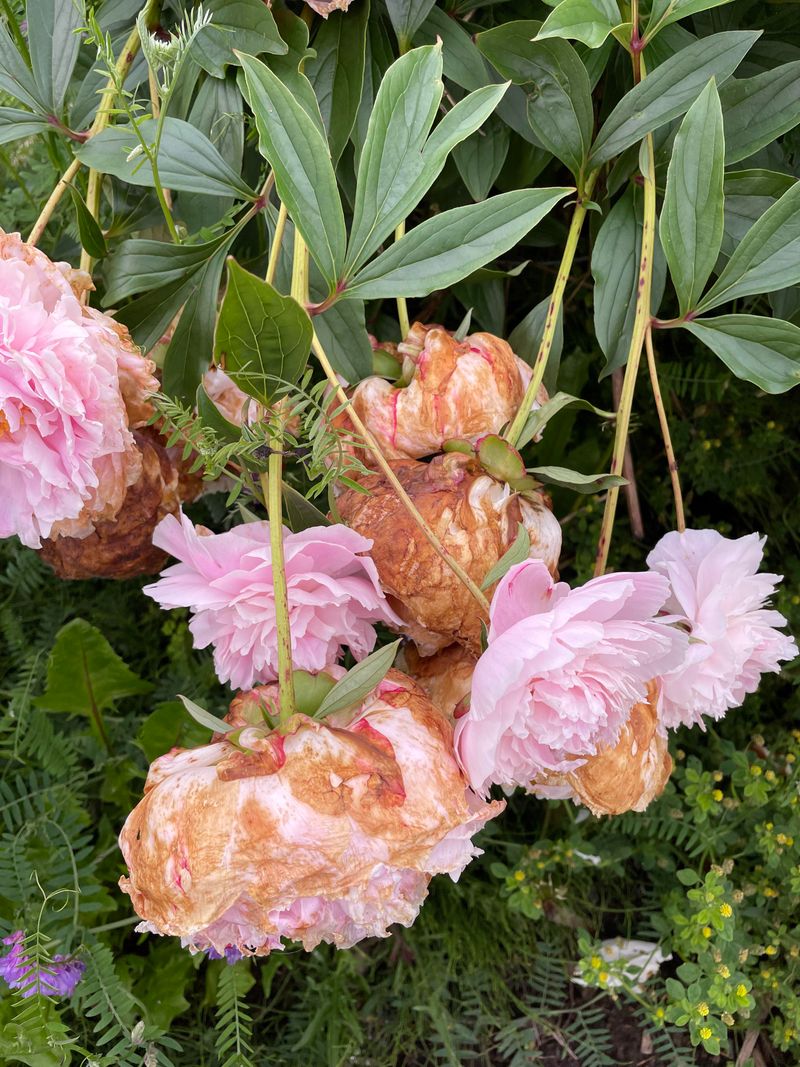
Placement of your cut matters more than most people guess. Snipping in the wrong spot can leave an awkward stub that looks bad and invites problems.
The right move is to cut just below the spent flower head. Find the first set of healthy leaves beneath the bloom and make your cut right above them.
Leaving those leaves intact is the whole point. Foliage is the plant’s solar panel, capturing sunlight and converting it to stored energy underground.
If you cut too far down, you rob the plant of leaf surface area. Less leaf means less food manufactured before the growing season ends.
Your Delaware Garden Changes Every Week. Your Plan Should Too.
Gardening in Delaware changes quickly throughout the season. Every Friday you’ll receive a simple weekly plan showing exactly what to plant, prune, fertilize, harvest, and protect so you never miss the right timing.
A clean cut at the right spot also heals faster. The stem seals itself quickly when the wound is small and precise.
Think of it like trimming a wick on a candle. Too short and it won’t function right, but cut it clean and everything works perfectly.
Some gardeners accidentally strip too much stem in their eagerness to tidy up. Resist that urge and stop right below the bloom.
Your goal is a neat stem with full foliage still attached. That combination supports a strong, root-building summer ahead.
Clear Spent Blooms Before Peak Summer Heat Arrives
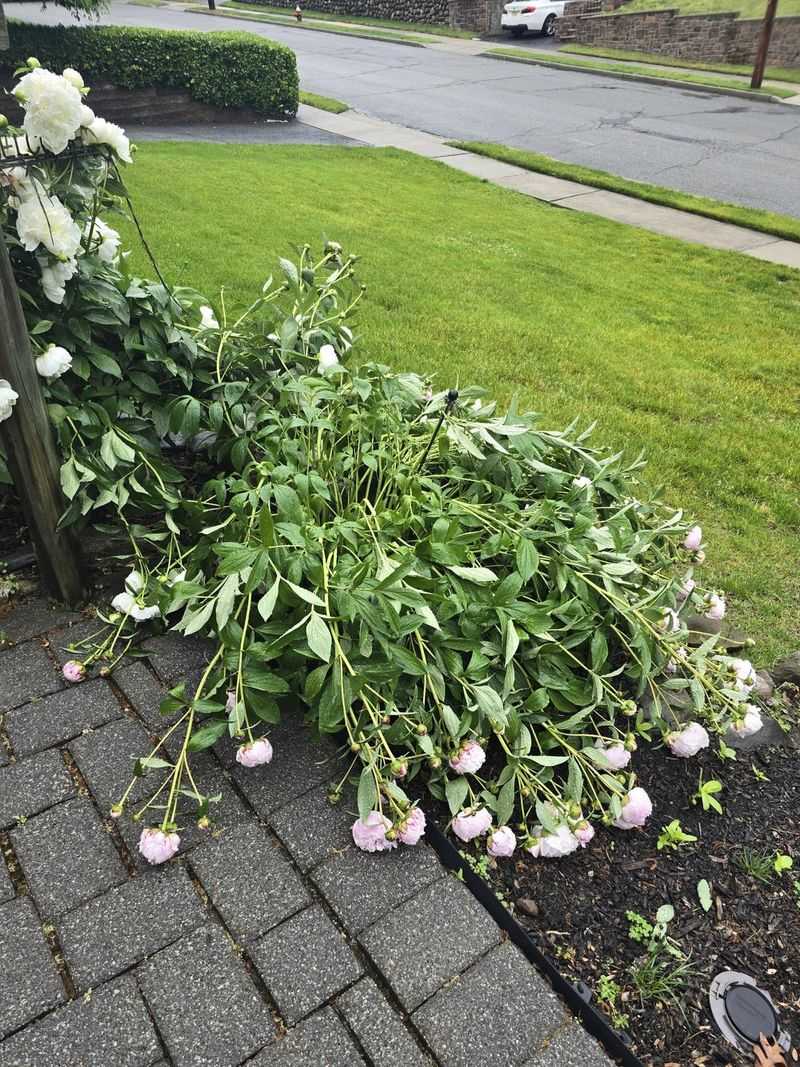
June is a key window, and your timely care benefits plant health to meet it. Every wilted flower still clinging to the plant by July is a missed opportunity.
By late June, most Delaware peonies have often finished blooming. That window is your signal to do a full sweep of every stem.
Walk the bed slowly and check each plant from top to bottom. Overlooked faded blooms can be easy to miss once foliage fills in thickly.
Getting every spent bloom off before July arrives gives roots the maximum amount of summer to store energy. That stored energy fuels next spring’s flower size.
Think of June as your peony’s performance review month. How you respond to the end of bloom season directly shapes next year’s results.
Mark a reminder on your phone for the last week of June if it helps. A five-minute sweep of the bed can make a measurable difference.
Plants that get a clean end-of-June cutback tend to look tidier through summer too. No drooping brown heads cluttering an otherwise lush green garden bed.
Finishing this task on time is a highly effective gardening practice. Small effort now, noticeably bigger blooms later.
Use Clean Sharp Shears To Avoid Disease
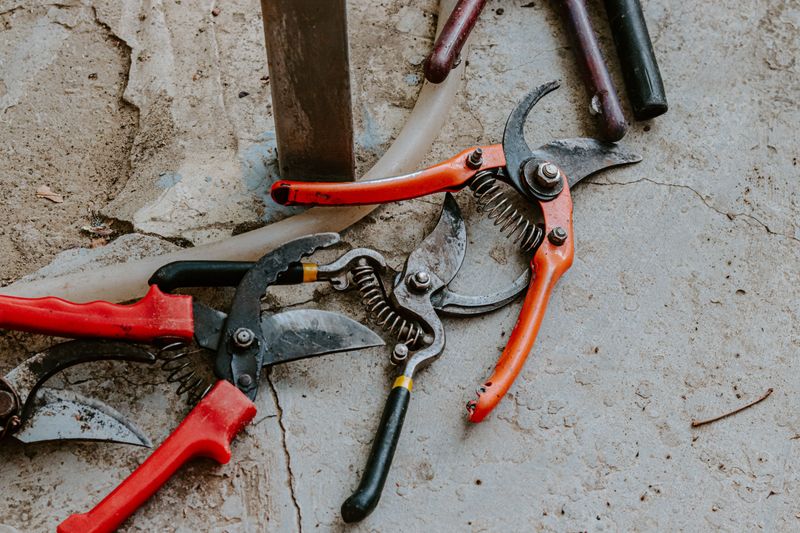
Dull, dirty shears are one of the most overlooked problems in home gardens. They crush stems instead of cutting cleanly, and crushed tissue is an open invitation to fungal issues.
Botrytis blight is a common peony problem in humid Mid-Atlantic summers. It spreads easily through ragged cuts and contaminated tools.
Wiping your blades with rubbing alcohol before each use takes about ten seconds. That ten seconds can save an entire plant from a serious fungal infection risk.
Sharp blades slice through stems with one smooth motion. The plant seals that wound faster than it can seal a torn, jagged edge.
You don’t need expensive professional tools to get this right. A basic bypass pruner, kept sharp and clean, handles peony stems with ease.
Check your shears at the start of each season and sharpen them if needed. A small sharpening stone or a pull-through sharpener works fine for home gardeners.
If you move from a plant that looks unhealthy to a healthy one, wipe the blades in between. Cross-contamination is real and preventable.
Your shears are a precision instrument, not just a cutting tool. Treat them that way and your plants will show the difference every single bloom season.
Leave Stems And Foliage Fully Intact
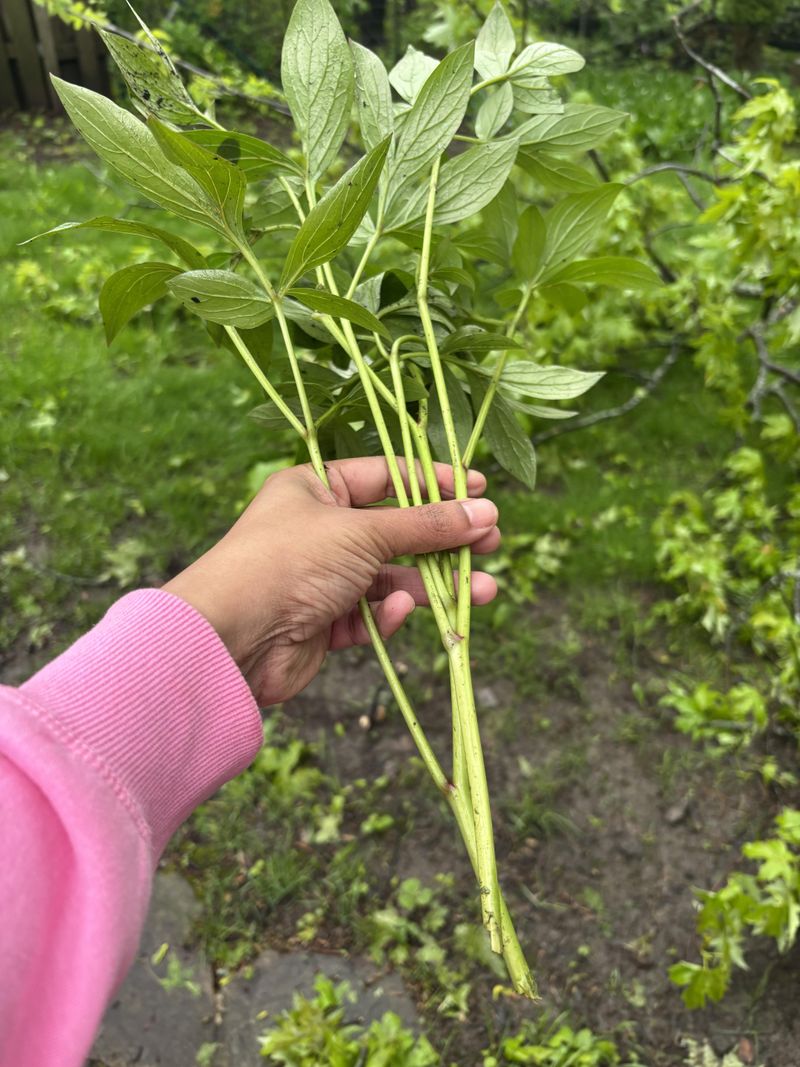
After the blooms are gone, the leaves are just getting started. Foliage is the engine that runs from June all the way through the first frost.
Every leaf on a peony plant is busy absorbing sunlight and feeding the roots below. Those roots are building the energy reserves that power next spring’s flowers.
Cutting stems back in summer is a common mistake that costs gardeners dearly. It feels tidy, but it strips the plant of its food-making capacity.
Leave every stem standing until the foliage yellows naturally in fall. That yellowing is your signal that the plant has finished its seasonal work.
Some people cut peonies back aggressively after bloom because they want a neater bed. A ring of low perennials or ornamental grasses nearby can frame the foliage attractively.
Healthy green peony foliage also acts as a natural weed suppressant. A full, leafy plant shades the soil below and slows weed germination nicely.
Resist the urge to tidy up too aggressively mid-season. The plant continues its natural growth cycle, and the foliage is proof the process is working.
Intact stems and leaves through summer are your best investment. They are quietly building the bigger blooms you want to see next May.
Clear Fallen Petals From The Soil Below

Once the blooms drop, the petals don’t disappear on their own. They pile up around the base of the plant and create a damp, shaded layer against the soil.
That damp layer can create favorable conditions for botrytis and other fungal spores to persist. Clearing it out breaks the disease cycle before it starts.
Grab a small hand rake or just use gloved fingers to collect fallen petals. It takes only a minute or two per plant and makes a real difference.
Toss the petals in the trash rather than the compost pile if any blooms showed signs of mold. Composting diseased material can spread problems back into the garden.
A clean soil surface also helps you spot any new growth issues early. When the ground around the plant is clear, problems are easier to see.
Mulching lightly after petal cleanup helps retain moisture and regulate soil temperature. Just keep the mulch a few inches away from the crown of the plant.
This step feels minor, but it’s surprisingly powerful for long-term plant health. A tidy base sets up a healthier start for next season.
Fallen petals are easy to overlook when the rest of the garden is demanding attention. Make this cleanup part of your bloom-season routine and your plants will thank you.
Check Plants Weekly During Blooming Season

One garden check per week during bloom season changes everything. You catch fading flowers before they set seed, and you spot trouble before it spreads.
Blooming season for Delaware peonies typically runs from mid-May into early June. That’s only a few weeks, but those weeks determine next year’s performance.
A weekly walk-through doesn’t need to be a long event. Ten focused minutes is enough to assess every plant in an average-sized garden bed.
Look for blooms that are past their peak, petals that are browning, or stems that look droopy. Any of those signs mean it’s time to snip.
Checking weekly also helps you notice early signs of fungal issues or pest activity. Catching problems early means easier fixes and less plant stress overall.
Bring your shears on every check so you can act immediately. Seeing a spent bloom and walking away to get tools often means forgetting to come back.
Consistency is the real secret to thriving peonies year after year. It’s not one dramatic intervention, it’s small steady attention across the right weeks.
Plants that get regular attention during bloom season support improved flowering performance. Keep showing up weekly, and those blooms will keep getting bigger every spring.