The Flower Michigan Gardeners Keep Using In Window Boxes Instead Of Geraniums And Impatiens
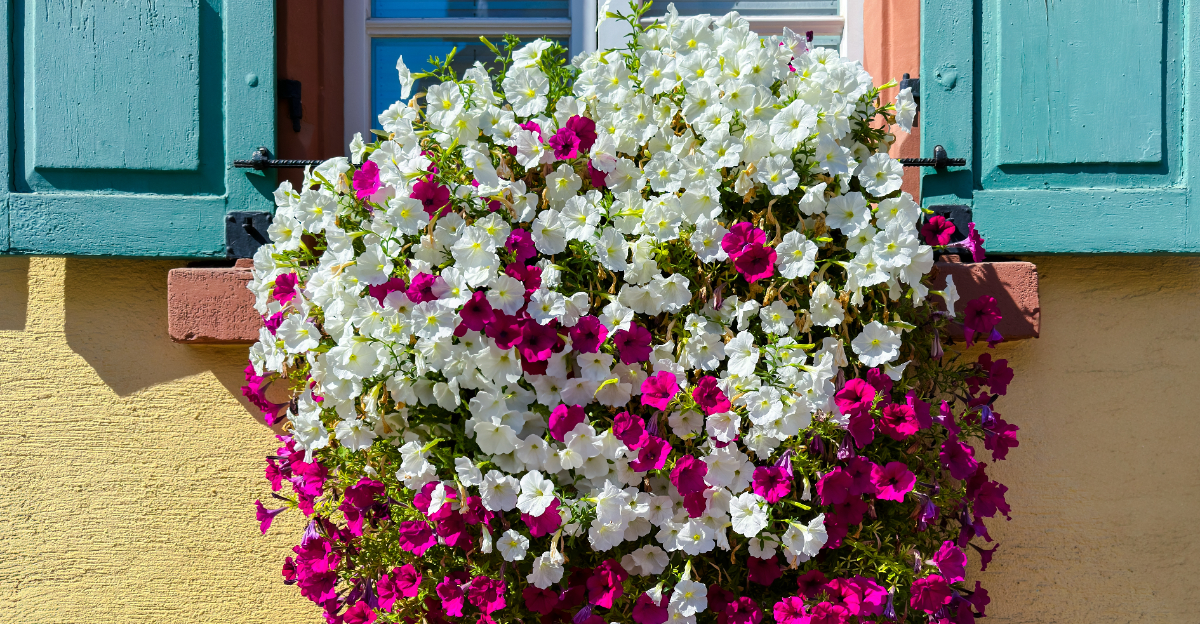
Geraniums and impatiens have dominated Michigan window boxes for so long that reaching for them at the nursery has become almost automatic for most homeowners.
What a growing number of gardeners across the state have discovered is that one particular flower outperforms both of those standards in almost every way that matters for window box success through a full Michigan summer.
Unlike impatiens or geraniums, it handles intense heat against sun-facing walls without growing leggy or unattractive by midsummer.
Its consistent, vibrant color keeps window boxes looking effortlessly well-maintained from late spring through the end of the season.
1. Petunias Handle Sunny Window Boxes Better Than Impatiens
Most gardeners have made the mistake at least once: planting impatiens in a sunny spot and watching them struggle through July. Impatiens are shade lovers.
They perform best with filtered light or part shade, which is why they thrive under trees or on north-facing porches. Put them in a window box that bakes in full sun, and they will wilt, fade, and refuse to bloom the way you hoped.
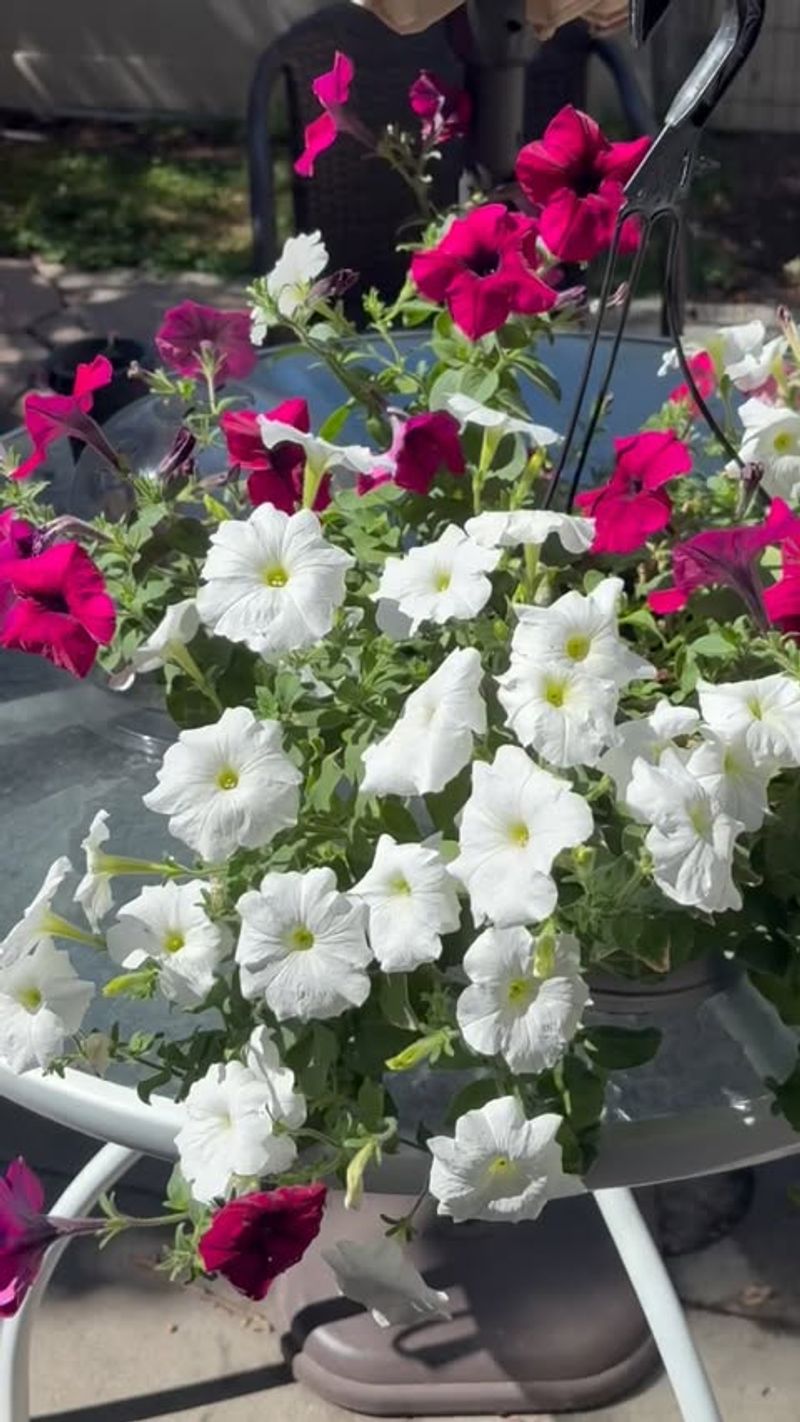
Petunias are built for exactly the opposite situation. They genuinely love heat and strong direct sunlight, which makes them an ideal choice for south or west-facing window boxes that get five or more hours of sun each day.
Michigan summers can be intense, especially in July and August, and petunias hold up without much drama during those peak heat stretches.
Choosing the right flower for your specific light conditions makes a bigger difference than most people realize. A window box that gets strong afternoon sun is one of the trickiest spots in any garden because the soil heats up fast and moisture disappears quickly.
Petunias handle that combination far better than impatiens, and they reward you with consistent blooms instead of struggling foliage.
Before you plant anything, spend a couple of days watching how much direct sun your window box actually receives. If the answer is four hours or more, petunias are almost certainly your best option.
Matching the plant to the light is the single most important decision you can make for a window box that looks full and colorful all season.
2. They Trail Over The Edge Beautifully
There is something genuinely satisfying about a window box where the flowers spill over the sides and soften the hard edge of the container.
That flowing, abundant look is one of the biggest reasons petunias have become so popular, and it is something upright geraniums simply cannot deliver.
Geraniums grow straight up, which gives a tidy, structured appearance, but they never create that cascading effect that makes a window box look truly lush.
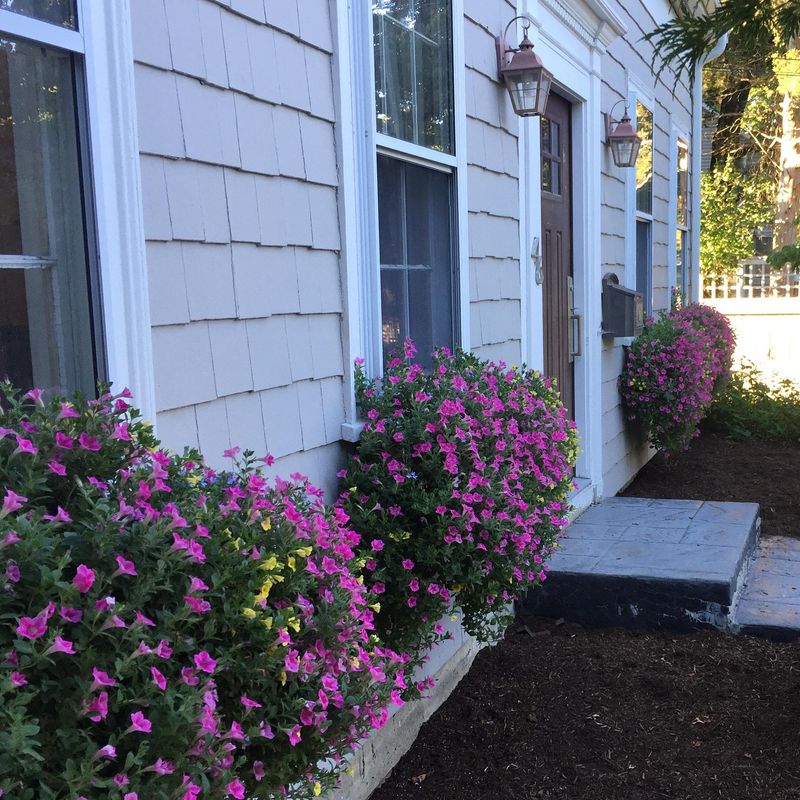
Trailing petunia varieties, especially the well-known Wave series, can spread and drape dramatically over the sides of a box.
A single plant can cover a surprising amount of space, which means you do not always need to pack a box tightly with many different plants to get a full, colorful display.
Two or three trailing petunias in a standard-sized window box can look completely filled in within a few weeks of planting.
Your Michigan Garden Changes Every Week. Your Plan Should Too.
Gardening in Michigan changes quickly throughout the season. Every Friday you’ll receive a simple weekly plan showing exactly what to plant, prune, fertilize, harvest, and protect so you never miss the right timing.
The visual effect goes beyond just looking pretty. When petunias trail down the front of a box, they create layers of color that draw the eye upward toward the window and the house itself.
It gives even a plain exterior a polished, welcoming appearance that geraniums standing at attention just cannot replicate.
For the most dramatic trailing effect, look specifically for varieties labeled as spreading or cascading at your local nursery. Wave, Supertunia, and Surfinia types are all excellent choices for window boxes.
Plant them near the front edge of the box so they have room to spill naturally and show off their full beauty.
3. They Bloom For A Long Summer Season
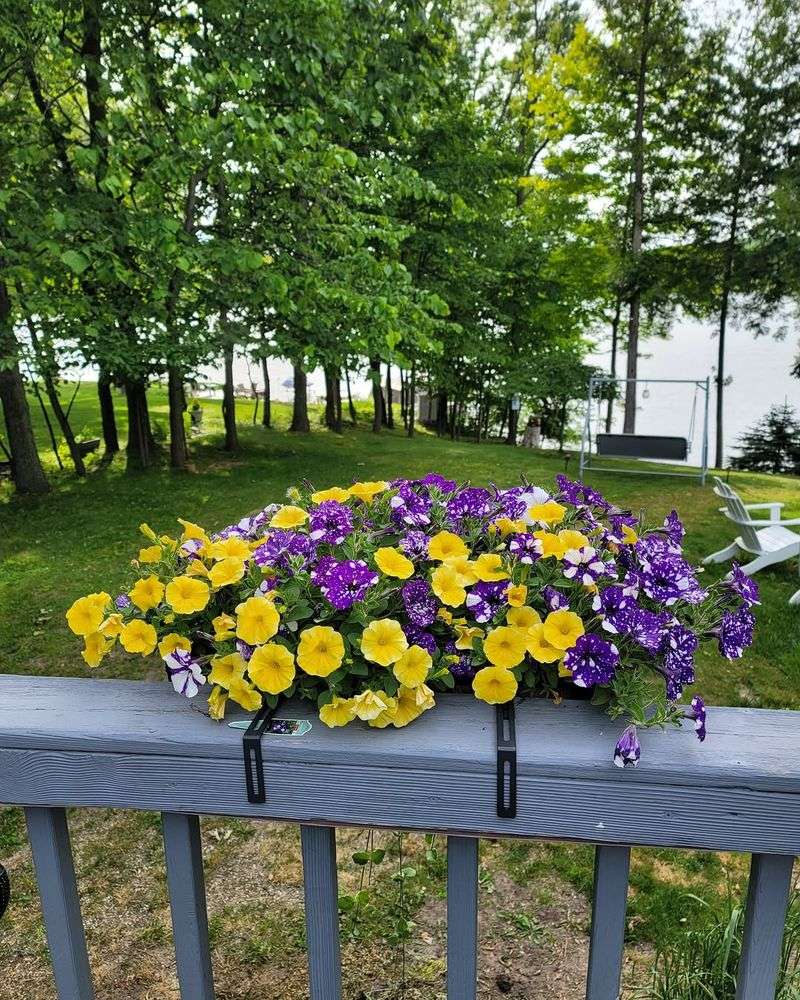
One of the most valuable things a window box plant can do is keep blooming from planting day all the way through the end of summer. Petunias can absolutely do that, but they need a little help to keep the show going.
Left completely on their own without any attention, they will slow down and start looking tired by midsummer. With regular care, they stay colorful from late May or early June all the way into September or even October in Michigan.
Consistent watering is the foundation of a long blooming season. Window boxes dry out much faster than garden beds because they hold a limited amount of soil, and when petunias get too dry for too long, they stop putting energy into flowers.
Feeding matters just as much. Petunias are heavy bloomers, which means they burn through nutrients quickly, and a regular fertilizing schedule keeps them producing new buds week after week.
Trimming is the third piece of the puzzle. Petunias that never get cut back will eventually put all their energy into long, bare stems instead of new flowers.
A light trim every few weeks, especially in midsummer, encourages fresh branching and a new flush of blooms. It feels counterintuitive to cut back a flowering plant, but the results speak for themselves.
Window boxes genuinely require more attention than flowers planted directly in the ground. The limited soil volume means they dry faster, run out of nutrients sooner, and need more frequent check-ins.
Petunias reward that extra attention generously with color that lasts the whole season.
4. They Come In More Colors Than Most Gardeners Expect
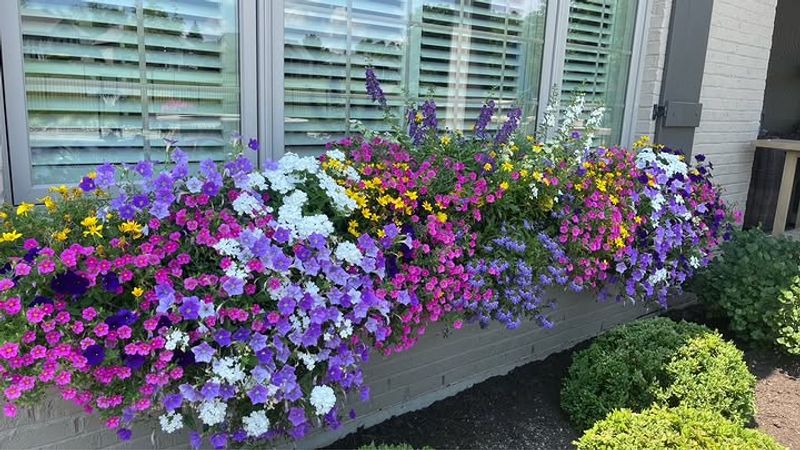
Walk into any garden center in Michigan in late spring and the petunia section is usually the most visually overwhelming spot in the entire store. The color range is genuinely remarkable.
Purple, lavender, hot pink, soft pink, white, deep red, coral, yellow, and even blue-toned varieties line the shelves.
Beyond solid colors, there are striped petunias, ones with dark veining patterns, bicolor varieties with contrasting edges, and picotee types with white-tipped petals that look almost hand-painted.
That variety makes petunias incredibly useful for gardeners who want their window boxes to coordinate with the rest of their home. If your front door is navy blue, a rich purple or white petunia creates a crisp, polished look.
A red brick house pops beautifully against white or pale pink petunias. Gardeners who love bold seasonal displays can switch up their color combinations each year without ever repeating the same look twice.
Matching colors to your home does not have to be complicated. A simple rule that works well is to pick one color that complements your siding or trim and one that adds contrast.
A window box with two well-chosen colors almost always looks more intentional and attractive than one stuffed with every shade available.
Beyond coordination, the sheer number of petunia varieties means there is almost always something new to try each season. Breeders release fresh cultivars regularly, including ones with improved weather tolerance or more compact growth habits.
Visiting a local nursery rather than just a big box store often turns up interesting varieties you would never find otherwise.
5. They Need Consistent Water In Window Boxes
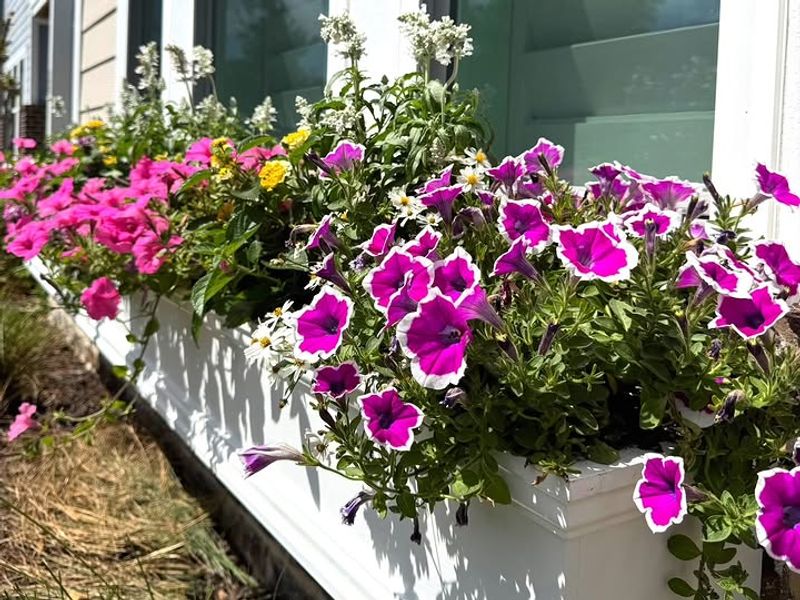
Window boxes have a reputation for being thirsty, and that reputation is completely earned.
Unlike a garden bed where roots can spread wide and deep in search of moisture, a window box holds a fixed amount of soil that can dry out completely in a single hot afternoon.
During Michigan’s peak summer heat in July and August, a window box sitting in full sun might need water every single day, sometimes twice on the hottest stretches.
Petunias are fairly forgiving plants, but they do not handle prolonged dry spells well. When they go without water for too long, they drop flowers, leaves curl at the edges, and the whole plant starts to look stressed and scraggly.
The good news is that petunias bounce back quickly once they get a good drink, as long as the dry spell has not gone on for too many days in a row.
Watering correctly matters just as much as watering often. A quick sprinkle on the surface does not help much because the water never reaches the roots.
Water slowly and thoroughly until you see it draining from the holes at the bottom of the box. That tells you the entire root zone has been moistened.
Shallow watering encourages roots to stay near the surface, which makes the plant even more vulnerable to drying out.
Good drainage is equally important. If your window box holds water and stays soggy, roots will suffer just as much as they would from drought.
Make sure your box has drainage holes and that they stay clear all season long. The goal is moist soil, not wet soil.
6. They Need Regular Feeding To Stay Full
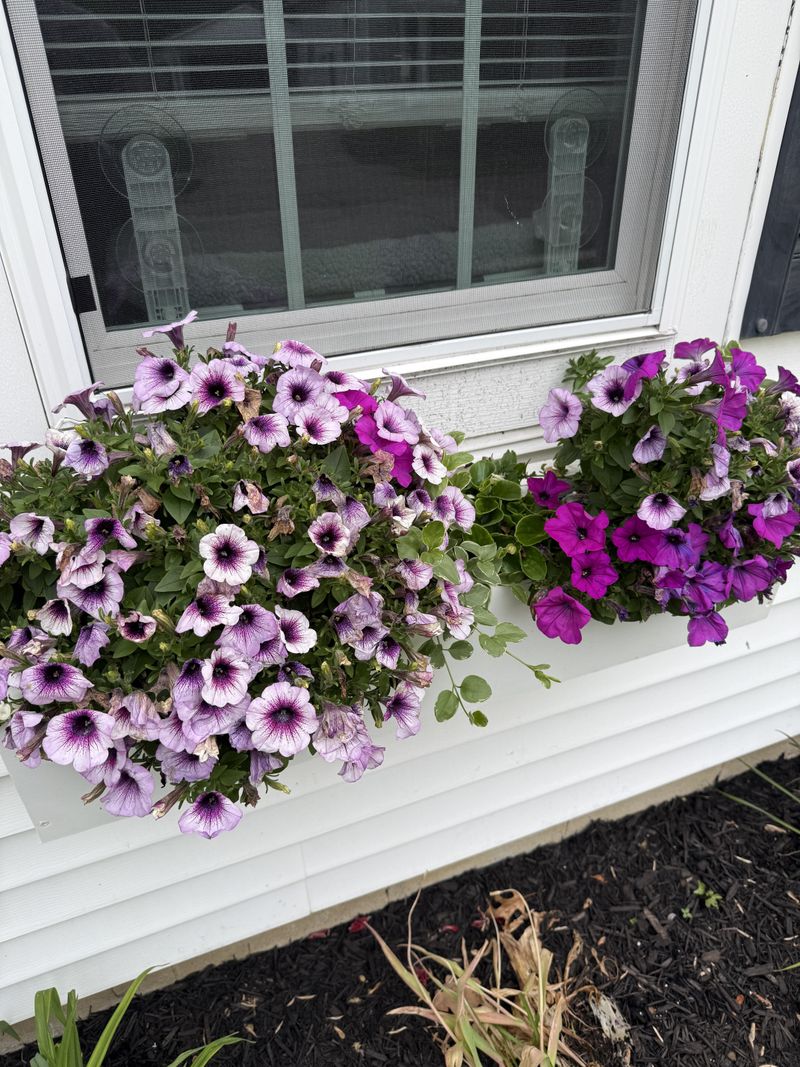
Petunias are serious bloomers, and serious bloomers use up nutrients fast. In a garden bed, roots can spread and find fresh nutrition over a wider area, but a window box offers a fixed amount of soil with a fixed supply of nutrients.
Once those nutrients are used up, the plant starts showing the effects pretty clearly. Pale yellowish leaves, smaller flowers, and noticeably fewer blooms are all signs that your petunias are running low on what they need to keep going.
There are two solid approaches to feeding petunias in window boxes. The first is to mix a slow-release granular fertilizer into the potting soil at planting time.
These fertilizers break down gradually over several weeks, giving the plant a steady supply of nutrients without requiring you to remember a regular feeding schedule.
The second approach is liquid fertilizer applied every one to two weeks throughout the growing season.
Liquid feeding delivers nutrients quickly and works especially well for giving a struggling plant a fast boost.
Many experienced window box gardeners use both methods together. They start with a slow-release fertilizer at planting and then supplement with liquid feeding every couple of weeks once the plant is actively blooming.
Always follow the label directions on any fertilizer product because overfeeding can cause its own problems, including excess leafy growth with fewer flowers.
Feeding is one of those tasks that is easy to forget once summer gets busy, but the difference between fed and unfed petunias is visible from across the yard. A well-fed window box stays full, vibrant, and covered in blooms all season long.
7. They Look Better With Light Trimming
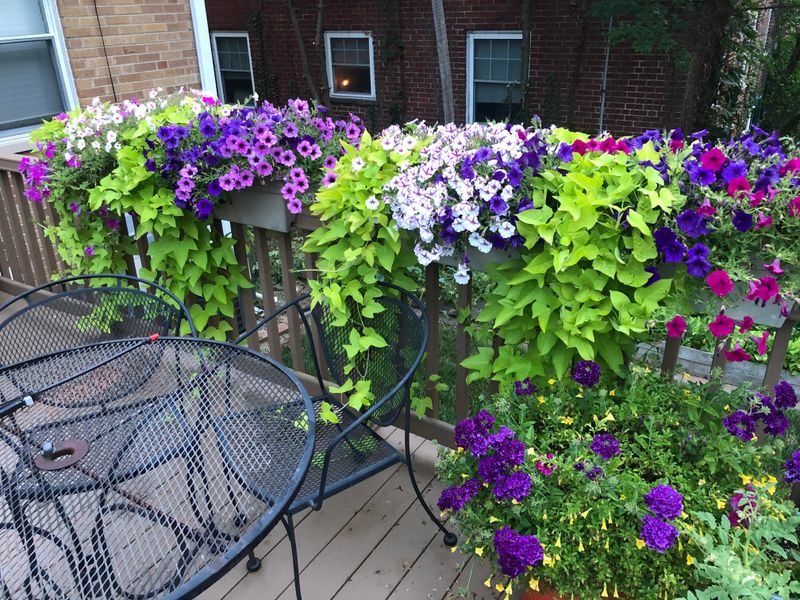
By the middle of summer, even the most enthusiastic petunia grower might notice that their window box is starting to look a little stretched out.
Stems get long and bare, flowers move to the very tips, and the whole plant starts to look more like a vine than the full, lush display it was in June.
This is completely normal petunia behavior, and the fix is simpler than most people expect.
A light trim, sometimes called a midsummer cutback, refreshes the plant and encourages it to branch out and produce new flowers. You do not need to cut everything back severely.
Trimming each stem back by about one-third is usually enough to wake the plant up and redirect its energy toward new growth. Within a week or two after a good trim, fresh side shoots appear and the plant starts filling back in with new buds.
Timing matters a little. The best moment for a midsummer trim is usually sometime in July when you notice the leggy look starting to take over.
Waiting until August means the plant has less summer left to recover and put on a new show. Earlier is generally better, and some gardeners do a light shaping every few weeks rather than one big cutback.
After trimming, give the plant a deep watering and follow up with fertilizer. Cutting back stimulates growth, and that new growth needs water and nutrients to develop properly.
Think of trimming, watering, and feeding as a three-step reset that keeps your window box looking its best from early summer all the way through fall.
8. They Work Best When Matched To The Right Box
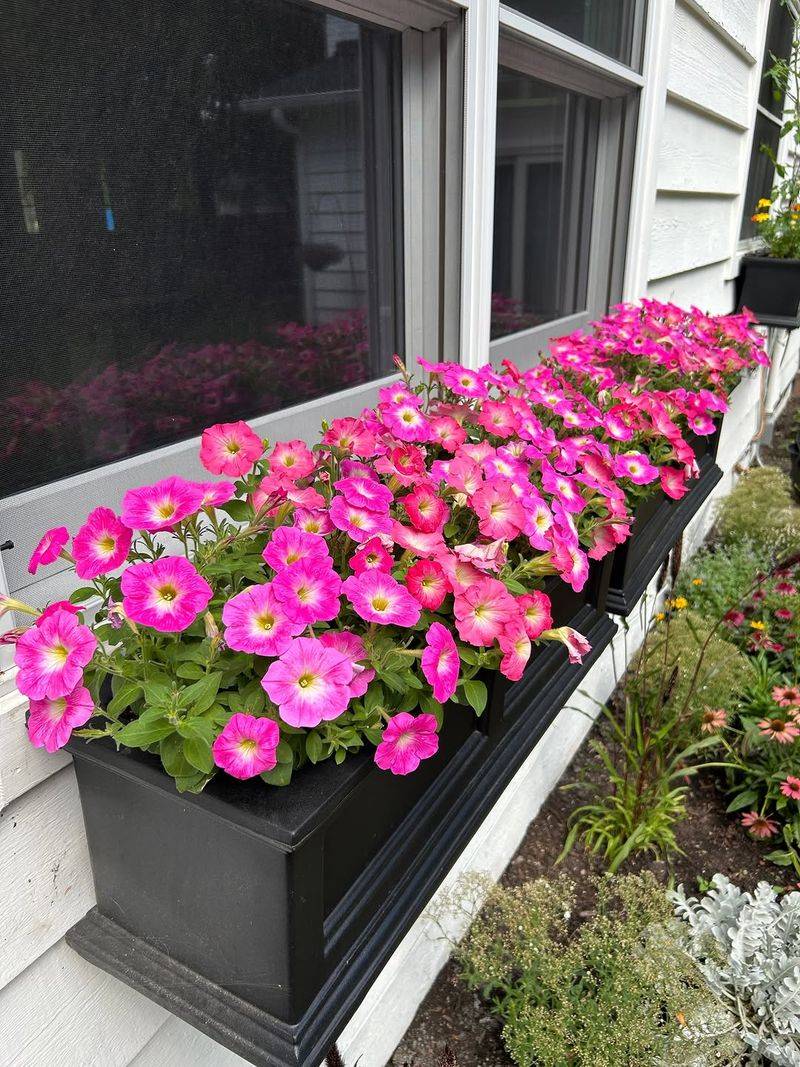
Petunias are not the right flower for every window box situation, and being honest about that actually makes them easier to appreciate when the conditions do match.
The ideal setup for petunias is a window box in a sunny spot, with good drainage, and a gardener who is ready to water and feed regularly throughout the summer.
When those three things come together, petunias outperform almost every other annual you could plant in the same spot.
Comparing them honestly with the other popular choices helps clarify where each flower fits best. Geraniums are excellent for gardeners who want upright structure and a more traditional, formal look.
They are also somewhat more forgiving about watering, which suits busy schedules. Impatiens are the right call for shady spots, north-facing boxes, or areas under an overhang where sunlight barely reaches.
Each flower has a specific strength, and the best window boxes usually come from matching the plant to the actual conditions rather than picking a favorite regardless of the environment.
Petunias win the comparison when the box gets strong sun, when the gardener wants a trailing, cascading look, and when a wide range of color options matters.
No other common annual gives you that combination of sun tolerance, trailing habit, and color variety all in one plant.
Petunias stay popular with Michigan gardeners year after year because they are colorful, flexible, and easy to refresh through summer with simple trimming and feeding.
Once you find the right spot for them, they reward you with a window box that draws compliments from the first warm day of summer to the first frost of fall.