The Michigan Shrub That Sends Up New Shoots Every Year And Slowly Fills Borders
Some shrubs stay exactly where you put them and never do much beyond that.
Others earn their space by gradually expanding, filling gaps, and making the border look more established and intentional with every passing season.
Michigan has one native shrub that does exactly this in a way that is controlled enough to be useful rather than aggressive.
It sends up new shoots reliably each year and spreads at a pace that fills problem areas without overwhelming neighboring plants.
It also handles the full range of Michigan growing conditions including heavy soil, cold winters, and dry summer stretches without losing any of its vigor.
For borders that need structure and gradual coverage without constant replanting, this shrub is one of the most practical choices available in the state.
1. Northern Bush Honeysuckle
Picture a shrub that quietly multiplies itself every single year, building a fuller, denser border without you lifting a finger.
That is exactly what Northern Bush Honeysuckle does in Michigan gardens.
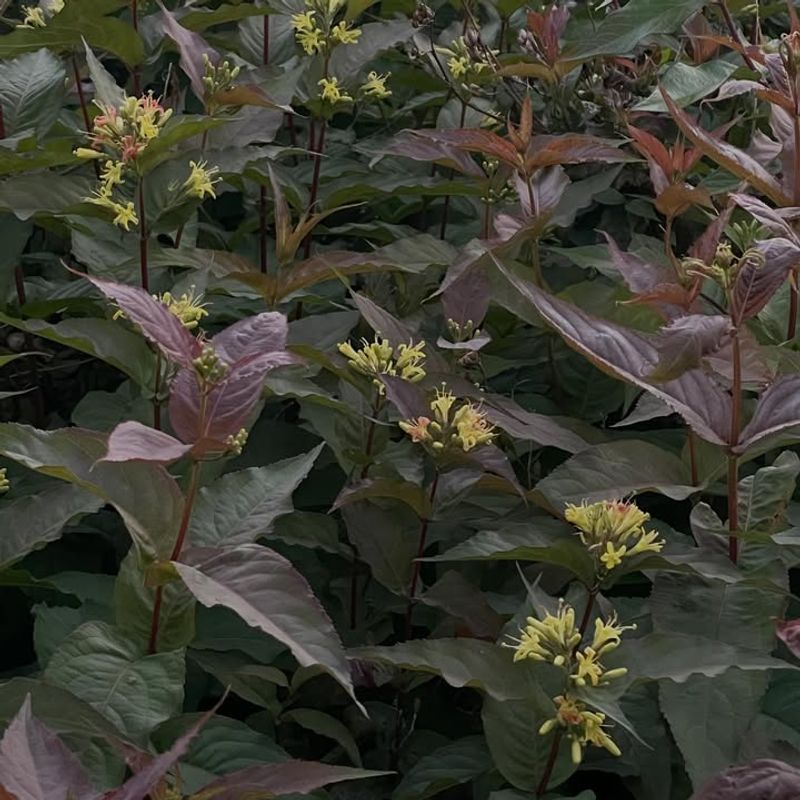
Diervilla lonicera is a native shrub that grows in a clump-forming pattern, slowly spreading outward through underground stems called stolons, which send up new shoots each spring from the base of the plant.
Native to the eastern and north-central United States, Diervilla lonicera naturally thrives across Michigan’s varied landscapes, from rocky hillsides to woodland edges.
It typically reaches two to four feet tall and wide at maturity, creating a rounded, bushy shape that fills borders beautifully over several growing seasons.
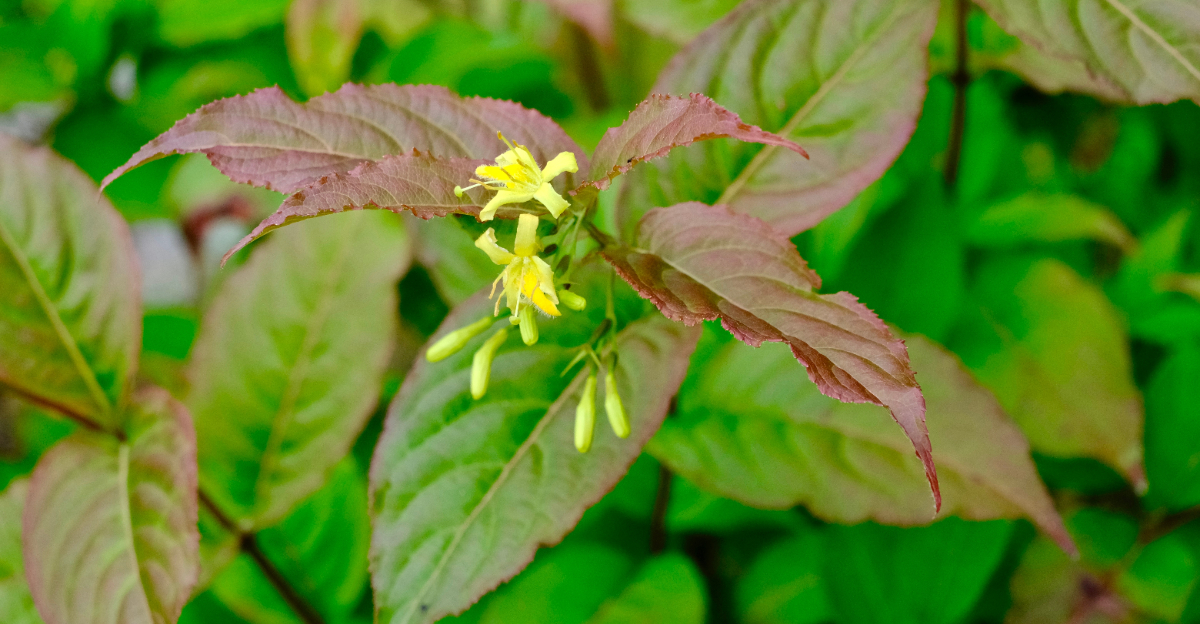
The foliage is glossy green, often with a reddish bronze tint when new leaves first emerge in spring, adding a splash of warm color before summer even gets started.
Because it spreads gradually rather than aggressively, it works perfectly as a natural hedge or border edging without overwhelming neighboring plants.
Gardeners who want a native, wildlife-friendly option that also looks polished and intentional often turn to Diervilla lonicera as a reliable foundation planting.
It handles Michigan winters well, bouncing back reliably each spring with vigorous new growth.
For homeowners who want less work and more beauty in their yards, this shrub delivers on both counts season after season without much fuss at all.
2. Rapid Foliage Regeneration
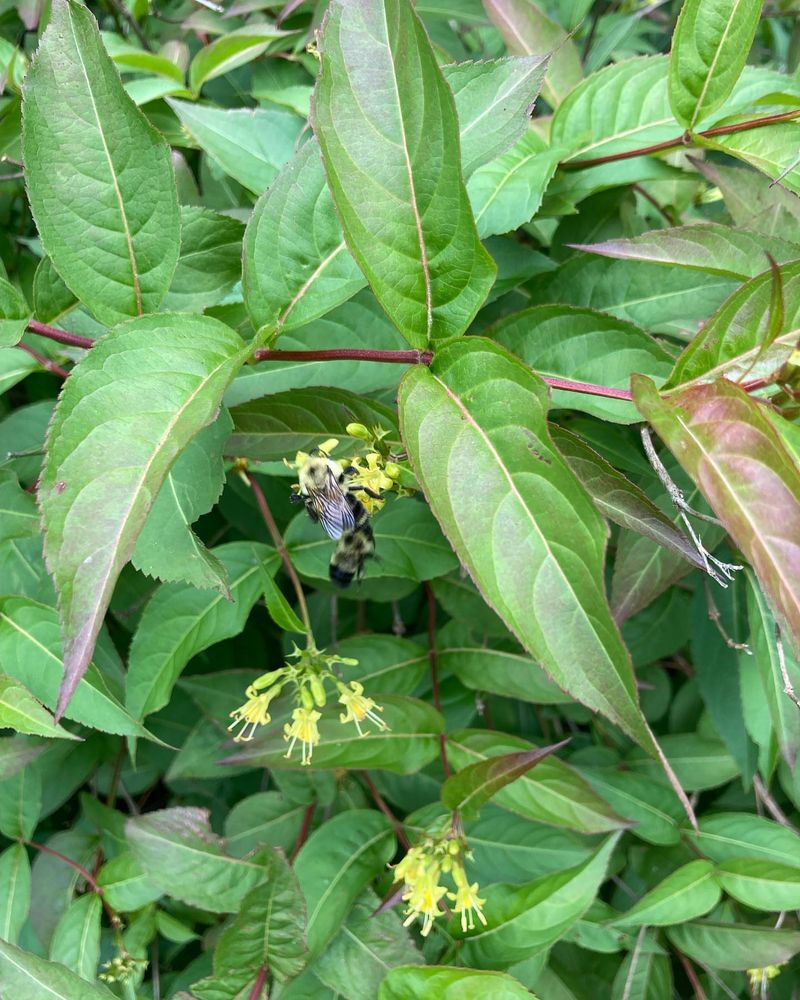
Every spring in Michigan, something exciting happens at the base of a Northern Bush Honeysuckle.
Fresh green shoots push up through the soil, sometimes appearing even before the last frost has fully passed.
This basal regeneration is one of the most impressive traits of Diervilla lonicera, ensuring the shrub always looks full and healthy no matter what the previous season brought.
In Michigan, new shoots typically begin emerging in mid to late April, depending on your location and the specific weather patterns of that year.
By May, those shoots are already leafing out quickly, putting on several inches of growth within just a few weeks.
Even if older stems look rough or woody after a harsh winter, the plant compensates by pushing out vigorous new growth from underground, keeping the overall appearance lush and thick throughout the growing season.
Your Michigan Garden Changes Every Week. Your Plan Should Too.
Gardening in Michigan changes quickly throughout the season. Every Friday you’ll receive a simple weekly plan showing exactly what to plant, prune, fertilize, harvest, and protect so you never miss the right timing.
This regeneration cycle is a built-in renewal system that most gardeners absolutely love.
You do not need to replant, divide, or fuss with it every year to keep the border looking great. The shrub essentially refreshes itself.
Older stems that become less productive can be cut back to the ground in late winter or early spring, and the plant responds by sending up even more new shoots than before.
Over time, this cycle of new growth thickening the clump is what gives Diervilla lonicera its reputation as one of Michigan’s most reliable, self-sustaining native shrubs for border plantings.
3. Low-Maintenance Growth
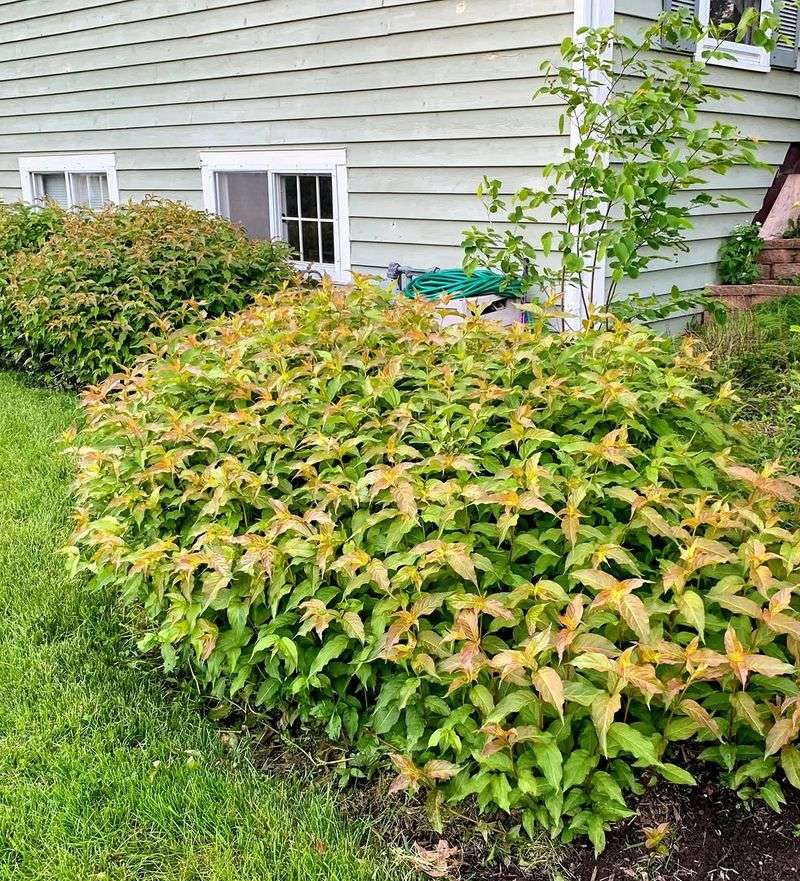
One of the best things about growing Northern Bush Honeysuckle in a Michigan garden is how little it asks of you once it gets going.
After the first season of establishment, Diervilla lonicera settles in and largely manages itself, filling its space without constant attention, feeding schedules, or complicated pruning routines.
For busy homeowners, that kind of reliability is genuinely hard to beat. Pruning needs are minimal and straightforward.
The most effective approach is a simple renewal cut every few years, where you trim the entire shrub down to about six to twelve inches above the ground in late winter or very early spring before new growth begins.
The plant responds enthusiastically, pushing up fresh, vigorous stems that fill the space quickly.
You do not need to shape it carefully or worry about cutting it back too hard, because its natural growth habit takes care of the form on its own.
Fertilizing is rarely necessary when the shrub is planted in reasonably decent soil. Diervilla lonicera is adapted to lean, native Michigan soils and does not need rich amendments to perform well.
A light layer of organic mulch around the base each spring helps retain soil moisture and keeps the root zone comfortable through summer heat.
Beyond that, watering during the first growing season to help roots establish is really all the extra effort required.
Once rooted in, this shrub practically runs itself, making it an ideal choice for gardeners who want great results with minimal ongoing effort.
4. Tolerates Diverse Soil Conditions
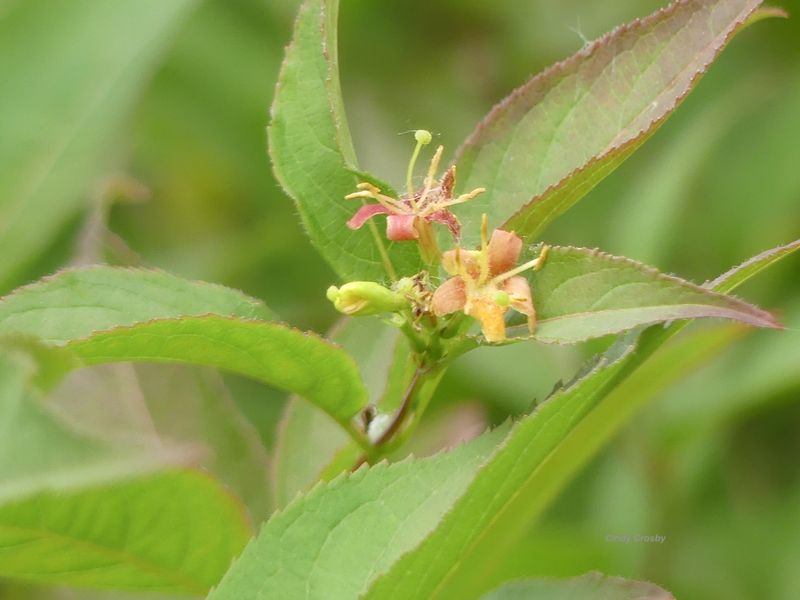
Soil problems stop a lot of plants cold, but Northern Bush Honeysuckle handles Michigan’s tricky soil types with an ease that makes it stand out.
Whether your yard has heavy clay that drains poorly, sandy soil that dries out fast, or a loamy mix somewhere in between, Diervilla lonicera adapts without complaint.
That flexibility makes it one of the most practical native shrubs available to Michigan gardeners.
When planting, dig a hole about twice as wide as the root ball and roughly the same depth, so roots can spread outward easily.
You do not need to heavily amend the soil unless it is extremely compacted.
In clay soils, loosening the surrounding area a bit and mixing in a small amount of compost can help with drainage, but the plant will still perform in straight clay once established.
In sandy soils, a little organic matter helps retain moisture during dry stretches, which is especially helpful during that critical first summer. Moisture needs are moderate.
Northern Bush Honeysuckle prefers consistent moisture but tolerates short dry periods once its roots are established.
It does not like to sit in standing water for long stretches, so avoid planting in low spots that pool after heavy rain. Partial shade to full sun both work well, giving you flexibility in placement around the yard.
This soil and moisture tolerance, combined with its cold hardiness through Michigan winters, makes Diervilla lonicera one of the most adaptable and forgiving native shrubs you can add to your landscape.
5. Deer-Resistant Foliage
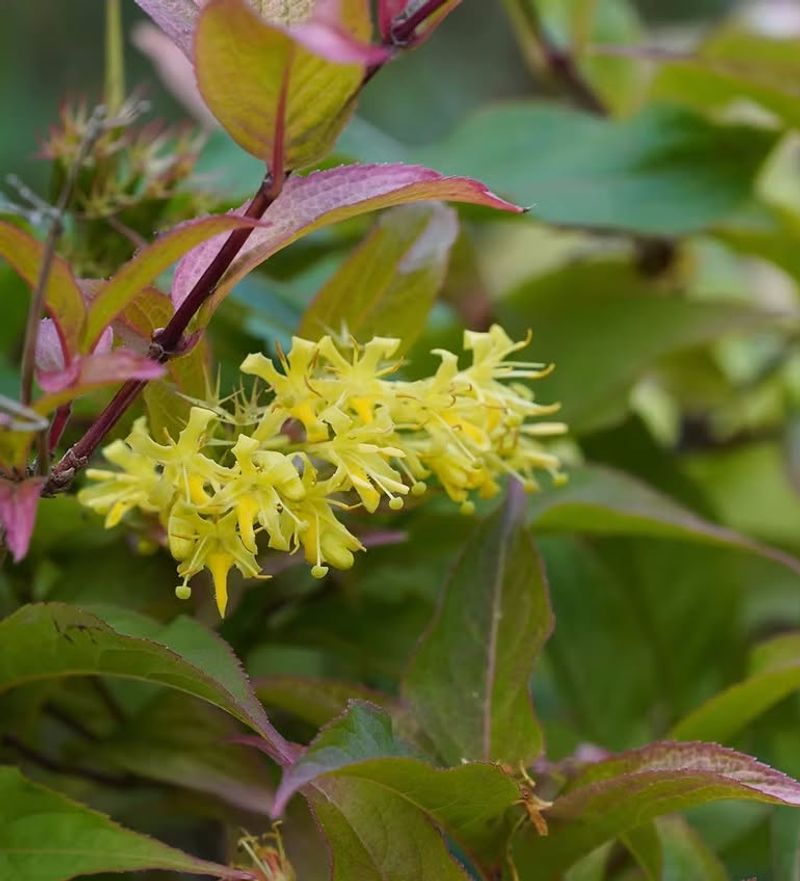
Anyone who gardens in Michigan knows the frustration of waking up to find a favorite shrub chewed down overnight.
Deer pressure is a real challenge in many parts of the state, and it can make border plantings feel like a losing battle.
Northern Bush Honeysuckle, however, holds up surprisingly well against deer browsing, thanks largely to the aromatic quality of its foliage.
The leaves of Diervilla lonicera contain compounds that give them a slightly bitter, pungent scent when crushed or disturbed.
Deer tend to find this unappealing and generally pass it over in favor of tastier options nearby.
While no plant is completely deer-proof when food is scarce in deep winter, Diervilla lonicera consistently ranks among the more resistant native shrubs in landscapes where deer pressure is moderate to heavy throughout the growing season.
This resistance is a huge advantage for border plantings specifically, because borders are often the first areas deer browse along.
When you plant Diervilla lonicera along a fence line, driveway edge, or property border, you can feel more confident that the dense coverage you are building will actually stay intact from season to season.
Pairing it with other deer-resistant natives like native grasses or coneflowers creates a layered border that holds up well even in areas with regular deer activity.
Over several years, as the shrub spreads and fills in, that resistance becomes even more valuable because you have a substantial planting that continues to look full and healthy without repeated setbacks.
6. Attracts Pollinators
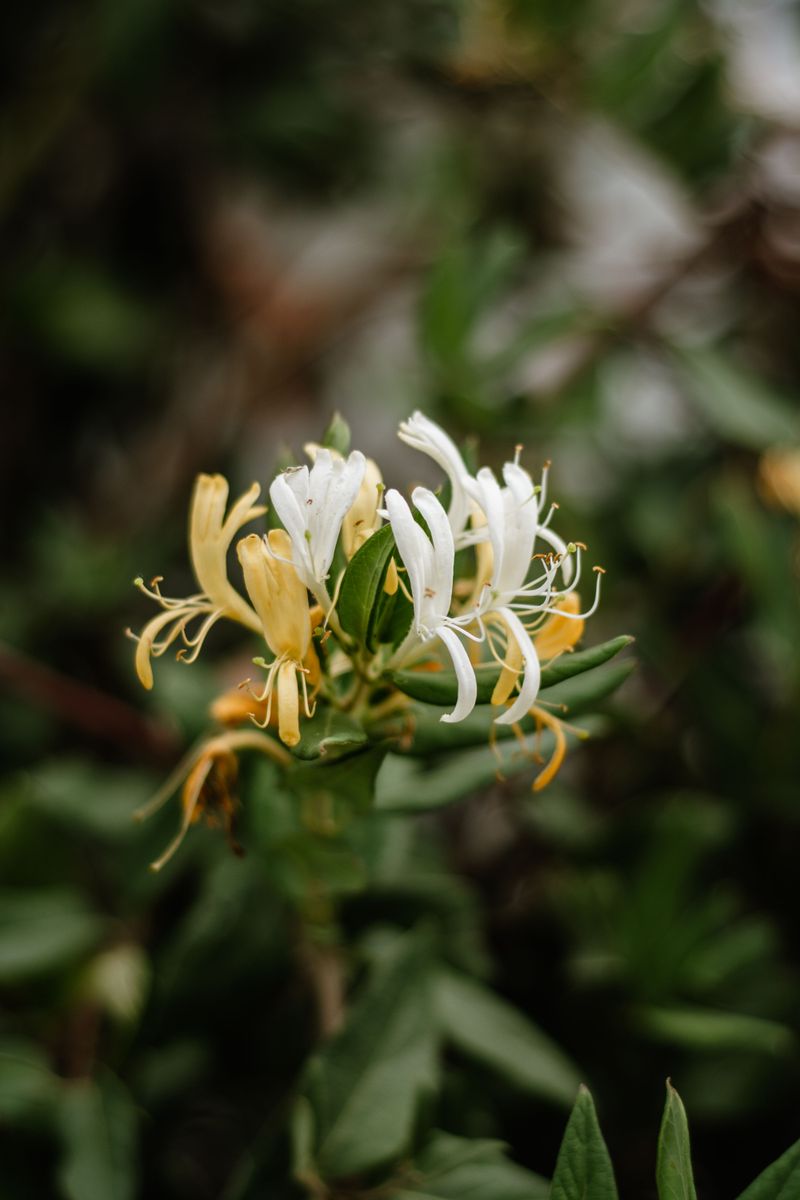
Small but mighty, the yellow flowers of Northern Bush Honeysuckle pack a serious punch when it comes to attracting beneficial insects.
Each summer, usually from late June through July in Michigan, the shrub produces clusters of tubular yellow blooms that start out pale and deepen to a rich golden color as they age. That color shift is not just pretty to look at.
It actually signals to pollinators which flowers still have nectar available, making feeding more efficient for the insects visiting.
Bees are among the most frequent visitors, including native bumblebees and smaller native bee species that depend on summer-blooming plants for food during peak colony season.
Butterflies also visit regularly, drawn by the accessible nectar in the tubular blooms.
Beyond bees and butterflies, hummingbirds have been observed visiting Diervilla lonicera flowers in gardens where both the shrub and the birds are present, adding another layer of wildlife activity to the border.
From an ecological standpoint, planting Northern Bush Honeysuckle along a border contributes meaningfully to the health of your local pollinator population.
Michigan has seen declines in native bee species over recent decades, and gardens planted with native flowering shrubs like Diervilla lonicera help provide critical summer forage.
The blooms are not overwhelming or showy in the way some garden plants are, but their quiet, steady production of nectar through midsummer fills an important gap in the flowering calendar when many spring bloomers have already finished.
Adding this shrub to your border brings beauty and ecological purpose together in one easy-to-grow package.
7. Multi-Season Interest
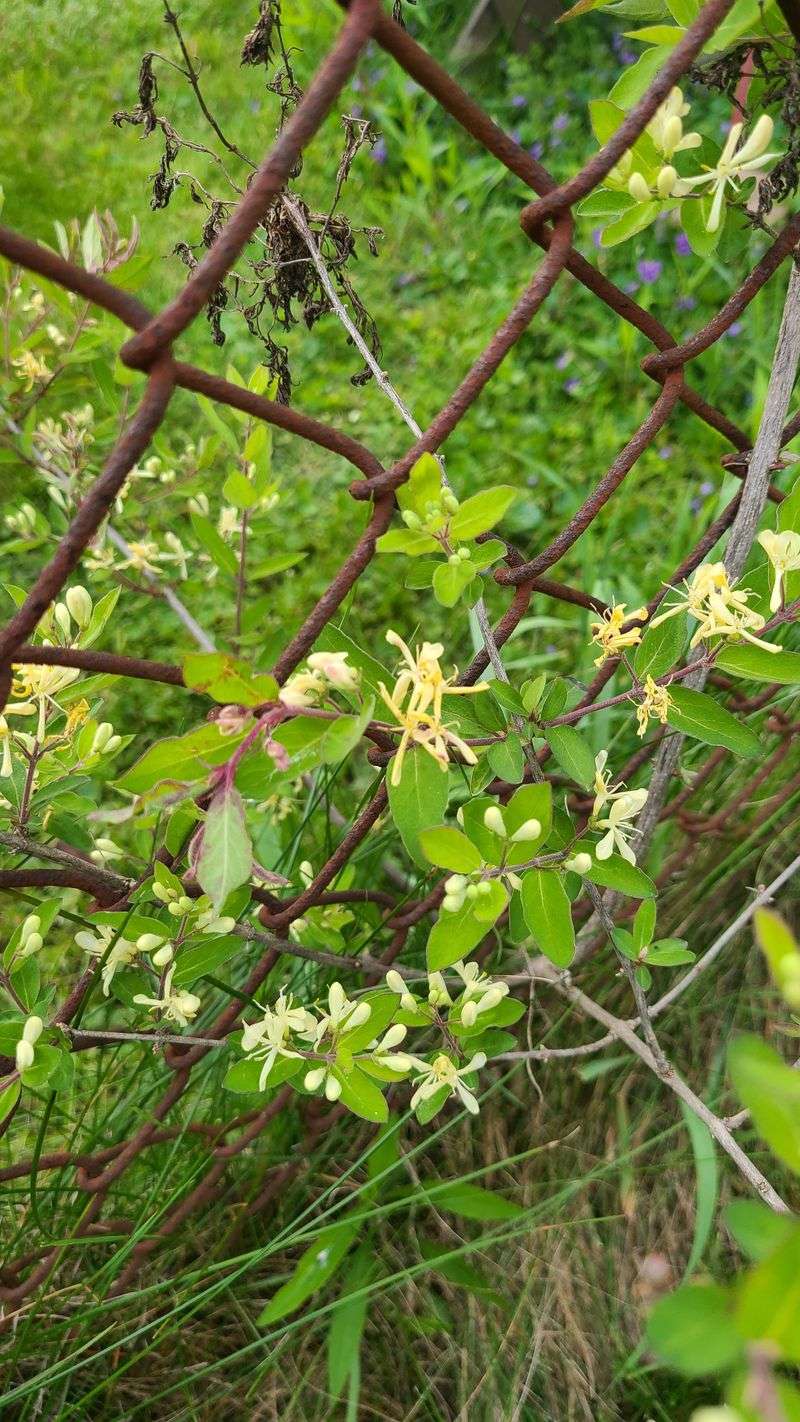
A shrub that only looks good for one season is a missed opportunity in any garden design, and Northern Bush Honeysuckle avoids that problem entirely.
Diervilla lonicera delivers visual interest across spring, summer, fall, and even winter, making it one of the hardest-working native shrubs you can plant along a Michigan border.
Spring brings reddish bronze new foliage that softens to glossy green as the season warms up. Summer adds cheerful yellow blooms that last for several weeks.
Then fall arrives with one of the best features of this shrub: the foliage turns shades of red, orange, and burgundy, rivaling many dedicated ornamental shrubs in autumn color.
Even after the leaves drop, the branching structure of Diervilla lonicera has a clean, airy quality that adds subtle texture to the winter garden, especially when dusted with snow.
For companion planting, consider pairing Northern Bush Honeysuckle with native plants that complement each season.
Serviceberry or native viburnums nearby add spring bloom interest before Diervilla’s yellow flowers take over in summer.
In fall, the warm-toned foliage pairs beautifully with the seed heads of native grasses like little bluestem.
Along borders, placing Diervilla lonicera at the mid-ground with shorter native groundcovers in front creates a layered look that feels intentional and naturalistic at the same time.
Its consistent four-season performance means your border always has something worth noticing, no matter what month you are standing in your yard admiring the view.
8. Spreads Gradually Without Becoming Invasive
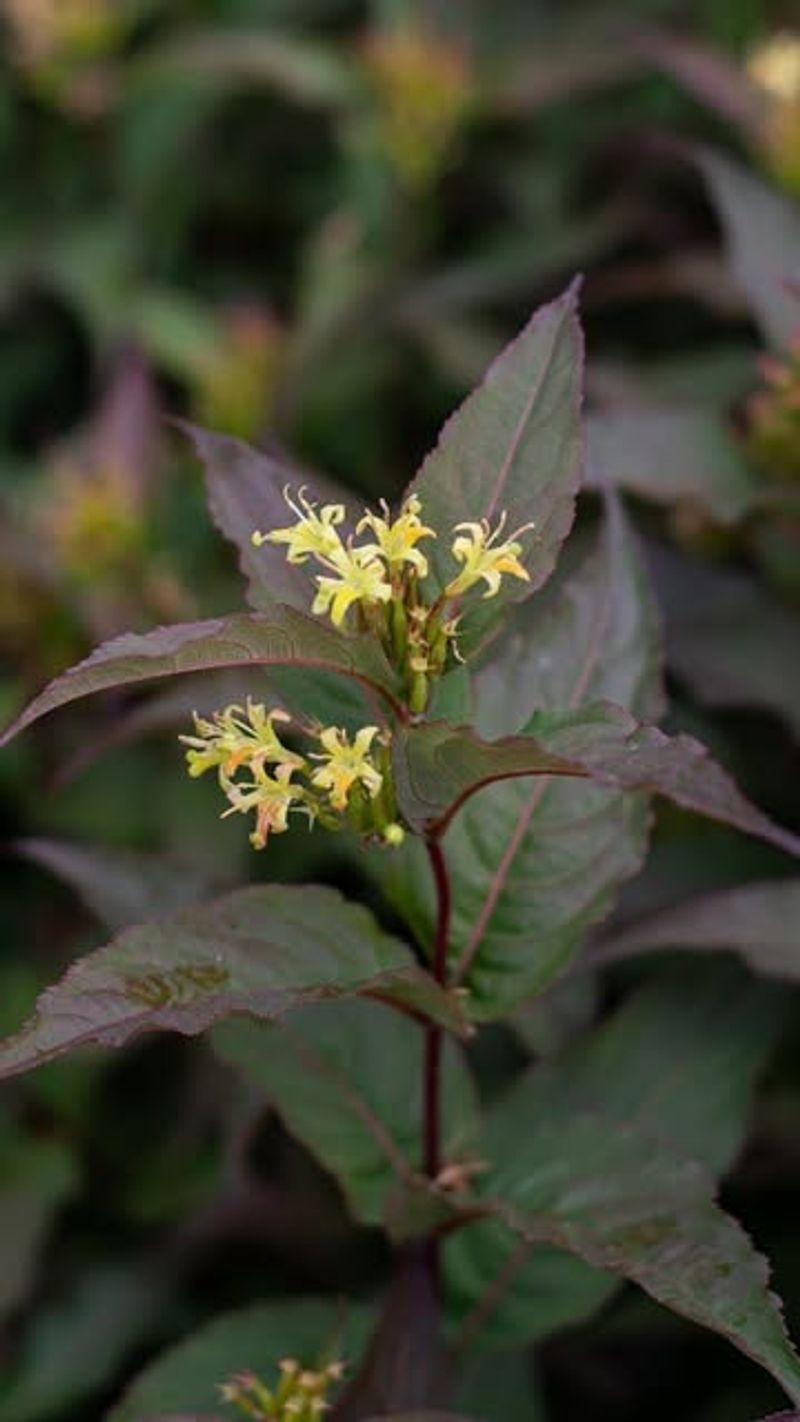
Spreading shrubs can make some gardeners nervous, and for good reason. Plenty of plants sold as border fillers turn aggressive over time, crowding out everything nearby and becoming a headache to manage.
Northern Bush Honeysuckle takes a completely different approach, spreading slowly and predictably through basal shoots without ever running wild or overwhelming neighboring plants.
The spreading happens through stolons, which are underground stems that creep outward from the main clump and send up new shoots a short distance away.
In a typical Michigan garden, you might see the clump expand by six to twelve inches per year under good growing conditions.
That pace is easy to monitor and easy to manage if you ever want to keep the planting within a specific area.
Simply cut back or remove shoots that venture beyond your intended border, and the plant responds without drama.
This controlled spread is actually one of the reasons landscape designers and native plant enthusiasts favor Diervilla lonicera for naturalized hedges and border plantings.
Over five to ten years, a single plant grows into a dense, layered mass of stems and foliage that looks like a mature, established planting rather than a sparse row of individual shrubs.
Because the spread is gradual, surrounding perennials and groundcovers have time to coexist and adjust rather than being suddenly overwhelmed.
The result is a border that fills in beautifully, looks full and natural, and stays manageable year after year without requiring aggressive intervention or constant monitoring to keep it in check.