These Are The Pennsylvania Yard Habits That Attract Birds Known To Eat Ticks
Most Pennsylvania homeowners would do just about anything to keep ticks out of their yards. And if you’ve been relying on sprays and treatments alone, you might be surprised to learn that nature already has its own tick control system built in.
It flies, it sings, and it’s probably already living somewhere near your property. Certain birds are absolute tick eating machines.
Species like wild turkeys, guinea fowl, and robins can consume a jaw dropping number of ticks every single day.
Having these birds visit your yard regularly could make a real difference in your tick population, especially during peak season. But here’s the thing. These birds don’t just show up randomly.
They’re attracted to specific conditions, and a lot of it comes down to simple yard habits. Some of these habits you might already have.
Others are quick and easy changes that can make your yard far more inviting to the birds that matter most. If you want a yard full of natural tick fighters, it all starts with what you do right here at home. Here’s what actually works.
1. Plant Native Trees And Shrubs
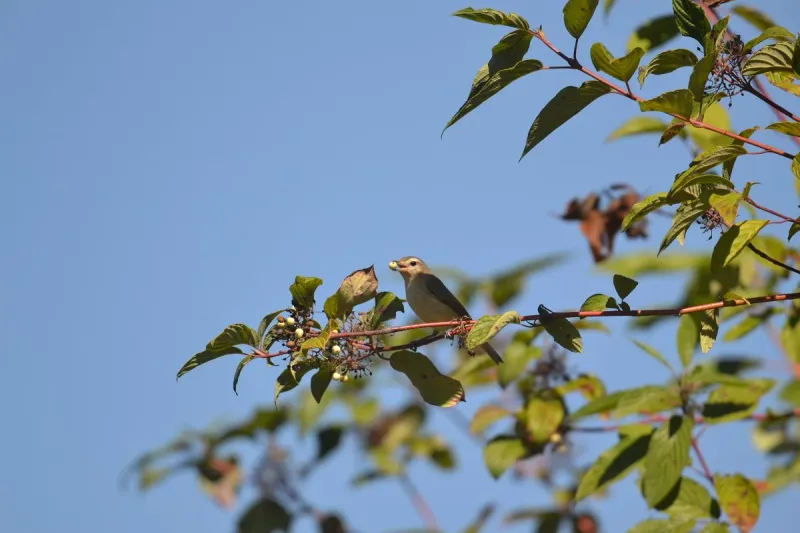
Walk through any thriving Pennsylvania woodland and you will notice something right away: the trees are alive with birds. That connection between native plants and birds is not a coincidence.
Native trees and shrubs have spent thousands of years growing alongside local wildlife, and they offer exactly what birds need to survive and stay healthy.
Audubon points out that locally native plants are the single most important thing a homeowner can add to attract birds.
Native trees like oaks, wild cherry, and serviceberry support hundreds of insect species. Those insects are the same ones that tick-eating birds search for every single day.
When birds come to your yard looking for insects, they also pick up ticks along the way. Ground-foraging birds like robins, towhees, and wild turkeys scratch through leaf litter and low vegetation, which is exactly where ticks like to hide.
Planting native shrubs close to the ground gives these birds more places to search. Native plants also provide berries, seeds, and shelter, which keeps birds coming back throughout the seasons. A yard with only grass gives birds almost nothing to work with.
But a yard with native oaks, dogwoods, and viburnums becomes a year-round habitat that birds will visit and nest in repeatedly.
Start small if you need to. Even one or two native trees planted near your yard edge can begin attracting birds within the first season.
Add native shrubs beneath them for layered coverage. Over time, your yard becomes a living ecosystem that naturally supports birds known to eat ticks right here in Pennsylvania.
2. Add Berry-Producing Plants Along The Edges
There is something almost magical about watching a flock of cedar waxwings descend on a winterberry bush in late fall. One minute the yard is quiet, and the next it is full of color and activity.
That kind of bird traffic does not happen by accident. It starts with the right plants growing in the right places.
Your Pennsylvania Garden Changes Every Week. Your Plan Should Too.
Gardening in Pennsylvania changes quickly throughout the season. Every Friday you’ll receive a simple weekly plan showing exactly what to plant, prune, fertilize, harvest, and protect so you never miss the right timing.
Berry-producing plants are some of the best tools Pennsylvania homeowners have for attracting birds that also eat ticks. Serviceberry, elderberry, dogwood, winterberry, and native viburnums are all excellent choices for this region.
These plants grow well in Pennsylvania’s climate and produce fruit that birds recognize and seek out naturally.
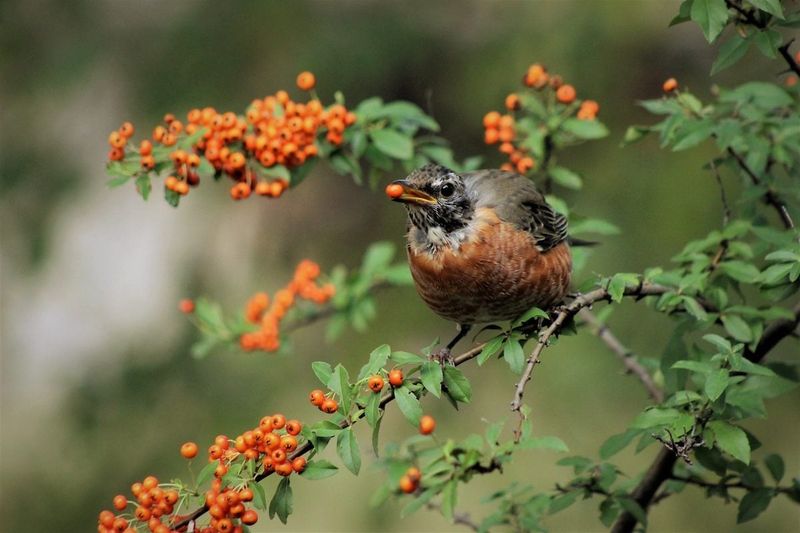
Robins, catbirds, thrushes, and waxwings are all known to forage through garden edges where berry plants grow. These same birds also spend time on the ground flipping leaves and probing soil for insects and ticks.
By planting berries along your yard’s edges, you give these birds a reason to linger longer in your space.
Yard edges are especially important because they serve as transition zones between open lawn and denser cover. Birds feel safer foraging in these areas because they can quickly retreat to shrubs if a predator appears.
A well-planted edge with native berry shrubs creates exactly the kind of habitat that encourages birds to stick around and explore.
Try planting in clusters rather than single specimens. Groups of the same plant create more visual impact for birds and produce more fruit overall.
Mix early-fruiting plants like serviceberry with late-fruiting ones like winterberry so birds have food available from summer through winter across your Pennsylvania yard.
3. Leave Some Seedheads Standing In Fall
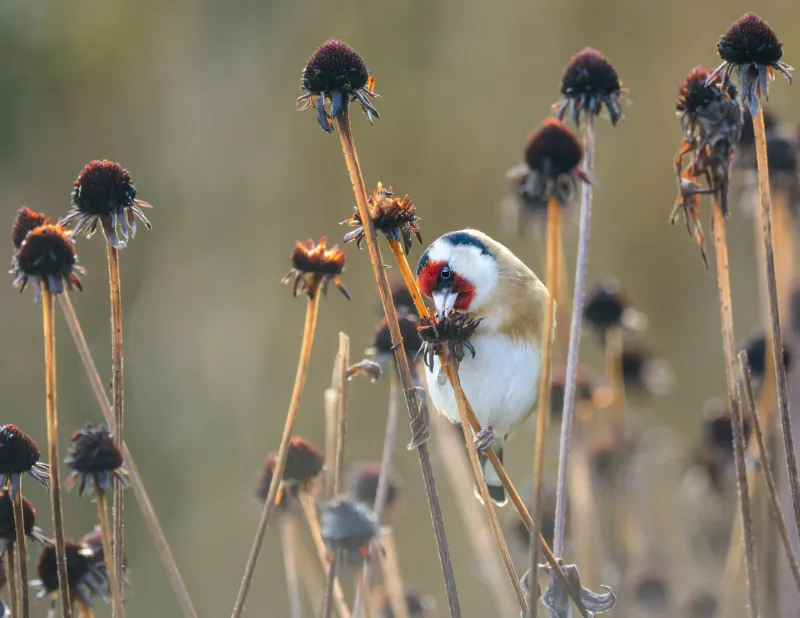
Most gardeners feel the urge to tidy everything up once the growing season ends. Cutting back every stem and clearing every leaf pile feels productive, but it actually removes some of the most valuable resources birds rely on during the colder months.
Leaving seedheads standing through fall and winter is one of the easiest habits you can adopt for birds.
Coneflowers, black-eyed Susans, goldenrods, asters, and native grasses all produce seeds that finches, sparrows, and other small birds absolutely love. These plants do not need to be replanted each year either.
They feed birds, drop seeds naturally, and come back the following spring with very little effort from you.
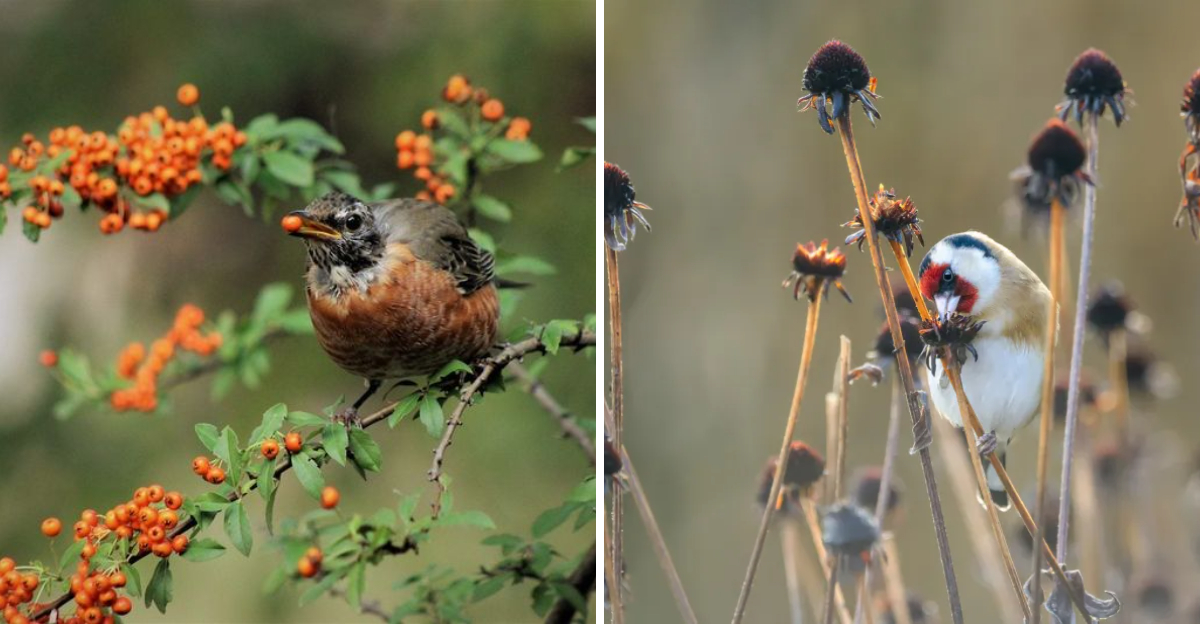
American goldfinches are especially well known for picking apart coneflower and black-eyed Susan heads in fall. Sparrows and juncos work the ground beneath these plants, scratching through fallen debris.
That scratching behavior is important because ticks often hide in exactly that kind of leaf and stem litter at the base of garden plants.
Leaving seedheads standing also means leaving stem structure intact. Many native bees and beneficial insects overwinter inside hollow stems.
Those insects attract insect-eating birds in early spring, which are often the same species known to consume ticks. So the benefit of leaving plants standing stretches well beyond just seeds.
You do not have to leave your entire yard looking unkempt. Choose a dedicated garden bed or border where you allow plants to stand naturally.
Even a small patch of coneflowers and grasses left untouched through winter gives birds meaningful foraging opportunities and helps make your Pennsylvania yard a more welcoming place for tick-eating species all year long.
4. Install Nest Boxes For Cavity-Nesting Birds
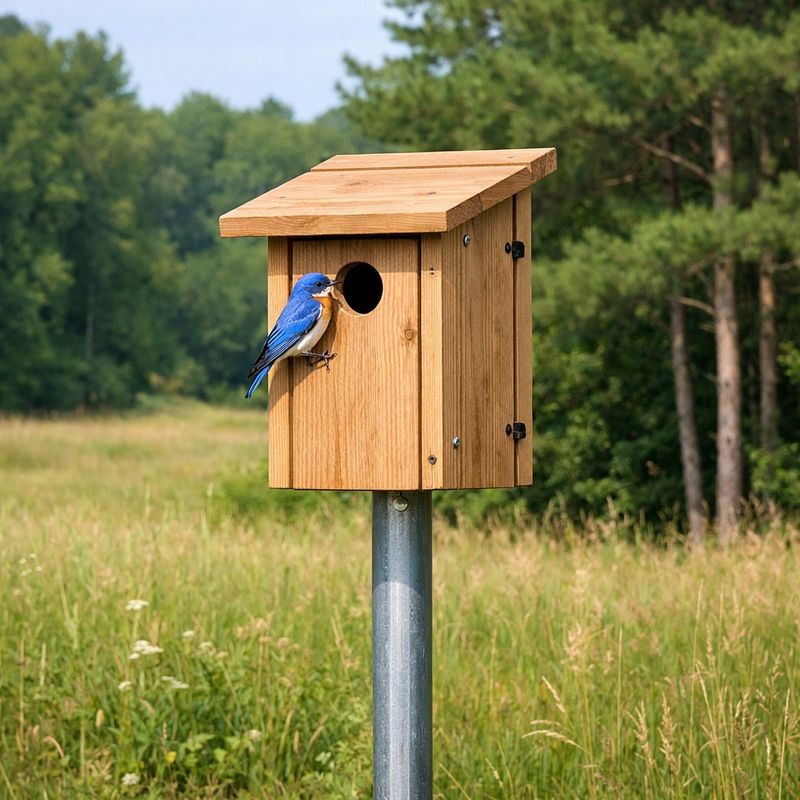
Bluebirds are one of those birds that people genuinely get excited about. Their brilliant blue feathers are hard to miss, and their habit of hunting insects close to the ground makes them natural allies against ticks.
The challenge is that bluebirds, like many cavity-nesting birds, need a hole in a tree or a nest box to raise their young. Mature trees with natural cavities are not always available in modern yards.
That is where nest boxes come in. Installing a properly built and placed nest box can attract bluebirds, chickadees, wrens, and nuthatches, all of which eat insects including ticks.
Cornell Lab of Ornithology notes that nest boxes should be placed with the target bird in mind and positioned away from areas likely to attract unwanted species.
For bluebirds, place the box in an open area with short grass nearby, facing away from prevailing winds. Mount it on a smooth metal pole with a predator guard to protect nesting birds.
Avoid placing boxes directly near dense brush or wooded areas, which can attract house sparrows and starlings that compete aggressively with native cavity nesters.
Chickadees and wrens prefer boxes placed closer to woodland edges or shrubby areas. Nuthatches like boxes mounted on tree trunks or near larger trees.
Doing a little research on the specific bird you want to attract will help you place the box in the right spot and use the correct entrance hole size.
Check boxes each season and clean them out after nesting is complete. A clean, well-maintained box is far more likely to be used again the following year, keeping your yard full of active, insect-hunting birds throughout the Pennsylvania nesting season.
5. Provide Clean Water, But Place It Carefully
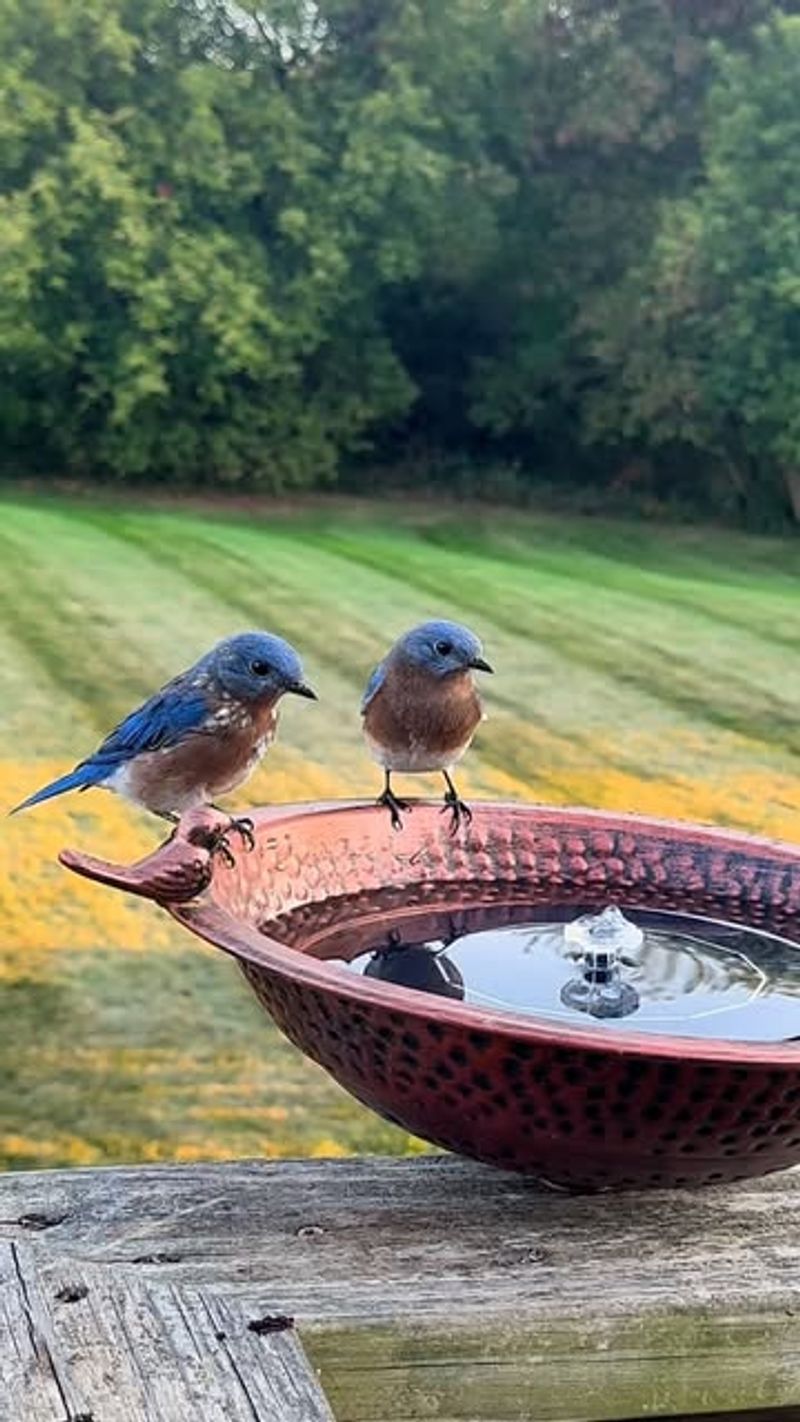
Birds need water just as much as they need food and shelter. A clean, reliable water source can turn an ordinary Pennsylvania yard into a busy bird destination almost overnight.
Robins, catbirds, thrushes, and sparrows are all drawn to the sound and sight of fresh water, and these are exactly the kinds of birds that forage for ticks near the ground.
A simple birdbath works well, but placement matters more than most people realize. Set it in an open, sunny area where birds can see clearly in all directions.
Birds are cautious when bathing because they are temporarily vulnerable, so they strongly prefer spots where they have a clear view of approaching threats. Open placement also means the water dries and refreshes more naturally, staying cleaner between changes.
Avoid placing birdbaths near dense shrubs, tall weeds, or shaded damp areas. Those spots feel safer from a bird’s perspective, but they are also prime tick habitat.
You do not want to create a situation where birds are bathing right next to the very environment where ticks thrive. Keep the surrounding area trimmed and dry.
Change the water every two to three days to prevent mosquito breeding and algae growth. Scrub the basin with a stiff brush and rinse it thoroughly each time.
A clean birdbath signals to birds that the spot is safe and well-maintained, which encourages repeat visits from a wider variety of species.
Adding a dripper or small solar-powered fountain is a great upgrade. Moving water catches the attention of passing birds much more effectively than still water.
Even a slow drip from a hanging container can bring in birds that might otherwise pass your Pennsylvania yard by without stopping.
6. Avoid Broad-Spectrum Pesticides
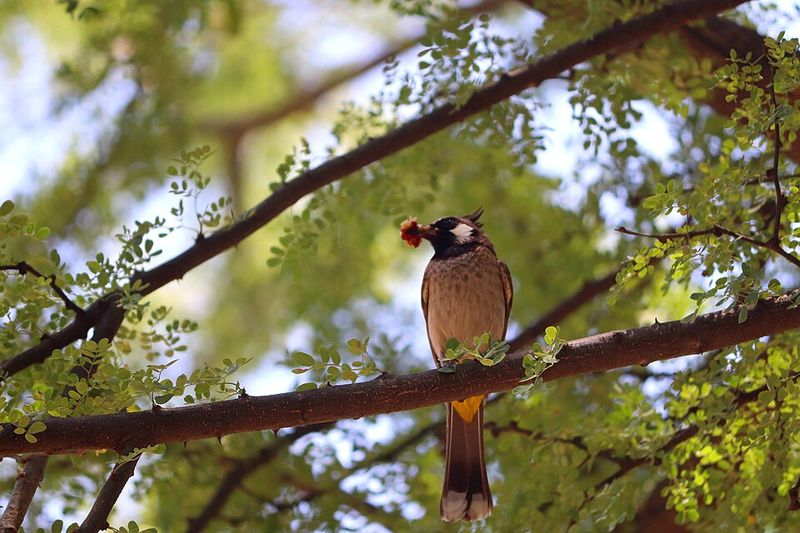
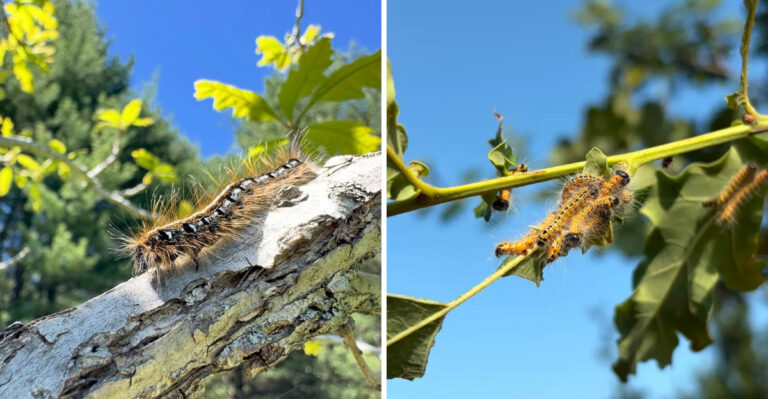
Insects get a bad reputation, but they are actually the foundation of a healthy bird yard. Without insects, most of the birds that eat ticks would have nothing to feed their chicks during nesting season.
Cornell Lab of Ornithology points out that plants support birds by providing seeds, fruit, nectar, sap, and insect habitat, all of which are especially important for birds raising young.
Broad-spectrum pesticides do not just target the bugs you dislike. They wipe out caterpillars, beetles, flies, and other insects that birds depend on.
When insect populations crash, birds stop coming. And when birds stop coming, ticks have fewer natural predators patrolling your yard. It becomes a cycle that works against everything you are trying to build.
Skipping or significantly reducing pesticide use is one of the most powerful things you can do for a bird-friendly yard. It feels counterintuitive at first, especially when you spot pest damage on your plants.
But a yard with a thriving insect community attracts more birds, and more birds mean more natural pest and tick management happening every single day without any effort from you.
If pest pressure is genuinely a problem, look into targeted organic options that address specific insects without affecting the broader food web. Introducing native predatory insects or using physical barriers can also help manage pests in a way that does not harm the birds you are trying to attract.
Think of your yard as a system rather than a collection of separate problems to fix. When you protect the insects, you protect the birds.
When you protect the birds, you get natural support in managing ticks throughout your Pennsylvania yard in every season without reaching for a spray bottle every time something goes wrong.