Tennessee Gardeners Should Know These Post-Storm Steps Before The Heat Returns
The garden doesn’t warn you. One evening it’s staked, watered, and humming along. By 6 a.m. it looks like something lost a fight with the county. Snapped pepper stems.
A tomato cage doing a slow cartwheel toward the fence. Mud so thick it buried your stepping stones whole.
Tennessee storms don’t negotiate. They arrive, unravel everything, and leave you a to-do list before breakfast.
But here’s the thing most gardeners miss in that first overwhelming walk-through: the window right after a storm is actually one of the most useful moments of the growing season. The soil is loose.
The roots are exposed and thirsty for attention. Tennessee ground holds that softness for only so long before the heat locks it back down.
What you do in the next two hours decides whether you’re harvesting in August or pulling spent plants in July.
1. Clear Storm Debris And Rinse Splashed Foliage
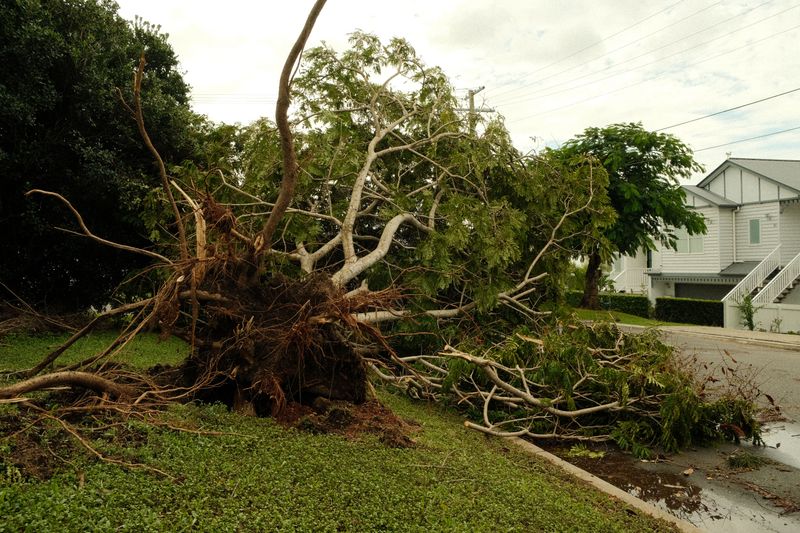
Mud-splattered leaves and snapped twigs left behind after a storm are more than just an eyesore. They can block sunlight, trap moisture, and invite pests before the afternoon even warms up.
Start by walking the entire garden slowly. Pick up any large debris by hand and toss it into a yard waste bin or compost pile.
Smaller bits of leaves and bark can be raked into a pile near your compost area. Do not leave them sitting on top of plant crowns, where they can cause rot.
Once the big stuff is gone, grab your garden hose and rinse off any foliage that got splashed with mud during the storm. Muddy residue blocks the tiny pores plants use to breathe and absorb sunlight.
A gentle spray is all you need. You are not power-washing a driveway, so keep the pressure low and aim upward from the base of each plant.
Post-storm steps like this one feel small, but they set the stage for everything else you do in the garden that day. Skipping this step means your plants start recovery already working against themselves.
Tennessee summers return heat fast, so clearing debris before the sun climbs high gives your garden a real fighting chance. A clean garden breathes easier, heals faster, and rewards every minute you spend caring for it.
2. Prune Broken Stems Back To A Healthy Node
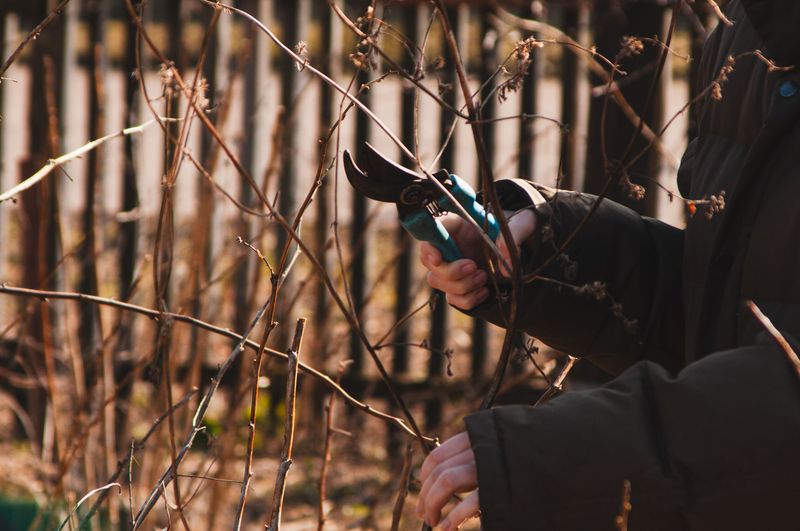
A snapped stem left to dangle is a vulnerable entry point for disease on your plant. Bacteria, fungi, and insects all find those ragged edges incredibly inviting, especially when humidity spikes after a storm.
Grab a clean pair of pruning shears before you start. Dirty blades spread disease from one plant to the next faster than most gardeners realize.
Look for stems that are cracked, bent sharply, or hanging by a thread. These need to come off cleanly, not be taped or tied back into place.
Cut just above a healthy node, which is the small bump or joint where new growth emerges. That spot is where your plant will redirect energy to push out fresh leaves and stems.
Your Tennessee Garden Changes Every Week. Your Plan Should Too.
Gardening in Tennessee changes quickly throughout the season. Every Friday you’ll receive a simple weekly plan showing exactly what to plant, prune, fertilize, harvest, and protect so you never miss the right timing.
Angle your cut slightly so rainwater runs off the wound rather than pooling on it. This small detail makes a noticeable difference in how quickly the cut heals over.
After pruning, wipe your blades with rubbing alcohol between plants. This takes about ten extra seconds and prevents spreading any fungal spores already clinging to damaged tissue.
Do not be afraid to remove a lot of growth if the damage is severe. Plants that look rough after pruning often surprise gardeners with vigorous new growth within days.
These post-storm steps require a bit of nerve, but a well-pruned plant recovers far faster than one left ragged. Trust the process and let your garden show you what it can do.
3. Stake Or Re-Tie Toppled Plants And Vines
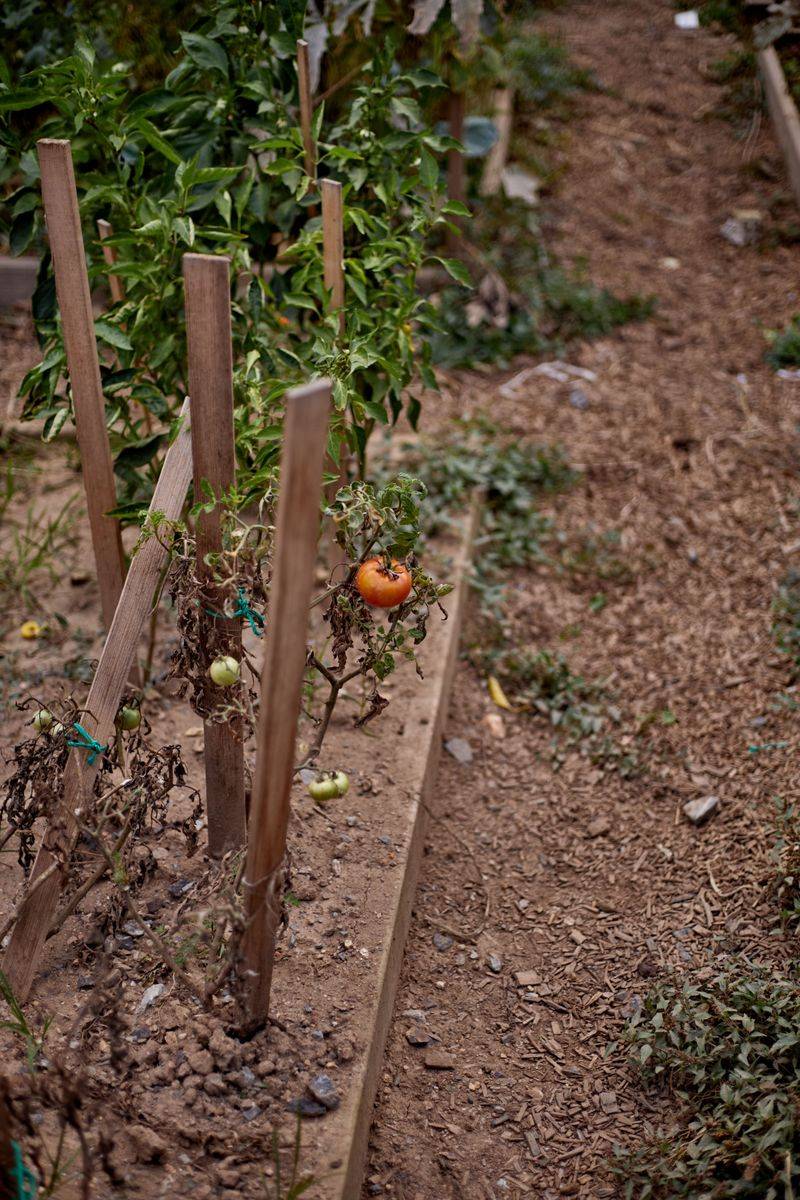
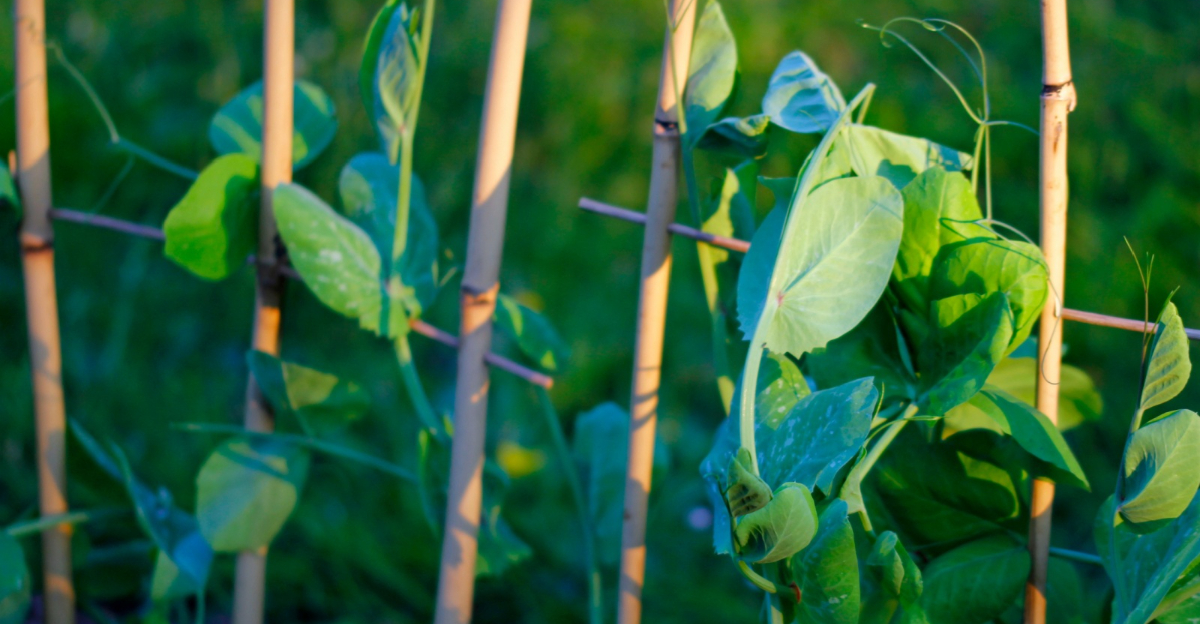
Storms have a talent for finding the one stake you forgot to check and proving exactly why it mattered. Stems left on the ground for extended periods may develop a permanent lean that limits full recovery.
Walk through your beds and gently lift any plants that have fallen over. Support them with one hand while you assess whether the root system is still intact.
If roots have been partially pulled from the soil, press them back down firmly and water the area lightly. Most plants can recover from this if you act within a few hours.
Drive a fresh stake into the ground at an angle away from the plant stem. This gives you a solid anchor point that does not compete with the root zone.
Use soft garden ties, strips of old fabric, or silicone plant clips to secure the stem. Avoid wire or anything rigid that could cut into the plant as it grows.
Vines need extra attention because they often twist or tangle when they fall. Gently unwind them before re-attaching so they do not choke each other out as new growth emerges.
Check the ties again after 48 hours once the plant has had time to settle. Sometimes stems shift slightly as they dry out and firm back up.
Re-staking after a storm is one of those post-storm steps that pays off fast. A supported plant puts energy into growing up, not struggling to stay upright.
4. Check Trellises And Supports For Damage

That trellis looked solid last spring, but storms have a way of exposing every loose screw and soft board you forgot about. A wobbly trellis is a liability, not a support system.
Start at the base of each structure and push it gently from side to side. If it rocks more than an inch, it needs reinforcement before you trust it with another season of growth.
Look for cracked wood, bent metal, and broken zip ties along the entire length. These weak spots will fail at the worst possible moment, usually when plants are fully loaded with fruit.
Tighten any loose screws or bolts with a screwdriver or wrench. If the wood around a screw has softened or rotted, drive a new screw a few inches away into solid material.
Metal stakes that have bent can sometimes be straightened by hand. If they have kinked sharply, replace them because a kinked stake loses most of its structural strength.
For bamboo trellises, check each pole for splitting or cracking near the base. Bamboo looks tough but can develop hairline fractures that cause sudden failures under weight.
Reattach any vines or climbers that came loose during the storm using fresh ties. Do not assume the plant will find its way back on its own.
Solid supports give your garden a confident foundation heading into summer heat. Fixing them now means fewer emergencies when everything is growing at full speed.
5. Inspect Plants For Early Signs Of Fungal Disease
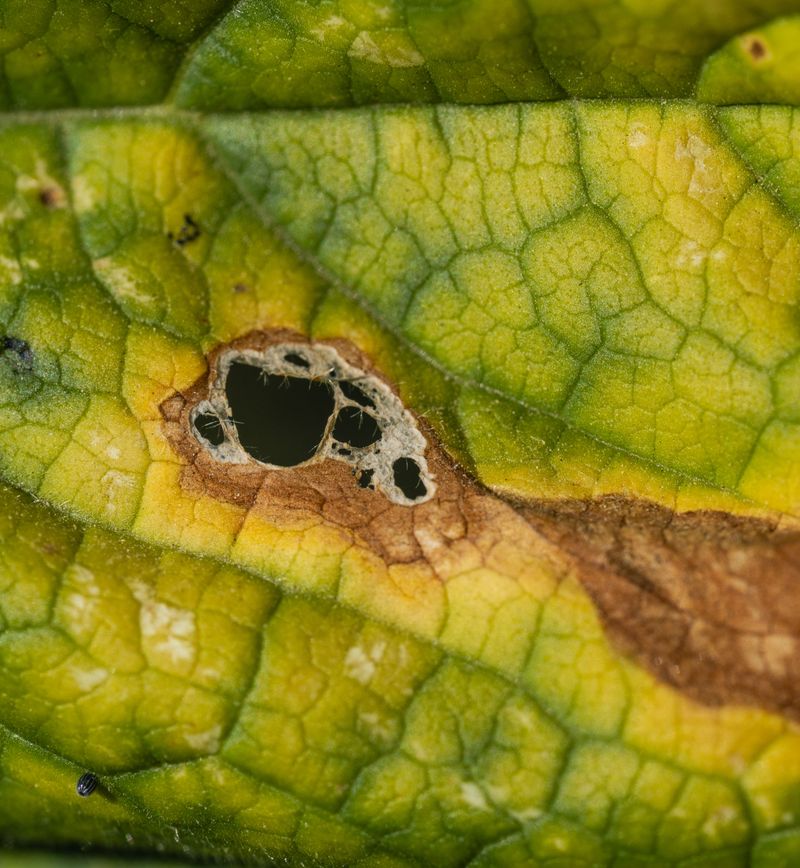
Warm, wet conditions are basically a welcome mat for fungal disease. After a storm, your garden has exactly the environment that powdery mildew, black spot, and early blight love most.
Flip leaves over and look at the underside first. Many fungal problems start on the bottom of the leaf where moisture lingers longest and air circulation is weakest.
Watch for small brown or yellow spots with darker borders, fuzzy gray patches, or a powdery white coating on leaf surfaces. These are early warning signs, not a full-blown crisis yet.
Remove any infected leaves immediately and place them in a sealed bag, not your compost pile. Composting diseased material can spread spores right back into your garden later in the season.
After removing affected leaves, wash your hands before touching healthy plants nearby. Fungal spores transfer easily from fingers, tools, and even clothing.
A copper-based fungicide or neem oil spray can help slow the spread if you catch it early. Always follow label directions and apply in the early morning so leaves dry before evening.
Increase air circulation around crowded plants by thinning out dense foliage. Better airflow means leaves dry faster, which makes the environment far less friendly to fungal growth.
These post-storm steps for disease prevention are about catching trouble before it spreads across your whole garden. Staying sharp-eyed now saves you a lot of disappointment come harvest time.
6. Apply Fresh Mulch To Lock In Moisture
Rain has a funny way of looking generous while actually robbing your soil. Storm water hits hard, compacts the surface, and then evaporates quickly once the sun returns and temperatures climb.
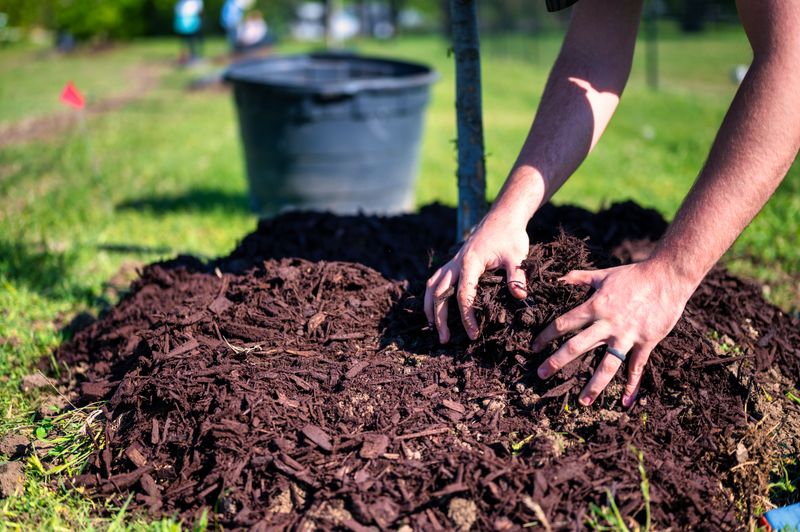
Fresh mulch applied right after a storm acts like a lid on your soil. It slows evaporation dramatically, keeping the moisture that just soaked in from escaping before roots can use it.
Aim for a layer about two to three inches thick around the base of each plant. Thinner layers dry out too fast, and thicker ones can limit airflow to roots or invite slugs.
Keep mulch a few inches away from plant stems. Mulch piled directly against a stem traps moisture against the bark and creates a perfect environment for rot and disease.
Wood chips, straw, and shredded leaves all work well. Each option breaks down over time and adds organic matter back into the soil, which improves structure and drainage naturally.
If your existing mulch got scattered or washed away during the storm, rake it back into place before adding fresh material on top. You want an even, consistent layer across the entire bed.
Dark mulch also absorbs heat during the day and releases it slowly at night. This temperature buffering can be especially helpful as the summer heat returns to Tennessee gardens.
Mulching after a storm is one of the most rewarding post-storm steps because the results show up fast. Your soil stays workable, your plants stay hydrated, and your watering chores shrink noticeably.
7. Rake Rain-Crusted Soil So Roots Can Breathe
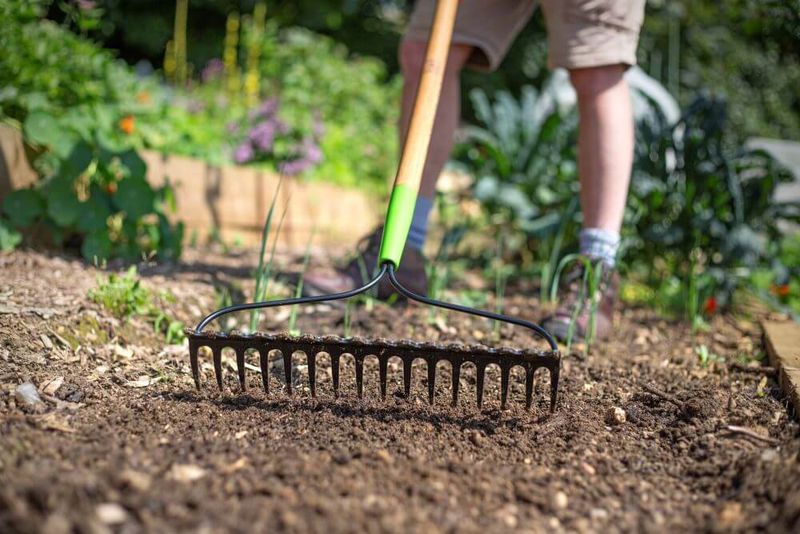
Heavy rain lands with surprising force, and over time it hammers the soil surface into a hard, sealed crust. That crust might look harmless, but it is slowly limiting the oxygen your plant roots need below.
Compacted soil reduces the oxygen available to roots and slows the movement of water deeper into the ground. Plants in crusted soil often show signs of drought stress even when the ground below is still damp.
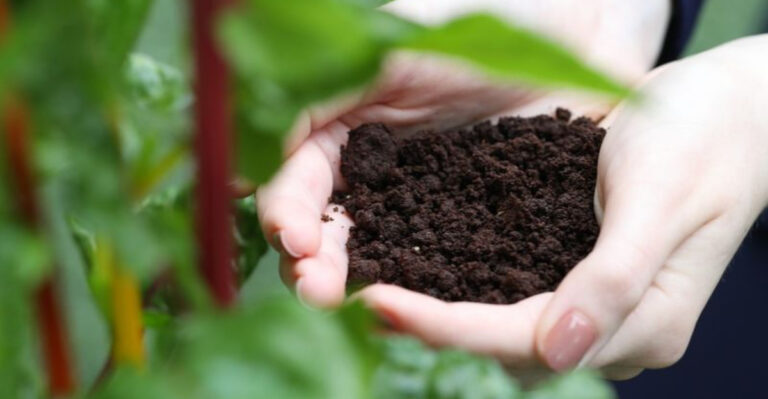
Use a hand cultivator or a narrow garden fork to gently break up the surface layer. Work in short, shallow strokes about an inch deep so you do not disturb the root system.
Move in a circular pattern around each plant rather than working in straight lines. This approach covers more ground evenly and reduces the chance of accidentally cutting through a shallow root.
You will notice the soil crumbling apart and changing color slightly as you work. That is a good sign that air is moving back into the soil profile where it belongs.
After loosening the surface, avoid walking on the freshly worked soil. Foot traffic compacts it right back down, undoing the effort you just put in.
If your soil crusts repeatedly after every rain, it may need organic matter added to improve its structure long-term. Mixing compost into the top few inches each season makes a big difference over time.
Loose soil is living soil, and living soil grows healthier, more productive plants. Give your roots room to breathe and they will reward you with a strong finish to the growing season.
8. Watch For Standing Water And Improve Drainage
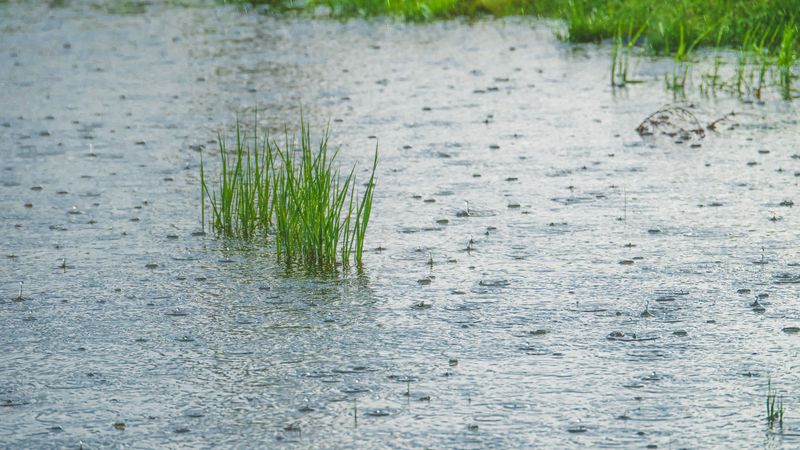
Puddles that hang around for more than 24 hours after a storm are telling you something important about your garden. Standing water deprives roots of the oxygen soil needs to support plant life.
Walk through your garden the morning after a storm and note any low spots where water has collected. Even shallow puddles that cover a square foot can cause root rot in a matter of days.
For mild drainage problems, a raised bed or a small berm of soil can redirect water away from vulnerable plants. You do not need heavy equipment to make a meaningful improvement.
Adding organic matter like compost to clay-heavy soil helps break up the dense structure over time. Better soil structure means water moves through more freely instead of pooling at the surface.
French drains are worth considering if the same spot floods after every storm. These simple gravel-filled trenches channel excess water away from planting areas toward a safer outlet.
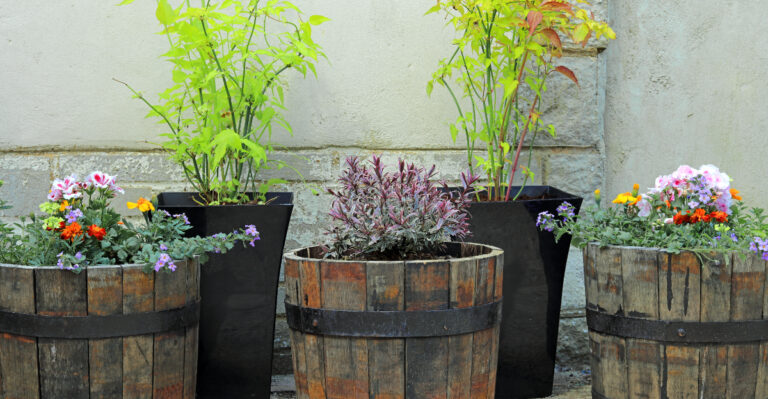
Container gardens face a different version of this problem. Check that drainage holes are not clogged with roots or compacted potting mix after a heavy rain.
Elevating containers slightly on pot feet or bricks allows water to drain freely from the bottom. This one small adjustment prevents the soggy, airless conditions that rot roots from below.
Addressing drainage is one of the most impactful post-storm steps you can take for long-term garden health. Fix where the water goes, and your plants will thrive through whatever the Tennessee summer throws next.