The Best Vegetables To Grow In 5 Gallon Buckets During Arizona Monsoon Season
Container gardening becomes a lot more appealing during summer. You do not need a large yard, expensive raised beds, or a big gardening project to grow fresh vegetables.
A few buckets placed in the right spot can turn an empty patio, driveway, or backyard corner into a productive growing space. That simplicity is one reason so many people continue adding containers every year.
Of course, summer weather does not always make things easy. Conditions can change quickly, and not every vegetable responds the same way.
Some plants struggle when humidity rises and storms become more frequent, while others continue growing with very little trouble. Knowing which vegetables are best suited to these conditions can save a lot of frustration later.
As monsoon season settles into Arizona, choosing the right crops becomes even more important.
Some vegetables are especially well suited to 5-gallon buckets and can continue producing through the changing weather conditions of summer.
1. Bush Beans Handle Warm And Humid Conditions Well
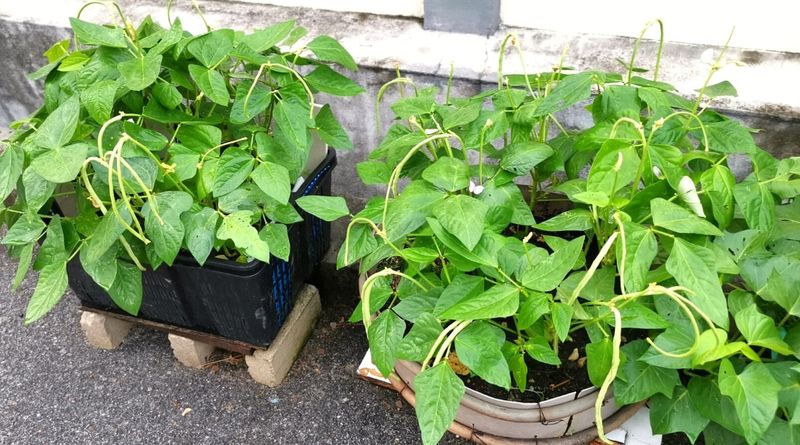
Bush beans might be the most underrated bucket crop for monsoon season. They germinate fast, grow compact, and start producing within 50 to 60 days.
That timeline fits perfectly between early monsoon rains and the tail end of summer heat.
Plant seeds about an inch deep and two inches apart in a well-draining potting mix. Bush beans don’t need a trellis, which makes them easy to manage on a patio or balcony.
Water them consistently but avoid letting the bucket sit in standing water after heavy rains.
Humidity from monsoon storms can sometimes encourage fungal issues on the leaves. Good airflow around your buckets helps reduce that risk.
Spacing containers at least a foot apart makes a real difference.
Fertilize lightly with a balanced fertilizer once plants are about four inches tall. Too much nitrogen pushes leafy growth instead of pods.
Stick with a low-nitrogen mix once flowering starts.
Harvest pods when they feel firm and snap cleanly. Leaving overripe pods on the plant slows new production.
Check plants every two to three days during peak season to keep yields coming in steadily.
Mulching the surface with a thin layer of straw can help reduce soil splashing during heavy monsoon downpours.
Bush beans also benefit from full sun, so place buckets where they receive at least six hours of direct sunlight each day.
2. Eggplants Thrive In Deep Five Gallon Containers
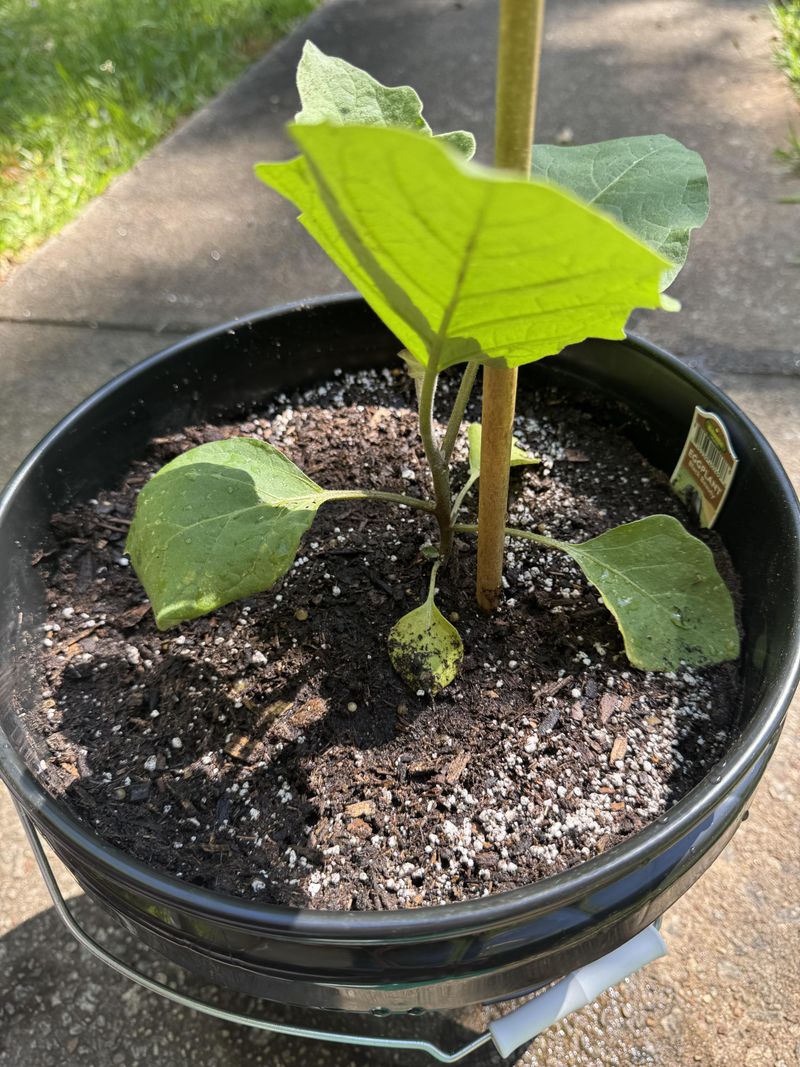
Eggplant is one of those vegetables that genuinely loves the heat. Monsoon season in the desert Southwest creates conditions that match eggplant’s native growing environment almost perfectly.
Warm soil, humid air, and long sunny days push these plants into serious production.
A 5 gallon bucket works well for compact eggplant varieties like Ichiban, Fairy Tale, or Black Beauty. Larger heirloom types may feel cramped but can still produce a decent harvest with regular feeding.
Stick with compact varieties for the best results in containers.
Plant one eggplant per bucket and use a rich, well-draining potting mix. Add a slow-release fertilizer at planting time to give roots a head start.
Your Arizona Garden Changes Every Week. Your Plan Should Too.
Gardening in Arizona changes quickly throughout the season. Every Friday you’ll receive a simple weekly plan showing exactly what to plant, prune, fertilize, harvest, and protect so you never miss the right timing.
Top-dress with compost halfway through the season to replenish nutrients lost through frequent watering.
Eggplants are thirsty in containers. Check soil moisture daily during hot stretches between rain events.
Mulching the top of the bucket with straw or shredded leaves slows moisture loss significantly.
Watch for flea beetles, which love eggplant leaves and can cause noticeable damage quickly. Row cover fabric draped loosely over young plants offers solid protection.
Remove it once plants are established and flowering, since pollinators need access to the blooms.
Monsoon storms can bring strong wind gusts that put extra strain on branches carrying heavy fruit.
A sturdy stake or small cage helps support the plant and reduces the chance of stems bending or snapping during rough weather.
3. Okra Grows Strong During Summer Heat
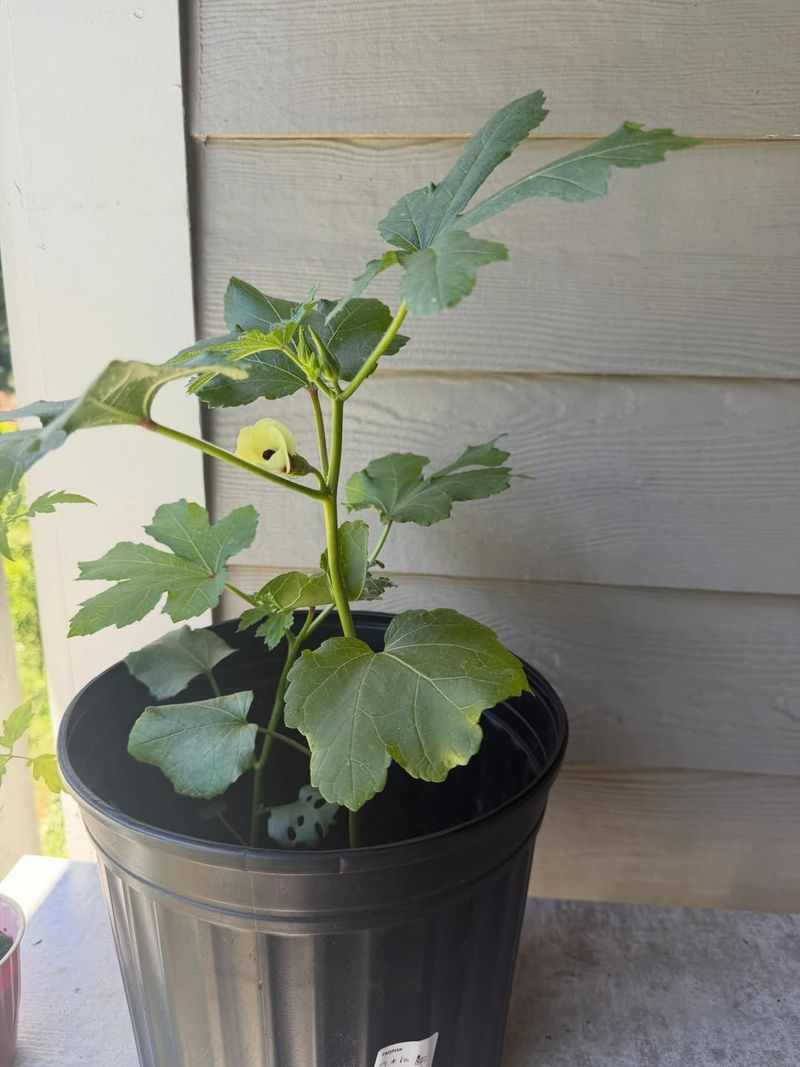
Few vegetables handle triple-digit heat as well as okra. While other vegetables struggle when temperatures push past 100 degrees, okra keeps growing, flowering, and producing pods without missing a beat.
It’s genuinely one of the toughest warm-season vegetables you can grow in a bucket.
Start seeds directly in the bucket after soaking them overnight in warm water. Soaking speeds up germination, which can otherwise take over a week in dry conditions.
Once germinated, okra grows fast and can reach four feet tall in a single bucket.
Use a deep, nutrient-rich potting mix and place buckets in the sunniest spot available. Full sun, at least eight hours daily, is non-negotiable for strong pod production.
Shaded plants grow tall but produce very few pods worth harvesting.
Monsoon rains provide welcome moisture, but drainage matters just as much. Soggy roots slow growth and can lead to root rot over time.
Make sure buckets drain freely after every rain event.
Harvest pods when they’re two to four inches long. Pods left on the plant get woody and tough within just a day or two.
Check plants daily once production starts, since okra moves from perfect to overripe surprisingly fast in summer heat.
Okra’s rapid growth can make container plants top-heavy by late summer.
Placing the bucket in a sheltered location or adding a simple stake helps keep tall stems upright during monsoon winds.
4. Swiss Chard Provides Repeated Harvests In Containers
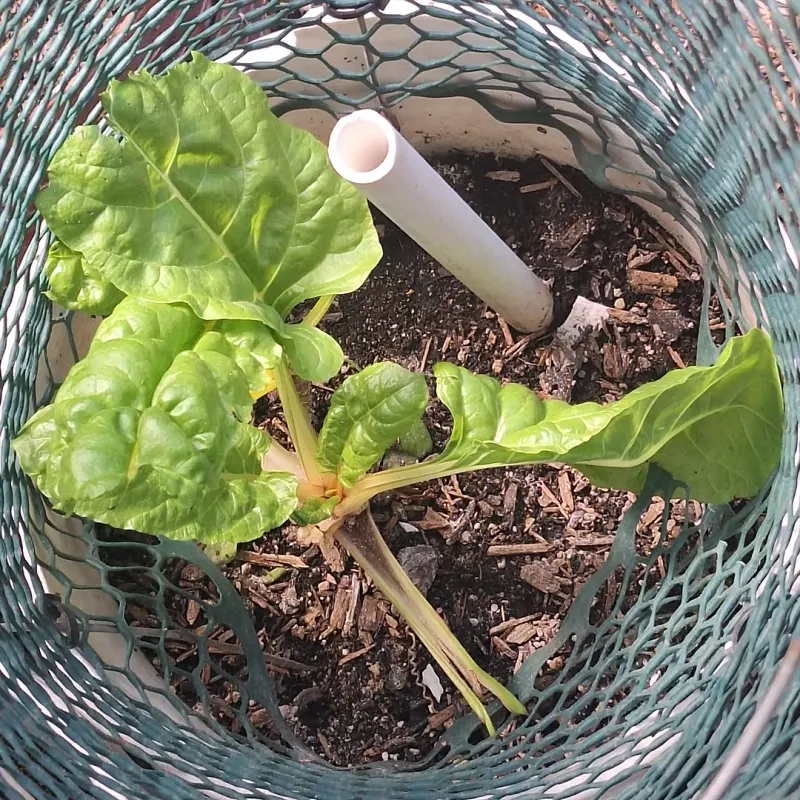
Swiss chard is tougher than it looks. Most gardeners think of it as a cool-season crop, but certain varieties handle summer heat remarkably well, especially when given afternoon shade.
In the desert Southwest, a shaded east-facing patio can make all the difference for chard.
Bright Lights and Fordhook Giant are two varieties that hold up better in warm conditions than most. Plant three to four seeds per bucket and thin to two plants once seedlings are established.
Crowded plants compete for moisture and nutrients, which reduces yield noticeably.
Swiss chard is a cut-and-come-again crop. Harvest outer leaves regularly and new growth keeps coming from the center.
One well-maintained bucket can supply a steady stream of greens throughout the entire monsoon season.
Keep soil consistently moist but not waterlogged. Chard roots are shallow, so they dry out faster than deeper-rooted crops.
Checking soil moisture every day during hot spells prevents stress that causes bolting.
Fertilize every two to three weeks with a nitrogen-rich liquid fertilizer. Leafy crops need consistent nitrogen to produce large, tender leaves.
Skip feeding only if plants look lush and dark green, which signals they already have enough nutrients to keep growing well.
Older outer leaves may show some sun scorch during periods of intense heat, even when plants are otherwise healthy.
Removing damaged leaves allows the plant to direct energy toward fresh new growth from the center.
5. Cucumbers Perform Well With Consistent Moisture
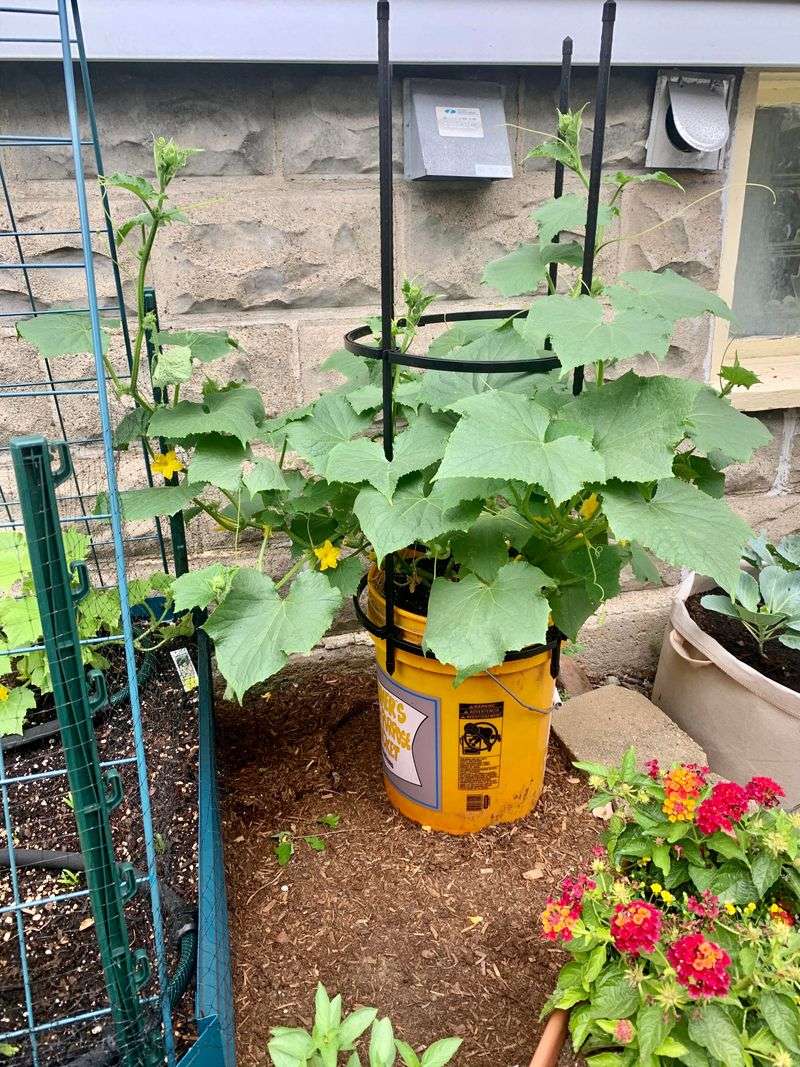
Cucumbers and monsoon season are a surprisingly good match. These fast-growing vines love warm temperatures, consistent moisture, and high humidity.
The challenge in a bucket garden is managing drainage while keeping roots evenly moist between rain events.
Bush cucumber varieties like Spacemaster or Patio Snacker work best in 5 gallon containers. Vining types can grow in buckets too, but they need a trellis or cage for support.
Without support, vines sprawl across the ground and become harder to manage.
Fill buckets with a well-draining mix that includes perlite or coarse sand. Dense, heavy soil stays too wet after monsoon downpours and suffocates roots.
Good drainage is the single most important factor for cucumbers in containers.
Cucumbers are heavy feeders. Start fertilizing two weeks after transplanting with a balanced vegetable fertilizer.
Switch to a lower-nitrogen, higher-potassium formula once vines begin flowering to support fruit development over leafy growth.
Harvest cucumbers early and often. Leaving overripe fruit on the vine signals the plant to slow production.
Picking at six to eight inches keeps plants in active fruiting mode and improves overall yield across the entire growing season.
High humidity can sometimes increase the risk of powdery mildew on cucumber leaves.
Giving plants plenty of space and avoiding overcrowded containers improves airflow around the foliage.
6. Yardlong Beans Thrive In Hot Summer Conditions
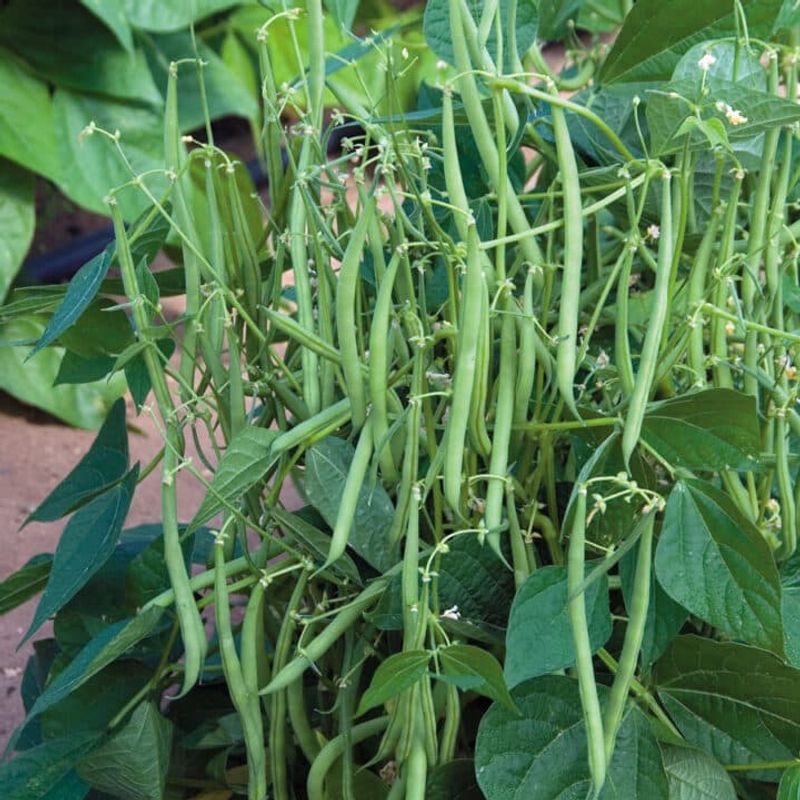
Yardlong beans were practically designed for hot, humid summers. Originally from Southeast Asia, these vines thrive in the same conditions that push most other legumes to their limits.
Monsoon heat and humidity actually improve their flavor and pod production.
One bucket per plant works well, but yardlong beans need vertical support. A simple bamboo stake or wire trellis attached to a fence gives vines something to climb.
Without support, they tangle and become difficult to harvest cleanly.
Plant two seeds per bucket and remove the weaker seedling once both sprout. These beans germinate quickly in warm soil, often within five to seven days.
Soil temperature above 65 degrees is all they really need to get started.
Yardlong beans fix their own nitrogen, so fertilizer needs are minimal. A light feeding at planting time and one mid-season boost is usually enough.
Overfeeding with nitrogen produces lush vines with fewer pods, which defeats the purpose entirely.
Pods are ready at 12 to 18 inches long, well before they reach their maximum length. Younger pods are more tender and flavorful than fully mature ones.
Harvest every few days during peak production to keep new pods forming steadily throughout the season.
Unlike many common bean varieties, yardlong beans continue flowering and setting pods even during stretches of intense summer heat.
That reliability is one reason they remain a favorite crop in hot-climate gardens.
7. Cherry Tomatoes Perform Well In Large Containers
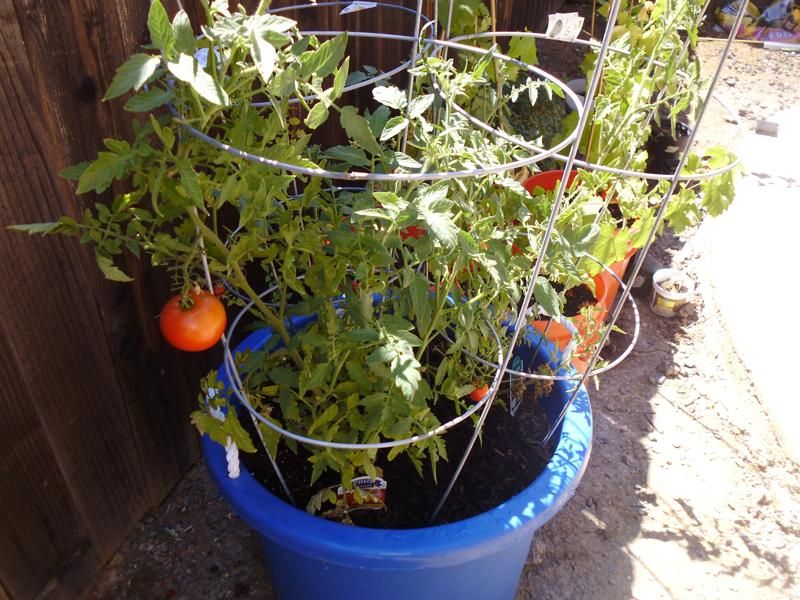
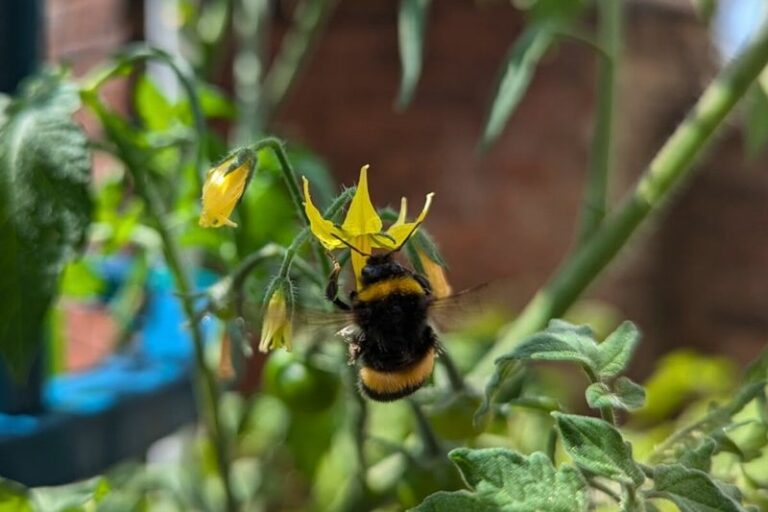
Cherry tomatoes in a 5 gallon bucket can produce more fruit than most people expect. The key is choosing the right variety and giving plants consistent care through the heat and humidity of monsoon season.
Not every tomato variety handles that combination well.
Sungold, Sweet 100, and Black Cherry are varieties that tolerate heat better than large beefsteak types. Compact determinate varieties like Tumbling Tom work especially well in buckets since they stay manageable without heavy pruning.
Indeterminate types need a sturdy cage or stake for support.
Blossom drop is common when temperatures stay above 95 degrees for extended periods. That’s expected and not a sign of a failing plant.
Fruit set typically resumes once temperatures moderate slightly in late August and early September.
Water deeply and consistently rather than lightly and frequently. Irregular watering leads to blossom end rot, which ruins fruit before it fully ripens.
A consistent moisture schedule makes a bigger difference than almost any other factor in container tomato growing.
Feed plants every 10 to 14 days with a tomato-specific fertilizer. Calcium is especially important in containers since nutrients leach out faster than in garden beds.
Adding crushed eggshells or a calcium supplement to the potting mix at planting time helps prevent common deficiency problems.
Dense tomato foliage can trap humidity around the plant after summer rains.
Light pruning of crowded interior growth improves airflow and reduces the risk of fungal problems.
8. Peppers Continue Producing Through Monsoon Weather
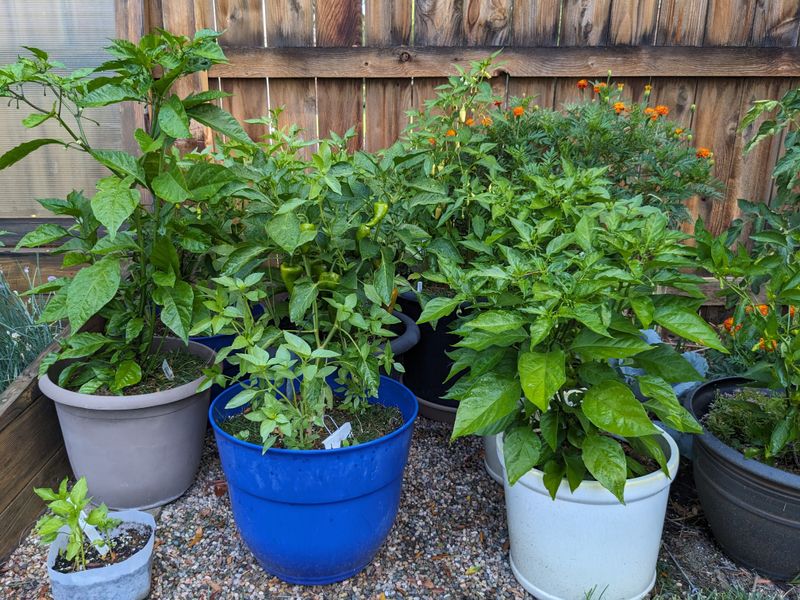
Peppers are built for heat, and monsoon season gives them exactly what they want. Warm nights, consistent moisture, and high temperatures push pepper plants into heavy production mode.
Few vegetables handle the combination of heat and humidity as well as peppers do.
Use a well-draining potting mix and make sure your bucket has at least one large drainage hole. Waterlogged roots are the main threat to peppers in containers.
Elevating buckets slightly on bricks or pot feet helps excess water escape faster after storms.
Bell peppers, jalapeños, serranos, and banana peppers all perform well in 5 gallon containers. Jalapeños and serranos tend to produce more heavily in smaller spaces.
Bell peppers need slightly more root room but still manage well in a single bucket.
Feed peppers every two weeks with a tomato or vegetable fertilizer. Consistent feeding during monsoon season keeps plants strong and productive.
Avoid overfeeding with nitrogen, which leads to lots of leaves but fewer peppers.
Blossoms may drop during extreme heat spikes above 100 degrees. That’s normal and temporary.
Once temperatures ease slightly in late August, plants usually bounce back and resume setting fruit without much intervention needed from you.
Harvest peppers as they reach their mature size to encourage the plant to keep flowering and setting new fruit.
Regular picking throughout the season can lead to a longer and more productive harvest period.