These June Yard Mistakes Make Arizona Citrus Trees Struggle
Arizona citrus trees can look perfectly fine in May.
Then June arrives, and something shifts. Leaves start to yellow. Bark develops odd discoloration. A branch that looked healthy last week suddenly struggles.
The tree that sailed through spring starts sending quiet warning signs, and the cause is almost never obvious at first glance.
The frustrating part is that many June citrus problems trace back to habits that felt like good care. Extra watering. A productive-looking pruning session. Mulch that seemed tidy from the driveway.
Arizona June is a different category of heat. What works in April can become a liability once the thermometer climbs past one hundred and ten.
Yard habits that looked harmless in spring can start piling stress onto a citrus tree right when it needs protection most.
The tree is not acting randomly. Something happened before the symptoms showed up.
That is where the real June mistakes start to show themselves.
1. Pruning Off Too Much Shade
The urge to prune in early June feels productive. The tree looks overgrown, the shears are nearby, and a tidy canopy sounds like a reasonable project for a weekend morning.
What actually happens when too much comes off in summer is a different story.
Citrus leaves and branches are not just visual features. They function as a built-in sunscreen for the trunk and scaffold branches underneath.
The canopy blocks direct sun from hitting bark that was never designed to handle unfiltered Arizona exposure at peak summer temperatures.
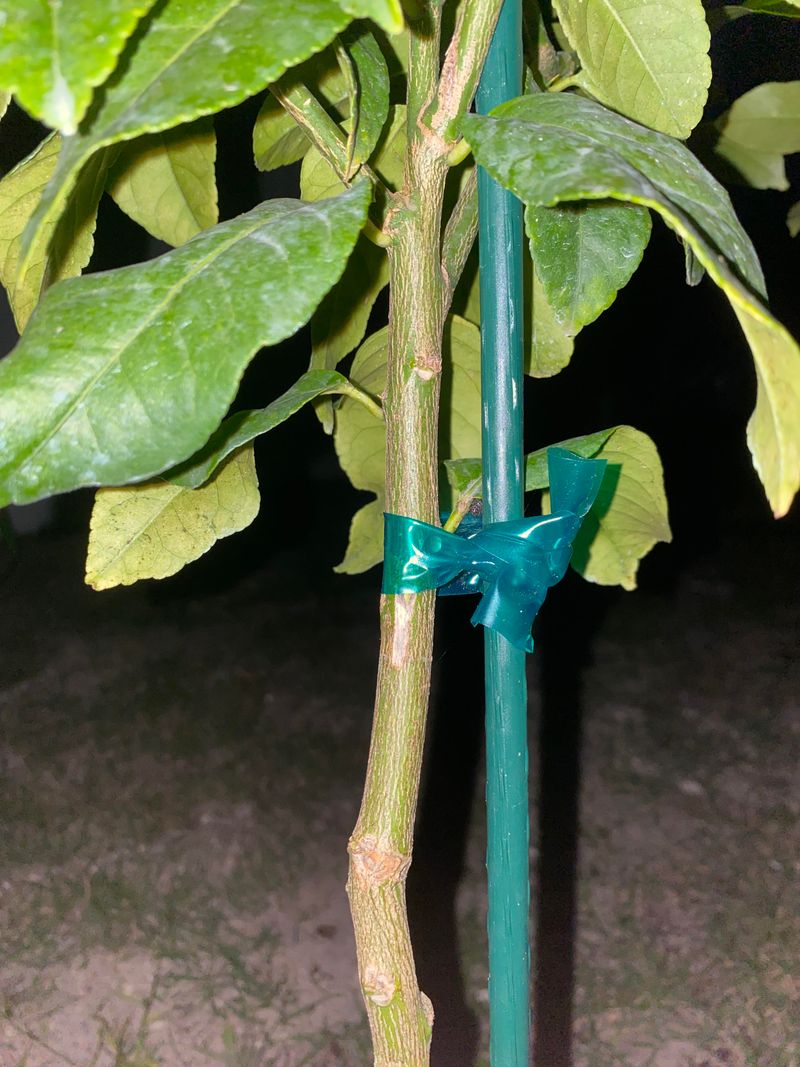
Remove too much of that canopy in June and the bark below becomes suddenly exposed to conditions it cannot manage. Sunscald moves quickly when temperatures reach triple digits.
Bark that spent the entire spring shaded and protected faces full afternoon sun within hours of a pruning session, and the tissue damage that follows takes far longer to recover from than the pruning took to complete.
Major shaping and structural pruning belong in late winter or very early spring before the heat cycle begins.
June pruning should stay strictly limited to clearly dead wood, obviously crossing branches, and anything already broken.
The canopy is actively protecting the tree right now. Every healthy leaf the tree carries through summer is doing a specific job.
Late winter is the time for the haircut. June is the time to step away from the shears.
2. Exposing Trunks To Harsh Sun
Walk up to the citrus tree and look at the trunk directly. Bare, light-colored bark facing west or south with nothing shading it is a vulnerability that June temperatures will find quickly.
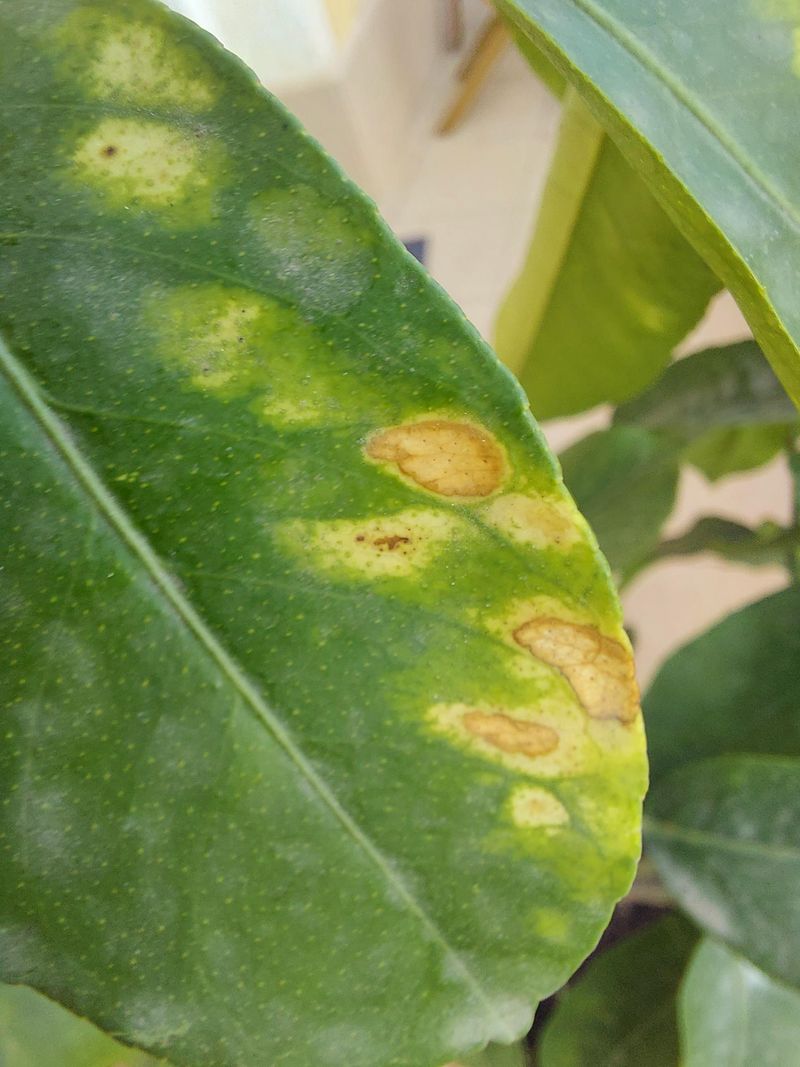
Citrus bark is thin and sensitive compared to most other fruit trees. When direct afternoon sun hits unprotected bark for extended periods, the tissue underneath scorches.
Yellowing bark, cracking surfaces, and strips peeling away are all signs that damage has already occurred. Once that outer protective layer is compromised, the entry points for pests and disease multiply across the exposed area.
White interior latex paint diluted fifty-fifty with water brushed directly onto exposed trunks and lower branches reflects sunlight and prevents bark temperatures from spiking.
Your Arizona Garden Changes Every Week. Your Plan Should Too.
Gardening in Arizona changes quickly throughout the season. Every Friday you’ll receive a simple weekly plan showing exactly what to plant, prune, fertilize, harvest, and protect so you never miss the right timing.
This approach is recommended specifically for young trees and any tree that has recently lost lower branch coverage through pruning.
The paint is not a permanent fixture. It is a practical seasonal protection measure for the months when Arizona sun is at its most intense.
Tree wrap and light-colored trunk guards accomplish the same goal for gardeners who prefer a physical barrier over painted bark.
The critical timing is before damage appears rather than after. Bark that has already scorched needs time and favorable conditions to recover.
Bark that gets protected before June peaks stays healthy without requiring any recovery period at all.
A few minutes of trunk protection now prevents months of managing the consequences of not doing it.
3. Building Mulch Volcanoes Around Citrus
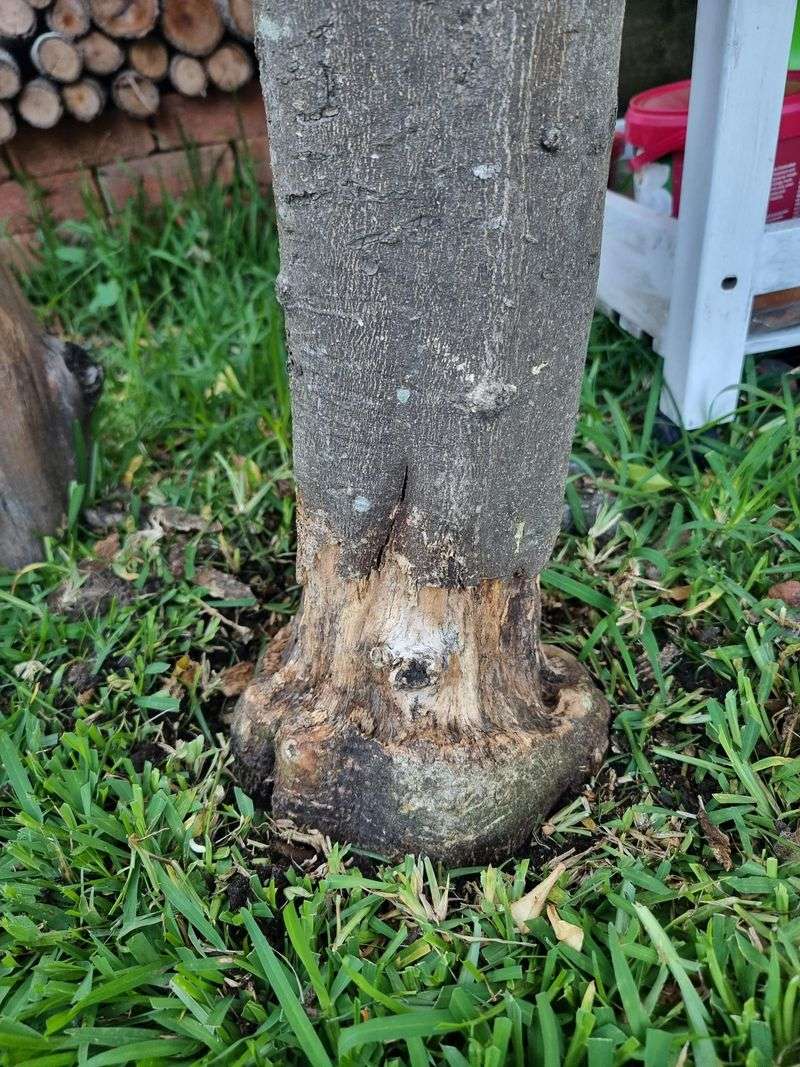
Drive through any Arizona neighborhood and the mulch volcano is visible in most yards with citrus.
A tree surrounded by a cone-shaped mound of organic material piled high against the trunk, looking intentional and tidy from the street while creating problems at ground level.
Mulch pressed against the trunk traps moisture directly against bark in a warm, enclosed environment.
Arizona summer heat turns that trapped moisture zone into ideal conditions for fungal rot, bark decay, and pest activity.
The trunk needs air circulation throughout the day, not a layer of organic material holding heat and dampness against it through the hottest months of the year.
The structural problem compounds over time. Mulch piled high against the trunk encourages surface roots to develop in the wrong direction, weakening the tree’s foundation gradually across multiple seasons.
Roots that belong deep in the soil start creeping toward the surface to follow the moisture concentration at the base, creating instability that is harder to address the longer it persists.
Correct mulch application for Arizona citrus spreads a two to four inch layer in a wide flat ring starting at least six inches from the trunk and extending toward the drip line.
The shape resembles a donut rather than a volcano. That flat, wide approach holds soil moisture, moderates ground temperature, and supports root health without creating the trunk contact that causes problems.
Wide and flat is always the correct approach. The volcano shape has never helped a citrus tree.
4. Letting Mulch Touch The Trunk
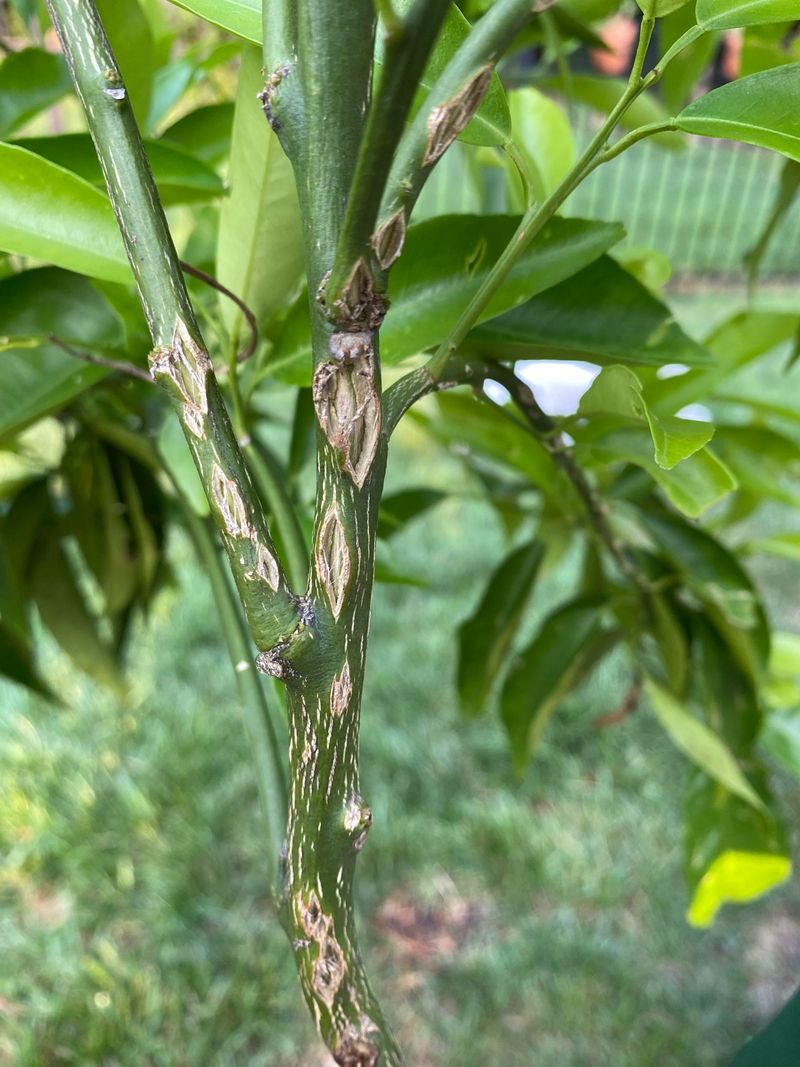
Even when the initial mulch placement looks correct and well-spaced, one overlooked detail creates problems that build gradually through the summer.
Mulch shifts, settles, and drifts with wind and watering. A gap that existed at planting closes quietly over several weeks without anyone noticing.
Bark in constant contact with moist mulch softens over time. The outer protective layer weakens at exactly the point where the tree is most vulnerable to fungal entry.
Crown rot and collar rot both thrive in the warm, dark, consistently damp conditions that mulch-to-trunk contact produces. Arizona’s monsoon season intensifies this risk considerably as summer progresses.
A gap of four to six inches between the mulch edge and the trunk allows air to move around the base of the tree and keeps bark dry between irrigation cycles.
That dry bark is resistant to the fungal spores that the surrounding soil and mulch harbor naturally. Bark that stays damp and covered provides the opposite environment.
Checking mulch placement every few weeks costs thirty seconds and catches drift before it accumulates into a problem. Fresh mulch applications and wind events are the moments when the gap most commonly closes without warning.
Pulling mulch back whenever it creeps toward the trunk is one of the simplest ongoing habits in Arizona citrus care.
The mulch is doing useful work at the drip line. It is only causing harm at the trunk.
5. Watering Shallow In Extreme Heat
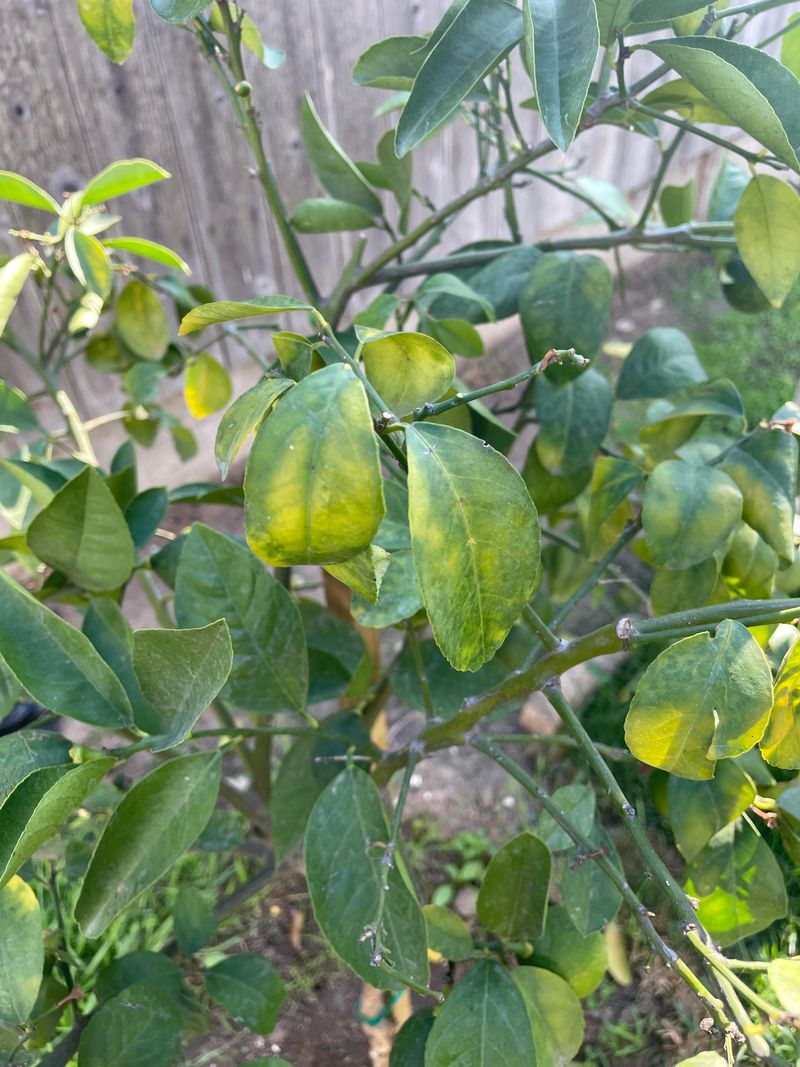
A quick spray around the base of the tree each morning looks like attentive care and feels responsible. The water soaks in immediately and the soil surface looks moist.
What that routine actually produces over time is a shallow root system positioned in exactly the soil zone that Arizona summer heats most intensely.
Citrus roots follow moisture. Consistent shallow watering keeps moisture near the surface, which keeps roots near the surface.
Surface roots in Arizona June face soil temperatures that can exceed one hundred and forty degrees Fahrenheit in the top few inches.
A root system distributed through that temperature zone operates under constant heat stress regardless of how frequently irrigation occurs.
Deep, infrequent watering reverses that pattern.
Watering slowly where feeder roots are actually located and allowing moisture to soak eighteen to twenty-four inches into the soil encourages roots to follow that moisture downward into the cooler soil layers.
An established tree watered deeply every seven to ten days develops a root system that handles summer heat far better than the same tree watered lightly every day.
A soil probe or long screwdriver pushed into the ground after watering reveals how far moisture actually traveled.
Easy penetration several inches down confirms adequate depth. Resistance at only two or three inches confirms the water is not going where the roots need it.
Deep roots keep trees stable and hydrated through Arizona summer. Shallow watering produces shallow roots, and shallow roots make June significantly harder for citrus than it needs to be.
6. Ignoring Suckers Below The Graft
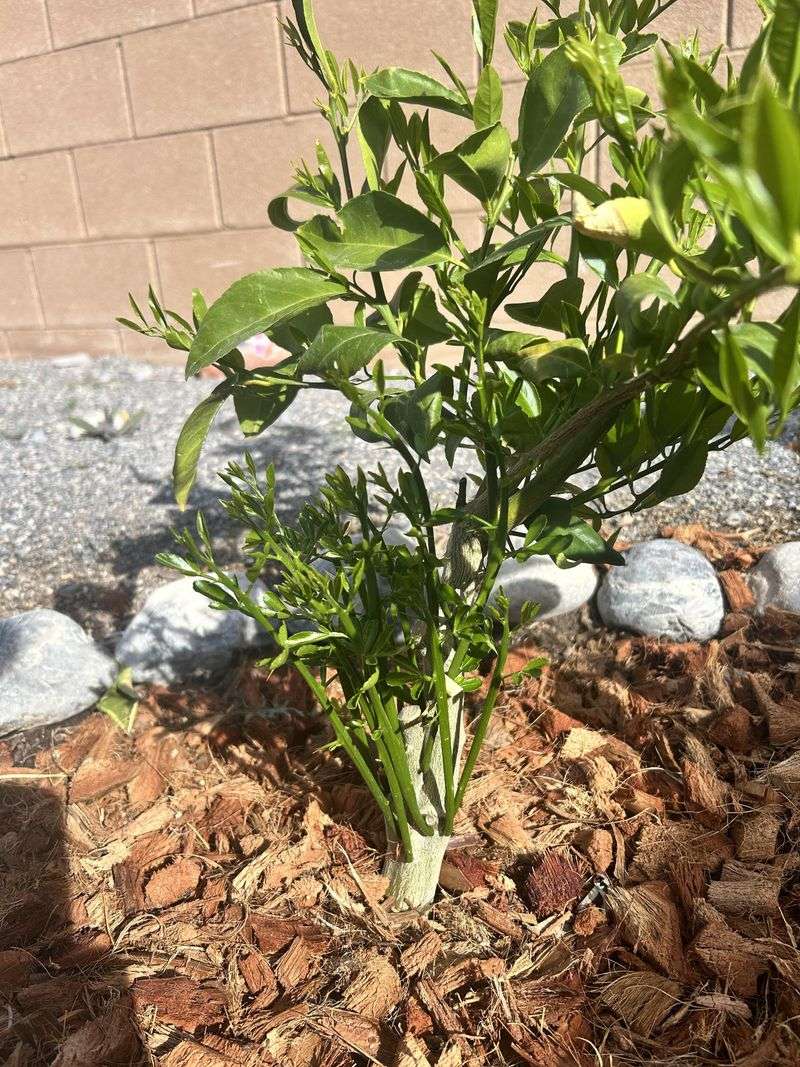
Somewhere near the base of the citrus tree, right at or just below the graft union, there may be shoots growing that look genuinely vigorous and healthy.
The growth is fast, the leaves are large, and the whole thing looks like the tree is thriving. Those are rootstock suckers, and the energy going into them is energy being taken directly from the fruiting variety above.
Arizona citrus trees are grafted onto rootstock varieties selected for hardiness and drought tolerance. The graft union appears as a slight swelling low on the trunk.
Any growth originating below that point is rootstock growth rather than the fruiting variety the tree was purchased for.
Left unchecked through multiple seasons, rootstock suckers grow into dominant stems that gradually replace the intended variety with thorny, non-fruiting wood.
June is when sucker growth accelerates because the tree is actively pushing energy into new shoots as days lengthen and temperatures climb.
Checking the base of the tree at least twice monthly through summer catches suckers before they establish woody growth that is harder to remove cleanly.
Each sucker should be removed as close to its origin point as possible using clean, sharp pruners cutting flush against the trunk or root.
Young, soft suckers pulled off by hand cause less bark damage than cutting and are less likely to resprout from the base.
Consistent sucker removal through June and July keeps the tree directing its full energy production precisely where it belongs.
7. Feeding At The Wrong Summer Moment
Reaching for fertilizer when the citrus tree looks pale or stressed in June feels like the caring response.
The tree appears to need something, the fertilizer bag is available, and applying it seems like addressing the problem directly.
Nitrogen fertilizer during peak heat stress sends the tree a signal to push new growth at exactly the moment when new growth is the most vulnerable thing the tree can produce.
Tender new shoots emerging in one hundred and ten degree heat have almost no resistance to the conditions they face immediately after opening.
That new growth burns before it matures, and the tree expends energy it needed for basic maintenance on shoots that contribute nothing.
The appropriate fertilizing windows for Arizona citrus run late January through February, late April through May, and again in late August or September.
June falls intentionally outside all three windows. The gap exists because citrus in Arizona needs that period to stabilize under peak heat conditions rather than being pushed into growth it cannot support.
Yellowing and pale appearance in June most often traces to heat stress, overwatering, or drainage problems rather than nutrient deficiency.
Adjusting watering practices and checking soil drainage resolves most June discoloration more effectively than any fertilizer application could.
Waiting for temperatures to ease before the next feeding gives the tree the conditions it needs to actually use the nutrients provided.
Fertilizing a heat-stressed tree is not care. It is adding a demand the tree cannot currently meet.