The Biggest Summer Landscaping Mistakes Arizona Homeowners Make In June
June has a way of exposing problems that were easy to ignore earlier in the year. A yard that looked healthy in spring can suddenly start showing signs of stress once the heat settles in and the days become relentlessly hot.
Brown patches appear, plants lose color, and established landscapes start showing signs of stress.
Many homeowners respond by working harder. They water more often, trim plants, add new flowers, or spend extra weekends trying to keep everything looking its best.
The frustrating part is that good intentions do not always lead to good results. In some cases, the very things people do to help their landscape can create even bigger problems as summer progresses.
That is especially true in Arizona, where June brings conditions that demand a different approach than many homeowners expect.
A few common landscaping mistakes can have lasting effects long after the hottest weeks of summer have passed.
1. Watering Too Frequently During Hot Weather
Watering more does not always mean watering better, especially in June. Many homeowners panic when they see wilting leaves and immediately crank up the irrigation schedule.
But overwatering in extreme heat causes root rot, weak root systems, and plants that struggle far more than they would with a proper schedule.
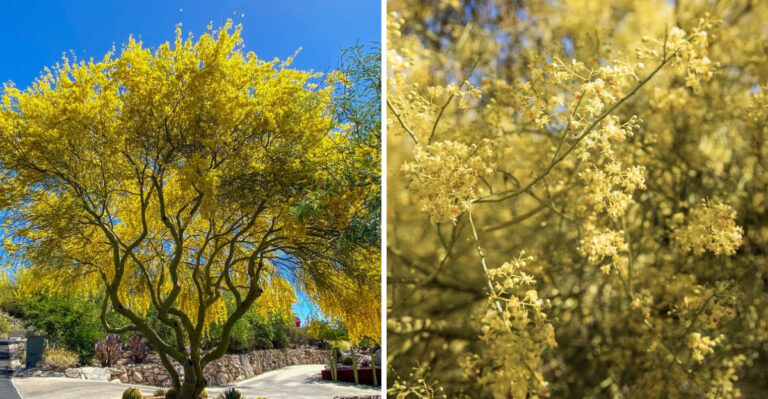
Desert-adapted plants like palo verde, saguaro, and desert willow are built to handle dry spells. Their roots need time between waterings to breathe.
Constantly wet soil in summer heat creates the perfect conditions for fungal problems and suffocated roots.
A better approach is to water deeply and less often. Deep, infrequent watering encourages roots to grow down where soil stays cooler.
Shallow, frequent watering keeps roots near the surface where heat does the most damage.
Check your soil before adding more water. Push a screwdriver about six inches into the ground near your plants.
If it slides in easily and the soil feels moist, hold off on irrigation. If it meets resistance and feels bone dry, it is time to water.
Early morning is the best time to run your system. Water before 7 a.m. so moisture soaks in before peak heat arrives.
Evening watering can leave foliage wet overnight, which invites fungal growth in humid monsoon conditions.
2. Pruning Heat Stressed Plants In June
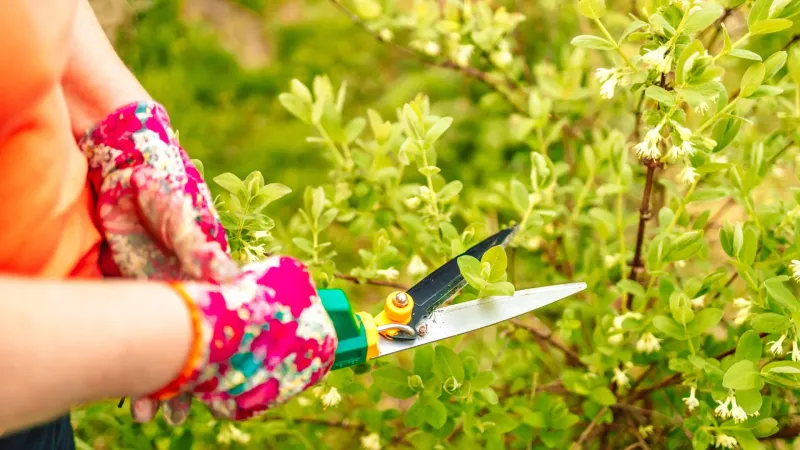
Reaching for the pruning shears in June is one of the most common mistakes desert gardeners make. Plants under heat stress are already working overtime just to stay stable.
Cutting branches during this period removes stored energy and exposes fresh wounds to brutal sun and dry air.
Open cuts on plants in triple-digit heat can sunscald quickly. That fresh tissue has zero protection against intense UV exposure.
What looks like a clean trim can turn into serious bark damage within a day or two.
Most desert plants actually slow their growth in June. Pruning signals the plant to push out new growth, but that tender new growth has almost no chance of hardening off before the worst heat hits.
Soft new shoots are extremely vulnerable to sunburn and moisture loss.
Your Arizona Garden Changes Every Week. Your Plan Should Too.
Gardening in Arizona changes quickly throughout the season. Every Friday you’ll receive a simple weekly plan showing exactly what to plant, prune, fertilize, harvest, and protect so you never miss the right timing.
Save major pruning for late winter or very early spring before heat builds. Light shaping can happen in fall once temperatures drop below 100 degrees consistently.
If a branch is truly broken or posing a safety risk, remove it carefully and apply diluted white latex paint to protect the cut from sun damage.
Watch for signs of stress instead of grabbing tools.
3. Planting High Water Use Species In Full Sun
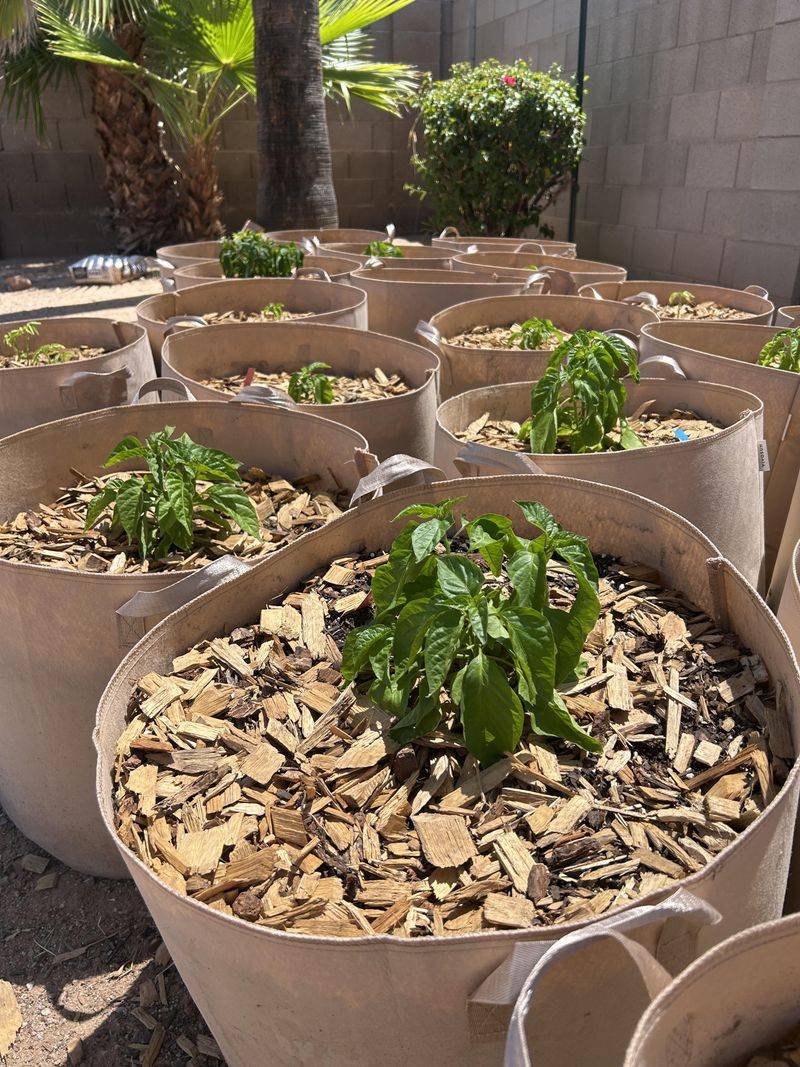
June is simply the wrong month to plant thirsty species, and full sun exposure makes it even worse. Plants like ferns, impatiens, and many tropical varieties need consistent moisture and cooler root zones.
Placing them in unshaded desert soil during peak heat sets them up to fail almost immediately.
Soil surface temperatures in full sun can exceed 150 degrees in June. That level of heat fries root systems before a new plant ever gets established.
Even with frequent watering, those roots cannot absorb moisture fast enough to keep up with what the leaves are losing.
If you want color and variety in your yard, choose plants rated for low water use and high heat tolerance. Choices like desert marigold, blackfoot daisy, and autumn sage perform well with minimal water and bounce back quickly after hot spells.
Native and adapted species are always a safer bet this time of year.
Timing matters too. Wait until late September or October to introduce new plants to your landscape.
Cooler soil temperatures and shorter days give roots a much better chance to establish before summer returns. Spring planting works well for some species, but summer planting in full sun rarely ends well in the desert Southwest.
If you must plant something now, choose a spot with afternoon shade. East-facing beds get morning sun and are protected during the hottest part of the day, which can make a real difference for plant survival.
4. Allowing Weeds To Compete For Moisture
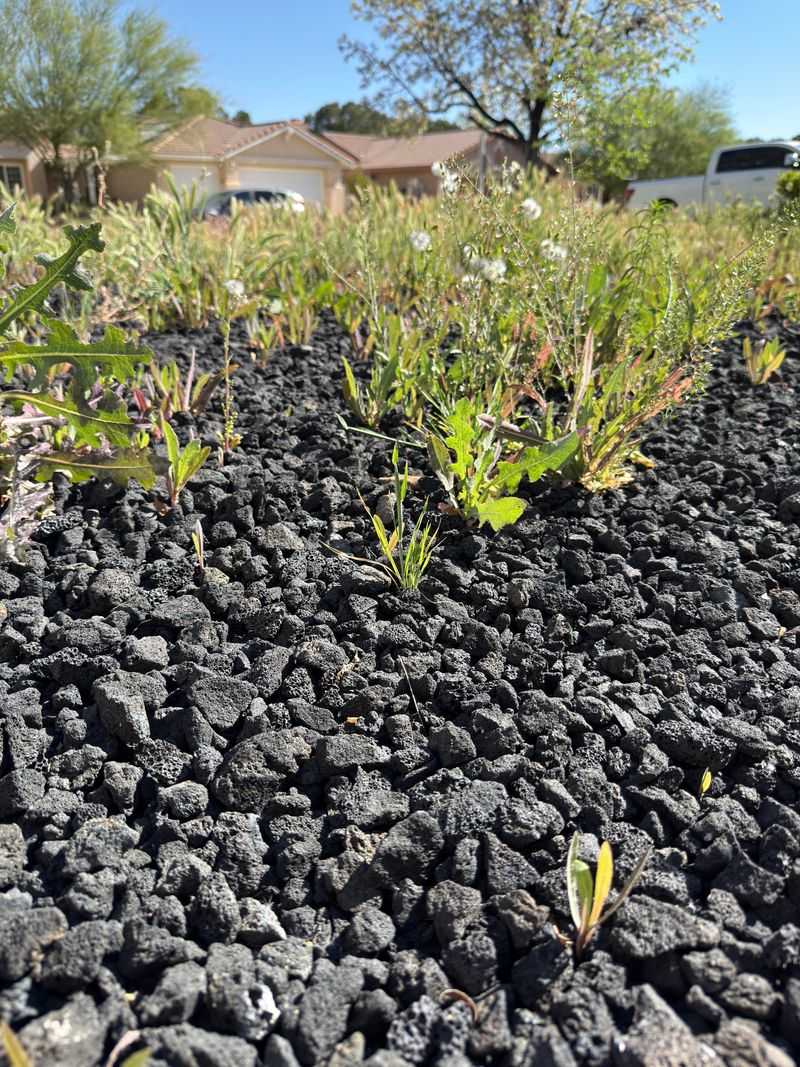
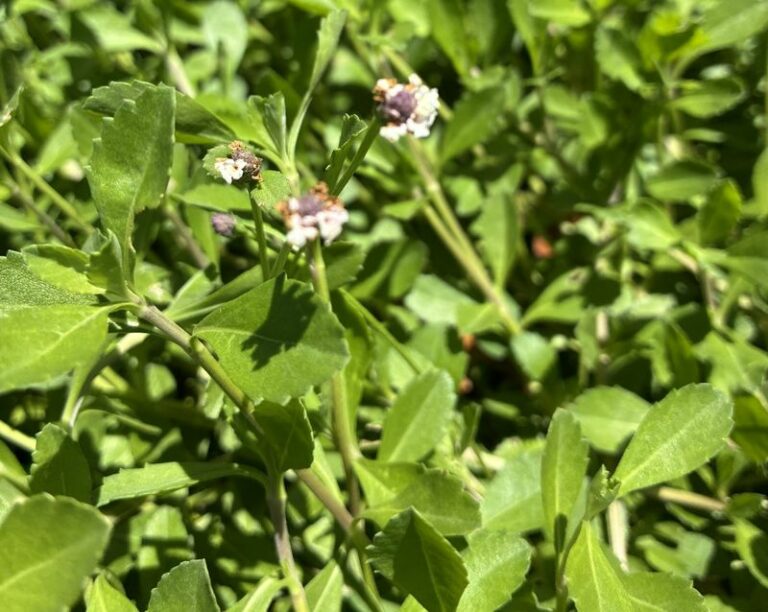
Weeds in a desert yard are not just an eyesore. They pull water and nutrients directly away from the plants you actually want to keep.
June is when summer weeds like spurge, puncturevine, and buffelgrass explode in growth, and they spread fast in warm soil with any available moisture.
A single spurge plant can produce thousands of seeds before you even notice it has flowered. Letting weeds go unchecked for even two or three weeks in June means you are dealing with a much bigger problem by July.
Pull them while they are small and before seed heads form.
Hand pulling works well after a watering when soil is soft. Get the entire root system out, not just the top growth.
Leaving roots behind means the weed comes right back, sometimes stronger than before. A weeding tool or hori-hori knife makes deep root removal easier in compacted desert soil.
Pre-emergent herbicide applied in late spring can reduce summer weed pressure significantly. Follow label directions carefully and reapply according to the recommended schedule.
Pre-emergents work by preventing seeds from germinating, so timing the application before seeds sprout is critical for effectiveness.
Keep gravel areas raked and free of organic debris. Leaves, plant debris, and windblown soil that collects between rocks create a perfect seedbed for weeds.
5. Choosing Gravel That Reflects Excess Heat
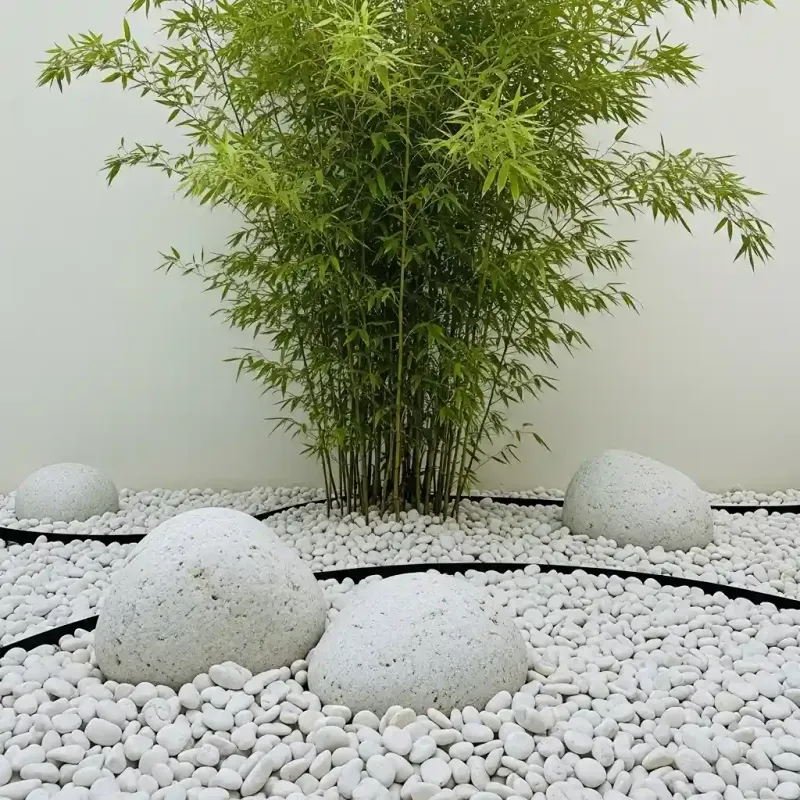
White and light-colored gravel might look clean and low maintenance, but it reflects intense heat directly onto surrounding plants and structures.
In June, that reflected heat can push air temperatures near ground level several degrees higher than ambient air temps.
Plants sitting near highly reflective gravel take on stress from two directions, above from the sun and below from the reflected heat.
Dark gravel absorbs heat rather than reflecting it, but it also radiates that stored heat back out during the night when plants are trying to recover.
Neither extreme is ideal for a landscape trying to stay healthy through summer. Mid-tone decomposed granite in natural tan or brown shades tends to perform better than very light or very dark options.
Placement matters as much as color. Gravel packed right up to plant stems concentrates heat at the exact spot where the most damage can occur.
Keeping a small buffer of bare soil or organic mulch around plant bases gives roots and lower stems some protection from radiant heat coming off the surface.
Shade cloth over gravel areas can make a measurable difference in ground temperature. Even a 30 percent shade cloth reduces surface temps noticeably and gives nearby plants a better chance of making it through the hottest weeks.
6. Ignoring Irrigation Leaks And Clogged Emitters
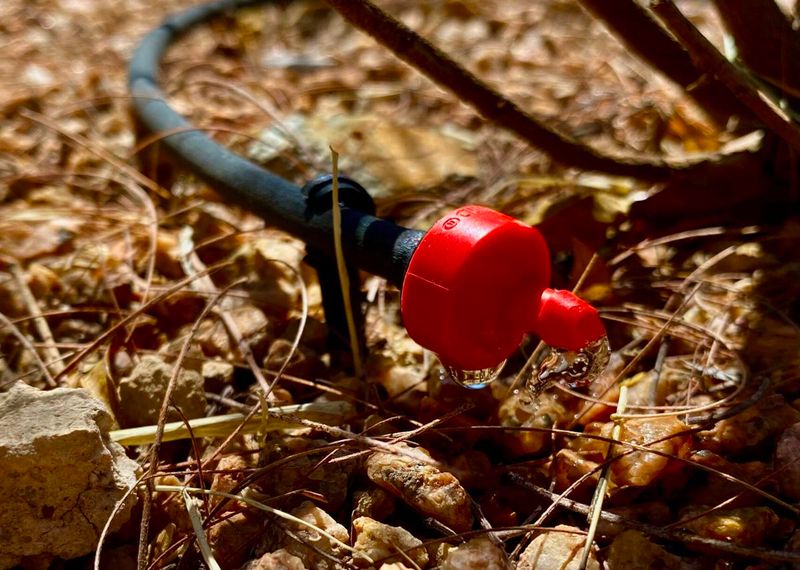
A broken drip system in June can quietly ruin a yard in less than two weeks. Leaks waste hundreds of gallons while still leaving plants dry if the water is pooling in the wrong spot.
Clogged emitters are just as bad because plants go without water while the controller keeps running on schedule.
Walk your entire irrigation system at least once a month during summer. Look for wet patches in unexpected areas, muddy soil around fittings, and plants that look unusually stressed despite being on a regular watering schedule.
Small leaks at connection points are easy to miss but add up fast on a water bill.
Emitter clogs are extremely common in areas with hard water. Mineral buildup blocks the tiny opening and cuts off flow completely.
Plants right next to a working emitter may look fine while the one with the clog suffers just a few feet away.
Flush your drip lines every few months and replace emitters that show signs of mineral buildup. A simple pressure check after flushing can confirm whether flow is consistent across all zones.
Replacement emitters cost almost nothing and take minutes to swap out.
Run each irrigation zone manually and watch it from start to finish at least once per season. Standing there and watching the system run is the fastest way to catch problems before they get serious.
7. Applying Mulch Too Close To Tree Trunks
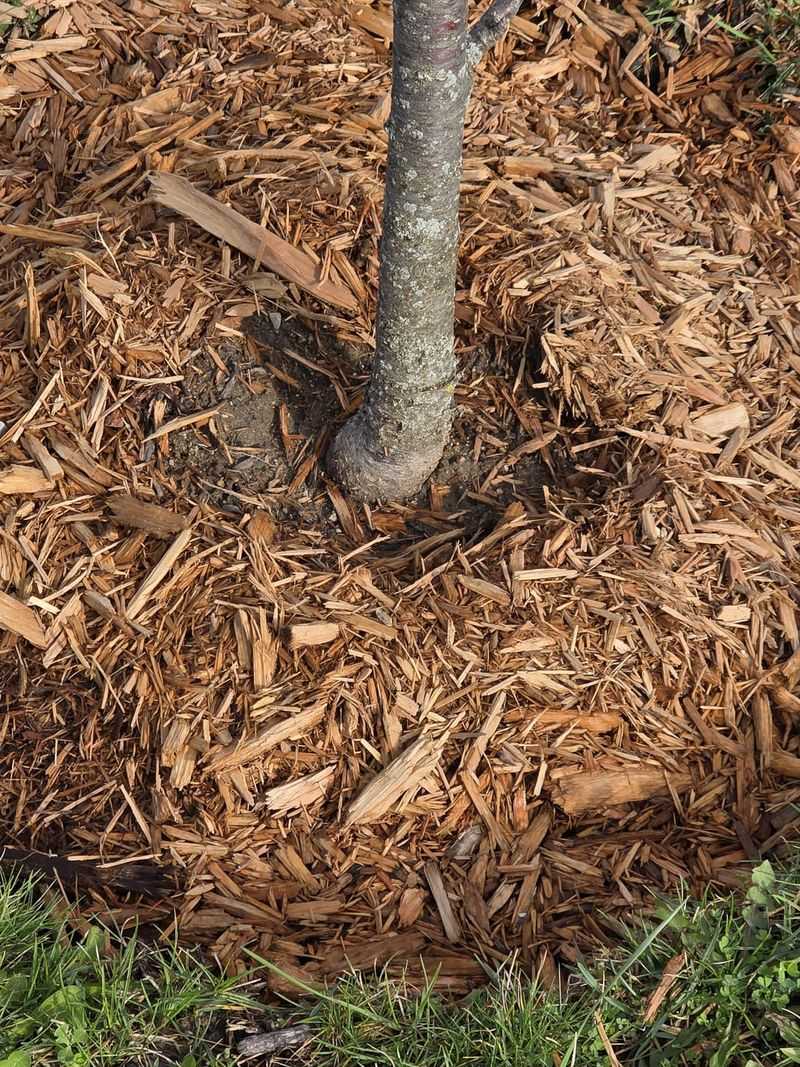
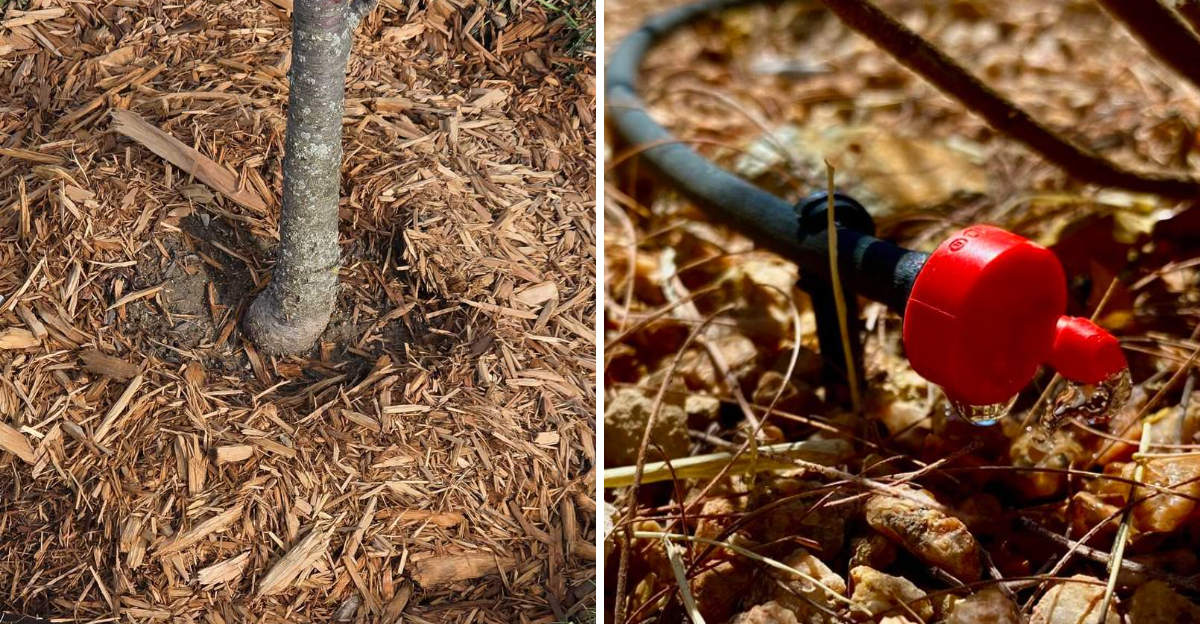
Mulch volcanoes are everywhere in residential yards, and they cause real problems over time. Piling mulch directly against a tree trunk traps moisture against the bark and creates a perfect environment for rot and pests.
Bark is not designed to stay constantly wet, and in summer heat, that trapped moisture turns into a breeding ground for fungal issues.
Pull mulch back at least four to six inches from the base of any tree or large shrub. Mulch should sit in a ring around the plant, not against it.
Think of it as a donut shape, not a volcano. That gap gives the root flare room to breathe and dry out between waterings.
Depth matters just as much as placement. More than three inches of mulch can actually prevent water from reaching the root zone below.
Water beads up on thick mulch layers and runs off the sides before soaking in, which defeats the whole purpose of mulching in the first place.
Organic mulch like shredded wood or bark does an excellent job of keeping soil temperatures lower and holding moisture in the root zone.
Aim for two to three inches of depth and keep it a few inches away from stems and trunks across the entire landscape.
Refresh mulch once or twice a year rather than piling on new layers.
8. Skipping Irrigation Adjustments After Monsoon Rain
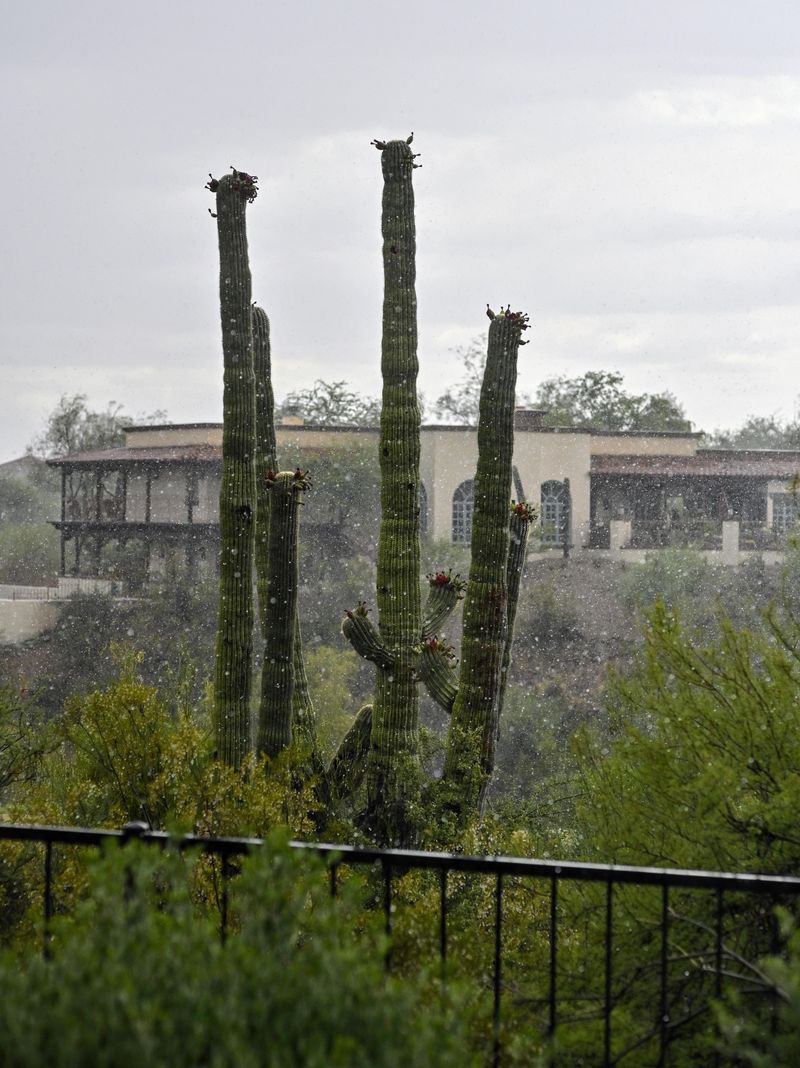
Monsoon season in the desert Southwest usually kicks off in early to mid July, but some early storms can roll through in late June.
When significant rain falls, most homeowners let the irrigation controller keep running on its regular schedule without making any changes. That leads to overwatered plants and wasted water after storms that already soaked the ground.
Even an inch of monsoon rain can satisfy most desert plants for several days. Running full irrigation right after a storm pushes soil past its saturation point and can drown roots that were already dealing with heat stress.
Oxygen gets pushed out of waterlogged soil, and roots begin to suffer quickly in those conditions.
Smart irrigation controllers with rain sensors can pause your system automatically after measurable rainfall. Installing one is a practical upgrade that pays for itself in water savings within a season or two.
Manual adjustment works fine too if you are willing to stay on top of the forecast.
Check soil moisture two to three days after any significant rain event before resuming your normal schedule. Use the screwdriver test or a basic soil moisture meter to confirm whether watering is actually needed.
Plants will show you when they need water through slight afternoon wilting that recovers by morning.