When Temperatures Stay Above 95 For Days In A Row Try These Simple Ways To Protect Your Minnesota Garden
Heat does not negotiate with your garden. Minnesota summers spike without warning, turning thriving beds into casualties overnight.
Your soil bakes hard and fast. Roots suffocate beneath scorched mulch before you notice the damage.
Most gardeners react too late, watering on instinct instead of science. Timing matters far more than volume when temperatures push past brutal thresholds.
A 30–50% shade cloth reduces light intensity by nearly half when positioned correctly above crops. Soil moisture sensors outperform guesswork every single time.
Deep watering trains your roots downward, forcing them away from the searing surface layer.
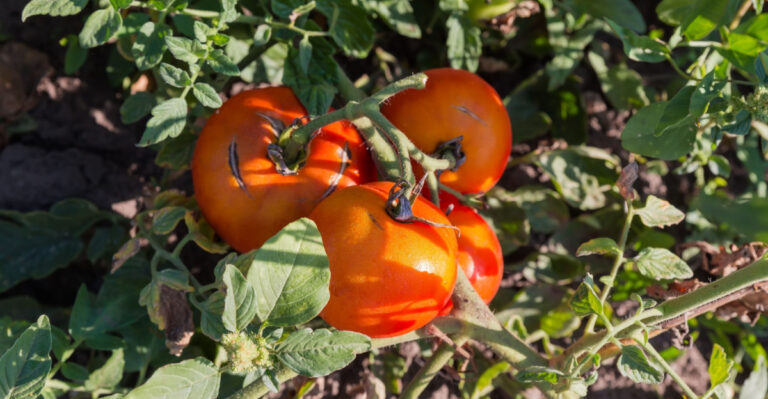
Inconsistent watering disrupts calcium uptake, triggering blossom end rot across your Minnesota crop. Above certain temperature points, your soil loses critical microbial activity fast.
Strategic mulching locks in moisture while insulating root zones from thermal shock. What you do now determines whether your harvest holds this season or fails completely.
1. Water Deeply At The Roots Every Morning Before Peak Heat
The ground is already cracked and the sun is barely up. That is exactly the right moment to grab your hose and get to work.
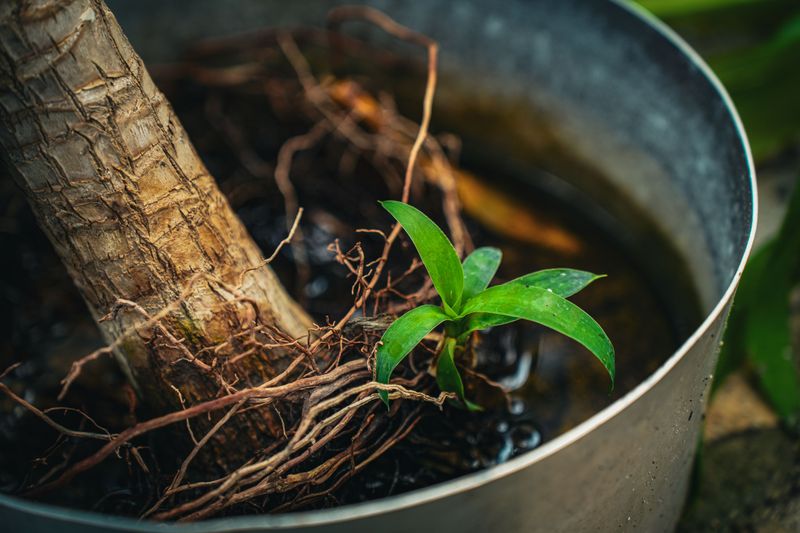
Watering at the roots sends moisture straight where plants need it most. Shallow watering only wets the surface, which evaporates fast in brutal heat.
Deep watering encourages roots to grow downward toward cooler, moister soil. That depth gives your garden a fighting chance when temperatures stay above 95 for days.
Morning is the golden window for this task. Soil absorbs water before the sun can steal it away through evaporation.
Avoid evening watering if you can help it. Wet leaves overnight invite fungal problems that weaken already stressed plants.
Aim to water slowly and steadily for several minutes per plant. A soaker hose is a fantastic tool for this job.
You want the water to soak at least six inches deep into the ground. Stick your finger in the soil after watering to check.
If the soil feels damp several inches down, you nailed it. If it still feels dry below the surface, keep going a little longer.
Consistency matters more than volume during a heat wave. Daily deep watering beats one heavy flood followed by dry days.
Your garden roots are working overtime right now. Give them the steady, reliable moisture they need to keep pushing through the heat.
2. Mulch Heavily With Straw Or Wood Chips To Retain Moisture
Bare soil in a heat wave is basically a frying pan. Covering it with mulch is one of the smartest moves you can make.
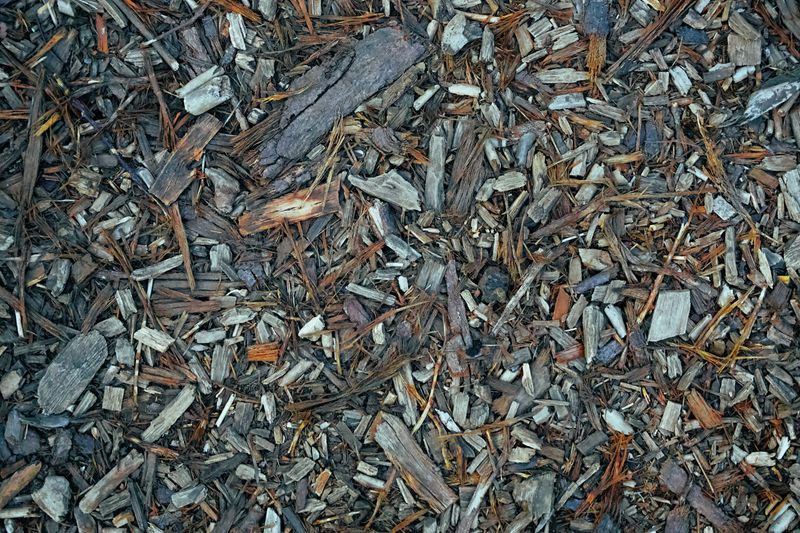
A thick layer of straw or wood chips acts like a blanket over the soil. It keeps moisture locked in and soil temperatures from spiking dangerously.
Aim for at least three to four inches of mulch around your plants. Thinner layers dry out too quickly to make a real difference.
Straw is lightweight, affordable, and easy to spread across large garden beds. Wood chips last longer and break down slowly into the soil over time.
Both options work beautifully when temperatures stay above 95 for extended periods. The key is getting that protective layer down before the worst heat hits.
Your Minnesota Garden Changes Every Week. Your Plan Should Too.
Gardening in Minnesota changes quickly throughout the season. Every Friday you’ll receive a simple weekly plan showing exactly what to plant, prune, fertilize, harvest, and protect so you never miss the right timing.
Keep mulch a couple of inches away from plant stems. Piling it directly against stems can trap moisture and cause rot at the base.
Mulch also suppresses weed growth as a bonus side effect. Fewer weeds mean less competition for the precious water your plants desperately need.
You can find straw bales at most garden centers or farm supply stores. One bale goes a surprisingly long way across a medium-sized garden.
Refresh your mulch layer if it gets thin or blows away. Consistent coverage is what makes this strategy effective over multiple hot days.
Think of mulch as your garden’s sunscreen and water bottle combined. It is simple, cheap, and genuinely powerful during extreme summer heat.
3. Move Potted Plants To Shade During The Heat Wave
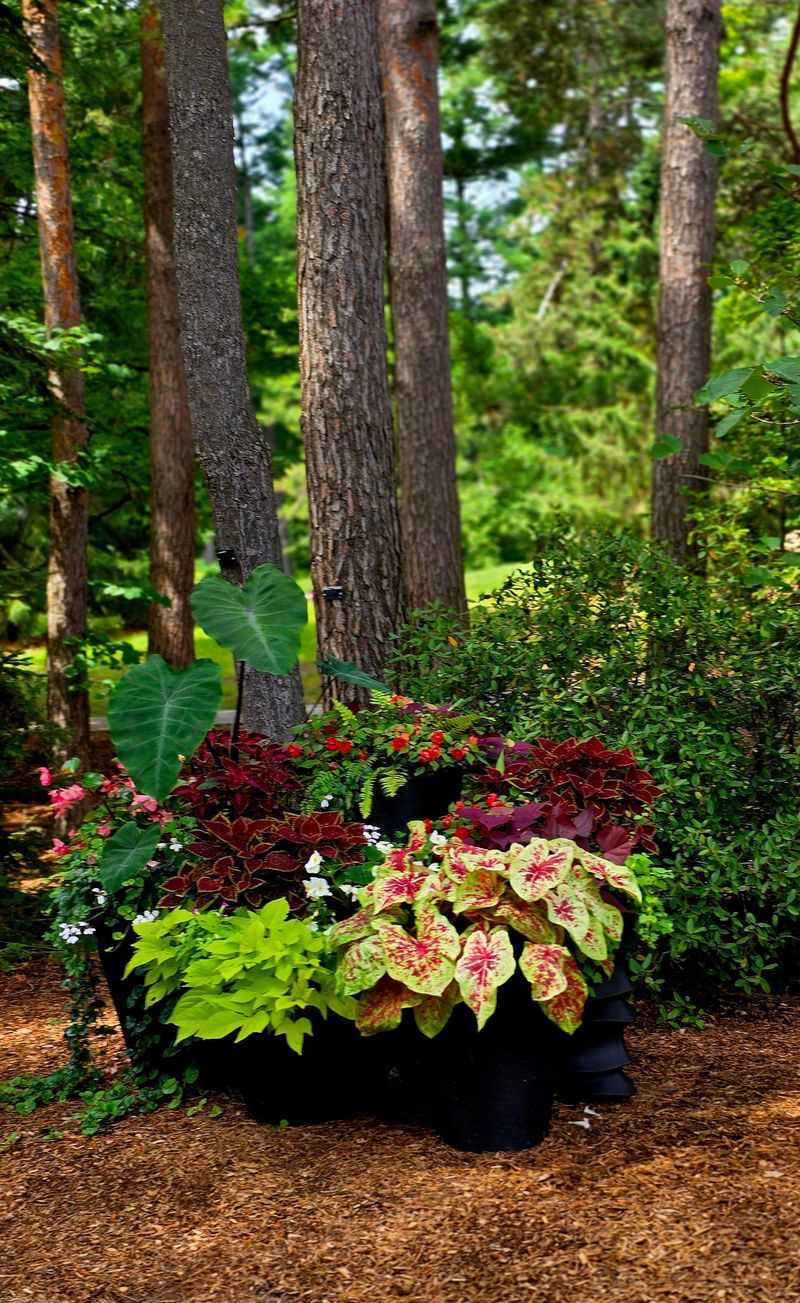
Potted plants have one big advantage over garden beds. They can move. When a heat wave rolls in, that mobility can save everything you have grown.
Container plants heat up much faster than ground plants because their roots have no deep cool soil to tap into. A black plastic pot in full sun can reach temperatures that damage roots within hours.
Start by scouting your yard for natural shade spots. Under a large tree, beside the house on the north side, or under a covered porch all work well.
Morning sun with afternoon shade is the sweet spot for most vegetables. That schedule gives plants light without the brutal midday punishment.
Herbs like basil and cilantro are especially sensitive to extreme heat. Moving them to a shaded spot can extend their life by weeks.
Even partial shade for just a few hours makes a noticeable difference. You do not need full darkness to give plants meaningful relief.
Group your pots together in the shade to create a mini microclimate. Clustered plants hold humidity around each other better than isolated ones.
Check pots daily since containers dry out faster than garden beds. You may need to water them twice a day during peak heat stretches.
Lightweight containers are easier to shuffle around as the sun moves. Consider upgrading heavy ceramic pots to fabric or plastic alternatives next season.
Your potted garden is portable for a reason. Use that advantage wisely when the heat refuses to let up.
4. Hang Shade Cloth Over Cool-Season Crops Like Lettuce And Spinach
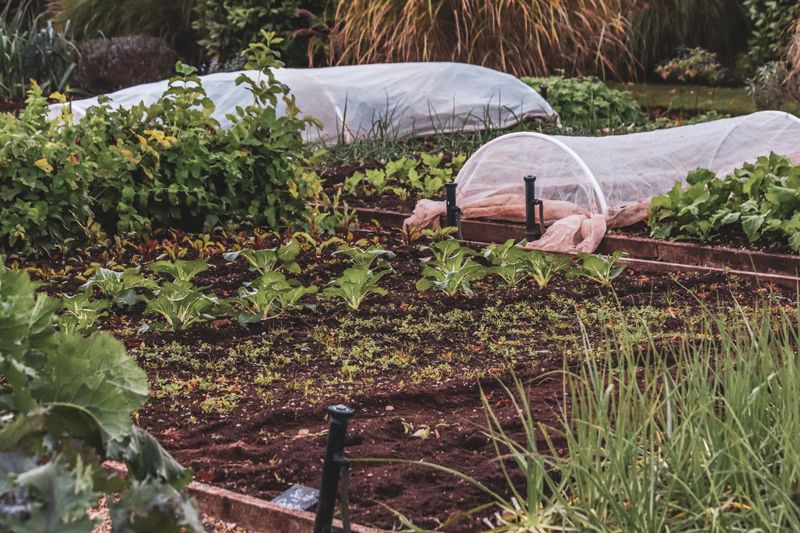
Lettuce is basically the drama queen of the vegetable world. One week of serious heat and it bolts, turns bitter, and gives up entirely.
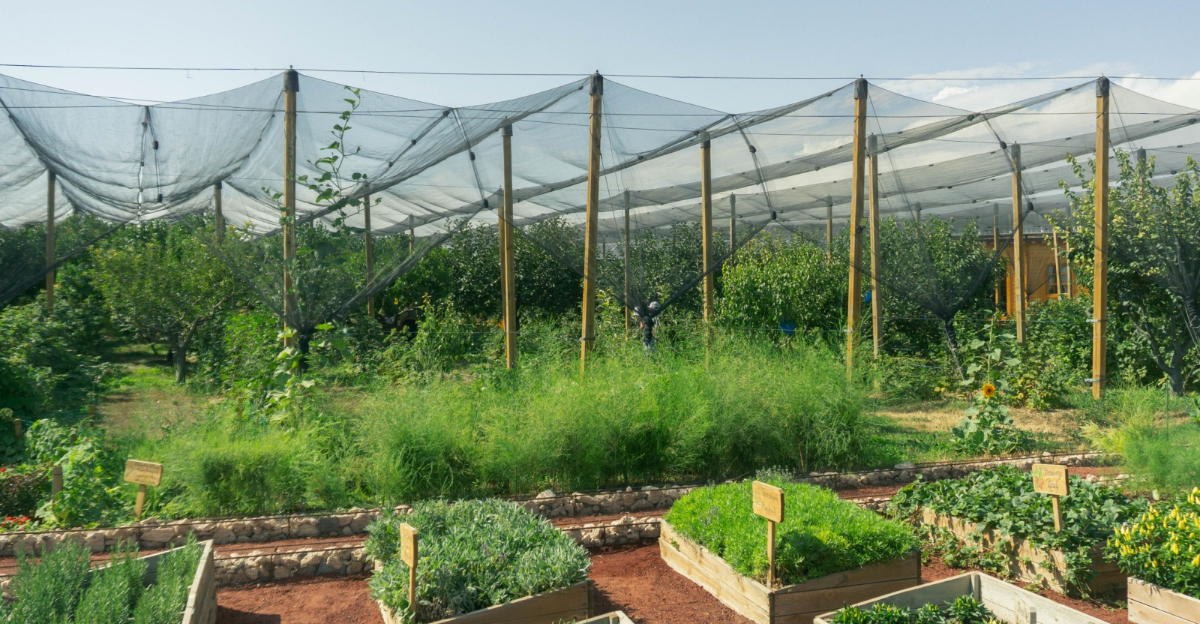
Shade cloth is the simple fix that keeps cool-season crops productive even when temperatures stay above 95 for multiple days. It filters sunlight without completely blocking it.
A 30 to 50 percent shade cloth is ideal for most leafy greens. Higher percentages block too much light and slow growth unnecessarily.
You can find shade cloth at garden centers or order it online easily. It comes in rolls and can be cut to fit any size bed.
Drape the cloth over simple wooden stakes or metal hoops above your plants. Leave a few inches of airflow between the cloth and the leaves.
Good airflow prevents the humid, stagnant conditions that encourage mold and disease. A little breeze under the cloth keeps plants healthier overall.
Spinach, kale, arugula, and Swiss chard all benefit from this protection. Even young pepper seedlings appreciate some afternoon shade coverage.
Install your shade cloth in the morning before temperatures climb. Waiting until midday means your plants have already taken hours of punishment.
Secure the edges with clips, rocks, or garden staples so wind does not flip it. A loose cloth that blows around provides inconsistent protection.
Shade cloth is reusable for many seasons if stored properly after the heat breaks. It is one of the best small investments a Minnesota gardener can make for summer survival.
5. Skip Fertilizing And Pruning Until Temperatures Drop
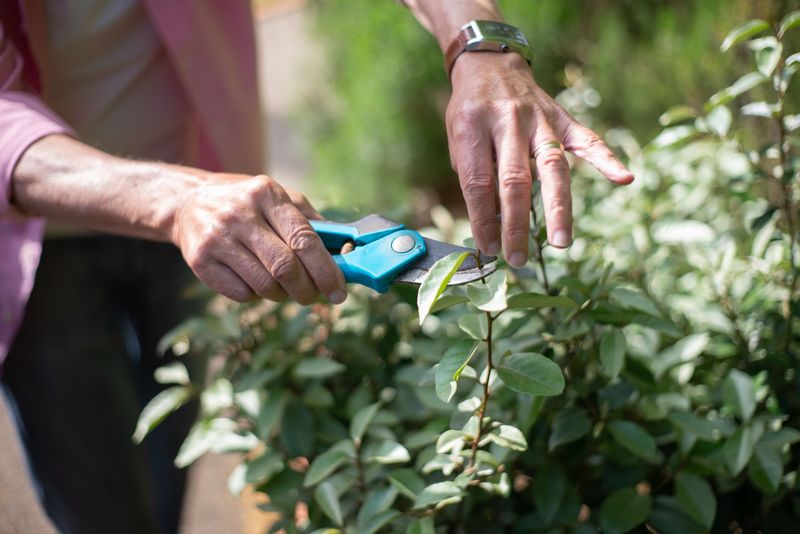
Your instinct might be to do more when plants look stressed. In a heat wave, doing less is actually the smarter strategy.
Fertilizing during extreme heat pushes plants to grow new tissue fast. That new growth is tender and weak, making it far more vulnerable to heat damage.
Nitrogen-heavy fertilizers are especially risky when temperatures stay above 95 for days. They can cause fertilizer burn on roots already struggling with heat stress.
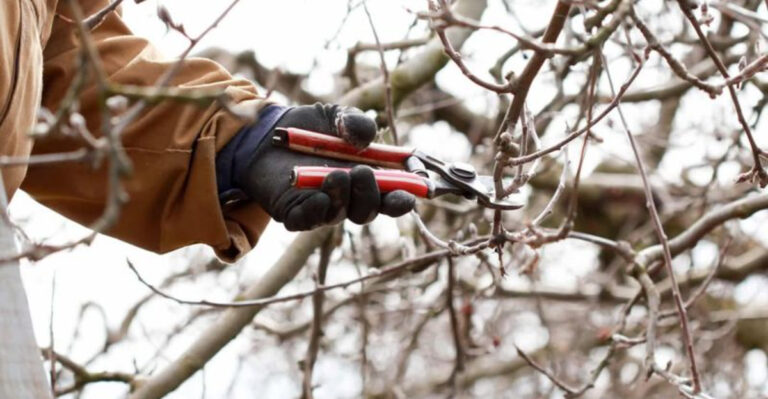
Pruning creates open wounds on plants that need every bit of energy for basic survival. Fresh cuts demand healing resources that stressed plants simply cannot spare right now.
Hold off on any major trimming until temperatures drop back to a safer range. A few extra leaves or suckers will not hurt anything in the short term.
Even light pruning can trigger a stress response that slows the whole plant down. Patience here pays off more than action does.
If you see failing or diseased material, that is the only exception worth making. Remove clearly failing sections to prevent spread, but keep cuts minimal.
Your garden is in survival mode during a serious heat stretch. Think of it like a sick person resting, less stimulation, more recovery.
Mark your calendar for when the forecast shows cooler days ahead. That is the right moment to resume your regular fertilizing and shaping routine.
Letting plants rest during peak stress leads to stronger regrowth when conditions improve. Trust the pause and your garden will reward you for it.
6. Pull Weeds Daily So They Don’t Compete For Water
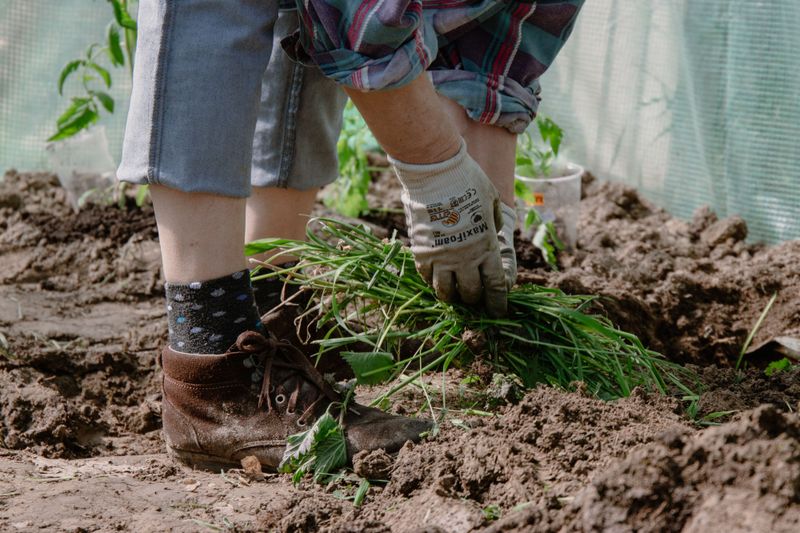
Weeds are freeloaders, and during a heat wave they become genuinely costly to your plants. Every weed drinking from your soil is stealing water your vegetables need to survive.
Pulling weeds daily keeps competition low when moisture is already scarce. A garden bed free of weeds holds onto water longer and more efficiently.
Early morning is the best time to weed, right after you water. The soil is slightly soft, making roots easier to pull out cleanly.
Getting the full root out prevents the weed from bouncing back in a day or two. A broken root left behind just means more work tomorrow.
Focus on weeds closest to your vegetable root zones first. Those are the ones doing the most direct damage to your plants right now.
Even small weeds matter during extreme heat. A patch of crabgrass or purslane can absorb a surprising amount of soil moisture each day.
A hand cultivator tool makes quick work of shallow-rooted weeds between rows. It is faster than pulling by hand and easier on your back.
Toss pulled weeds into a bucket rather than leaving them on the soil surface. Some weeds can re-root if left lying on moist ground.
Weed seeds also take advantage of open soil after you remove existing plants. Keeping mulch thick helps block new weeds from germinating behind you.
Staying on top of weeds daily feels like a small task, but the payoff is real. Your plants keep more water, and your garden stays stronger through the heat.
7. Avoid Spraying Herbicides When Temps Exceed 85 Degrees
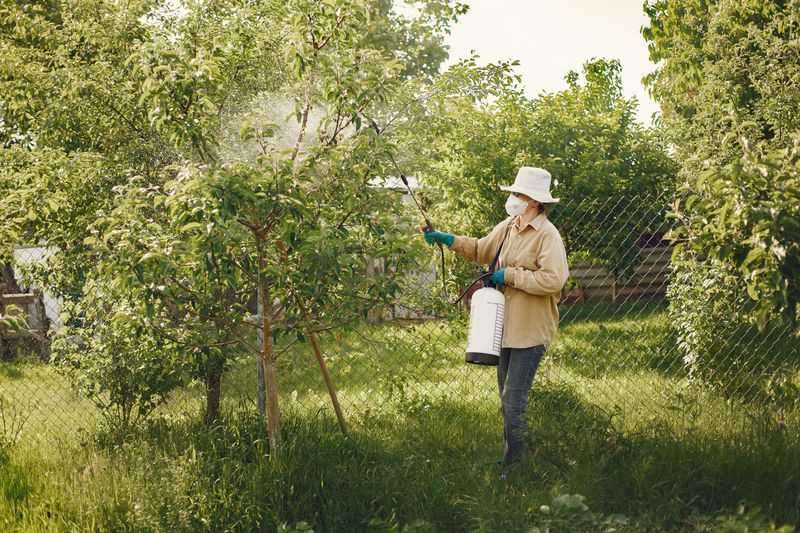
That bottle of weed spray might look tempting when your garden beds are overrun. But spraying herbicides in extreme heat is a reliable way to cause serious crop damage.
High temperatures cause herbicide chemicals to volatilize, meaning they turn into vapor and drift. That drift can land on nearby vegetables and cause serious damage fast.
Even products labeled as safe for garden use behave unpredictably above 85 degrees. The heat changes how chemicals absorb into plant tissue and soil.
Glyphosate and other common herbicides can cause leaf scorch, or twisted growth, when applied in extreme conditions. The results often look worse than the original weed problem.
Your vegetable plants are already stressed when temperatures stay above 95 for days. Adding chemical exposure on top of heat stress can push them past the point of recovery.
Manual weeding is always the safer choice during a heat wave stretch. Yes, it takes more effort, but your crops stay protected from chemical harm.
If you absolutely must treat a persistent weed problem, wait for an early morning window below 80 degrees. Even that margin reduces the risk significantly.
Always read herbicide labels carefully for temperature application guidelines. Most products list specific temperature ranges for safe and effective use.
Spray drift also threatens pollinators like bees that are already active in warm mornings. Protecting your garden means protecting the whole ecosystem around it.
Put the sprayer away until the heat breaks and cooler mornings return. Your garden will thank you for the restraint.
8. Check Soil Moisture An Inch Or Two Down Before Watering Again
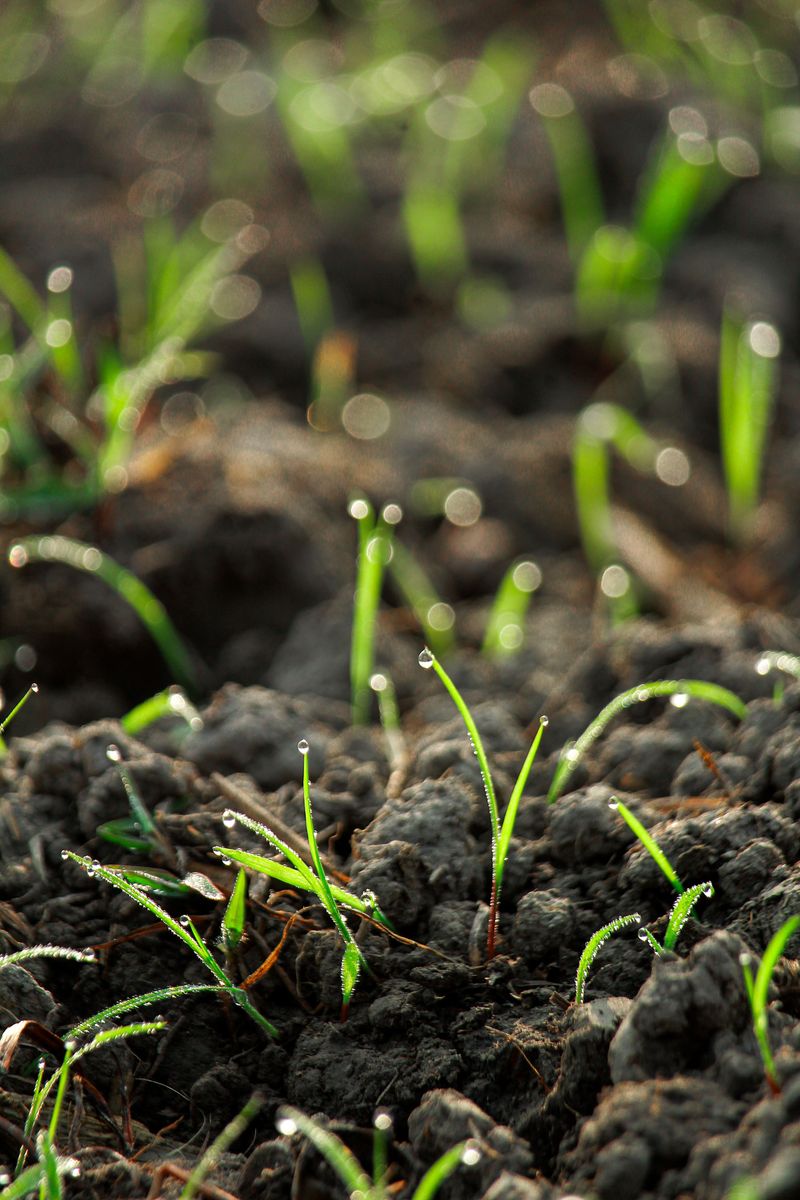
Overwatering during a heat wave is a real problem, not just under-watering. Soggy soil suffocates roots and invites rot even when the sun is blazing overhead.
Before you reach for the hose, press your finger about an inch or two into the soil. That simple check tells you more than any gadget or schedule can.
If the soil feels moist at that depth, your plants are probably fine for now. If it feels dry and powdery, it is definitely time to water again.
This method works for both garden beds and container plants equally well. It takes about three seconds and saves you from costly mistakes.
Checking moisture before watering also helps you understand how your specific soil holds up in heat. Sandy soils drain fast while clay soils hold water much longer.
Knowing your soil type helps you build a smarter watering schedule over time. You stop guessing and start responding to what the ground actually needs.
A basic soil moisture meter is another helpful tool if you prefer a more precise reading. They cost just a few dollars and last for many seasons.
When temperatures stay above 95 for multiple days, check soil moisture at least once in the morning and once in the late afternoon. Conditions change fast in extreme heat.
Plants wilt for two reasons: too little water and too much. The finger test helps you figure out which problem you are actually dealing with.
Building this habit into your daily routine takes the stress out of summer gardening and keeps your plants in their best possible shape.