These Texas Native Plants Can Help Create Roadrunner-Friendly Hunting Habitat
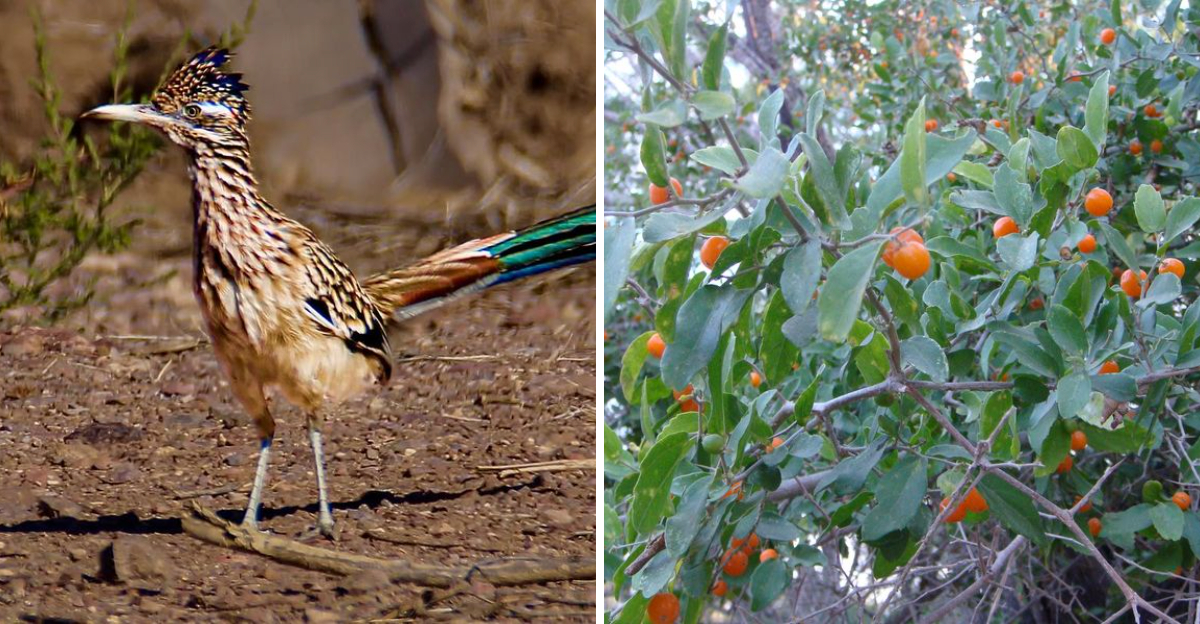
If a Greater Roadrunner has ever shot across your Texas yard like it was late for a very important meeting, you already know that stopping to stare is basically involuntary.
These birds are fast, bold, and absolutely full of personality, and a roadrunner sighting has a way of making your whole day feel a little more interesting.
Here’s something worth knowing though: roadrunners are not random. They move through landscapes with purpose, looking for open feeding space, brushy cover, cactus clumps, low shrubs, and bare ground to hunt across.
Texas yards that offer the right mix of native plants and habitat structure tend to give these remarkable birds more reason to slow down, explore, and stick around a little longer.
No single plant guarantees a visit, but smarter choices can definitely tip the odds in your favor.
1. Texas Prickly Pear For Cactus Cover And Fruit
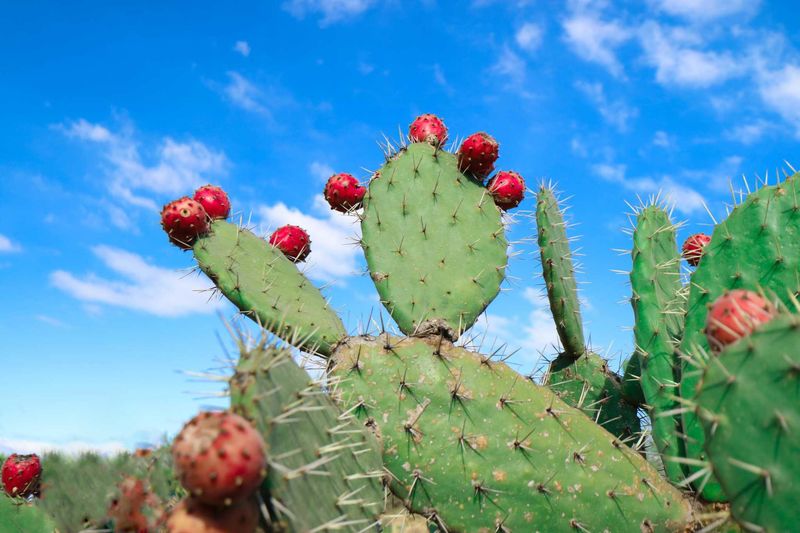
Few plants say “Texas” quite like a sprawling clump of prickly pear cactus sitting in full sun with bare ground around its base.
Opuntia engelmannii, the Texas prickly pear, is a tough, wide-spreading cactus that can grow several feet tall and even wider, forming dense, spiny clumps that offer real structural cover for wildlife moving through dry landscapes.
Roadrunners tend to use cactus patches as shelter and as a place to pause between hunting runs. The thick pads and sharp spines create a low, sturdy refuge that protects against wind and provides shade during hot afternoons.
While roadrunners are not strictly fruit eaters, the bold red or purple tunas that ripen on prickly pear in late summer may attract insects and small lizards nearby, adding to the foraging appeal of the surrounding area.
In a yard or brushy garden border, prickly pear works well planted in a sunny, well-drained spot where it can spread naturally over time.
Pairing it with open bare ground or short grass nearby gives roadrunners the clear sightlines and movement space they tend to prefer.
Prickly pear is drought-tolerant and low-maintenance, making it a practical and wildlife-friendly choice for Hill Country gardens, South Texas landscapes, and open suburban edges throughout the state.
2. Agarita For Thorny Low Shelter
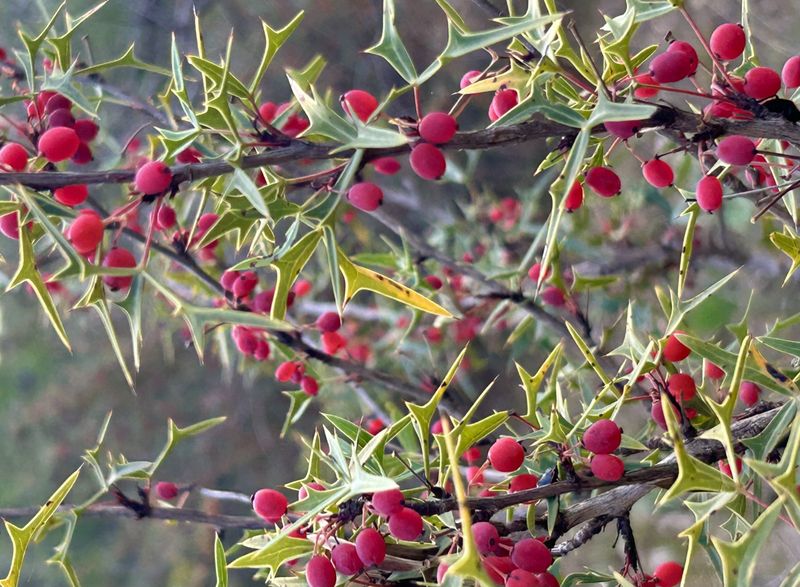
Walking past an agarita shrub on a dry Texas hillside, you can almost feel why wildlife gravitates toward it. Mahonia trifoliolata, commonly called agarita, is a stiff, thorny native shrub with sharp, holly-like leaves that form a dense, prickly barrier low to the ground.
It tends to grow in rocky soils, sunny borders, and brushy fence lines across central and west Texas.
For roadrunner habitat, agarita offers something very specific: thorny, impenetrable low cover that provides shelter without blocking movement nearby.
Roadrunners tend to favor areas where sturdy vegetation sits close to open foraging ground, and agarita fits that combination well.
The shrub stays relatively low and compact, which means it does not shade out the bare or sparse ground that roadrunners need for hunting.
Bright red berries ripen on agarita in spring, and while roadrunners are not known fruit specialists, the berries can draw insects and small wildlife activity to the surrounding area.
Your Texas Garden Changes Every Week. Your Plan Should Too.
Gardening in Texas changes quickly throughout the season. Every Friday you’ll receive a simple weekly plan showing exactly what to plant, prune, fertilize, harvest, and protect so you never miss the right timing.
Planting agarita along a sunny fence line, rocky slope, or dry garden edge creates natural structure that blends into a Texas landscape without requiring much water or care.
Its year-round evergreen foliage also means the shelter it provides stays consistent across seasons, making it a reliable piece of a roadrunner-friendly native plant mix in suitable Texas yards.
3. Lotebush For Dense Spiny Brush
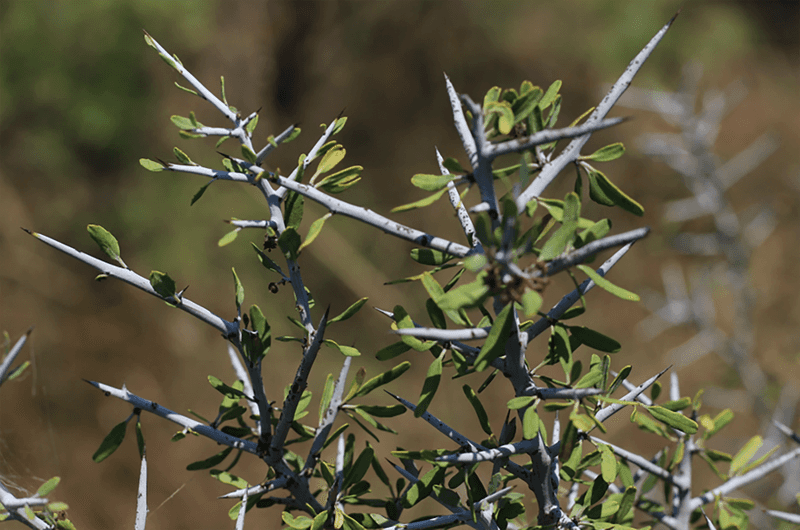
Brushy fence lines across South Texas and the Edwards Plateau often include a tangle of lotebush, and that dense, spiny structure is exactly what makes it worth noticing from a habitat standpoint.
Ziziphus obtusifolia, known as lotebush or Texas lotebush, is a thorny native shrub that forms thick, low-to-mid-height thickets in dry, sunny spots throughout much of Texas.
Roadrunners move through brushy areas with purpose, using dense cover for quick retreats and as launching points for hunting runs into open ground. Lotebush provides that kind of layered structure with its interlocking branches and sharp spines.
It is not a tall plant, but it creates a real physical barrier that feels secure for wildlife using it as shelter or a staging area near open foraging space.
One of the practical advantages of lotebush in a Texas yard or rural property is its adaptability. It handles poor, rocky, or sandy soils and dry conditions without much help.
Planting it along a sunny border, dry wash, or brushy edge and leaving open ground or short grass nearby gives the surrounding habitat more of the open-plus-cover balance that roadrunners seem to prefer.
Small fruits also appear on lotebush seasonally, which may attract insects and other small prey species to the area, adding another layer of foraging interest to the space.
4. Desert Hackberry Or Granjeno For Brushy Structure
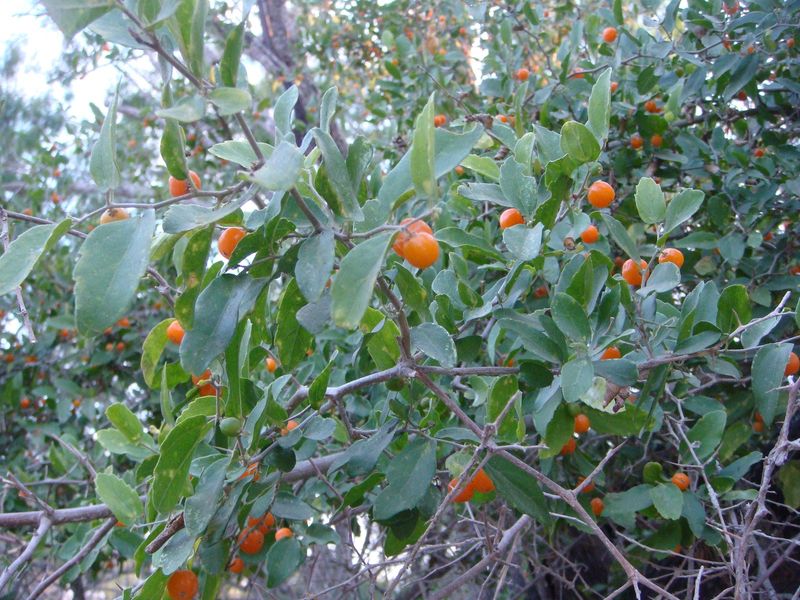
Granjeno, also called desert hackberry, is one of those quietly useful native plants that shows up along dry fence lines, rocky draws, and brushy edges across Texas without asking for much attention.
Celtis ehrenbergiana grows as a multi-stemmed, thorny shrub or small tree that can reach several feet in height, offering a mid-level layer of cover that fits well between low ground plants and taller trees.
For roadrunner habitat in Texas, this kind of mid-height brushy structure matters. Roadrunners tend to use layered vegetation, moving from open ground up into low cover and back again as they hunt.
Desert hackberry provides that in-between layer, with enough density and spiny branches to offer real shelter while still allowing movement at the base of the plant where bare or short-grass ground remains accessible.
Small, round fruits appear on desert hackberry seasonally, and these can attract a range of insects and small wildlife to the surrounding area, which adds indirect foraging value to the space.
The plant handles dry, rocky, or caliche-heavy soils well and thrives in full sun, making it a natural fit for South Texas brush-style landscapes, Hill Country borders, and dry suburban edges.
Paired with open ground and lower-growing native plants, desert hackberry helps fill in the mid-level structure that can make a Texas yard feel more complete from a roadrunner habitat perspective.
5. Texas Persimmon For Small-Tree Cover And Fruit
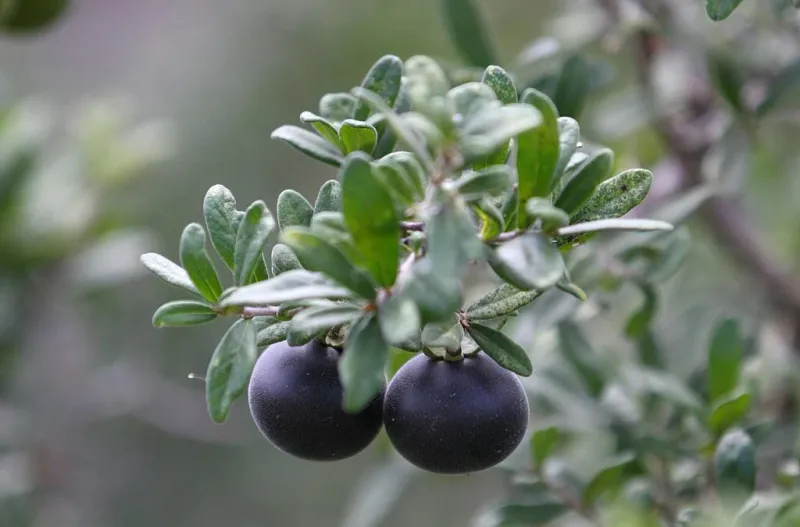
Smooth, peeling gray bark and dark, leathery leaves make Texas persimmon one of the most recognizable small native trees in the state.
Diospyros texana grows slowly into a multi-trunked, rounded tree that stays relatively compact, usually reaching somewhere between ten and fifteen feet in height depending on conditions and location across Texas.
From a roadrunner habitat standpoint, Texas persimmon offers something that lower shrubs cannot quite match: small-tree-level cover with enough canopy to create shaded structure while leaving space below for movement.
Roadrunners use small trees and large shrubs as perches, lookout points, and quick-escape cover when moving through open or semi-open landscapes.
A Texas persimmon planted near open ground or a sparse grass area gives that kind of elevated cover without overwhelming the open space roadrunners need for hunting.
Small black fruits ripen on Texas persimmon in late summer and are eaten by a variety of wildlife.
While roadrunners are primarily hunters of insects, lizards, and small prey rather than fruit specialists, the fruit can draw other small wildlife and insects into the surrounding area.
Texas persimmon handles dry, rocky, or shallow soils with ease and grows well in full sun, making it a low-maintenance addition to Hill Country gardens, South Texas yards, and dry suburban borders where a small native tree can anchor a wildlife-friendly planting.
6. Little Bluestem For Open Bunchgrass Edges
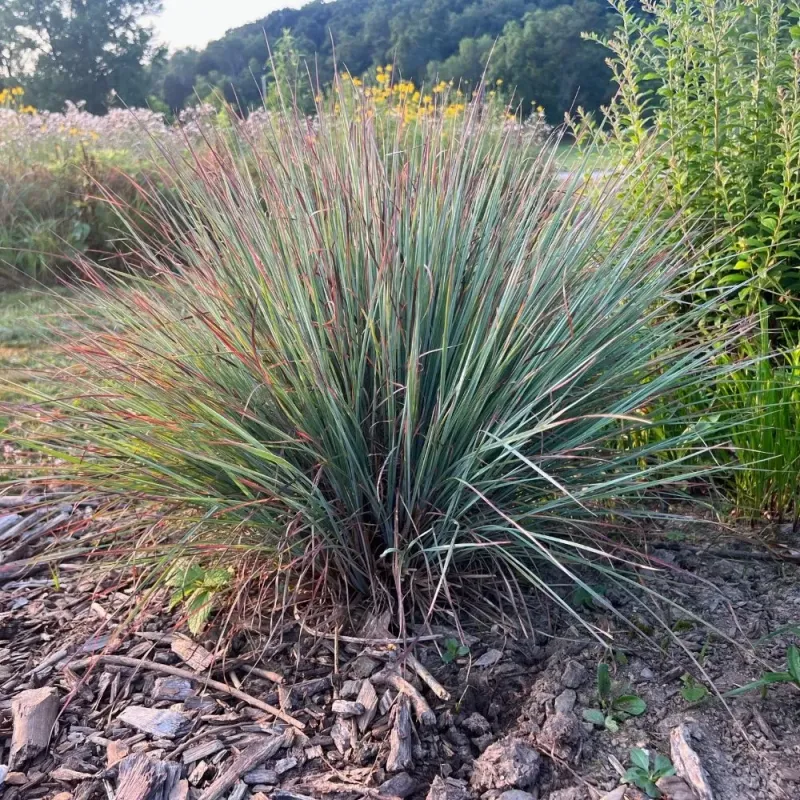
Copper-orange in fall and blue-green through the growing season, little bluestem is one of the most attractive native grasses for a Texas yard or sunny border.
Schizachyrium scoparium is a warm-season bunchgrass that grows in upright clumps, usually reaching two to three feet in height, and it thrives in well-drained, sunny spots across much of Texas.
What makes little bluestem especially useful in a roadrunner-friendly planting is the way it grows: in individual clumps with open space between them rather than as a dense, continuous mat.
That bunchgrass growth pattern leaves bare or sparse ground between clumps, which is exactly the kind of open foraging surface that roadrunners tend to move across when hunting insects, lizards, and other small prey in Texas landscapes.
Planting little bluestem in drifts or scattered groupings along a sunny border, dry slope, or prairie-style garden edge creates a natural edge zone with alternating cover and open ground.
The seed heads that develop in late summer and fall also attract insects and small birds to the area, adding activity to the surrounding space.
Little bluestem is drought-tolerant, low-maintenance, and well-suited to the rocky, sandy, or clay-heavy soils found across Texas.
Used as part of a layered native plant mix, it helps create the open-edge structure that makes a yard feel more approachable from a roadrunner movement perspective.
7. Sideoats Grama For Prairie-Style Open Ground
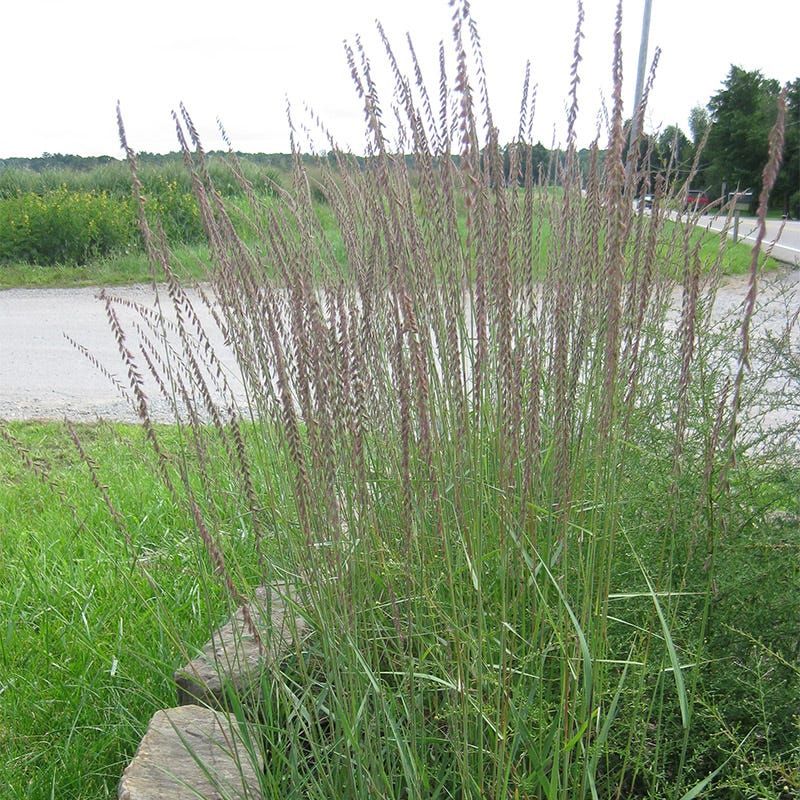
Named for the distinctive way its small seed heads hang from one side of the stem, sideoats grama is Texas’s official state grass and one of the most adaptable native grasses in the region.
Bouteloua curtipendula grows in low, fine-textured clumps that stay relatively short, usually reaching one to two feet in height, and it handles a wide range of Texas soils and dry conditions without much care.
For roadrunner habitat, sideoats grama contributes something simple but important: short, open, prairie-style ground cover that does not block movement or sightlines.
Roadrunners moving through Texas landscapes tend to prefer areas where they can see clearly across the ground while hunting, and a planting of sideoats grama creates exactly that kind of low, open surface.
Unlike taller ornamental grasses that can become dense and difficult to move through, sideoats grama stays low and airy enough to leave the ground accessible.
When planted in sunny, open areas alongside bare ground patches or dry garden edges, sideoats grama helps establish the prairie-style structure that feels natural in many Texas roadrunner territories.
Insects are drawn to the seed heads and surrounding vegetation, which adds quiet foraging value to the space.
Sideoats grama pairs well with prickly pear, little bluestem, and low native shrubs to create a layered, open habitat that balances cover with the clear, accessible ground roadrunners tend to favor when moving and hunting.
8. Native Plant Patches With Bare Or Short-Grass Openings
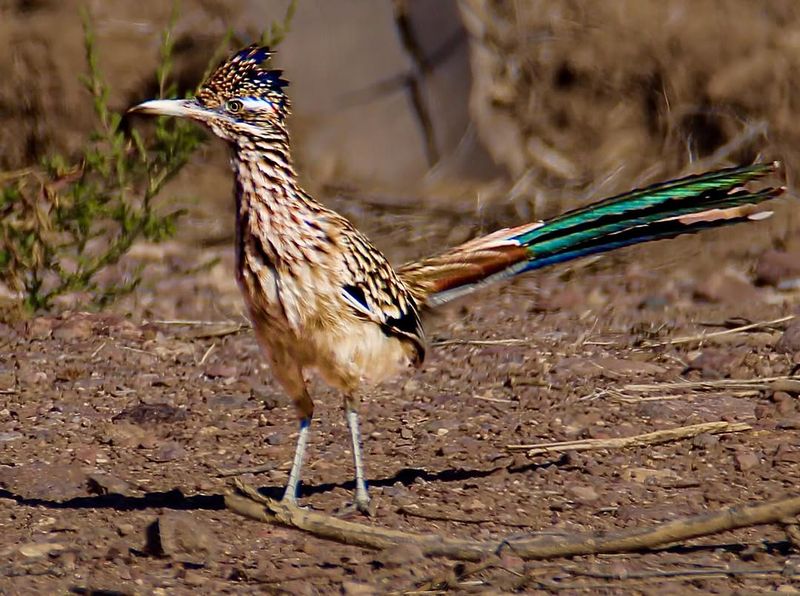
Sometimes the most important habitat element in a Texas yard is not the plant itself but the open space between the plants. Roadrunners are active hunters that move quickly across open ground, scanning for insects, lizards, and other small prey.
Dense, wall-to-wall plantings, even with native species, can reduce the open foraging space these birds rely on when moving through a landscape.
Creating intentional patches of bare ground or short, sparse grass within a native plant garden is one of the most practical things a homeowner can do to improve the roadrunner-friendliness of their yard.
These open lanes give roadrunners clear movement corridors between areas of cover, which is the kind of habitat structure they tend to use in dry, open Texas landscapes.
Think of it as designing with negative space: the gaps between plants matter just as much as the plants themselves.
A planting that combines cactus clumps, thorny shrubs, small native trees, and bunchgrasses with deliberate open patches of bare or short-grass ground creates the mixed structure that roadrunners tend to move through in suitable Texas habitats.
Leaving sunny, dry edges unmulched or lightly mulched, allowing natural bare ground to remain between plantings, and avoiding dense groundcovers in key areas can all help.
No single design choice promises a roadrunner, but getting the balance of cover and openness right is one of the most meaningful steps toward building a more roadrunner-friendly Texas yard.