8 Ways Florida Gardeners Can Help Heat-Stressed Hibiscus Recover
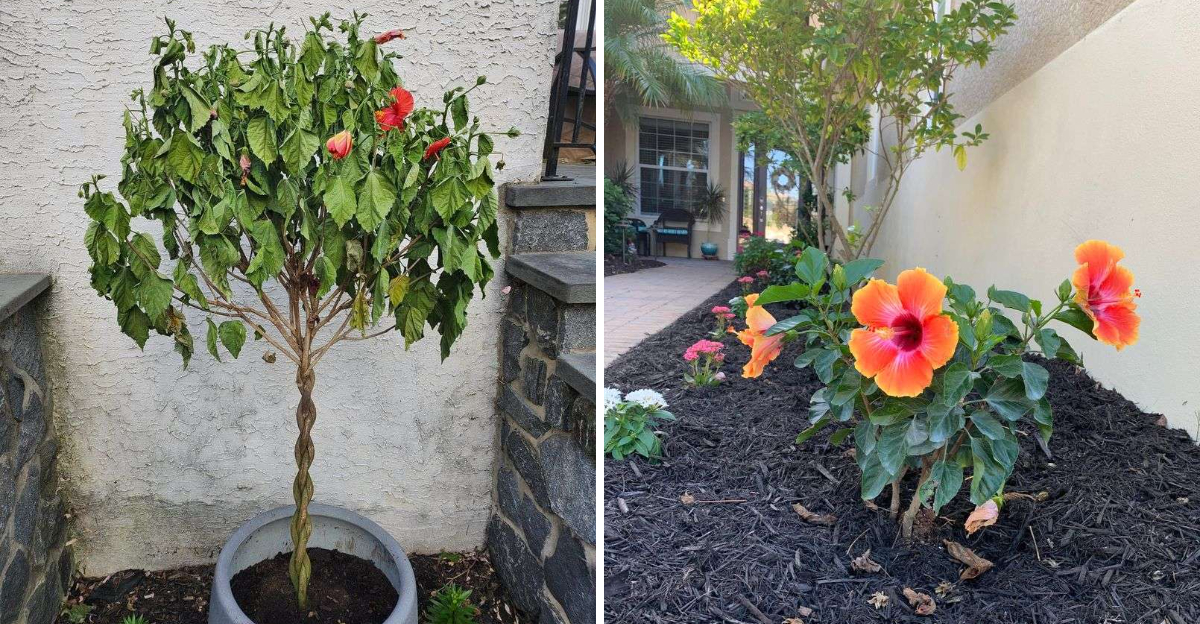
Summer heat and Florida hibiscus have a complicated relationship, and intense stretches of blazing sun have a way of making that very obvious very fast.
Drooping leaves, buds dropping before they open, and a plant that looks completely defeated overnight, it is a familiar scene for a lot of Florida hibiscus growers once the heat really cranks up.
Hot containers, sandy soil, irregular rain, and a few watering missteps can all pile up at the same time and push even a healthy plant past its comfort zone.
The instinct to fertilize or water more is understandable, but heat-stressed hibiscus responds much better to steady, practical care that starts with actually checking the plant before doing anything else.
Understanding what is really going on is always the most useful first step.
1. Check Soil Moisture Before Watering Again
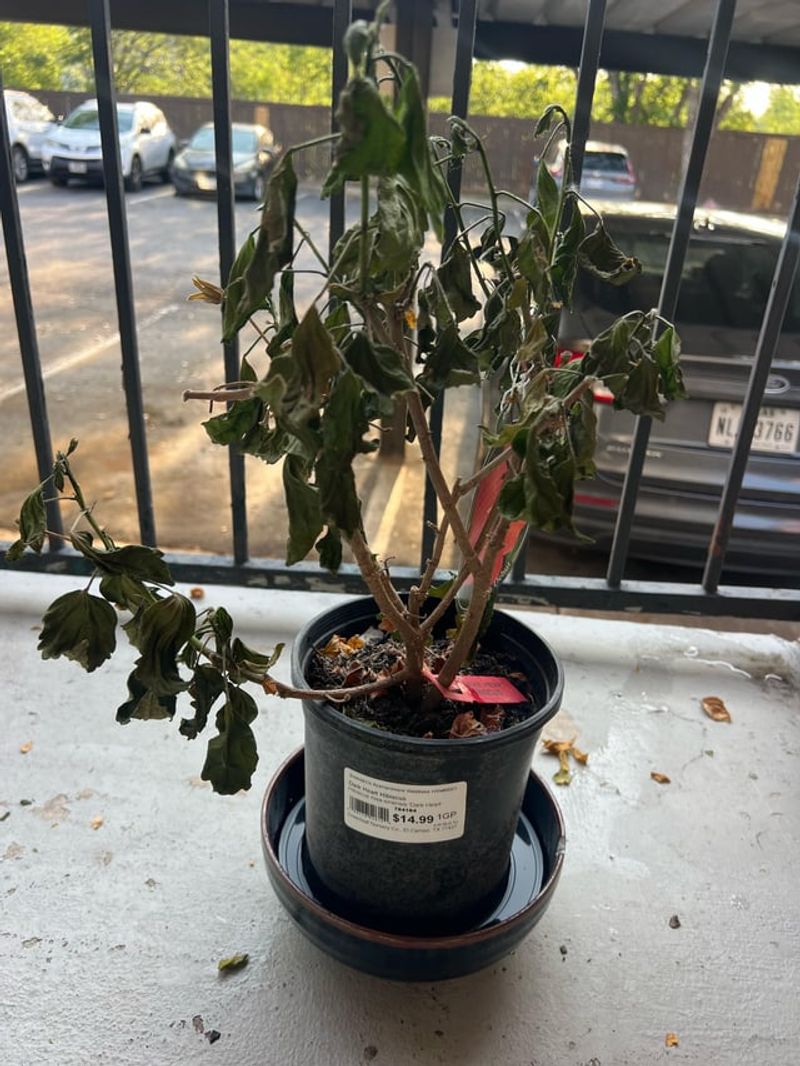
Drooping hibiscus leaves on a hot Florida afternoon can send any gardener straight for the hose, but wilting does not automatically mean the soil is dry.
Heat alone can cause hibiscus to look limp, even when the root zone still holds plenty of moisture from recent watering or rainfall.
Before adding more water, press two or three fingers about two inches into the soil near the base of the plant. If the soil feels cool and damp at that depth, the roots likely have enough moisture already.
Adding more water on top of wet soil can lead to poor drainage, especially in Florida’s sandy yards where water moves quickly but containers and compacted spots can stay soggy longer than expected.
Soggy roots and heat stress can look nearly identical from the outside, so checking first saves the plant from a second problem on top of the first.
Potted hibiscus on patios and pool decks are especially tricky because the container walls heat up fast in direct Florida sun, which can make the plant look stressed even when the potting mix is still moist inside.
Getting into the habit of checking the root zone before watering again is one of the most useful adjustments a Florida gardener can make during a summer heat spell.
A simple finger test takes about ten seconds and gives far better information than a visual check of the leaves alone.
2. Water Deeply When The Root Zone Is Dry
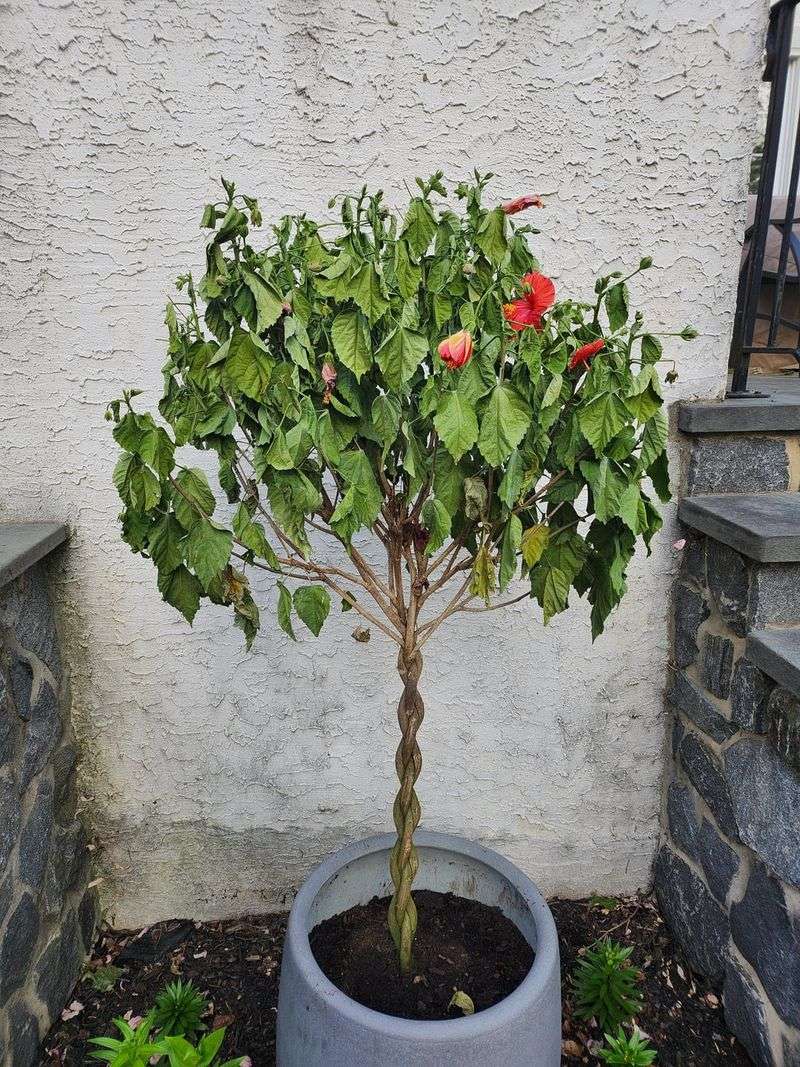
When the finger test confirms the root zone is genuinely dry, surface splashing usually does not do enough.
A quick pass with the hose may wet the top inch of soil while leaving the deeper roots dry, and hibiscus roots in sandy Florida soil can extend several inches down where a short watering barely reaches.
Slow, deep watering is more effective than frequent shallow splashes when the soil has dried out during a hot stretch. Letting water run gently at the base of the plant for several minutes gives it time to soak downward rather than run off across the surface.
For potted hibiscus, water until it drains freely from the bottom of the container, which confirms the entire root zone received moisture rather than just the top layer of potting mix.
Your Florida Garden Changes Every Week. Your Plan Should Too.
Gardening in Florida changes quickly throughout the season. Every Friday you’ll receive a simple weekly plan showing exactly what to plant, prune, fertilize, harvest, and protect so you never miss the right timing.
In Florida’s summer heat, the goal is to reach the full root zone without flooding it. Watering in the early morning tends to work better than midday watering, since less moisture evaporates before it reaches the roots.
Evening watering can work in a pinch, though wet foliage overnight in Florida’s humid air can occasionally encourage fungal issues on leaves.
Deep, thorough watering every few days during dry stretches generally supports hibiscus better than light daily watering that never fully hydrates the root zone.
Checking the soil again a day or two after a deep watering helps you understand how quickly your specific soil and container setup dries out in the Florida heat.
3. Move Potted Hibiscus Into Bright Shade
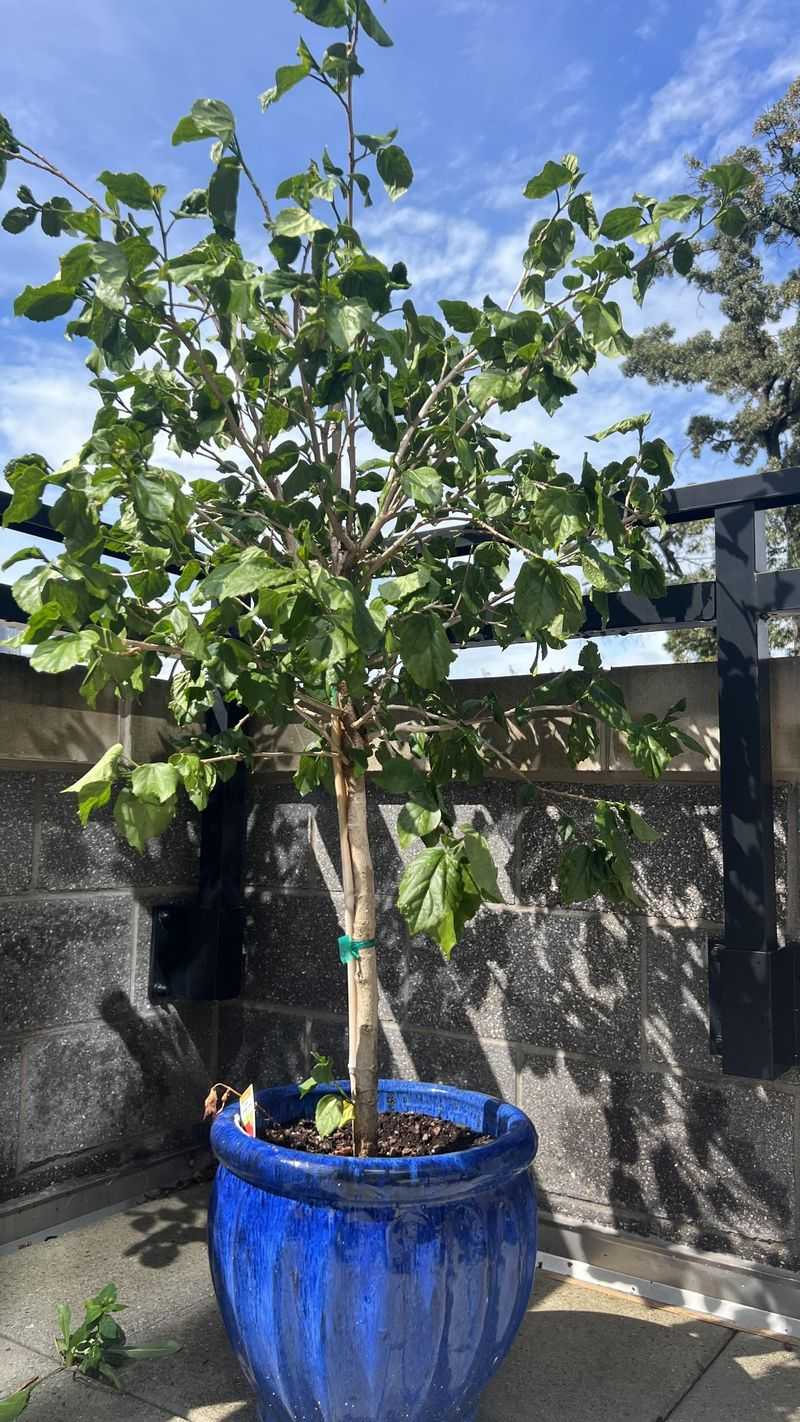
Patio pots, balcony planters, and container hibiscus sitting on driveways or pool decks absorb heat from every direction during a Florida summer, and the roots inside those containers can reach temperatures that stress even a heat-tolerant tropical plant.
The pot walls heat up in direct sun, the concrete or pavers below radiate warmth upward, and the sun beats down from above all at once.
Moving a potted hibiscus into bright shade or filtered light during the harshest part of a Florida heat spell can noticeably reduce that stress.
Bright shade means a spot that receives indirect light or morning sun with afternoon shade, rather than a dark corner that leaves the plant without enough light to function.
Under a large tree canopy, on a covered porch, or beside a fence that blocks afternoon sun can all work well depending on your Florida yard setup.
The shift does not need to be permanent. Once temperatures ease and the plant shows signs of stabilizing, such as firmer leaves, new bud formation, or fresh growth tips, moving it back to its regular spot is reasonable.
Avoid moving a potted hibiscus from full blazing sun directly into deep shade in a single step, since dramatic light changes can add a different kind of stress. Gradual transitions tend to be gentler on the plant.
Even a few days in a cooler, brighter-shade location can give a heat-stressed container hibiscus a chance to recover its footing during a rough Florida summer stretch.
4. Refresh Mulch Around Outdoor Hibiscus
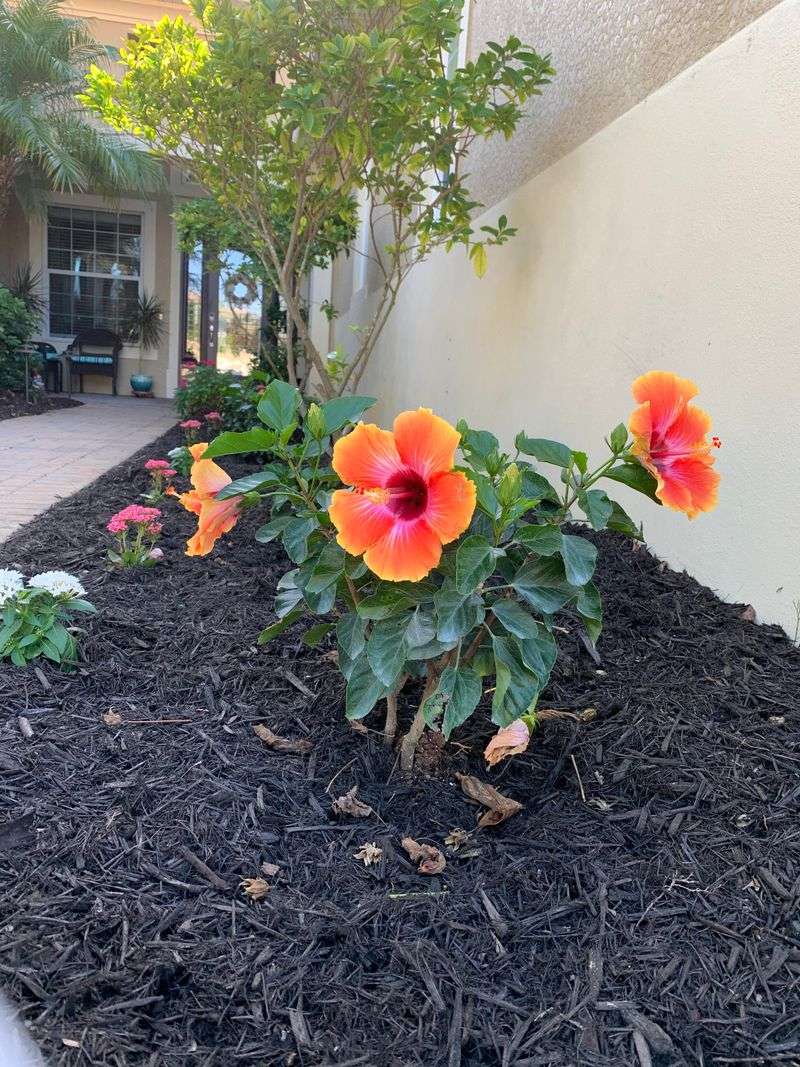
Thin or missing mulch around landscape hibiscus is easy to overlook during a busy Florida summer, but the root zone underneath can pay a real price.
Without a decent layer of mulch, sandy Florida soil dries out faster, soil temperatures near the surface climb higher on hot days, and roots close to the surface can experience stress that shows up as drooping leaves or slowed blooming above ground.
Refreshing mulch to a depth of two to three inches around outdoor hibiscus helps conserve moisture between waterings and moderates soil temperature during hot spells.
Organic mulches like wood chips or bark work well in Florida landscapes and gradually improve sandy soil as they break down over time.
Spread the mulch out to the drip line of the plant if possible, covering the area where most of the feeder roots are active.
One detail worth getting right is keeping the mulch a few inches away from the main stem of the hibiscus rather than piling it directly against the base.
Mulch pressed tightly against the stem can trap moisture against the bark and create conditions that may lead to rot or pest problems over time.
A clean gap of a few inches between the mulch and the stem is a simple habit that protects the plant while still letting the rest of the root zone benefit from the insulation.
Refreshing mulch once or twice during the Florida growing season is a low-effort step that supports hibiscus through heat, dry spells, and heavy summer rain alike.
5. Hold Off On Fertilizer During Heat Stress
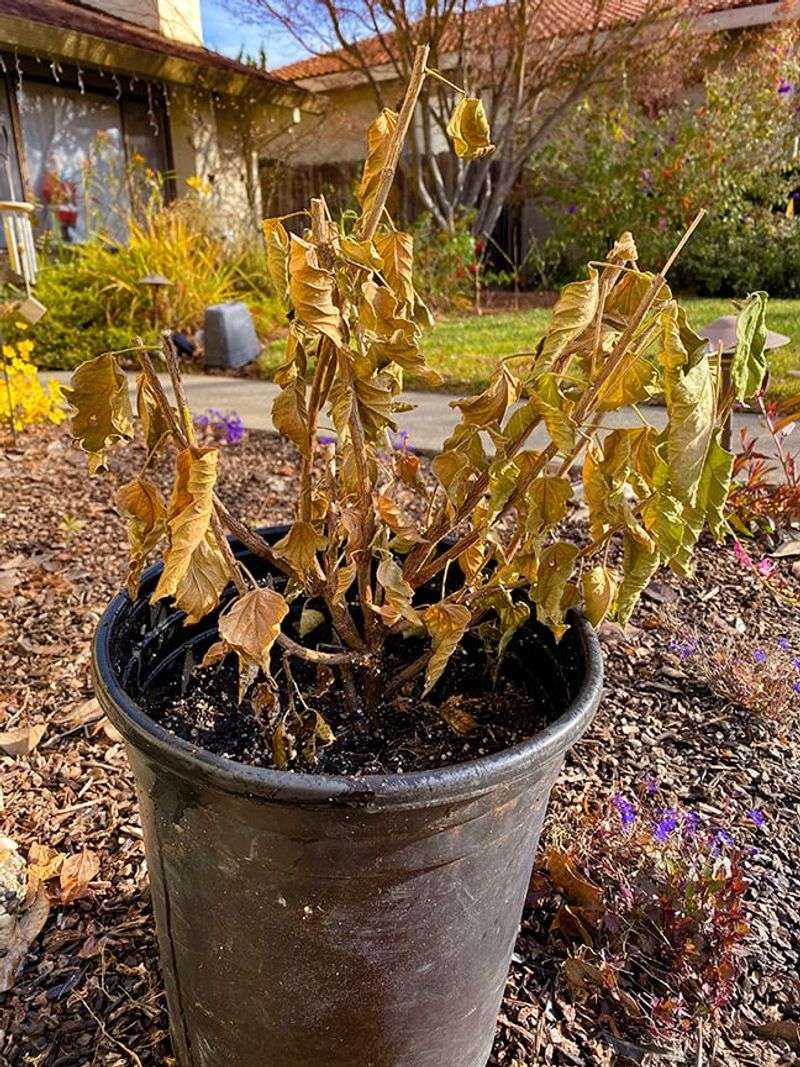
Reaching for fertilizer when hibiscus looks stressed is a common instinct, but feeding a struggling plant during peak Florida heat can make things worse rather than better.
Fertilizer pushes new growth, and a plant already working hard to cope with high temperatures and possible root stress does not always have the resources to support that new growth successfully.
Tender new shoots produced under heat stress are often weaker and more vulnerable to pests, sunscald, and further wilting than growth produced under more stable conditions.
Fertilizer salts can also build up in the soil around stressed roots, especially in containers or sandy soil with limited buffering capacity, which may add pressure to a root zone that is already struggling.
The better approach is to stabilize the basics first. Get watering right, address shade needs for potted plants, refresh mulch, check drainage, and look for pest pressure before introducing fertilizer into the mix.
Once the hibiscus shows signs of genuine recovery, such as upright leaves, firm new growth tips, or returning flower buds, that is a more reasonable window to resume a regular feeding schedule.
In Florida, tropical hibiscus generally benefits from a balanced fertilizer during the growing season, but timing matters.
A plant that is visibly stressed from heat needs steady, supportive care first, and fertilizer can follow once the plant is back on steadier ground.
Patience at this stage tends to produce better results than a quick feeding that the plant is not yet ready to use.
6. Delay Heavy Pruning Until The Plant Stabilizes
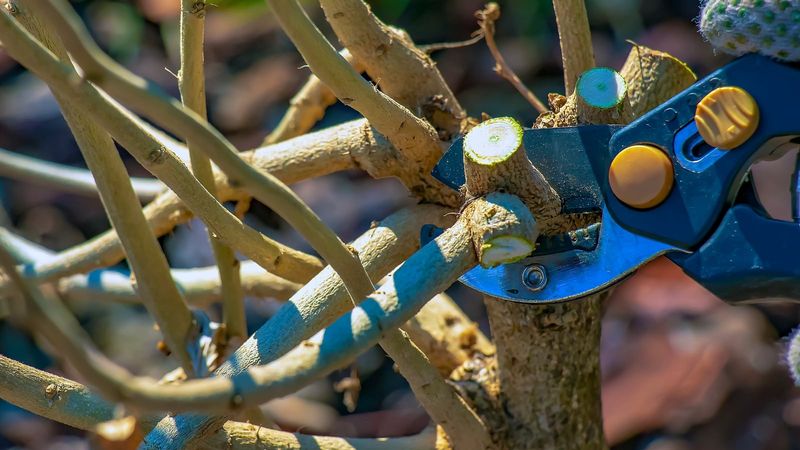
Grabbing the pruning shears when hibiscus looks rough is tempting, especially if the plant has dropped leaves, lost buds, or developed a few sad-looking branches during a Florida heat spell.
Heavy pruning feels productive, but it asks a stressed plant to redirect energy into healing fresh cuts and pushing new growth at the same time it is already struggling with heat.
That combination can set the plant back further rather than help it move forward.
Major shaping cuts, hard cutbacks, and significant branch removal are generally better saved for a time when the plant looks more stable and temperatures have eased a bit.
Hibiscus tends to bounce back more reliably from heavy pruning when it is not simultaneously dealing with root stress, heat, or drought.
That said, removing clearly broken branches, stems that show obvious disease symptoms, or material that is already beyond recovery is reasonable even during a heat stretch.
Leaving truly damaged wood on the plant does not help recovery, and removing it can reduce pest harborage and improve airflow around the remaining canopy.
The key distinction is between targeted removal of damaged material and full reshaping of the plant. Keep cuts clean and minimal until the hibiscus shows firmer leaves, new bud activity, or fresh tip growth that signals it has stabilized.
Once the plant is visibly recovering and Florida temperatures give it even a brief break, heavier pruning and shaping will produce a much better result with far less risk of setback.
7. Scout Buds And Leaf Undersides For Pests
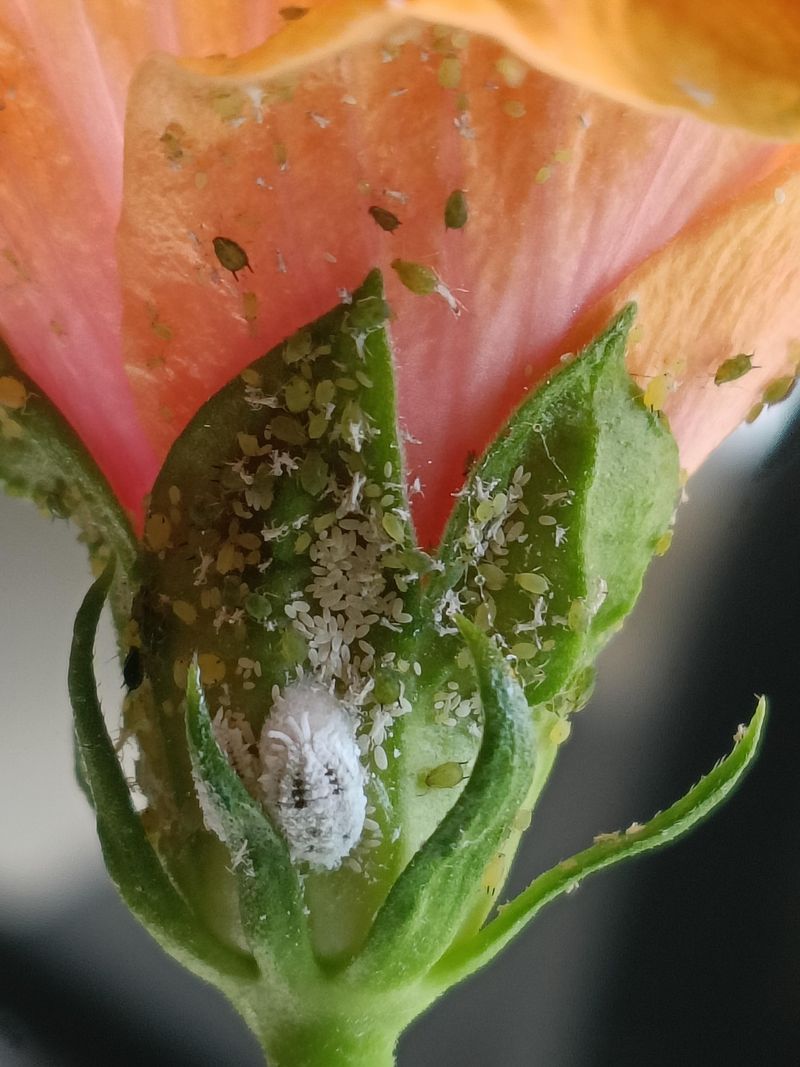
Flower buds dropping before they open, curled new leaves, and sticky residue on stems are not always caused by heat alone.
Pests like aphids, whiteflies, and mealybugs tend to show up on hibiscus during warm Florida months, and their damage can look a lot like plain heat stress from a distance.
Checking the plant carefully before assuming heat is the only problem is worth the extra few minutes. Flip leaves over and look at the undersides, since that is where many soft-bodied insects prefer to feed and shelter.
Check tender new growth tips, the base of flower buds, and along the main stems where mealybugs sometimes cluster in white cottony patches. Whiteflies often scatter in a small cloud when disturbed, which makes them easier to spot during a close inspection.
Pest pressure on a hibiscus that is already stressed from Florida heat can slow recovery significantly, since the plant is dealing with two drains on its resources at once.
Catching an infestation early gives more options for managing it with less intervention.
A strong spray of water from the hose can dislodge aphids and whitefly adults on smaller plants or potted hibiscus.
For heavier infestations, insecticidal soap or horticultural oil applied according to label directions can be effective, though applications in peak midday Florida heat are generally avoided to reduce the risk of leaf damage.
Scouting regularly throughout the summer keeps small pest problems from quietly compounding while attention is focused on watering and shade adjustments.
8. Adjust Irrigation Based On Rainfall
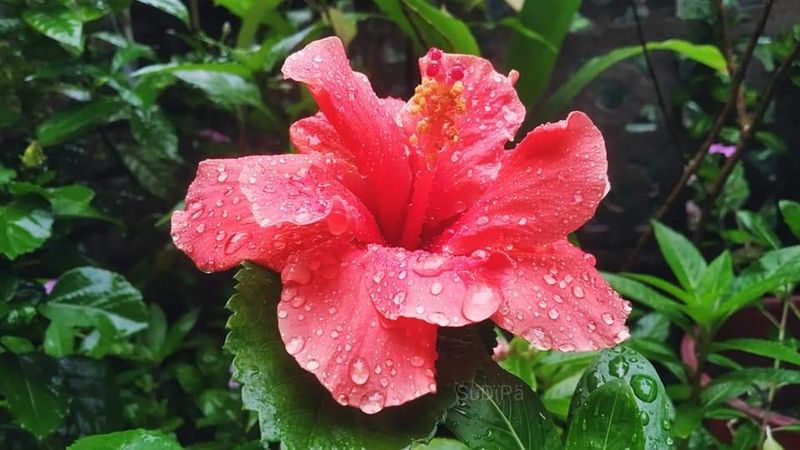
Florida’s summer rainy season can swing from several dry days in a row to multiple inches of rain falling within a single afternoon, and hibiscus irrigation needs to shift with those changes rather than running on a fixed schedule regardless of what the sky is doing.
A hibiscus that needed watering during a dry stretch may sit in oversaturated soil two days later if the irrigation system kept running after a soaking storm.
Roots that stay too wet after heavy Florida summer rain face a different kind of stress than roots in dry soil, but the leaves can droop and the plant can look equally unhappy either way.
Pausing or reducing irrigation after significant rainfall gives the root zone time to drain and breathe before the next watering cycle begins.
Checking the soil moisture level before resuming a regular irrigation schedule helps avoid adding water the plant does not currently need.
During dry gaps in the Florida rainy season, hibiscus may need supplemental watering more frequently than during weeks with regular afternoon storms.
Staying attentive to the actual rainfall your yard receives, rather than relying entirely on a set timer, makes irrigation far more responsive to what the plant is actually experiencing.
A simple rain gauge near the garden bed takes the guesswork out of estimating how much moisture fell and whether the root zone is likely still holding it.
Flexible, observation-based irrigation tends to support hibiscus through Florida’s unpredictable summer weather far better than a rigid watering schedule that does not account for what the rain is already providing.