What Summer Leaf Curl On Arizona Plants Is Really Trying To Tell You
Leaves are rolling inward across yards all over Arizona, and the instinct for many gardeners is to grab the hose.
Before you do that, stop for a second.
Leaf curl is one of the most misread signals in desert gardening, and the response most people reach for first is sometimes the worst possible move.
Some curling is a plant actively protecting itself, doing something genuinely clever in response to conditions that would finish off less-adapted plants entirely. Some curling is a warning that something is actually wrong.
And some of it resolves on its own before sunset without any help from you whatsoever.
The problem is that all three look almost identical at two in the afternoon. Your plants are communicating something specific with every curled leaf, and learning to read the difference changes how you garden in Arizona more than almost any other skill.
Eight causes, one curled leaf. Here is how to tell them apart.
1. The Plant Is Saving Moisture
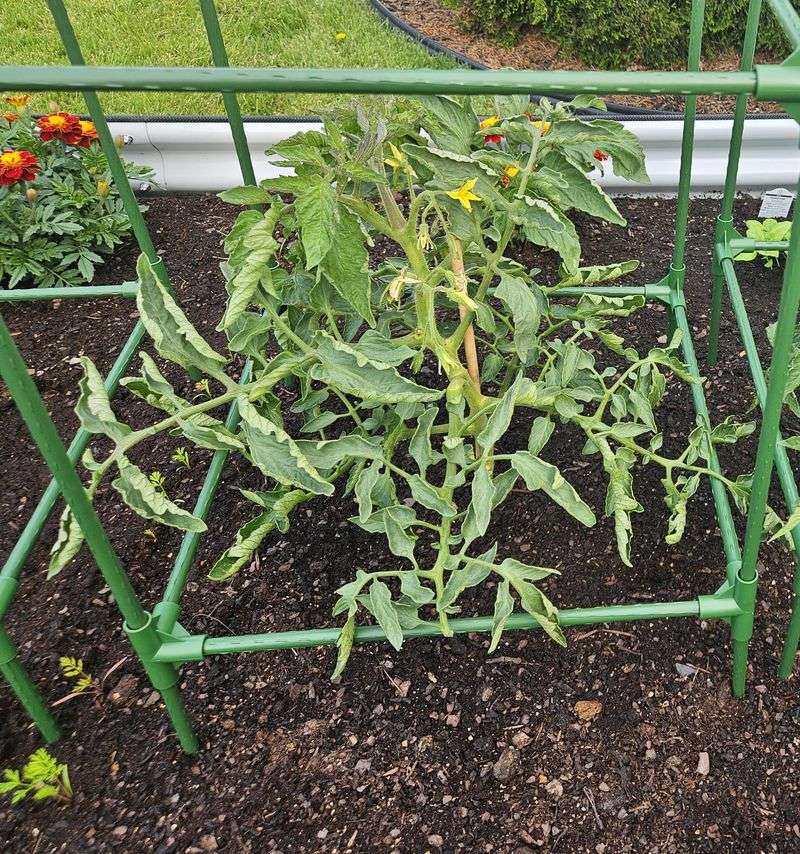
Plants are smarter than many people give them credit for. When temperatures spike in Arizona, certain plants respond by rolling or curling their leaves inward as a built-in survival strategy.
This is not damage. This is biology doing exactly what it was designed to do.
Curled leaves reduce the total surface area exposed to sun and dry air. Less exposed surface means less water evaporates through the tiny pores called stomata.
The plant is essentially closing its own blinds to hold onto moisture during the worst part of the day.
This behavior shows up most often in broad-leafed plants like squash, tomatoes, and some flowering perennials. Even native shrubs will show mild curling on the hottest afternoons.
The curl usually eases in the evening once temperatures drop, and by morning the plant looks completely normal again. That pattern, stressed at noon and recovered by sunrise, is the signature of a plant that is coping just fine.
Physiological leaf roll is a recognized heat response and does not always indicate a problem. The key is watching whether the curl resolves after sunset or early morning.
Supporting this natural process is simple: a three-inch layer of organic mulch around the base of the plant slows soil moisture evaporation, gives roots more water to work with, and reduces how dramatically and how often the plant needs to curl.
The plant is already doing its job. Mulch helps it work less hard.
2. Heat Is Outpacing Root Uptake
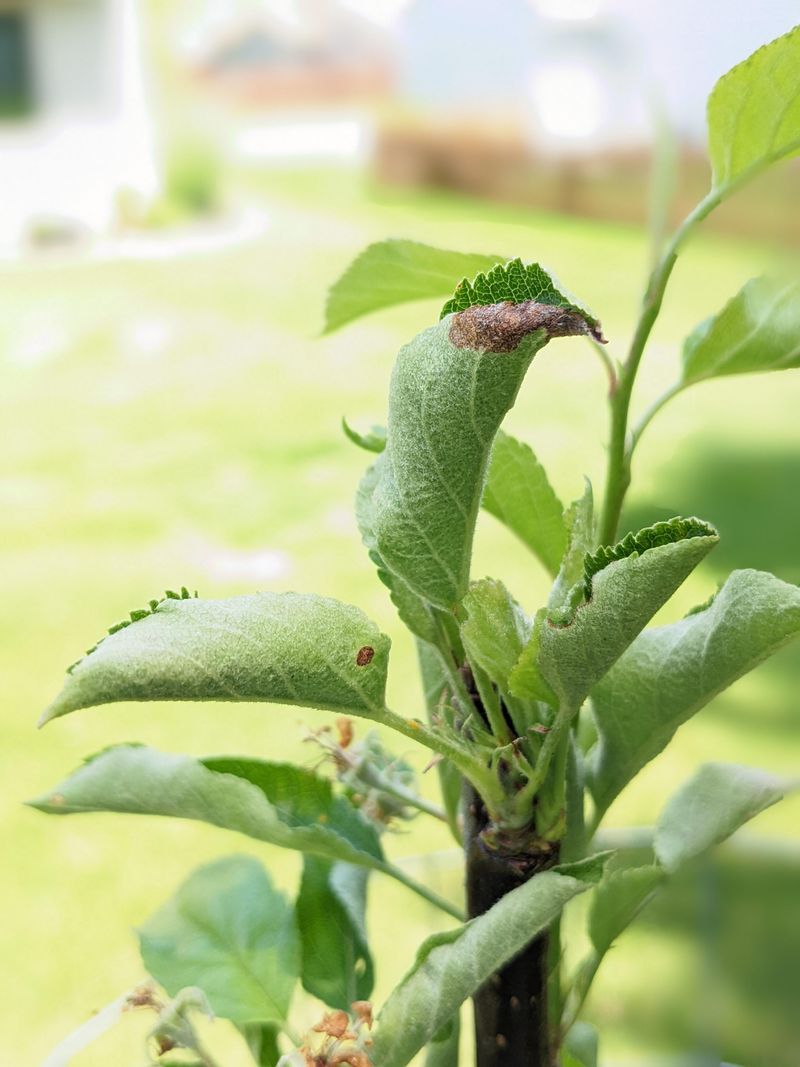
Roots are hardworking, but they have limits.
When air temperatures climb past 110 degrees, the demand for water moving through the plant skyrockets, and sometimes roots simply cannot pull moisture upward fast enough to keep pace with what the heat is demanding.
When this happens, leaves curl as a protective response. The plant slows water loss from the top while the roots attempt to catch up.
Demand is outrunning delivery, and the plant rations what it has.
Plants that looked perfectly healthy at eight in the morning can look visibly stressed by noon even with adequate soil moisture, which confuses a lot of gardeners into thinking something has suddenly gone wrong.
Your Arizona Garden Changes Every Week. Your Plan Should Too.
Gardening in Arizona changes quickly throughout the season. Every Friday you’ll receive a simple weekly plan showing exactly what to plant, prune, fertilize, harvest, and protect so you never miss the right timing.
Watering in the early morning, ideally before seven, gives roots a fresh moisture supply right before the heat peaks.
Evening watering can work too, though it carries some risk of fungal issues in certain plants. The most important habit is checking actual soil moisture rather than guessing from the leaf appearance alone.
Push a finger or a wooden dowel about four inches into the soil near the plant. Dry at that depth means the roots need water.
Cool and damp at that depth means the curl is a heat response and the plant is handling it without any help. That five-second check is more reliable than anything the leaves can tell you at two in the afternoon.
3. Soil Moisture Is Too Uneven
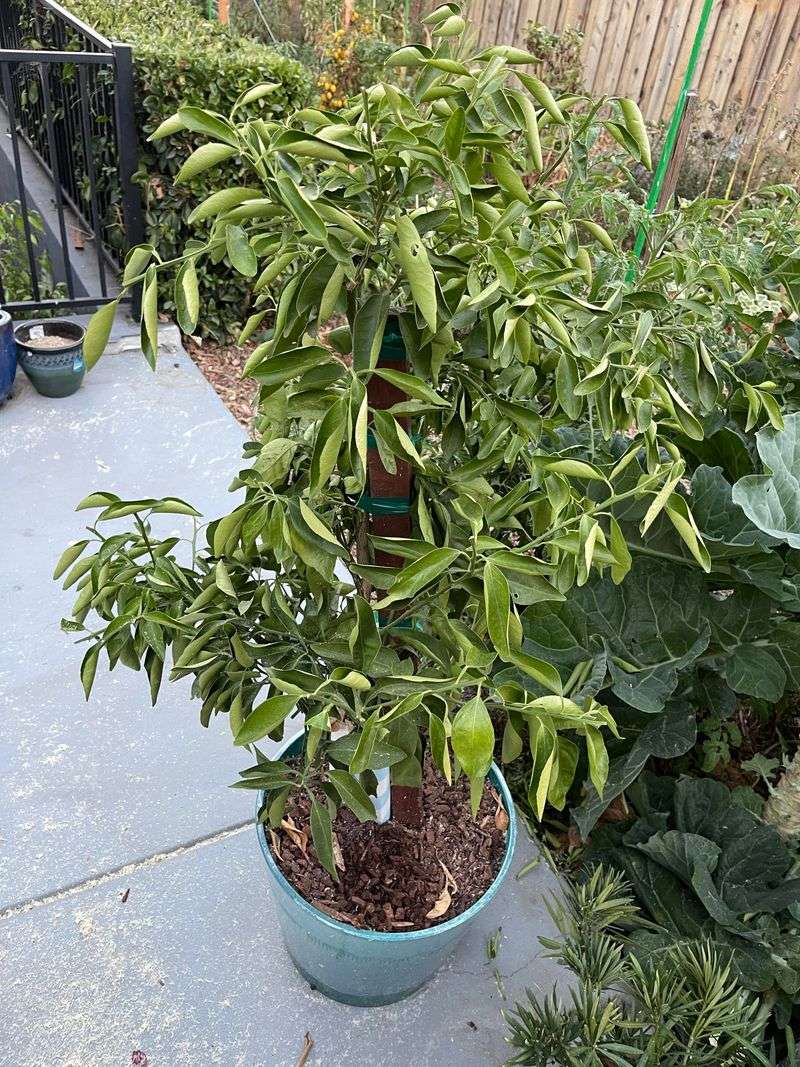
Consistency matters more than quantity when it comes to watering desert plants.
Soaking plants deeply one day, then letting the soil go bone dry for too long before watering again, puts serious stress on the root system in a way that steady moisture never would.
When roots experience that wet-dry roller coaster, they struggle to regulate water movement into the plant. Some roots sit in soggy soil while others reach through dry, hard ground.
The plant cannot balance water uptake efficiently, and the leaves curl as a distress signal. A key detail that separates this from a simple heat response: look at the leaf edges.
Brown or crispy margins combined with curling usually point to uneven moisture rather than heat alone. The plant is not just conserving water. It is genuinely struggling to find a consistent supply.
Drip irrigation systems change this situation significantly. They deliver water slowly and directly to the root zone, keeping moisture levels far more stable than hand watering or overhead sprinklers.
Drip systems for desert landscapes match water delivery to actual plant needs rather than applying the same amount to everything on the same schedule regardless of conditions.
Deep, less frequent watering also encourages roots to grow down into cooler, more stable soil. Shallow, frequent watering keeps roots near the surface where moisture evaporates fastest and temperatures swing most dramatically.
The goal is a root system that lives in the stable part of the soil profile, not the part that bakes every afternoon.
4. Afternoon Sun Is Hitting Too Hard
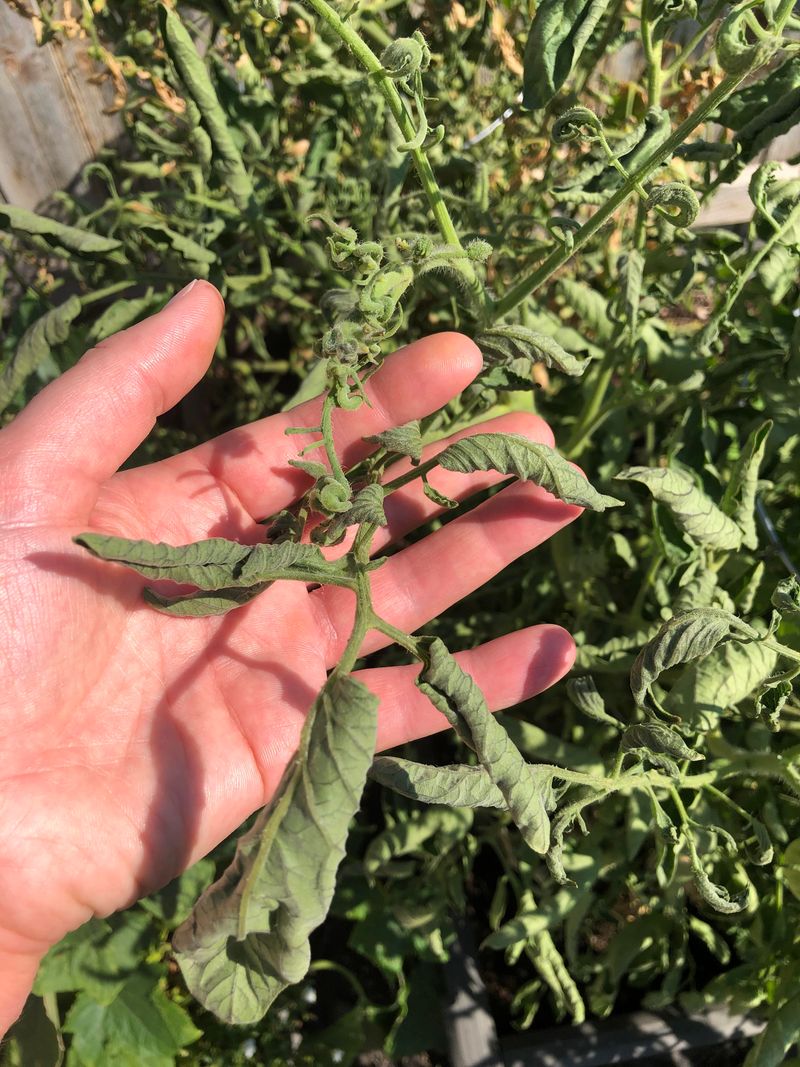
Morning sun in Arizona is warm and manageable for most plants. Afternoon sun, especially from the west, is a completely different experience.
It arrives with full intensity after hours of heat buildup, and it can push even sun-tolerant plants right to their limit.
Reflected heat compounds the problem. Walls, fences, concrete driveways, and light-colored gravel bounce intense heat directly onto nearby plants.
A plant sitting next to a south-facing block wall in Phoenix might be dealing with temperatures twenty or thirty degrees above the actual air temperature.
That is not a sun exposure problem. That is a radiant heat problem, and it requires a different solution.
Leaf curl in this situation is the plant physically shielding itself. By curling the leaf surface away from the direct light source, the plant reduces how much solar radiation hits its tissue. A built-in sunscreen, and a surprisingly effective one.
Placement matters more than almost anything else in Arizona landscaping. Plants that need protection belong in spots with morning sun and afternoon shade.
A shade cloth rated at thirty to forty percent makes a meaningful difference for vegetables and flowering plants during July and August.
If repositioning is not realistic, a few feet of strategic shade from a tall companion plant or a simple shade structure can stop the curl entirely.
In Arizona, shade is not a luxury. For certain plants in certain spots, it is the difference between thriving and just surviving.
5. Salts May Be Building In Soil
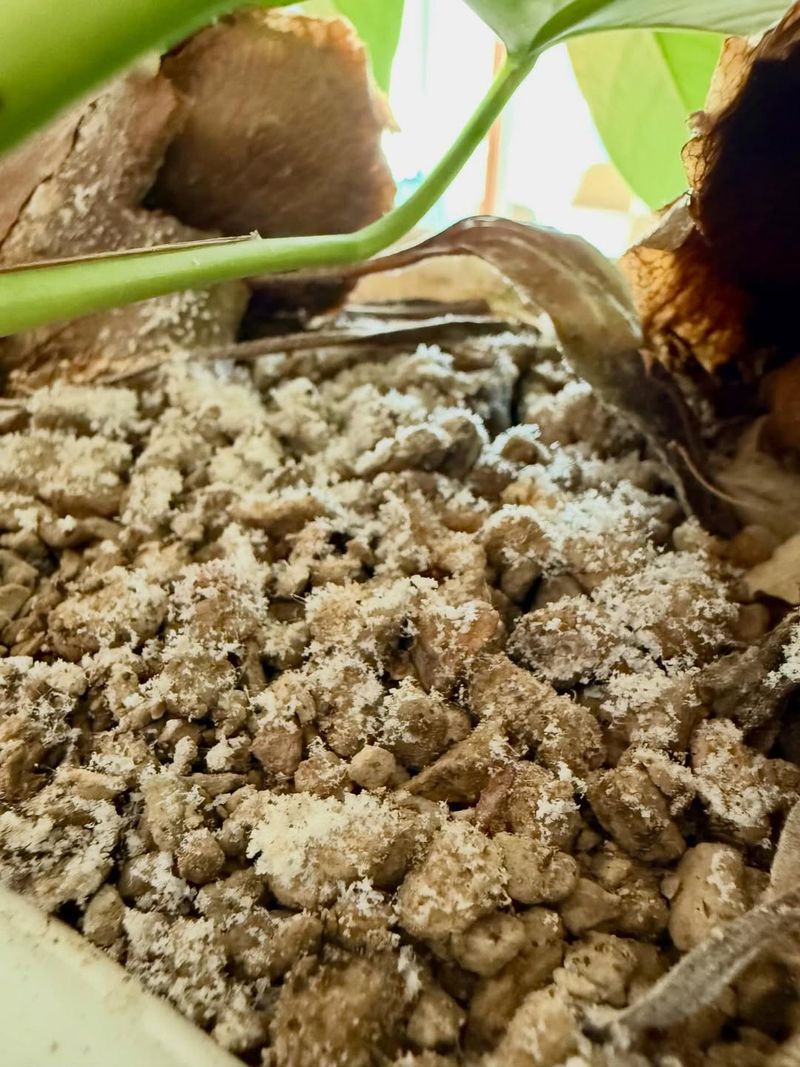
Arizona water is notoriously high in dissolved minerals.
Over time, sodium, calcium, and magnesium salts accumulate in the soil around plant roots. Fertilizers add more. The result is a slow buildup that can harm plants for an entire season before anything obvious shows up on the surface.
Salt-stressed plants show a specific pattern: leaf curl combined with brown tips or margins. Salts in the soil change the osmotic pressure around the roots, making it harder for water to move inward.
Instead of water flowing into roots, the salt gradient pulls moisture in the wrong direction. The plant gets thirstier even when water is technically present, which is a particularly frustrating situation to diagnose.
A white or grayish crust on the soil surface near drip emitters is a visible clue that salts are accumulating. That residue is not just cosmetic. It signals a root-zone condition that quietly limits plant function over time.
The fix is called leaching and it is straightforward. A large, slow application of water soaks deep into the soil and flushes accumulated salts down and away from the root zone.
Occasional deep leaching is especially important for plants irrigated consistently with municipal or well water. Switching to a fertilizer with lower salt content and avoiding over-fertilizing during peak summer heat also keeps salt levels from compounding.
The plants that benefit most from this are often the ones that looked fine until they suddenly did not.
6. Pests May Be Hiding Under Leaves
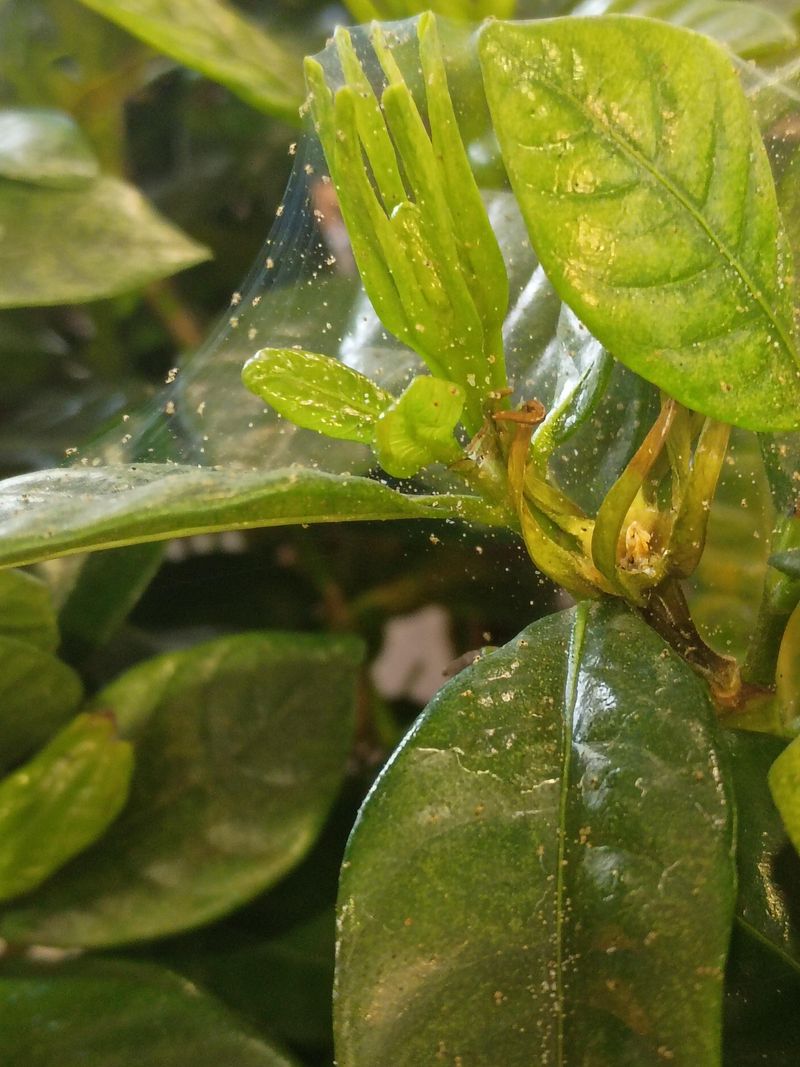
Flip the leaf over. Right now, before reading further.
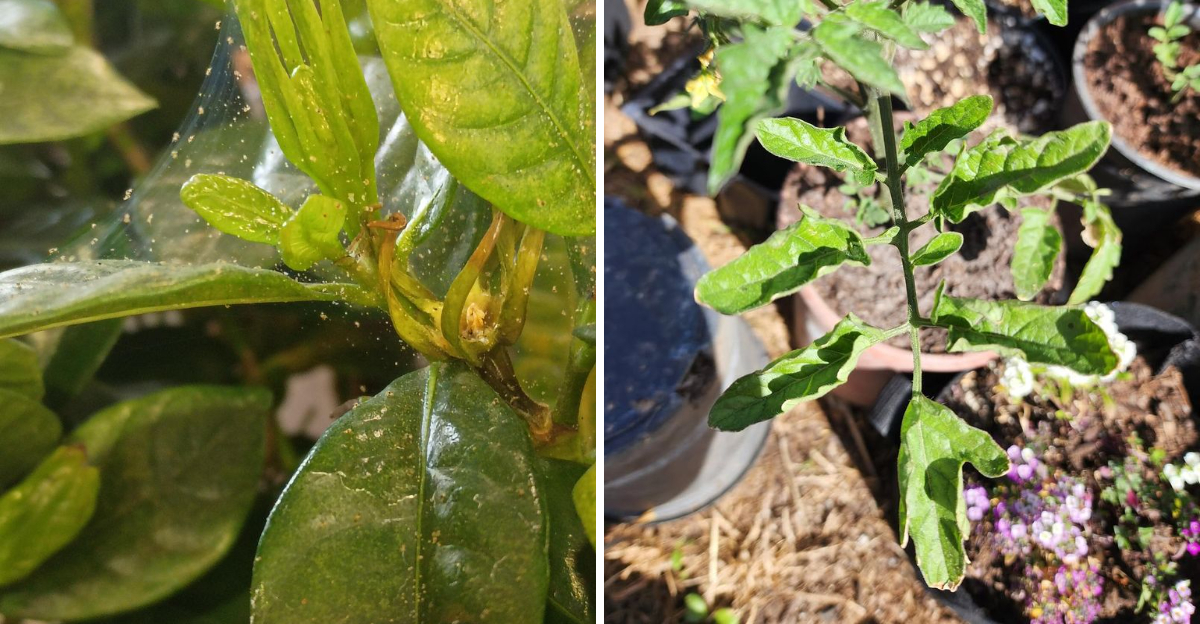
A significant amount of what looks like heat stress or moisture trouble in Arizona gardens is actually a pest problem hiding on the underside of leaves, and it goes unnoticed for weeks because most gardeners look at the top of the leaf and stop there.
Spider mites are the most common culprit in Arizona summers. They thrive in hot, dry conditions and reproduce fast.
Fine webbing, tiny moving dots, or a dusty stippled texture on the leaf surface are the signs to look for. Heavy infestations curl, yellow, and eventually drop leaves if left untreated.
Aphids cluster on new growth and leaf undersides, sucking plant sap and causing leaves to curl and pucker. Thrips and whiteflies produce similar distortion with slightly different evidence.
A strong spray of water from a garden hose knocks spider mites and aphids off plants effectively. For more persistent infestations, insecticidal soap or neem oil applied in the early morning or late evening works well without harming beneficial insects.
Avoid applying any sprays during midday heat since the combination of sun and product can scorch leaves and create a new problem on top of the existing one.
Making leaf inspection part of a regular garden routine catches pest problems early when treatment is straightforward.
The best diagnostic tool available is a curious set of eyes and the habit of looking under things. The underside check takes thirty seconds and changes what you find.
7. Herbicide Drift Can Distort New Growth
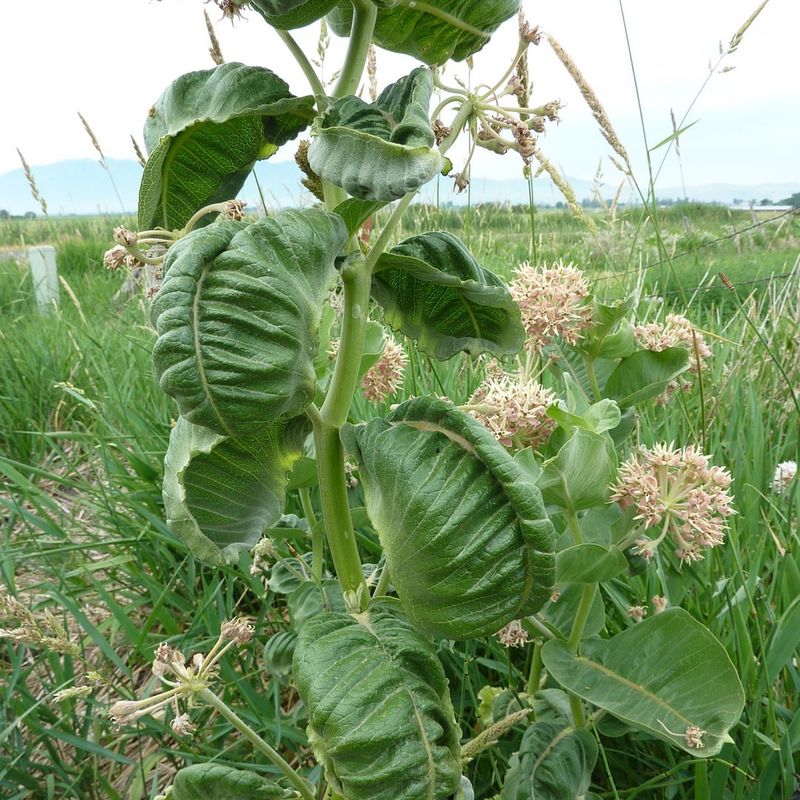
Here is a cause many gardeners never consider: herbicide drift.
A neighbor spraying herbicide on a windy afternoon, or a landscaping crew treating a nearby lawn or sidewalk, can send tiny airborne particles surprising distances.
The results on susceptible plants look alarming and completely unlike anything else on this list.
Herbicide drift does not cause the uniform curl that heat or moisture stress produces. Instead, it causes twisted, cupped, or strapped new growth that looks like the plant grew wrong from the start.
Young leaves emerge curled tightly, elongated, or with shapes that do not resemble normal leaf structure at all.
Broadleaf herbicides like 2,4-D are especially problematic because they mimic plant growth hormones.
Even very small doses landing on susceptible plants trigger rapid, uncontrolled cell growth that distorts new tissue. Tomatoes and other vegetables are notoriously sensitive to this type of exposure.
If drift is suspected, document the affected growth and note when it appeared relative to nearby spraying activity.
Already-damaged leaves do not recover, but new growth coming in after the exposure period often looks normal again if the plant is otherwise healthy.
Going forward, watering plants before any suspected spray events creates a slight barrier, and a conversation with neighbors about timing applications on calm days goes a long way.
A shared gardening community benefits from that kind of communication. The plants cannot move out of the way. The least the humans can do is coordinate.
8. Some Curl Is A Temporary Heat Response
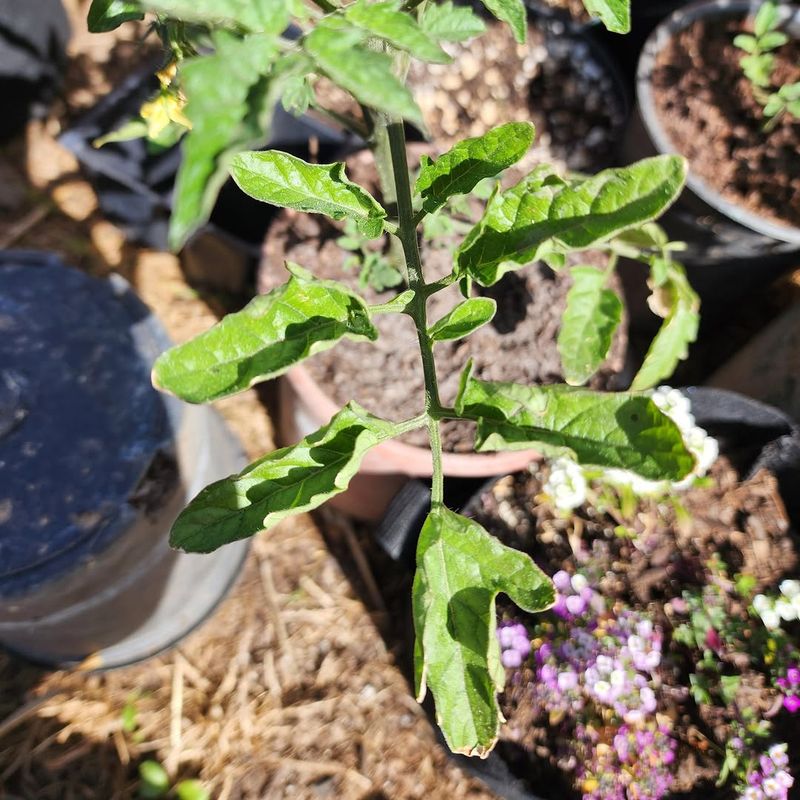
Not every curled leaf is a crisis. Sometimes a plant curls up in the afternoon heat and fully recovers by the time the sun sets.
This temporary response is completely normal for many plants growing through an Arizona summer and requires no intervention whatsoever.
Tomatoes, peppers, and several flowering perennials routinely show midday curl during peak heat.
Gardeners seeing this for the first time often water immediately, which can create new problems by adding moisture to soil that is already adequately wet.
Patience and observation are better tools than a hose when the curl is temporary and the soil is fine.
The test is simple. Check plants in the early morning before temperatures rise. Leaves uncurled, plant looking normal and healthy, no lingering signs of stress: the curl was a temporary heat response.
The plant processed the conditions, managed its moisture, and bounced back overnight exactly as it was built to do.
Morning checks become the most reliable diagnostic habit in an Arizona summer. What the plant looks like at seven in the morning tells far more about actual health than what it looks like at two in the afternoon.
Afternoon snapshots in Arizona heat make everything look worse than it is. Keep a simple log if patterns are unclear: note when curl appears and when it clears.
Over time, the normal rhythms of specific plants become familiar, and the difference between a heat response and a real problem becomes obvious well before any damage is done.