8 Native Florida Ground Covers To Use Instead Of Mulch That Look Better
Mulch is the default answer for bare Florida ground, and it does a job. It suppresses weeds, holds some moisture, and gives beds a finished look.
Then the next rain washes it into the lawn or the next wind scatters it across the driveway. Then you buy more and start over.
Native ground covers solve that problem permanently. They spread, they root in, and they do not need replacing every season.
A bed covered in the right native ground cover looks more intentional than mulch ever manages, and it actually improves over time rather than breaking down and fading. Florida has native options that thrive in the conditions where mulch usually gets used.
Dry shade, sunny edges, slopes, tight spots along paths. The right ground cover handles all of it while adding wildlife value and visual interest that a bag of mulch never could.
Eight natives make a genuinely strong case.
1. Frogfruit Covers Bare Soil With Pollinator-Friendly Green
A mulch bed along a Florida sunny path that keeps washing thin after every summer rain is exactly the kind of spot where frogfruit earns its place.
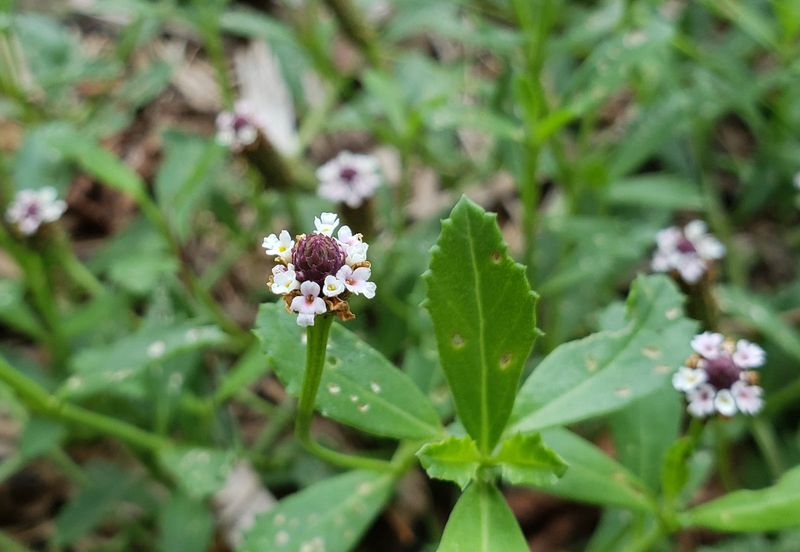
Frogfruit (Phyla nodiflora) is a low-spreading native ground cover that creeps close to the soil and fills in open areas with soft green coverage.
It grows naturally in sunny to partly sunny sites across much of this state.
Small white and lavender flowers bloom along the stems and attract a surprising number of pollinators. Tiny butterflies, native bees, and skippers visit regularly, making a frogfruit bed feel alive in a way that plain mulch never can.
It is a known larval host plant for the white peacock and phaon crescent butterflies, which adds real wildlife value to a garden border.
Frogfruit spreads by rooting along its stems and can fill gaps steadily over one to two growing seasons. It works well along lawn edges, sunny pollinator borders, and low-traffic bed areas where a softer living layer is welcome.
Keep in mind that it can look uneven as it fills in, and it will flower across the surface rather than staying purely flat.
Edging along paths and beds helps keep it looking intentional. Occasional weeding during establishment is still needed, and mulch may help while plants spread.
Once established, frogfruit offers a living cover that looks far more interesting than bare mulch.
2. Sunshine Mimosa Turns Open Mulch Into Pink Native Blooms
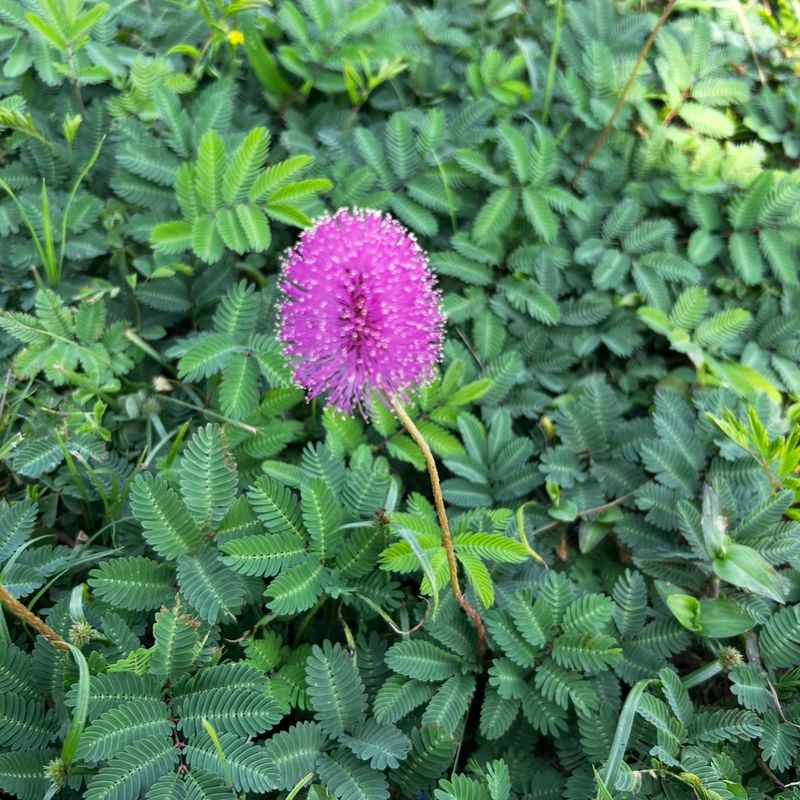
Few native ground covers stop visitors in their tracks the way sunshine mimosa does when its pink powder-puff blooms are open. Mimosa strigillosa is a low-growing native perennial that spreads across sunny open soil, sandy beds, and dry edges.
Its soft, feathery foliage folds gently when touched. That responsive foliage adds a playful texture that plain mulch simply cannot offer.
It roots along its stems as it spreads, forming a low mat that can cover a surprising amount of ground over one to two seasons. Pollinators visit the blooms regularly, and the plant handles sandy, well-drained soil with ease.
It works well in open sunny beds, roadside-style borders, and naturalistic plantings where there is room for it to spread without crowding nearby plants.
Your Florida Garden Changes Every Week. Your Plan Should Too.
Gardening in Florida changes quickly throughout the season. Every Friday you’ll receive a simple weekly plan showing exactly what to plant, prune, fertilize, harvest, and protect so you never miss the right timing.
Sunshine mimosa is not suited for heavy foot traffic and can spread beyond small formal beds if not edged regularly. Giving it a defined boundary along paths or lawn edges helps it stay where it belongs.
In tight spaces, it may need trimming at the edges each season to prevent it from spreading into walkways or neighboring plants.
During establishment, some mulch in open gaps is still useful while plants fill in. Once sunshine mimosa settles in, it creates a warm, blooming, living cover that makes a sunny bed look far more inviting than a flat layer of bark mulch ever could.
3. Twinflower Softens Bed Edges With Low Native Coverage
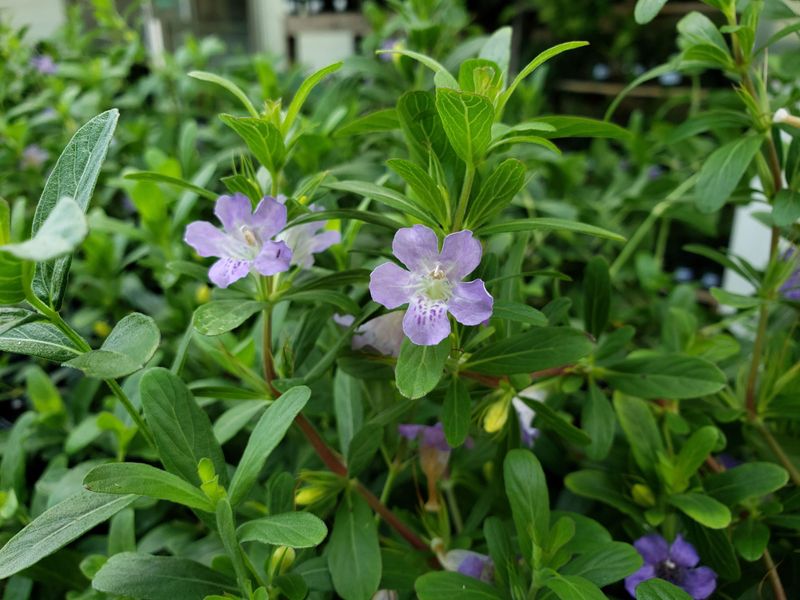
Sunny to partly sunny Florida bed edges that always seem to look a little bare are a good match for twinflower. Dyschoriste oblongifolia is a low-growing native perennial found naturally in sandy, open habitats across much of this state.
Its small purple flowers appear along low stems and add quiet color to spots where plain mulch tends to look flat and uninspired.
The plant stays relatively low and spreads gradually to form a soft, natural-looking layer along borders and foundation bed edges. It pairs well with other low native plants and can give a mixed native bed a more layered, finished appearance.
The purple blooms also attract small native bees, which adds some pollinator value to the planting.
Twinflower is not a formal carpet plant. It can look a bit informal or patchy in some spots, especially while filling in, and it may need occasional weeding to stay tidy.
Trimming back spent stems can help encourage fresh growth and keep the planting looking neat through the warm season.
Sandy, well-drained soil suits it well, and it handles the heat of warm summers without much fuss once established. Mulch is still helpful in open gaps during the first season while plants settle in and spread.
After that, twinflower creates a soft living layer that makes a bed edge feel more planted and purposeful than bare mulch on its own ever looks.
4. Creeping Sage Replaces Bare Shade With Quiet Green
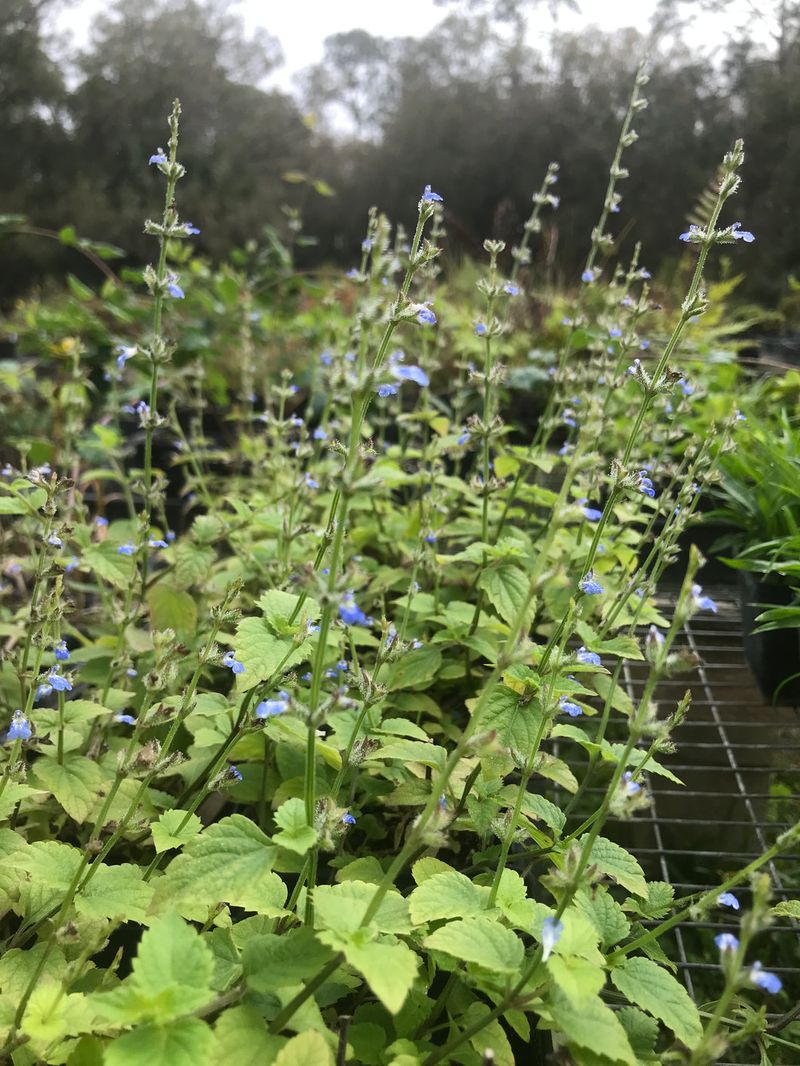
Shaded beds under trees are one of the hardest spots to keep looking good. Mulch in those areas washes thin, breaks down fast in humidity, and often leaves bare soil that looks tired and unfinished.
Creeping sage (Salvia misella) is a low-growing native ground cover for shaded or partly shaded edges. It brings quiet green coverage where many sunny ground covers struggle to survive.
It grows close to the ground and spreads gradually, producing small flowers that add a gentle touch of color without overwhelming the space. The plant suits naturalistic and informal beds rather than crisp formal designs.
In shaded foundation beds, woodland-style borders, and informal native plantings, it creates a soft, planted look that feels more intentional than mulch alone.
Creeping sage is not suited for foot traffic and is best used where the bed is mostly undisturbed. It may look sparse during dry periods and benefits from some moisture during establishment.
Weeding around young plants is still needed while coverage builds, and mulch can be used in open gaps during that time.
Once established in the right shaded setting, creeping sage fills in with a quiet, layered green that makes shaded beds look cared for rather than neglected.
It is a low-key plant that rewards patience and works best when given a naturalistic setting where its informal spreading habit fits the design.
5. Partridgeberry Carpets Cool Shade With Tiny Native Leaves
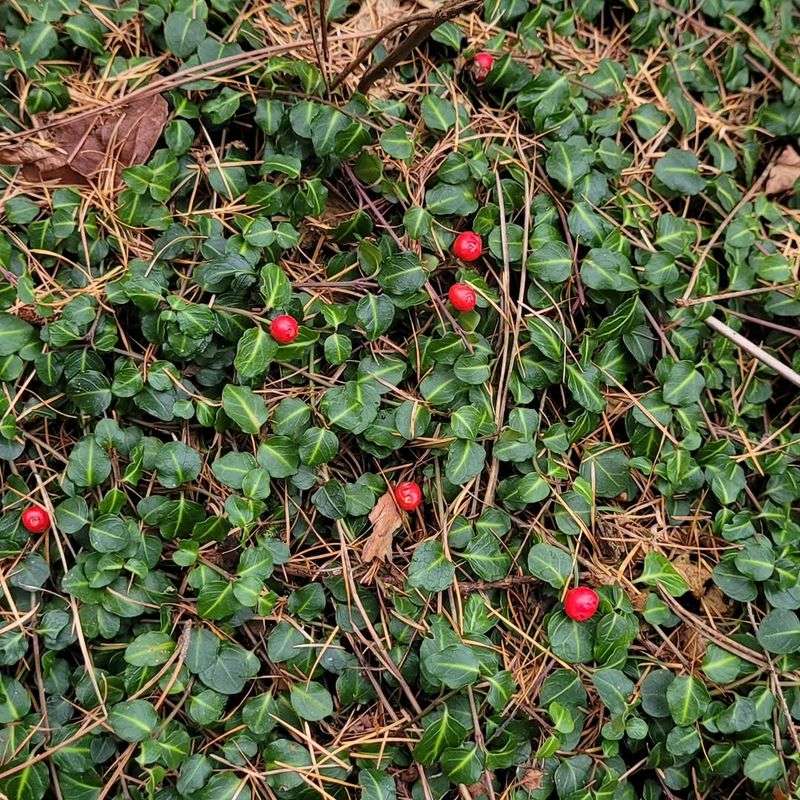
There is something quietly refined about a bed carpeted with partridgeberry. Mitchella repens is a native evergreen ground cover with small, rounded, glossy leaves that form a neat low mat in the right conditions.
Tiny paired white flowers appear in spring and, where pollinators visit, may be followed by small red berries that add seasonal interest to the planting.
Partridgeberry is a woodland plant at heart. It needs cool, shaded, moist, and organically rich soil to perform well.
Acidic, humus-rich conditions found under mature canopy trees in northern and central regions of this state are where it feels most at home. In those settings, it can replace thin mulch under trees with a polished, living carpet that looks far more finished.
This is not a plant for hot sandy soil, open sun, or fast fill-in projects. It spreads slowly and needs patience, proper site preparation, and consistent moisture during establishment.
Mulch is still helpful around young plants while coverage builds, and it should never be placed in a spot that does not match its shade, moisture, and soil needs.
When the site is right, partridgeberry delivers a refined woodland look that plain mulch cannot replicate. The tiny leaves, seasonal flowers, and occasional berries give a shaded bed real visual interest through the year.
It rewards careful placement with a carpet of living green that looks genuinely polished.
6. Pineland Heliotrope Adds Low Color To Sunny Open Beds
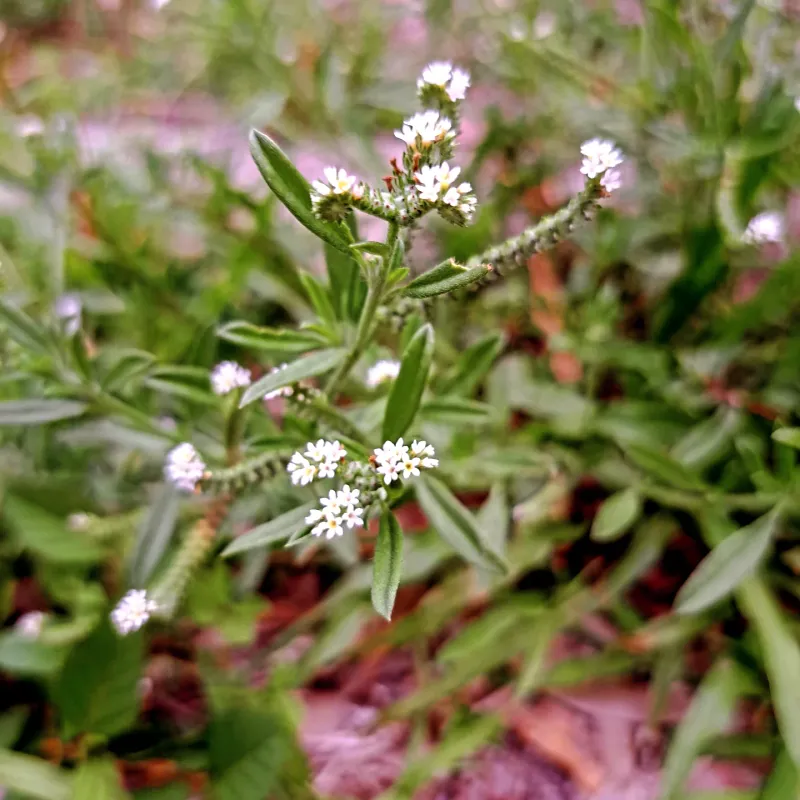
A sunny open bed full of nothing but mulch can feel flat, especially in the heat of summer when everything looks dry and still. Pineland heliotrope (Euploca polyphylla, formerly Heliotropium polyphyllum) is a low native wildflower.
It brings small white blooms and fine-textured foliage to sunny, sandy sites. It adds a layer of living color to open beds that plain mulch simply cannot provide.
Pollinators visit the small flowers regularly, and the plant suits the dry, sandy, well-drained soils found naturally across many open habitats in this state.
It stays low and works well as a ground-layer plant in native wildflower beds, sunny borders, and open sandy sites where a more casual, naturalistic look fits the design.
It is native to peninsular regions and is well suited to the conditions found in central and southern parts of the state.
Pineland heliotrope is more of a low wildflower ground layer than a dense formal carpet. Coverage may be uneven, and it looks best in naturalistic plantings rather than tightly edged formal beds.
It can reseed lightly, which helps fill gaps over time but may also require some management in smaller spaces.
Mulch is still useful around young plants while establishment takes hold. Once settled in, pineland heliotrope gives a sunny bed a softer, more living appearance.
It is a small plant that makes a noticeable difference in how an open bed feels.
7. Dune Sunflower Brightens Sandy Spots Better Than Plain Mulch
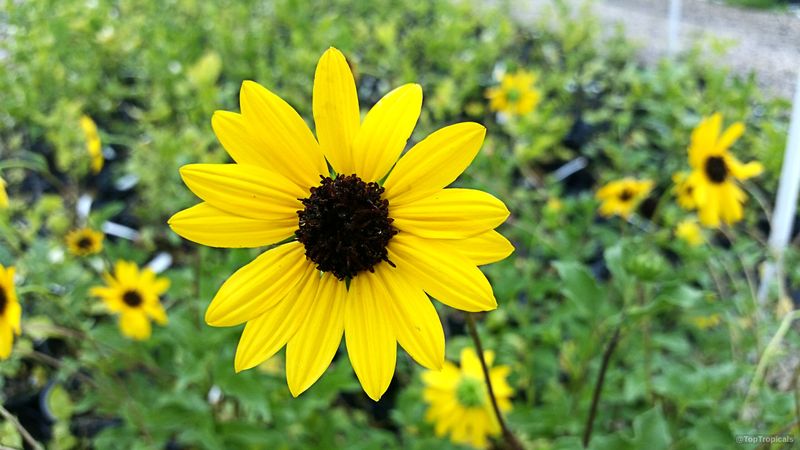
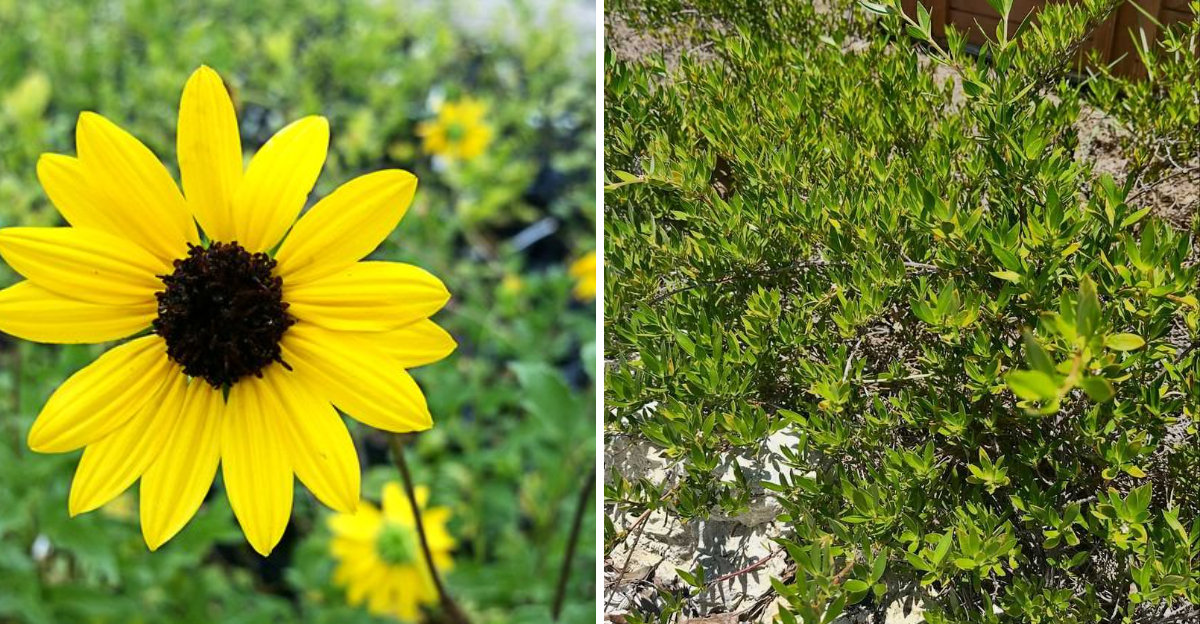
Hot, sandy, sun-baked spots along a coastal-style bed or open yard edge are exactly where dune sunflower thrives. Helianthus debilis, also called beach sunflower, is a native ground cover that spreads low and wide across sandy soil.
It produces cheerful yellow blooms that attract bees, butterflies, and other pollinators through much of the warm season. A bed covered in dune sunflower looks far more alive than one layered with plain bark mulch.
After establishment, it handles dry periods well and performs in sandy, well-drained soils without much supplemental irrigation. It spreads by rooting along its stems and can cover open ground fairly quickly in warm, sunny conditions.
That spreading habit makes it a strong choice for open edges, coastal-style plantings, and sandy strips where plain mulch keeps washing or blowing away.
Dune sunflower is not a plant for tight, formal beds. It can spread vigorously and look rangy at the edges if not trimmed back seasonally.
Giving it enough room to spread naturally is the best approach, and edging along paths or lawn lines helps keep it contained without constant maintenance.
Birds visit the seed heads as blooms fade, adding wildlife value beyond the pollinator season. Some mulch in open gaps is still helpful during the first season while plants spread and root.
Once established, dune sunflower turns a hot, bare sandy bed into a bright, living, low-care planting that earns its spot in any sunny native garden.
8. Golden Creeper Covers Warm Coastal Soil With Glossy Green
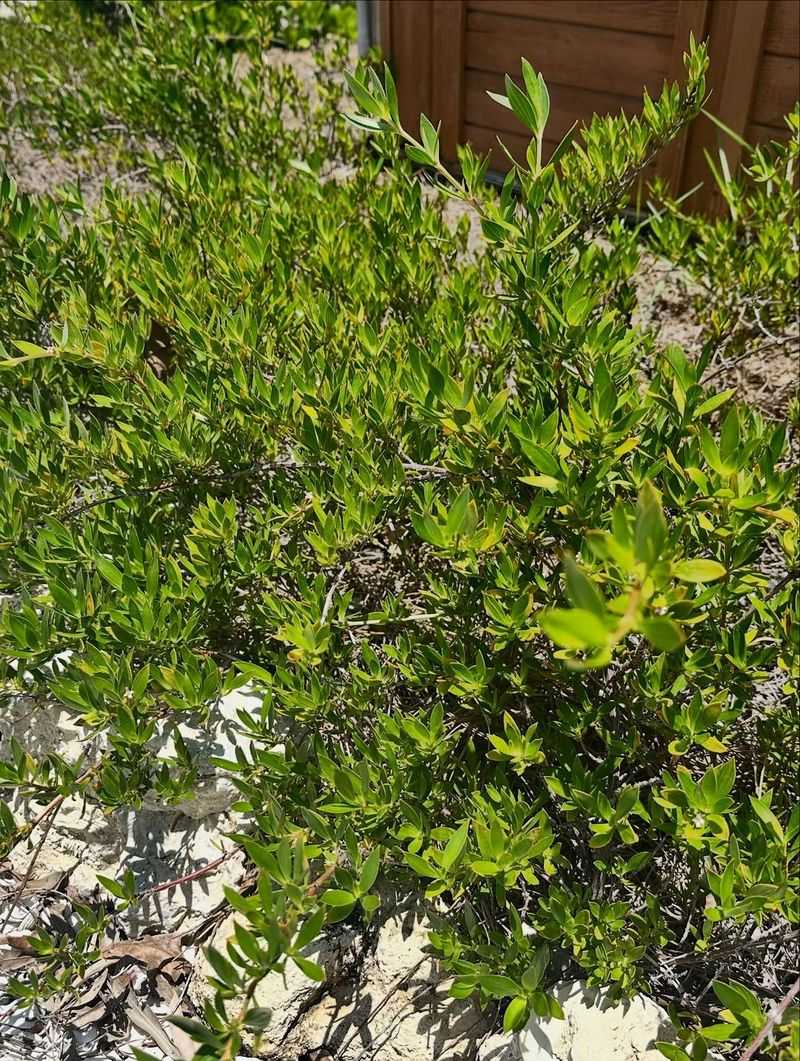
Florida coastal yards and warm southern-region beds often need a ground cover that can handle dry sandy soil, salt air, and intense sun without much fuss.
Golden creeper (Ernodea littoralis) is a low-spreading native evergreen that delivers glossy green coverage to exactly those kinds of challenging spots.
Its small, narrow leaves give it a clean, planted appearance that looks far more finished than open mulch.
It stays low and spreads along the ground in a relaxed, natural way that suits coastal-style and native-plant designs. Small pinkish flowers appear along the stems and add subtle seasonal interest without overwhelming the overall look.
In the right setting, golden creeper creates a tidy, living layer that holds its green color through the year.
Site fit matters a great deal with this plant. Golden creeper is best suited to southern and coastal regions of this state where freezes are rare.
It is not a good choice for cold-prone northern areas, heavy or wet soils, or shaded inland beds. Placing it in the wrong setting can result in poor coverage or cold damage, so checking with a local Extension office before planting is a wise step.
During establishment, some mulch in open gaps helps while plants spread and root. Once settled in, golden creeper provides a glossy evergreen cover that gives warm coastal beds a polished, well-planted look.
It is a reliable native option for the right region and the right site conditions.