These Perennial Flowers Thrive In Full Shade Texas Gardens
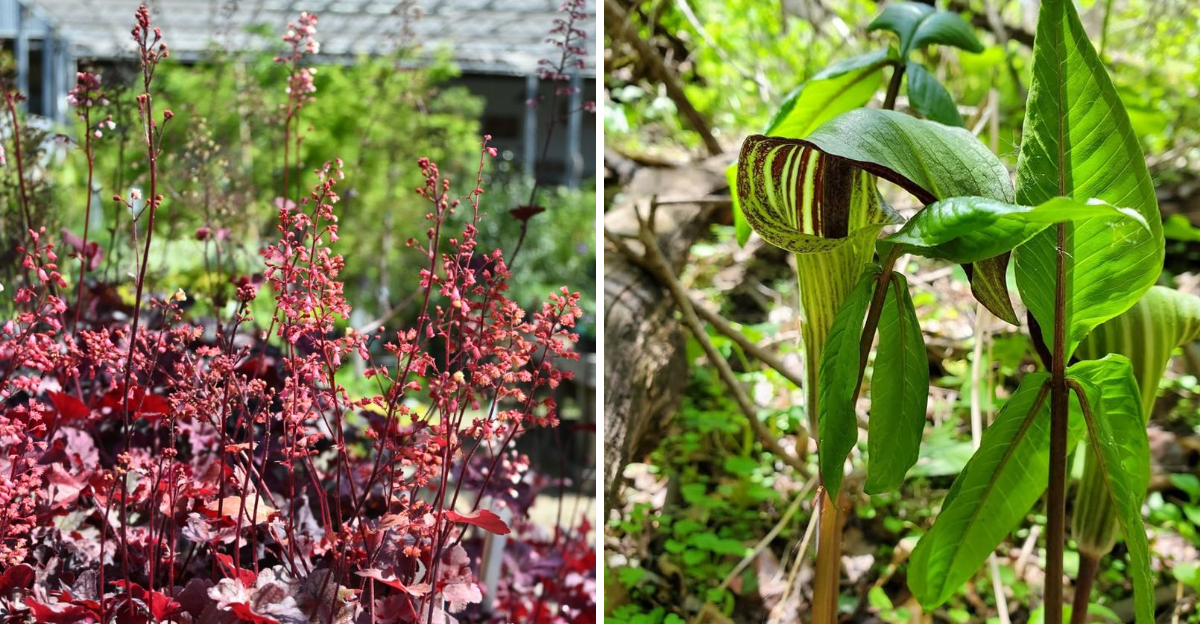
Not every Texas garden is blessed with wall to wall sunshine. Some yards have big shady trees, covered patios, or north facing beds that barely see direct sun all day.
And if you’ve ever tried to grow the wrong plants in those spots, you already know how that story ends.
Leggy, sad, struggling plants that never quite look right no matter how much you water or fertilize them. But here’s the good news. Shade is not a problem.
It’s actually an opportunity. There are some truly stunning perennial flowers that don’t just tolerate full shade, they genuinely prefer it.
These are plants that come alive in the cool, sheltered corners of your garden where the sun never really reaches. And in Texas, where summer heat can be absolutely punishing, a shady garden spot is sometimes the best place for flowers to thrive.
The key is knowing which perennials are actually built for low light conditions in the Texas climate specifically.
Not every shade lover can handle the humidity, the heat, and the unpredictable Texas weather. These ones can. And they’ll reward you with beautiful blooms season after season.
1. Foamflower
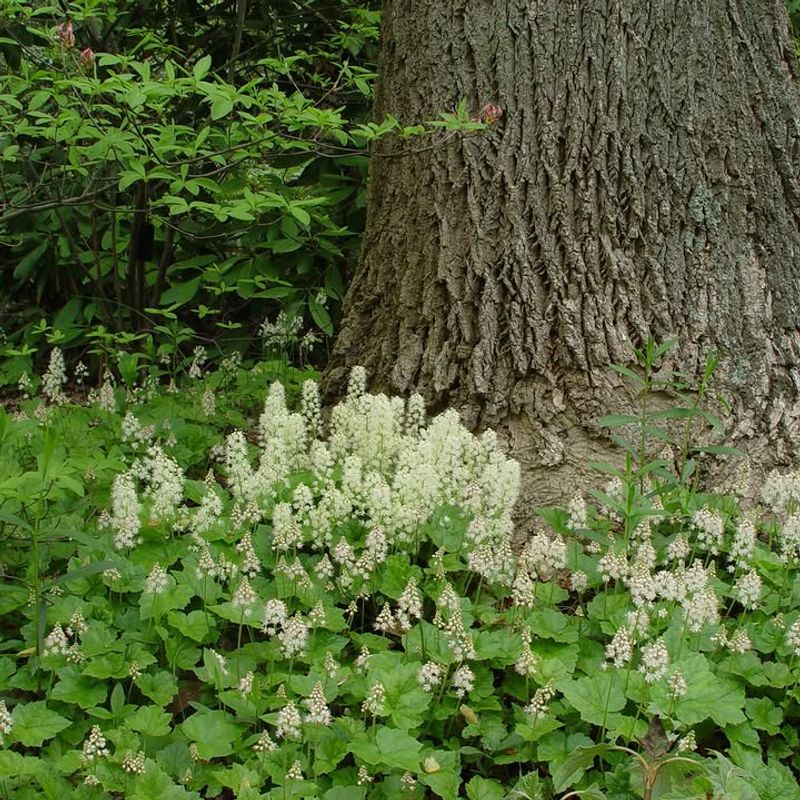
Imagine a plant so pretty it looks like someone scattered tiny foam bubbles across your garden floor every spring. That is exactly what Foamflower does when it blooms.
The fluffy white and soft pink flower spikes rise up above the maple-shaped foliage, creating a soft, dreamy look that feels right at home in a shaded Texas yard.
Foamflower is one of the best groundcover plants you can choose for moist, shady areas. It spreads gradually by sending out runners, filling in bare spots under trees and along shaded pathways.
The leaves are attractive even when the plant is not blooming, with interesting markings and a rich green color that adds texture to the garden floor.
This plant thrives in soil that stays consistently moist but drains well. If your yard has a low spot that gets a bit of natural moisture, Foamflower will love it there.
It pairs beautifully with ferns, hostas, and Wild Ginger for a layered woodland look that feels lush and full.
Caring for Foamflower is refreshingly simple. Water it regularly during dry spells and add a layer of organic mulch to keep moisture in the soil.
It rarely struggles with pests and does not need much pruning. In Texas, it performs best in zones 6 through 9 when given protection from harsh afternoon sun.
Gardeners who want a low-maintenance, high-reward plant for shaded spaces will find Foamflower to be one of the most satisfying choices they can make.
2. Coral Bells
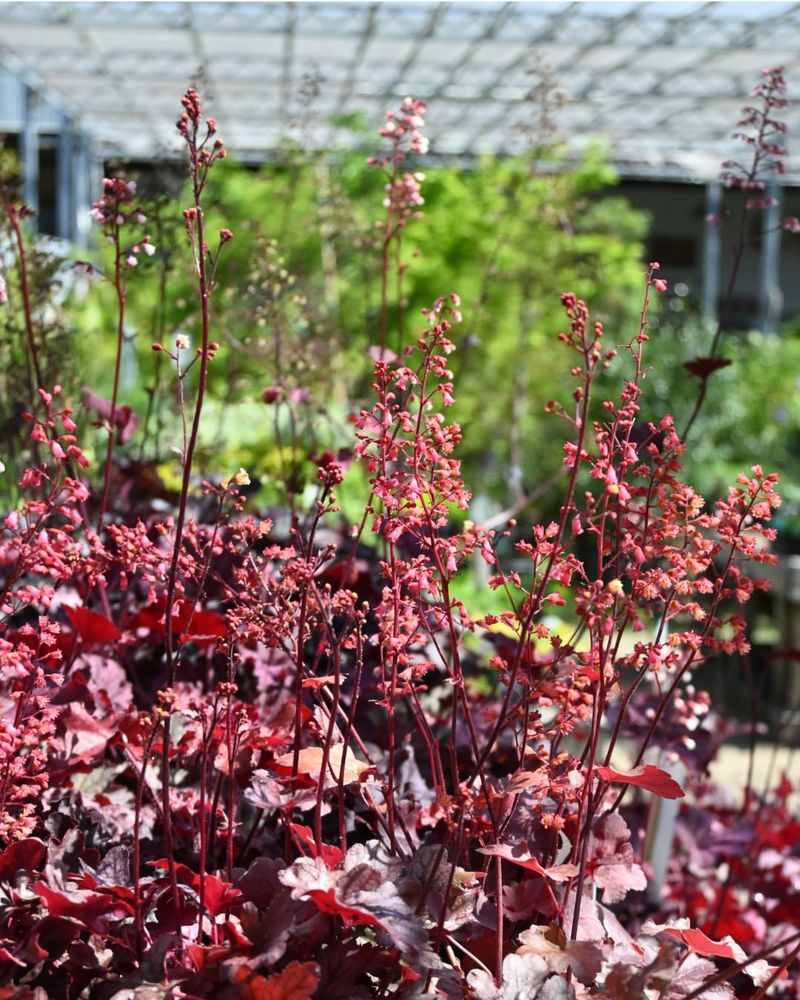
Few plants can match the colorful show that Coral Bells puts on without ever needing full sun.
The leaves come in rich shades of burgundy, deep purple, bronze, and bright lime green, making it look like a living piece of art right in your garden. Even on cloudy days, the foliage seems to glow.
In spring and summer, Coral Bells sends up tall, delicate flower spikes covered in tiny bell-shaped blooms. Hummingbirds love them, and pollinators flock to the flowers all season long.
Your Texas Garden Changes Every Week. Your Plan Should Too.
Gardening in Texas changes quickly throughout the season. Every Friday you’ll receive a simple weekly plan showing exactly what to plant, prune, fertilize, harvest, and protect so you never miss the right timing.
The combination of bold leaves and airy flowers makes this plant a real standout in shaded borders.
Coral Bells are tough enough to handle Texas summers when planted in the right spot. They prefer well-drained soil with some moisture and do best under trees or along the north side of a building.
Adding a layer of mulch around the base helps keep the roots cool and the soil from drying out too fast.
One of the best things about Coral Bells is how easy they are to care for. They rarely need fertilizer, and once established, they bounce back season after season.
You can even divide clumps every few years to spread them to other parts of your yard. With hundreds of varieties available, you can mix and match colors for a garden bed that looks completely unique and full of life all year long.
3. Wild Ginger
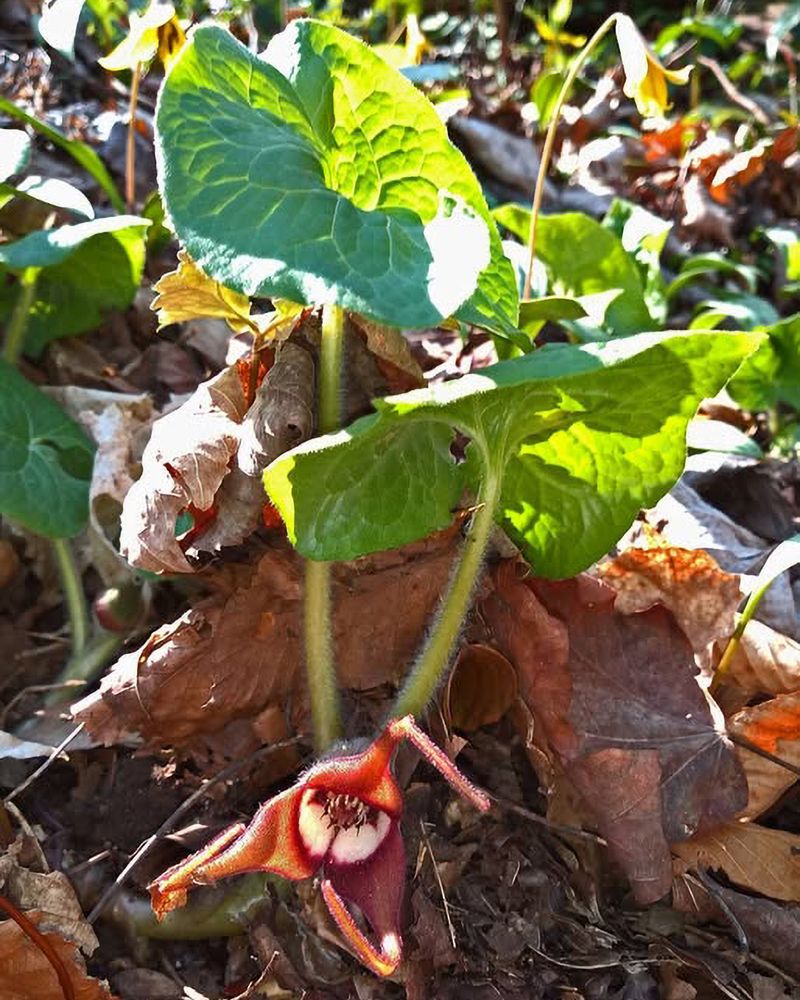
Wild Ginger is one of those plants that does not need flashy flowers to make a statement. The heart-shaped leaves are large, deep green, and incredibly lush, forming a thick carpet that covers the ground beautifully.
It is the kind of plant that makes a shady garden feel like a secret forest hideaway. Native to North America, Wild Ginger has been growing in woodland settings long before gardeners ever thought to plant it in their yards.
It produces small, hidden flowers close to the ground in spring, but most people grow it purely for the foliage.
The leaves stay attractive throughout the growing season, making it a reliable ground-level performer.
One of its greatest strengths is how well it handles deep shade. Many plants struggle when sunlight barely reaches the ground, but Wild Ginger thrives in those conditions.
It spreads slowly over time, gradually filling in areas where other plants refuse to grow. That makes it a smart choice for the darkest corners of a Texas shade garden.
Wild Ginger prefers rich, moist, well-drained soil with plenty of organic matter. Mixing compost into the planting area before you get started gives it the best possible foundation.
Once it settles in, it becomes surprisingly tough and needs very little attention. Just keep the area mulched to hold in moisture and you will be rewarded with a dense, weed-suppressing mat of gorgeous foliage year after year.
It is a quiet workhorse that every shade gardener should have in their plant collection.
4. Solomon’s Seal
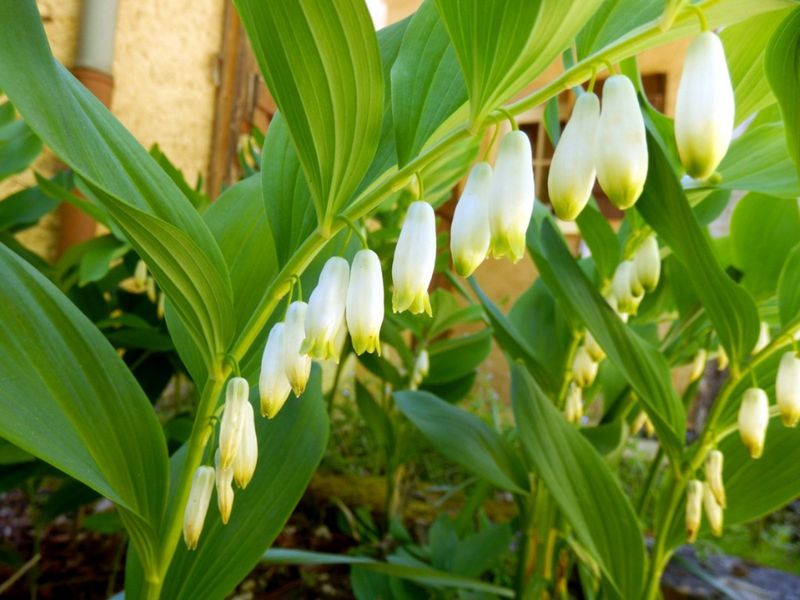
There is something almost poetic about the way Solomon’s Seal grows. The long, arching stems curve gracefully outward, and in spring, rows of small white bell-shaped flowers hang down from the undersides like tiny lanterns.
It adds a kind of elegant, vertical drama to shaded gardens that very few other plants can offer.
Solomon’s Seal is a native plant that has been valued for centuries, both in gardens and in traditional herbal practices.
It grows naturally in rich woodland soils across much of North America, which means it is well-suited to the shaded, moist conditions found in many Texas landscapes.
The foliage stays attractive all season, turning a warm golden yellow in fall before the plant goes dormant for winter.
Planting Solomon’s Seal is straightforward. Choose a spot with rich, well-drained soil and good shade.
Work in plenty of compost before planting to give the roots a nutrient-rich environment. Once established, it spreads slowly through underground rhizomes, eventually forming a graceful colony that looks completely natural and effortless.
Watering regularly during the first growing season helps the plant establish strong roots. After that, it becomes fairly drought-tolerant as long as it stays out of direct sun.
Solomon’s Seal pairs wonderfully with ferns, hostas, and Coral Bells for a layered shade garden design. Deer tend to leave it alone, which is a big bonus for Texas gardeners dealing with wildlife.
If you want a plant that brings structure and quiet beauty to a shaded space, Solomon’s Seal is an outstanding choice worth every bit of garden space it takes up.
5. Virginia Bluebells
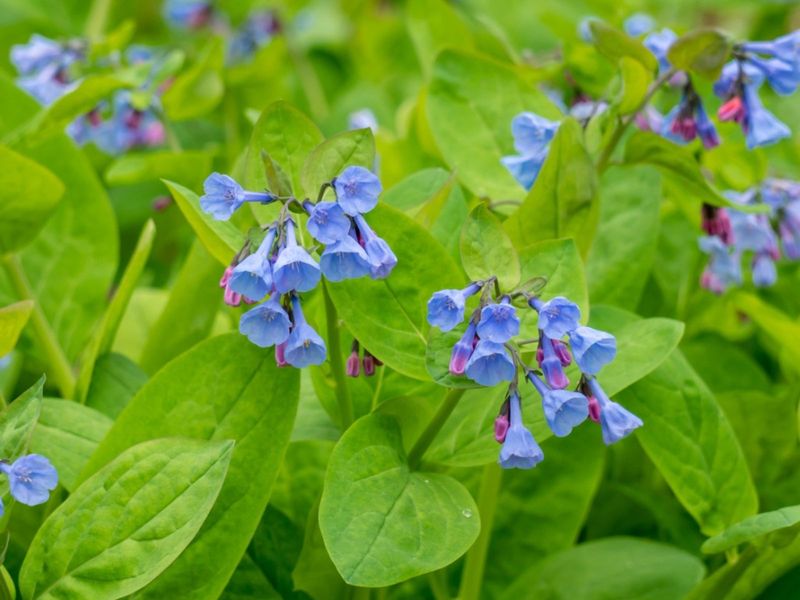
Every spring, Virginia Bluebells put on one of the most breathtaking early-season shows in the garden world. The clusters of sky-blue, trumpet-shaped flowers appear before most other plants have even woken up from winter.
Walking into a shaded garden filled with drifts of blue blooms on a cool spring morning feels genuinely magical.
Virginia Bluebells are what gardeners call ephemeral perennials, which means they bloom in spring and then go dormant by early summer. The foliage fades away completely, leaving space for other summer plants to fill in.
This makes them ideal for planting alongside hostas or ferns, which grow up just as the Bluebells are going dormant, covering the bare spots seamlessly.
Naturalizing is one of the biggest strengths of Virginia Bluebells. Once planted in the right spot, they spread by self-seeding and slowly colonize shaded areas over time.
In Texas, they do best in zones 3 through 8, preferring moist, rich soil under deciduous trees where they get bright light in early spring before the tree canopy fills in.
Planting Virginia Bluebells in fall gives them the best chance to establish before their spring bloom. They need very little care once they are settled in.
Avoid disturbing the soil around them after they go dormant, because the seeds need to stay in place to naturalize properly. Mark the area so you remember where they are planted.
For woodland gardens and shaded borders in Texas, Virginia Bluebells bring a burst of color that signals the arrival of spring in the most beautiful way possible.
6. Jack-In-The-Pulpit
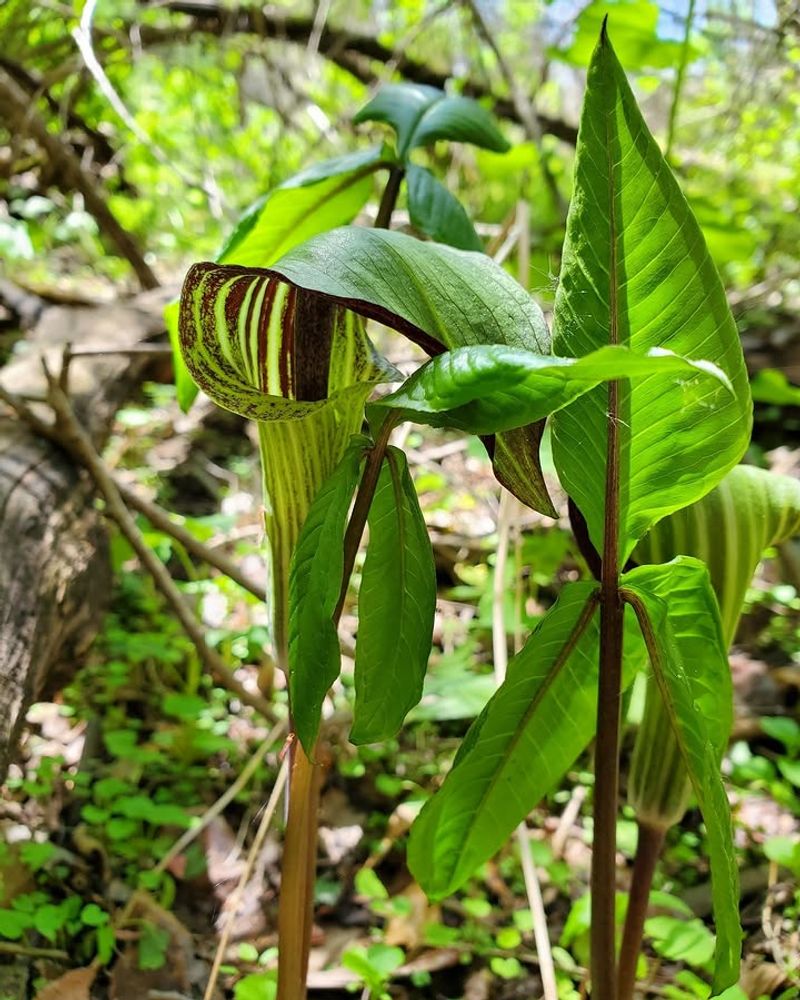
Jack-in-the-Pulpit is one of the most fascinating and conversation-starting plants you can grow in a Texas shade garden. The flower is unlike anything else in the plant world.
A hooded, striped spathe curves over a central spike called the spadix, creating a shape that genuinely looks like a tiny preacher standing inside a pulpit. Kids and adults alike stop to stare at it.
Beyond its quirky appearance, Jack-in-the-Pulpit is a tough native plant that thrives in moist, shaded woodland settings.
It grows naturally along stream banks and forest floors across the eastern United States, making it a natural fit for shaded Texas gardens with consistently moist soil.
In late summer, clusters of bright red berries replace the flowers, adding a second wave of visual interest.
Getting Jack-in-the-Pulpit established takes a little patience. It prefers rich, moist, slightly acidic soil with good drainage.
Planting the corms in fall at a depth of about two inches gives them time to settle before spring growth begins. Once established, the plants slowly increase in size and may even self-seed in ideal conditions.
Shade is non-negotiable for this plant. Even a few hours of direct afternoon sun can scorch the leaves and stress the plant significantly.
Pair it with Wild Ginger, ferns, or Foamflower for a natural woodland look. Keep the soil consistently moist with regular watering and a thick layer of leaf mulch.
Jack-in-the-Pulpit rewards patient gardeners with a truly one-of-a-kind display that makes every shaded garden feel like a living piece of natural history.
7. Hellebore
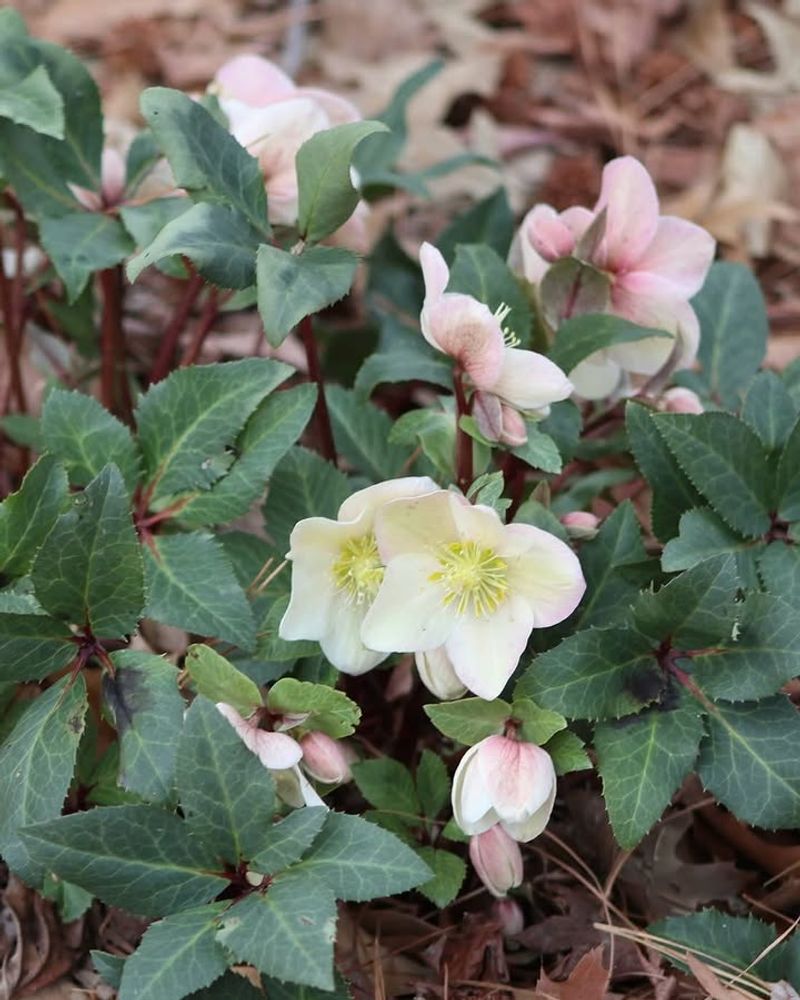
When most of the garden is still sleeping in late winter, Hellebores are already showing off their gorgeous blooms.
Sometimes called the Lenten Rose, this plant produces nodding flowers in shades of white, cream, soft pink, deep purple, and even near-black burgundy. Seeing those flowers emerge on a cold February morning feels like a small miracle.
Hellebores are evergreen, which means they hold their attractive, leathery foliage throughout the year. That is a huge advantage in Texas gardens where winter can leave many beds looking bare and brown.
The bold, dark green leaves provide structure and color even when nothing else is blooming, making Hellebores one of the most valuable plants in any shade garden design.
Texas gardeners in zones 6 through 9 can grow Hellebores successfully with the right placement. They need protection from harsh afternoon sun and hot, dry winds.
Planting them on the north or east side of a structure or under the canopy of large trees gives them the shelter they need to perform well through the Texas heat.
Well-drained, organically rich soil is essential for Hellebores. Amend the planting area with compost before putting them in the ground.
Water regularly during establishment and then reduce watering once the plants are settled in. Hellebores are slow to establish but incredibly long-lived once they find their spot.
Divide clumps every four to five years to keep them vigorous. For gardeners who want year-round interest in a shaded bed, Hellebores are an absolute must-have plant that will reward you for many seasons to come.
8. Wild Columbine
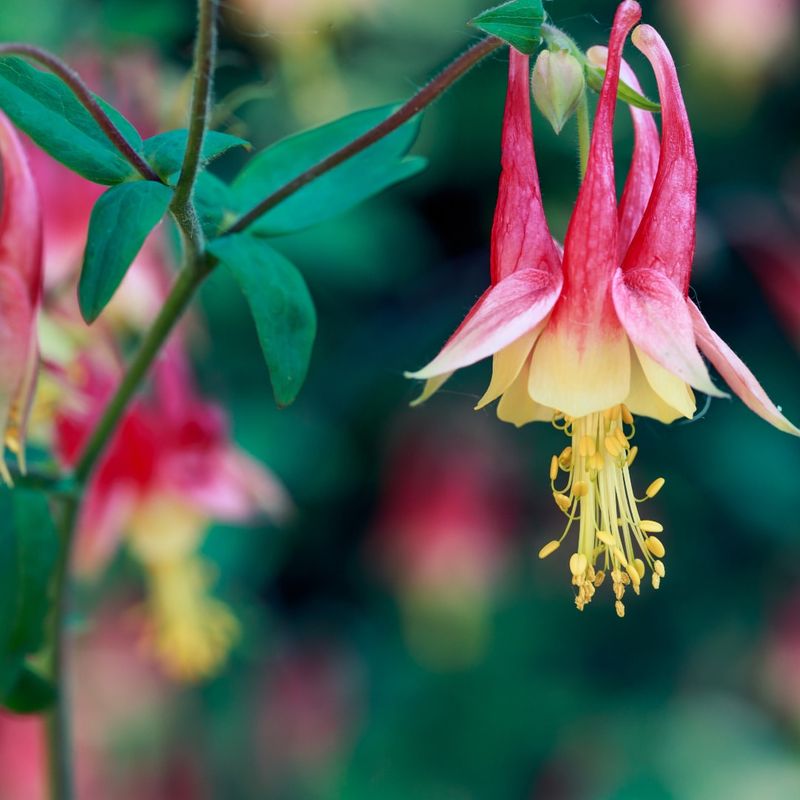
Red-and-yellow tubular flowers that attract hummingbirds? Yes, please. Wild Columbine is one of the most cheerful and wildlife-friendly perennials you can grow in a Texas shade garden.
The spurred, nodding blooms look almost like tiny dancers twirling in the breeze, and hummingbirds absolutely cannot resist them during their spring migration through the state.
Wild Columbine is native to the eastern United States and grows naturally in rocky woodland edges and shaded forest clearings. That native toughness translates well to Texas gardens, where it handles partial to full shade with ease.
It is one of the few perennials that actually blooms better in shade than in full sun in hot climates, making it a smart choice for gardeners who want reliable spring color without a lot of effort.
The plant grows to about one to three feet tall and blooms from March through May in most Texas regions. After blooming, the delicate, fern-like foliage stays attractive through summer before fading in the heat.
Allowing the seed pods to mature and drop naturally encourages self-seeding, which means you get new plants for free year after year.
Wild Columbine is not picky about soil as long as it drains well. It tolerates rocky, lean soil better than many shade perennials, which makes it useful in spots where other plants struggle.
Water it during dry stretches but avoid overwatering, which can cause root problems. Plant it near Solomon’s Seal or Virginia Bluebells for a stunning native plant combination that supports local pollinators and turns your shaded garden into a true wildlife haven every spring.