The Secret To Keeping Texas Black-Eyed Susans Blooming All Summer Long
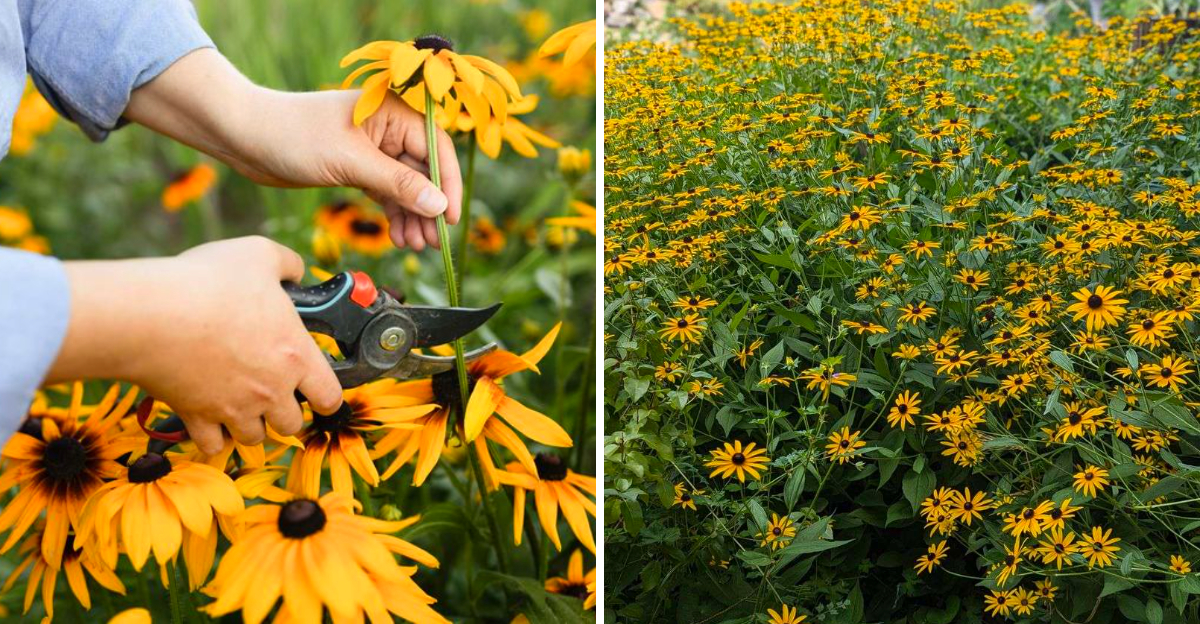
Black-Eyed Susans are basically the life of the Texas garden party. Those bold golden petals, that dark chocolate center, standing tall and cheerful while everything around them wilts in the summer heat.
Honestly, what’s not to love? These native beauties were practically built for Texas conditions, slotting perfectly into cottage borders, pollinator patches, and native-inspired beds without much fuss at all.
But here’s something a lot of gardeners don’t realize: even the toughest bloomer can quietly slow down mid-summer if you’re not paying attention.
Once faded flowers start setting seed, the plant gets the signal to shift its energy away from producing new blooms, and just like that, the show starts winding down earlier than it needs to.
The fix is genuinely simpler than you’d expect, and it starts with knowing exactly when and where to snip.
1. Snip Faded Blooms Before They Set Seed
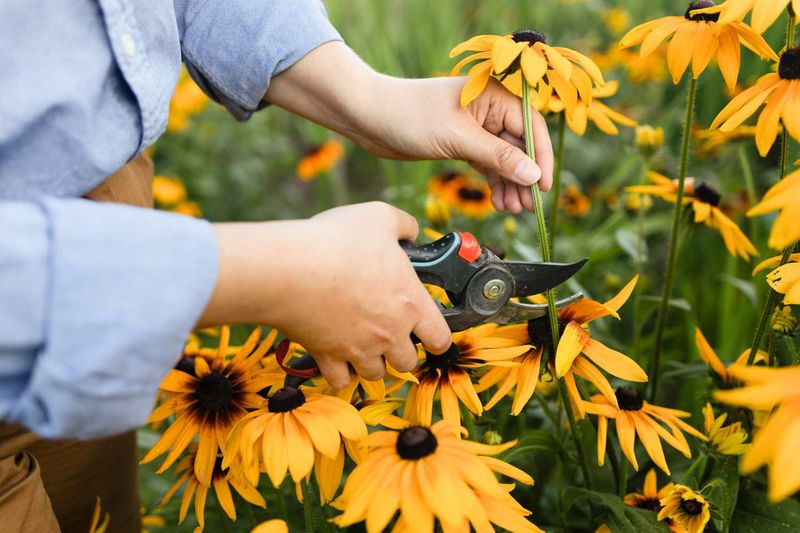
Faded petals on a Black-Eyed Susan are more than just an eyesore in your flower bed.
Once those golden petals drop and the dark center cone begins to dry out, the plant reads that as a cue to stop producing new flowers and start pushing energy into seed development instead.
Catching blooms at that stage and snipping them off can redirect that energy back toward fresh bud formation.
The timing matters more than most gardeners realize. You want to cut the spent bloom before the seedhead fully matures on the stem.
In Texas, where summer heat moves fast and flowers cycle through quickly, checking your plants every few days during peak bloom season can make a noticeable difference in how long the color lasts.
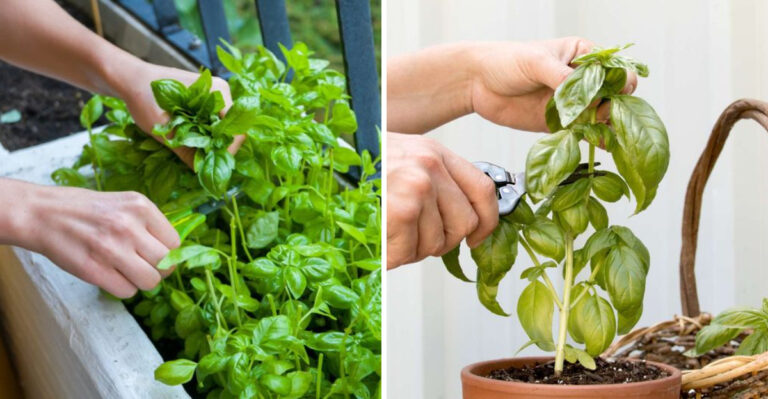
A small pair of clean garden scissors or hand pruners works well for this job. Snipping close to the faded flower rather than leaving a long bare stem keeps the plant looking tidy.
Over time, this simple habit can encourage more flowering stems to develop, giving your sunny Texas bed a fuller, more colorful appearance through the warmer months of the growing season.
2. Deadhead Regularly To Support A Longer Bloom Season
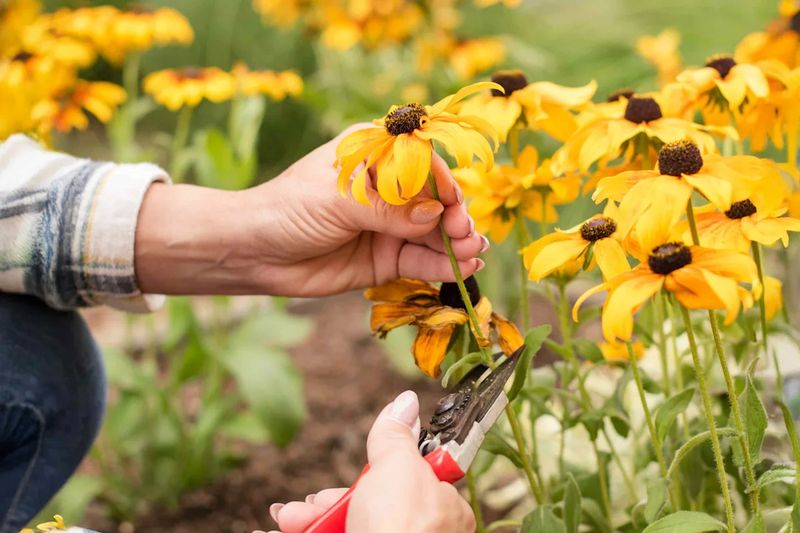
Warm Texas afternoons have a way of reminding gardeners just how fast flowers come and go. Black-Eyed Susans can push out blooms from late spring well into fall under the right conditions, but that extended color does not happen on its own.
Making deadheading a regular part of your weekly garden routine is one of the most practical steps you can take to support a longer bloom season.
Plants that are allowed to set seed freely tend to slow their flower production sooner. When you remove spent blooms consistently, you are essentially sending a message to the plant that its reproductive job is not finished yet.
That gentle encouragement can keep new buds forming over a longer stretch of summer, rather than the plant wrapping up bloom production by mid-July.
Setting a loose schedule, such as walking through your flower beds every five to seven days during peak bloom time, makes it easier to stay on top of faded flowers before they progress too far.
Your Texas Garden Changes Every Week. Your Plan Should Too.
Gardening in Texas changes quickly throughout the season. Every Friday you’ll receive a simple weekly plan showing exactly what to plant, prune, fertilize, harvest, and protect so you never miss the right timing.
In a Texas pollinator garden or a mixed sunny border, regular deadheading also keeps the overall planting looking fresh and well-tended.
It takes only a few minutes and pays off with noticeably more color through the season.
3. Cut Spent Flowers Back To A Leaf Joint
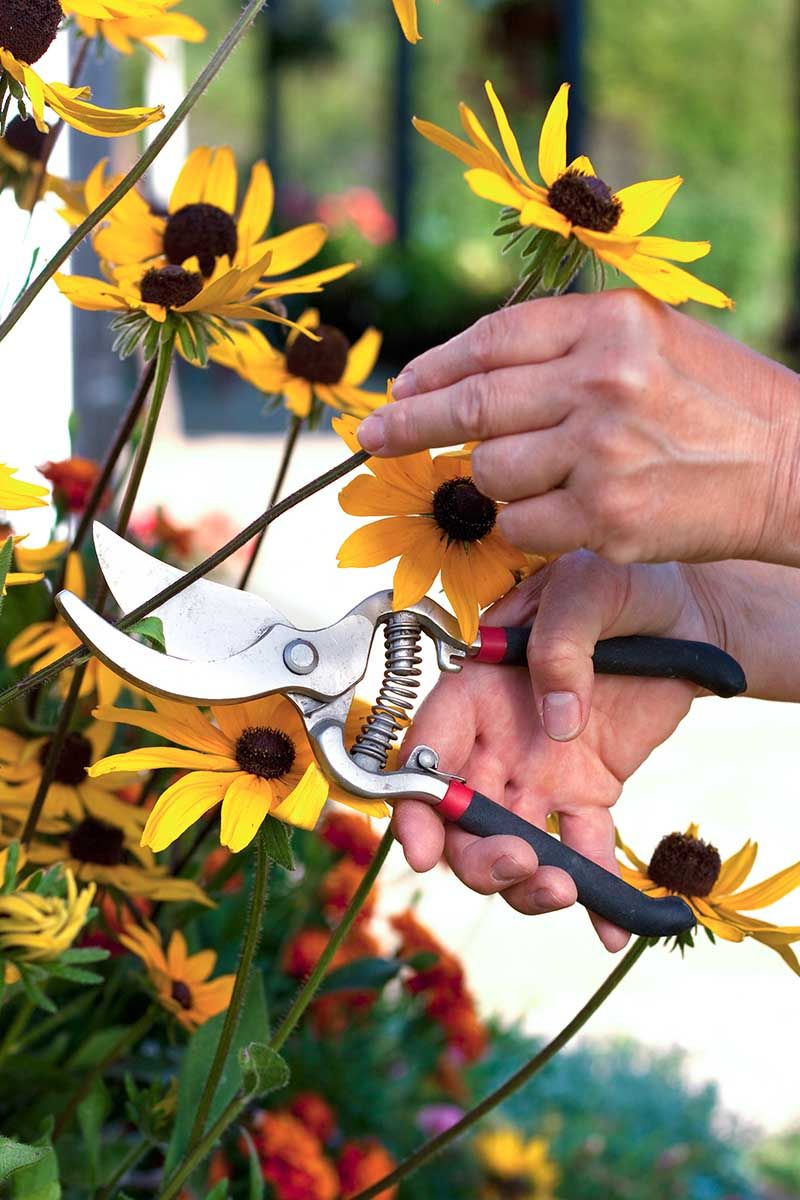
Knowing where to cut is just as important as knowing when. A lot of gardeners snip spent Black-Eyed Susan blooms right at the base of the flower head and leave a bare stem sticking up from the plant.
That bare stem does not produce new growth, and it can make the planting look a little ragged over time.
A better approach is to trace the stem down to the nearest healthy leaf joint and make your cut just above it. That node is where new growth is most likely to emerge, and cutting there encourages the plant to branch out and form additional flowering stems.
In a Texas summer bed, that small difference in technique can lead to a fuller, bushier plant with more bloom potential as the season continues.
Leaf joints are easy to spot once you know what you are looking for. They are the points along the stem where a leaf or pair of leaves attaches.
The stem just above that spot is where your cut should land. Sharp, clean pruners make the cleanest cut and reduce the chance of damaging the surrounding tissue.
With a little practice, this technique becomes second nature and genuinely supports better bloom production through the warmer months of the Texas growing season.
4. Leave Some Late-Season Seedheads For Birds
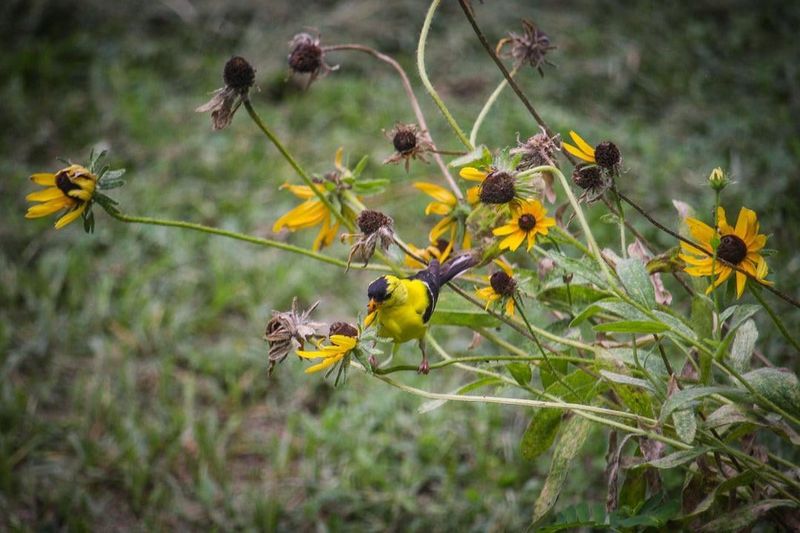
By late summer, the calculus of deadheading starts to shift a little.
Once temperatures begin to ease and the days grow slightly shorter, letting some of your Black-Eyed Susan seedheads mature on the stem becomes a genuinely smart choice rather than a sign of neglect.
Those dried cones are packed with small seeds that native birds, including goldfinches and chickadees, actively seek out during the fall months.
Leaving a portion of seedheads standing also adds visual texture to a Texas native garden or pollinator planting as the season winds down.
The contrast of dark, dried cones against fading foliage has its own quiet beauty, and it connects your garden to the broader ecosystem in a way that feels intentional rather than unkempt.
A reasonable approach is to deadhead consistently through the height of summer to extend blooming, then ease off in late August or September and allow some stems to go to seed naturally.
That balance gives you the benefit of a longer bloom season earlier in the summer while still providing wildlife value as the season closes.
In Texas, where native plantings and pollinator-friendly yards have grown increasingly popular, this kind of thoughtful seasonal shift makes good ecological sense without sacrificing much of the garden’s visual appeal.
5. Pair Deadheading With Full Sun For Stronger Flowering
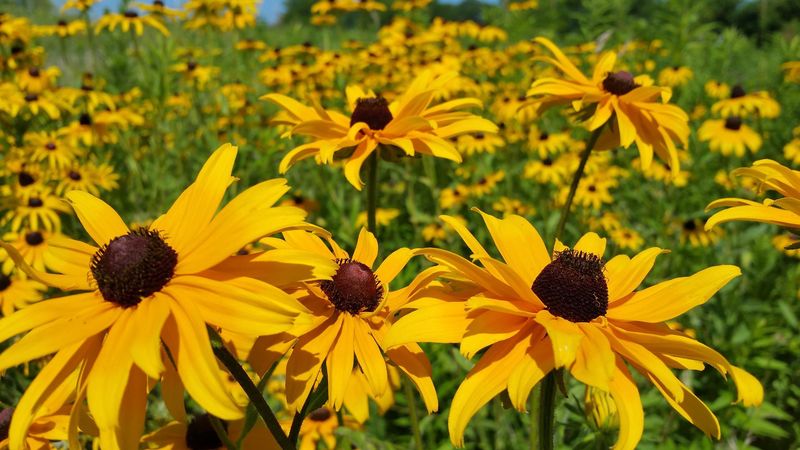
Removing spent blooms does the most good when the plant already has the energy to respond with new growth. Full sun is the foundation that makes that possible.
Black-Eyed Susans are sun-loving plants by nature, and in Texas they genuinely thrive when they receive at least six to eight hours of direct sunlight each day.
A plant growing in too much shade tends to produce fewer blooms overall, and deadheading alone cannot fully compensate for that light deficit.
Gardeners who plant Black-Eyed Susans in a sunny south or west-facing bed in are often the ones who see the most rewarding results from consistent deadheading.
The combination of strong light and regular spent-bloom removal creates conditions where the plant can keep channeling resources into flower production rather than shifting to seed development or struggling with weak, stretched growth.
If your plants are not responding as well as expected even after regular deadheading, it is worth evaluating the light conditions in that particular spot. Nearby trees, fences, or structures that cast afternoon shade can reduce bloom output significantly.
Relocating plants to a sunnier position in fall or early spring can make a meaningful difference the following season.
In Texas gardens, matching sun-loving natives to the right spot is one of the most effective long-term investments a gardener can make.
6. Water During Dry Texas Stretches To Help Extend Blooming
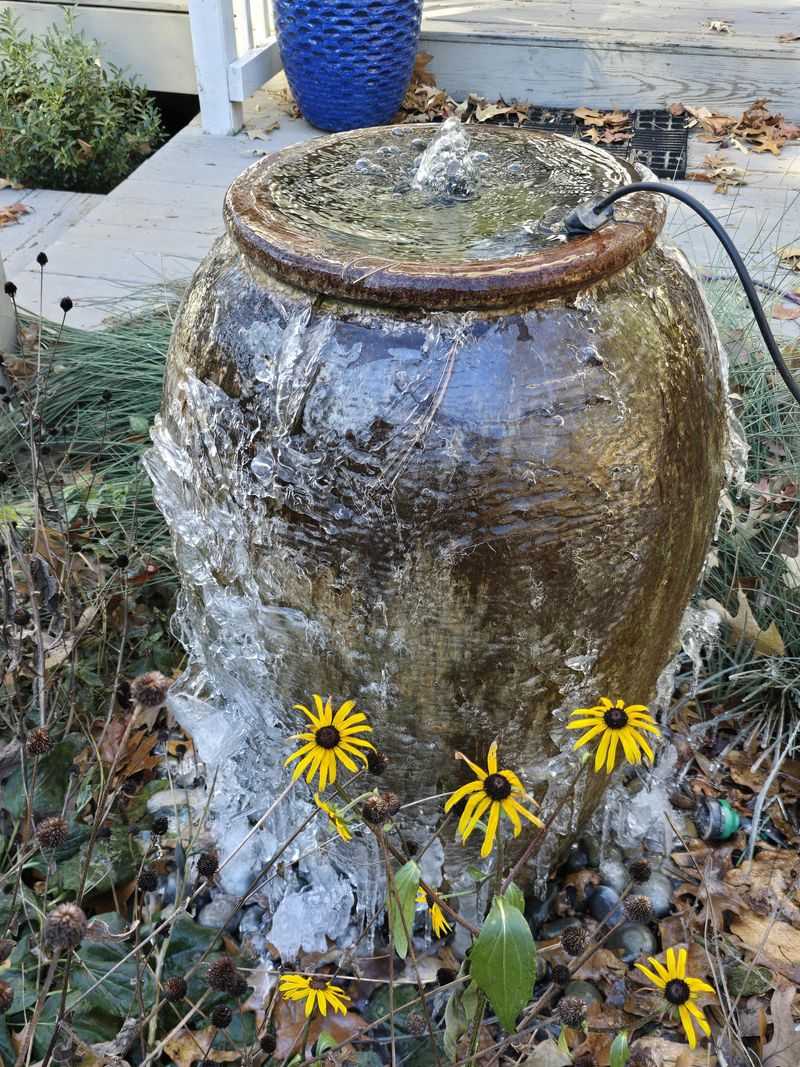
Even drought-tolerant plants have their limits, and Black-Eyed Susans are no exception.
These natives can handle dry conditions better than many ornamental flowers, but extended dry spells during summer can still put enough stress on a plant to shorten its bloom season.
When soil stays dry for too long, the plant may begin to conserve energy, and flower production is often one of the first things to slow down.
Supplemental watering during dry stretches, particularly when rainfall has been absent for two weeks or more, can help keep established plants flowering longer. A deep, infrequent watering approach works better than shallow daily sprinkles.
Watering at the base of the plant rather than overhead also reduces the chance of foliar issues in the humid pockets that Texas summers can create.
Newly planted Black-Eyed Susans need more consistent moisture during their first season as they establish roots.
Once established, they become considerably more self-sufficient, but they still benefit from occasional deep watering during the hottest, driest stretches of a Texas summer.
Pairing that care with regular deadheading gives the plant what it needs both above and below ground to keep producing blooms.
A simple rain gauge in the garden can help you track when natural rainfall falls short and supplemental watering would be genuinely helpful.
7. Avoid Soggy Soil Around Black-Eyed Susans
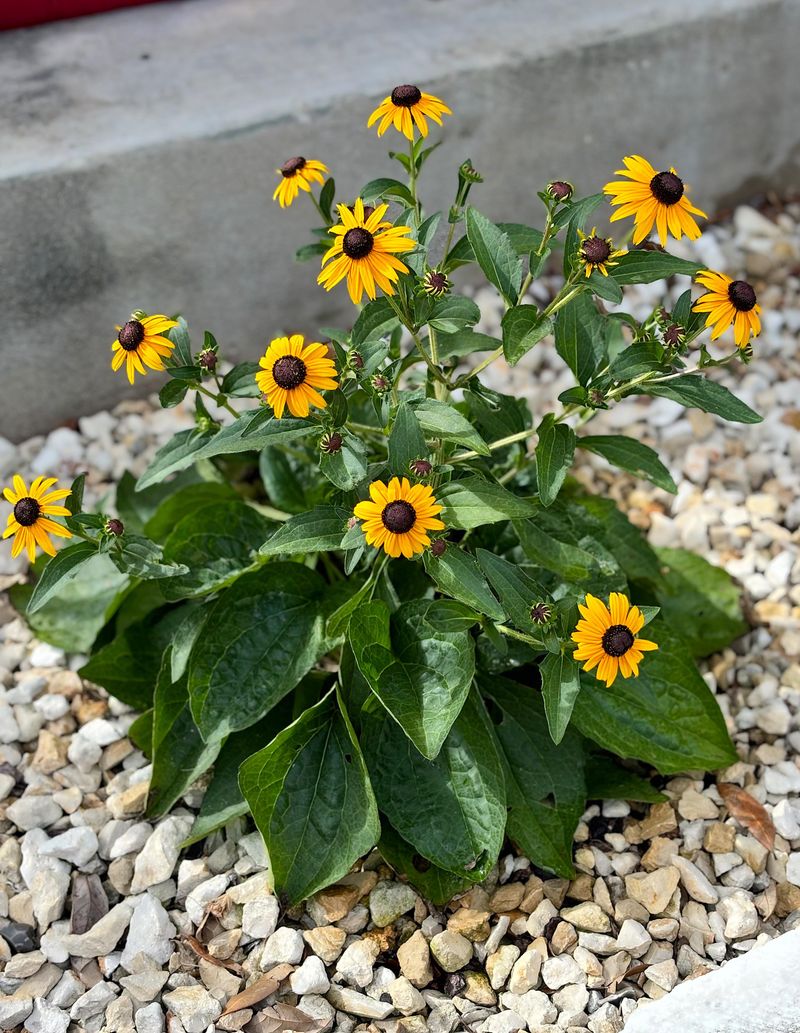
Good drainage might be the most overlooked factor in keeping Black-Eyed Susans healthy and blooming through summer.
These plants are native to open meadows and roadsides where soil drains freely, and they do not adjust well to sitting in wet or compacted ground for extended periods.
Soggy conditions around the root zone can lead to root stress that shows up as yellowing leaves, poor bloom production, and overall decline.
Texas soils vary quite a bit across the state, from heavy clay in the Blackland Prairie region to sandy loam in East Texas and rocky caliche in the Hill Country.
In areas with heavy clay soil, raised beds or amended planting areas with added compost and coarse sand can significantly improve drainage and give Black-Eyed Susans a better growing environment.
Overwatering is a common mistake, especially for gardeners who are used to caring for thirstier ornamentals.
Checking soil moisture before watering, rather than watering on a fixed schedule regardless of conditions, helps prevent the kind of chronic wetness that these plants dislike.
A simple finger test, pushing a finger an inch or two into the soil near the base of the plant, gives a quick read on whether the ground is still holding moisture.
Letting the soil dry slightly between waterings encourages healthier root development and supports more consistent flowering through the season.
8. Set A Realistic Bloom Goal For Texas Summer Heat
Honest expectations go a long way toward enjoying a flower garden rather than feeling frustrated by it.
Black-Eyed Susans are genuinely capable of blooming over a long season with good care, but no plant blooms nonstop through the full intensity of a Texas summer without some natural pauses.
Heat above 95 degrees Fahrenheit can slow flower production even in the most attentive garden, and that is a normal response rather than a sign something has gone wrong.
The goal of deadheading and smart seasonal care is to extend and encourage blooming, not to force the plant into continuous output regardless of conditions.
Gardeners who approach the season with that realistic mindset tend to feel more satisfied with their results and less inclined to intervene in ways that could stress the plant further.
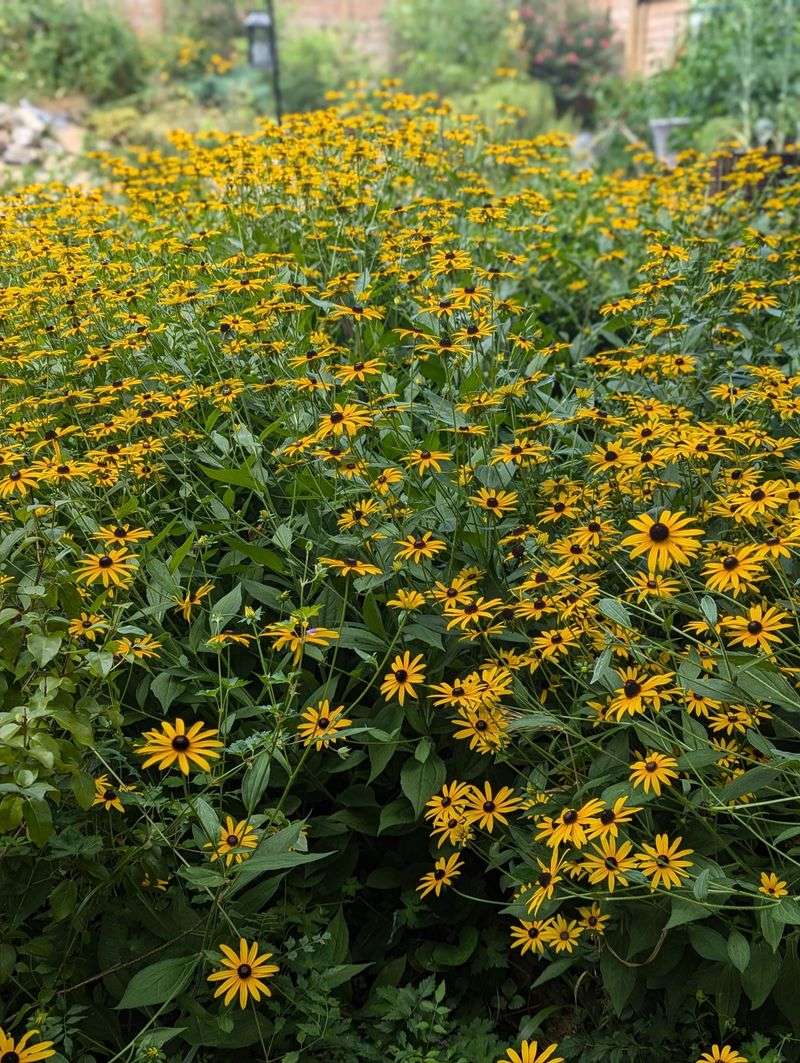
A healthy Black-Eyed Susan bed, well-sited in full sun, given good drainage, watered during dry spells, and deadheaded consistently, can offer color from late spring through early fall with some natural variation along the way.
That is a genuinely impressive performance for any flowering plant in the Texas heat.
Celebrating that range of color rather than chasing a standard of nonstop perfection leads to a more enjoyable gardening experience and a deeper appreciation for what these resilient, sun-loving natives can actually do.